


Issue #51 | October 19, 2026
New name, same bowl. After 50 issues as The Deeter Digest, this newsletter is now The Deets. It’s the same weekly CPG news and the same opinions, under a name that says what you’re getting: the details behind the deals, launches, and shelf wins that matter. Nothing changes on your end.
🥄 FIRST BITE
The appetizer before we dive in
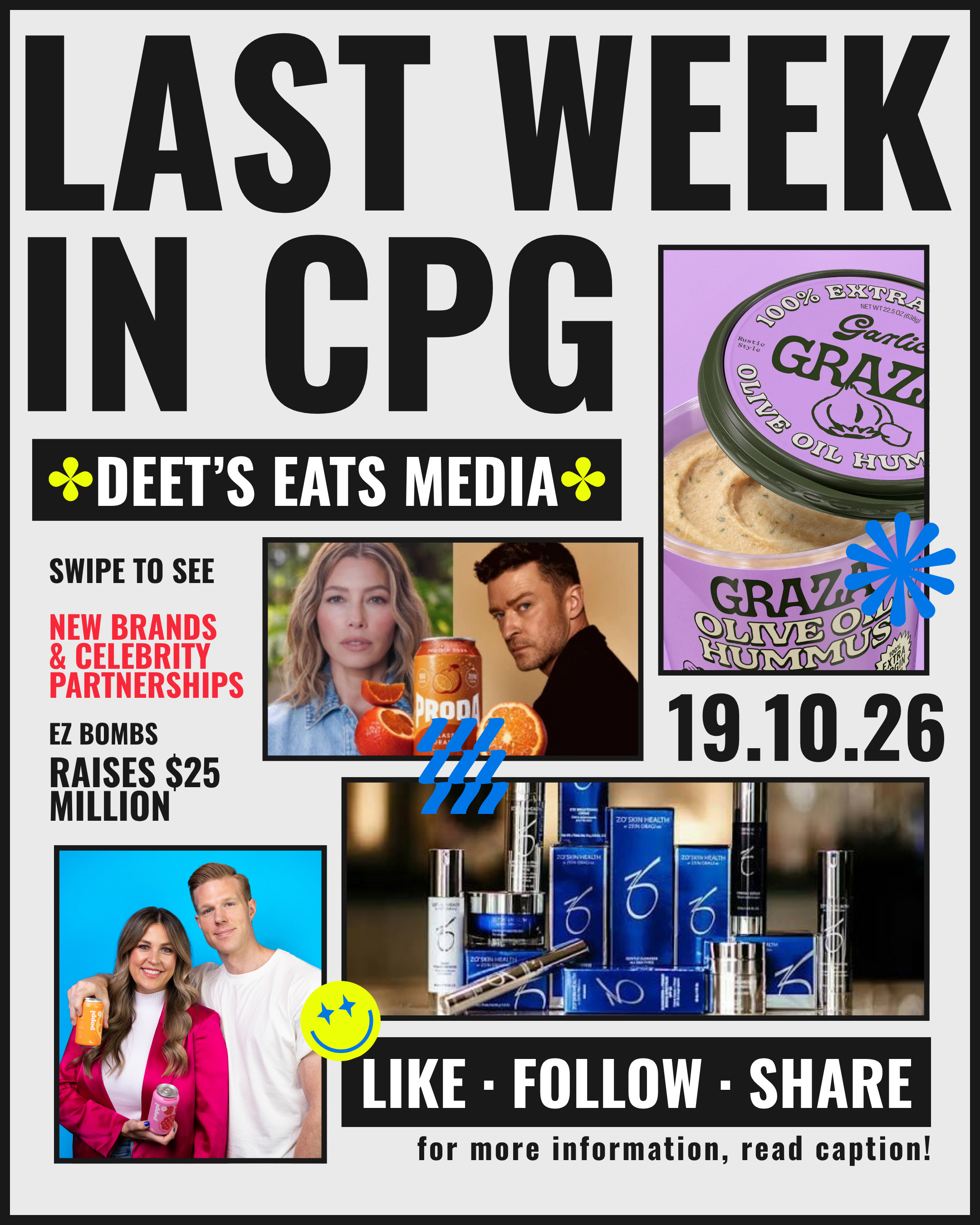
Graza made hummus. Beyond Meat made an energy drink. And Coca-Cola is piloting prebiotic fiber in Coke Zero in parts of New York, New Jersey, and Pennsylvania.
This was the week brands left their lane. The ones that work will be the ones where the brand already means something the new product needs.
Coke is testing that with its most valuable trademark. Galderma agreed to buy ZO Skin Health for $1.5 billion, a brand doctors already trust. EZ Bombs went from zero stores to 8,000 in a year on one very specific product. And the hot take is a short guide to extending your brand without breaking it.
Let’s dig in.
🍊 THE MAIN COURSE
This week’s biggest CPG moves
Coke Puts Its Name on Your Gut
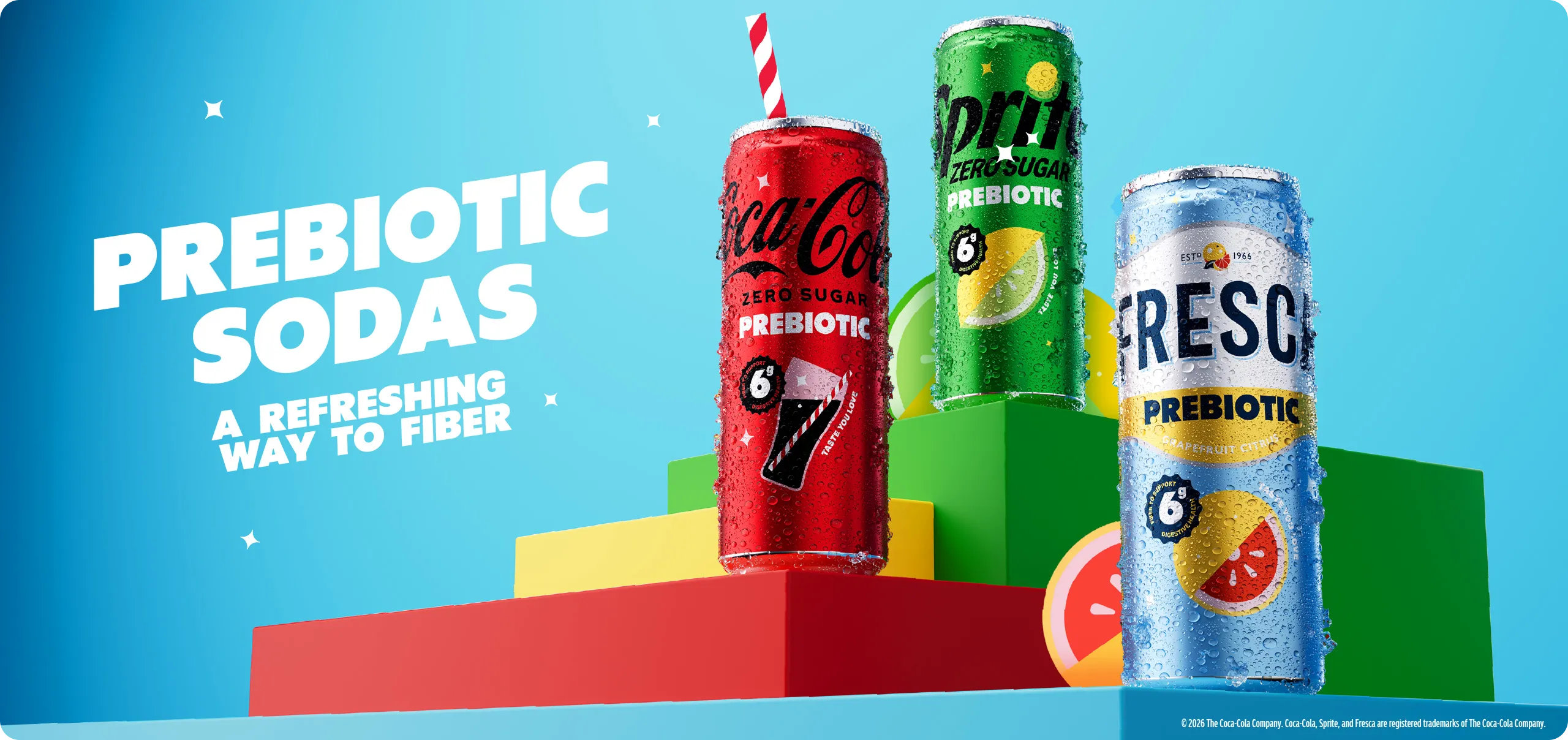
Coca-Cola is adding 6 grams of prebiotic fiber to Coca-Cola Zero Sugar, Sprite Zero Sugar, and Fresca. The pilot starts at the end of October in parts of New York, New Jersey, and Pennsylvania. If the test works, expect it to go national.
The fiber isn’t the story. The name on the can is.
Coke’s first answer to Poppi and Olipop was Simply Pop, a prebiotic soda under the Simply juice brand. That’s the safe way to test a category: a side brand you can quietly retire. This time it’s the flagship trademarks. Coke almost never risks those, which tells you how seriously it now takes functional soda. Meanwhile, PepsiCo owns Poppi and already sells Pepsi Prebiotic Cola. Coke was the last giant without a real answer.
At the NACS convenience store show in Las Vegas this month, Coke’s whole pitch was function: more hydration, more protein, more “reasons to buy.” The 2027 lineup includes zero-sugar Powerade flavors, a zero-sugar Vitaminwater, and Core Power Banana in 26-gram and 42-gram protein versions. Down the aisle, C4, Bucked Up and Rockstar all showed nicotine-free caffeine pouches. The energy drink is leaving the can.
And then there’s the other side of the soda war. Allison and Stephen Ellsworth, who sold Poppi to PepsiCo for about $1.95 billion, are back with Jetty. It’s trademarked as an “electrolyte replacement solution,” and Allison says it launches November 9. She’s been clear it won’t compete with Poppi. It will compete with every electrolyte stick on the shelf.
Here’s what this means if you’re a challenger brand. When the biggest soda company in the world copies your positioning, your advantage stops being the idea. It becomes your credibility with the people who already buy you, and how fast you can move to the next thing. Olipop and Poppi built the category. Coke is about to make it a lot bigger. That’s good for the shelf and harder for everyone on it.
💳 FROM MY TOOLKIT: DOUGH
If you run a café, a market stall, a pop-up or a brand with any in-person sales, you know payments are never as simple as they look. There’s hardware to buy, a setup that eats a weekend, fees that creep up and nobody to call when the reader dies at 8 a.m. on a Saturday. That comes up in almost every founder conversation I have.
That’s why I’ve gotten to know Darrin and the team at Dough. They’re the human layer on top of Square. Depending on your monthly card volume, they’ll place a Square Terminal, Handheld or Register for free with no monthly rental, and after 12 months it’s yours. Local setup and staff training are included, and you get a real person to call. Full disclosure, Dough is a partner of mine, and readers of The Deets get the free hardware offer at dough.cc/partner/pickle
Galderma Bets $1.5 Billion on a Brand Doctors Trust
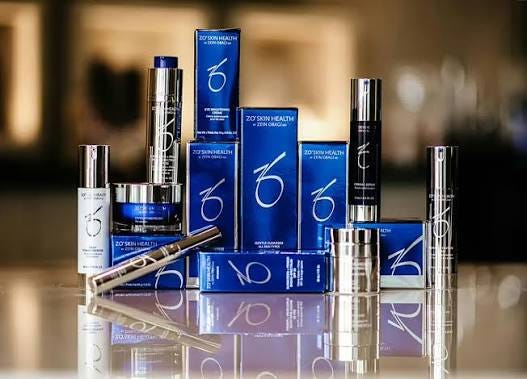
Galderma, the Swiss company behind Cetaphil and Alastin, agreed to buy ZO Skin Health for $1.5 billion in cash. ZO was founded in 2007 by dermatologist Dr. Zein Obagi and did about $330 million in sales over the 12 months through June. Blackstone bought a majority in 2020 and says revenue more than doubled under its ownership. The sellers include Blackstone and the Obagi family, and the deal is expected to close in the fourth quarter or early 2027.
That’s roughly 4.5 times sales. The reason is distribution; you can’t buy it in a store. ZO sells more than 40 products through over 16,500 physician offices, med spas, and online accounts in more than 40 countries. When a dermatologist hands you a product in the office, you don’t compare prices on Amazon. That recommendation is the moat, and Galderma is buying it.
The same week, Gauge Capital bought Saltyface, the Vancouver self-tanning brand founded by Bethany and David Menzel, for an undisclosed sum. It joins Gauge’s Soleil Collective alongside Loving Tan and Coco & Eve. That’s a roll-up: one category, several brands, shared operations. It’s one of the quieter ways private equity makes money in beauty, and self-tanner is a smart place to do it. It’s a repeat purchase, it’s seasonal, and loyalty is high once someone finds a shade that works.
And a reminder of what happens after a sale: Touchland founder Andrea Lisbona is stepping down as CEO, about 17 months after selling the hand sanitizer brand to Church & Dwight for $880 million. She stays on as a strategic adviser. Founders leaving after an acquisition is normal. Plan for it before you sign, not after.
The Squeeze: Grocery, Spirits and Hemp
Albertsons pulls its guidance. Identical sales fell 0.8% last quarter while digital sales grew 11%. Revenue was flat at $18.89 billion. The company beat on adjusted EPS, then withdrew its fiscal 2026 outlook and launched a full review of its cost structure, operating model, banner portfolio and markets. CEO Susan Morris said the results “do not reflect the potential of the Company.” When a grocer reviews its banner portfolio, brands should pay attention. Store sales, closures and reset schedules all follow from that kind of review.
Pernod Ricard’s U.S. sales fell 10% in its fiscal first quarter, which the company blamed on affordability. Its plan is smaller, cheaper formats and ready-to-drink cans, and it isn’t expecting a U.S. spirits rebound. Remember last week’s Constellation story? The giants are all telling the same story: the core is slipping, so they’re buying and building cans.
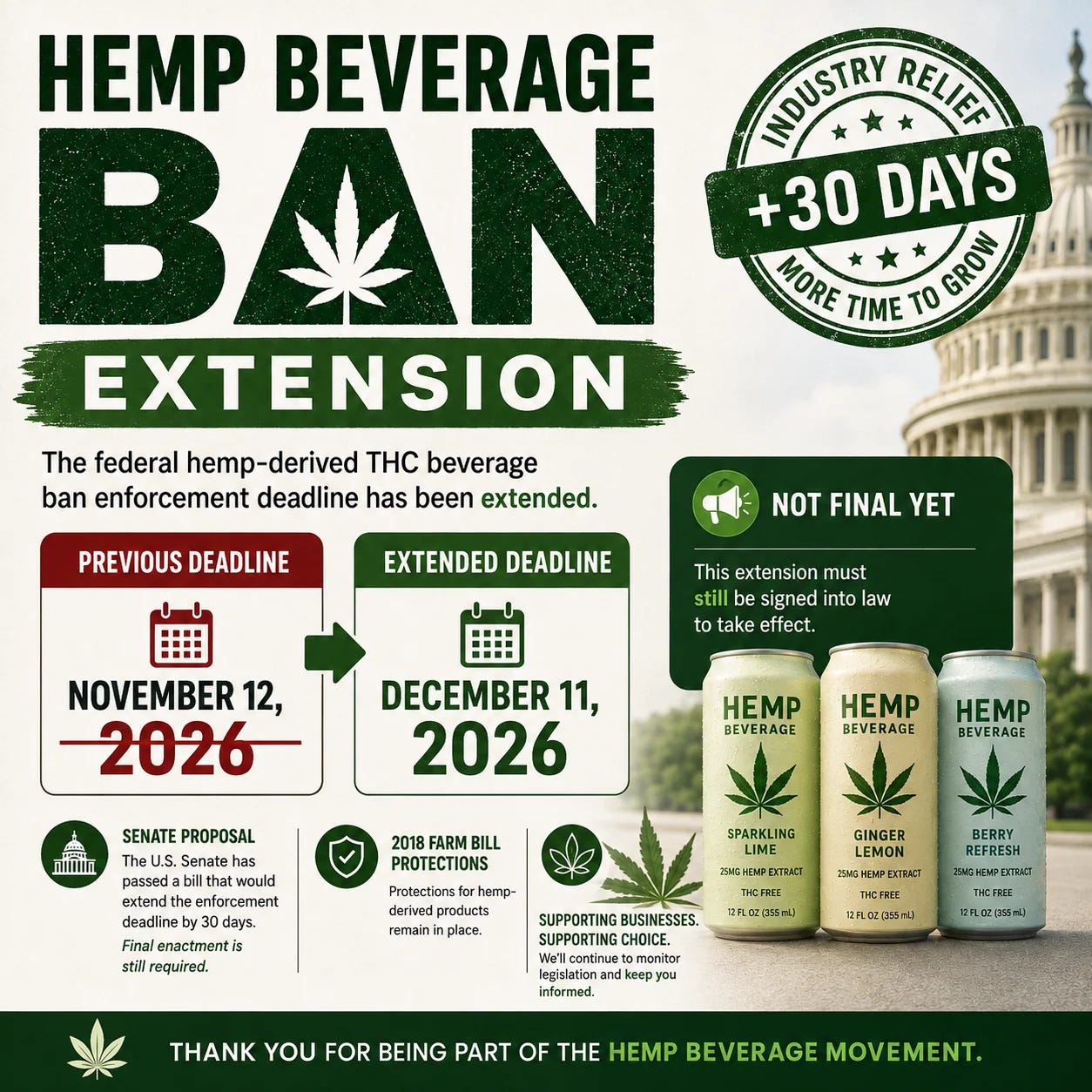
Hemp drinks have a deadline. The spending bill Congress passed last November caps hemp products at 0.4 milligrams of total THC per container. It was set to take effect November 12, but September’s stopgap funding bill pushed the deadline for hemp drinks and other THC products to December 11. That cap effectively ends the category as it exists today. The Hemp Beverage Alliance said this week it’s “optimistic” a federal fix arrives first, and there’s no sign yet of another extension. Brands aren’t waiting. New Orleans-based Louie Louie, known for THC seltzers, just launched Louie POP!, a better-for-you soda with real fruit and cane sugar. That’s a hedge, and a smart one. If you’re in hemp drinks, the question right now is what your brand stands for without the THC.
💰 THE FUNDING FRENZY
Big checks being written
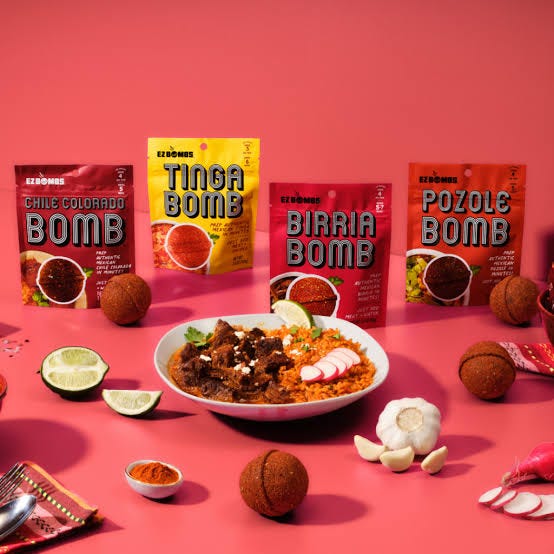
EZ Bombs: $25 million Series A. CAVU Consumer Partners led it. The dissolvable seasoning balls for birria and pozole sold more than a million units on TikTok Shop in 2025, then went from zero stores to more than 8,000, including Walmart, Target, Costco, Kroger, Albertsons and Publix. That’s the TikTok-to-shelf playbook at full speed.
Garage Beer: $20 million credit line. It comes from Tiger Finance, and it’s debt, not equity. If your sales are steady enough to borrow against, it’s cheaper than selling more of the company.
Allara: $30 million. GV and Index Ventures backed the virtual women’s health clinic, which has served 120,000+ women and recently added GLP-1s and hormone therapy.
Doughlicious: Yasso’s founders invested through their holding company, Foundership, and joined the board.
Earth Brands: $10 million. VistaPrint’s parent, Cimpress, led the round for the restaurant packaging company.
18 Chestnuts: Cistern Capital invested in the shelf-stable soup brand, which is in 1,500+ doors.
Balaveda: nearly $1.2 million. The Tennessee wellness shot brand raised it from friends and family to take on 5-Hour Energy.
Flo: Google Health invested. Starting in 2027, the period tracker’s 80 million+ monthly users can opt in to share data with Google.
🆕 PRODUCT LAUNCHES & INNOVATION
This week’s innovation circus
Everybody Left Their Lane
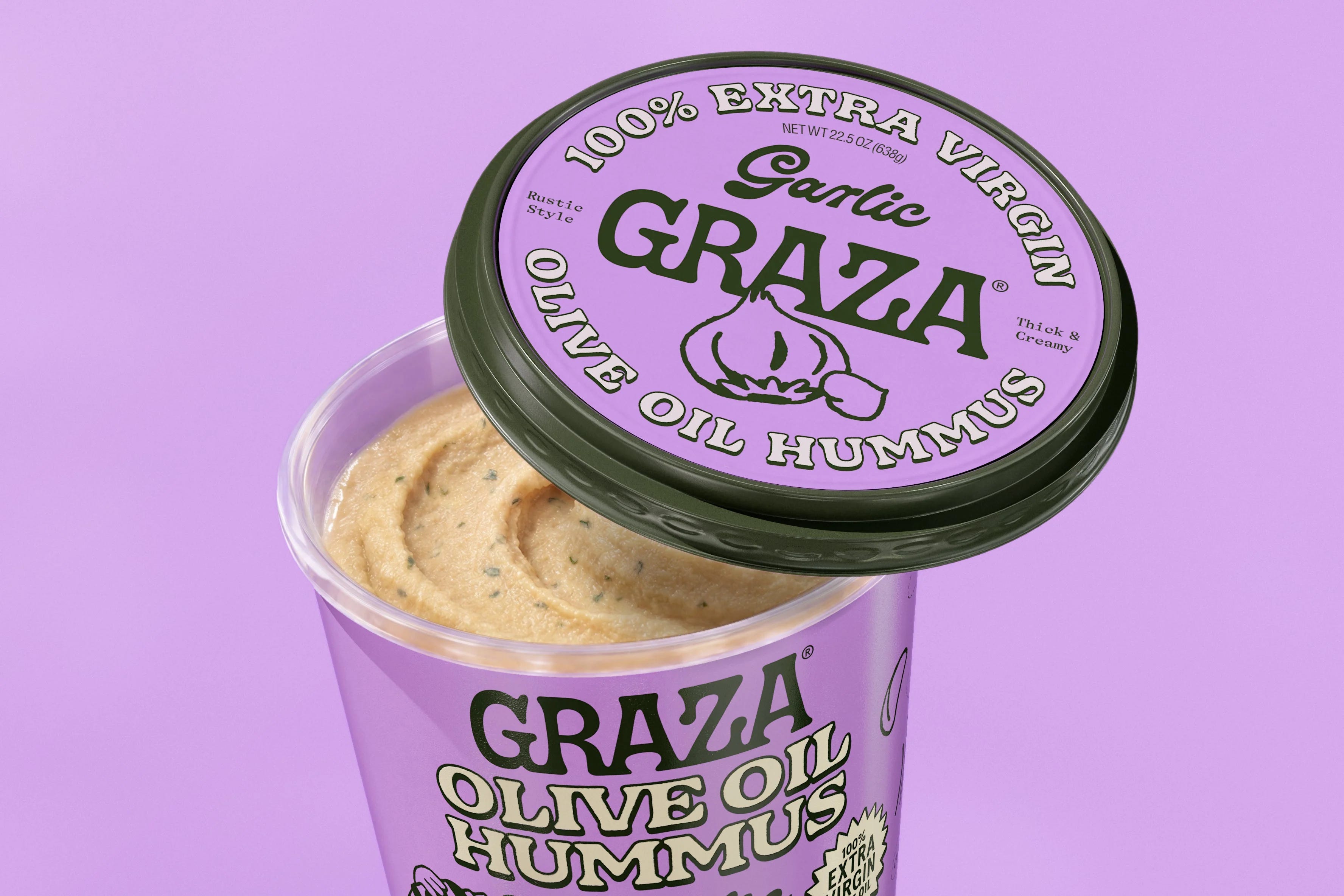
Graza: olive oil hummus. After its Ithaca collab, Graza launched its own Garlic Confit & Chive hummus at select Southeast Costco clubs.
Beyond Meat: energy drinks. Beyond Immerse now comes in energy: 20g of plant protein, 160mg of caffeine and 5g of fiber per can.
Bragg: Tropical Zing. It’s a sparkling drink with a tablespoon of Bragg’s apple cider vinegar in every can.
Milou: Beauty Electrolytes. The skincare brand from Dose & Co founder Libby Boxall put 3,000mg of collagen in each stick.
Beekeeper’s Naturals: OTC lozenges. Menthol Cooling Relief Lozenges are its first regulated over-the-counter product.
Just Ice Tea: energy. Awaken has 120mg of caffeine per can.
Mark Anthony Group: RefreshAde. The White Claw owner’s vodka ade has real juice, no bubbles and no added sugar, and goes national next year. Constellation bought SpikedAde last week. The fast follower showed up in seven days.
Protein Everywhere
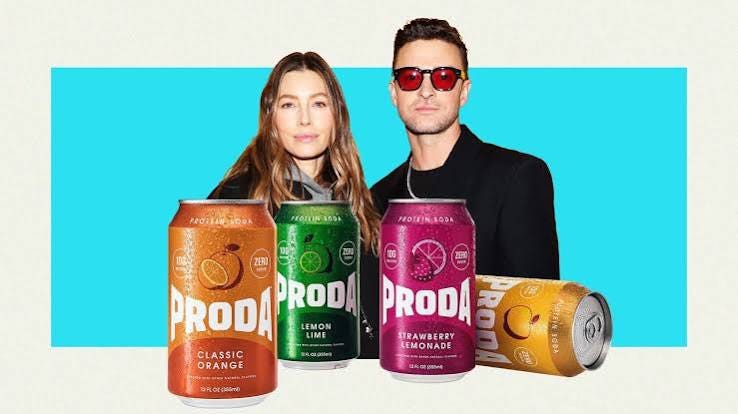
PRODA: Justin Timberlake and Jessica Biel. Suja founder Jeff Church added them as co-founders of the protein soda, along with Barry’s Joey Gonzalez. It has 10g of whey and zero sugar; it’s at Sprouts and Amazon, and it wants to expand to clubs and grocery stores next. Per Circana, 48% of U.S. adults are trying to eat more protein.
Barebells: 28g bars. It launched a new high-protein line.
Curd: cottage cheese pudding. It’s date-sweetened with 16 to 17g of protein, relaunched after a texture fix.
STACK: pre-workout in a can. Each can has 5g of creatine and 120mg of caffeine.
Create: more at Target. Target’s top creatine brand added gummies and a creatine-plus-electrolytes mix.
Collabs and Stunts
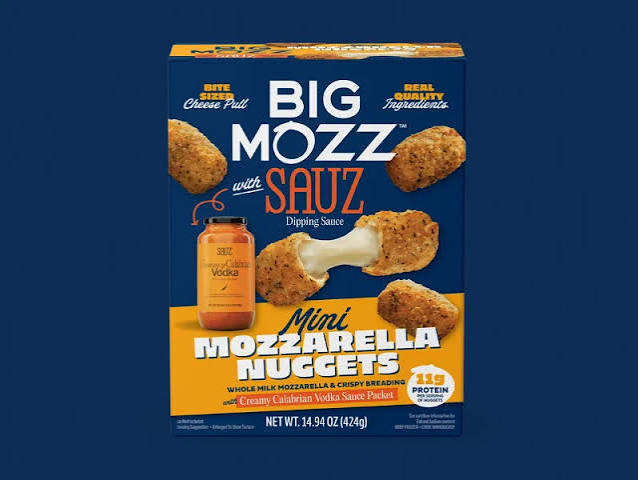
Big Mozz x Sauz: Mozzarella nuggets with a Calabrian vodka dip, exclusively at Target.
Boka x Olipop: Pomegranate Sparkle toothpaste, sold next to the soda on Walmart and Target endcaps.
Kraft Pocket Parm: Three new grated cheese flavors as bag charms, ahead of a January shelf launch.
Chipotle: A three-foot, 170-liter takeout bag. It’s giving away 8,000 to Rewards members who order a Family Meal in the app.
Also New
Carbliss: A 12% ABV zero-sugar cocktail line, rolling out across six Midwest states in November.
Aonic: A membership club that sells its supplements at cost. It’s $49 for the first year for 1,000 founding members, then $149.
Rhode: A mirrored Spot Case for its pimple patches.
Magna: A Shirley Temple magnesium drink.
Hint: A limited dessert-flavored pack aimed at younger shoppers.
Banam: Banana water, launching at Tesco in Ireland.
CPK x FiveStar: California Pizza Kitchen salad kits, coming to grocery next year.
📊 THE DATA DIGEST
Numbers that matter
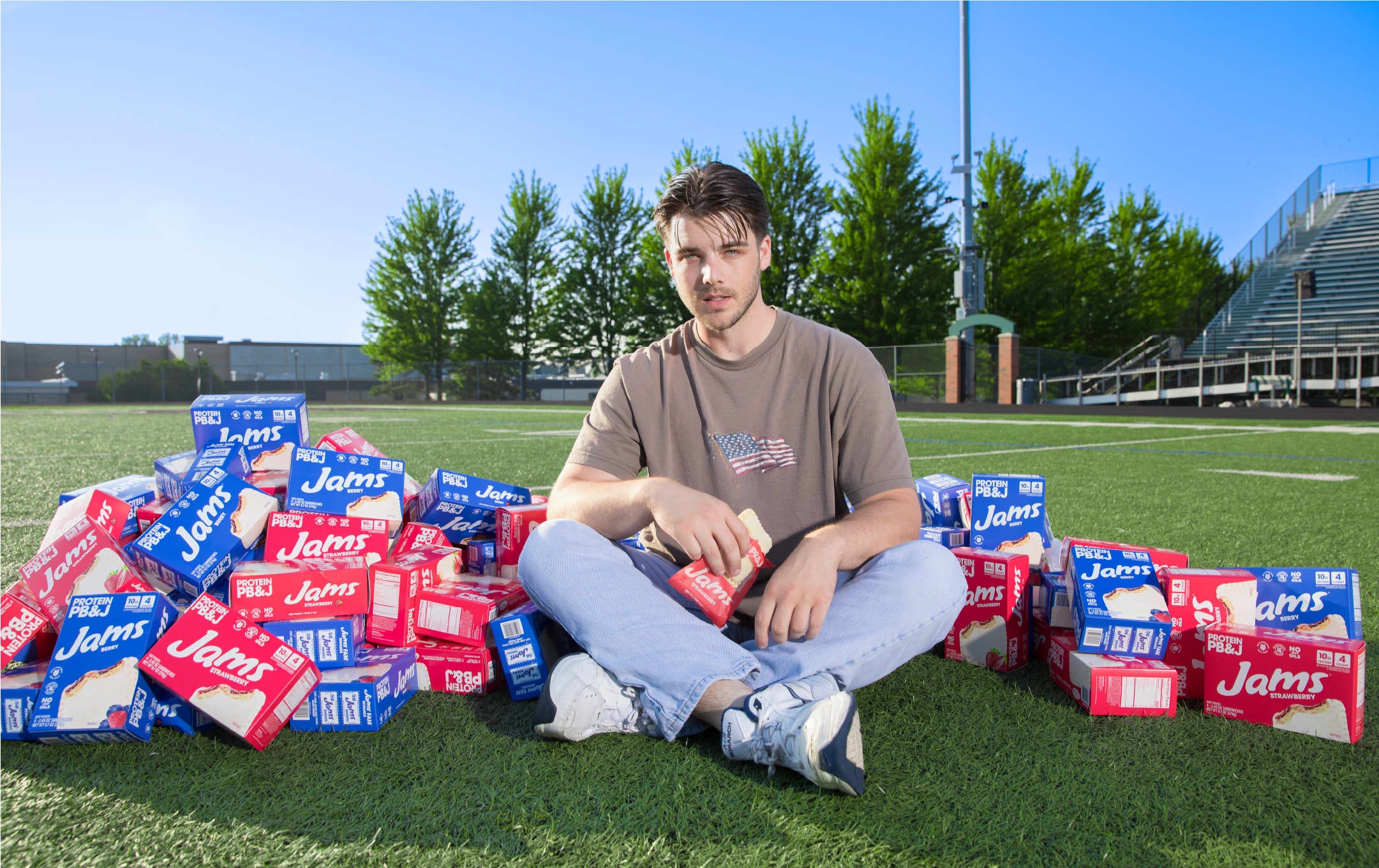
54%. The share of Jams buyers who are new to the PB&J category, per Ibotta and Mintel. The best challenger brands don’t just steal share, they bring in new shoppers.
73%. How much 818 Tequila’s volume grew in the four weeks ending September 5, per NielsenIQ, while tequila over $25 fell 0.4%. 66% of its recent buyers came from outside tequila. That’s what Sazerac’s distribution can do with a brand people already know.
#1. Outlaw Light’s rank in U.S. beer case growth for the four weeks ending August 29, per NIQ. An independent light beer from Denver beat everyone.
53%. The share of UK adults who drink low or no-alcohol beverages at least monthly, per KAM Insights.
4.5x. Roughly the multiple of sales in Galderma’s agreement to buy ZO Skin Health. Professional channel brands command a premium.
🏪 DISTRIBUTION DOMINATION
Everyone’s everywhere
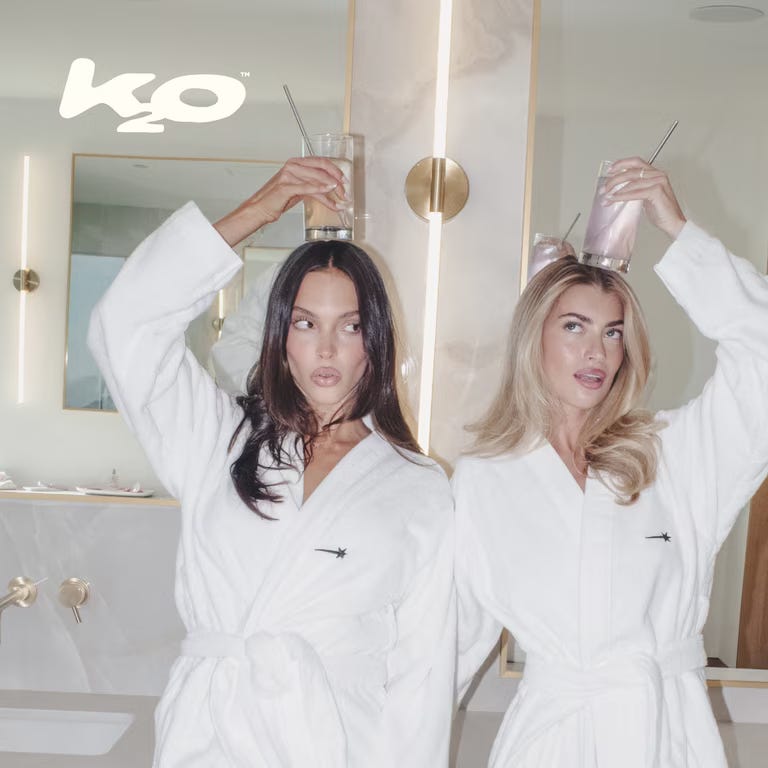
Walmart: k2o in 2,000 stores, and Neutonic in nearly 1,000 as part of a new Mood & Mind drinks set. Whole Foods: FROPRO grew from 70 to about 398 stores. CVS: Nello nationwide. Target: Sunshine Buns nationwide, plus a push into viral TikTok home brands like Mellow Sleep. H-E-B, Wegmans and Harris Teeter: Little Spoon. H-E-B: Loonen storewide. DeCicco & Sons: HEYDOH. 7-Eleven Australia: Neuro gum. Priceline Pharmacy: KIC Hydration in more than 480 Australian stores from late October.
👋 PEOPLE MOVES
COCOLAB, the CocoFloss maker, named Gayle Tait CEO. She spent nearly 15 years at L’Oréal and six at Google, and sits on the boards of e.l.f. Beauty and Jamieson Wellness. The brand grew nearly 200% over three years. Generous Brands, home of Health-Ade, Bolthouse Farms, Evolution Fresh and Sambazon, hired former Athletic Brewing executive Andrew Katz as CMO. And Touchland’s Andrea Lisbona stepped down as CEO (see above).
The COCOLAB hire is the one to watch. Bringing in a CEO with big-company beauty experience and a seat on e.l.f.’s board tells you where a founder-led brand thinks it’s going next.
🔥 THE HOT TAKE
My unfiltered opinion on this week’s madness
Brand extension is the cheapest growth you’ll ever find, and the fastest way to make people forget why they liked you.
This week, Graza made hummus, Beyond Meat made an energy drink, Bragg made a soda, Milou made electrolytes, and Beekeeper’s Naturals made cough drops. Every one of these launches has a real business reason behind it. You already have customers, retailer relationships, and brand awareness. A new product rides all of that for almost nothing.
But it only works if the new product needs what your brand already means.
Three things I’d keep in mind before you extend.
First, extend the promise, not the logo. Graza’s promise is “great olive oil, easy to use.” Olive oil hummus delivers that exact promise in a new form. Bragg’s promise is apple cider vinegar you trust, and a can of it in juice is the same promise. When the new product only shares your logo, customers have no reason to believe you can do it well.
Second, test before you bet. Graza collaborated with Ithaca before launching hummus under its own name. Coke tested prebiotics under Simply before putting the Coca-Cola name on it. A collab or side brand lets you learn whether people care before you risk your main brand.
Third, watch your core while you do it. Every new product takes attention, shelf space, and cash away from the one that got you here. If your hero product isn’t growing, a new flavor of something else won’t fix it. Most founders I work with would get more out of making the core product great in one more retailer than launching into a second category.
The best brands this week didn’t leave their lane. They made it wider.
Know what you stand for. Build accordingly.
🎙️ COMING TUESDAY
Unpackaged Goods Episode
Coke bets its name on gut health, Galderma’s $1.5 billion deal for ZO Skin Health, and EZ Bombs’ run from TikTok Shop to 8,000 doors. Plus how to extend your brand without breaking it.
🥫 ONE MORE THING...
Before you close this tab
Whole Foods released its 2027 trend predictions, and the list reads like a forecast for everything in this issue. “Beautrition,” food marketed for your skin, is basically Milou’s electrolytes. “Ingredient Minimalism” is every short-label launch on the shelf. And “The Bean Boom” says beans and legumes are moving from side dish to the center of the plate as a source of protein and fiber.
My favorite is “Bitter Done Better.” After a decade of everything getting sweeter, Whole Foods thinks we’re ready for amaro-style drinks and bitter greens. I’m not sure the average shopper is there yet. But brands that read these lists early, then launch something real a year later, look like they saw it coming.
Until next Monday, Jonathan Deeter Your CPG-Obsessed Friend
P.S. Prediction ledger. Protein is now in soda, cottage cheese pudding, energy drinks and 28-gram bars. Pickle protein powder by Q1 2027 is still outstanding, and with beans having their moment, I’m counting on the brine to be next.
Know a founder, operator, or investor who’d get something out of this? Forward it their way. If someone forwarded it to you, subscribe for free at deetseatsmedia.com to get The Deets every Monday 🥣
TikTok | Instagram | Newsletter | Pickle Advisors