


Issue #50 | October 12, 2026
🥄 FIRST BITE
The appetizer before we dive in
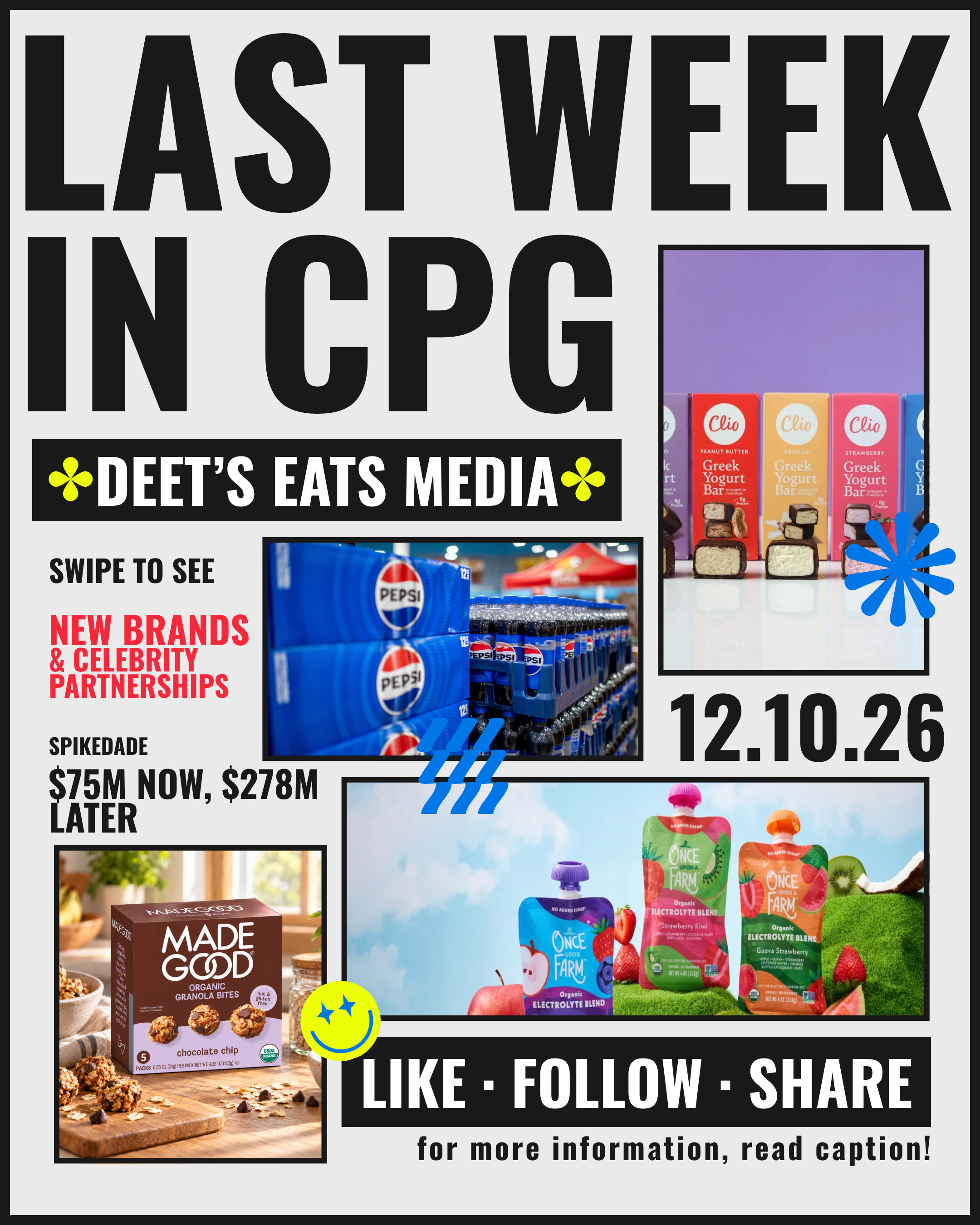
SpikedAde sold to Constellation for $75 million. Or for $353 million. Both numbers are in the press release, and the gap between them is the most interesting thing that happened in consumer this week.
The $75 million is what Jason Cohen’s vodka sports drink gets at close. The other $278 million arrives over five years only if the brand keeps performing. That’s not a footnote. It’s the deal.
Once you start reading structure instead of headlines, the whole week looks different. MadeGood’s founding family bought back control at a reported valuation north of $1 billion. Stride didn’t buy a yogurt bar brand outright, it took a majority. Boots signed an $8.9 billion deal that splits ownership from control.
Issue #50, by the way. Fifty issues. Thank you for reading, forwarding and arguing with me in the comments. Let’s dig in.
🍊 THE MAIN COURSE
This week’s biggest CPG moves
Constellation Buys Its Future in Installments
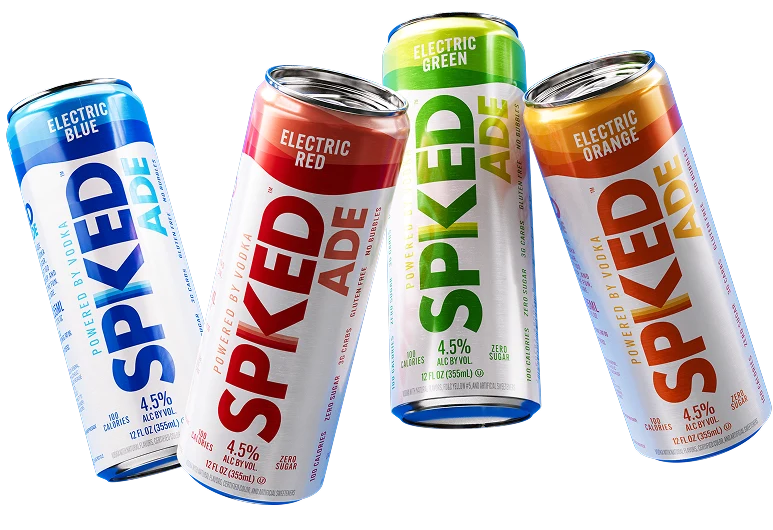
Start with why Constellation is shopping. On Tuesday it reported fiscal second-quarter net sales of $2.63 billion, up 6% and ahead of estimates, with adjusted EPS of $3.74. The problem was underneath. Total beer depletions, the closest thing to what people actually bought from stores and bars, fell 0.6%. Modelo Especial was down about 2% and Corona Extra about 5%. The company held its full-year EPS guidance, but the midpoint sat below what analysts wanted, and the stock fell to a new 52-week low.
When your two biggest brands are slipping, you go looking for the next ones. Constellation did that twice in two days.
SpikedAde. Constellation is acquiring the zero-sugar, 100-calorie, non-carbonated vodka sports drink for $75 million at close plus up to $278 million over five years tied to performance. Cohen launched it last year and, it shipped 1.5 million cases in its first year across 33 states, with 75% of volume coming from reorders. That reorder number is the reason anyone wrote a check. Trial is easy to buy. Repeat isn’t.
Hiyo. Constellation also led the non-alcoholic social tonic brand’s $20.8 million Series B. Hiyo expects to move about a million cases this year and pass 10,000 doors. Constellation was already an investor, so this is a strategic doubling down, not a first date.
Put those together and you can see the playbook. A minority check in non-alc. An earnout-heavy buy in RTD. Earlier this year, the rest of HOPWTR. Constellation isn’t making one big bet to replace beer. It’s buying options, and making the founders carry part of the risk.
Here’s what that structure means if you’re the founder. An earnout this large says the buyer believes the story but wants proof that it survives their distribution system. Can a brand built in the eastern U.S. travel through a national drinks giant? Cohen gets paid in full only if the answer is yes. That’s fair, and it’s also the part of every deal that goes sideways, because the founder no longer controls most of the levers the earnout is measured on. If you’re ever offered one, negotiate the definitions as hard as the number. Which revenue counts, who sets the marketing budget and what happens if the buyer changes strategy all matter more than the headline.
The Deals Where Control Was the Point
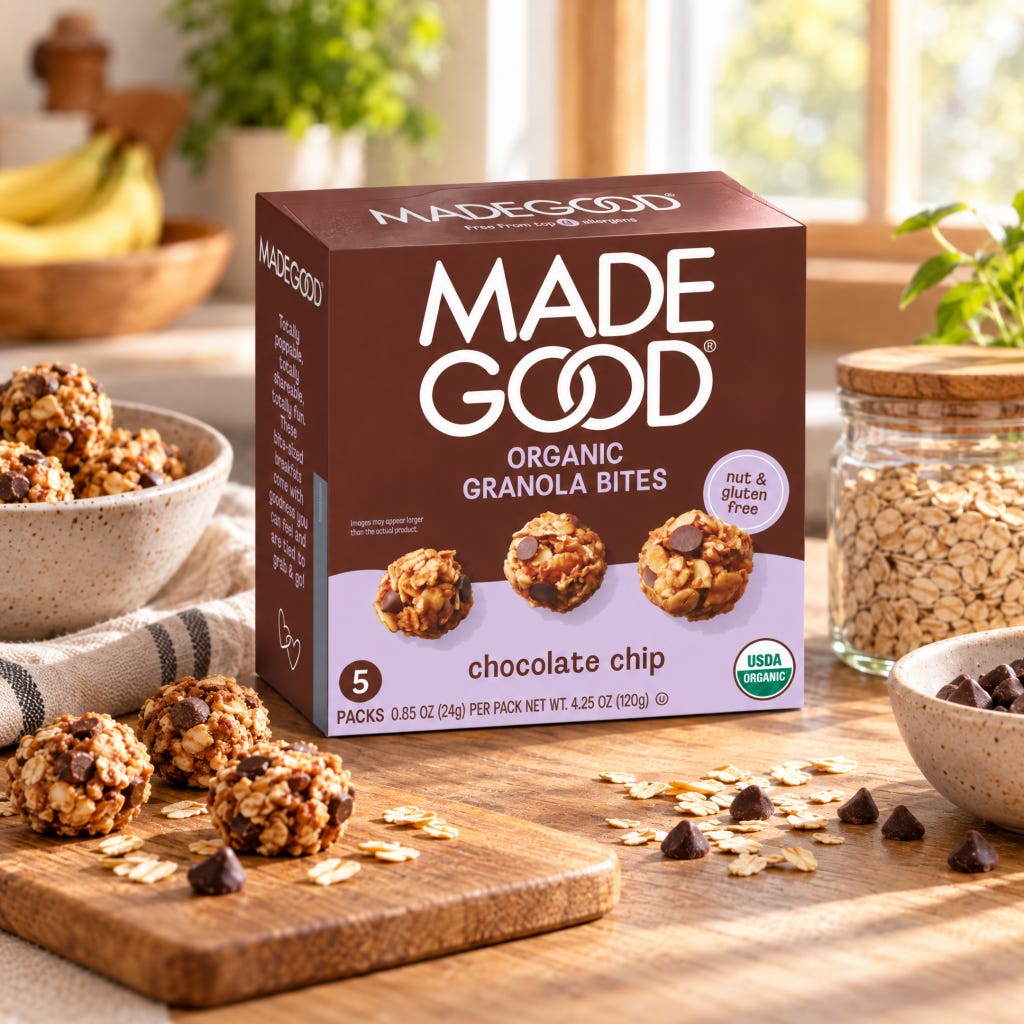
MadeGood buys itself back. Riverside Natural Foods, the family behind MadeGood, bought back Prelude Growth Partners’ minority stake and is fully family owned again. Bloomberg reports Riverside is now valued north of $1 billion. Prelude came in in 2022 and helped grow net sales 2.5 times while expanding the U.S. footprint. It’s Prelude’s third exit in about 18 months, after Bachan’s and So Good So You, and Prelude also raised a $600 million Fund III. Investors who return capital get to raise more of it.
This is the Manucurist model from last week running in reverse. Take a minority partner to scale, then buy the steering wheel back once the business can fund it. It only works if the company generates enough cash to make the buyback possible, which is the profit-buys-options thesis again.
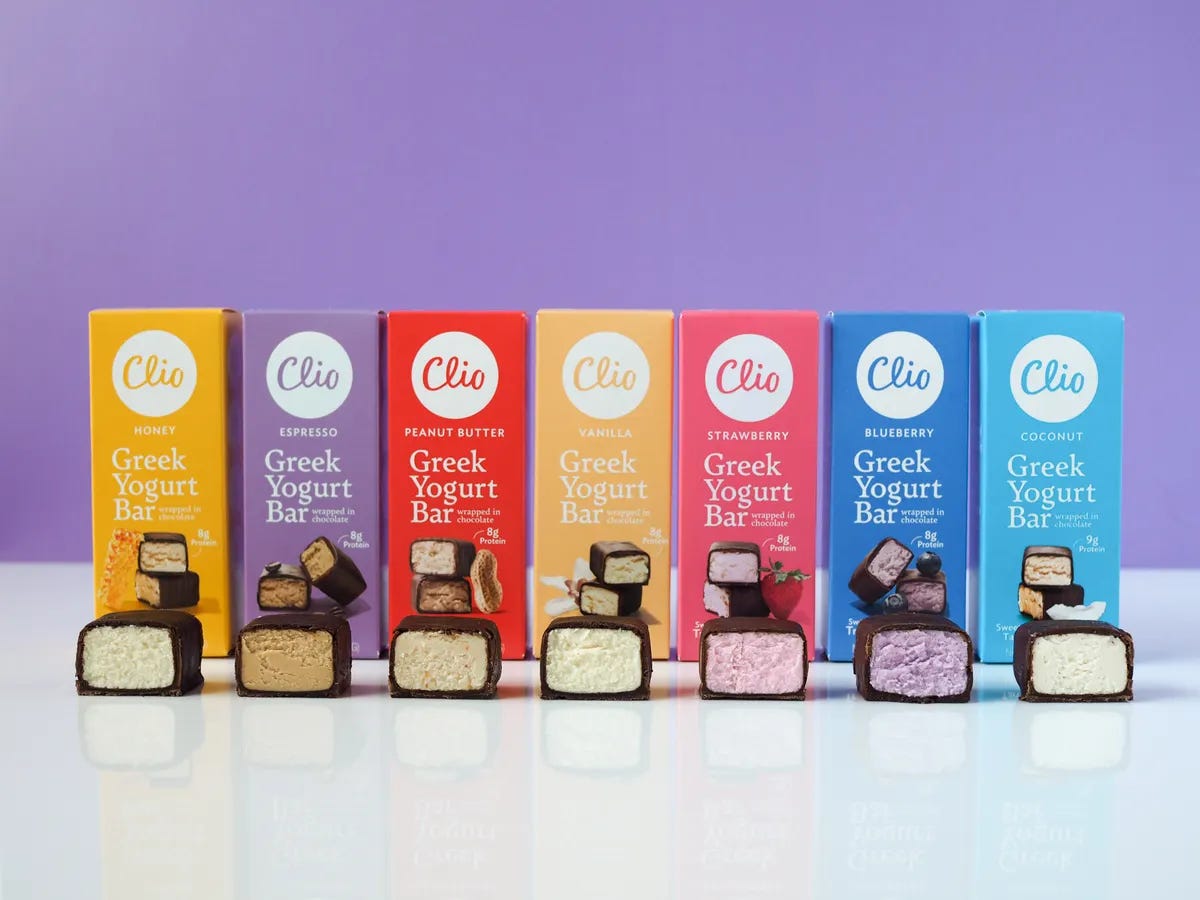
Stride takes a majority in Clio. A week after closing its $550 million Fund II, Stride Consumer Partners bought a majority stake in Clio, the refrigerated Greek yogurt bar brand. Clio started by accident in 2015, when founder Sergey Konchakovskiy began shaping over-strained yogurt into bars. Under CEO John McGuckin, who joined in 2021, revenue has more than quadrupled. It’s on pace to produce more than 150 million bars this year, expects about $120 million in revenue, sits in roughly 60,000 doors and runs its own 86,000-square-foot plant in Piscataway, New Jersey. Owning manufacturing is unusual for a brand this size, and it’s probably a big part of why the deal happened. It’s hard to copy a refrigerated product when you control the line.
Boots signs at $8.9 billion. The sale we flagged as “nearing” last week is now an agreement. Fairfax and the Weston family’s Wittington will acquire Boots’ UK and Ireland business, No7 Beauty Company, Boots Opticians, and its Thailand and franchise operations for about $8.9 billion including debt. Fairfax expects to own 50% of the equity, but Wittington gets operating control and Galen Weston chairs. Closing is expected in the first quarter of 2027. For beauty brands, the person running the shelf matters more than the person owning half the equity.
PepsiCo: The World Is Buying, North America Isn’t
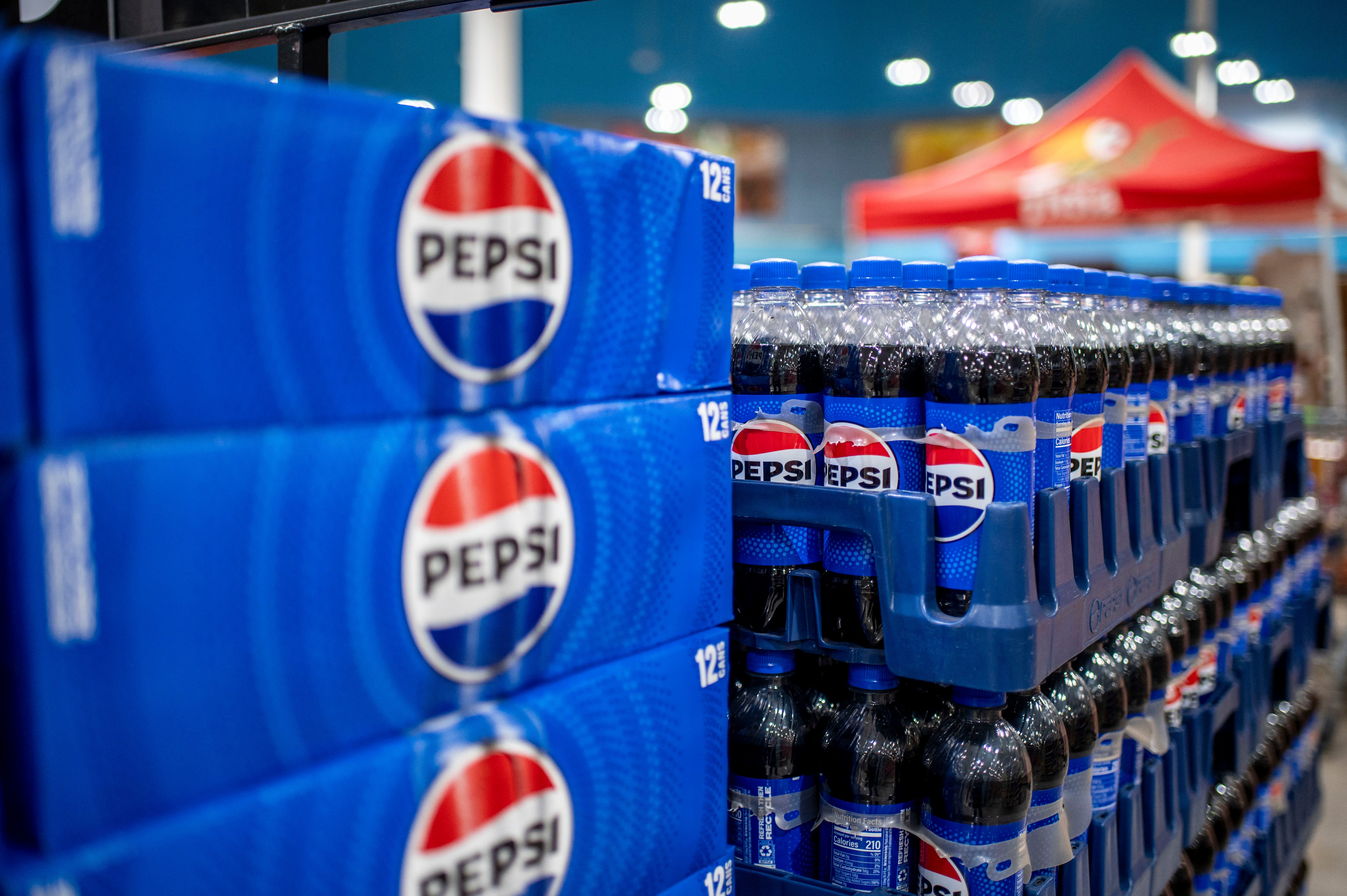
PepsiCo’s third quarter beat on the top line. Revenue rose 5.6% to $25.27 billion, and global snack volumes grew 4%, the fastest since 2021, led by Asia Pacific at 11%. Then you get to North America. Frito-Lay volumes were flat, beverage volumes fell 2%, and PepsiCo cut its full-year adjusted EPS growth outlook to 2.5% to 3.5%, from 5% to 7%, while raising revenue guidance to about 6%.
That’s a company growing sales and shrinking margin, which is what happens when you have to spend more to sell the same amount at home. The growth spots PepsiCo pointed to were simpler ingredients and protein, which is the same thing every challenger brand on this list is building. When the incumbent’s plan is to copy your positioning, your advantage has to be speed and credibility, because it won’t be shelf space.
More Deals Worth Watching
A2Z Cust2Mate completed its acquisition of Hedia, an Israeli in-store retail media business with about $20 million in annual revenue, for roughly $8.4 million in cash plus 833,333 shares. Smart carts plus an ad sales team is one more way for brands to pay for attention right at the shelf. Maesa named BEAME, gemi and Sugar Standard to its 2027 Magic Incubator, with $35,000 grants for each.
🧪 SPOTLIGHT: FOUNDRY
A new brand worth knowing
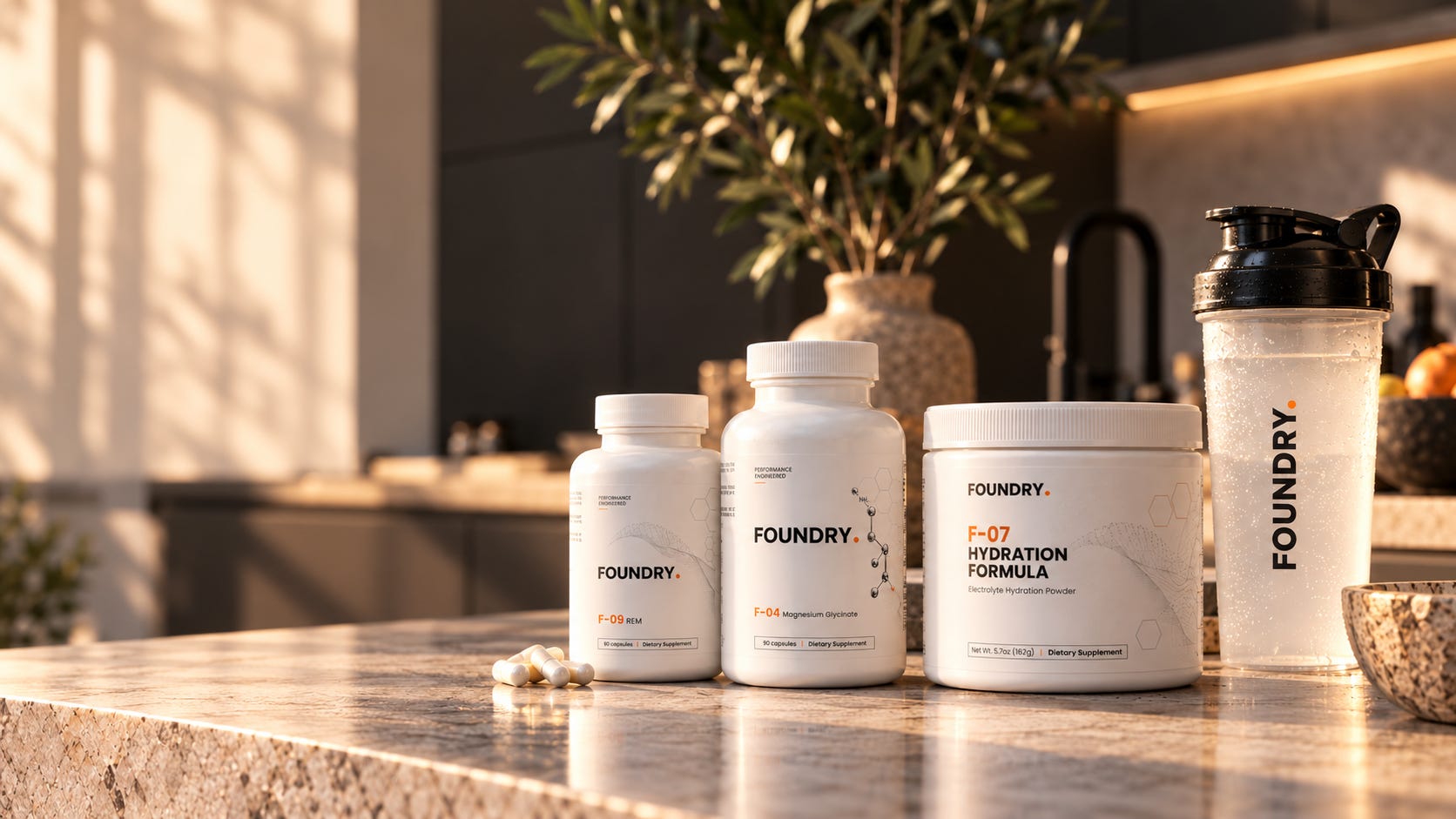
Foundry Takes the Guesswork Out of Your Supplement Routine
Foundry launched on Thursday, October 8, with a simple promise: “Less guesswork for those who want to know.”
Most people’s supplement shelf is a pile of half-finished bottles bought on a friend’s recommendation. Foundry replaces that with a system. Every formula is numbered, from F-01 Omega-3 to F-12 Joint Support, with F-04 Magnesium Glycinate, F-05 NMN, F-06 Synapse, an F-07 Hydration Formula in passion fruit, F-08 Neural Chassis and F-09 REM along the way. The packaging is clean, clinical and built to look good on a counter.
The standout is the scan. Foundry calls it the first AI facial scan for supplements. Look into your phone’s camera, and in about 30 seconds it reads biomarkers like heart rate and HRV and builds a supplement stack around you, not around whatever was trending last month. The brand calls it “personalized wellness for a longer tomorrow.”
From a brand-building view, I like the numbering. It turns a confusing category into something you can remember and collect, and “F-05” is a lot easier to reorder than “nicotinamide mononucleotide.” With NMN going mass market this week (more on that below), Foundry already has it in the lineup. And in a category where Costco can sell the same ingredient under the Kirkland label, owning the recommendation is the moat. That’s exactly where Foundry is building.
Check out the lineup at foundrysupplements.com and follow along at @foundrysupplements.
💰 THE FUNDING FRENZY
Big checks being written
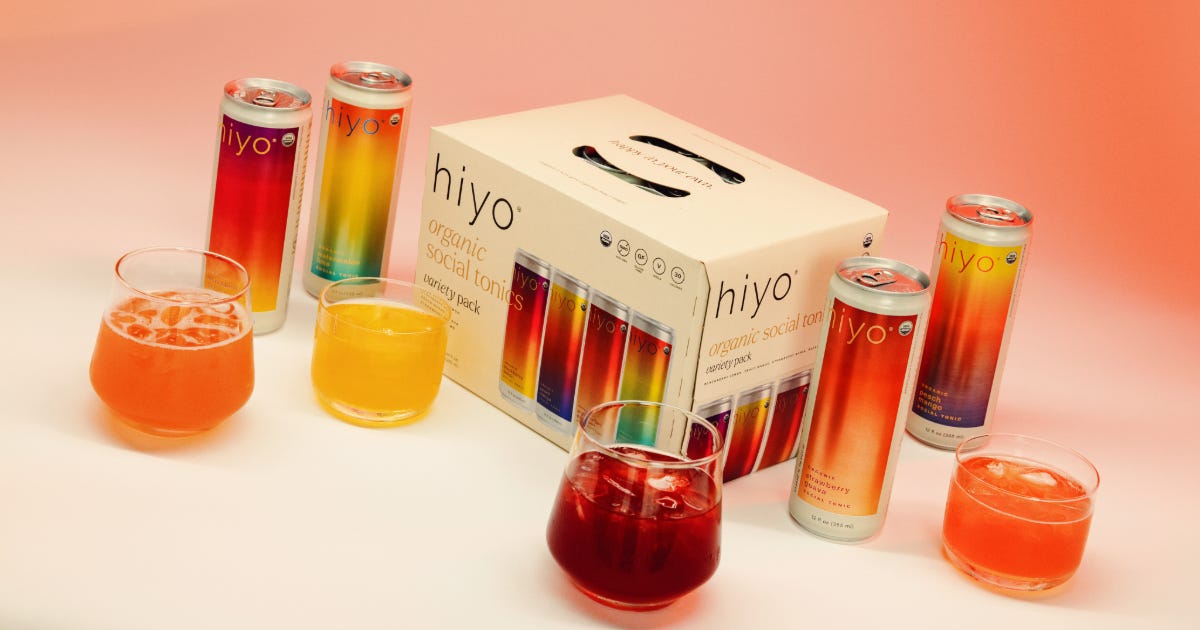
Hiyo raised $20.8 million, led by Constellation (see above). Altro Health raised $7 million to connect wellness businesses with clinical care, which is the plumbing behind every gym, spa and longevity clinic trying to offer something more medical. AKT, the UK body care brand from Andy Coxon and Ed Currie, raised more than £2.4 million on Republic to fund U.S. growth. It says it sells a product every 30 seconds and has more than 75,000 subscribers. The money goes toward Sephora, Amazon and TikTok Shop in the U.S. Crowdfunding works best when your customers are already fans, and a subscription base that size is a built-in investor list. Battle Bars, the veteran-founded protein bar led by CEO Alex Witt, raised $1.25 million alongside a rebrand and a reformulated bar with 20 grams of protein, 7 grams of fiber and 190 calories. Growth is coming from e-commerce, H-E-B and Life Time.
🆕 PRODUCT LAUNCHES & INNOVATION
This week’s innovation circus
Protein Moves Into the Dairy Case
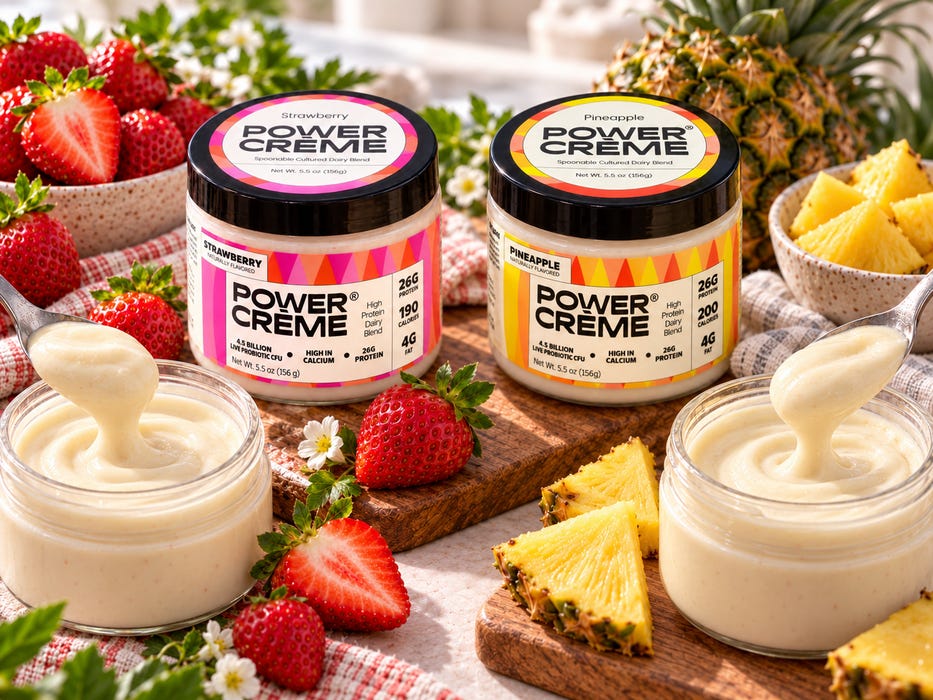
PowerCrème is a cottage cheese snack with 26 grams of protein in a 5.5-ounce jar, blended smooth so there are no curds. It’s launching in Strawberry and Pineapple across New York City and its home market of Maine. NOMMS, from San Francisco paneer maker Sach Foods, is a cheese stick for adults with 7 grams of protein in flavors like Cheddar Gouda and Truffle Reserve. Cottage cheese’s comeback has mostly been about texture complaints and TikTok recipes. PowerCrème is betting the fix is just removing the curds.
NMN Goes Mass Market
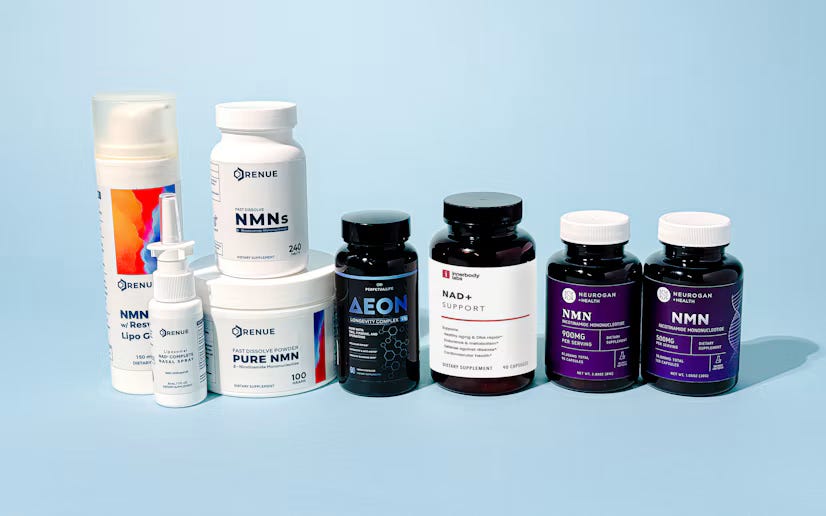
Two NMN launches landed the same week. Vitafusion introduced Vital NMN Gummies with 300mg per serving, its first major launch since joining the Piping Rock family, backed by a TikTok-first campaign. Cata-Kor, which built its name as a top NMN seller on Amazon and TikTok Shop, launched NMN and liposomal NAD+ at Target in 25-count packs at $34.99, a size made specifically for Target.
A year ago, NMN’s status as a supplement was in limbo. The FDA declared it lawful in dietary supplements last fall after the Natural Products Association sued. Now a mainstream gummy brand and a Target endcap are both in. When a regulatory question gets settled, mass retail usually follows fast.
Familiar Brands, New Occasions
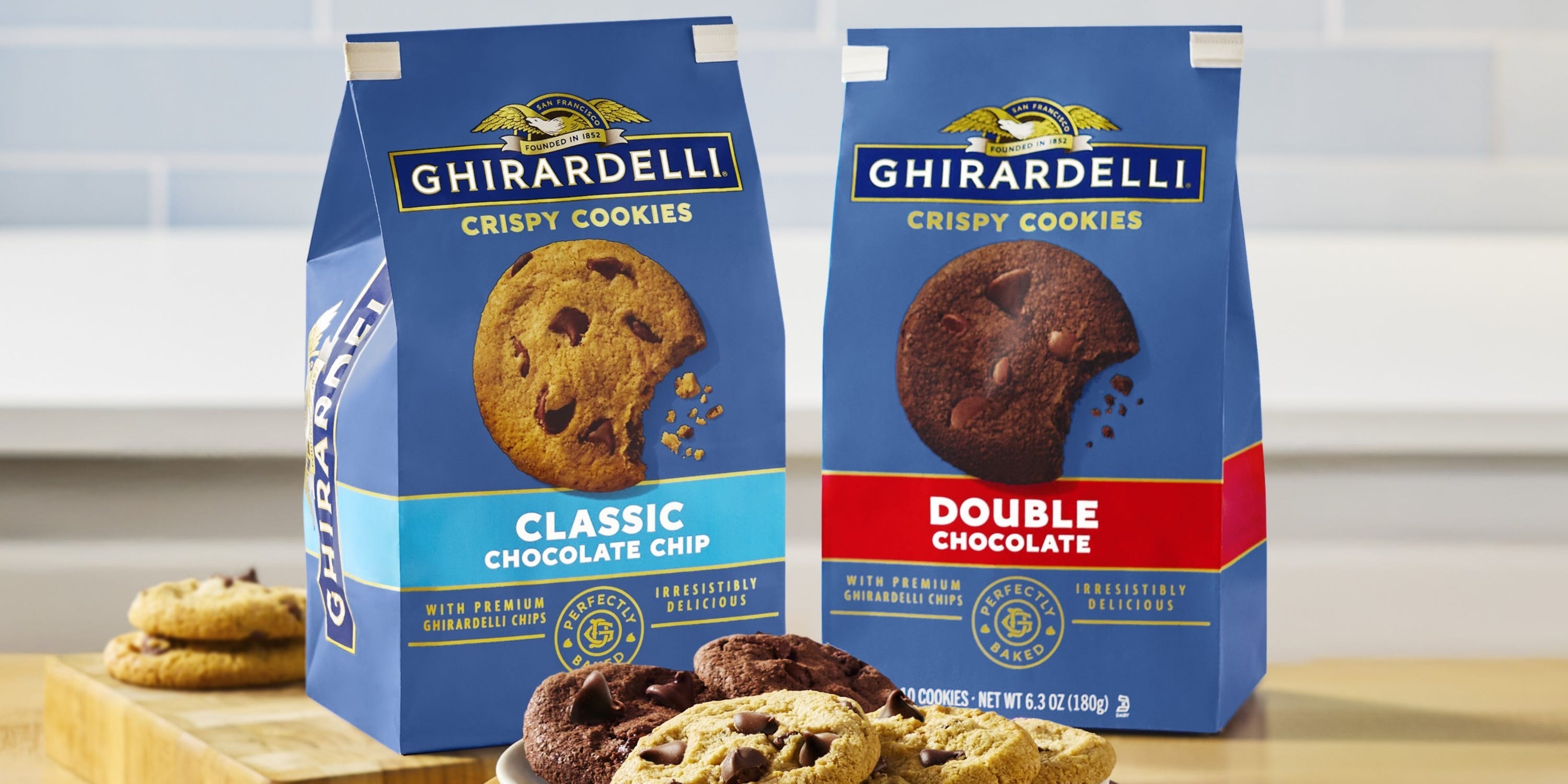
Ghirardelli is selling the finished cookie, not just the chips. Crispy Cookies in Classic Chocolate Chip and Double Chocolate hit Kroger on October 11 and Walmart on October 24. Absolut and Ocean Spray launched Double, still 9% ABV vodka cranberry cans. KFC rolled out $3.49 Go Buckets sized for a car cupholder. happy coffee, co-founded by Robert Downey Jr., put eight Avengers: Doomsday characters on its cans ahead of the December 18 release. Smoothie King launched a 47-gram protein smoothie with a free bedazzled cup. And DOJO, from consumer goods veteran Chaz Zayed, launched an organic Japanese soy sauce aged nearly 24 months in cedar barrels by a women-led family brewery, in a chef-style squeeze bottle. If that bottle sounds familiar, it’s the same format that turned olive oil into Graza.
Supplements and Wellness
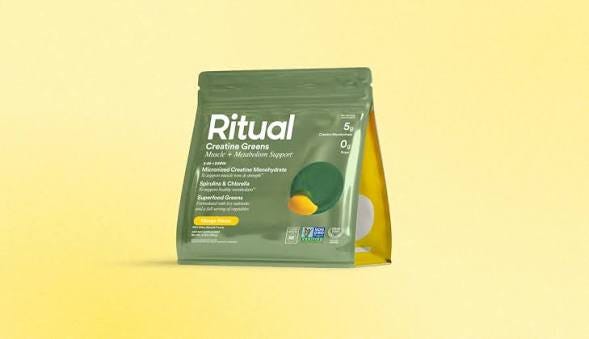
Ritual launched Creatine Greens, 5 grams of creatine plus greens in one mango scoop. Once Upon a Farm added organic electrolyte pouches for kids, using coconut water and sea salt. 5-Hour Energy is launching 230mg caffeine gummies. And from Wednesday’s carousel: Neurable put brain sensing in headphones, Viome added a bone health line, and Saucony brought cowboy style to run club.
Drinks for the Bar Without a Liquor License
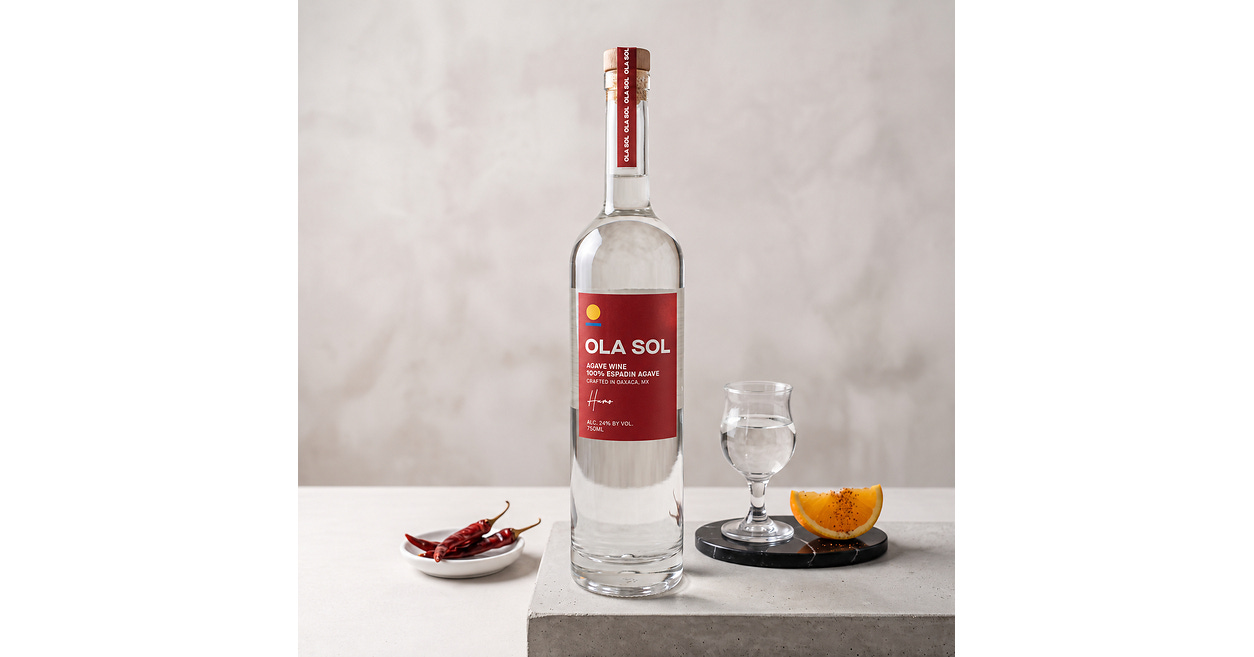
Ola Sol launched Humo, a 24% ABV agave wine fortified with mezcal brandy, so beer-and-wine-licensed restaurants can serve smoky agave cocktails without a full liquor license. It points to nearly 27,000 relevant licenses in California and more than 5,000 in New York. That’s product design built around an operator’s constraint, which is a smarter starting point than another smoky bottle. Tip Top and bartender Ivy Mix canned the Tia Mia from Brooklyn’s late Leyenda.
📊 THE DATA DIGEST
Numbers that matter
75%. The share of SpikedAde’s first-year volume that came from reorders. If you’re pitching a buyer, that’s the number they’ll ask about first.
0.6%. How much Constellation’s total beer depletions fell last quarter, with Corona Extra down about 5%.
$120 million. Clio’s expected revenue this year, from one refrigerated bar format.
$100 million. Rip Van’s retail sales, the milestone that came with hiring a former Hershey president as CEO (see People Moves).
🏪 DISTRIBUTION DOMINATION
Everyone’s everywhere
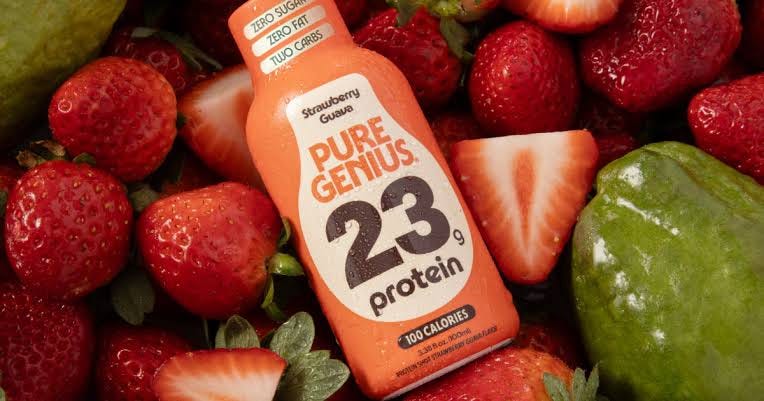
CVS: Pure Genius protein, co-founded by Mel Robbins, launched in 6,000 stores. Target: MoonBrew in 990-plus stores and Cata-Kor’s NMN and NAD+. Walmart: FlavCity’s protein smoothies went nationwide with $3.49 single-serve sachets, Gleezy dog products hit 680-plus stores, and Ghirardelli Crispy Cookies arrive October 24. Sprouts: BodyBio in 500 stores. Co-op: Froot Pops in 1,600 stores. Jewel-Osco: Chlorophyll Water in 45 stores, its second Albertsons banner. Whole Foods: Baylis & Harding’s Kindness+ Serum Body Lotions nationwide. Los Angeles: GoKafé’s sparkling coffee in 150 stores.
💳 FROM MY TOOLKIT: DOUGH
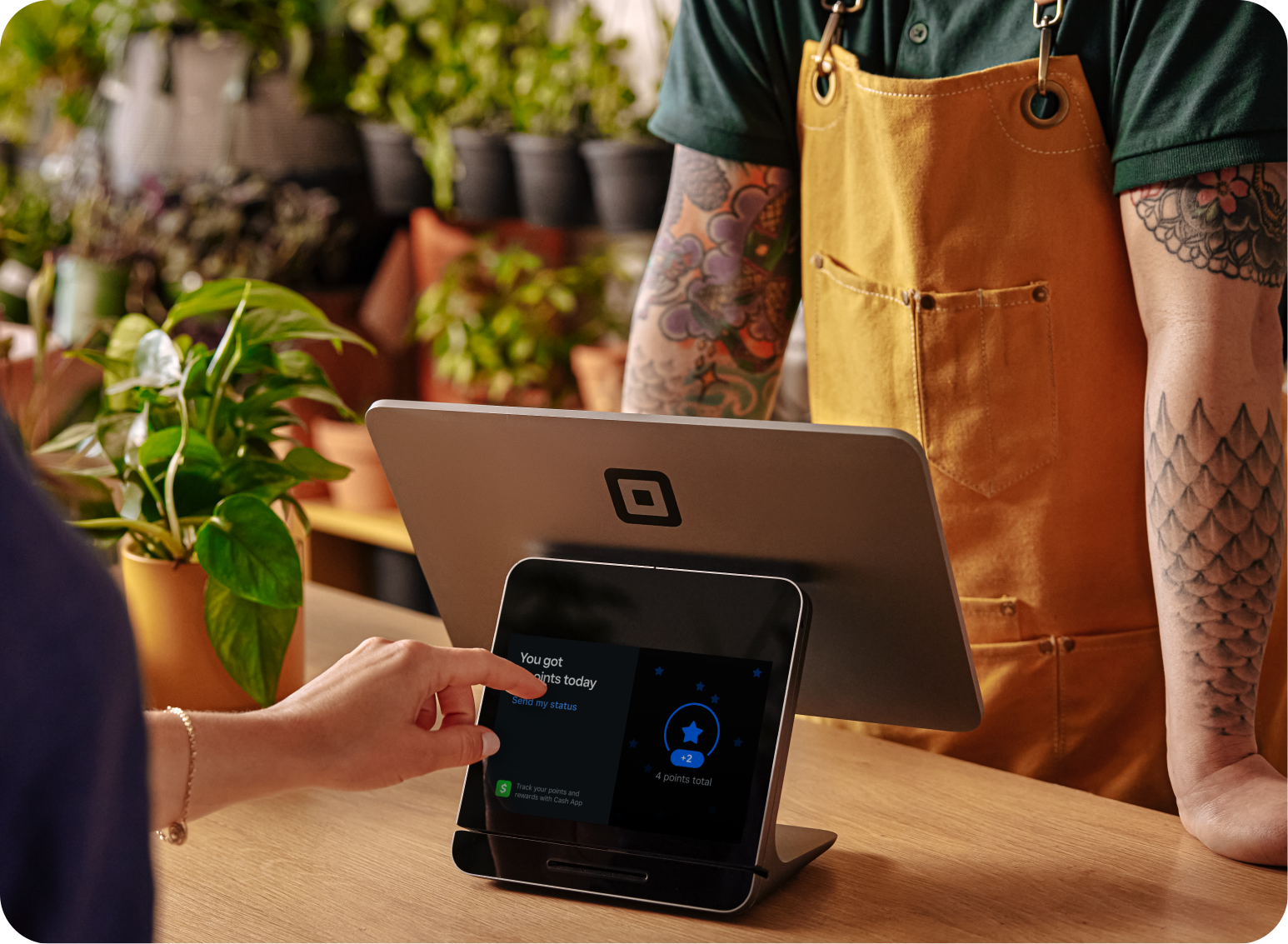
If you run a café, a market stall, a pop-up or a brand with any in-person sales, you know payments are never as simple as they look. There’s hardware to buy, a setup that eats a weekend, fees that creep up, and nobody to call when the reader dies at 8 a.m. on a Saturday. That comes up in almost every founder conversation I have.
That’s why I’ve gotten to know Darrin and the team at Dough. They’re the human layer on top of Square. Depending on your monthly card volume, they’ll place a Square Terminal, Handheld, or Register for free with no monthly rental, and after 12 months it’s yours. Local setup and staff training are included, and you get a real person to call. Dough is a partner of mine, and Deet’s Eat Media readers get the free hardware offer at dough.cc/partner/pickle.
👋 PEOPLE MOVES
Rip Van named former Hershey U.S. President Todd Tillemans CEO as the wafer brand passes $100 million in retail sales. Co-founder Rip Pruisken stays involved and on the board. Catalina Snacks hired former Health-Ade CMO Charlotte Mostaed as chief marketing officer and supply chain veteran Dan Robin as COO.
The Rip Van hire is the one to watch. When a founder brings in a big-company CEO at $100 million, the business is usually getting ready for either a much bigger round or a sale. Someone who ran Hershey’s U.S. business knows exactly what a strategic buyer wants to see.
🔥 THE HOT TAKE
My unfiltered opinion on this week’s madness
Every deal this week had two numbers: the one in the headline and the one that actually decides who gets paid.
SpikedAde: $75 million now, up to $278 million later if it performs. MadeGood: a $1 billion-plus valuation, but the real story was the family buying control back. Boots: $8.9 billion, but one partner gets half the equity and the other gets the keys. Clio: Stride took a majority, not all of it.
Founders spend a lot of time on the first number. The second one is where the money, the risk and the control actually live.
Three things I’d keep in mind before you sign anything.
First, an earnout is a bet on a business you won’t fully run. Once you sell, the buyer controls distribution, marketing spend and priorities, and those decide whether you hit the targets. Spell out exactly what counts toward the earnout and what happens if the buyer changes course. A large earnout with loose definitions is mostly a hope.
Second, control is worth something. MadeGood’s family took minority money, grew 2.5 times and then bought it back. Manucurist sold 49% last week. Neither gave up the steering wheel. If you only need capital, not a new boss, a minority deal can be the best of both, as long as the business throws off enough cash to buy it back later.
Third, owning and controlling are two different things. Fairfax will own half of Boots, and Wittington will run it. When you bring in a partner, the governance terms decide more than the percentage does: board seats, veto rights, and who gets to pick the CEO.
The headline number is for the press release. The structure is for you.
Read the fine print. Build accordingly.
🎙️ COMING TUESDAY
Unpackaged Goods Episode
Constellation’s beer problem and its SpikedAde earnout, MadeGood buying itself back, Clio’s 150 million bars, and PepsiCo’s North America squeeze. Plus a guide to reading deal structure before you sign one.
🥫 ONE MORE THING...
Before you close this tab
Dairy Queen’s first-ever Halloween menu isn’t pumpkin. It’s ube, a purple yam, in an Enchanted Oreo Blizzard with purple shimmer. A week earlier, Starbucks’ Iced Banana Bread Latte had half the internet declaring pumpkin spice over.
I don’t think pumpkin is going anywhere. But fall flavors used to be decided by one chain and copied by everyone else. Now they start in a search bar, show up on TikTok, and the chains race to catch them. If you’re a brand, the lesson is to watch what people are already craving, because by the time it’s on a national menu, you’re late.
Until next Monday,
Jonathan Deeter
Your CPG-Obsessed Friend
P.S. Prediction ledger. No pickle news this week, which I’m choosing to read as the industry saving it for something big. Pickle protein powder by Q1 2027 is still outstanding. Mars has a Cheez-It Protein on shelf, PowerCrème just put 26 grams of protein in cottage cheese, and somebody out there is one brine away from my prediction.
Comment NEWSLETTER to get The Deeter Digest delivered straight to your inbox every Monday 🥣