


Issue #35 | June 29, 2026
🥄 FIRST BITE
The appetizer before we dive in
Welcome back. Danone just paid a reported $1.4 billion for an Australian functional nutrition company most Americans have never heard of. Three months after buying Huel for $1.15B. MADE Group — Cocobella coconut water, Rokeby protein shakes, Impressed cold-pressed juices — over €300M in revenue, double-digit growth, across Australia, New Zealand, and Southeast Asia. Danone’s deputy CEO called MADE “a mini Danone.” TPG Capital, the seller, earned nearly $2 billion five years after acquiring the business. Five years. Two billion dollars. From a functional nutrition portfolio in the Southern Hemisphere.
Meanwhile, P&G and Haleon have entered the bidding for Thorne alongside Unilever at a $4 billion valuation — $650M in expected 2026 revenue. Sazerac stopped just acquiring RTD brands and started building its own — three new canned cocktail brands launched this week. L Catterton invested in RŌZ haircare. Pat McAfee bought into Jams. Coconut Cult secured $12.5M to build a 300,000-square-foot factory. And Bacardi took full ownership of Teeling Irish Whiskey.
The theme this week is control. Danone is buying full control of MADE and its Australian dairy JV. Bacardi is taking full ownership of Teeling. Sazerac is building its own RTDs instead of just acquiring them. Coconut Cult is buying its own manufacturing capacity. The smartest operators are moving from minority positions and partnerships to full ownership because the next phase of growth requires control — of the brand, the production, and the distribution. Let’s dig in.
🍊 THE MAIN COURSE
This week’s biggest CPG moves
Danone Acquires MADE Group — Reported $1.4B, Three Months After Huel
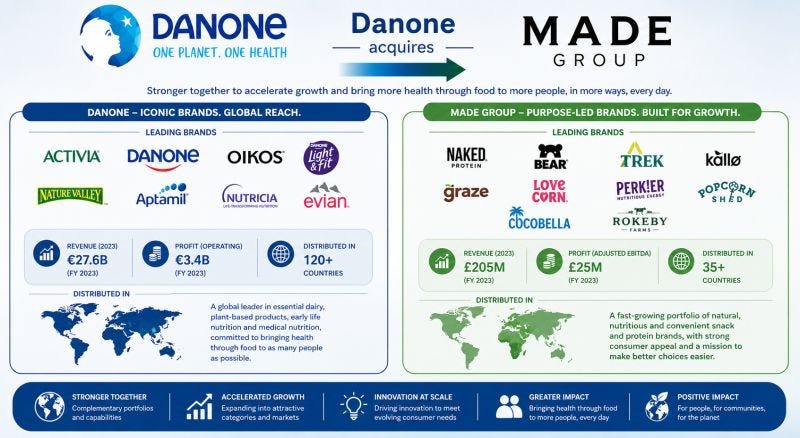
Danone is acquiring MADE Group from TPG Capital for a reported A$2 billion (~$1.4B). Founded in 2005 in Melbourne. Brands include Cocobella (coconut-based), Rokeby (RTD protein shakes), Impressed (cold-pressed juices), NutrientWater, and The Collective. Over €300M in revenue with double-digit growth. Significant presence in Australia, New Zealand, and Southeast Asia. Danone is also acquiring the remaining 49% of its Saputo Dairy Australia joint venture.
Danone bought Huel for $1.15B three months ago. Now MADE for $1.4B. That’s $2.55 billion deployed into functional nutrition in a single quarter. Danone isn’t dipping its toe into functional nutrition — it’s cannonballing. The MADE deal at roughly 4.5x revenue on €300M+ in revenue, with double-digit growth and attractive margins, is a premium justified by the APAC footprint. Danone has established positions in Australia, New Zealand, and Southeast Asia — some of the fastest-growing consumer markets in the world — in categories (protein, gut health, coconut, cold-pressed) that are all growing in the double digits.
TPG Capital's $2B return five years after acquiring MADE is one of the strongest PE returns in consumer we’ve tracked. Buy a functional nutrition portfolio. Let it compound at double-digit growth for five years. Sell to a strategic for nearly $2B. That’s the model every PE firm is trying to replicate.
Danone’s deputy CEO calling MADE “a mini Danone” tells you everything about the strategic fit. Protein yogurts. Plant-based products. Functional drinks. It’s the exact same category map Danone operates globally, just in a geography where Danone was underweight. This isn’t diversification. It’s replication.
Thorne Bidding War: P&G and Haleon Join Unilever at $4B
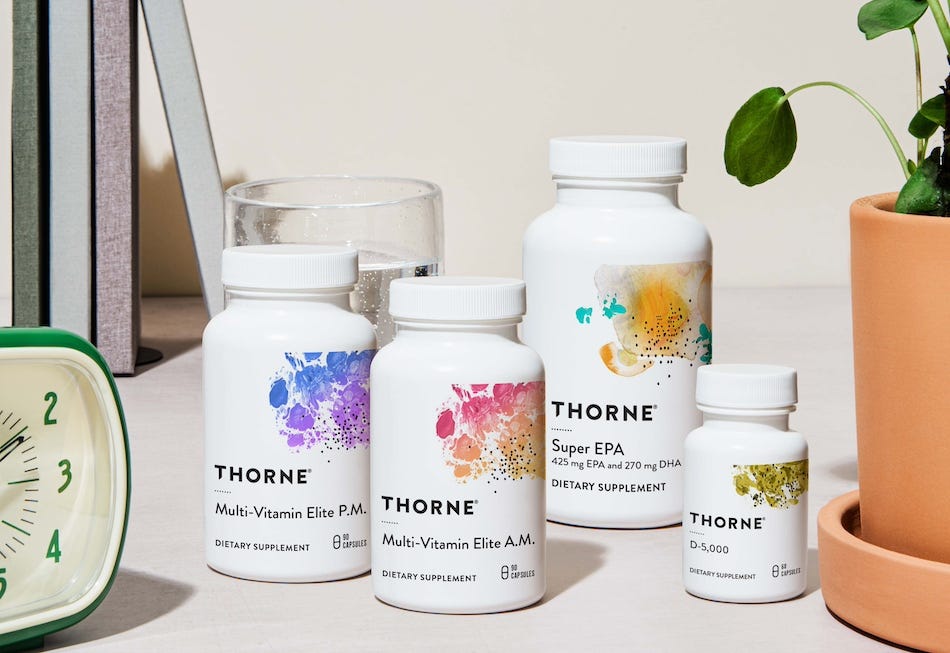
P&G and Haleon are reportedly circling Thorne alongside Unilever. L Catterton acquired Thorne in 2023, and the brand is now valued at $4 billion. Revenue hit $500M in 2025 and is pacing for $650M this year.
The supplement brand that L Catterton has been shopping just went from one suitor to three. Unilever seemed like the natural buyer — they’ve spent billions building a wellness portfolio (Grüns $1.2B, Liquid I.V. $1B+, OLLY, Nutrafol). But P&G's entry into the bidding adds the world’s largest consumer goods company to the conversation. P&G acquired Wonderbelly in January — a signal they’re expanding into wellness. Haleon (Centrum, Emergen-C) owns the legacy supplement shelf and has been quiet on M&A since spinning off from GSK.
Three bidders at $4B. $650M in expected revenue. That’s roughly 6x revenue — a premium but justified for the most trusted supplement brand in America with a clinical-grade positioning that neither Centrum nor OLLY can replicate. The bidding war dynamics mean L Catterton has leverage to push the price above $4B. When three strategics compete for the same asset, the seller wins.
Sazerac Launches Three Own RTD Brands — Building, Not Just Buying
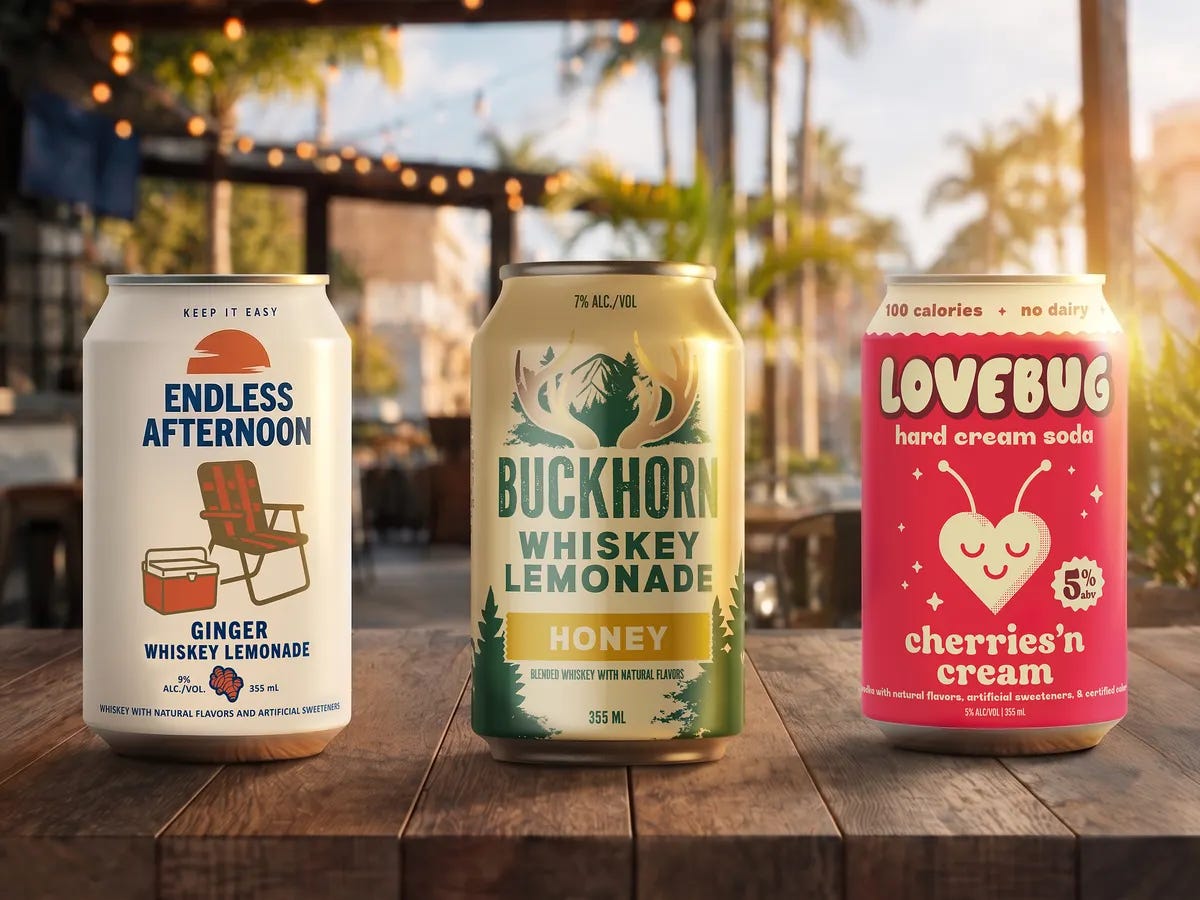
Sazerac launched three canned cocktail brands it built from scratch: Endless Afternoon Whiskey Lemonade, Buckhorn Whiskey Lemonade, and Lovebug Hard Cream Soda.
This is a significant strategic shift. Sazerac has spent the last 18 months acquiring RTD brands: BuzzBallz (up 65% to $570M under Sazerac), Dirty Shirley, SIPMARGS (equity plus exclusive distribution), and 818 Tequila (equity plus exclusive distribution). Now they’re incubating their own brands. That’s the move from distribution machine to brand creator. The infrastructure that scaled BuzzBallz 65% post-acquisition is now being used to launch brands that Sazerac owns from day one — no minority stakes, no distribution agreements, full ownership. Three brands across whiskey lemonade and hard cream soda is Sazerac targeting the casual RTD consumer from every angle.
Bacardi Takes Full Ownership of Teeling Irish Whiskey
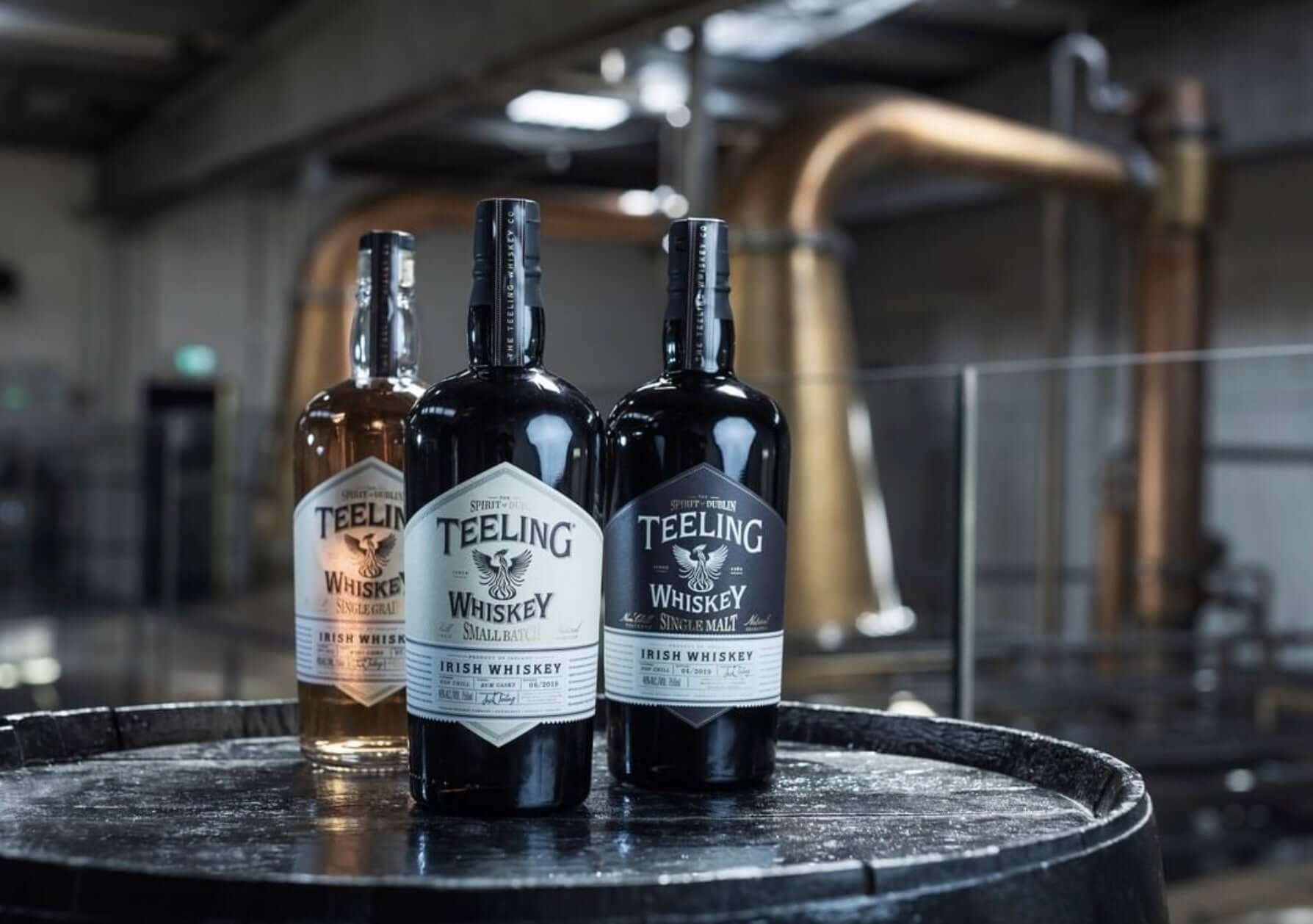
Bacardi is acquiring full control of Teeling Irish Whiskey. Founded in 2012 by Jack and Stephen Teeling, brothers with a whiskey heritage dating to the 1780s. Bacardi took a minority stake in 2017, became the majority shareholder in 2022, and now takes full ownership. Recent Bacardi acquisitions include Ilegal Mezcal ($130M) and D’USSÉ Cognac.
Fourteen years from founding to full acquisition by a global spirits giant. The patient capital playbook in spirits: minority first (2017), majority next (2022), full ownership now. Bacardi watched Teeling execute for nine years before taking full control. The same playbook Nestlé ran with yfood (49% in 2023, full acquisition in 2026) and Constellation with HOPWTR. Every strategic acquirer uses the same approach: invest a minority stake, watch the brand perform, increase the stake, and acquire outright. The risk-reward is asymmetric — a small check up front, full ownership only after velocity is proven.
Pat McAfee Invests in Jams — Media Machine Meets the Brand That Beat Uncrustables
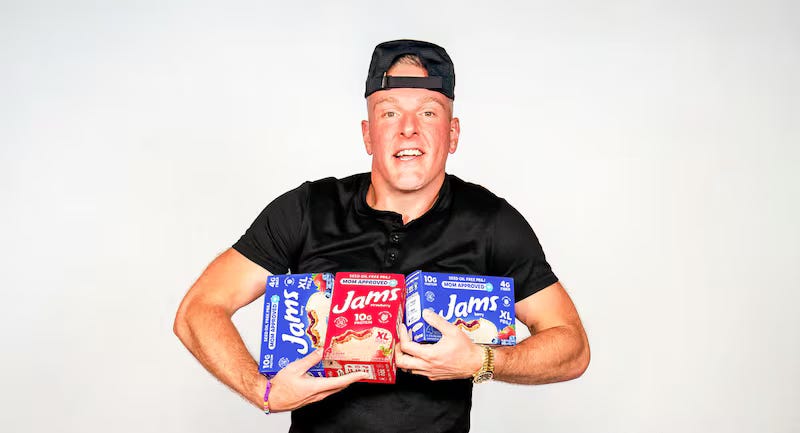
Former NFL player and media star Pat McAfee invested in Jams. Beyond capital, McAfee will provide creative strategy, partnership support, and feature Jams across his media properties.
The Jams investor roster keeps getting more interesting. JJ Watt. Caleb Williams. Now Pat McAfee. The NFLPA licensing deal. Andrew Strife (LesserEvil $750M exit) as CEO. And the brand is still outselling Uncrustables at Target. McAfee’s media properties reach millions of sports fans daily — The Pat McAfee Show is one of the most-watched sports programs in America. Jams being featured across that media ecosystem give the brand exposure that would cost millions in paid advertising. This isn’t an investment. It’s a media distribution deal disguised as an equity check.
L Catterton Invests in RŌZ Haircare
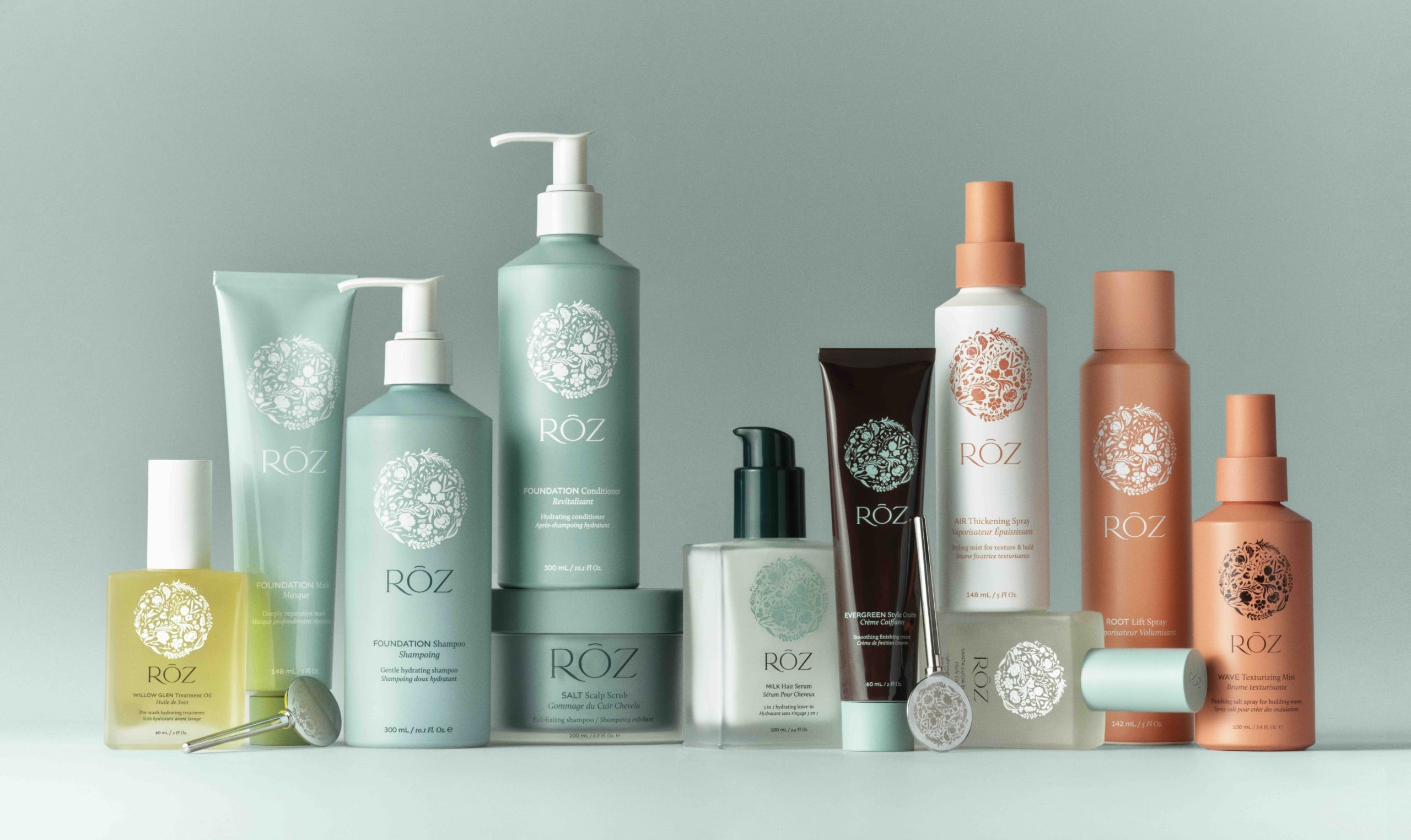
L Catterton made a significant minority investment in RŌZ, a clean pro-grade haircare brand. Founded by celebrity hairstylist Mara Roszak in LA in 2021. Available at Sephora, Credo, Goop, and Nordstrom. Previous investors include Silas Capital, G9 Ventures, and Lily Collins.
L Catterton entering haircare alongside its investments in Remedy (skincare, $50M expected), Thorne ($4B), and CHAMP (athlete investing platform). The firm is deploying across every beauty and wellness vertical simultaneously. RŌZ’s positioning — clean, professional-grade haircare at Sephora and Nordstrom — mirrors the trajectory of brands like Crown Affair (Stride-backed, all-door Sephora) and K18 (True Beauty Ventures). Silas Capital already on the cap table means two of the most active beauty investors share conviction.
Coconut Cult Secures $12.5M for 300,000 Sq Ft Factory
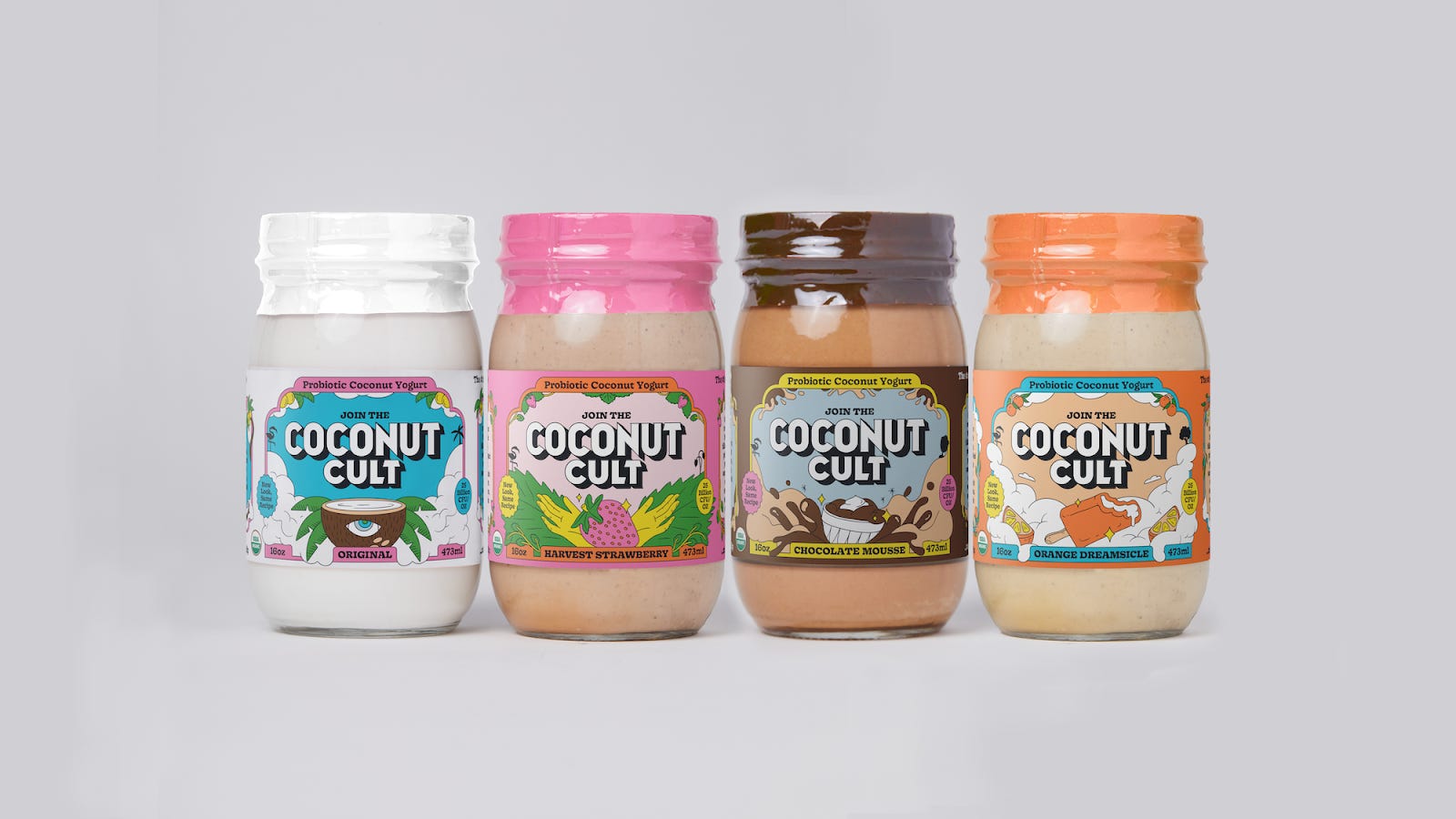
Coconut Cult secured $12.5M in equipment financing from Bridge Finance Group. Will expand into a 300,000-square-foot manufacturing facility in Utah. Grew 142% in 2025. Expects 90% growth this year. Recently jumped from the natural channel to mass retail.
Three hundred thousand square feet. The largest manufacturing investment by an emerging CPG brand we’ve tracked this year. For context: WILDE opened 130K sq ft. Applied Nutrition acquired 107K sq ft. Stars + Honey is building 60K sq ft. Snackish has 65K sq ft. Coconut Cult at 300K sq ft is in a different league. Growing 142% and expecting 90% more this year, while also jumping into mass retail, requires manufacturing capacity that co-packers simply cannot provide. Equipment financing (debt, not equity) means Coconut Cult isn’t diluting ownership to build the factory — the business generates enough predictable cash flow to service the debt. Smart capital structure.
💰 THE FUNDING FRENZY
Big checks being written
Los Sundays — Investment from NÜTRL Founders
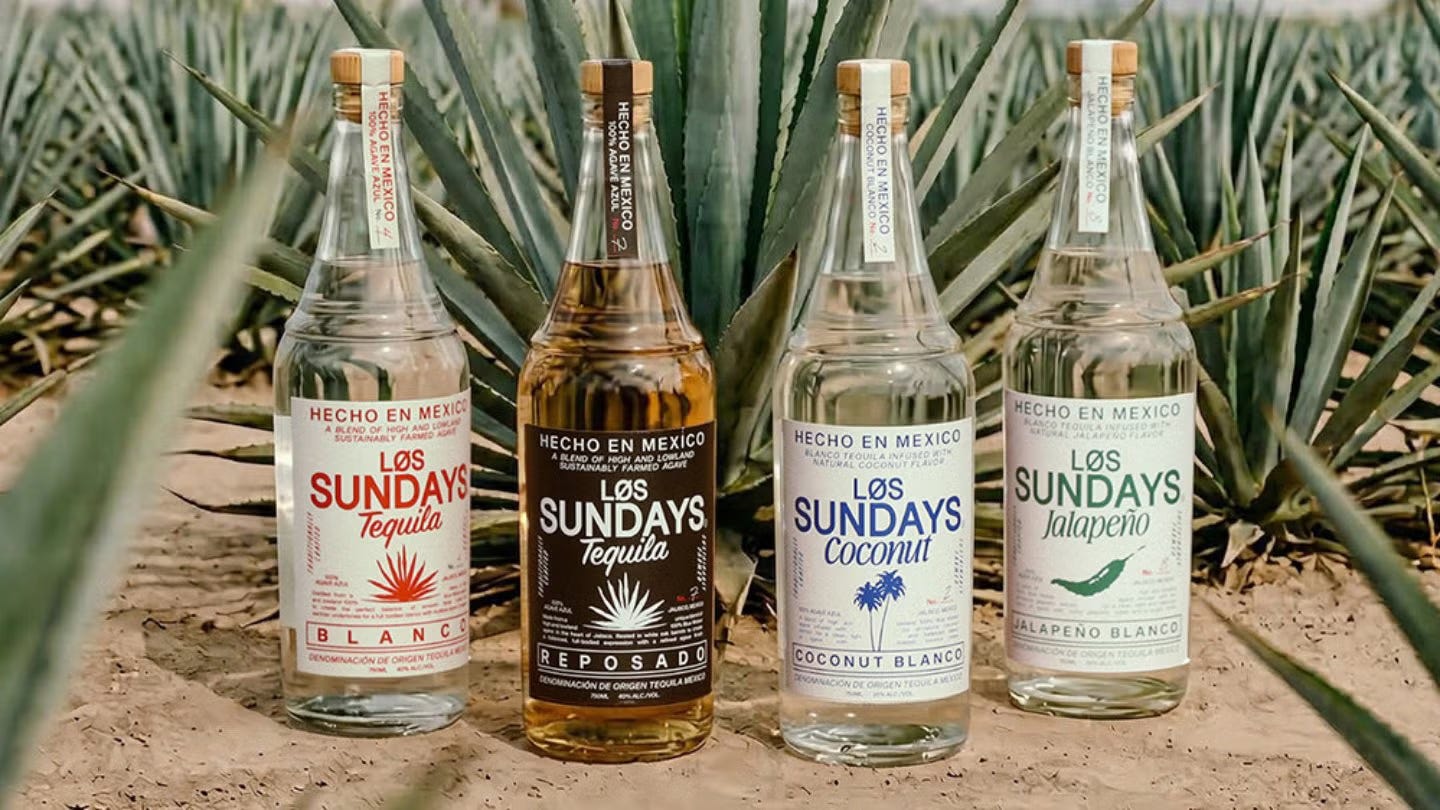
California tequila brand secured investment from Paul and Melissa Meehan, co-founders of NÜTRL Vodka Soda. The Meehans scaled NÜTRL to #1 vodka soda in Canada and #2 in the U.S. before AB InBev acquired it in 2020. Los Sundays is preparing to launch in Canada. The Meehans also invested in Chilly Ones (low-ABV/NA beer) earlier this year.
The NÜTRL founders investing in Los Sundays is the Casamigos alumni effect for vodka soda. Operators who built and exited a spirits brand are now investing in the next generation. The Meehans don’t just bring capital — they bring the AB InBev acquisition playbook, Canadian market entry expertise (NÜTRL launched in Canada first), and relationships with every distributor in North America. Los Sundays getting that operational knowledge alongside the investment is worth more than the check.
Maxine’s Heavenly — $3M from Blueberry Capital
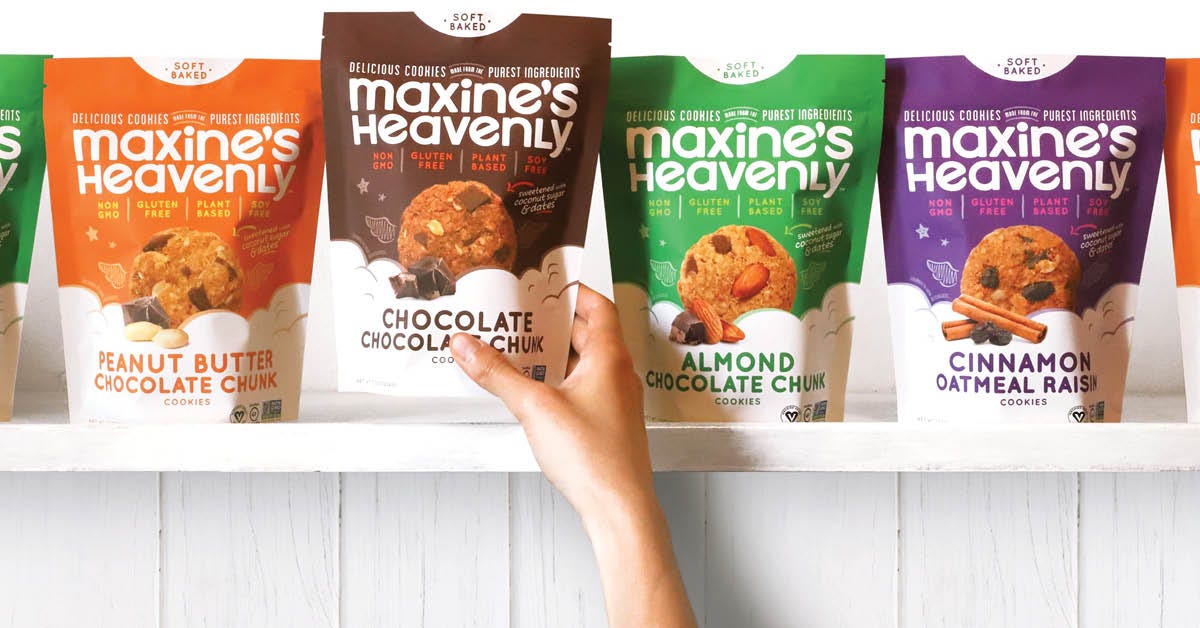
Better-for-you cookie brand raised just under $3M led by Blueberry Capital with Listen Ventures, Rocana Ventures, Paperboy Ventures, and others. Recently acquired a manufacturing facility. Expects $7.5M in net sales this year, up from $2.4M in 2025.
Tripling revenue from $2.4M to $7.5M while acquiring manufacturing. The vertical integration trend hits even sub-$10M brands. Owning the facility at this stage gives Maxine’s Heavenly margin control and flexibility most cookie brands don’t have until they’re ten times this size. Listen Ventures' participation adds the firm behind several successful emerging CPG exits.
Fascent — $1.5M for French Fragrance in the U.S.
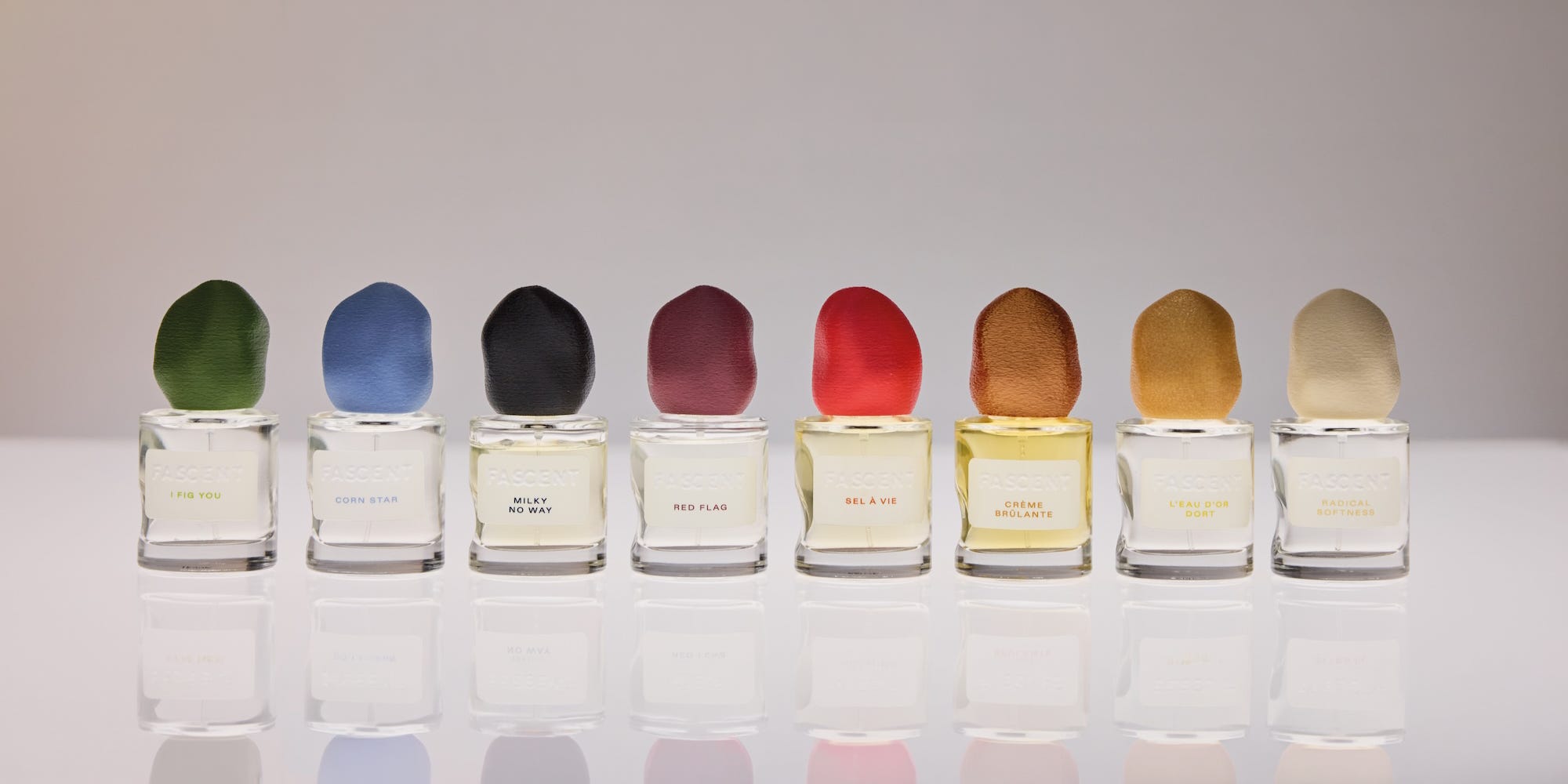
French fragrance brand raised $1.5M to support U.S. growth. Founded by Fanny Fortin Descamps and Edwina Réthoré, two longtime beauty executives, in 2023. Growing fast. Retails at Oh My Cream, Merci, Credo, and Luckyscent.
European indie fragrance entering the U.S. through prestige doors. Credo and Luckyscent, as U.S. retail partners, position Fascent in the discovery-driven prestige fragrance channel where emerging brands build loyal followings. Two veteran beauty executives founding a fragrance brand bring industry relationships and product development expertise from day one.
Myota — $4.5M Series A from PeakBridge
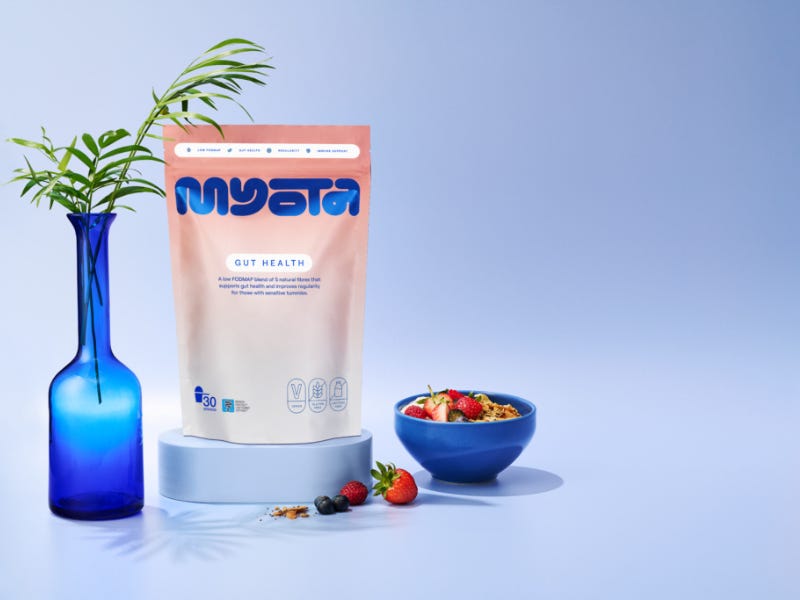
UK-based gut health brand closed $4.5M led by PeakBridge. Founded by Thomas Gurry and Kat Stennett. Clinically backed fiber blends and nutrition bars. DTC plus B2B (supplying Joe & The Juice and others). The UK gut health category is accelerating: Epetōme closed a 7-figure round, Hero Group acquired The Gut Stuff, and Dr. Karan Rajan launched LOAM.
B2B plus DTC in gut health. Supplying Joe & The Juice means Myota’s fiber blends are already in a premium foodservice environment, reaching consumers who might never walk down the supplement aisle. The UK gut health market is heating up, with multiple brands raising capital and being acquired simultaneously.
The Zero Proof Acquires The New Bar
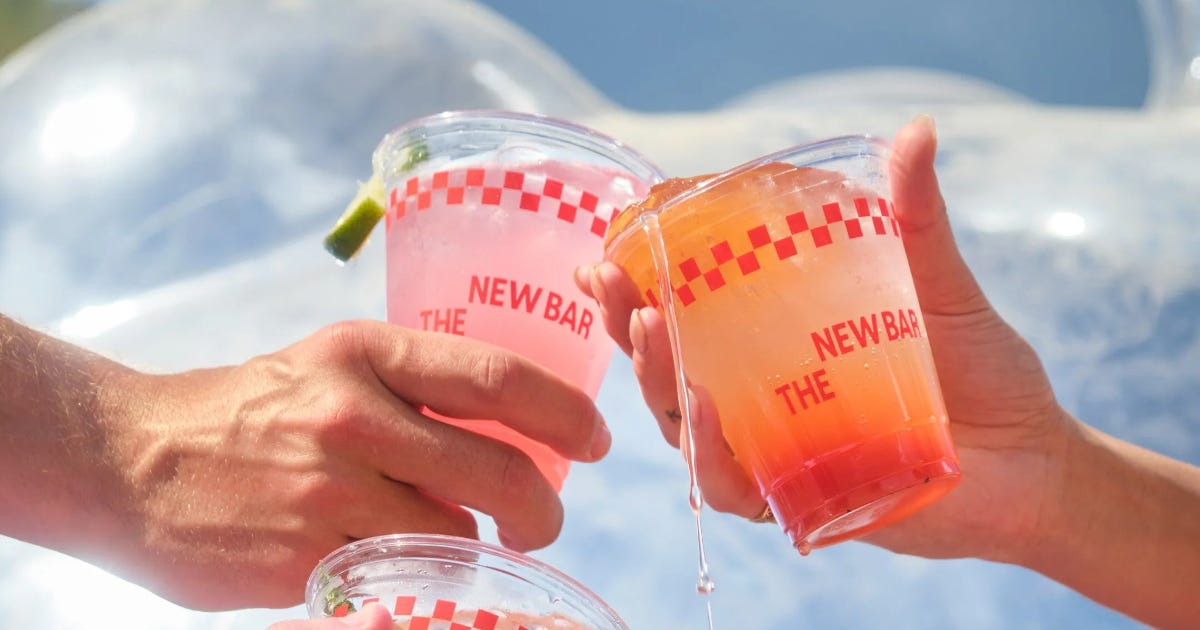
Leading non-alc beverage platform acquired The New Bar, a non-alc drink discovery brand. Founded by Brianda Gonzalez in 2022. Started as an LA bottle shop, became the first non-alcoholic partner of Coachella. Develops hospitality programs for venues and restaurants.
Non-alcoholic beverage consolidation at the platform and retail level. The Zero Proof, by combining its distribution platform with The New Bar’s hospitality programs and Coachella credibility, creates a more complete non-alc ecosystem — online discovery, bottle-shop retail, and on-premise hospitality, all under one roof.
🆕 PRODUCT LAUNCHES & INNOVATION
This week’s innovation circus
Sazerac Builds Three RTD Brands from Scratch
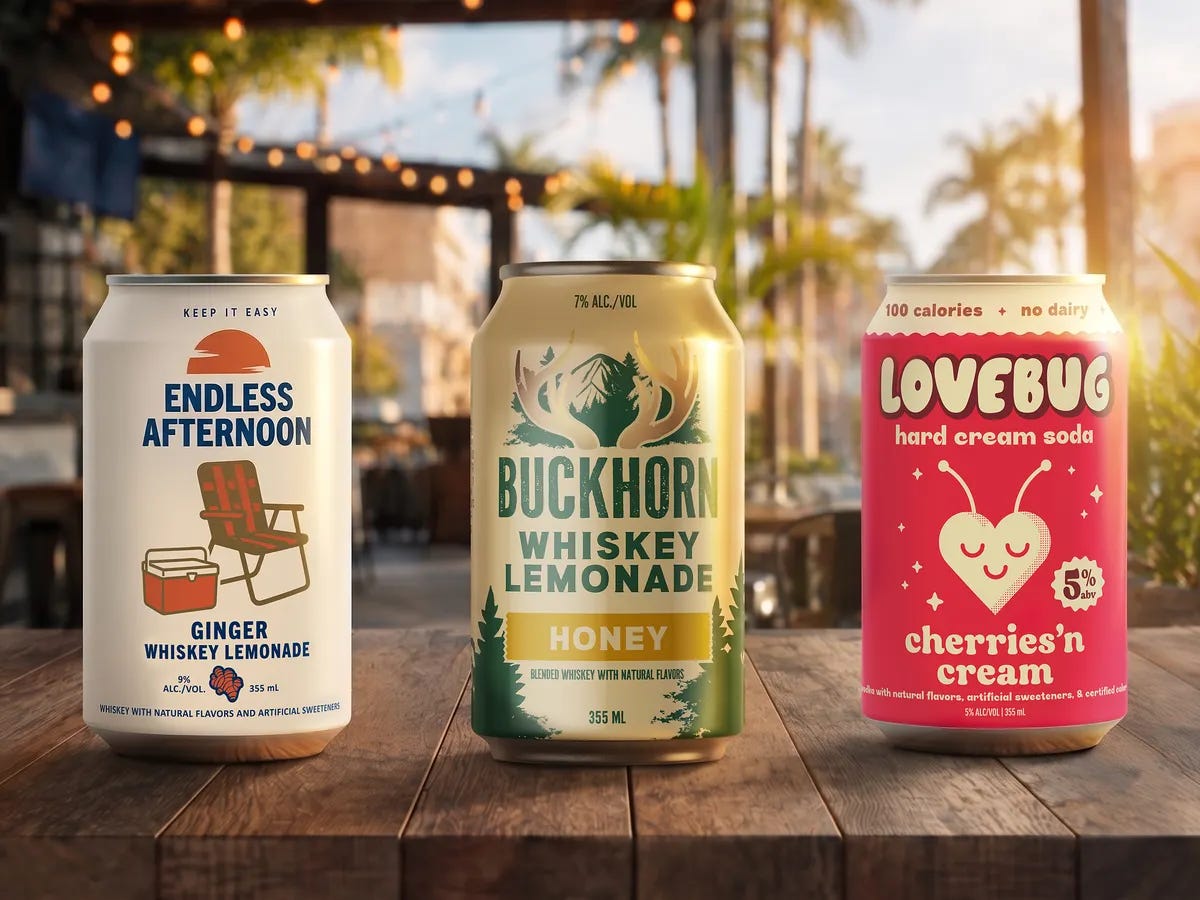
Endless Afternoon Whiskey Lemonade. Buckhorn Whiskey Lemonade. Lovebug Hard Cream Soda. Covered in detail above. The distribution machine that scaled BuzzBallz 65% is now building its own brands.
De Soi Launches Social Spritz — Functional Non-Alc
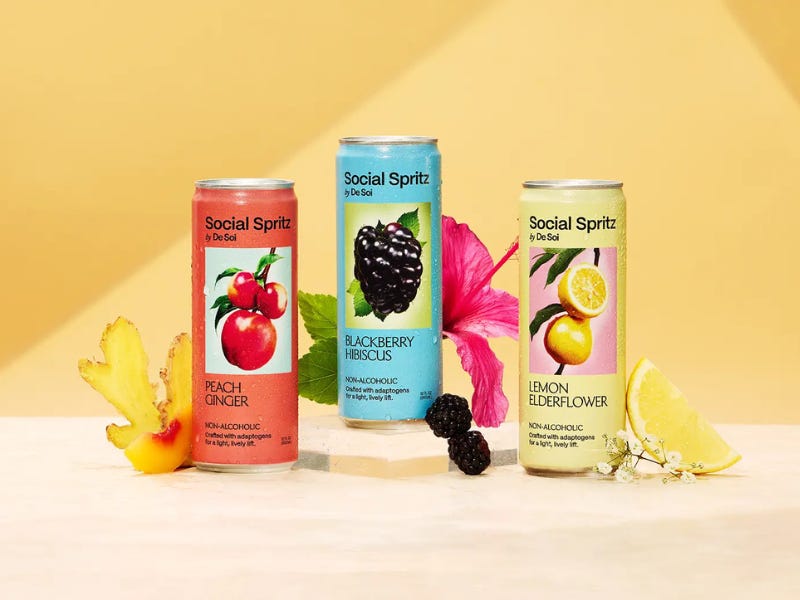
De Soi is going beyond non-alc aperitifs with Social Spritz — 1,000mg of energizing adaptogens (L-Tyrosine, L-Theanine, Ginseng, Vitamins B6 and B12). Three flavors: Lemon Elderflower, Peach Ginger, Blackberry Hibiscus. Giving zero-proof a more functional reason to exist beyond “it’s not alcohol.”
‘ndulge Launches High-Protein Ice Cream Bars with Massive Distribution
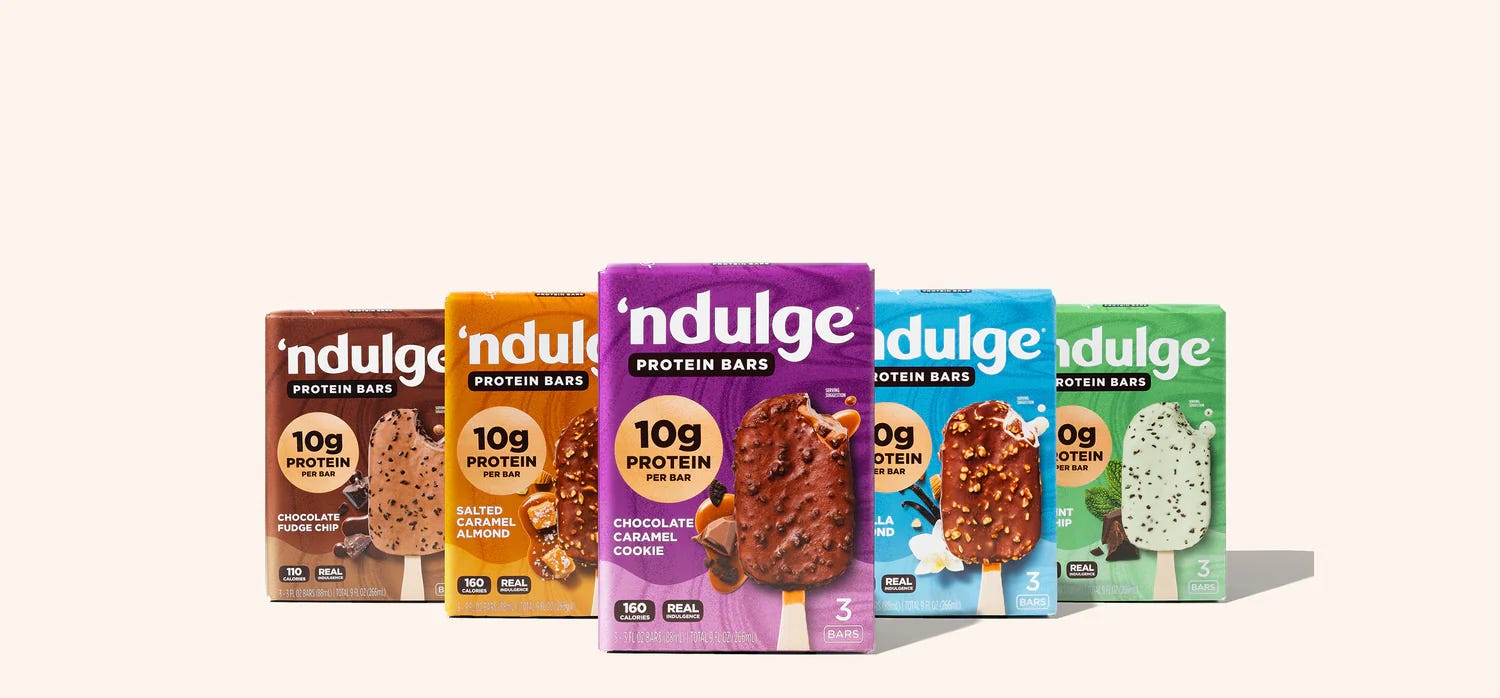
New high-protein ice cream bar brand from Chris Spencer (previously co-founded Keto Pints). Five flavors. 10g protein, probiotics, 100-160 calories. Launched at Albertsons, Kroger, H-E-B, Sprouts, Hannaford, and others. Launching with distribution at five major grocery chains is a day-one position most ice cream brands spend years building.
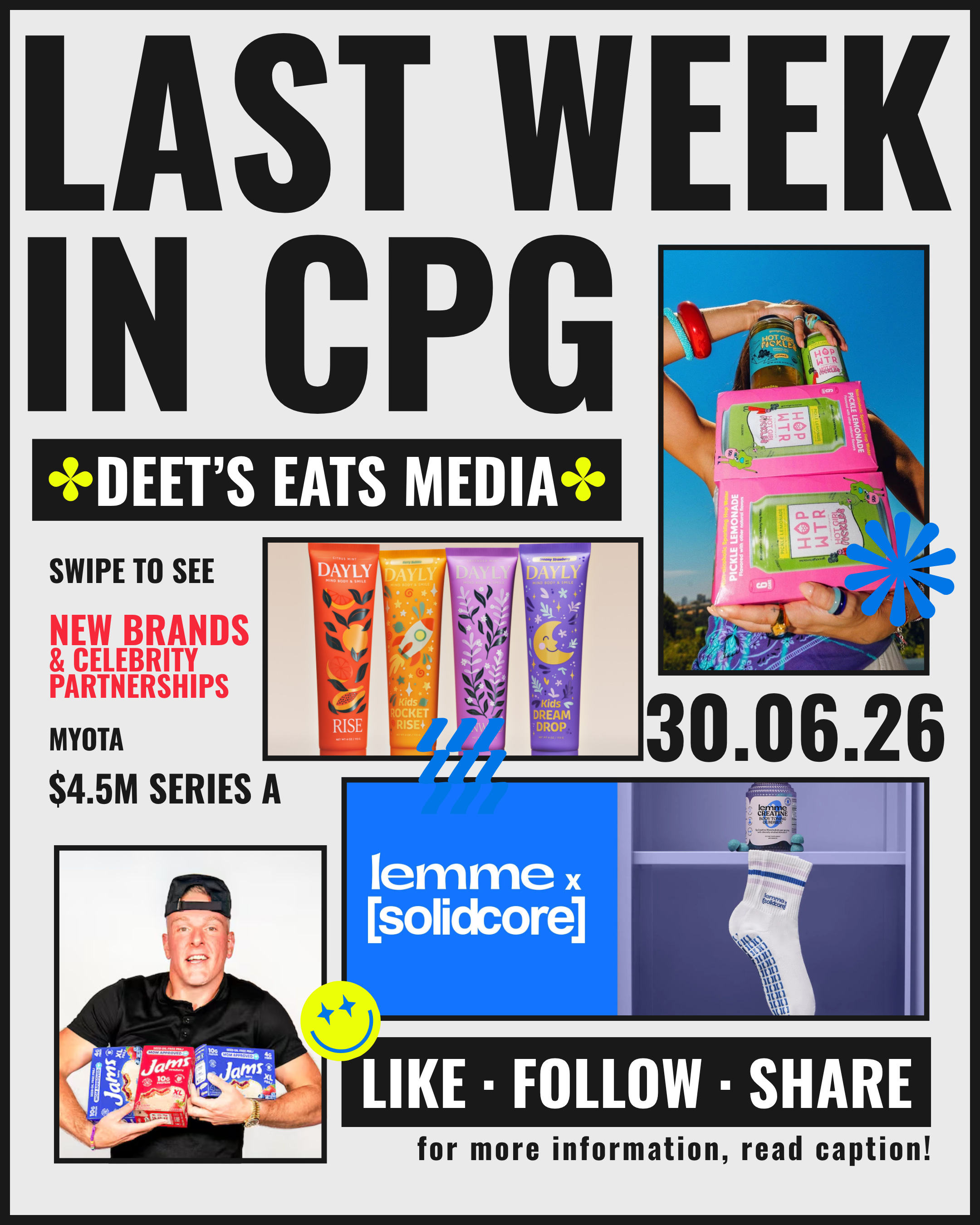
DAYLY Vitamin-Infused Toothpaste
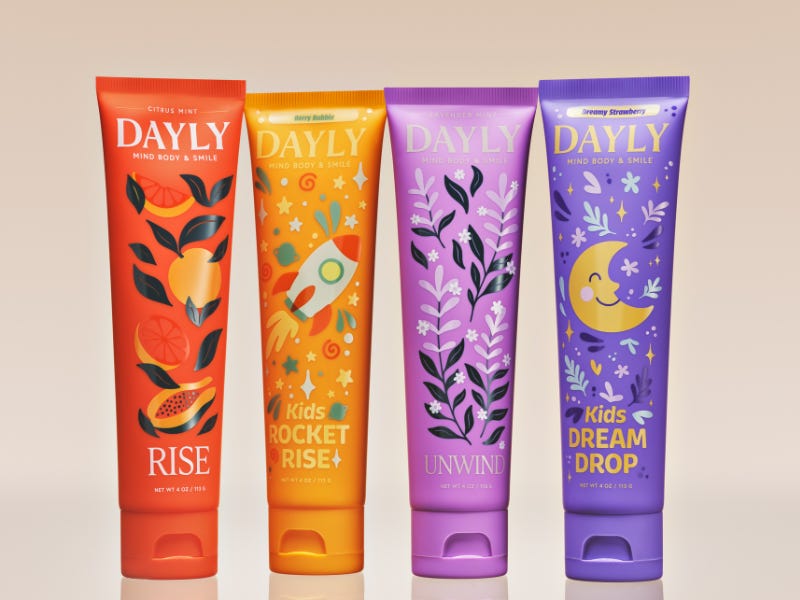
Functional AM/PM toothpaste system with 40 vitamins, minerals, and botanicals. Founded by Shamir Patel and Ananda Saba. Four formulas for adults and children — morning and night. Turning brushing your teeth into a wellness stack.
Lemme Creatine Expansion + Solidcore Takeover
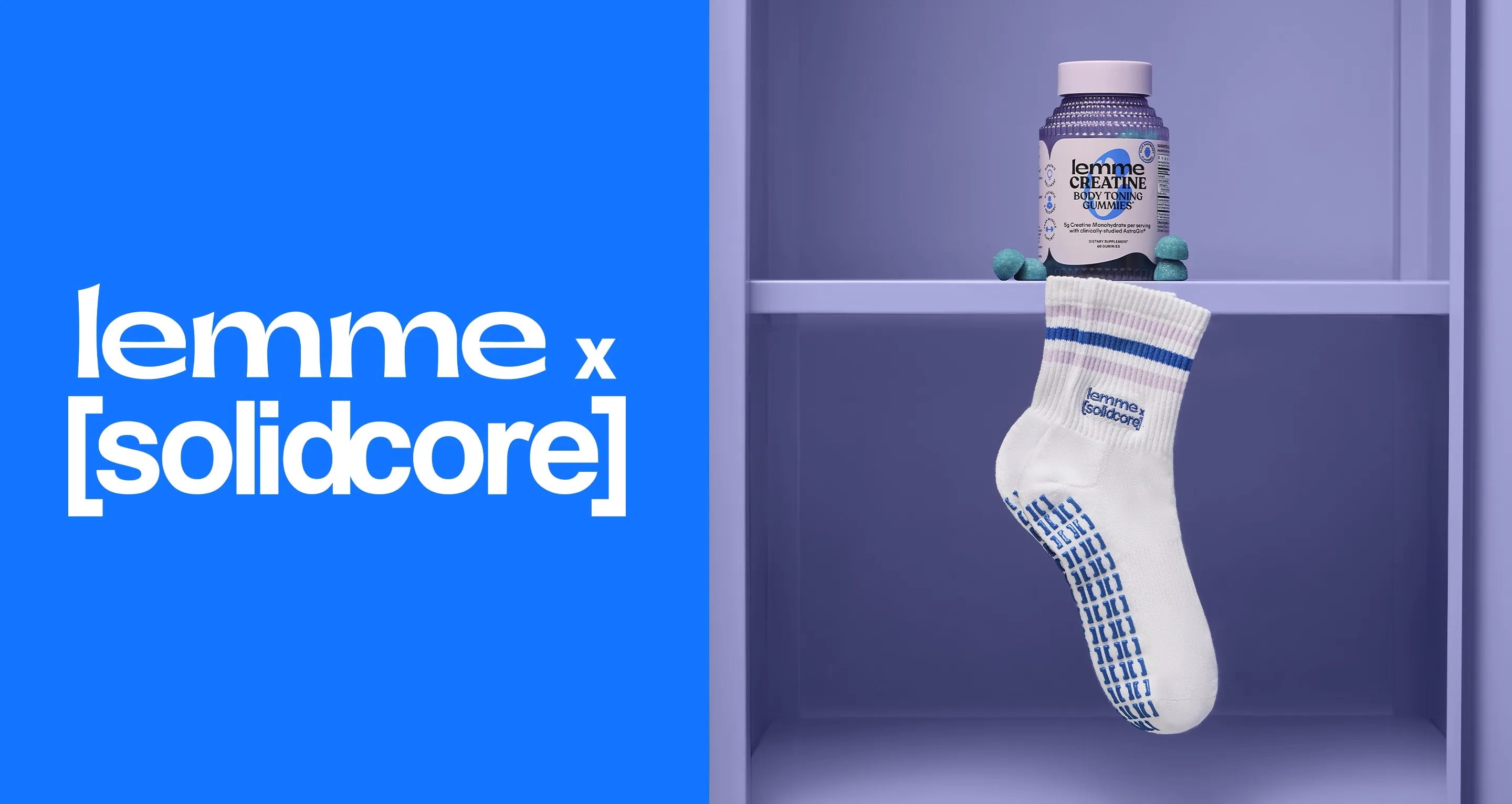
Lemme expanded Creatine Body Toning Gummies with Blue Raspberry and Sour Apple. Kicked off a nationwide class takeover with Solidcore. The creatine industrial complex meets experiential marketing.
Algae Cooking Club x made by musashi — Smoked Tomato Oil
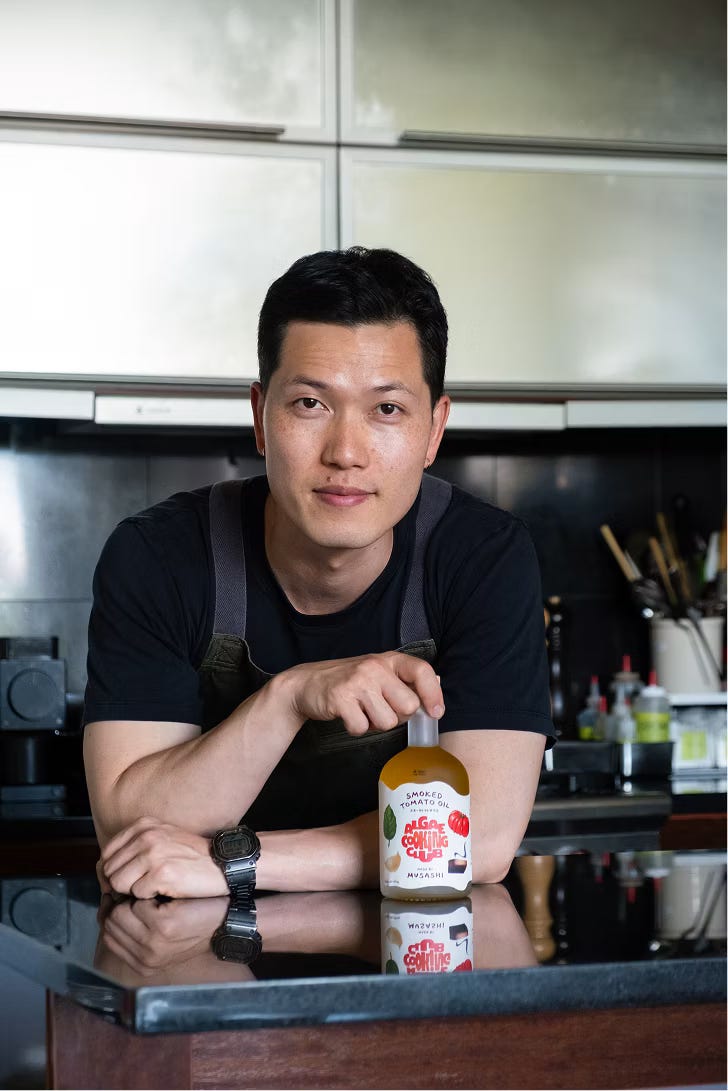
The collab play that’s working. Algae Cooking Club previously partnered with Nara Smith on Roasted Garlic Oil. Now Smoked Tomato Oil is made by Musashi. Being selective about creator partnerships while the co-branded label builds credibility with each drop.
More Launches Worth Watching
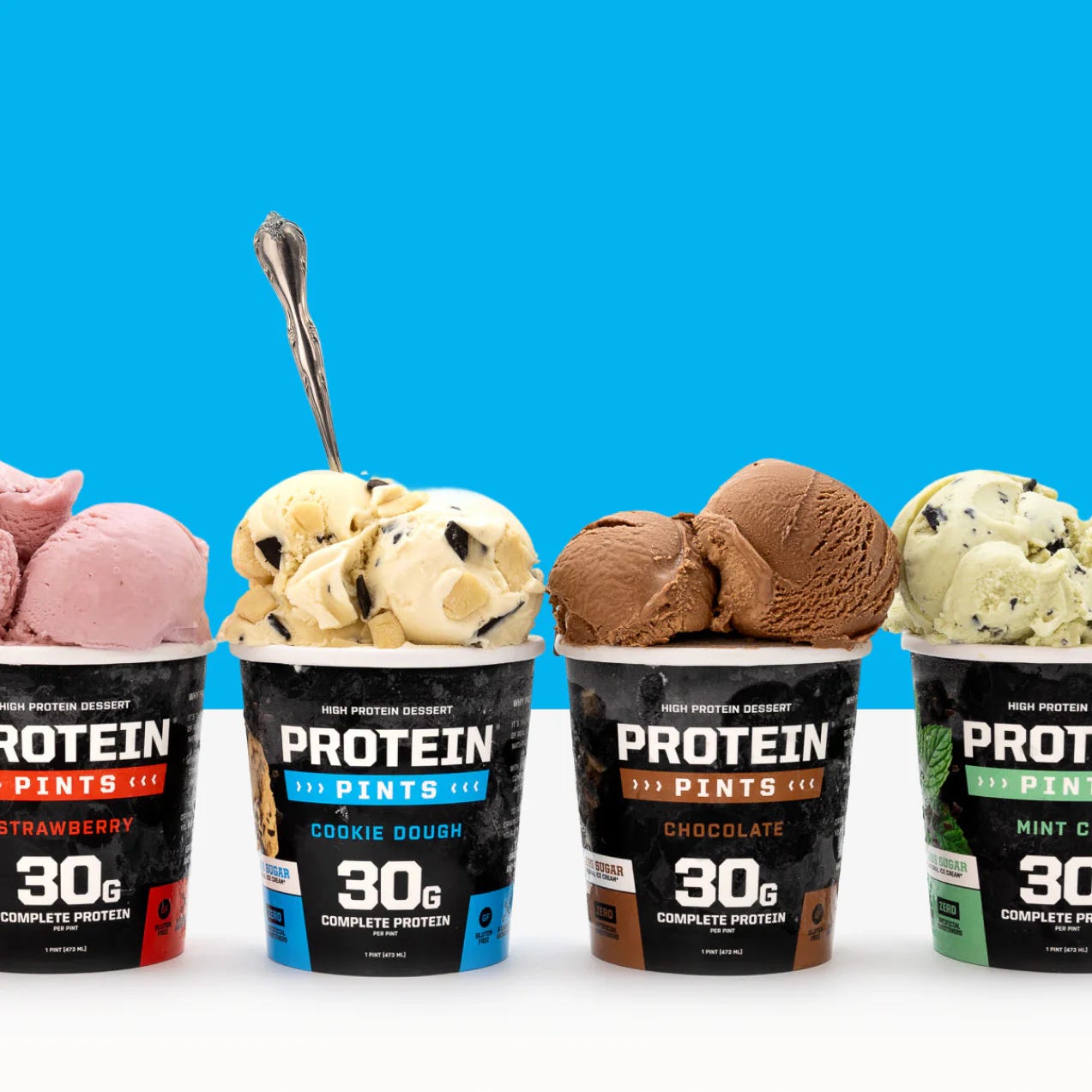
Protein Pints launched Protein Pops at Sprouts — 10g protein, 180-190 calories, 75% less sugar. Frozen novelties from the protein ice cream brand.
Merkato by Marcus — Marcus Samuelsson’s simmer sauces. Restaurant-quality flavor for everyday cooking. Summer Fancy Food Show debut.
YUMI cookies at Target — 4g protein, 3-4g fiber, 6g sugar. The baby food brand entering the kids’ cookie market.
Brewt’s RTD margarita line — 10% ABV, five flavors. The mixer brand is entering the ready-to-drink market.
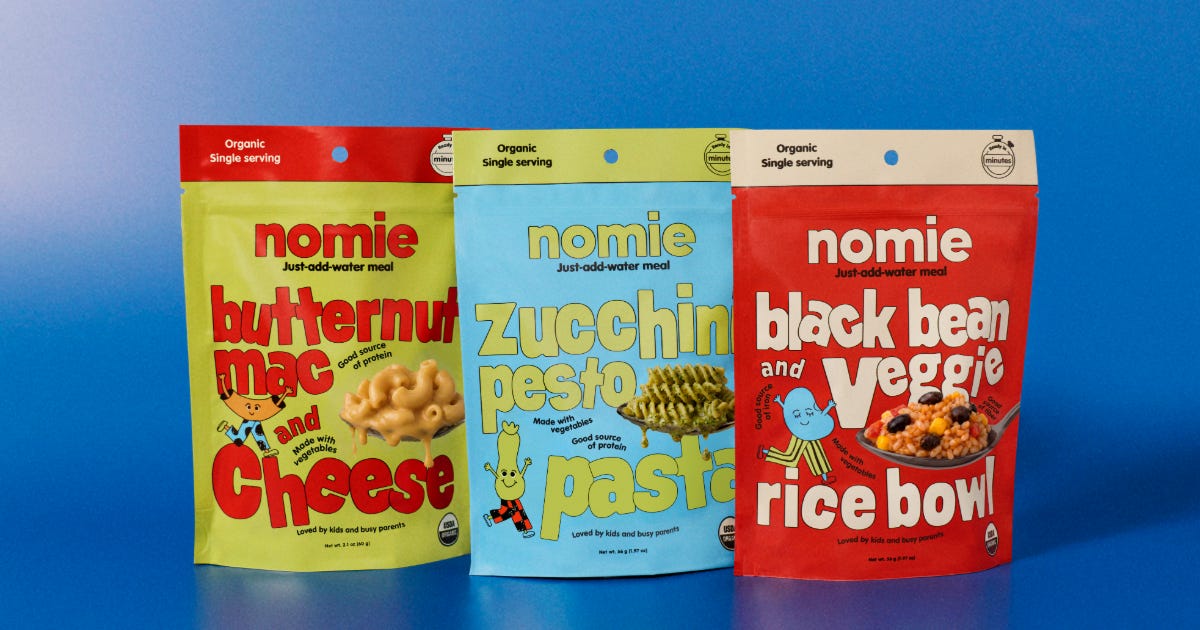
Nomie — organic just-add-water kids’ meals. Shelf-stable, three varieties.
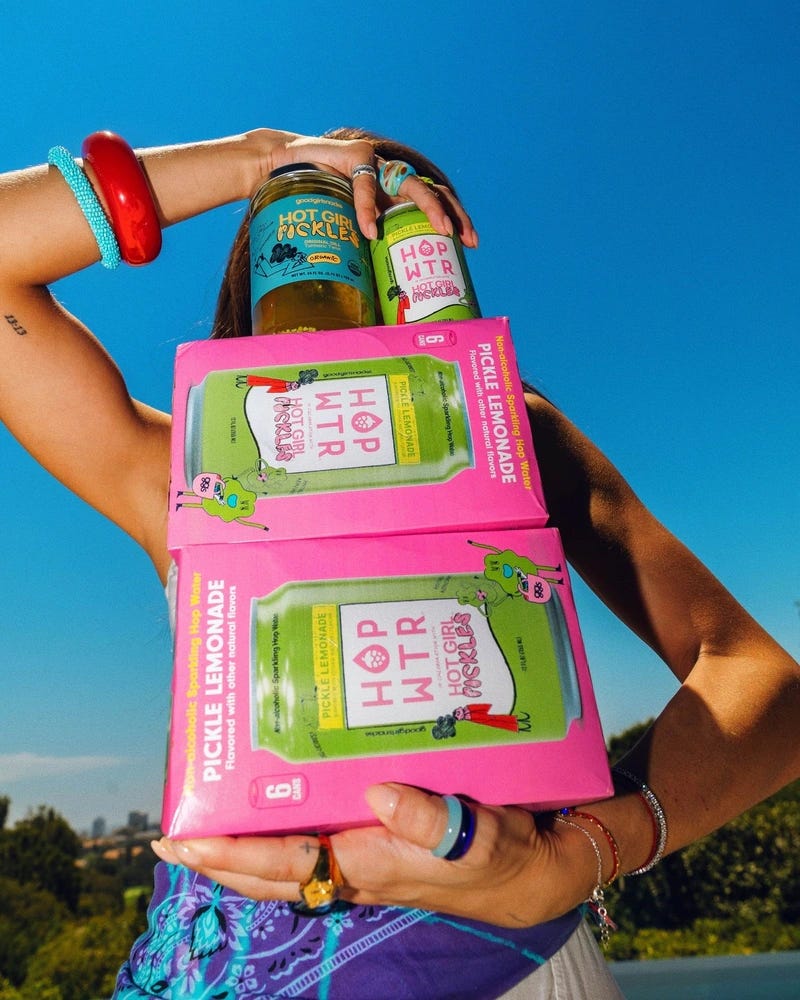
HOPWTR x Good Girl Snacks — Pickle Lemonade Sparkling Hop Water. The pickle industrial complex meets non-alc.
Laoban frozen Lo Mein bowls at Whole Foods exclusively.
Be LOVE Clear Protein at Sprouts — 15g protein, 5g collagen, zero sugar. From Vital Proteins’ Kurt Seidensticker.
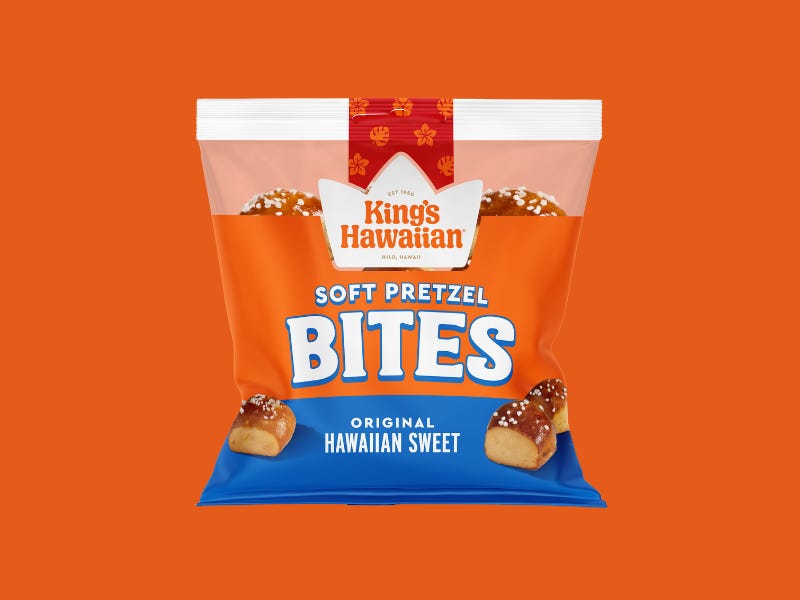
King’s Hawaiian Soft Pretzel Bites at 830+ Sheetz — first single-serve convenience store SKU.
Laird Superfood Protein Matcha — 10g protein, Lion’s Mane, electrolytes.
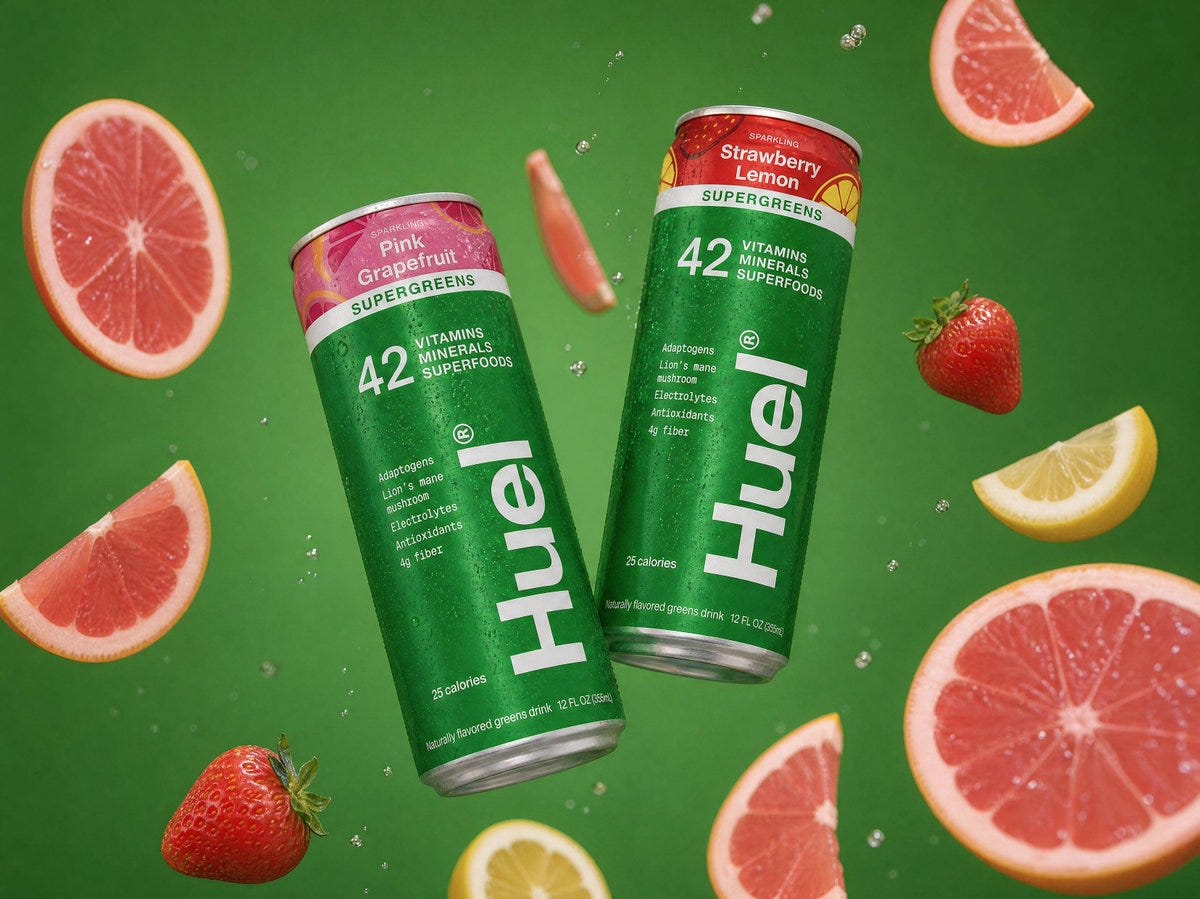
Huel refreshed the packaging of its greens with Pink Grapefruit and Strawberry Lemon flavors.
Vibed THC beverage brand refresh — imagine if Vacation made a beverage line.
Evenmouth — microbiome oral care with oral probiotics from a Board Certified Dentist.
Prequel skincare launching at Space NK UK July 14th — from the incubator behind Naturium and Phlur exits.
Snif Body Whips — bestselling scents in body care at Sephora.
📊 THE DATA DIGEST
Numbers that matter
Thorne: $500M in 2025, $650M Pacing in 2026, Three Bidders at $4B
Unilever, P&G, and Haleon all circling. L Catterton shopping at $4B. The most significant supplement M&A deal of 2026 has become a bidding war.
McCormick Q2: Net Sales Up 16.7%
The spice giant beat Wall Street estimates. Strong execution across the portfolio. McCormick continues to perform as a standalone after the Unilever food merger was settled.
k2o by sprinter: $4.3M Since April Pivot
After pivoting from canned cocktails to beauty supplements, k2o generated $4.3M in sales since April. The “beauty from within” category is reportedly expected to reach $7.5B by 2036, up from $3.3B today. A real-time pivot producing real-time results.
Coconut Cult: 142% Growth in 2025, 90% Expected in 2026
The coconut yogurt brand that jumped from natural to mass retail is building a 300K-sq-ft factory to keep up. Equipment financing, not equity. Smart capital structure.
Scott’s Protein Balls: 86 to 350 Target Stores in Four Months
Quadrupled Target door count in four months. The velocity data earned the expansion.
🏪 DISTRIBUTION DOMINATION
Everyone’s everywhere
Target
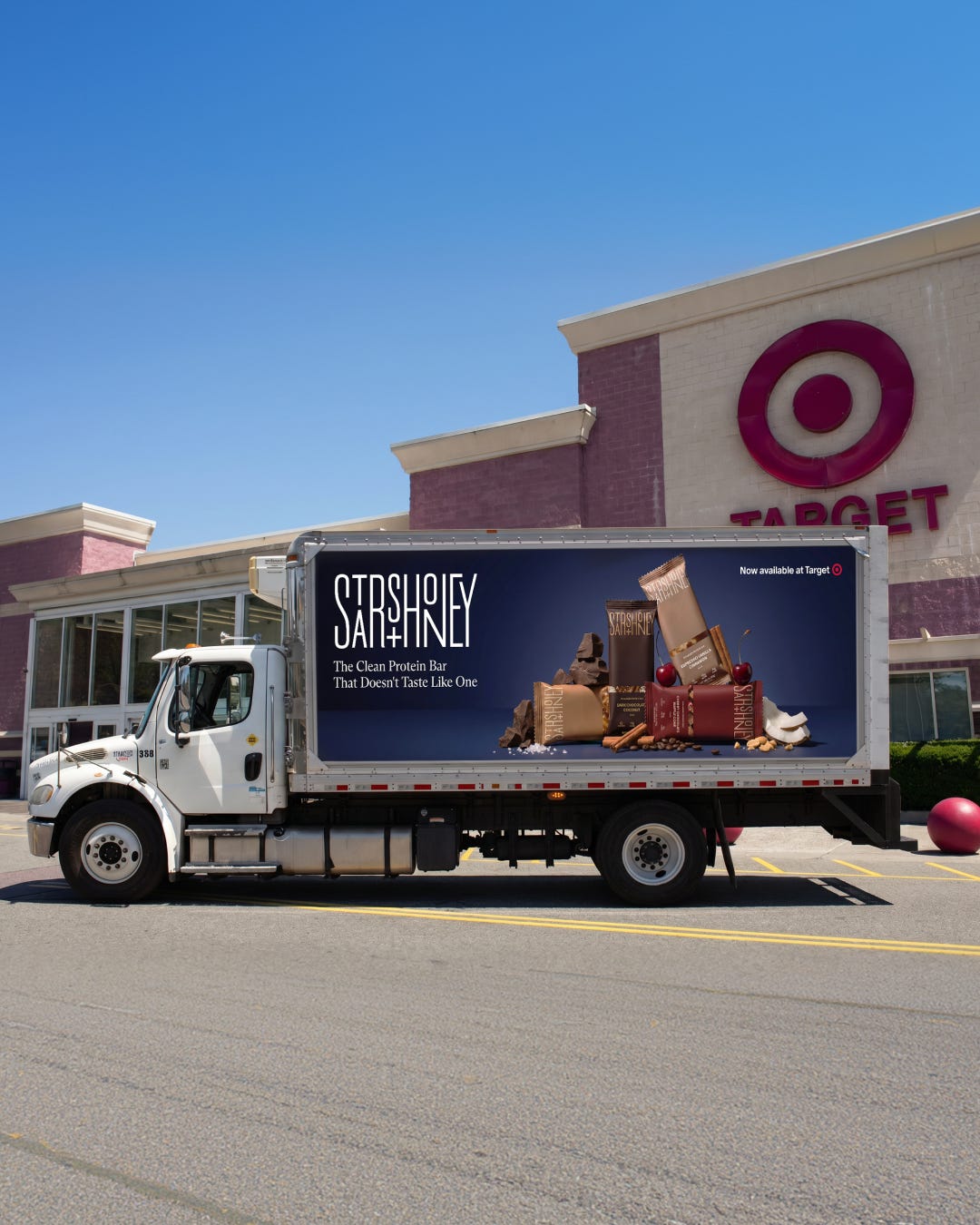
Stars + Honey made its national retail debut after 300% growth and $24M from VMG. The Only Bean launched nationwide. YUMI cookies launched. Three brands hitting Target.
Walmart
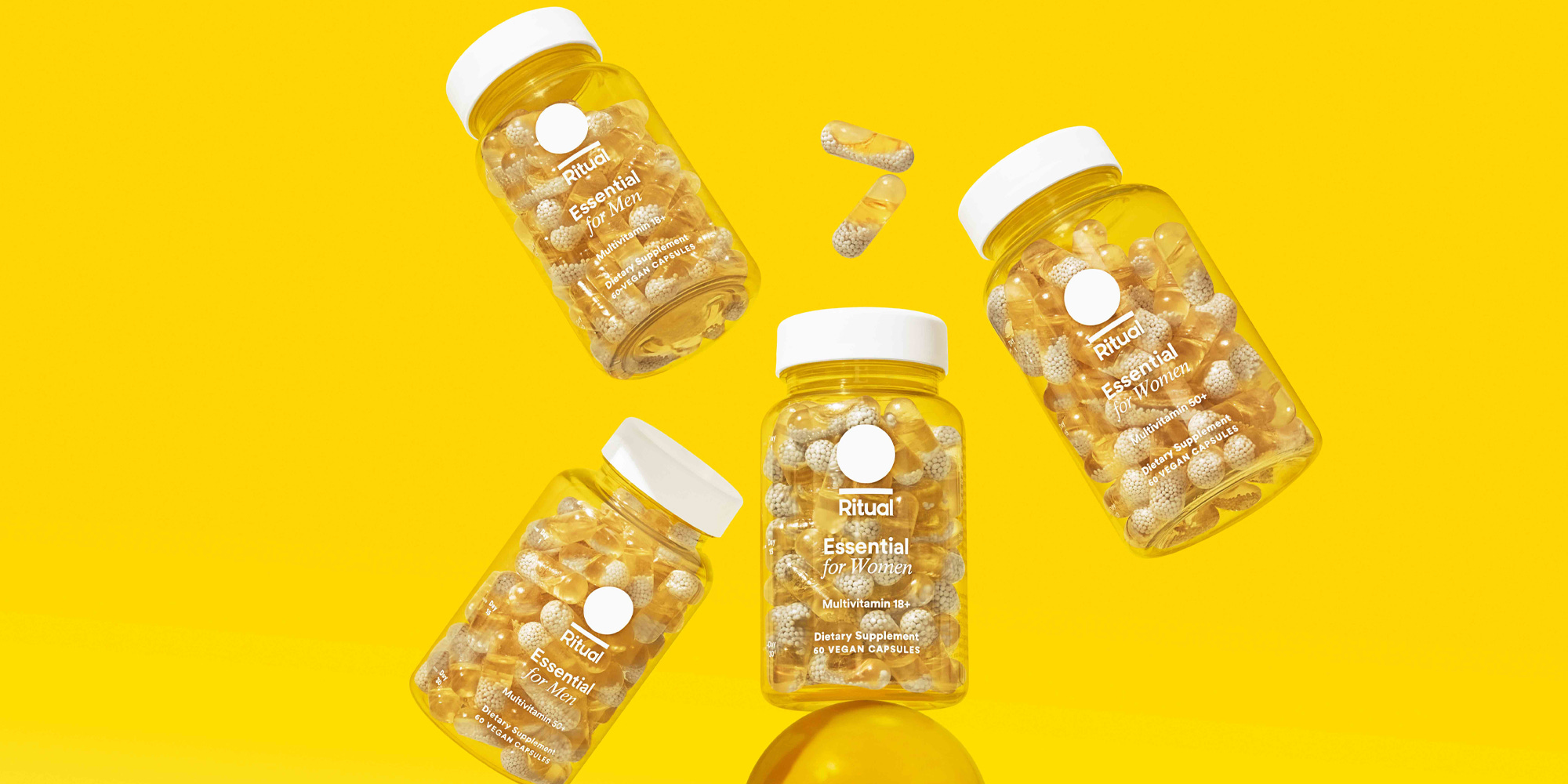
Ritual expanded to 1,900 doors. The supplement brand is continuing its mass retail buildout.
Sprouts
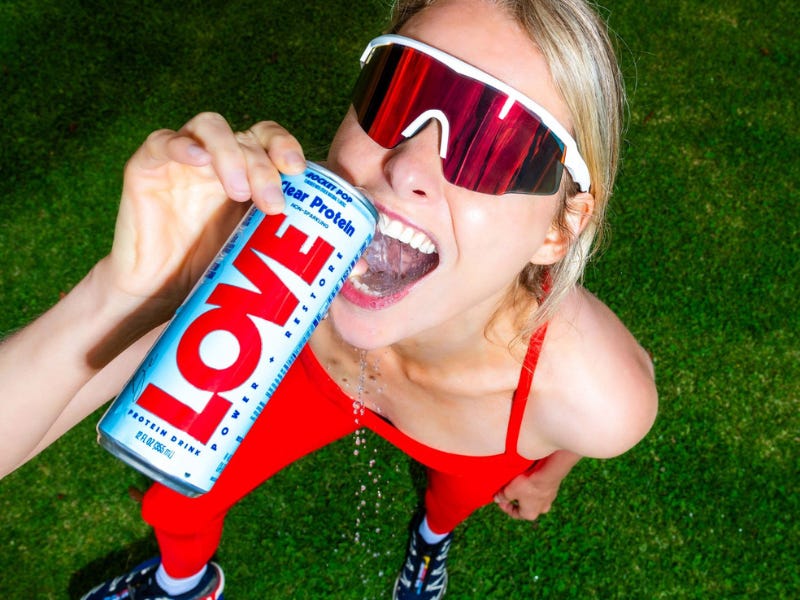
‘ndulge ice cream bars launched alongside Albertsons, Kroger, H-E-B, and Hannaford. Protein Pints Pops are launching June 29th. Be LOVE Clear Protein exclusively. Three protein-forward frozen and beverage brands at Sprouts.
H-E-B
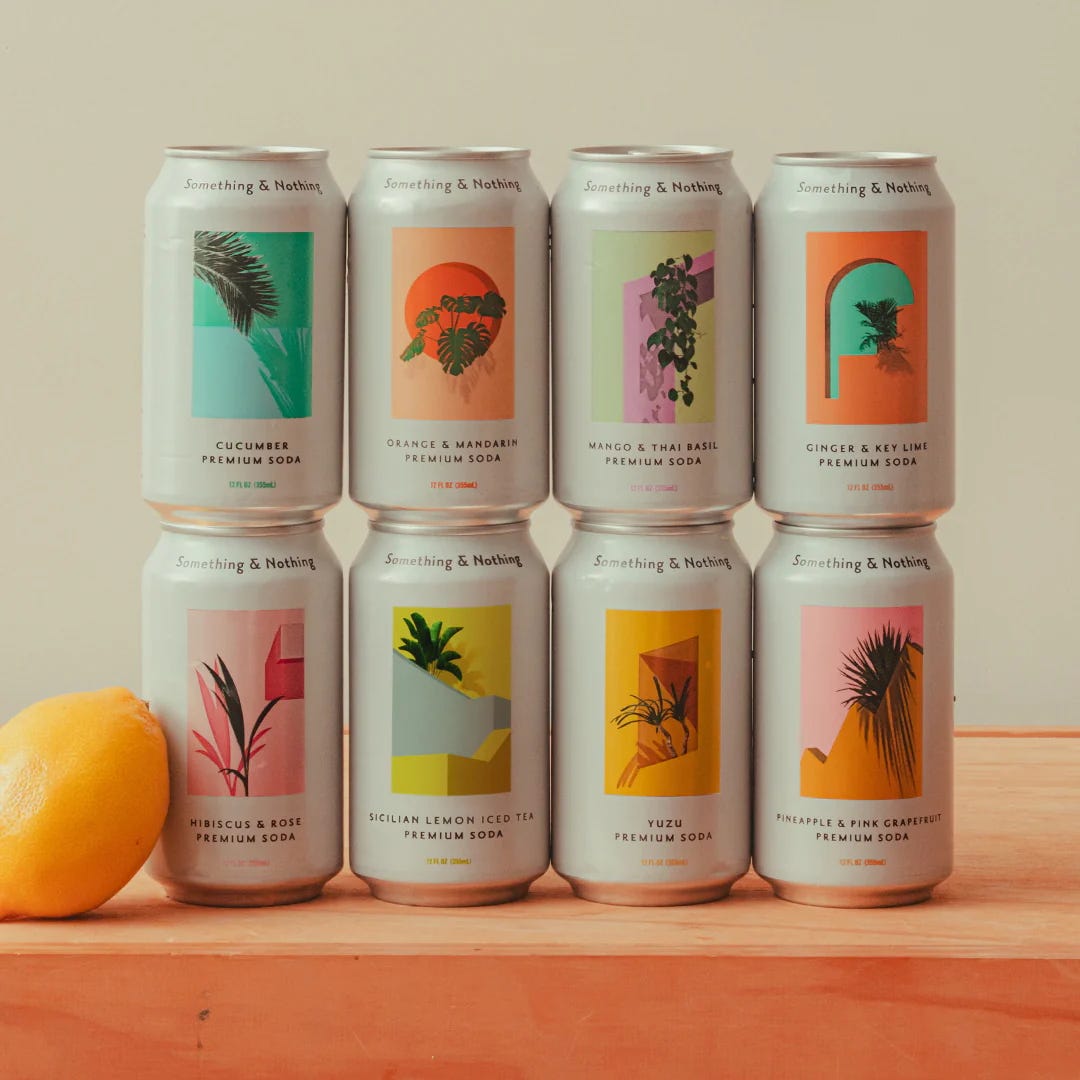
Something & Nothing launched at 200+ stores. ‘ndulge ice cream bars. The Texas grocer keeps adding emerging brands at meaningful door counts.
CVS
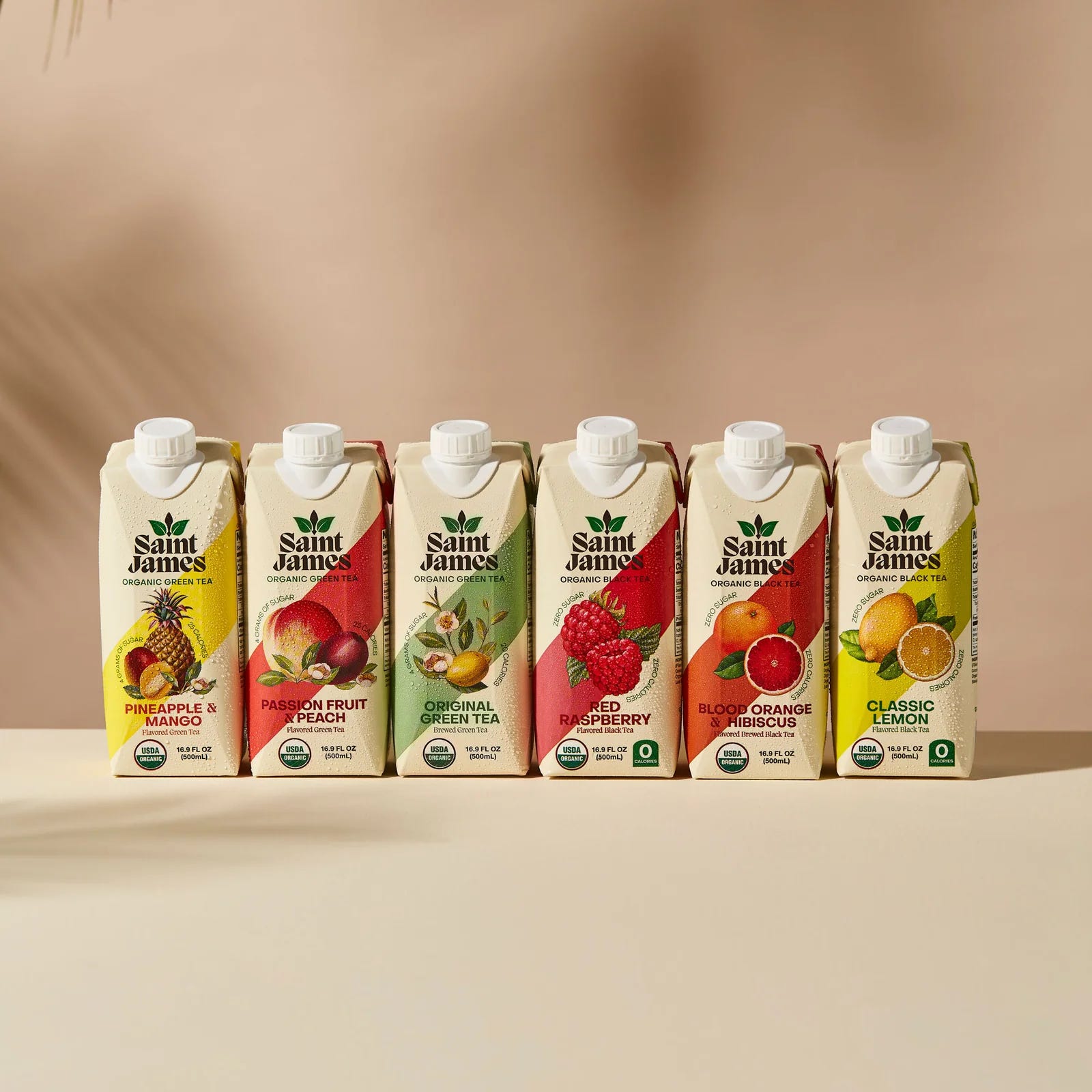
Saint James Iced Tea launched at select stores. Jackson’s launched at select stores. Two brands are entering the pharmacy convenience channel.
Safeway
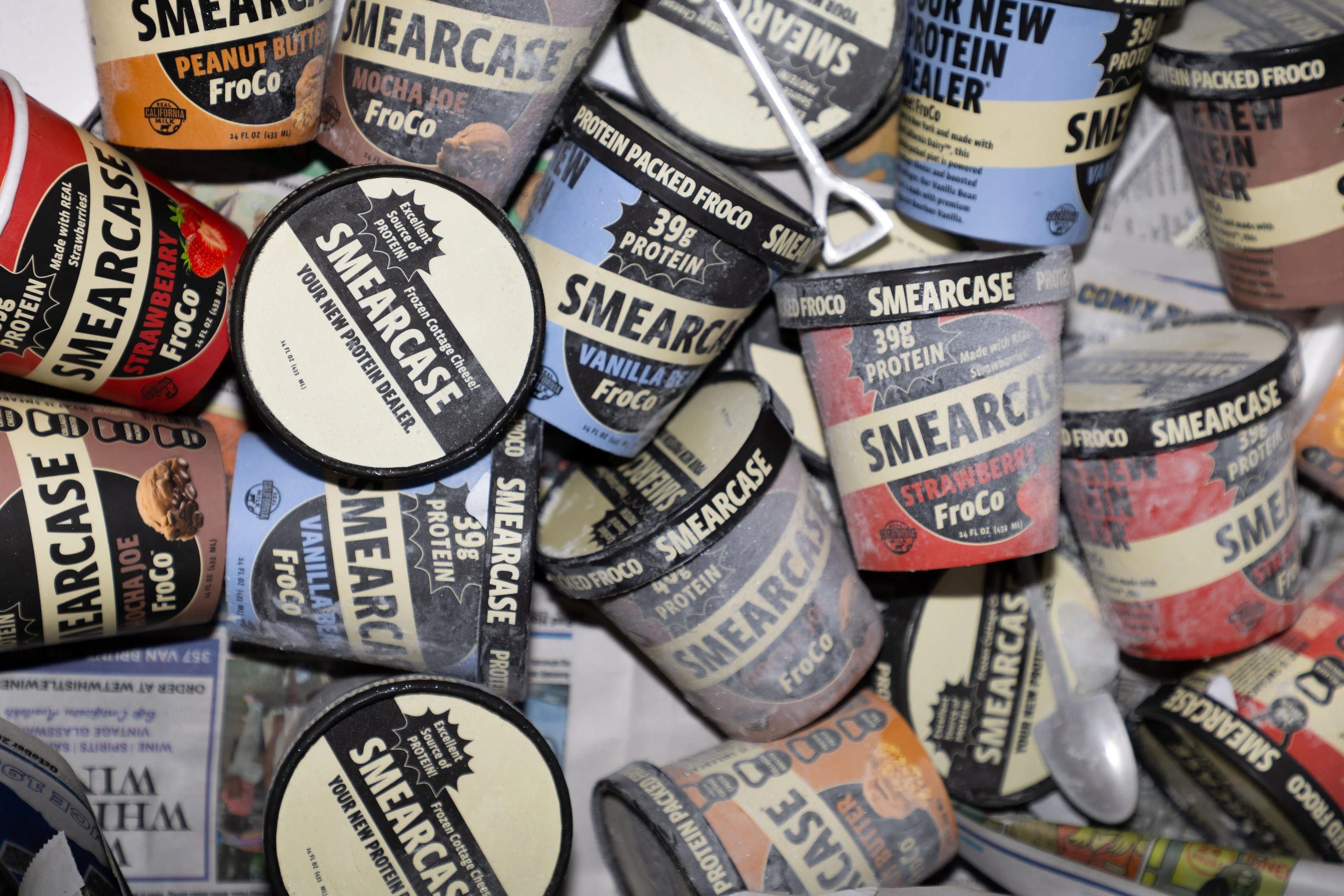
Smearcase launched at select stores. The cottage cheese ice cream brand expanding into conventional grocery.
Sam’s Club
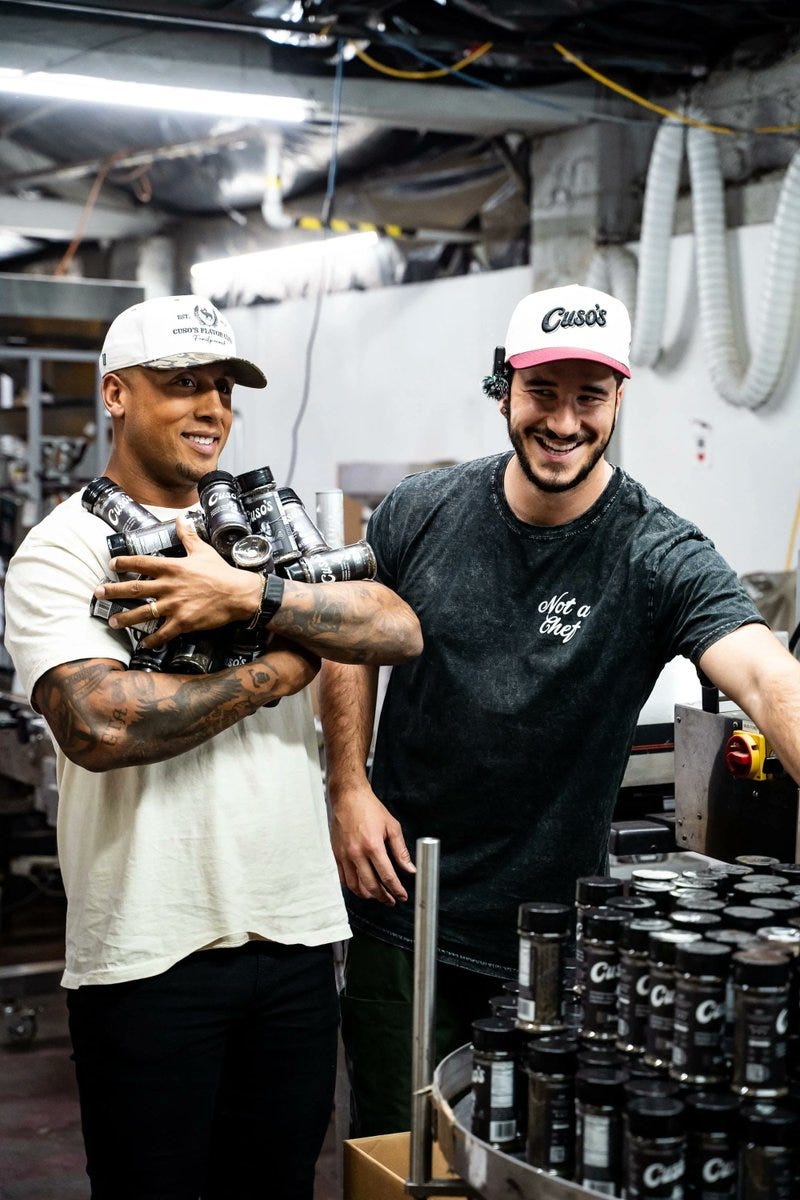
Cuso’s launched at 216 stores — Dirt and Maple Bourbon seasonings. The creator-led seasoning brand is entering the club channel nationwide.
Vitamin Shoppe
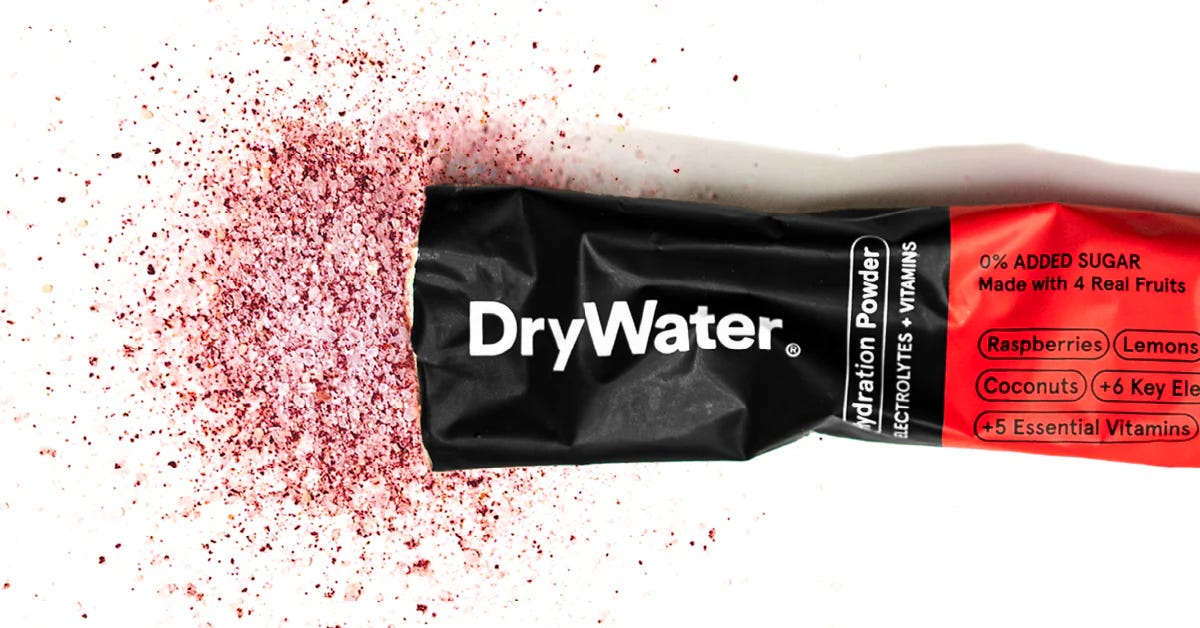
DryWater launched storewide. The functional hydration brand is adding the specialty supplement channel.
Whole Foods
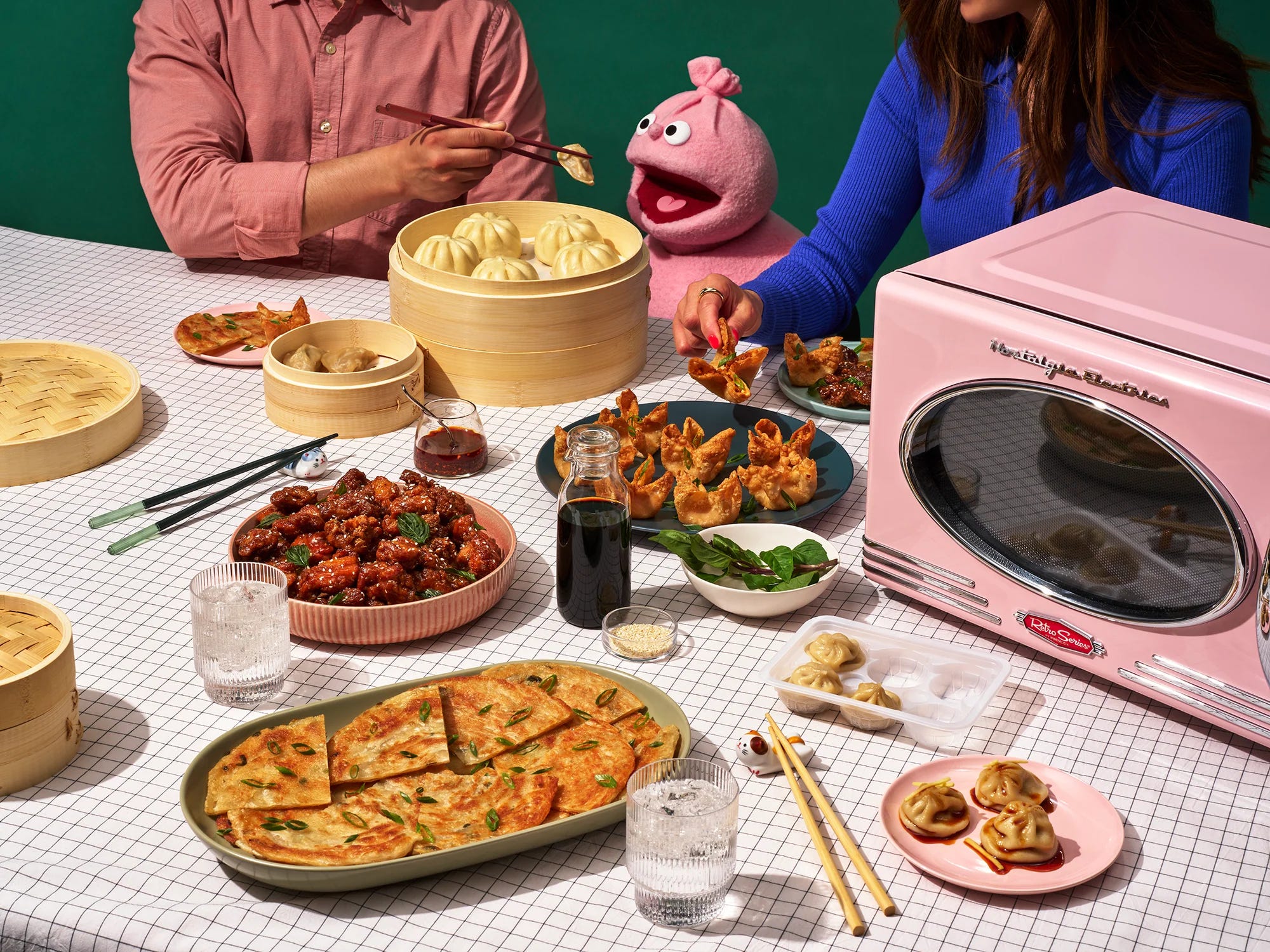
Laoban Lo Mein bowls exclusively. The dumpling brand is expanding into frozen meals.
Wegmans
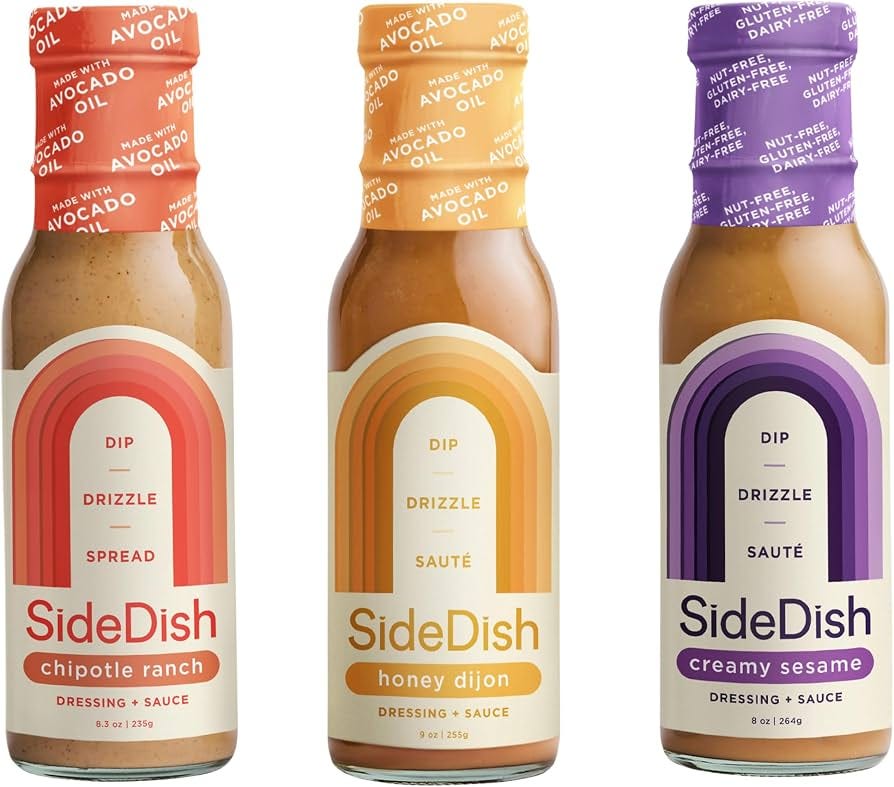
SideDish launched. The Northeast premium grocer continues to add emerging brands.
Erewhon
PRIMA launched. The LA credibility stamp continues.
Sheetz
King’s Hawaiian Soft Pretzel Bites at 830+ locations. The iconic bread brand’s first convenience store snack.
👋 PEOPLE MOVES
Pat McAfee is investing in Jams with a creative strategy and media support. The most-watched sports media personality in America is turning his platform into a distribution channel for the brand that beat Uncrustables.
Paul and Melissa Meehan (NÜTRL founders, sold to AB InBev) are investing in Los Sundays tequila and Chilly Ones. Serial spirits operators deploying capital and expertise into the next generation.
Mara Roszak, celebrity hairstylist, gets L Catterton backing for RŌZ. Professional-grade haircare at Sephora, backed by institutional capital.
Chris Spencer (Keto Pints co-founder) is launching ‘ndulge protein ice cream bars at five major grocery chains.
Kurt Seidensticker (Vital Proteins founder) and Leslie Scofield are launching Be LOVE Clear Protein at Sprouts.
Prequel skincare launching at Space NK — from The Center incubator behind Naturium ($350M+ exit) and Phlur (TSG acquisition).
🔥 THE HOT TAKE
My unfiltered opinion on this week’s madness
Danone just spent $2.55 billion on functional nutrition in one quarter. Huel for $1.15B. MADE for $1.4B. In three months.
Let me zoom out on what European food companies have spent on functional nutrition this year alone:
Danone: Huel ($1.15B) + MADE ($1.4B) = $2.55B
Nestlé: yfood (€450M / ~$500M)
Lactalis: Protein Works (undisclosed)
Unilever: Grüns ($1.2B, late 2025)
That’s over $4.25 billion in disclosed functional nutrition acquisitions from four European food companies in roughly six months. And Thorne at $4B would double that number.
The thesis is uniform across all four: traditional food categories are flat. Functional nutrition is growing in double digits. The consumer who used to drink milk, eat yogurt, and take a basic multivitamin now drinks protein shakes, eats functional bars, takes personalized supplements, and mixes greens powder every morning. The daily routine changed. The food giants are buying the brands that own the new routine.
Meanwhile, Sazerac stopped just acquiring RTD brands and started building its own. Three new canned cocktail brands from scratch. The company that scaled BuzzBallz 65% post-acquisition, that took equity in 818 and SIPMARGS, that bid $15B for Brown-Forman — now using its distribution infrastructure to incubate house brands. That’s the natural evolution: acquire brands to prove the machine works, then use the machine to build brands you own 100%.
Bacardi took full ownership of Teeling after nine years of staged ownership. Coconut Cult is building a 300,000-square-foot factory — the largest manufacturing investment by an emerging brand this year. Pat McAfee bought into Jams and is turning his media empire into a distribution channel.
Every story this week is about control. Danone is buying full control of MADE and its Australian JV. Bacardi is taking full ownership of Teeling. Sazerac building brands it owns outright. Coconut Cult building manufacturing is controlled completely. The message is clear: minority positions and partnerships are stepping stones. Full ownership is the destination.
The brands and companies that control their production, their distribution, and their brand narrative are the ones pulling ahead. Everyone else is renting.
Build what you own. Own what you build.
🎙️ COMING TUESDAY
Unpackaged Goods Episode
Breaking down Danone’s $2.55B functional nutrition spending spree in one quarter. Thorne’s bidding war — Unilever, P&G, and Haleon all circling at $4B. Sazerac is building its own RTD brands after years of acquiring them. Bacardi is taking full control of Teeling. Coconut Cult’s 300,000-square-foot factory. Pat McAfee is turning media into distribution for Jams. And why every story this week is about moving from minority positions to full ownership.
🥫 ONE MORE THING...
Before you close this tab
Danone’s deputy CEO called MADE Group “a mini Danone.” Protein yogurts. Plant-based products. Functional drinks. The same category map. Different hemisphere.
TPG Capital bought MADE. Held it for five years. Sold it to Danone for nearly $2 billion.
Five years. Two billion dollars. From a portfolio of functional nutrition brands in Australia that most CPG newsletters have never mentioned.
The boring platform play keeps winning. The functional nutrition thesis continues to be validated. And the European food giants keep writing billion-dollar checks because the consumer permanently changed what they eat and drink every single day.
Build accordingly. The buyers have never had more money or more urgency.
Until next Sunday,
Jonathan Deeter
Your CPG-Obsessed Friend
P.S. — HOPWTR collaborated with Good Girl Snacks on a Pickle Lemonade Sparkling Hop Water. The pickle industrial complex now spans: lip balm (e.l.f., Burt’s Bees), hydration packs (Liquid I.V.), beer (PBR), shots (Rally), hot sauce butter (Grillo’s x PopUp Bagels), and now hop water (HOPWTR x Good Girl Snacks). At this point, pickles are the Marvel Cinematic Universe of CPG. Every brand exists in the same pickle universe, and they keep crossing over into each other’s categories. Phase 4 is probably pickle protein powder. Don’t test me.
Comment NEWSLETTER to get The Deeter Digest delivered straight to your inbox every Monday 🥣
TikTok | Instagram | Newsletter | Pickle Advisors | YouTube
This newsletter is finished with Trophy Wife Finishing Salts - elevating every bite since 2025