


Issue #13 | January 26, 2026
Proudly seasoned by Trophy Wife - The Official Finishing Salt of The Deeter Digest. Because you are the prize, and so is this salt.
🥄 FIRST BITE
The appetizer before we dive in
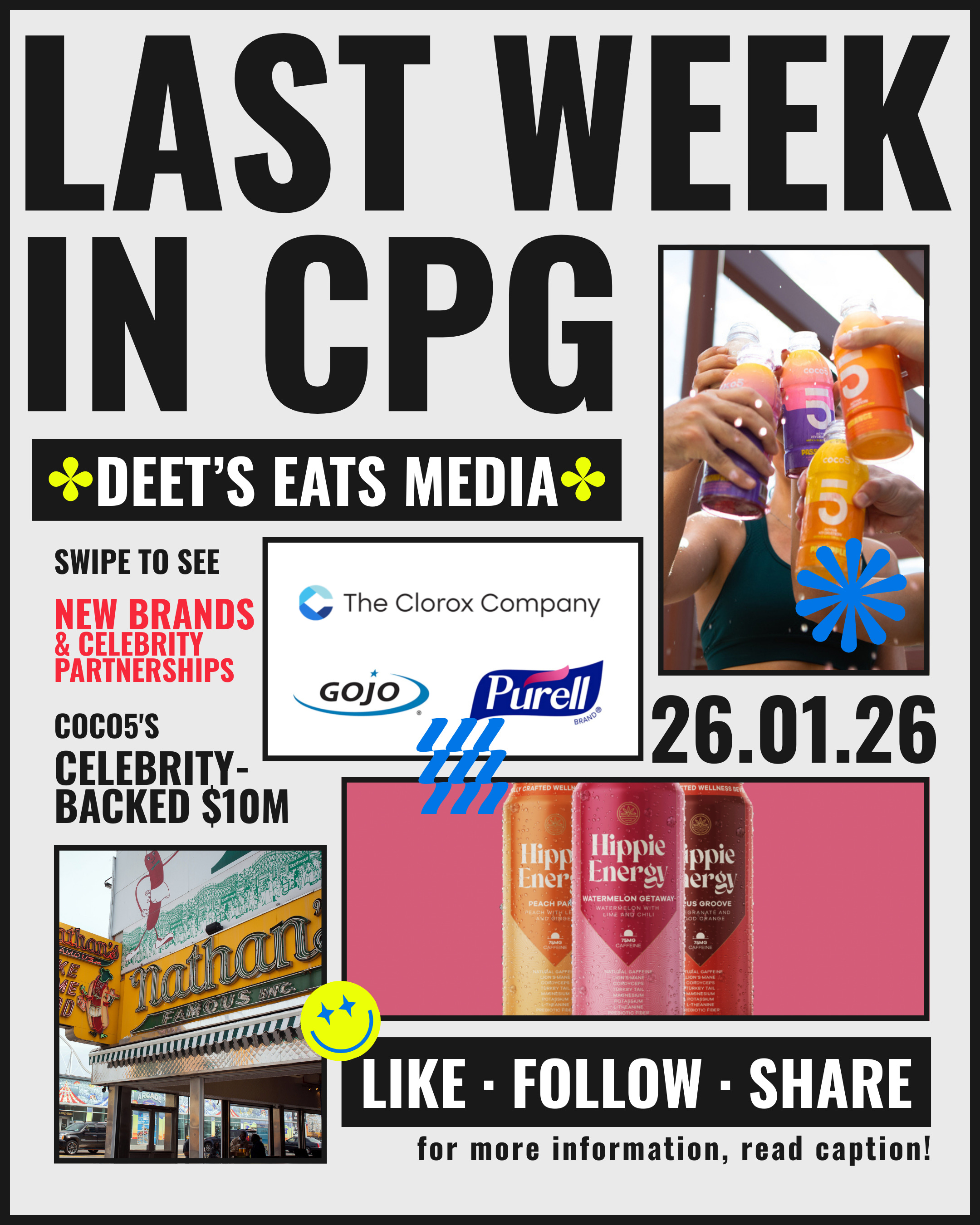
Welcome back to The Deeter Digest. This week, Clorox paid $2.25 BILLION for Purell (yes, billion with a B), P&G scooped up a clean digestive health brand, and THC companies started launching energy drinks because why not expand into every category imaginable?
Meanwhile, protein snacks are getting PE backing, Canadian energy drinks are crushing Q4, and e.l.f. Beauty decided to make perfume now.
The message is clear: if you’re not expanding, you’re dying. Let’s feast on the feeding frenzy.
🍊 THE MAIN COURSE
This week’s biggest CPG moves
Clorox’s $2.25B Hand Sanitizer Empire
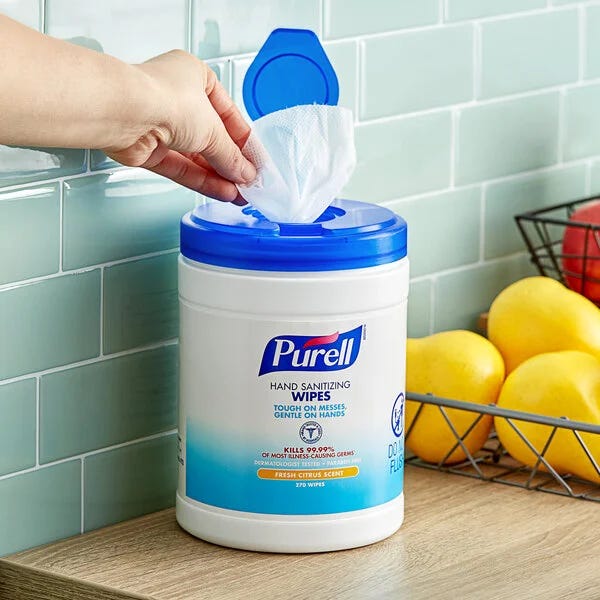
The Clorox Company just paid $2.25 billion for GOJO Industries, the parent company of Purell. Let that number sink in: two point two five BILLION dollars for hand sanitizer.
GOJO does nearly $800M in annual sales and holds the #1 position in hand sanitizer across both B2B and retail channels. Founded in 1946 by Goldie and Jerry Lippman in Akron, the company generates over 80% of revenue from hand hygiene solutions.
This isn’t just an acquisition - it’s Clorox betting that hygiene consciousness is permanent, not pandemic-driven. When a cleaning giant pays 2.8x revenue for a hand sanitizer company, they’re signaling that cleanliness habits have fundamentally shifted. The COVID premium might be over, but the hygiene premium is here to stay.
P&G’s Clean Digestive Health Play
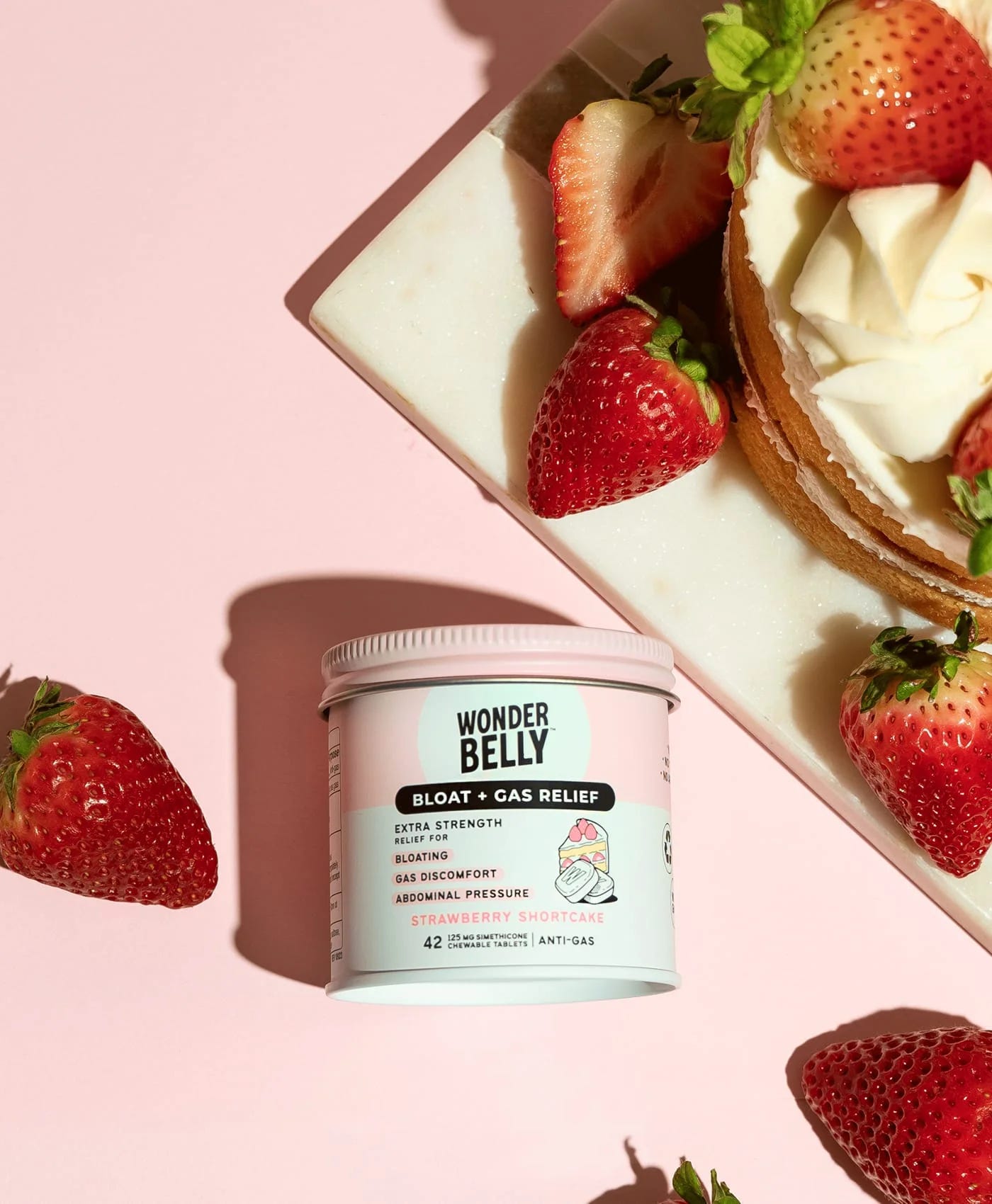
P&G acquired Wonderbelly, the clean-label alternative to Tums and Gas-X launched by brothers Lucas and Noah Kraft in 2023. The brand secured distribution at Walmart, Target, CVS, and Kroger in record time, with backing from Loft Growth Partners, Silas Capital, and L Catterton.
This move signals P&G’s recognition that even OTC medicines need clean reformulations. Wonderbelly’s products are non-GMO and free from dyes, artificial sweeteners, and titanium dioxide - exactly what conscious consumers demand from digestive aids. When Big Consumer Goods starts acquiring clean alternatives to their own legacy products, the writing’s on the wall for artificial everything.
THC Brands Go Energy
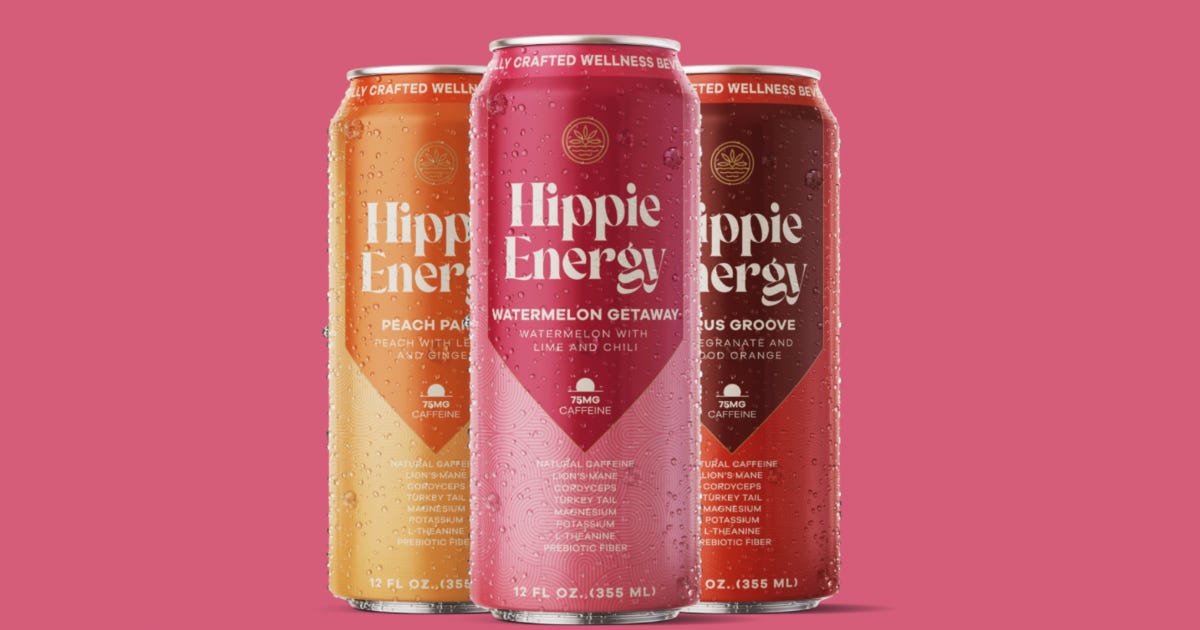
Drink Hippie, the functional beverage platform co-founded by actress Sasha Pieterse, just unveiled a clean energy drink line. Each can delivers 75mg of caffeine, 500mg of functional mushrooms, plus magnesium, potassium, and L-Theanine.
This isn’t random category jumping - it’s strategic adjacency expansion. THC beverage customers already understand functional ingredients, clean formulations, and premium pricing. Energy drinks represent a massive TAM with daily consumption potential. When cannabis brands master energy drinks before going federal, they’ll dominate both categories simultaneously.
💰 THE FUNDING FRENZY
Big checks being written
Coco5’s Celebrity-Backed $10M
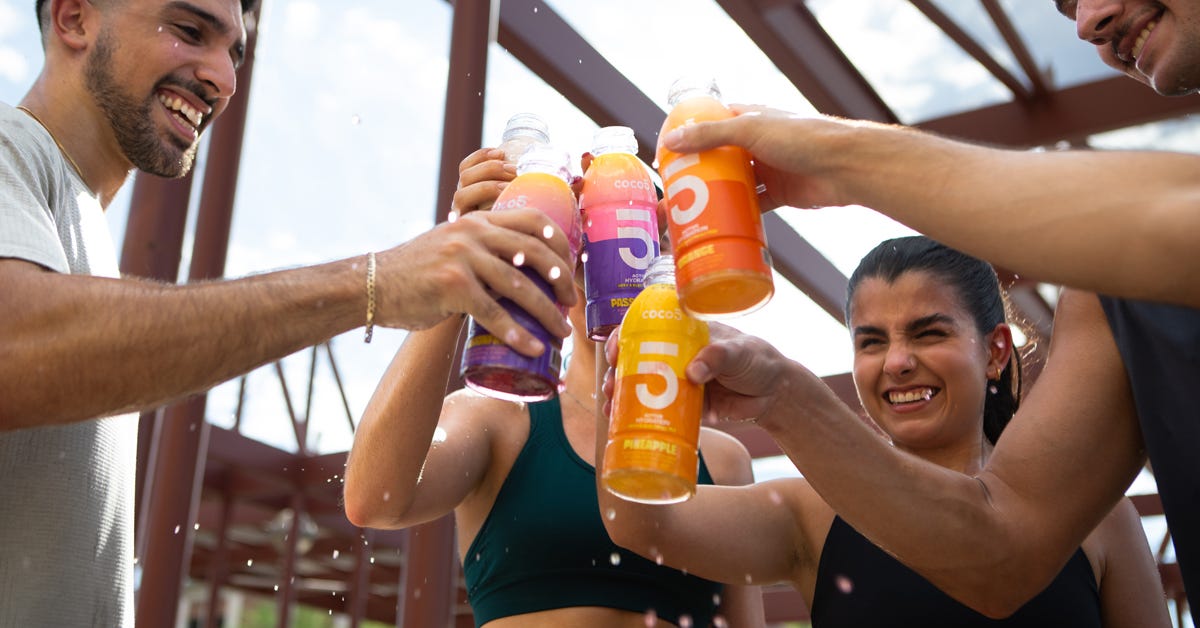
The coconut water-based sports drink secured $10M from Loop Capital, adding former Liquid I.V. exec Marc Doggett as CEO and Costco specialist Scott McCarron as VP of Sales. NBA stars Devin Booker and Charles Barkley back the brand.
When you combine coconut water with sports drink functionality and NBA credibility, you’re not just creating another beverage - you’re building a hydration platform with authentic athletic endorsement. The Costco specialist hire signals serious mass retail ambitions.
Humble Growth’s Portfolio Power
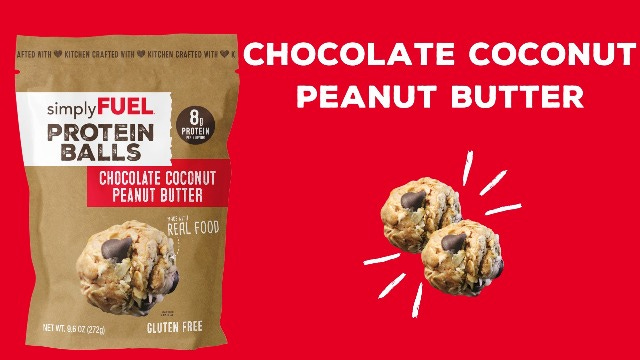
The growth equity firm announced a strategic partnership with simplyFUEL, the protein snack brand founded by former Kansas City Royals Sports Dietician Mitzi Dulan. The brand retails at Costco, Sam’s Club, Walmart, and Target.
Humble Growth is quietly assembling the ultimate performance nutrition portfolio with Momentous, Salt & Stone, and now simplyFUEL. When PE firms specialize this narrowly, they create category-specific expertise that benefits every portfolio company.
International Expansion Capital
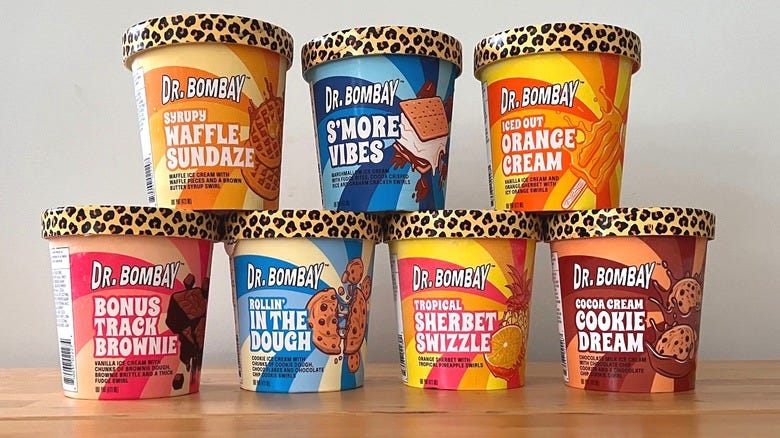
Rising Tide Ventures backed Dr. Bombay Ice Cream, co-founded by Snoop Dogg and Sam Rockwell, with retail presence at Walmart and 7-Eleven. Meanwhile, London-based Punchy added Doctor Who actor Ncuti Gatwa as an investor.
Celebrity food brands work when they solve real problems with authentic involvement. Snoop’s ice cream and a British actor backing UK hydration both feel authentic rather than opportunistic.
🤝 MERGER MANIA
Everyone’s buying everyone
Smithfield’s $450M Nathan’s Play
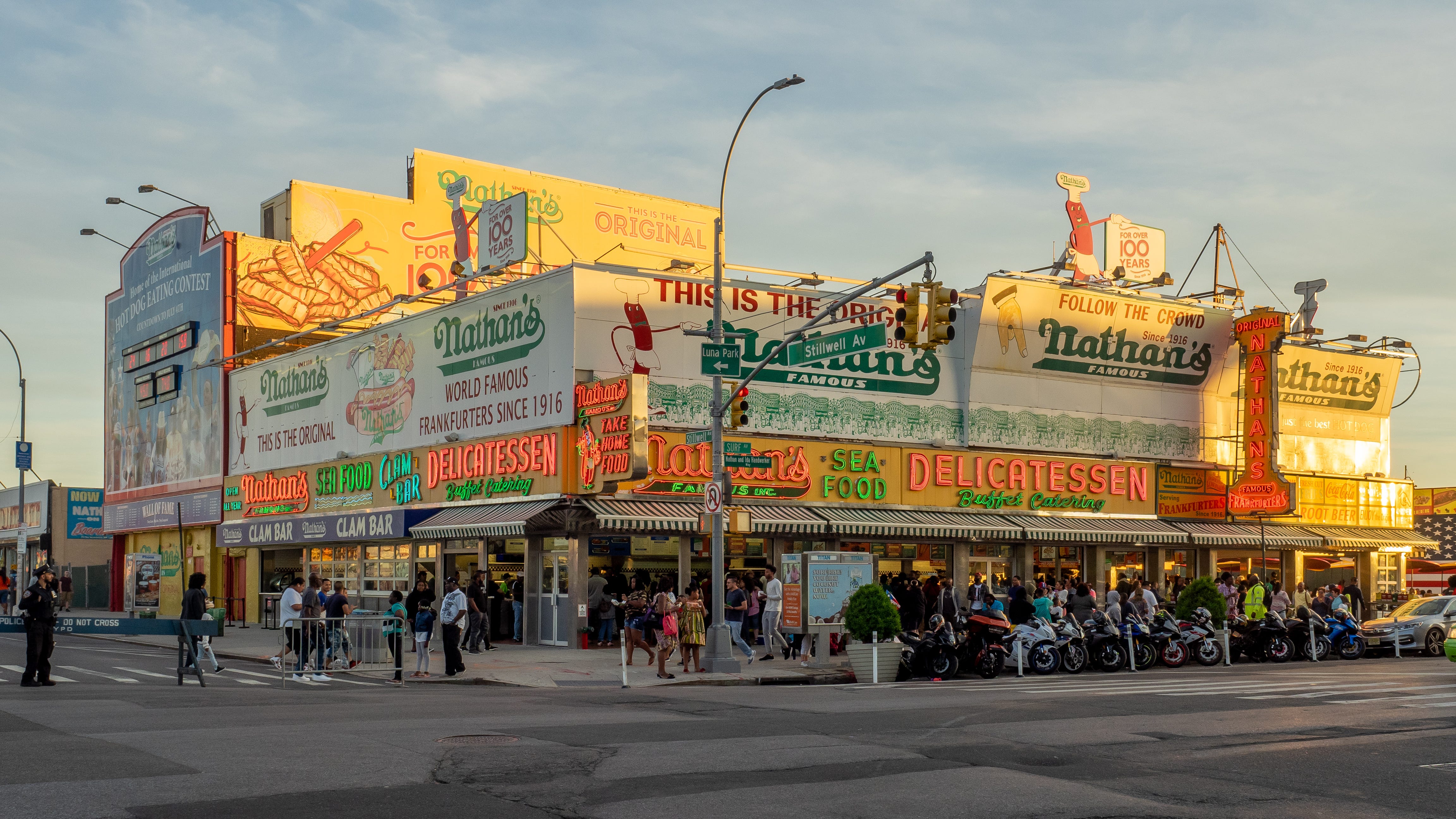
Smithfield Foods is acquiring Nathan’s Famous for $450M, representing a 12.4x LTM adjusted EBITDA multiple. The scaled pork processor, which generates over $14B in annual sales, has held a license to manufacture and sell Nathan’s products in the U.S. and Canada since 2014.
This isn’t just vertical integration - it’s Smithfield betting that iconic American food brands with nostalgic equity are worth premium multiples. When you’ve been licensing a brand successfully for a decade, acquiring it outright eliminates royalty payments while capturing all future upside. Nathan’s Famous proves that heritage food brands command serious valuations when they maintain cultural relevance.
Gryphon’s Probiotic Expansion
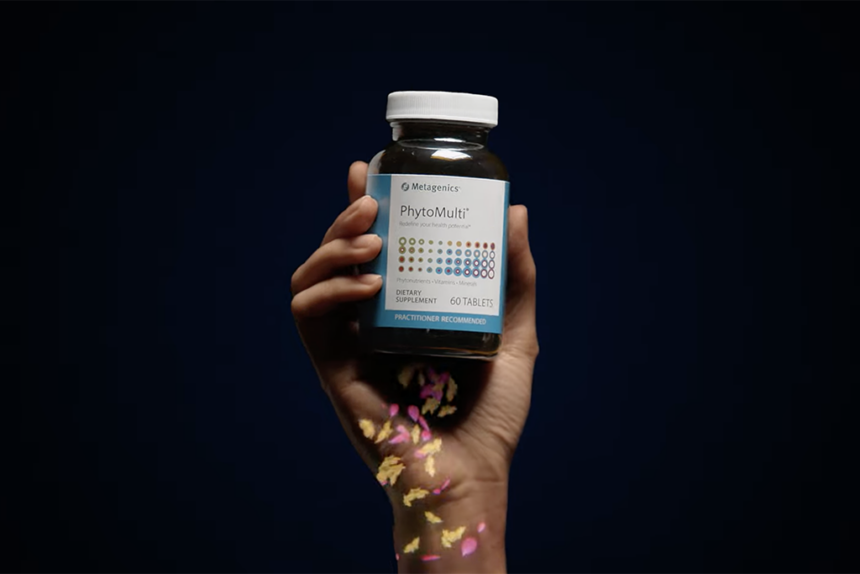
Metagenics, owned by Gryphon Investors, acquired UK-based Symprove for an undisclosed sum. Barry Smith launched Symprove on his Surrey farm in 2010, developing subscription-based liquid probiotics with proprietary delivery systems.
This is Gryphon’s second major beverage play after acquiring Spindrift early last year. When PE firms make multiple bets in adjacent categories, they’re building platforms, not just collecting assets. Symprove has more than tripled since bd-capital’s 2020 investment.
Platform Building Continues
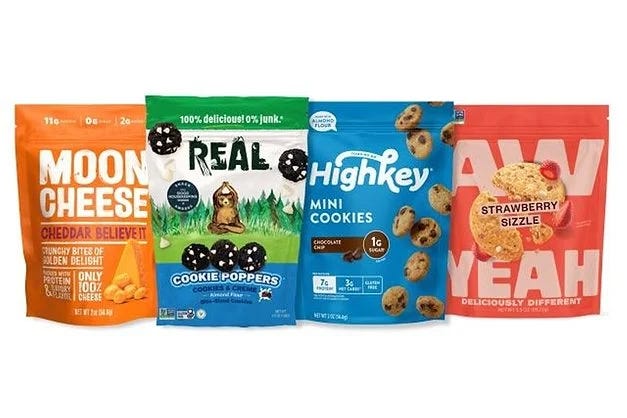
Creations Foods (Moon Cheese, HighKey) is merging with Get Real Foods to form a vertically integrated better-for-you snack platform. Get Real produces gluten-free, grain-free, corn-free, soy-free, dairy-free, and egg-free cookies.
When specialty food companies merge instead of competing, it signals category maturation and the need for scale to compete with larger players. Combined platforms can offer retailers comprehensive better-for-you solutions instead of individual SKUs.
UK Beverage Consolidation
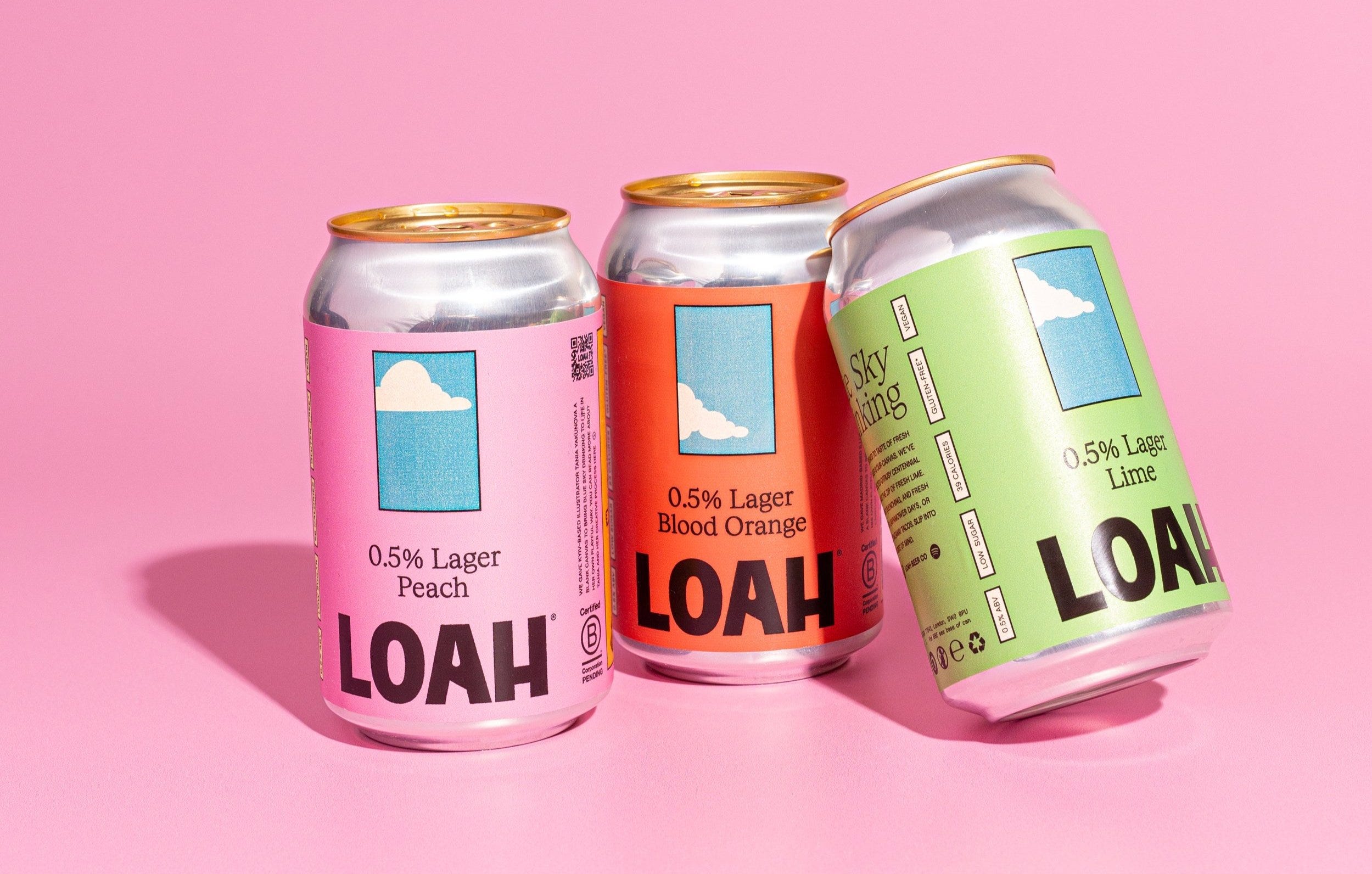
Cawston Press acquired non-alcoholic beer brand LOAH, founded by Hugo Tapp and William Hedley in 2020. This marks Cawston’s first foray into the NA beer space from their fruit-forward beverage base.
When fruit juice companies buy NA beer brands, it shows how beverage categories are converging around health-conscious consumption occasions rather than traditional liquid boundaries.
🆕 PRODUCT LAUNCHES & PIVOTS
This week’s innovation circus
Beauty Brands Expand Everything
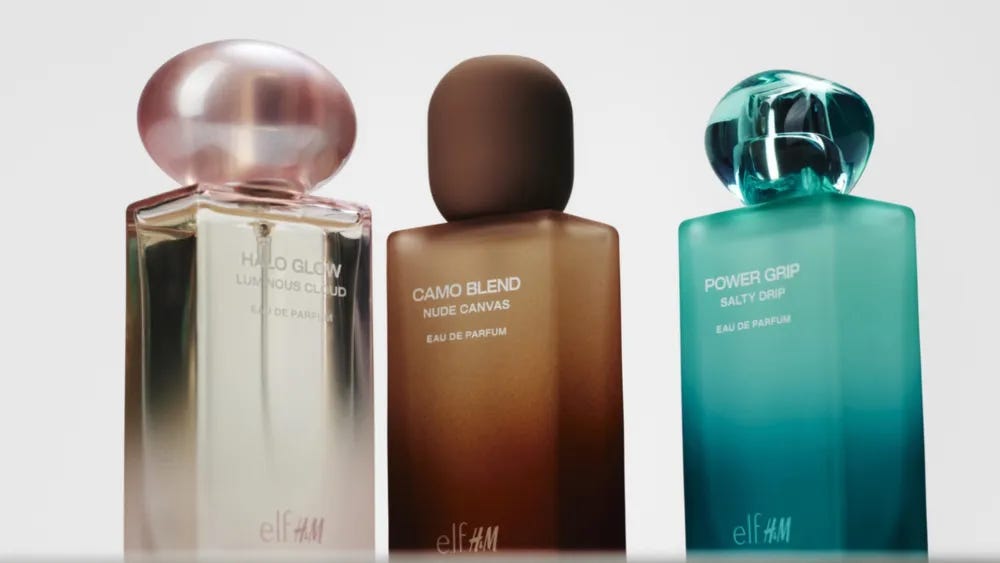
e.l.f. Beauty launched their first-ever fragrance line via H&M collaboration, with three scents retailing at $29.99 starting January 29th. CYKLAR released a hand cream line with four SKUs: Sacred Santal, Naked Neroli, Bergamot Bond, and Vanilla Verve.
When beauty brands expand adjacencies this aggressively, it signals that customer acquisition costs require higher lifetime values through expanded product ranges. e.l.f.’s H&M partnership proves that collaboration beats solo category creation.
Protein Everything Continues
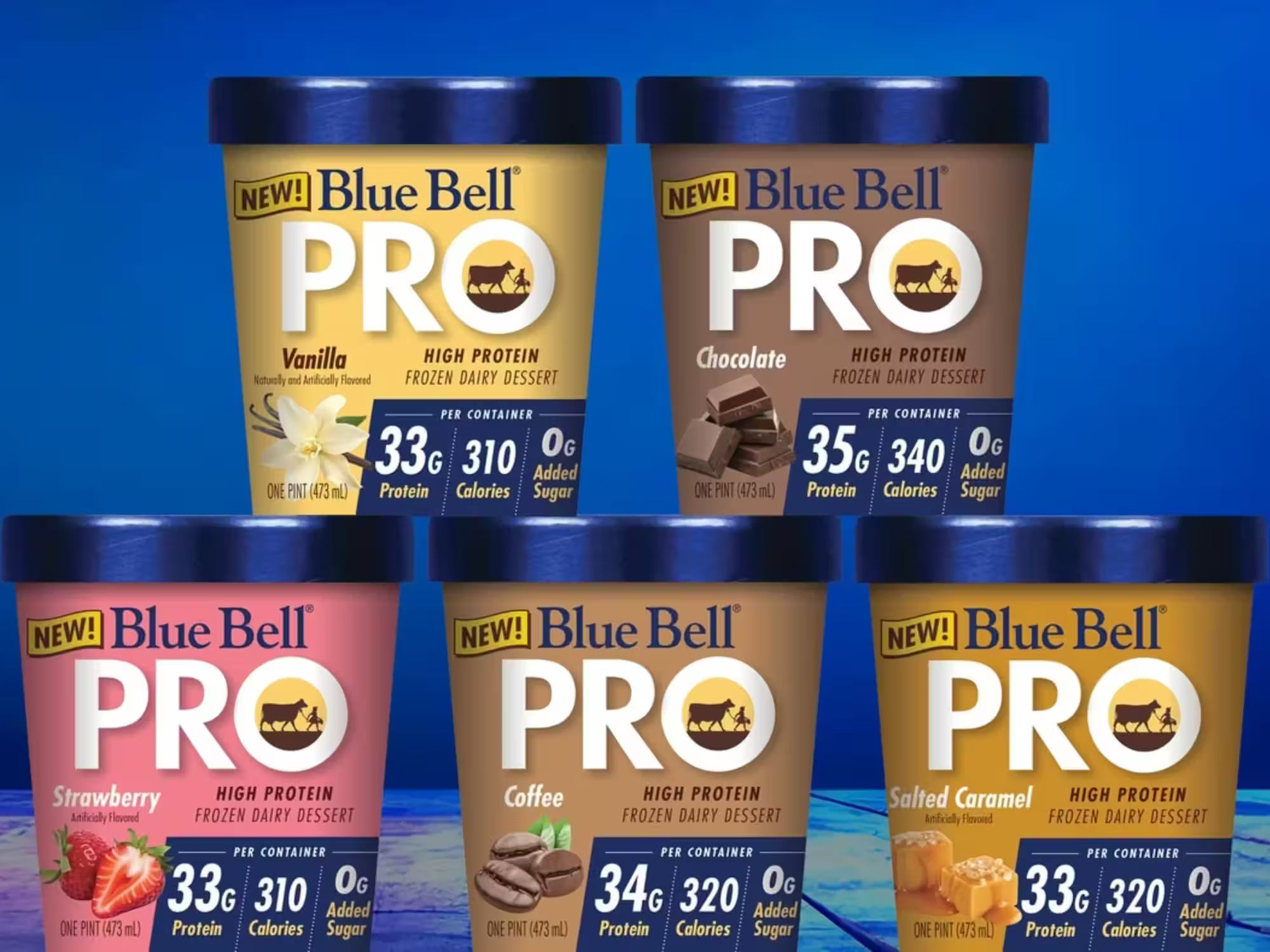
Blue Bell teased a protein ice cream line with five flavors delivering 33-35g protein and 0g added sugar. Promix dropped Grass-Fed Beef Protein Isolate (30g protein from beef bones) that sold out in 24 hours.
When Texas ice cream makers and supplement companies both chase protein optimization, the trend has officially reached mainstream saturation. Protein ice cream from legacy dairy brands signals category-wide transformation, not niche innovation.
International Food Innovation
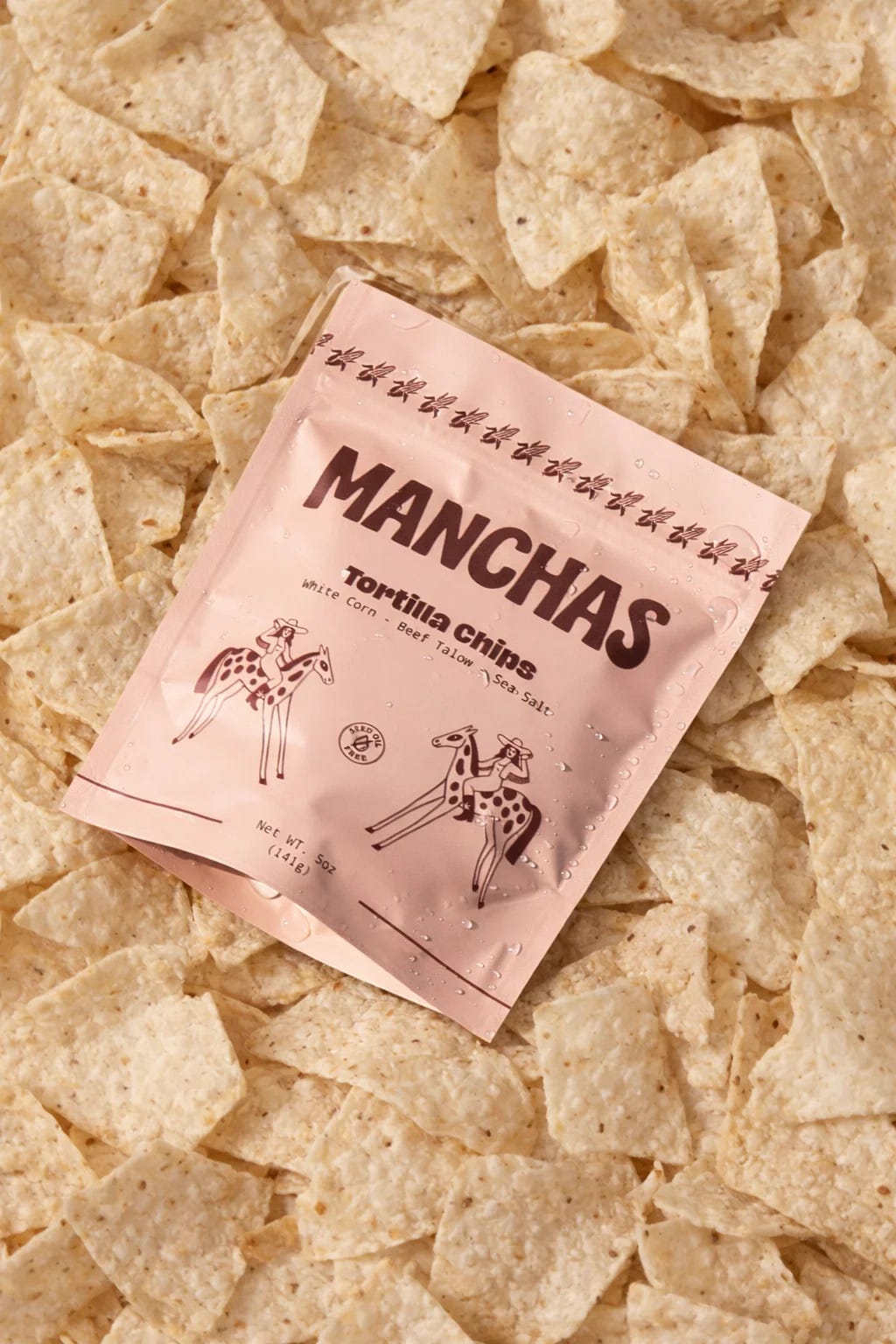
MANCHAS launched seed oil-free tortilla chips from Mexico with just three ingredients: nixtamalized white corn, 100% grass-fed beef tallow, and sea salt. The branding is solid and the ingredient list is revolutionary.
When Mexican snack brands prioritize traditional fats over industrial oils, they’re not just making better chips - they’re leading the seed oil backlash with authentic cultural positioning that U.S. brands can’t replicate.
📊 THE DATA DIGEST
Numbers that matter
GURU’s Canadian Energy Domination
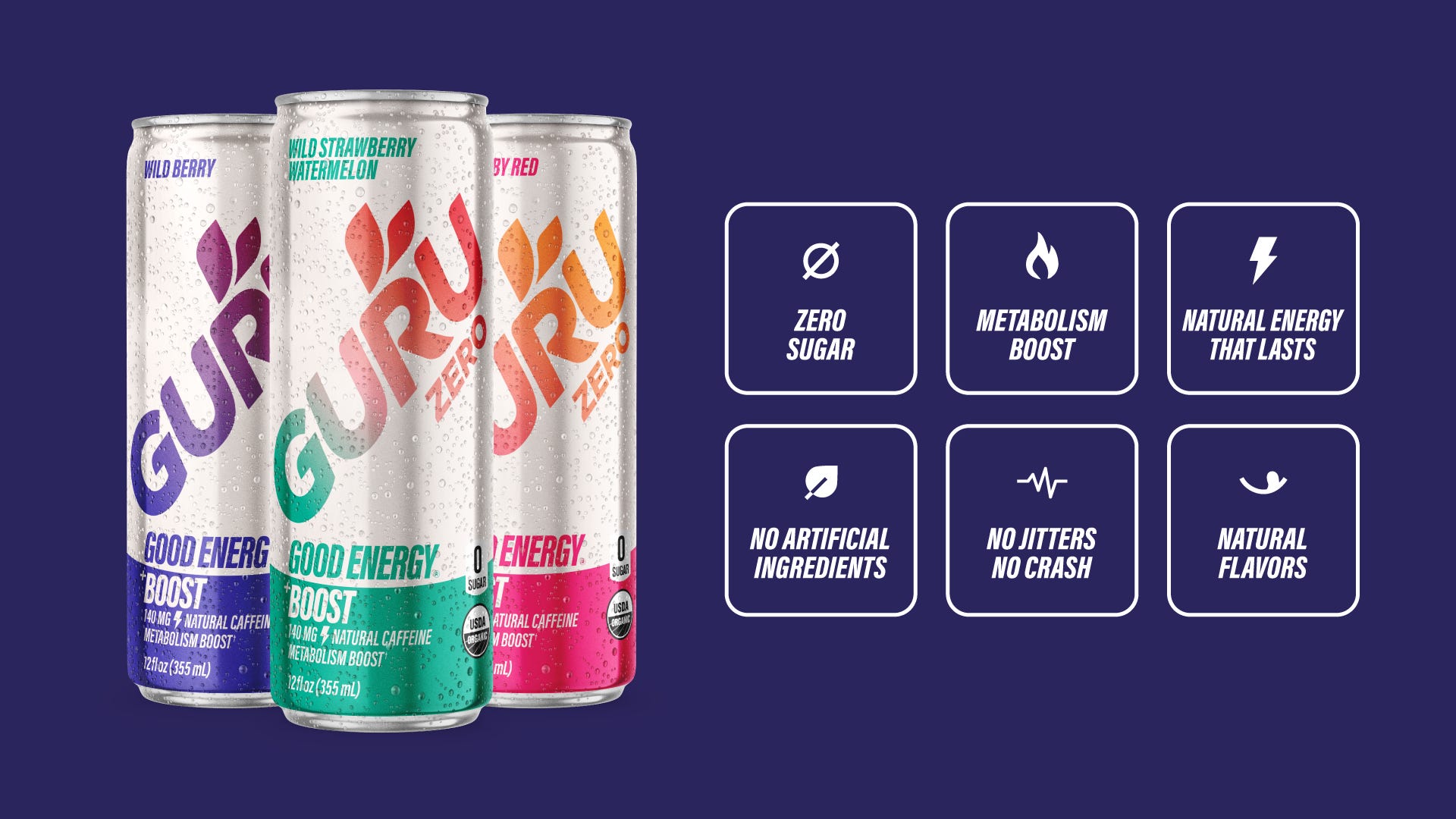
The organic energy drink brand delivered a killer Q4 with net revenue rising 41% to $10.1M and two consecutive profitable quarters. Success attributed to the club channel and e-commerce growth.
When Canadian energy brands achieve profitable growth while U.S. players struggle with distribution costs, it proves that focused regional strategies often outperform aggressive expansion. GURU’s club channel focus creates velocity that translates to profitability.
Once Upon a Farm’s IPO Prep
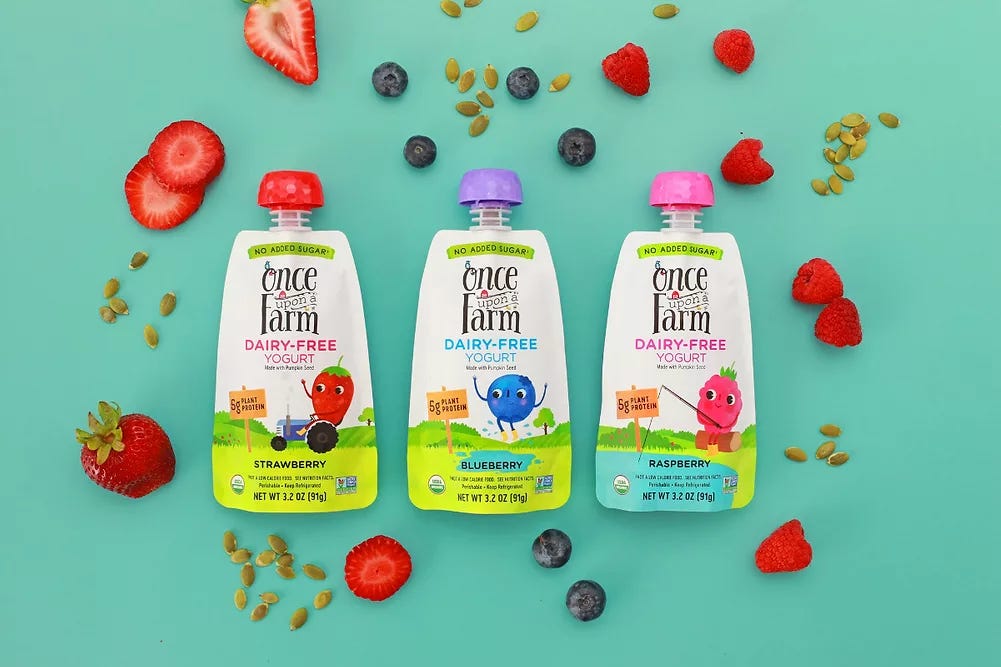
The children’s nutrition brand will debut in UK markets via London Whole Foods in March, showing $202M LTM net sales as of June 2025. Goldman Sachs and J.P. Morgan are joint lead underwriters for their upcoming IPO.
International expansion before going public creates growth narrative that justifies higher valuations. When kids’ nutrition brands hit $200M+ revenue, they prove that premium positioning works in mass market channels.
🏪 DISTRIBUTION DOMINATION
Everyone’s everywhere
Mass Retail Acceleration
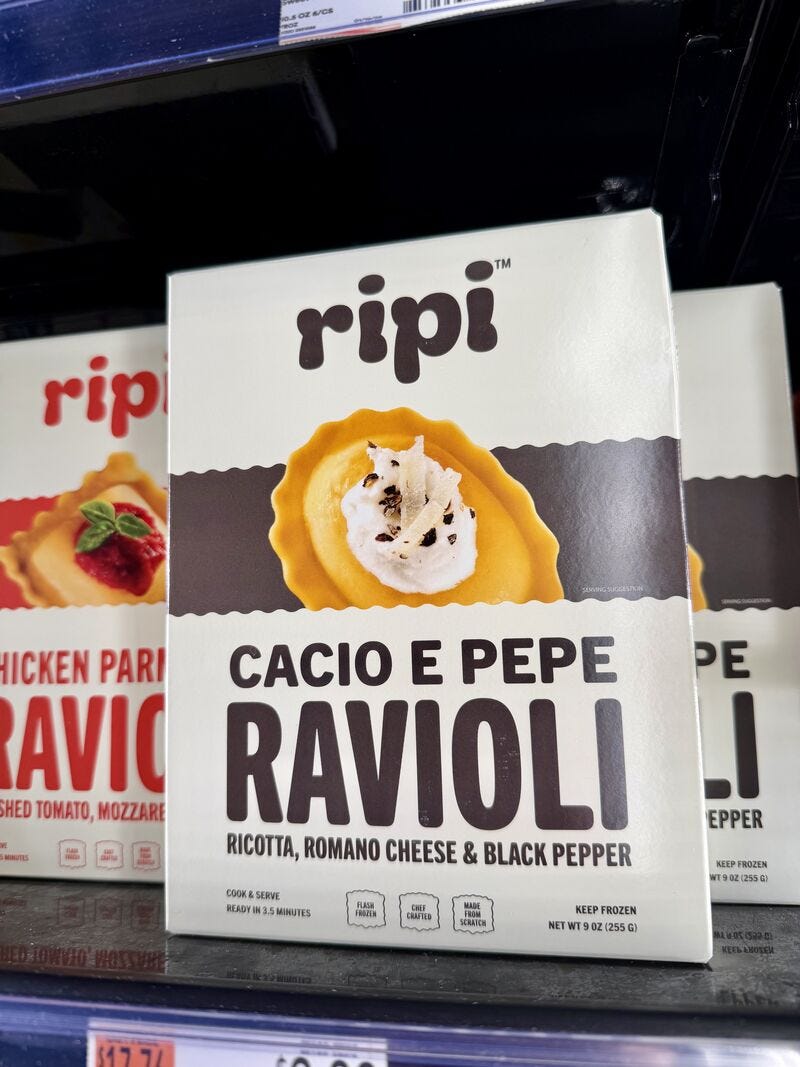
Ripi launched nationwide at Whole Foods Market. Once Upon a Coconut hit Costco in two regions. Protein2o landed at Aldi. The premium-to-mass pipeline continues accelerating.
Beauty Retail Integration
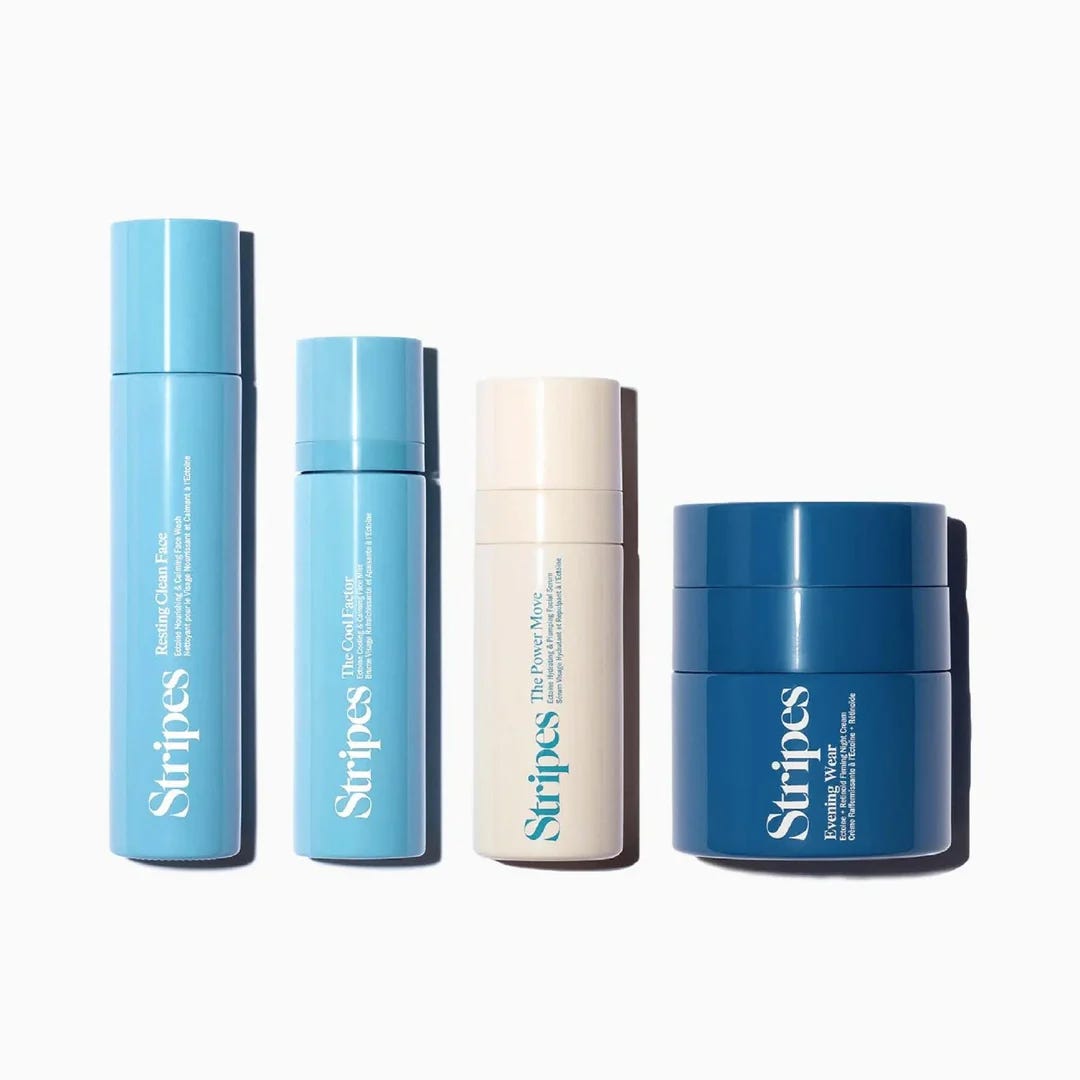
Stripes Beauty launched online and in-store at Ulta Beauty, proving that beauty specialty retail embraces emerging brands faster than traditional CPG channels.
When beauty brands can launch simultaneously online and in-store at major retailers, it signals that omnichannel readiness has become table stakes, not competitive advantage.
🔥 THE HOT TAKE
My unfiltered opinion on this week’s madness
This week proved something important: the biggest deals aren’t always the smartest deals.
Clorox paying $2.25 billion for Purell feels like pandemic panic pricing extended indefinitely. Yes, hygiene consciousness has permanently shifted. Yes, Purell dominates hand sanitizer. But nearly 3x revenue for a commodity product suggests that Big Consumer Goods is overpaying for growth they can’t generate internally.
Meanwhile, THC brands are quietly building the most interesting adjacency plays in the entire industry. Drink Hippie launching energy drinks isn’t random - it’s brilliant. Their customers already understand functional ingredients, premium pricing, and wellness positioning. When cannabis goes federal, these brands will have established beachheads in every relevant functional category.
The real story isn’t the headline acquisitions. It’s the patient platform building happening at smaller scales. Humble Growth assembling performance nutrition assets. Gryphon building beverage expertise. UK brands expanding through strategic adjacencies.
Big companies are buying growth. Smart companies are building it.
And honestly? In five years, the smart money will have outperformed the big money by massive margins.
🎙️ COMING TUESDAY
Unpackaged Goods Episode 14
Breaking down Clorox’s $2.25B Purell bet, why THC brands make the best energy drinks, and whether P&G’s clean OTC strategy signals the end of artificial everything. Plus: The Humble Growth playbook for building performance nutrition empires.
🥫 ONE MORE THING...
Before you close this tab
Spotted Wonderbelly at Target yesterday, two aisles away from traditional Tums. Same problem, cleaner solution, premium price point. When P&G acquires the better version of their own legacy products, it tells you everything about where consumer preferences are heading.
The future isn’t about creating new categories. It’s about creating better versions of existing ones.
Until next Sunday, Jonathan Deeter Your CPG-Obsessed Friend
P.S. - Blue Bell protein ice cream feels like the most Texas thing ever. When legacy dairy brands chase macros, the protein revolution has officially reached peak mainstream.
Links: TikTok | Instagram | Newsletter | Pickle Advisors | YouTube
This newsletter is finished with Trophy Wife Finishing Salts - elevating every bite since 2025