


Issue #43 | August 24, 2026
🥄 FIRST BITE
The appetizer before we dive in
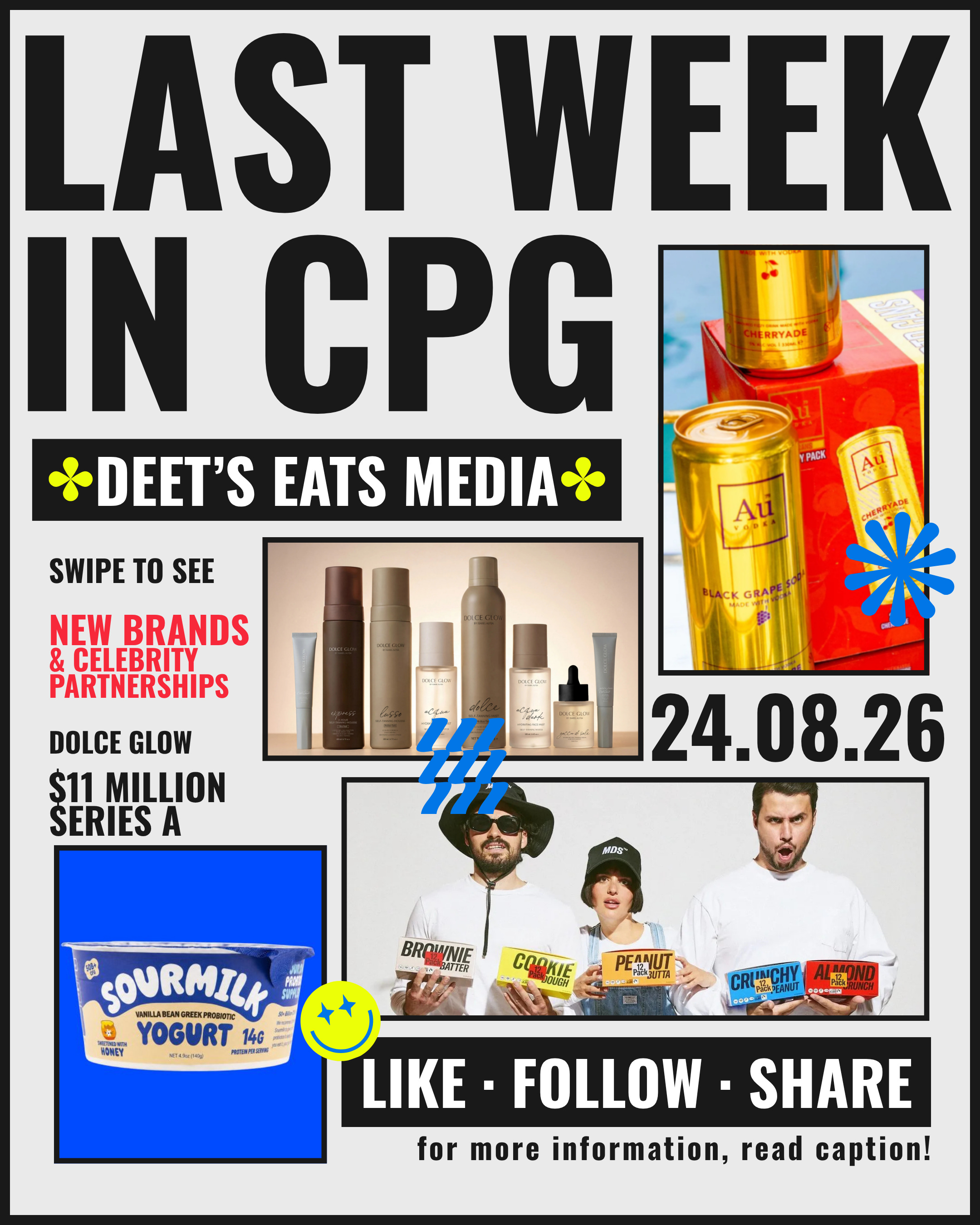
Welcome back. Five weeks ago I wrote that the Van Leeuwen trade dress ruling was the most important thing that happened in CPG that month, and that if your product lives on a shelf you should read it twice.
Rebel Creamery filed for Chapter 11 on August 14. Twenty-nine days after the judgment.
The filing lists $13.78 million in assets against $23.85 million in liabilities, and the $23.785 million Van Leeuwen judgment is essentially all of it. A packaging design decision made in 2018 ended a company in 2026. I have written many sentences in this newsletter about brand assets being real assets. This is the first time one of them has a bankruptcy docket attached.
Elsewhere: Sazerac spent a reported £500 million on a Welsh vodka brand founded by a kid who got kicked by Eden Hazard on live television. Mid-Day Squares raised $8 million in debt to build capacity ahead of Costco. Zevia’s activist investor wants to sell the whole company. And UNDO raised $1 million to put hangover gummies in 900 Target stores.
Let’s dig in.
🍊 THE MAIN COURSE
This week’s biggest CPG moves
Rebel Creamery Files Chapter 11 Twenty-Nine Days After Losing on Packaging
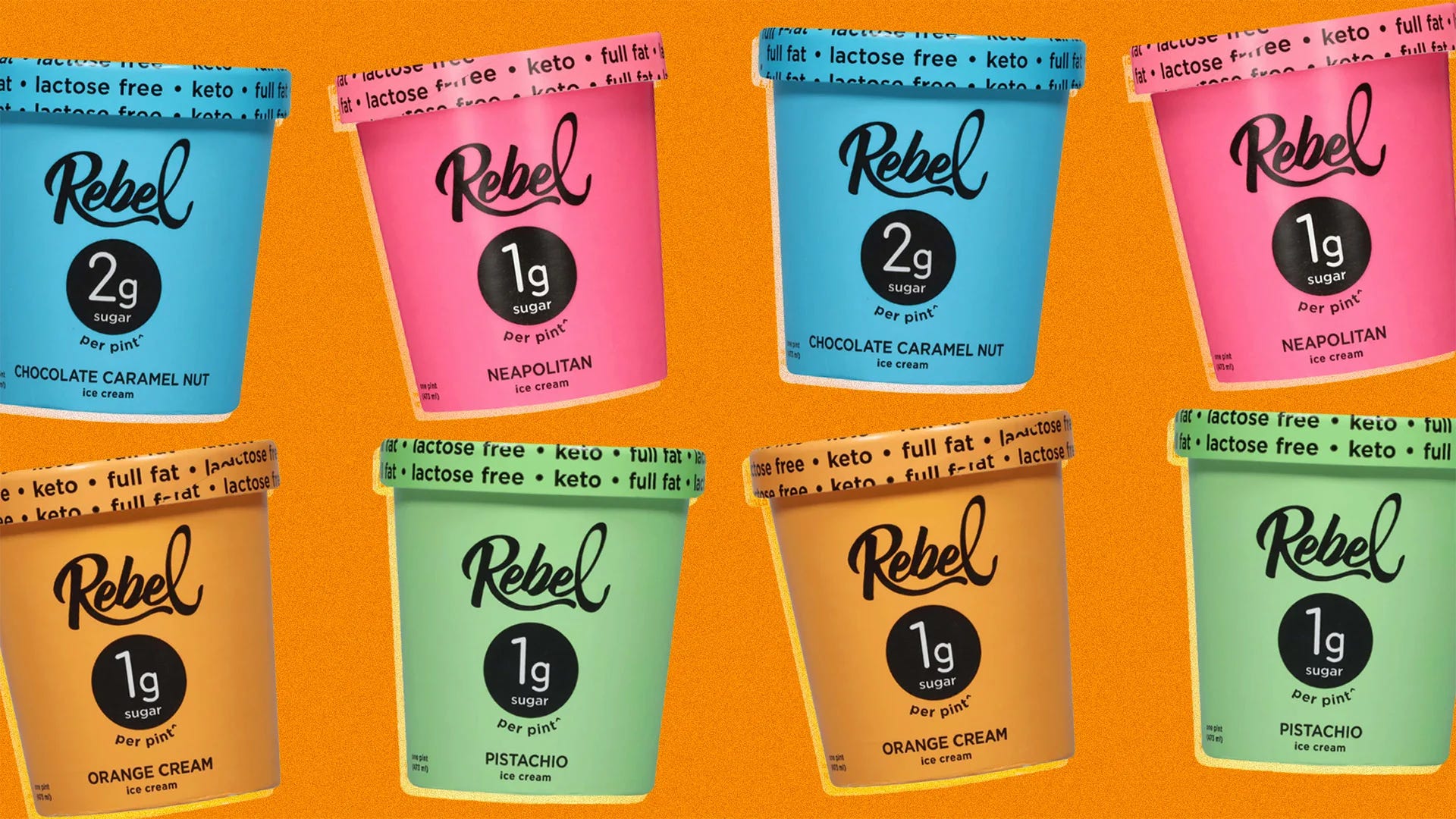
Rebel Creamery filed for Chapter 11 bankruptcy protection in Utah on August 14, listing roughly $13.78 million in assets against $23.85 million in liabilities. The assets break down to about $5.22 million in cash, $2.59 million in receivables, and $5.65 million in inventory. Van Leeuwen sits on the creditor list with a $23.785 million claim, which Rebel lists as disputed and is appealing.
We covered the underlying ruling in Issue #39. Judge Eric Komitee of the Eastern District of New York found on July 16 that Rebel had intentionally infringed and diluted Van Leeuwen’s trade dress. Not the name. Not the logo. The pint: monochromatic cardboard, matching lid, pastel palette, black script with an oversized initial, minimalist layout.
Here is the detail that has stuck with me since I read the coverage. In August 2024, a woman wrote to Rebel to complain that she sent her husband to buy Van Leeuwen, but he came home with Rebel instead because the products sat next to each other and looked the same. She said she nearly did it herself. Two years later, that email was evidence in a Brooklyn courtroom.
Van Leeuwen asked for $36.4 million. Komitee took Rebel’s own sales figures and cut roughly a third, reasoning that some of those sales came from genuine demand for keto ice cream rather than from the packaging. So the court separated what Rebel earned on its own merits from what it earned by looking like somebody else, and the second number was still large enough to end the business.
Rebel is a real company. Founded in 2017 by Austin and Courtney Archibald, sold to Walmart, Kroger, Target, and Safeway. It had cash, inventory, and receivables. None of that mattered against a single judgment tied to a design decision made eight years ago.
I said in July that Van Leeuwen won on documentation, and that founders should save their design files. I want to add the other half now. If you're launching into a crowded set, get somebody outside your payroll to review your comps next to the category leader and tell you honestly whether a distracted shopper could confuse them. That conversation costs a few hundred dollars. This one cost a company.
Sazerac Buys Au Vodka in a Reported £500 Million Deal
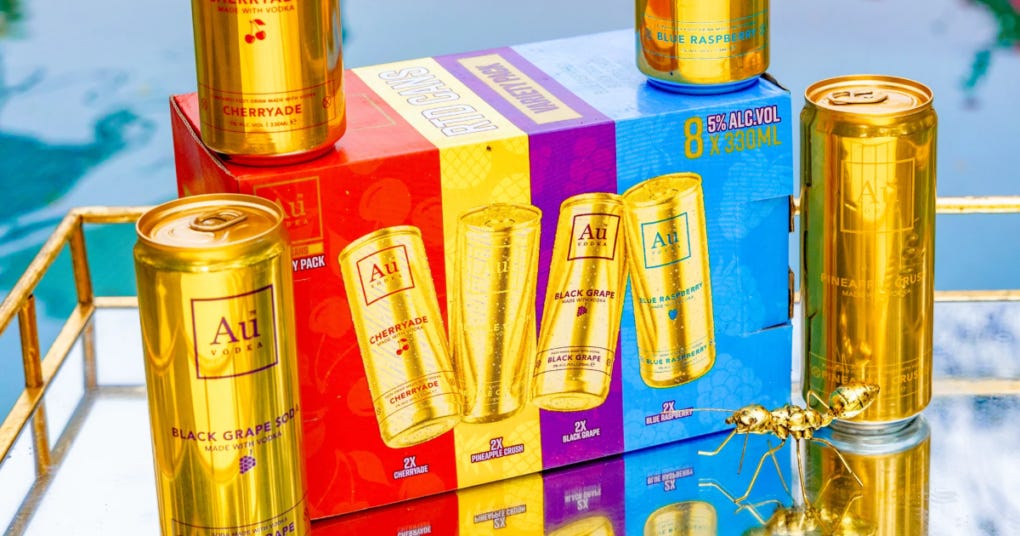
Sazerac signed a binding agreement to acquire Au Vodka, the Swansea-based flavored vodka and RTD brand. Terms are confidential, but Sky News, citing drinks industry executives, reported a valuation around £500 million, roughly $677 million. Co-founders Charlie Morgan and Jackson Quinn are each expected to clear more than £100 million. The transaction is expected to complete within weeks.
Au Vodka’s 2025 canned cocktail sales rose nearly 37% to $81.6 million. The brand is known for gold bottles, eleven flavored expressions, and social media output that behaves more like a music label than a spirits company. DJ Charlie Sloth joined as an investor and director in 2017.
If the £500 million figure holds, this is one of the largest sums Sazerac has ever paid for a single brand, and the largest exit yet for a British RTD company.
Two things worth pulling out. First, Sazerac spent this money three weeks after Brown-Forman’s family rejected its $15 billion offer for the second time. After being turned down on the transformational deal, it went and bought growth somewhere else. That is a company with capital and a mandate, and it has now done Dirty Shirley, 818, SipMARGS, Western Son, SVEDKA, BuzzBallz, and Au in short order.
Second, look at where the RTD money keeps landing. Finnish Long Drink exited at $325 million. AB InBev’s Cutwater is approaching a billion. MOTH raised £11 million as the UK’s number two. Now Au at a reported £500 million. Canned cocktails have gone from a format to the most reliably liquid category in beverage alcohol, and the UK keeps producing the assets.
Zevia’s Activist Wants a Sale
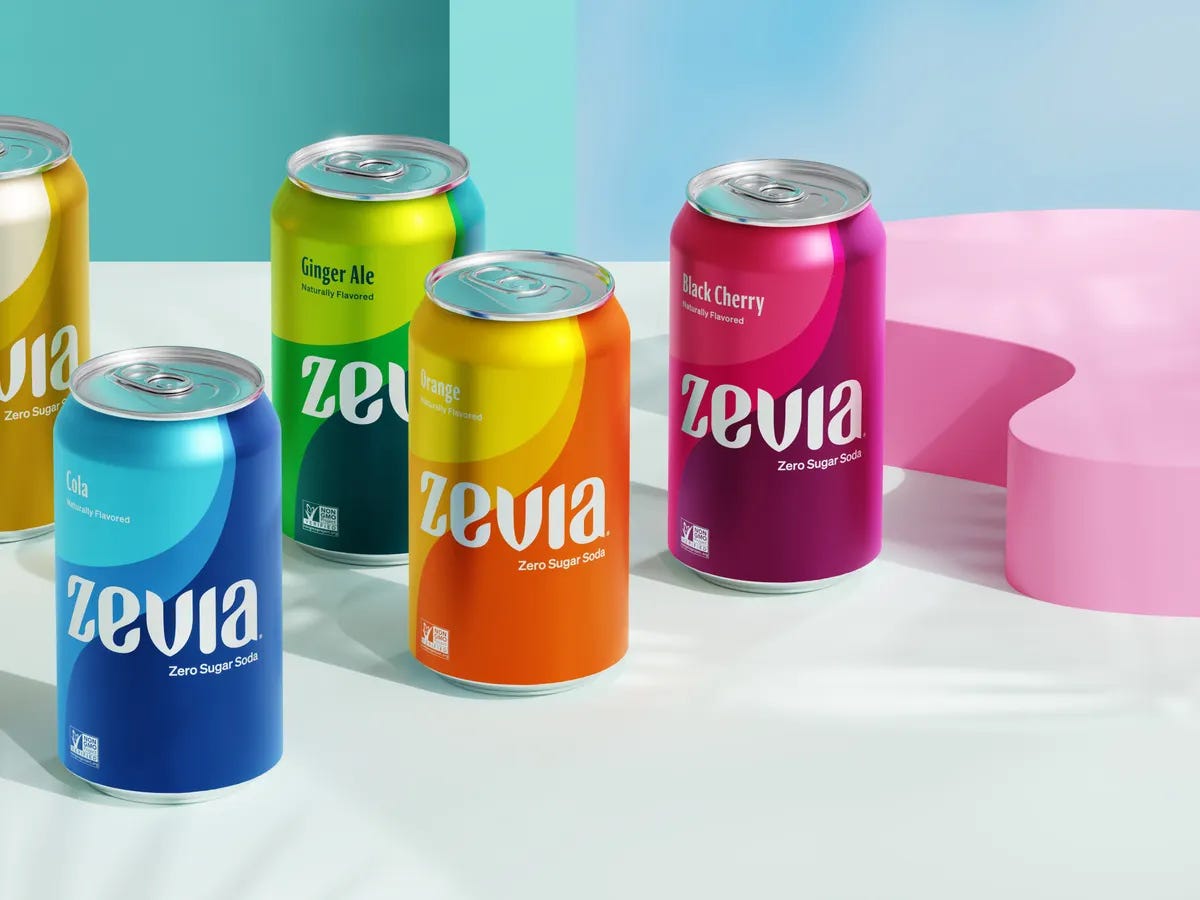
Kanen Wealth Management, which owns roughly 4% of Zevia, is publicly pushing the company to explore a sale. Zevia’s market cap sits just north of $100 million against 2025 net sales of $161 million. Kanen believes the company is worth roughly twice its current price in a sale.
We flagged this last week when Zevia’s board said it would review the proposal. The math is the whole argument: a brand in more than 41,000 retail locations, doing $161 million in sales, valued at less than one times revenue. Distribution that broad usually commands more than that, which is exactly the gap an activist exists to point at.
The uncomfortable read for founders is what Zevia represents. It got everything the pitch deck promises. National distribution, a real brand, a category that grew around it. And the public market decided that was worth less than the revenue it produces, largely because zero-sugar soda got very crowded and Zevia’s growth flattened while OLIPOP and Poppi took the oxygen.
Broad distribution is not a moat. It is an operating expense that happens to also be a milestone.
Essity Buys Kenvue’s Brazilian Feminine Care Business
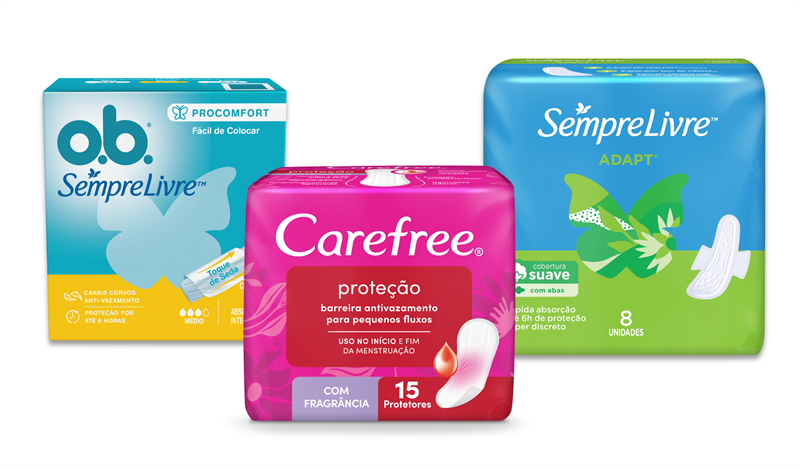
Essity acquired Kenvue’s feminine care division in Brazil for $284 million, including pad and tampon brands and the manufacturing facilities behind them. The Swedish consumer health group has been assembling this category for years, adding Knix, Modibodi, and Edgewell’s North American feminine care business.
This is portfolio surgery seen from the buying side. Kenvue, spun out of Johnson & Johnson and under real pressure, is shedding a regional business that is not core to its future. Essity, which has decided feminine care is exactly its future, picks it up along with the plants.
We watched Nestlé hand half its water business to Platinum Equity, Conagra put brands under review, and LVMH exit Beyoncé’s whisky. Same mechanic every time. One company’s non-core division is another company’s platform, and the specialist almost always pays more than the conglomerate thinks it is worth.
More Deals Worth Watching
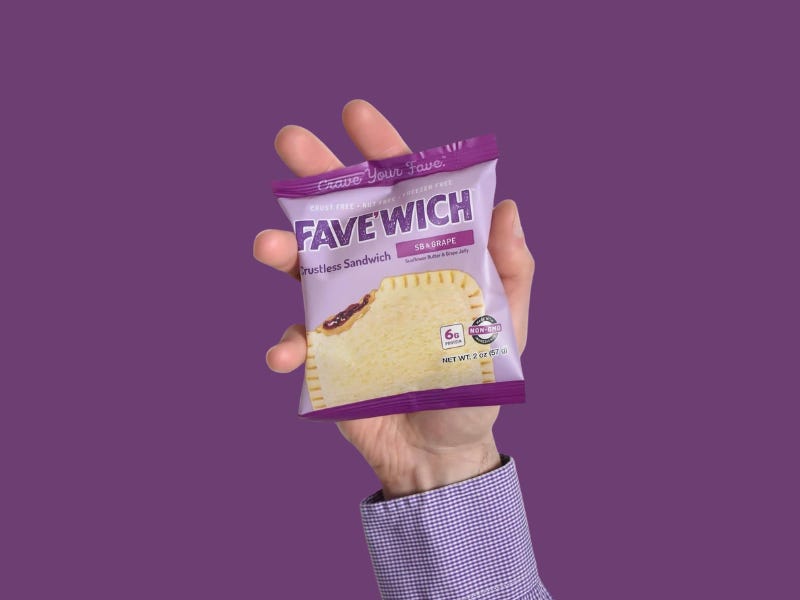
J.S.B. Industries acquired crustless sandwich brand Fave’Wich from Gold Medal Bakery, with Gold Medal staying on as a manufacturing partner. Fave’Wich launched early last year with sunflower butter and grape jelly, 6g of protein, no nuts or dairy, and got into Shaws, Stop & Shop, Big Y, Roche Bros, and select CVS locations. The PB&J war we have been tracking since Welch’s and Jams entered now includes consolidation, which is fast for a category this young.
Cawston Press acquired L.A. Brewery, the London kombucha and premium non-alc producer, following its January acquisition of non-alc beer brand LOAH. A UK soft drinks company quietly assembling a non-alcoholic platform.
River Associates acquired wet wipe manufacturer Diamond Wipes, its seventh deal of the year. Middle-market PE keeps buying the manufacturing layer while everyone watches the brands.
A1R Water listed on the Nasdaq via SPAC, raising $96 million. The Miami company produces water from atmospheric humidity, then mineralizes and cans it. A SPAC in 2026 is a choice, and I will be watching this one with genuine curiosity.
💰 THE FUNDING FRENZY
Big checks being written
Mid-Day Squares Raises $8M in Debt to Build Capacity
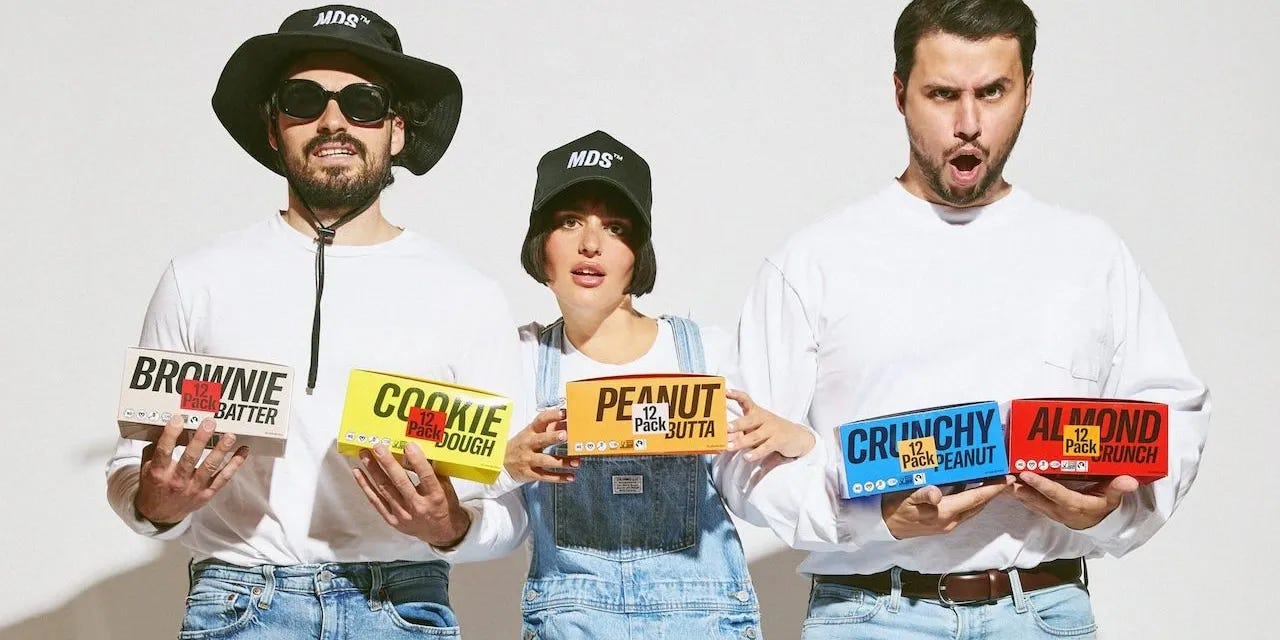
Mid-Day Squares secured $8 million in debt financing from Investissement Québec and Canada Economic Development for Quebec Regions to expand manufacturing ahead of Costco and Walmart launches in the U.S. The brand has sold roughly 90 million bars since 2018 and is approaching 11,000 doors across North America.
Note the structure. This is debt, not equity, and it is government-backed development capital rather than venture money. Mid-Day Squares did $35 million TTM when we covered them in Issue #38, with No Bread PB&J as the fastest-growing line. They are financing capacity against proven velocity and confirmed retail commitments, without giving up ownership.
That is the seventh capacity story we have tracked in six weeks after Vitamin Well, Vita Coco, Orkla, Bertagni, Lotus Bakeries, and Bongards. The difference here is scale. You do not need a €500 million Biscoff expansion to be capacity-constrained. You need a Costco launch and a plant that cannot keep up.
UNDO Raises $1M and Lands 900 Target Stores
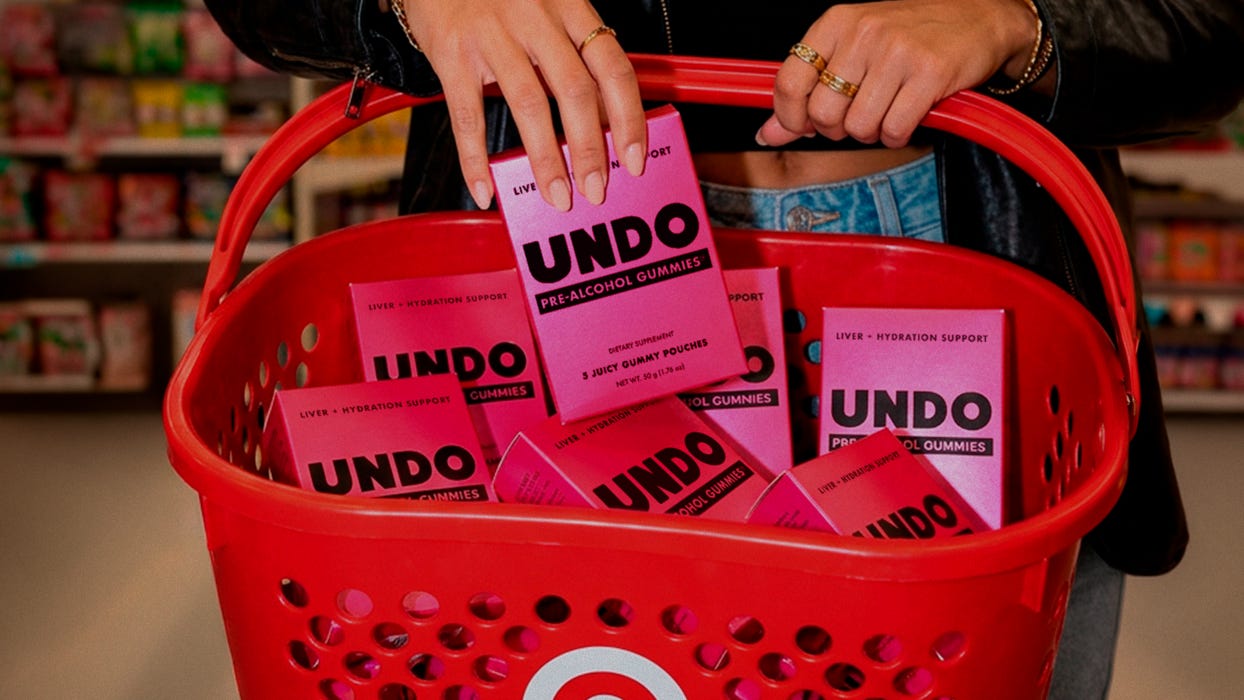
UNDO Gummies closed a $1 million seed and launched nationwide at Target. Founded in 2025 by Ben Delamont, Jen Delamont, and Kevin Mai, the LA brand makes pre-alcohol support gummies formulated with DHM, milk thistle, B12, magnesium, and zinc. It was already in more than 1,000 independent retailers before Target.
The independents came first, which is the part worth studying. A thousand independent doors is a real proof set, and it is the kind of evidence a Target buyer can act on. Same shape as Wandering Bear testing cartons in 300 stores before earning a national can rollout, and Ancient Crunch running 93 Whole Foods stores before going nationwide.
Also note the category. Hangover support has been a graveyard of one-time purchases for a decade because the product only matters the night before, and nobody plans. Positioning it as pre-alcohol rather than morning-after at least puts the purchase in the same trip as the alcohol.
Lily Collins Joins IM8
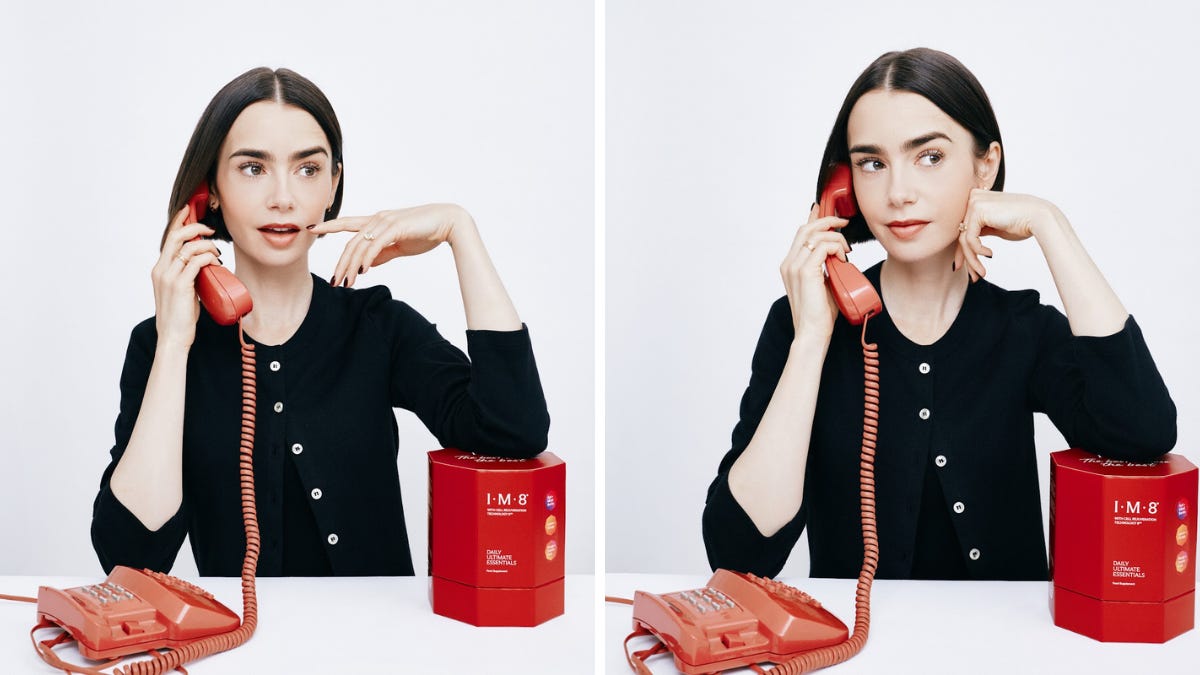
Lily Collins joined IM8 as a shareholder and brand ambassador, alongside David Beckham, Giannis Antetokounmpo, Aryna Sabalenka, Ollie Bearman, and Jay Shetty.
IM8 hit $45 million in Q2 revenue, up 359% year over year, on top of the $1 billion non-dilutive facility from General Catalyst we covered in Issue #38. In a month where Unwell shut down and two conglomerates dumped celebrity spirits, IM8 keeps compounding, and the reason is structural. Danny Yeung and Prenetics built the operating company first. The famous names sit on top of a real business rather than substituting for one.
Quick Hits
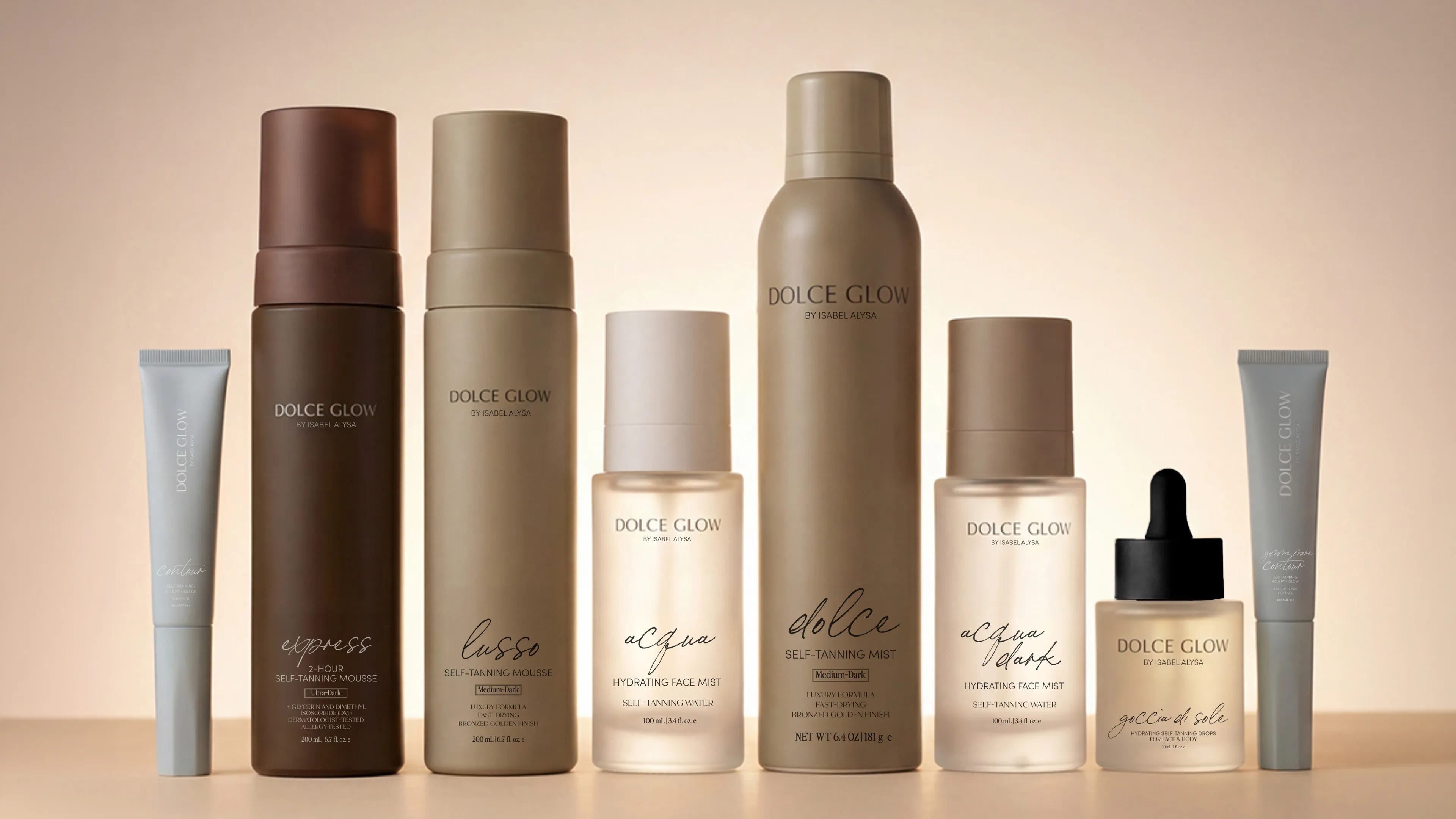
Dolce Glow raised an $11 million Series A led by CAVU Consumer Partners, with celebrity and influencer participation. Isabel Alysa launched the at-home tanning line in 2021 and hit Sephora in February. CAVU’s portfolio includes Poppi, Health-Ade, Once Upon a Farm, OSEA, and Thrive Market.
Pimentae, the UK canned cocktail brand, is crowdfunding on Crowdcube and has raised £155,000 from 145 investors with twelve days left.
🆕 PRODUCT LAUNCHES & INNOVATION
This week’s innovation circus
Creatine Is Now a Line Extension
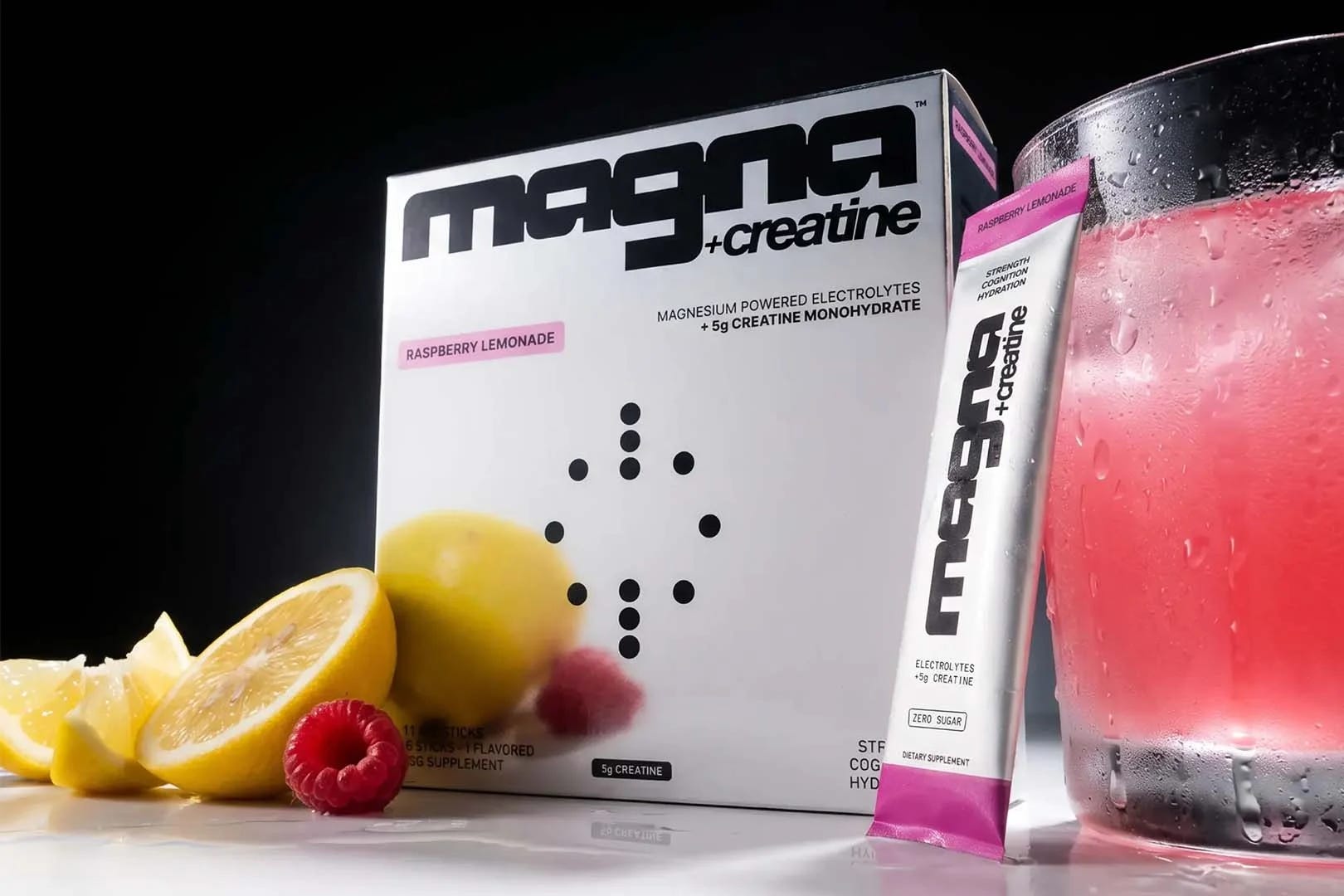
Three hydration and protein brands added creatine in a single week. Magna launched Magna + Creatine with 5g of creatine monohydrate, plus magnesium, sodium, and potassium, across three flavors. Salud launched Muscle + Strength with 5g of creatine plus 50mg of Senactiv. And Tonic, the UK supplement brand, is releasing Creatine + Brain in September at 10g per serving with taurine, biotin, and blueberry extract.
Two weeks ago, P&G paid $3.8 billion for Thorne, where creatine reportedly accounts for 25% to 30% of revenue. Needed launched women’s creatine the same week. Now three more brands have bolted it onto existing lines.
Creatine has completed the journey from bodybuilding powder to default functional add-on, which is exactly the arc protein took, and electrolytes are taking. The tell is that nobody is launching creatine brands anymore. They are adding creatine to existing brands, which is what happens when an ingredient stops being a product and becomes an expectation.
Heist Bets on Better Decaf
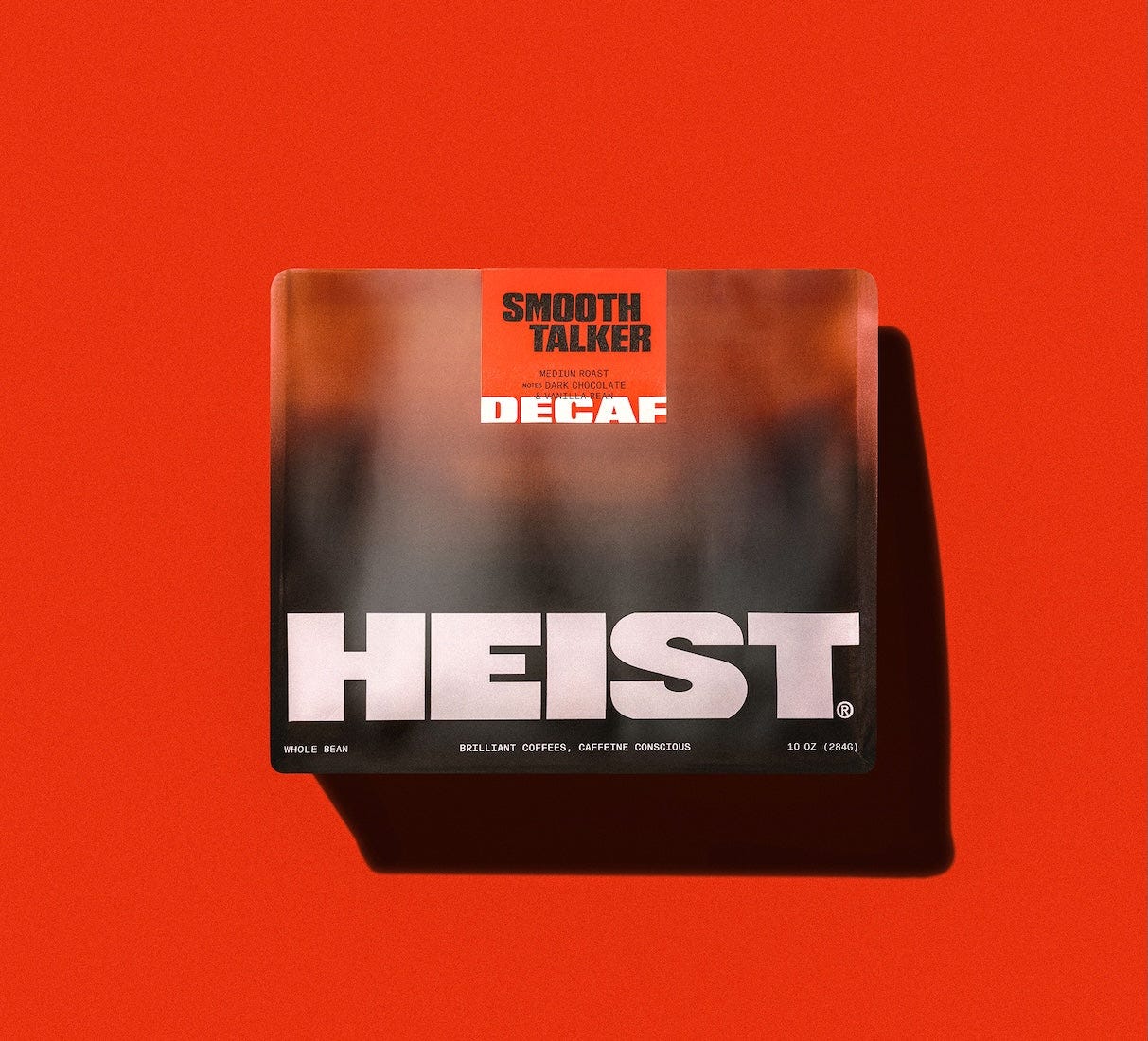
Heist is a new specialty coffee brand from Corkcicle co-founder Stephen Bruner and his wife Sarah Bruner, built around high-end decaf and low-caffeine coffee using a fully water-based decaffeination process instead of a chemical one.
Decaf has been the most neglected shelf in coffee for forty years, treated as a compromise product for people who are missing out. A specialty brand attacking it with sourcing quality and process transparency is a genuinely good idea, and it arrives as the entire beverage category tilts toward moderation. Non-alc beer, THC seltzers, functional soda, and now serious decaf. The through line is people wanting the ritual without the chemical.
More Launches
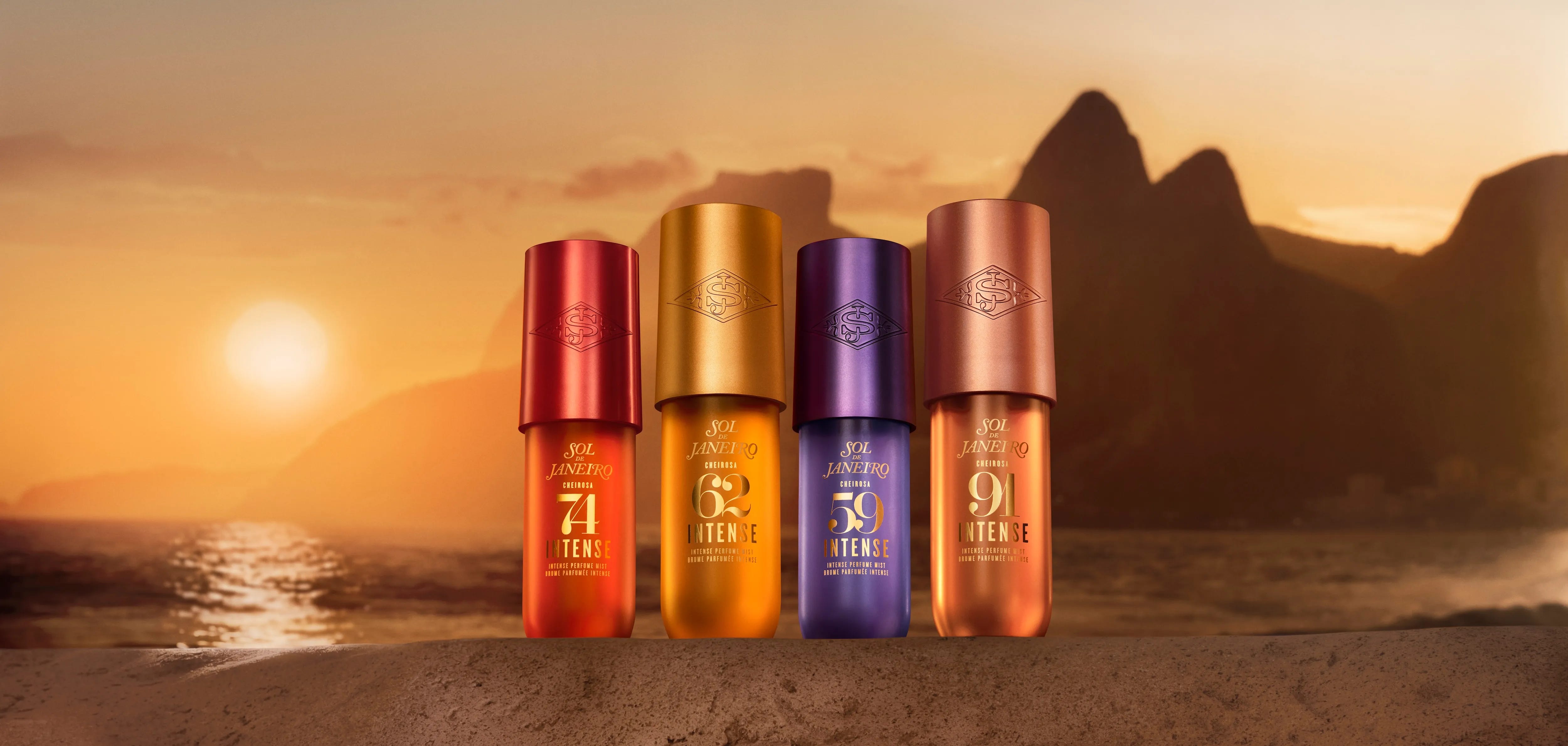
Sol de Janeiro launched an Intense Perfume Mist line across four Cheirosa scents promising ten hours of performance. The brand now sells one Cheirosa mist every second.
Good Protein launched Clear Protein + Electrolytes at 10g plant protein and 520mg electrolytes in Peach Rings, Watermelon Candy, and Pink Lemonade. O Positiv moved into beauty with URO Hair Growth + Volume. KAYALI launches a Lip & Body Collection on August 28.
Purely Elizabeth released Chewy Granola Bites at 6g fiber and 5g added sugar across four flavors, its first launch since Ferrero agreed to acquire it last week.
Froot Pops extended beyond enrobed frozen fruit into a sour-coated line with Fizzy Peaches and Zingy Blueberries. Sour continues to eat everything, which I called five weeks ago and am still slightly smug about.
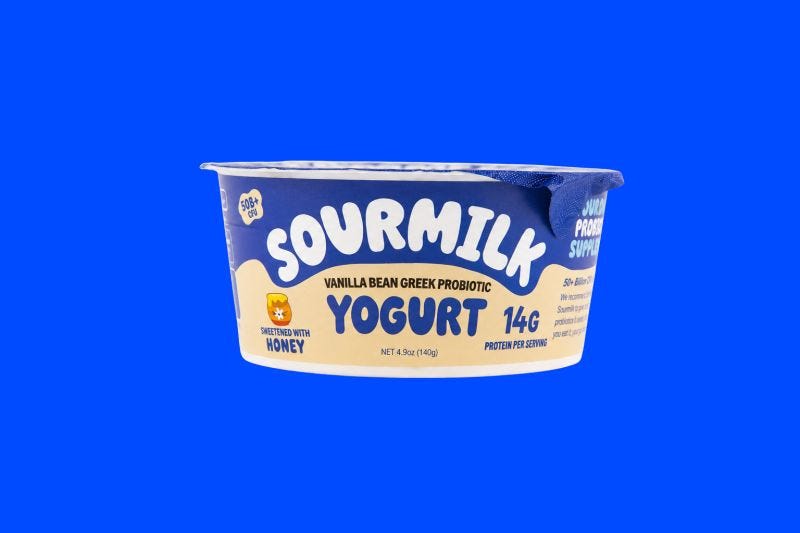
Sourmilk launches Vanilla Bean at 14g protein and 4g added sugar from organic honey. Kreatures of Habit added Blueberry Cream Cruncher to its creatine and protein bar line. Little’s Coffee launched iced coffee concentrate sachets. Good Boy Vodka entered the ade category with LYTE, a 4.5% ABV non-carbonated line in Orange Rush, Blue Crush, Fruit Punch, and Lemon Lime, on YTD sales up around 150%.
Good Wipes did a Liquid Death collaboration on cream soda-scented flushable wipes, exclusive to Walmart, which is either the best or worst sentence in this issue.
The Quality Group is bringing More Nutrition to the U.S., launching on Amazon before a nationwide Vitamin Shoppe rollout in October. H1 revenue jumped more than 40% to €850 million, and the CVC-backed group also owns majority stakes in RAW Nutrition and BUM Energy.
📊 THE DATA DIGEST
Numbers that matter
Javvy will be in 40,000 doors by year-end, with its Protein Coffee line selling at three times the functional coffee category average on dollar velocity. We first covered Javvy going nationwide at Walmart in July, and that trajectory is holding.
Bucked Up is reportedly a $450 million brand and has surpassed 100,000 points of distribution.
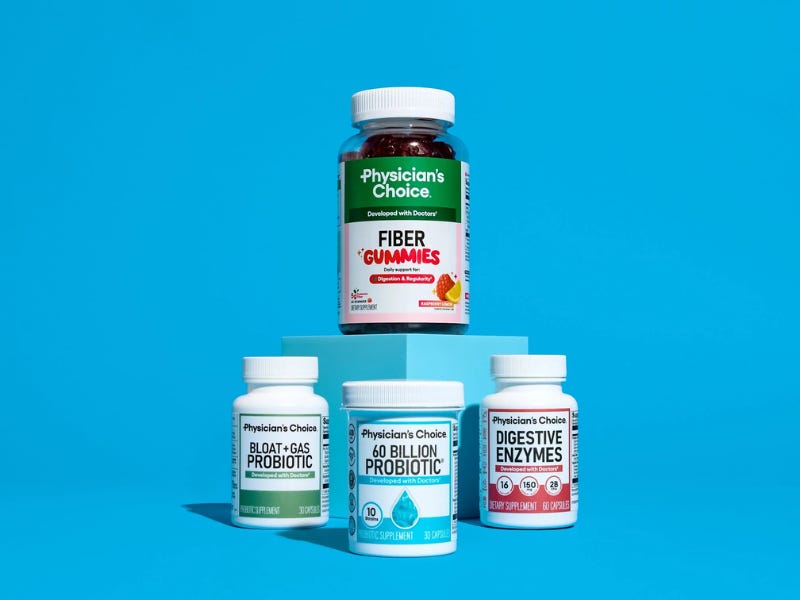
Physician’s Choice is on pace to exceed $300 million in revenue this year across more than 80,000 retail locations, and is the number one probiotic brand on Amazon.
DASH Water reported its first-ever profit as UK sales jumped more than 40%. Founded by Jack Scott and Alex Wright in 2017.
NielsenIQ announced the winners of its ninth annual Design Impact Awards, recognizing eight packaging refreshes that delivered measurably better results, including Aval French Cider, Liquid I.V., and Back to Nature. Worth reading: Rebel Creamery filed Chapter 11 over packaging that same week. Design is measurable in both directions.
🏪 DISTRIBUTION DOMINATION
Everyone’s everywhere
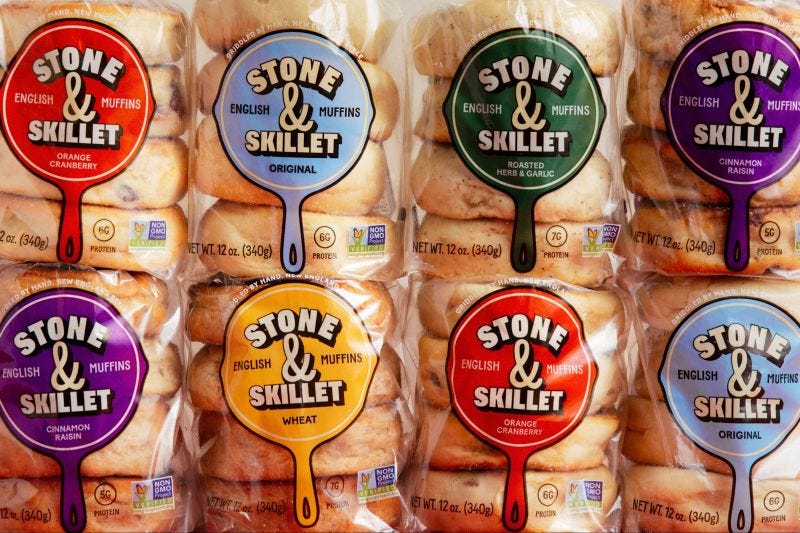
Target: Stone & Skillet launched at 600+ stores, Pretty Tasty went storewide, and UNDO landed in nearly 900. Costco: Protein Pints launched across Texas. Walmart: Kindling Snacks and Wizard Wellness both entered select stores, with Wizard also at CVS. Whole Foods: Fable Fish launched in select stores. CVS: Space Camp went nationwide. Sprouts: Row 7 is now available nationwide. PureGym: Neutonic launched at 100+ locations. Westside Market: NYMBL Ice Cream launched. And YOSHI Matcha Liqueur signed with Southern Glazer’s for distribution across 47 U.S. markets.
Stone & Skillet is a nice one to see. We covered their $5 million raise back in May with a joke about premium English muffins, and 600 Target doors is a real answer.
👋 PEOPLE MOVES
Everyday Dose named Kyle Thibaut CEO. He spent two decades scaling Robinhood, Credit Karma, and TrueCar. Founder Jack Savage moves to Chairman. Second functional coffee and beverage brand this month to hand the CEO seat to a scaled operator while the founder stays on, after OLIPOP brought in Electrolit’s Christian Patiño Webb.
Righteous Felon Craft Jerky hired Mondelez veteran Cristina Marinucci as Chief Commercial Officer. She was Global Head of Shopper Insights & Analytics at Mondelez with prior roles at J&J, Mars, PepsiCo, and Reckitt.
Bobbie brought on former Liquid I.V. CMO Stacey Andrade-Wells as Chief Growth Officer a few months back. She spent nearly five years helping build Liquid I.V. into a billion-dollar brand.
🔥 THE HOT TAKE
My unfiltered opinion on this week’s madness
Rebel Creamery had cash. It had inventory. It had receivables. It had Walmart, Kroger, Target, and Safeway. It filed for bankruptcy anyway, because of how it drew a pint in 2018.
I want to be careful here, because a lazy version of this take goes “protect your IP” and stops. That is true, and it is not the interesting part.
The interesting part is that the court did something most operators never do. It separated Rebel’s revenue into the portion earned by the product and the portion earned by the packaging. Van Leeuwen asked for $36.4 million. Komitee cut roughly a third, reasoning that some of those sales came from real demand for keto ice cream rather than from the carton looking like somebody else’s carton. The remainder, the part attributable to the design, was $23.785 million.
Somebody put a number on what a look is worth. And the number was bigger than the company.
Most founders treat packaging as a marketing expense. You brief an agency, argue about the color, print it, and move on to the next thing. Nobody puts it on the balance sheet. Nobody insures it. Almost nobody documents the process well enough to prove they got there first, which is exactly how Van Leeuwen won: dated drafts, rejected concepts, revision rounds.
Meanwhile NielsenIQ handed out awards this same week for eight packaging refreshes that produced measurably better results. Three Wishes and Curie both rebranded last month around legibility and front-panel proof points. e.l.f. and Bubble ran a collaboration where the co-branded packaging was the product. Design keeps generating measurable financial outcomes in both directions, and most companies still treat it like decoration.
So here is the practical version.
If you are the leader in your set, your visual identity is an asset with a defensible value, and you should treat it like one. Keep the files. Date them. Register what you can. Watch the shelf.
If you are the challenger walking into a crowded category, the risk runs the other way, and it is bigger than you think. The temptation to signal “same thing, better price” through visual similarity is enormous, especially when your buyer wants you merchandised right next to the leader. Get an outside set of eyes on your comps before you print a single carton. Not your agency, who is invested in the work. Somebody who will tell you plainly whether a distracted shopper could grab the wrong one.
Because that is what happened here. A woman sent her husband for Van Leeuwen, and he came home with Rebel. She wrote in to say so. Two years later, her email was in a federal courtroom, and a month after that, the company was in Chapter 11.
The shelf is not a canvas. It is evidence.
Build accordingly.
🎙️ COMING TUESDAY
Unpackaged Goods Episode
Rebel Creamery filing Chapter 11 twenty-nine days after losing on packaging, and what the court’s math says about what a design is worth. Sazerac spending a reported £500 million on Au Vodka three weeks after Brown-Forman rejected it. Zevia’s activist wants a sale at less than one times revenue. And creatine finishing its transformation from product into expectation.
🥫 ONE MORE THING...
Before you close this tab
Charlie Morgan was a sixteen-year-old ballboy at a Swansea City match in 2013 when Eden Hazard kicked him. It was a national story for about a week, the kind of thing that follows a kid around.
Two years later he co-founded a vodka company with his friend Jackson Quinn. This week Sazerac agreed to buy it in a deal reportedly valuing the business around £500 million, with each founder expected to clear over £100 million.
I do not have a tidy lesson here. I just think it is a genuinely great story, and there aren't many like it in an industry that mostly runs on spreadsheets and shelf resets.
Until next Monday, Jonathan Deeter, Your CPG-Obsessed Friend
P.S. Prediction ledger update. Sour is the new pickle, and Froot Pops just launched a sour line, so that one is holding. Electrolytes are the new protein and are still holding. Creatine is now the newest new protein, which I am formally adding to the ledger this week. And I am still waiting on pickle protein powder by Q1 2027. We have four months. Somebody get on it.
Comment NEWSLETTER to get The Deeter Digest delivered straight to your inbox every Monday 🥣
TikTok | Instagram | Newsletter | Pickle Advisors
This newsletter is finished with Trophy Wife Finishing Salts, elevating every bite since 2025.
Another great newsletter packed with info!