


Issue #17 | February 23, 2026
🥄 FIRST BITE
The appetizer before we dive in
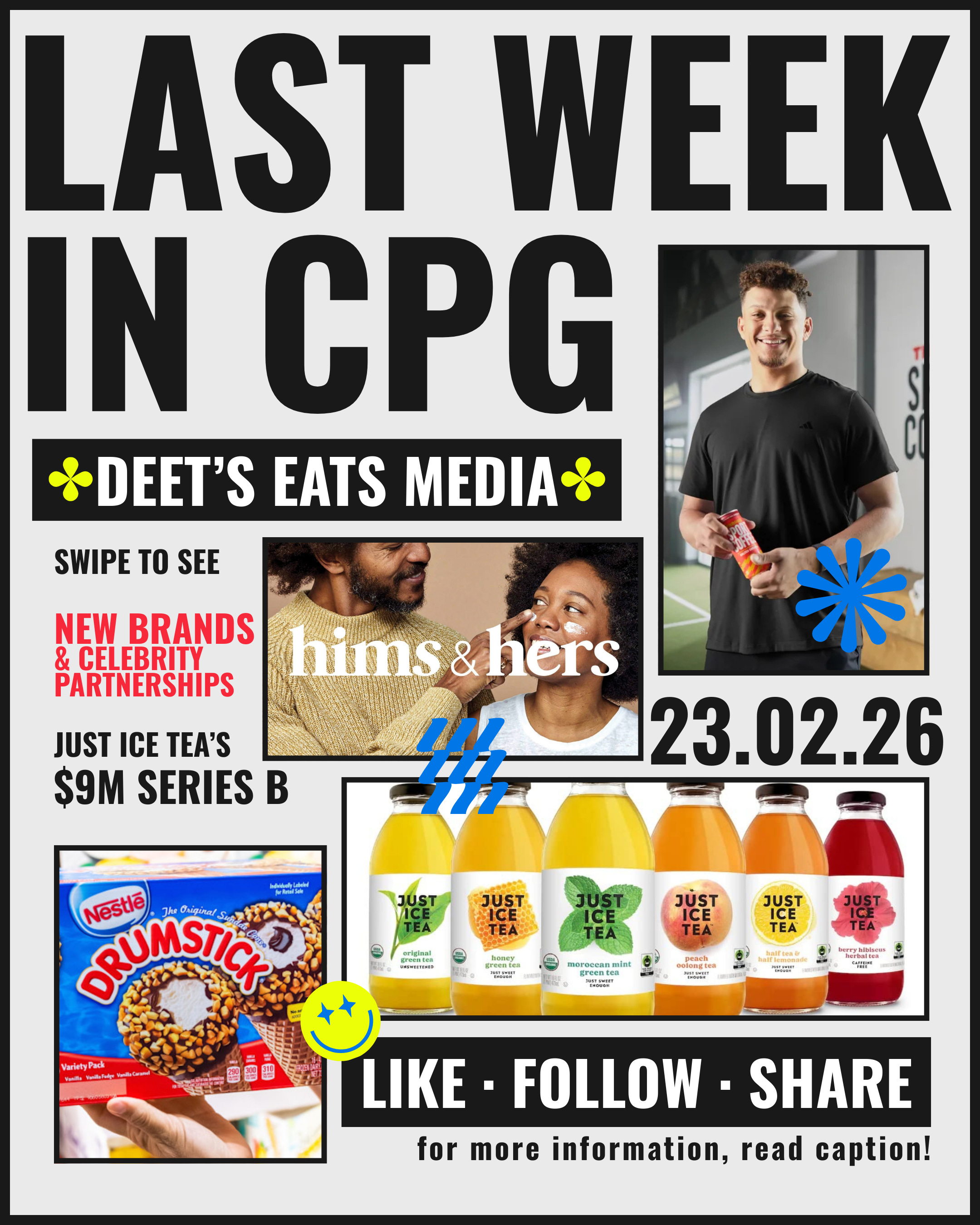
Welcome back to The Deeter Digest. This week, Hims & Hers dropped $1.15 billion on an Australian digital health platform, Bain Capital is shopping a dessert empire potentially worth $3 billion, and Nestlé officially gave up on ice cream after decades of trying to make it work.
Meanwhile, BrewDog went from craft beer darling to distressed sale candidate, Happy Dad continues dominating hard seltzer through pure cult energy, and someone finally figured out how to make Uncrustables “fridge friendly” because apparently that was the innovation sandwich lovers were waiting for.
The message is clear: when digital health companies command billion-dollar valuations and dessert manufacturers justify $3B multiples, there are no “boring” categories left in CPG. Let’s feast on the consolidation carnage.
🍊 THE MAIN COURSE
This week’s biggest CPG moves
Hims & Hers’ $1.15B Australian Expansion

Hims & Hers acquired Eucalyptus, Australia’s largest digital health provider, for $1.15 billion. Founded in 2019 by Tim Doyle, Benny Kleist, Alexey Mitko, and Charlie Gearside, Eucalyptus raised $300M from BOND, AirTree Ventures, and Blackbird VC before this exit.
This isn’t just international expansion - it’s validation that telehealth platforms built on authentic consumer needs justify massive valuations even during GLP-1 scrutiny. When direct-to-consumer health companies pay over $1B for overseas platforms, they’re betting that regulatory-compliant digital health delivery creates defensible competitive advantages.
The timing is particularly strategic. Hims & Hers stock has been trading at heavy discounts due to GLP-1 concerns and the recent Novo Nordisk lawsuit. Instead of retreating, they’re doubling down through international platform acquisition, suggesting confidence that telehealth infrastructure transcends single product categories.
Bain Capital’s $3B Dessert Empire
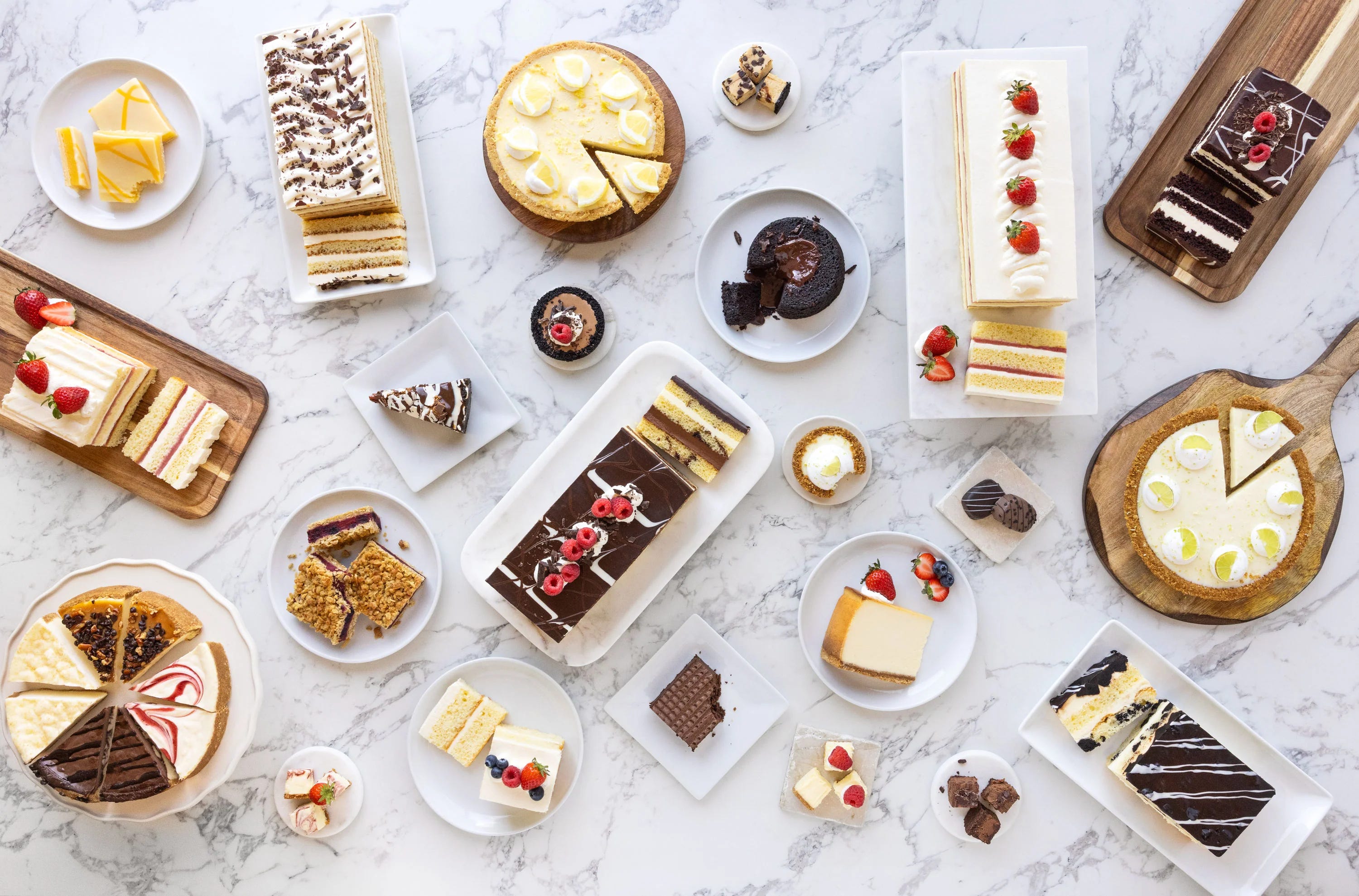
Bain Capital is exploring a sale or IPO of Dessert Holdings, their scaled manufacturer of branded and private label desserts, potentially valued at $3 billion. Gyphon Investors originally sold the platform to Bain in 2021.
When private equity firms build dessert manufacturing platforms worth $3B+, they’ve recognized that “boring” food categories generate massive cash flows when operated efficiently. Dessert Holdings represents exactly the kind of unsexy-but-profitable business that institutional investors love: established demand, difficult-to-replicate manufacturing capabilities, and diversified revenue streams across branded and private label.
The $3B valuation validates that manufacturing excellence plus brand portfolio management creates serious value in traditional food categories. Sometimes the biggest opportunities hide in the least glamorous businesses.
Nestlé’s Ice Cream Exit Strategy
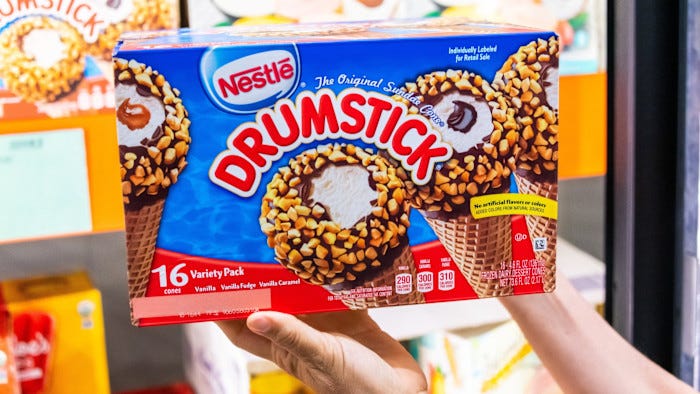
Nestlé will sell the remainder of its ice cream division to Froneri over the next 12-18 months, completing their exit from a category they never quite mastered. Froneri was created in 2016 when Nestlé carved out their ice cream business and merged it with PAI Partners’ ice cream assets.
This represents one of the most significant strategic admissions in recent CPG history. When the world’s largest food company abandons an entire category, it signals that not every company can win in every vertical, regardless of scale and resources. Ice cream requires different distribution, seasonal demand management, and consumer connection than Nestlé’s core strengths.
The Froneri structure - specialist ice cream operators rather than diversified conglomerates - validates that category expertise often beats scale advantage in complex food businesses.
💰 THE FUNDING FRENZY
Big checks being written
Redrice Ventures’ £45M Fund II
London-based Redrice Ventures secured £45M from British Business Bank for Fund II, planning to raise £75M total. Previous investments include Castore, Luna Daily, Spacegoods, Mother Root, and Skin Rocks.
When UK venture funds focused on consumer brands consistently raise larger funds, it validates that European consumer innovation attracts serious institutional backing. Redrice’s portfolio spanning athletic wear, wellness supplements, and beauty suggests they’re betting on lifestyle optimization across multiple verticals.
Throne Sport Coffee’s $10M Patrick Mahomes Play
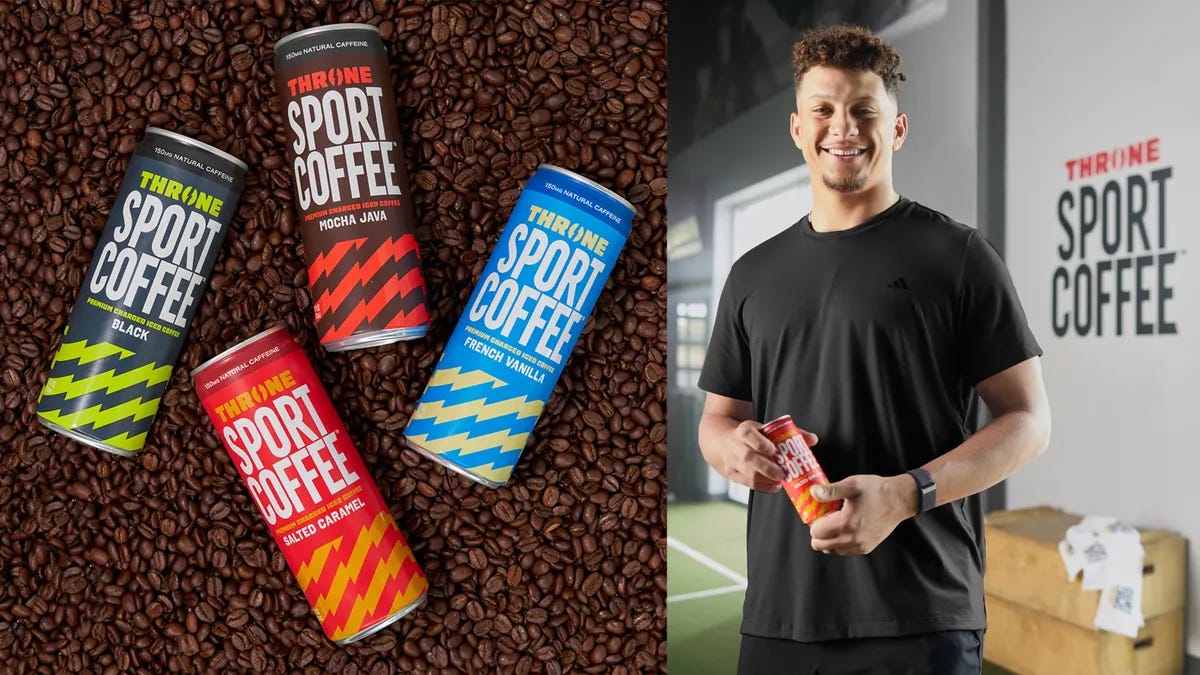
Throne Sport Coffee closed $10M funding to support DSD expansion, with Patrick Mahomes remaining the second-largest shareholder after founder Michael Fedele. The brand currently retails at 7,000+ doors.
Celebrity-backed beverage brands succeed when they solve real problems for authentic audiences rather than just leveraging star power. Mahomes’ continued equity investment (rather than just endorsement fees) signals genuine belief in the business model and category opportunity.
Just Ice Tea’s $9M Series B Growth
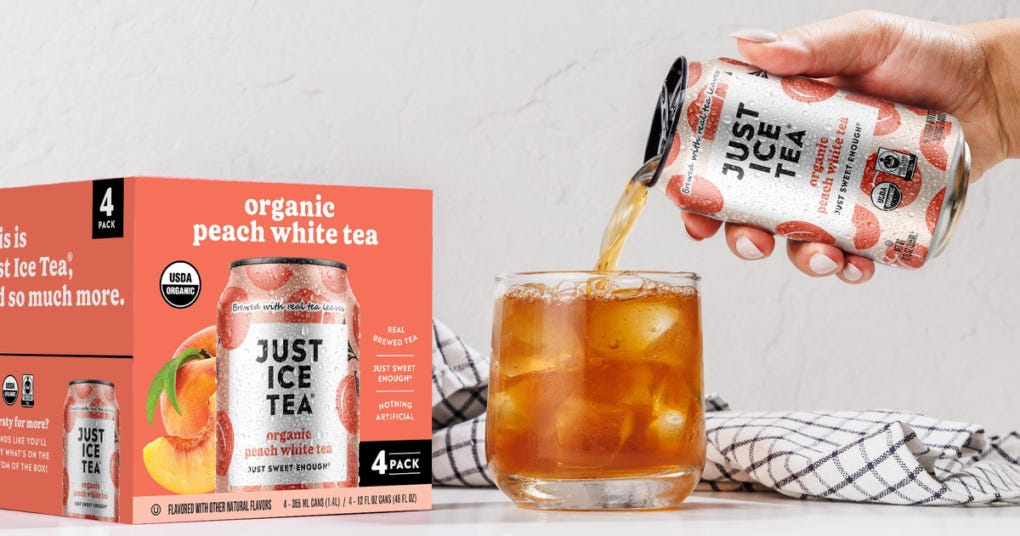
Just Ice Tea raised $9M from Taste Tomorrow Ventures, Polar Strategic Ventures, Robert Trone, and Big Geyser executives. The company plans expanding from 12,000 to 17,000 doors this year.
When beverage industry veterans invest in emerging tea brands, they’re validating both management execution and category positioning. The Big Geyser executive participation particularly signals distribution confidence and operational credibility.
🆕 PRODUCT LAUNCHES & INNOVATION
This week’s innovation circus
Nestlé’s Longevity Play
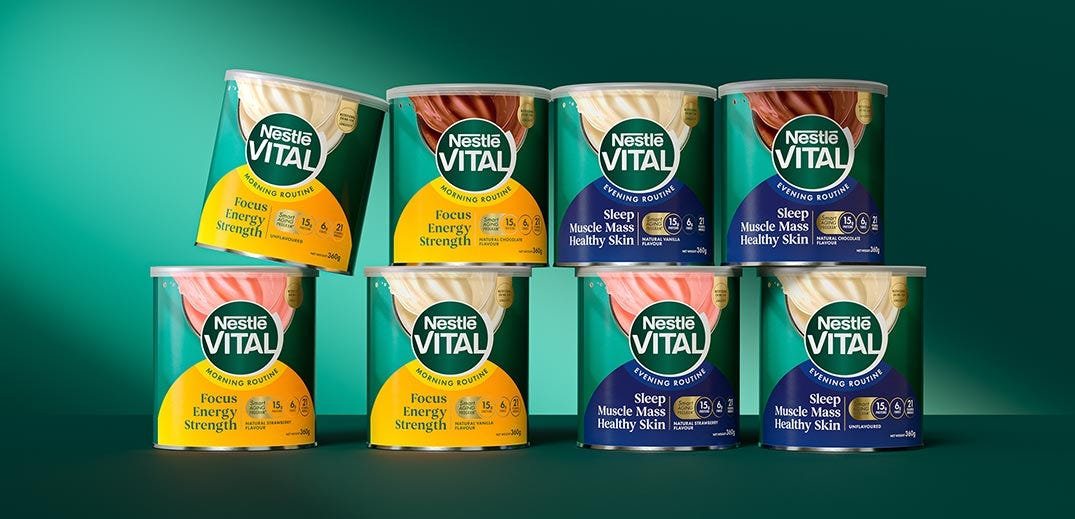
Nestlé launched Nestlé Vital, nutritional drink mixes for healthy aging with Morning Routine (focus, energy, strength) and Evening Routine (sleep, muscle mass, healthy skin) formulations.
This represents Nestlé’s strategic pivot toward precision nutrition for specific life stages rather than generic wellness positioning. When global food giants target midlife and senior nutrition specifically, they’re recognizing that aging consumers will pay premium prices for targeted functional benefits.
J.M. Smucker’s Uncrustables Innovation
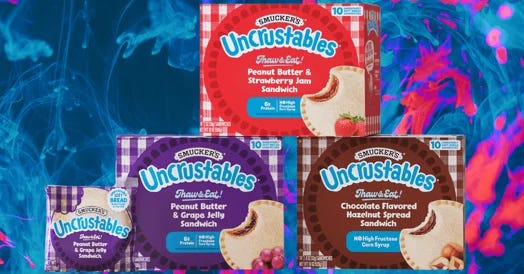
Smucker reformulated Uncrustables to be “fridge friendly” - capable of refrigerated storage for five days, eliminating thaw-and-wait time.
Sometimes the most impactful innovation solves prosaic consumer problems rather than chasing exciting new ingredients. When established brands optimize convenience features on proven products, they often drive more incremental growth than line extensions.
PepsiCo’s Doritos Protein Push
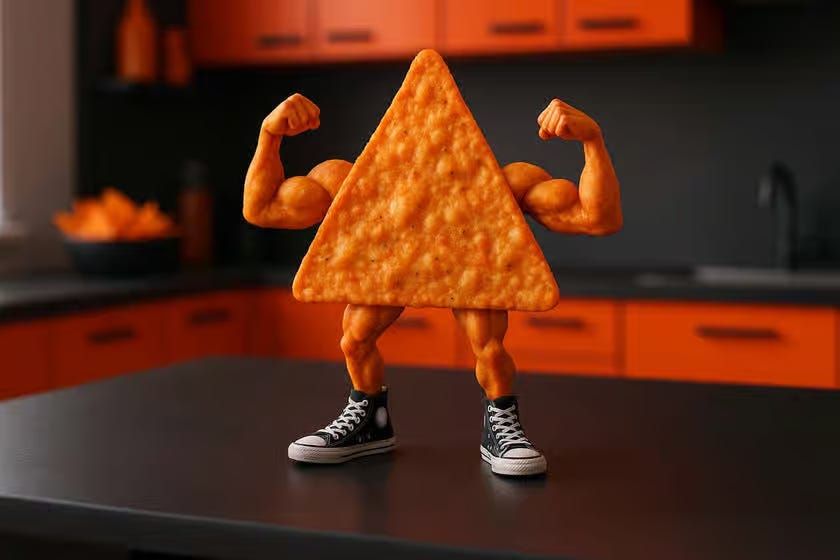
PepsiCo launched Doritos Protein line with Nacho Cheese and Sweet & Tangy BBQ flavors delivering 10g protein per 1oz serving, doubling down on functional salty snacks after recent fiber-infused product launches.
The protein-ification of iconic snack brands validates that consumers want familiar flavors with enhanced nutritional profiles rather than entirely new product categories. When Doritos adds protein, mainstream snacking officially embraces functional positioning.
Create’s Creatine Gummy Refresh
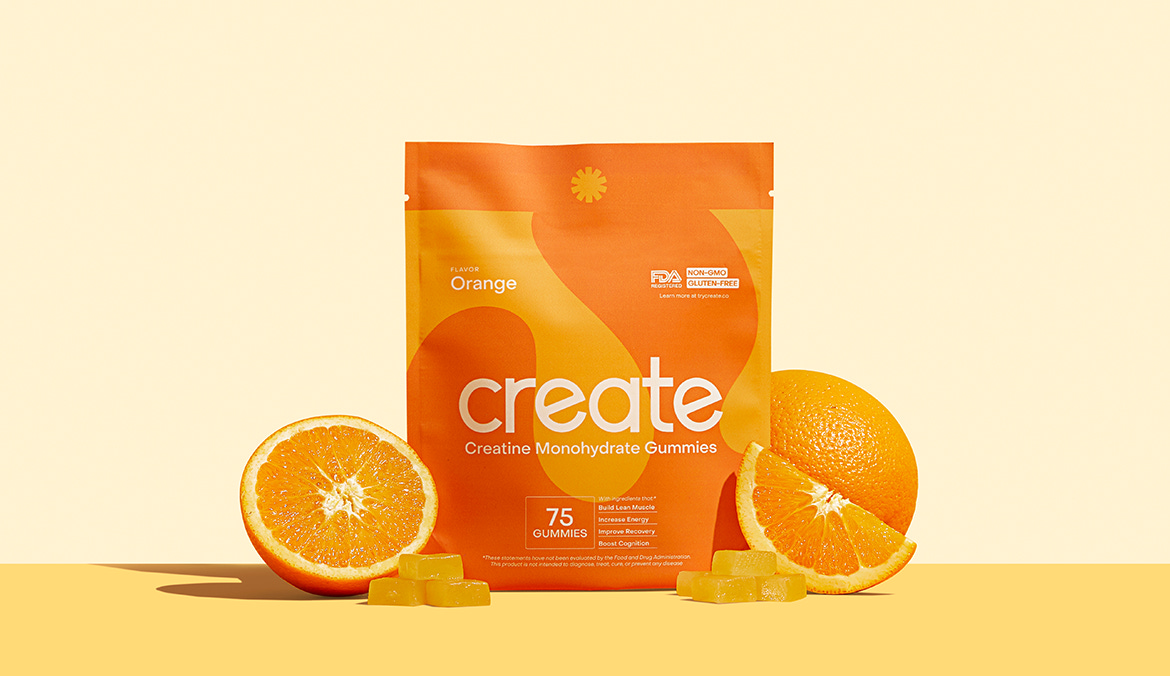
Create, the first mover in creatine gummies, unveils a brand refresh in April alongside new product launches. The updated branding is cleaner and bolder, with 3x growth expected this year.
When category-creating brands invest in visual identity refreshes while scaling rapidly, they’re building long-term brand equity rather than just riding ingredient trends. Create’s growth trajectory validates that creatine gummies solved real consumer problems in supplement delivery.
📊 THE DATA DIGEST
Numbers that matter
USANA’s Rise Wellness Explosion
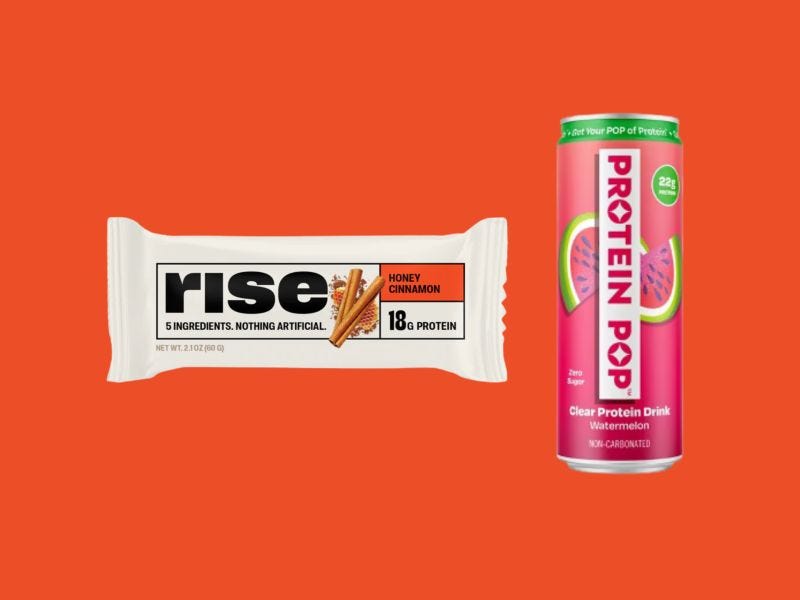
USANA’s Rise Wellness division (Rise Bar and Protein Pop) tripled sales in 2025, with expected net sales of $65M-$80M in 2026. The division launched Protein Pop Plus exclusively at Costco.
When health science companies achieve 300% growth in specific divisions, they’ve identified consumer needs that existing players weren’t serving effectively. USANA’s protein positioning in both bars and beverages suggests portfolio synergies across functional nutrition categories.
Happy Dad’s Continued Domination
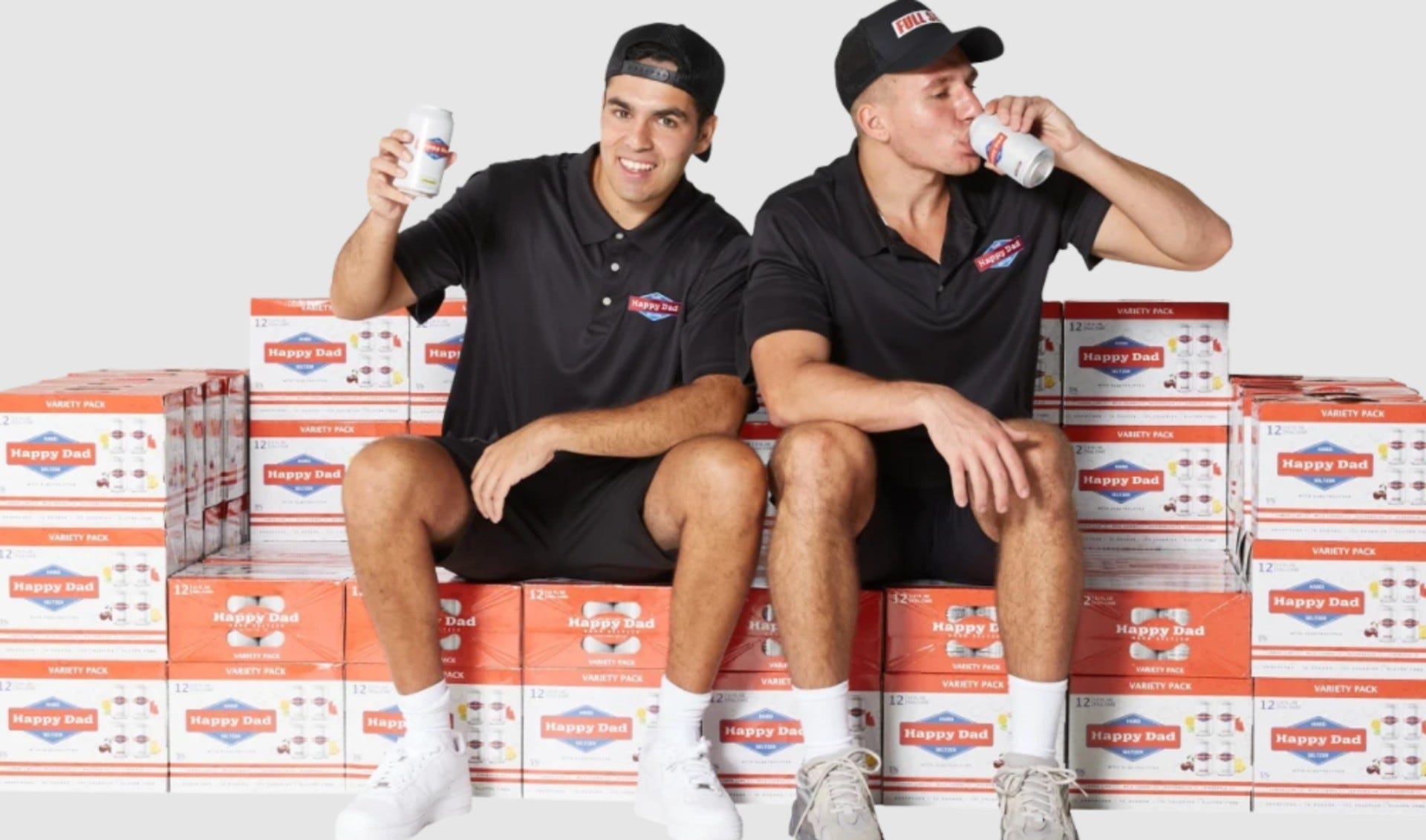
Happy Dad ranked #1 in hard seltzer growth during Dry January with 31% YoY sales increases, while White Claw managed 3.4% and Truly declined 10.8%.
This validates everything we discussed last week about cult building versus product creation. When alcohol brands grow 31% during the month people stop drinking, they’ve transcended traditional category limitations through authentic community building.
Coca-Cola’s Brand Empire
Coca-Cola revealed at CAGNY that they own 32 billion-dollar brands, compared to Unilever’s 14 billion-dollar brands.
This demonstrates how beverage platforms create scalable brand value across multiple categories and markets. When single companies operate 32+ billion-dollar brands, they’ve built distribution and marketing infrastructure that smaller players can’t replicate.
🏪 DISTRIBUTION DOMINATION
Everyone’s everywhere
Target’s Premium Acceleration Continues
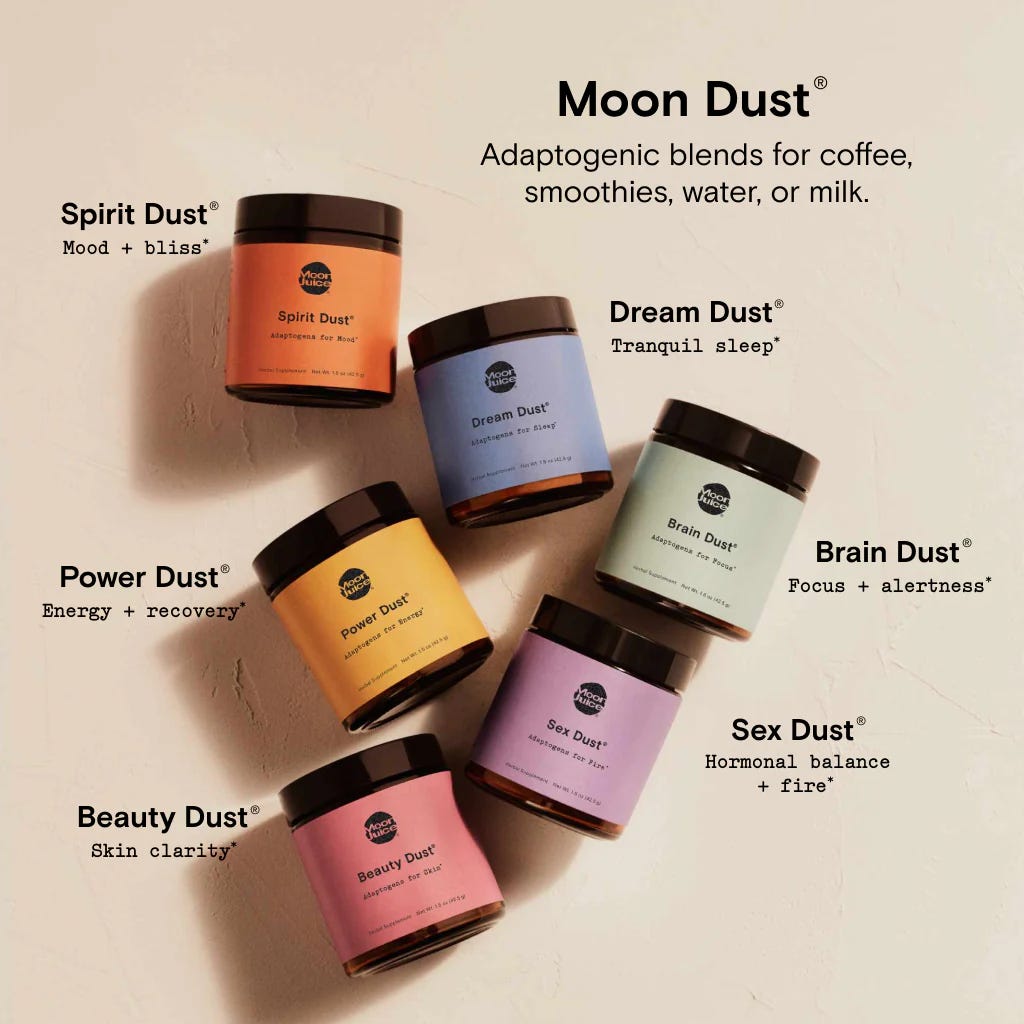
Moon Juice launched nationwide at 750+ Target doors with magnesium SKUs. Back to Nature expanded to 2,000+ Target doors. Target continues rewarding proven brands with massive distribution expansion.
Costco’s Exclusive Strategy
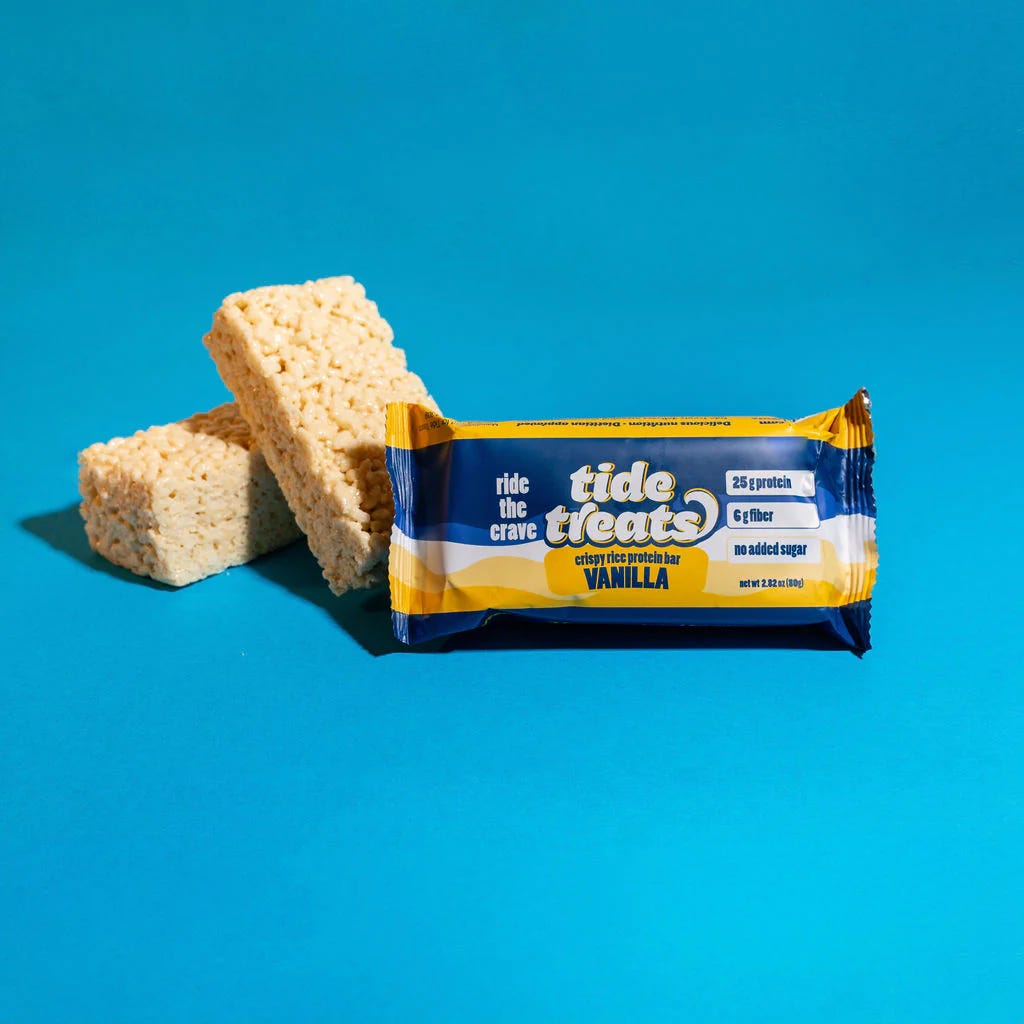
Tide Treats launched at select Utah Costcos. USANA’s Protein Pop Plus launched exclusively at Costco nationwide. Costco’s exclusive launch strategy creates scarcity while testing new products at scale.
Regional Expansion Wins
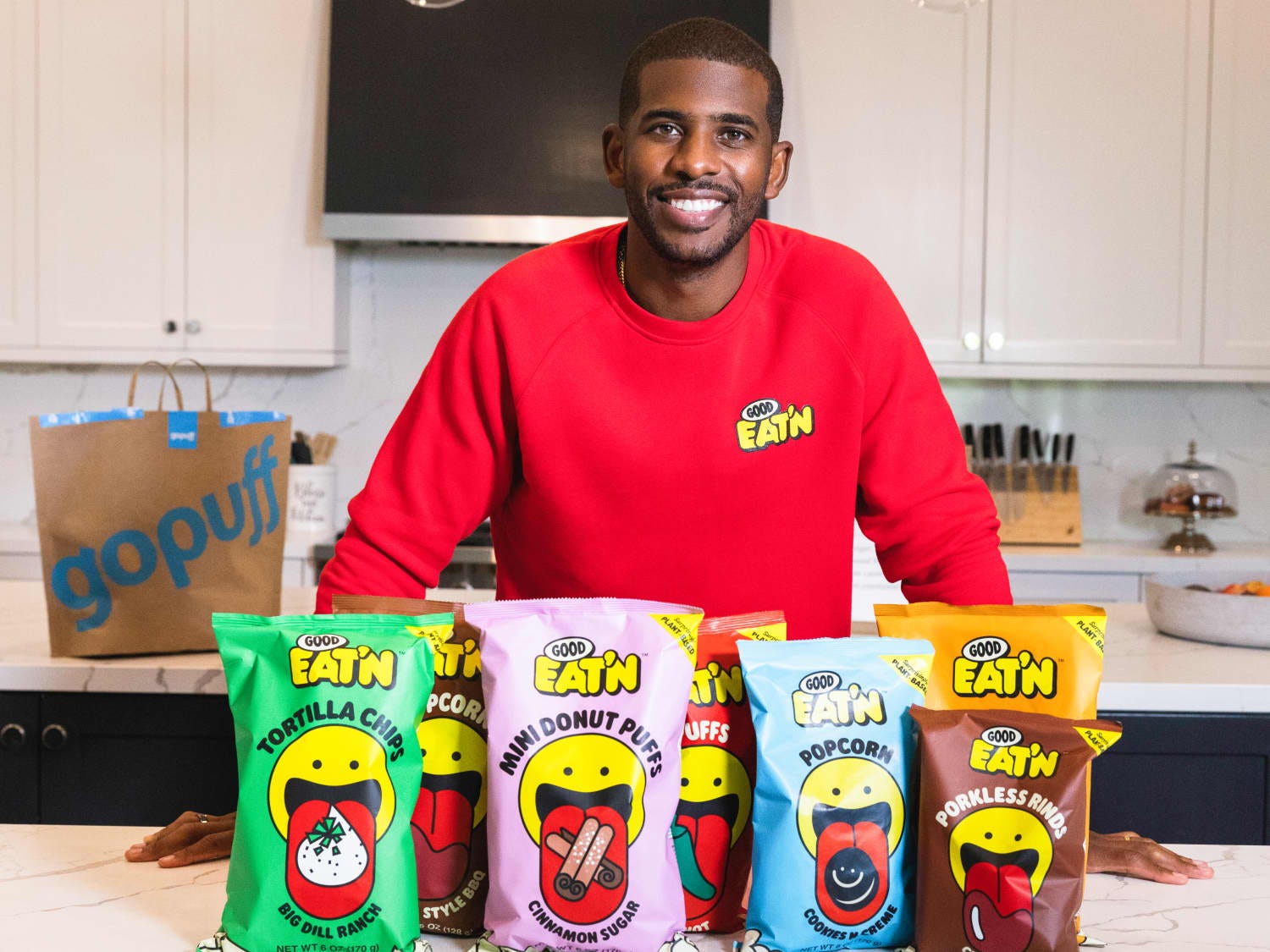
Good Eat’n launched at 1,600+ Kroger stores. El Nacho rolled out at Hy-Vee. Harken Sweets launched nationwide at Natural Grocers. Successful brands are simultaneously securing mass and specialty retail validation.
🔥 THE HOT TAKE
My unfiltered opinion on this week’s madness
This week crystallized a massive trend that most people are missing: “boring” businesses are commanding premium valuations while “exciting” categories struggle.
Bain Capital’s $3B dessert empire valuation proves that manufacturing excellence in traditional categories creates more sustainable value than innovation theater in crowded verticals. When private equity pays $3B for dessert manufacturing, they recognize that operational competence plus established demand beats trendy positioning with uncertain unit economics.
Meanwhile, Nestlé’s ice cream exit represents the most honest strategic admission in corporate history. Sometimes the world’s biggest companies should admit they can’t win everywhere, regardless of resources. Ice cream required different capabilities than Nestlé’s core strengths, and they finally acknowledged reality instead of throwing more money at the problem.
But here’s what excites me most: the Kevin’s Natural Foods analysis reveals a massive white space opportunity. Kevin’s proved that refrigerated center plate products can scale to $800M valuations, yet almost nobody has built meaningful competition in their wake.
The refrigerated protein opportunity is wide open because it’s “hard as fuck” - exactly the kind of operational complexity that creates defensible moats. While everyone chases beverage and snack opportunities, the companies willing to tackle USDA oversight, protein sourcing, and cold chain logistics will build businesses that can’t be easily replicated.
J.M. Smucker making Uncrustables “fridge friendly” might sound boring, but solving real consumer friction points often drives more growth than exciting new ingredients. Sometimes innovation means making existing products work better rather than inventing entirely new categories.
The pattern is clear: operational excellence beats marketing creativity. Manufacturing competence beats trend-chasing. Solving real problems beats creating artificial differentiation.
Happy Dad’s continued Dry January dominance validates that authentic community building creates competitive advantages that traditional marketing can’t replicate. When alcohol brands grow while people aren’t drinking, they’ve built something transcendent.
The winners aren’t the companies with the flashiest launches or most impressive funding rounds. They’re the ones building sustainable competitive advantages through operational excellence, authentic consumer connection, and willingness to tackle difficult problems that others avoid.
🎙️ COMING TUESDAY
Unpackaged Goods Episode 18
Breaking down Hims & Hers’ $1.15B Australian acquisition strategy, why Bain Capital’s dessert empire commands $3B valuations, and Nestlé’s strategic ice cream surrender. Plus: The massive white space opportunity in refrigerated center plate products that Kevin’s Natural Foods proved but nobody’s scaling.
🥫 ONE MORE THING...
Before you close this tab
Spotted Create’s brand refresh teasers and it looks clean. Sometimes the most successful companies are the ones that create categories, scale rapidly, then invest in long-term brand building rather than just riding ingredient trends. Creatine gummies might sound niche, but solving supplement delivery problems for specific consumer segments often creates bigger businesses than chasing broad market appeal.
The boring business revolution is here.
Until next Sunday, Jonathan Deeter Your CPG-Obsessed Friend
P.S. - When Nestlé admits they can’t win at ice cream and pivots to longevity nutrition instead, it proves that even giants benefit from strategic focus over diversification. Sometimes the most powerful move is admitting what you’re not good at.
Links: TikTok | Instagram | Newsletter | Pickle Advisors | YouTube
This newsletter is finished with Trophy Wife Finishing Salts - elevating every bite since 2025