


August 10, 2026
🥄 FIRST BITE
The appetizer before we dive in
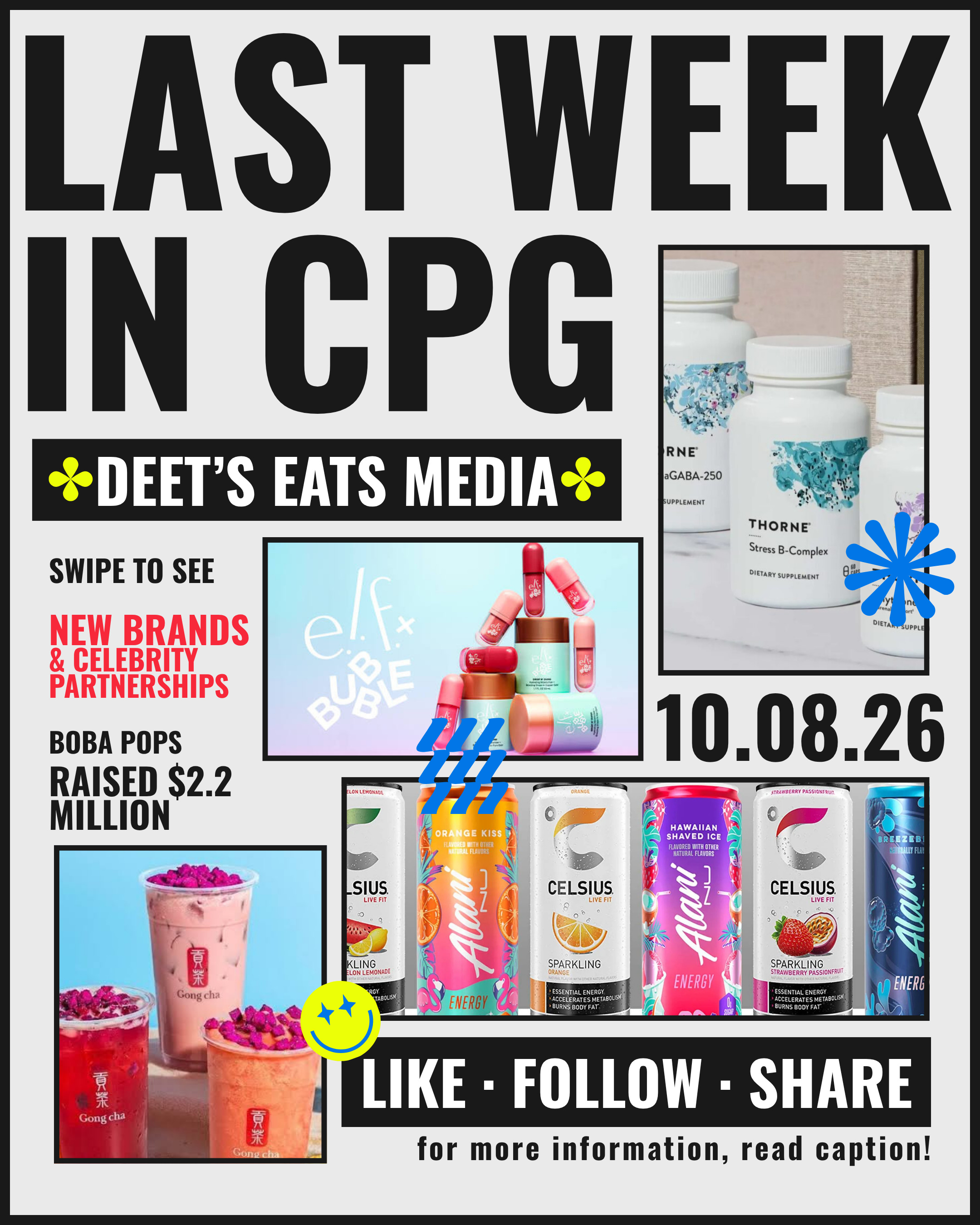
Celsius posted record revenue last week, and the stock fell 17%.
The breakdown explains the reaction. Total revenue hit $818 million, Alani Nu supplied $364 million of it, and the Celsius brand itself fell 11.7%. Investors did the arithmetic during the call.
I keep seeing this shape. Simply Good Foods grew through Quest while Atkins declined. Conagra’s fastest-growing asset is a meat stick it bought in 2024. AB InBev’s beer volumes rose 1.1% while its non-alcoholic line rose 27%. And this week P&G, which already owns Metamucil, Align, and New Chapter, agreed to pay $3.8 billion for Thorne.
None of that means the legacy brands are worthless. It does mean that a lot of the growth showing up in consolidated numbers was purchased rather than built, and the market has started pricing the difference.
Let’s dig in.
🍊 THE MAIN COURSE
This week’s biggest CPG moves
P&G Agrees to Buy Thorne for $3.8 Billion
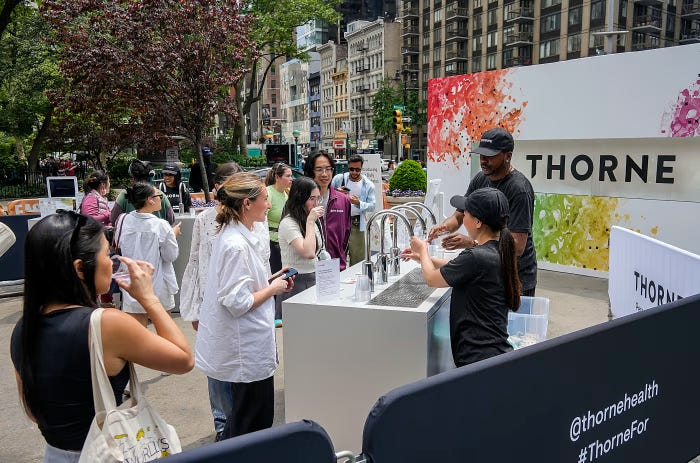
P&G agreed to acquire Thorne from L Catterton for $3.8 billion. L Catterton took the company private for $680 million in 2023, which puts the headline value up more than $3 billion in under three years.
Thorne did more than $500 million in 2025 and should reach roughly $650 million this year, compounding above 30% annually since going private. Most of its customers are under 40, its direct-to-consumer business keeps climbing, and P&G reportedly beat Haleon to get it.
Here’s the detail I can’t stop thinking about: Thorne’s creatine business reportedly accounts for 25% to 30% of revenue. A Fortune 50 company just agreed to pay $3.8 billion for a supplement brand, and roughly a quarter of that brand’s revenue comes from creatine. Two years ago, that ingredient was still marketed mostly as powder for men in gyms. This week, Needed launched a women’s creatine line at 5g per serving, which tells you where the customer went.
This is P&G’s second health deal of the year after Wonderbelly, and it lands in a crowded stretch. Bain bought Vitabiotics for $1.2 billion. Kirin agreed this week to buy Jamieson Wellness for C$2.5 billion. Unilever bought Grüns, Lactalis bought Protein Works, and Nestlé is reviewing its own supplement portfolio. If you run a supplement brand with real distribution and defensible science, there’s a decent chance you’re already in somebody’s model.
Celsius Sets a Record and Loses 17%
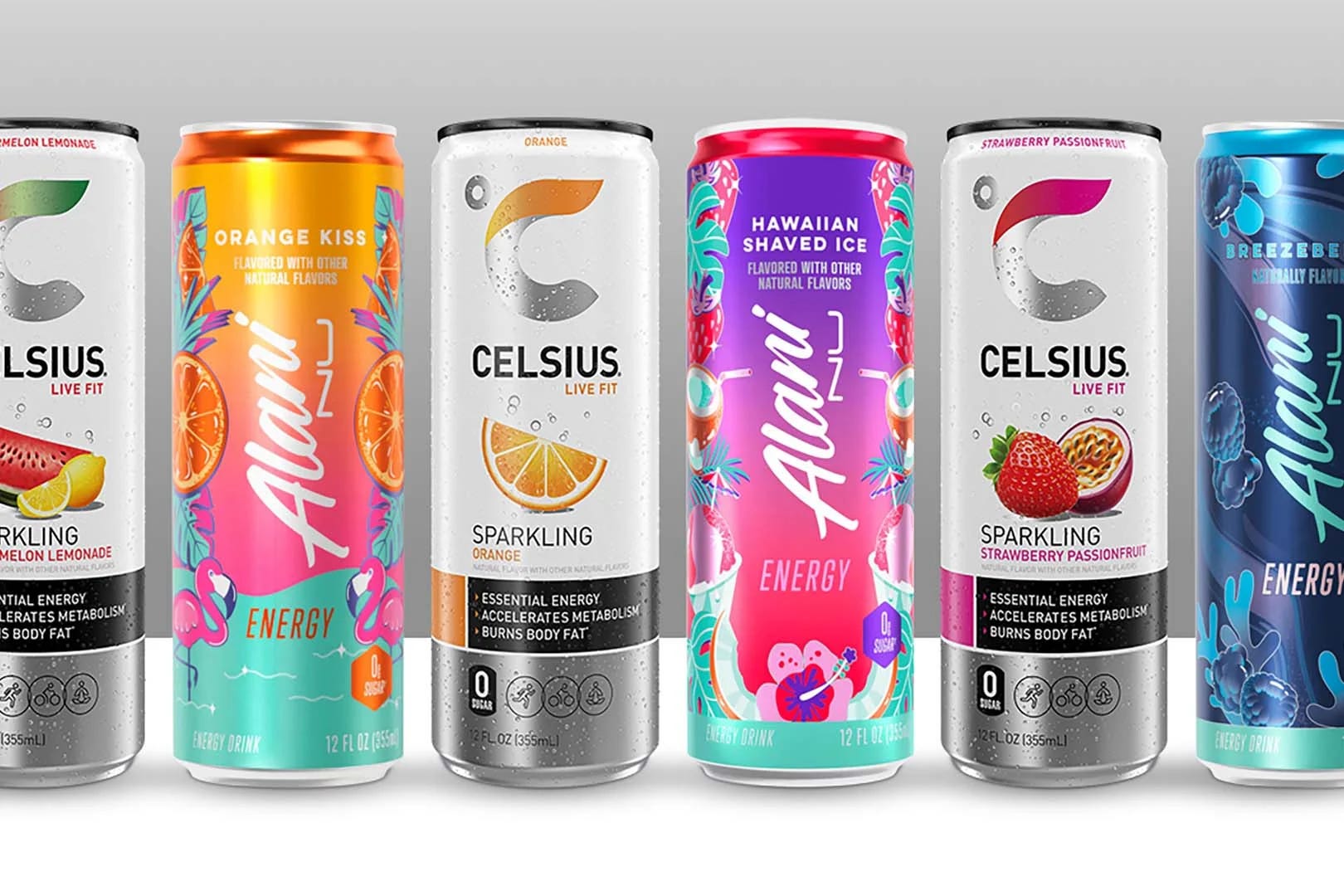
Celsius Holdings reported Q2 revenue of $818 million, a company record and 10% growth. The stock dropped more than 17% anyway.
Alani Nu contributed $364 million. The core Celsius brand fell 11.7%.
Celsius bought Alani Nu for $1.8 billion in early 2025, and that deal now looks less opportunistic than necessary, because it’s the reason the consolidated business grew at all. Strip out the acquisitions, and the flagship is shrinking inside a category that’s still expanding.
I’d sit with this one if you’re building anything with more than one product line. Celsius did the conventional thing correctly. It identified a fast-growing brand, paid a full price, and integrated it well. Alani Nu is performing. The problem is that Alani Nu is now load-bearing, and a business with one load-bearing asset has no margin for that asset to have an off quarter.
Compare it to Monster, which reported the same week. Monster’s net sales rose 20.2% to $2.54 billion, and the core Monster Energy segment grew 21.6%. The flagship is the engine. That’s the difference between a portfolio that compounds and one that gets carried.
80 Acres Farms Shuts Down After Raising More Than $350 Million
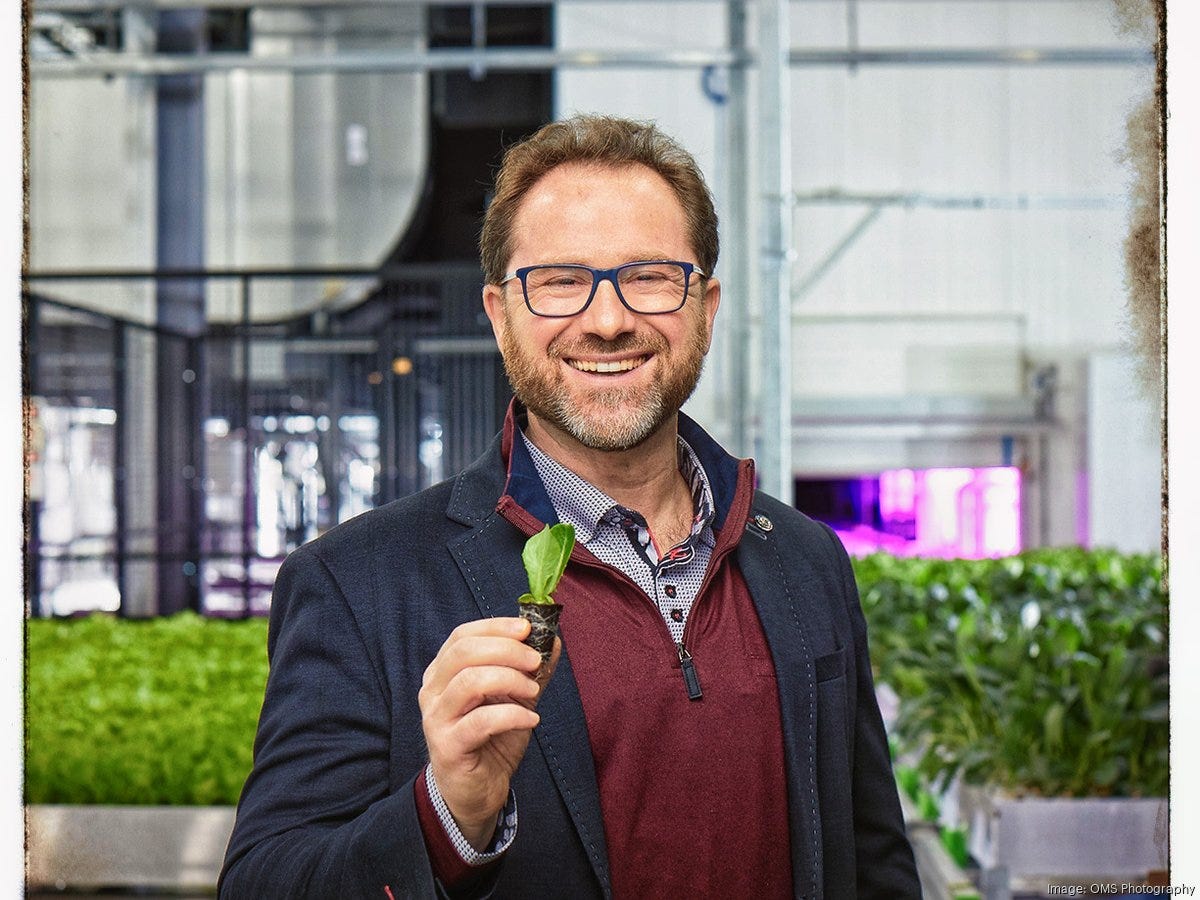
Indoor agriculture heavyweight 80 Acres Farms is winding down after raising more than $350 million and supplying over 18,000 retail locations.
This wasn’t a demand problem wearing a startup costume. It was an economics problem wearing a technology costume. Controlled-environment agriculture promises consistent local supply, fewer food miles, less water, and immunity from weather, and every one of those claims can be true while the cost structure still fails. Energy, labor, and facilities don’t care how good the pitch deck is.
The company had capital, retail distribution, and scale. What it never got was utilization strong enough to carry the fixed costs.
That’s worth holding next to Hippo Harvest, which raised $30 million a few weeks ago to expand robotic greenhouses from one acre to thirty. I’m not calling the outcome. But the vertical farming thesis just got its most expensive stress test, and the results are public.
Kraft Heinz Takes $7.4 Billion in Impairments
Kraft Heinz reported a $6.4 billion operating loss after recording $7.4 billion in non-cash impairments. It also raised its 2026 organic-sales outlook, though the revised guidance still projects a full-year decline of 0.5% to 2.0%. Raised from bad to less bad.
Read those together, and you get an honest picture. New CEO Steve Cahillane sees better near-term trading and is putting $700 million into marketing and innovation, up from the $600 million he originally committed. At the same time, the company is acknowledging that major brands are worth far less than it had been carrying them for. Last year’s charge was $9.3 billion.
This is the balance-sheet version of the Celsius story. A headline can improve while the underlying portfolio weakens, and accounting can delay the reckoning for a while. Neither one manufactures demand.
Legacy food isn’t dead. But awareness without relevance is an expensive asset to maintain, and Oscar Mayer and Kraft Mac & Cheese are the two lines Cahillane singled out as needing work.
More Deals Worth Watching
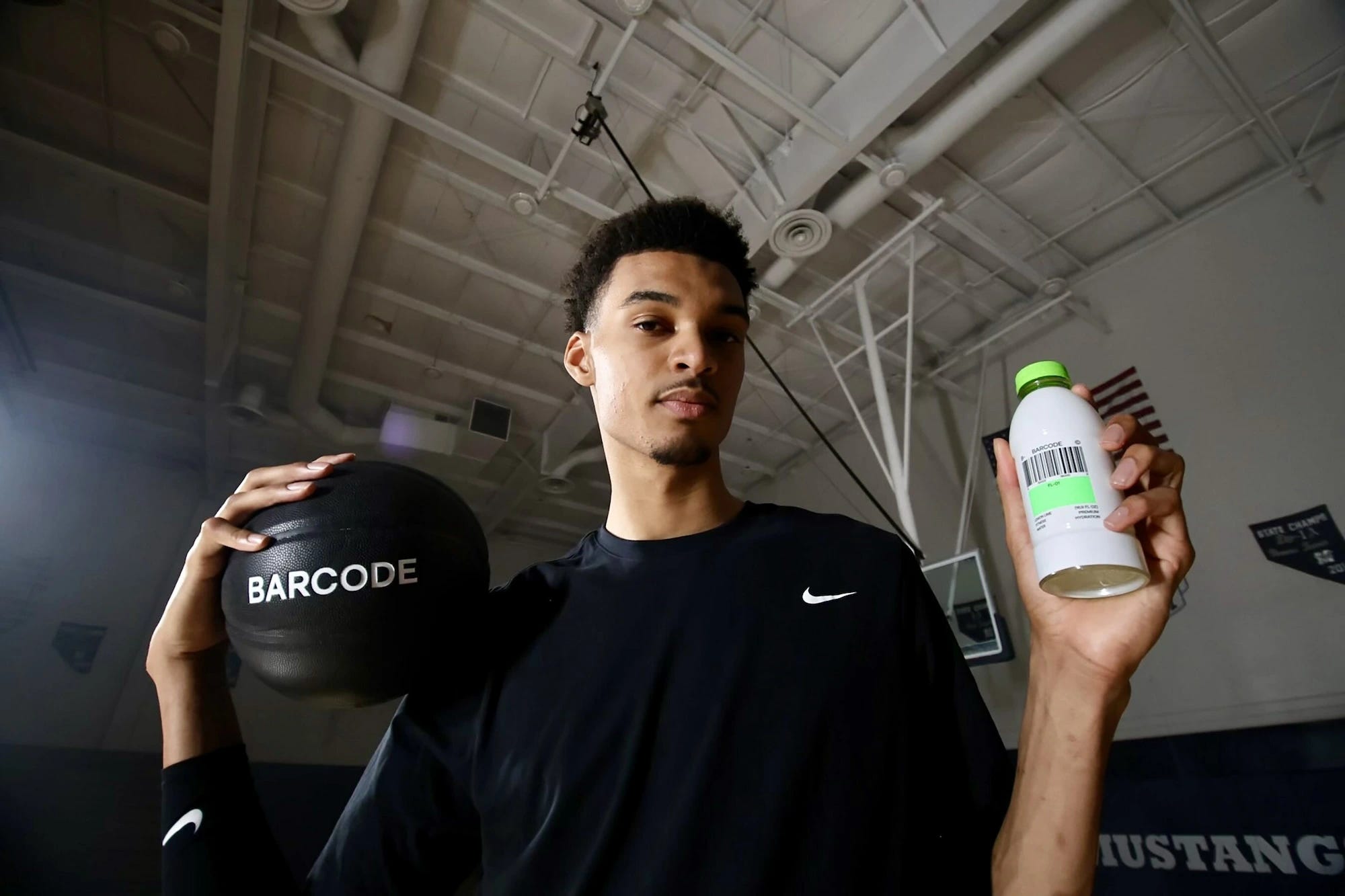
Axum Capital Partners made a controlling investment in Barcode, the hydration brand backed by Victor Wembanyama, who stays on as a shareholder and strategic partner. Terms weren’t disclosed. Barcode launched in 2021, and RTD sports drinks remain one of the hardest categories in beverage, so Axum is betting that professional operators plus a famous name convert better than a famous name alone.
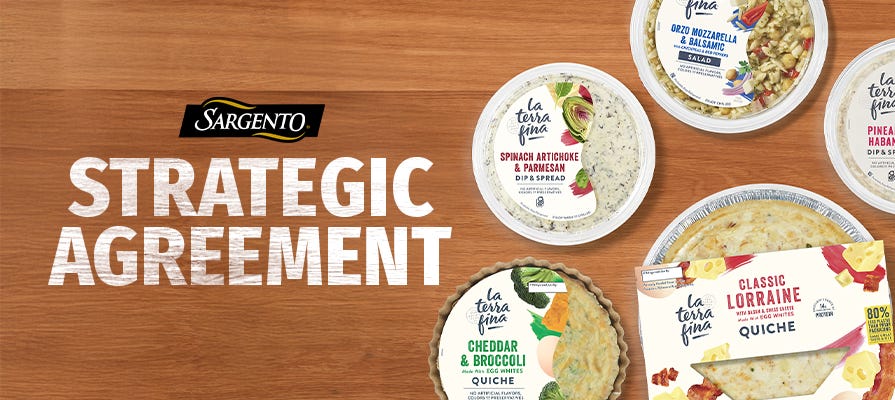
Sargento Foods agreed to buy La Terra Fina, moving past natural cheese and into the deli case for the first time. It’s a clean adjacency: refrigerated dairy, cold chain, and existing retail relationships pointed at dips, spreads, and quiches. Both companies are private, and terms weren’t disclosed.
The Farmer’s Dog acquired Woof after serving more than a billion meals, adding enrichment to a business built on nutrition. The Pupsicle is an established hero product, which makes this platform building rather than diversification for its own sake.
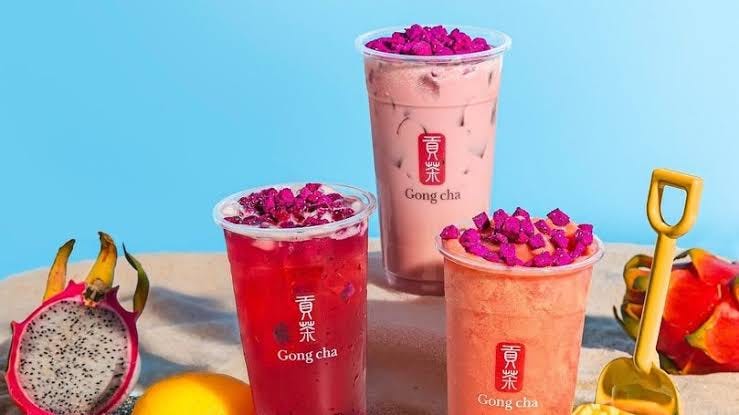
Bain Capital agreed to acquire Gong cha, the 2,200-store bubble tea chain. Bubble tea can look fragmented from the sidewalk. At 2,200 stores across 29 countries, it’s institutional.
💰 THE FUNDING FRENZY
Big checks being written
NOON Raises $2.5 Million for a Target Launch
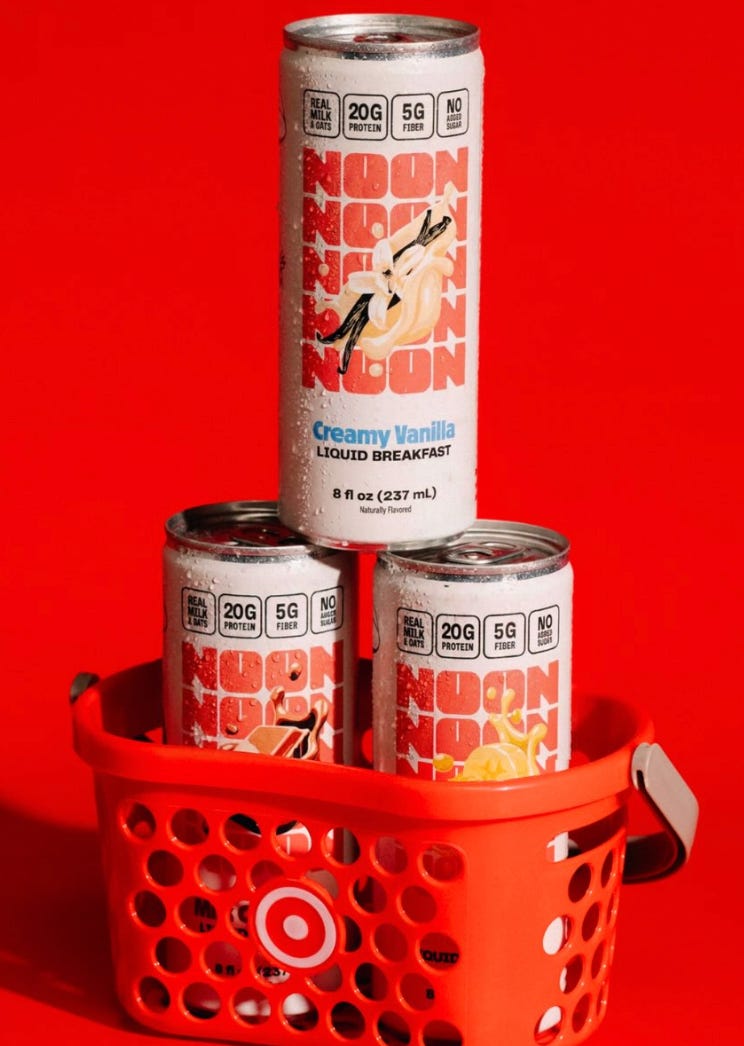
Australian brand NOON secured $2.5 million from BFG Partners, RiverPark Ventures, and Habitat Partners to fund a launch into nearly 2,000 Target stores. Cade Fleming and Tamir Triguboff founded the company in 2025 and sell it as breakfast in a can: 20g of protein, 5g of fiber, no added sugar.
Look at the sequence. Founded in 2025, raising in 2026 to fund a national placement. This round isn’t paying for discovery. It’s paying for inventory against shelf space the brand already won, which is a much easier check to write.
Proxy Foods AI Raises a $6 Million Seed

Proxy Foods AI raised $6 million for an AI-native food and beverage product development platform.
This isn’t another brand fighting for facings. It’s selling tools to the companies doing the fighting, which is the same instinct behind Springdale backing Hetal and Martie last month. As retailers demand faster innovation, anything that reduces failed bench work gets valuable.
The obvious risk applies here as much as anywhere: a faster workflow only helps if the output survives regulatory review, sensory testing, sourcing, and scale-up. Formulation software doesn’t run a plant trial.
More Capital Moving
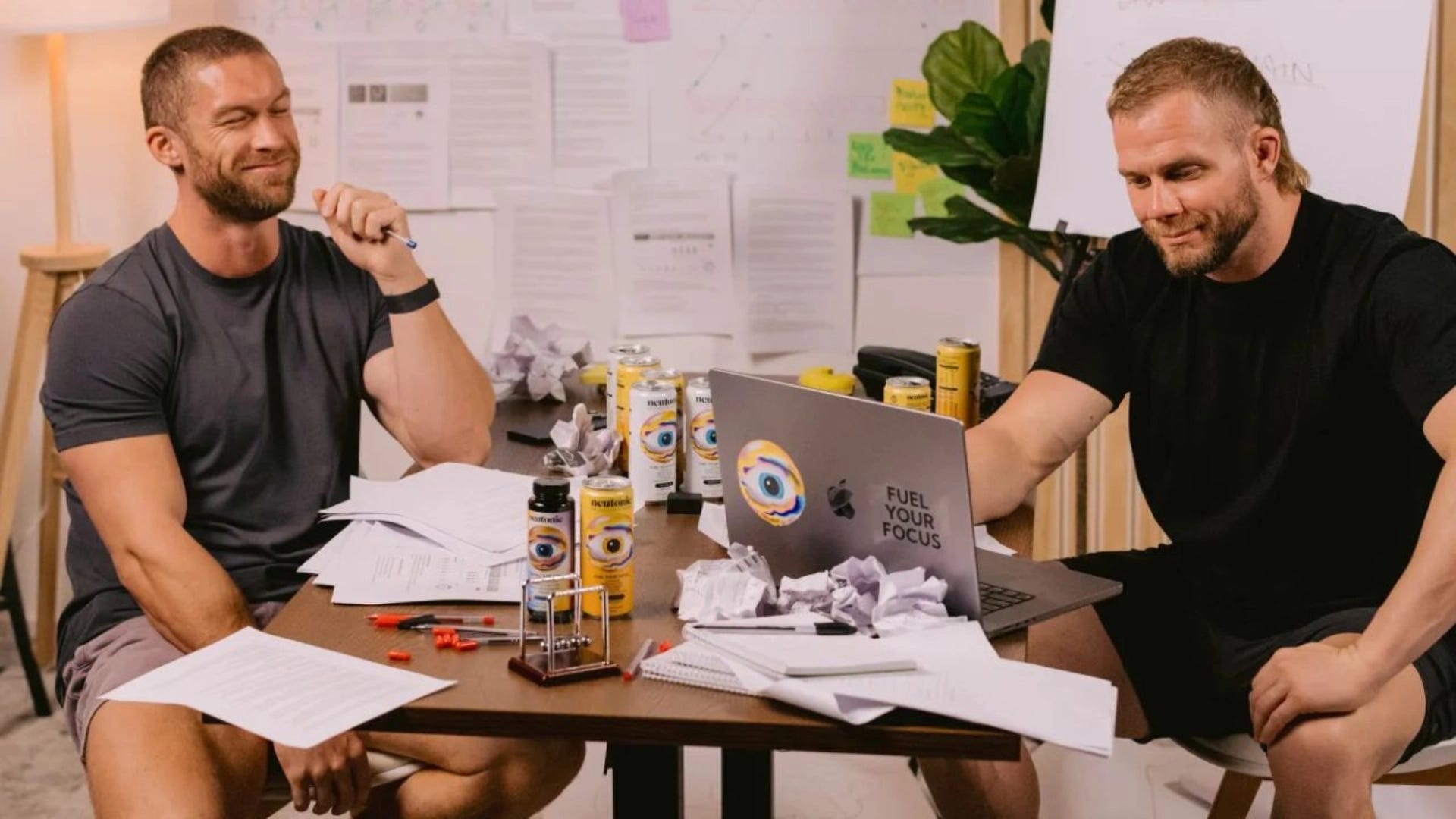
Neutonic closed a seven-figure seed led by Redrice Ventures after growing 300% year over year and landing at Bristol Farms.
Boba POPS raised $2.238 million from 462 community investors to fund a fivefold production expansion.
Uncle Arnie’s added $2 million from existing investors, extending the $7.5 million Series A it raised in August 2025. The THC beverage brand sells through both traditional retail and dispensaries.
Krème, the French skincare brand, took its first outside equity from IRIS Ventures after doubling revenue every year since 2020. It built that through the pharmacy channel, which almost nobody in American beauty thinks about.
Dear Biology closed a pre-seed ahead of a melatonin-free sleep launch later this month.
G.O.A.T. Foods took its first outside investment from LesserEvil co-founder Charles Coristine and the Solomon family. The company sells candy and snacks through domains including Licorice.com and Pretzels.com, which I’ll come back to at the end.
🆕 PRODUCT LAUNCHES & INNOVATION
This week’s innovation circus
e.l.f. and Bubble Collaborate
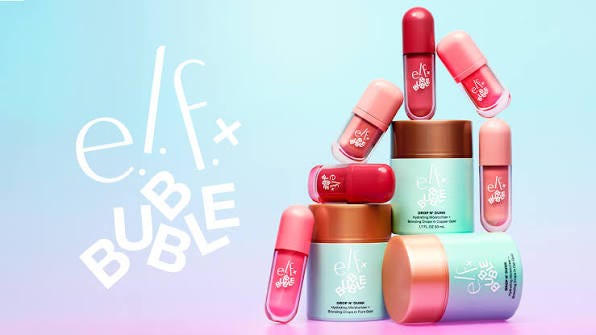
e.l.f. Beauty and Bubble released a limited-edition line of hybrid skincare and makeup priced from $10 to $18.
It’s a smart pairing. e.l.f. just posted 36% growth and its thirtieth consecutive growth quarter, and Bubble hired its first CMO this week in Diana Rubin, who helped scale Sol de Janeiro. Two brands that own the under-$20 shelf, sharing audiences instead of splitting them.
The co-branded packaging is genuinely good, which matters more than it did a year ago. Van Leeuwen won $23.8 million last month defending a pint design.
Protein and Function
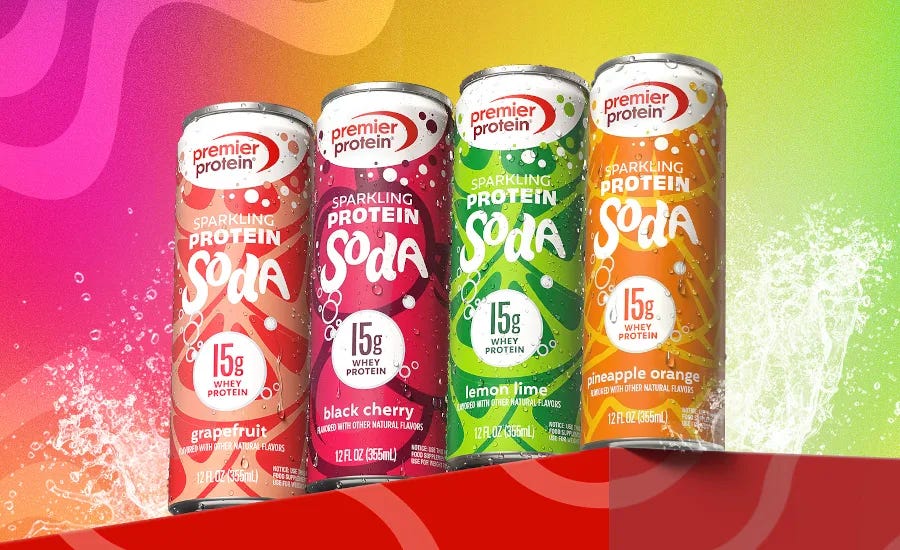
Premier Protein launched a sparkling protein soda with four flavors at 15g of protein, 3g of sugar, and 90 calories. Jumex entered protein shakes with 30g bottles going into 2,942 Walmart stores. TRUBAR launched a Pro line at 18g of protein and 12 to 13g of fiber. Seven Sundays moved into pancakes with 10g-protein Oatcakes. Needed launched women’s creatine at 5g per serving.
Protein has stopped behaving like a category and started behaving like a required claim, showing up across beverages, breakfast, snacks, and now pantry.
Food, Pantry, and Wellness
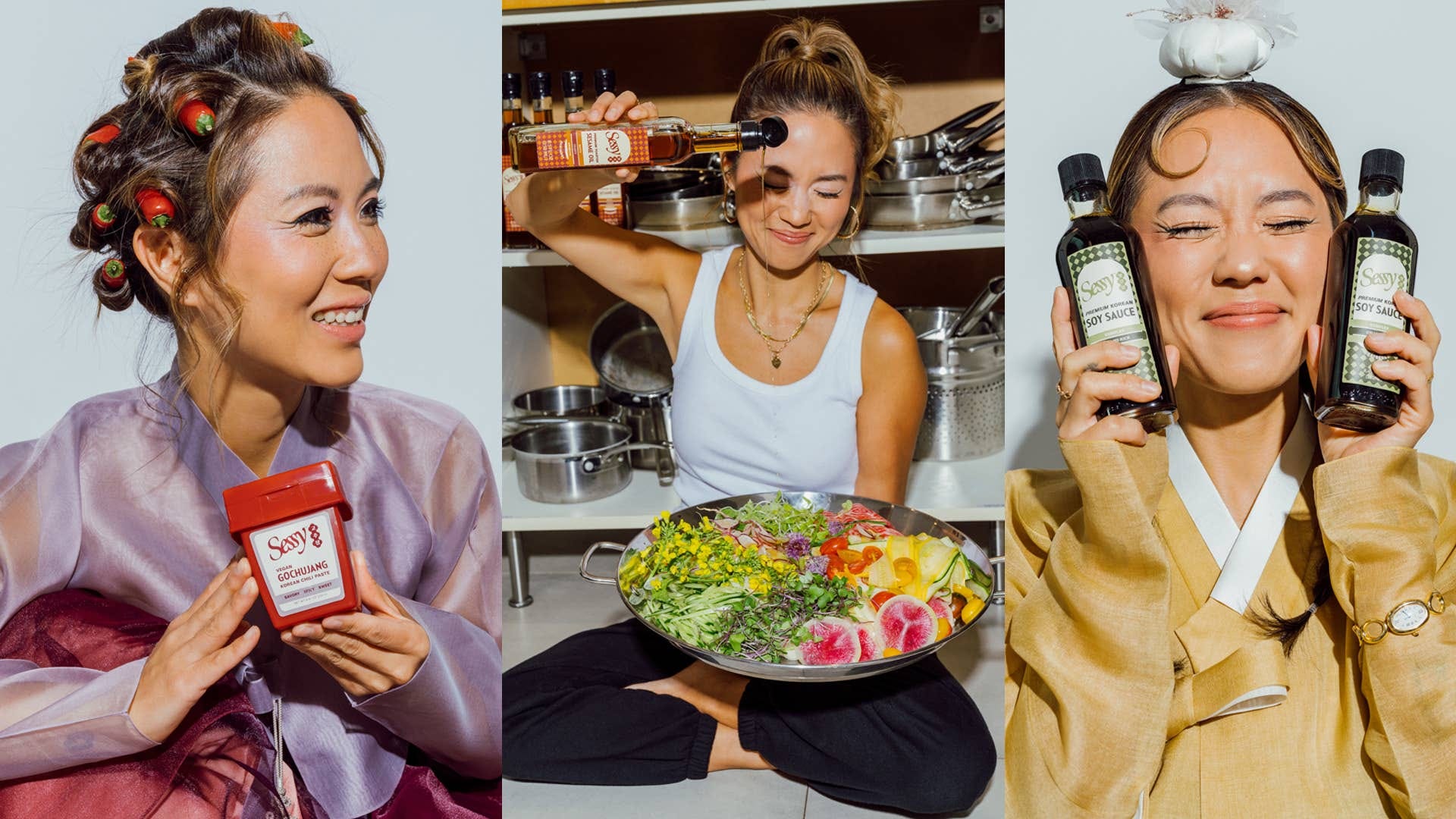
Chef Esther Choi launched Sessy, a Korean-American pantry brand with sesame oil, soy sauce, and gochujang made with Sempio, one of Korea’s oldest food companies. Choi runs mŏkbar and co-hosts Food Network’s 24 in 24.
TRUFF released Smoky Pineapple Hot Sauce at Whole Foods. Fix & Fogg launched Banana Caramel Peanut Butter and nailed the label. Hot Girl Pickles moved into grab-and-go pouches. Wasted, which turns surplus bread into shelf-stable pasta, launched on Misfits Market with Whole Foods coming.
Lemme announced NAD+ capsules for an August 11 online launch and August 16 at Target. Mimitime, from Cocokind founder Priscilla Tsai and creator Ava Lee, hits Target August 16 with 1,500mg of marine collagen per serving.
Plant People expanded its kids line with a melatonin-free sleep formula. Celtic Sea Salt entered hydration. Hero Cosmetics launched three cleansers.
WK Kellogg Moves Early
WK Kellogg will pull artificial colors and BHT from the rest of its cereal portfolio by the end of 2026, nearly a year ahead of schedule.
Reformulating a full portfolio is slow and expensive, so finishing early tells you something about what the company expects. My read is that they see regulatory and consumer pressure increasing rather than easing, and they’d rather absorb the cost on their own timeline than someone else’s.
📊 THE DATA DIGEST
Numbers that matter
Monster Beverage grew Q2 sales 20.2% to $2.54 billion, crossing $2.5 billion in a quarter for the first time. International rose 34.6% to $1.16 billion and now makes up 46% of sales. The core Monster Energy segment grew 21.6%, while Alcohol Brands fell 15.2%. A two-for-one stock split takes effect August 11.
Kodiak has doubled since L Catterton took a majority stake in 2021 and expects $580 million in retail sales. Same investor, same week, opposite engine from Thorne: one sold for $3.8 billion, the other keeps compounding by extending a core product into new categories.
illycaffè grew first-half revenue 19% to €373 million with EBITDA up 10% to €53 million, despite high green coffee prices.
Grillo’s Pickles started production at a new $54 million plant in Indiana. The 155,000-square-foot facility should create about 150 jobs.
Lotus Bakeries plans to invest €500 million in Biscoff capacity across three continents after first-half sales rose 14%.
That’s the fifth capacity investment we’ve tracked in four weeks, after Vitamin Well, Vita Coco, Orkla, and Bertagni. For a lot of these companies, the constraint isn’t demand anymore. It’s how many cases they can physically make.
Food safety turned into an operating story. A Salmonella outbreak tied to recalled jalapeños reached 345 cases across 27 states with 36 hospitalizations. By late Saturday, USDA had flagged 18 meat and poultry products made with the recalled peppers. City Foods separately recalled about 3,215 pounds of ready-to-eat pastrami and corned beef over possible Listeria. That’s two supplier-driven outbreaks in three weeks, counting Taylor Farms.
🏪 DISTRIBUTION DOMINATION
Everyone’s everywhere
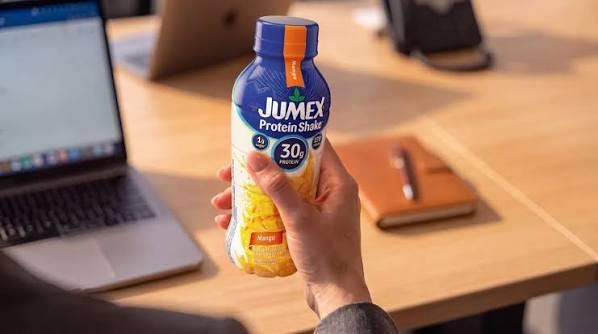
Walmart: Jumex launched protein shakes in 2,942 stores. Laird Superfood expanded five coffee and creamer products into more than 1,000 stores. Nurture Life took frozen kids meals into more than 700.
Target: NOON entered nearly 2,000 stores. Cravings by Chrissy Teigen doubled from 800 to roughly 1,600. Beekeeper Coffee launched online and in-store with four RTD cold brew flavors.
Costco: Ritual went nationwide. Sam’s Club: Joyride launched nationwide. Whole Foods: Ancient Crunch went nationwide after a 93-store test. The Vitamin Shoppe: Shakeology entered nearly 500 stores after passing a billion servings.
The door counts look impressive, and the more interesting detail is what preceded them. Ancient Crunch tested 93 stores first. Shakeology had two decades of direct-selling data. NOON raised money specifically to stock a placement it had already won. Buyers are still taking bets, but they’re asking for evidence before the bet, not after.
👋 PEOPLE MOVES
Ancient Crunch hired former QUINN Snacks CEO Al Matulis as Head of Retail and former LALO Tequila SVP Greg Reintjes Jr. as CMO. Paired with the nationwide Whole Foods rollout, that’s a company staffing for a national plan rather than reacting to one.
Belgian Boys named Louisa Lawless Chief Commercial Officer. She previously helped scale Nutrabolt, Core Nutrition, and Red Bull.
Diana Rubin joined Bubble as its first CMO after scaling Sol de Janeiro at L’Occitane.
McDonald’s named 26-year veteran Skye Anderson president of its U.S. business, which puts her over nearly 14,000 restaurants.
🔥 THE HOT TAKE
My unfiltered opinion on this week’s madness
The brand on the building isn’t always the brand driving the growth.
Celsius made that concrete. Record revenue of $818 million, Alani Nu supplying $364 million of it, the core brand down 11.7%, and the stock down 17% after the results. The number was real. So was the composition, and the composition is what got priced.
The shape repeats often enough to be worth naming. Simply Good Foods grew through Quest while Atkins declined. Conagra’s fastest-growing asset is a meat stick brand it bought in 2024. AB InBev grew beer volumes 1.1% while non-alcoholic sales grew 27%. P&G already owned three supplement brands and agreed to pay $3.8 billion for a fourth. In each case the legacy brand slows, the acquired brand carries the quarter, and the consolidated number reads fine until somebody opens the segment breakout.
I think acquisition has quietly become a substitute for innovation at a lot of these companies. Buying growth is faster than repairing a declining flagship and far easier to explain to a board. It also works, right up until the acquired brand is the only thing working. At that point you haven’t diversified. You’ve relocated the business onto an asset you paid a premium for and didn’t build.
Monster is the useful contrast, because it reported the same week and looks nothing alike. Sales up 20.2% to $2.54 billion, international up 34.6%, and the core Monster Energy segment up 21.6%. The flagship is doing the work. Kodiak is the smaller version of the same story: doubled since 2021, heading toward $580 million, built by extending one core product rather than buying sideways. And L Catterton owns both Kodiak and the Thorne stake it just sold, which I find funny in a way that probably says something about me.
So what do you actually do with this if you’re running a brand?
Watch which line is growing, not just which line is largest. If your newest SKU is outgrowing the original by a wide margin, figure out why before somebody else makes you explain it. Sometimes the new thing is the real business, and you should move resources. Sometimes the original is quietly decaying, and the new thing is covering for it. Those look identical on a revenue chart and require opposite responses.
And if you’re pitching a strategic buyer right now, think about the position you’re pitching into. A company shopping for growth because its own brands have stalled is in a different negotiating posture than one filling a gap in a healthy portfolio. That’s worth understanding before you walk in.
Build accordingly.
🎙️ COMING TUESDAY
Unpackaged Goods Episode
Why P&G agreed to pay $3.8 billion for Thorne and why roughly a quarter of its revenue comes from creatine. The Celsius results that erased 17% on record revenue. Monster crossing $2.5 billion with its core brand up 21.6%. And why 80 Acres Farms couldn’t make $350 million work.
🥫 ONE MORE THING...
Before you close this tab
G.O.A.T. Foods just took its first outside investment. The company sells candy and snacks, and its distribution advantage is that it owns Licorice.com and Pretzels.com.
Somebody registered those domains and waited. Now, when a person types the name of a product into a browser, that company is where they land.
Every brand in this newsletter is competing for shelf space, retail media placement, and algorithmic reach. All of it rented, all of it repriced by somebody else on a schedule you don’t control.
Owning the word people search isn’t a growth hack. It’s real estate.
Until next Monday,
Jonathan Deeter Your CPG-Obsessed Friend
P.S. Two weeks ago I said electrolytes were the new protein. This week Celtic Sea Salt, a company whose entire business is salt, launched a hydration line. Adding electrolytes to salt is either the most logical brand extension in the history of commerce or the precise moment the trend ate itself, and I genuinely cannot tell which.
Comment NEWS to get The Deeter Digest delivered straight to your inbox every Monday 🥣
TikTok | Instagram | Newsletter | Pickle Advisors
This newsletter is finished with Trophy Wife Finishing Salts, elevating every bite since 2025.
80 acres - devastating to say the least