


Issue #34 | June 22, 2026
🥄 FIRST BITE
The appetizer before we dive in
Welcome back. Prestige Consumer Healthcare just paid over $1 billion for Breathe Right and a handful of adjacent brands. Two hundred million in revenue. Ninety-five million in EBITDA. A nasal strip brand that’s grown over 60% year-over-year since 2022. A billion dollars for the thing you stick on your nose at night. The boring-problem thesis keeps producing the biggest checks — last week it was a $325M stain remover, this week it’s a billion-dollar nasal strip.
Meanwhile, L’Oréal acquired a majority stake in an Indian beauty company because the world’s largest beauty company is betting its next growth wave comes from the world’s largest young population. Jake Paul and Geoffrey Woo raised $100M for Anti Fund — the growth fund backing OLIPOP, Happy Dad, Ketone-IQ, and Khloud. Glossier secured $45M in debt from Tiger Finance. The SmartSweets founder is back with Snackish at Target. The Yasso founders are back with Snack Buddies. And Good Culture is building a dedicated production facility after nearly quadrupling sales and being acquired by L Catterton at $500M+.
The theme this week is founders coming back. Tara Bosch sold SmartSweets for $360M and returned with Snackish. The Yasso founders sold to Unilever at a $300M pace and returned with Snack Buddies. Andrew Strife helped sell LesserEvil to Hershey for $750M and just became CEO of Dropout Companies (Jams, Bronco). The best operators don’t retire after exits. They take the playbook and run it again. Let’s dig in.
🍊 THE MAIN COURSE
This week’s biggest CPG moves
Prestige Consumer Healthcare Acquires Breathe Right for $1B+ — The Boring-Problem Thesis Continues
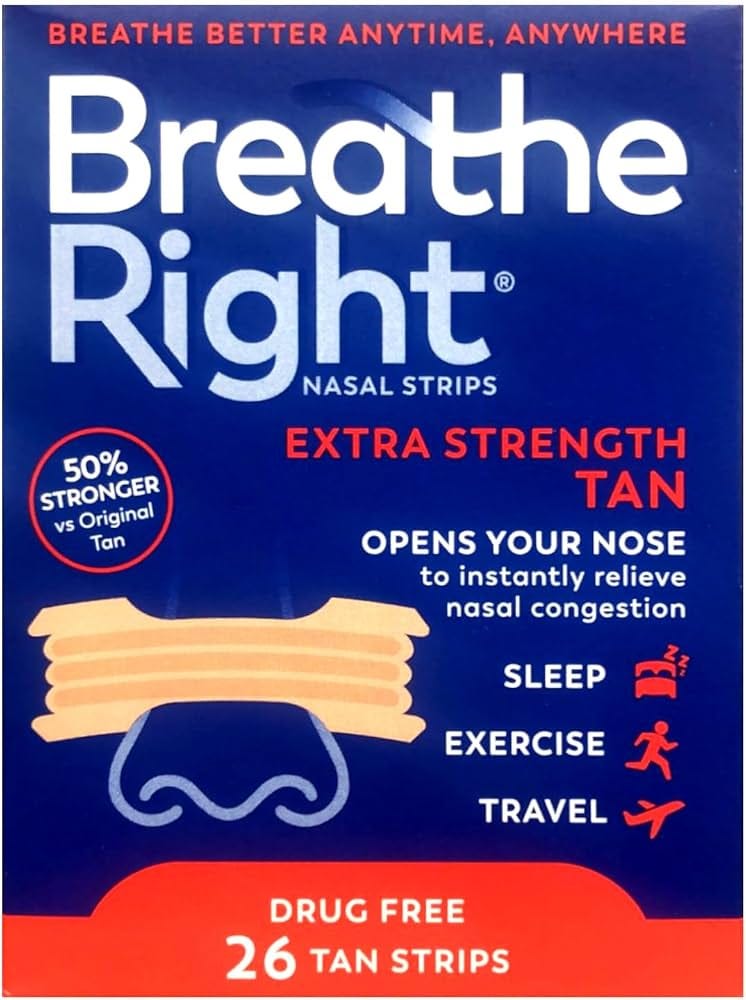
Prestige Consumer Healthcare completed its acquisition of Breathe Right and several other brands for just over $1 billion. The portfolio generates $200M in revenue and $95M in EBITDA annually. Breathe Right, created in the 1990s, is a leader in nasal strips and has grown by over 60% year over year since 2022.
A nasal strip. A billion dollars. Ninety-five million in EBITDA. That’s a 47.5% EBITDA margin — even higher than Miss Mouth’s 35% margin that earned a $325M check from Church & Dwight last week. The roughly 5x revenue and 10.5x EBITDA multiples reflect the premium for a dominant brand in a niche category with exceptional margins and accelerating growth.
Breathe Right growing 60%+ year-over-year since 2022 is a data point that deserves attention. A decades-old nasal strip brand is growing faster than most venture-backed startups. Why? The sleep wellness movement. The consumer obsession with sleep quality, breathing optimization, and recovery. Mouth-taping became a TikTok trend. Sleep trackers became mainstream. And suddenly, the nasal strip that your dad used in 1997 is the hottest product in the sleep aisle.
Two consecutive weeks. Two boring-problem acquisitions. Miss Mouth’s at $325M for stain removal. Breathe Right at $1B+ for nasal strips. Combined: over $1.3 billion for products that remove stains and help you breathe at night. The exits don’t come from the categories that trend on social media. They come from categories where consumers buy the product every week without thinking.
L’Oréal Acquires Majority Stake in Innovist — Betting on India
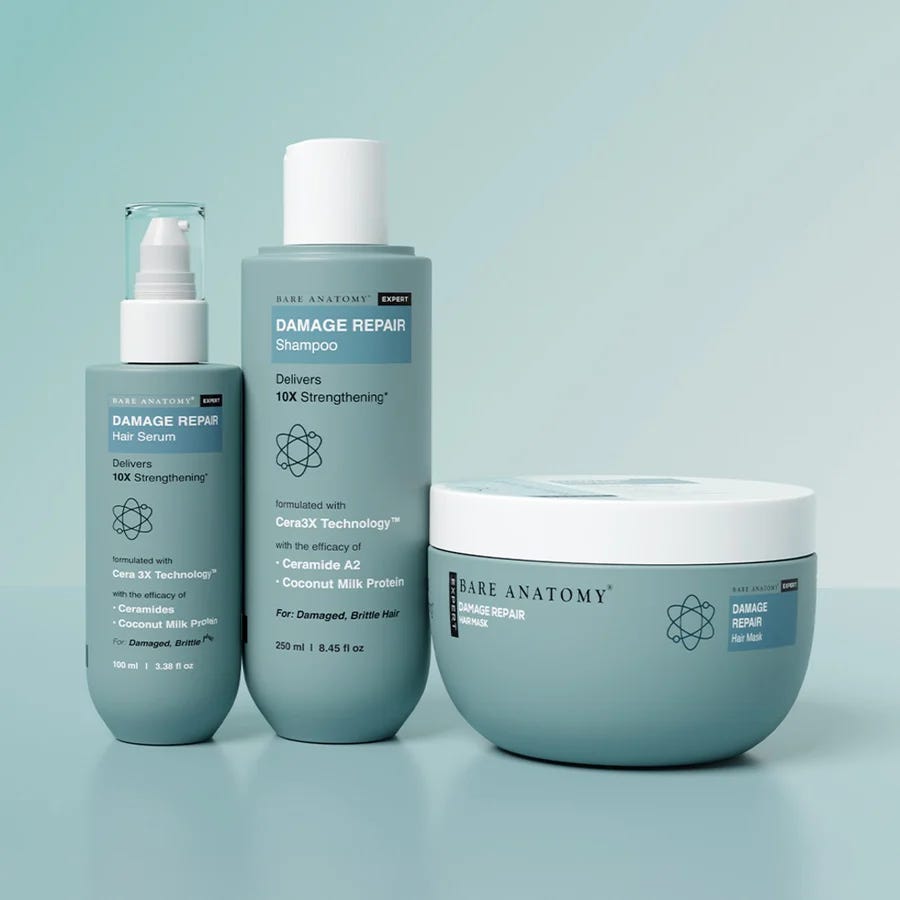
L’Oréal acquired a majority stake in Innovist, a fast-growing Indian beauty and personal care company. Founded in 2019 by Rohit Chawla, Sifat Khurana, and Vimal Bhola. Innovist owns Bare Anatomy, Chemist at Play, and SunScoop. The founding team remains as minority shareholders.
The world’s largest beauty company is making its move in the world’s largest young population. India’s beauty and personal care market is expected to be one of the fastest-growing globally over the next decade. L’Oréal’s acquisition of a portfolio of Indian-born brands, rather than exporting its own, signals a strategy of authenticity — meeting the Indian consumer where she is rather than imposing Western beauty standards.
Innovist’s portfolio is smart: Bare Anatomy for personalized haircare, Chemist at Play for active-ingredient skincare, SunScoop for sun protection. Three brands addressing three daily routines. The founding team staying on as minority shareholders ensures continuity. Unilever already sold Anomaly (Priyanka Chopra Jonas) to Reliance Retail, India’s largest retailer. Now L’Oréal is buying directly. The battle for India’s beauty consumer is accelerating.
JAB Exits Keurig Dr Pepper — End of an Era
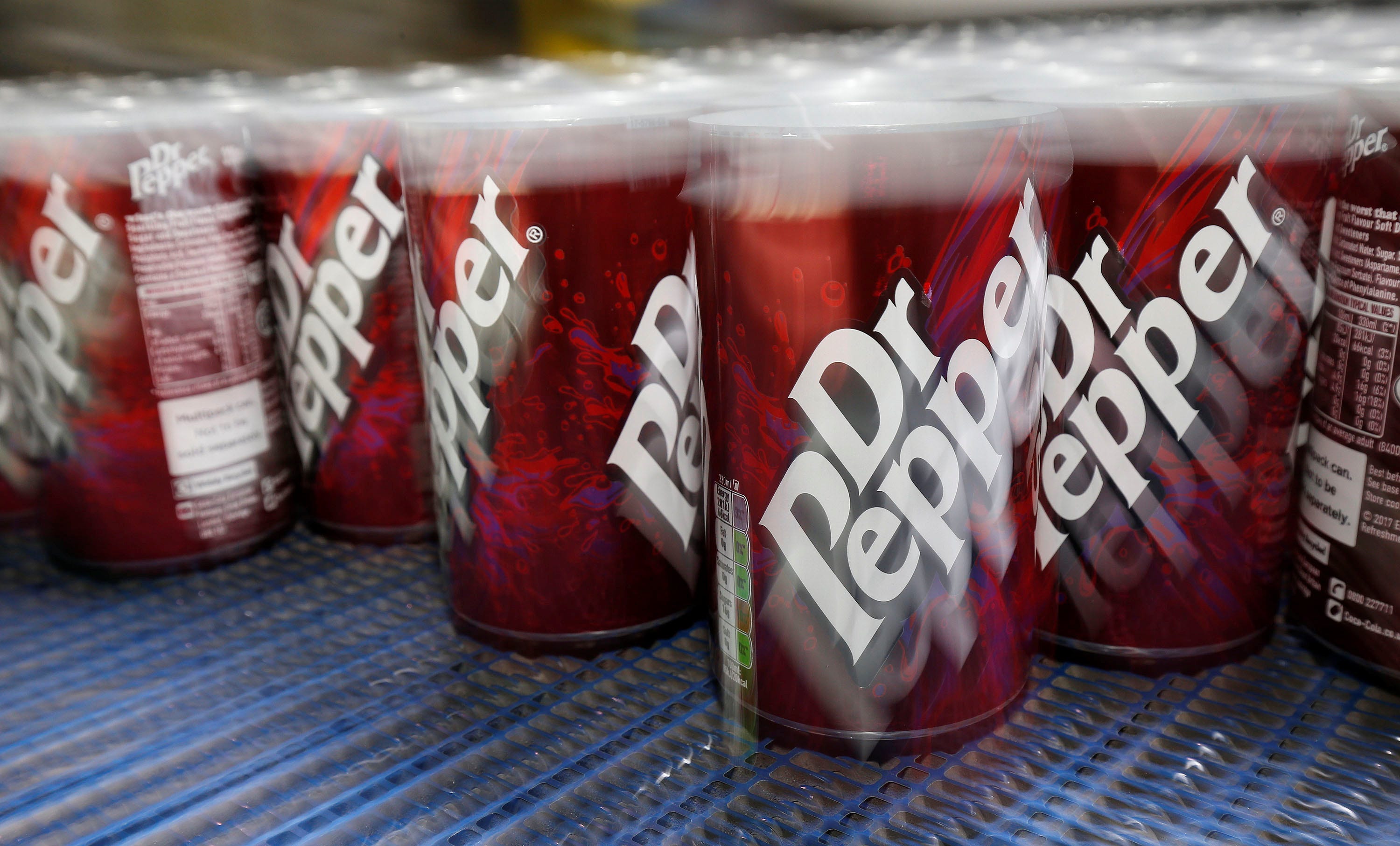
JAB sold its remaining 4.3% stake in Keurig Dr. Pepper through a block trade of 59 million shares. JAB has been divesting its KDP position over several years.
The European investment firm that assembled the Keurig-Dr Pepper mega merger is now fully out. JAB’s involvement in KDP was one of the most significant beverage M&A stories of the last decade — combining Keurig’s single-serve coffee dominance with Dr. Pepper’s iconic soda portfolio. The full exit signals JAB sees more attractive capital allocation opportunities elsewhere. For KDP, a cleaner shareholder base with no large strategic overhang. The stock can now trade purely on operating fundamentals.
Cedar Crest Acquired by Hoffmann Family of Companies
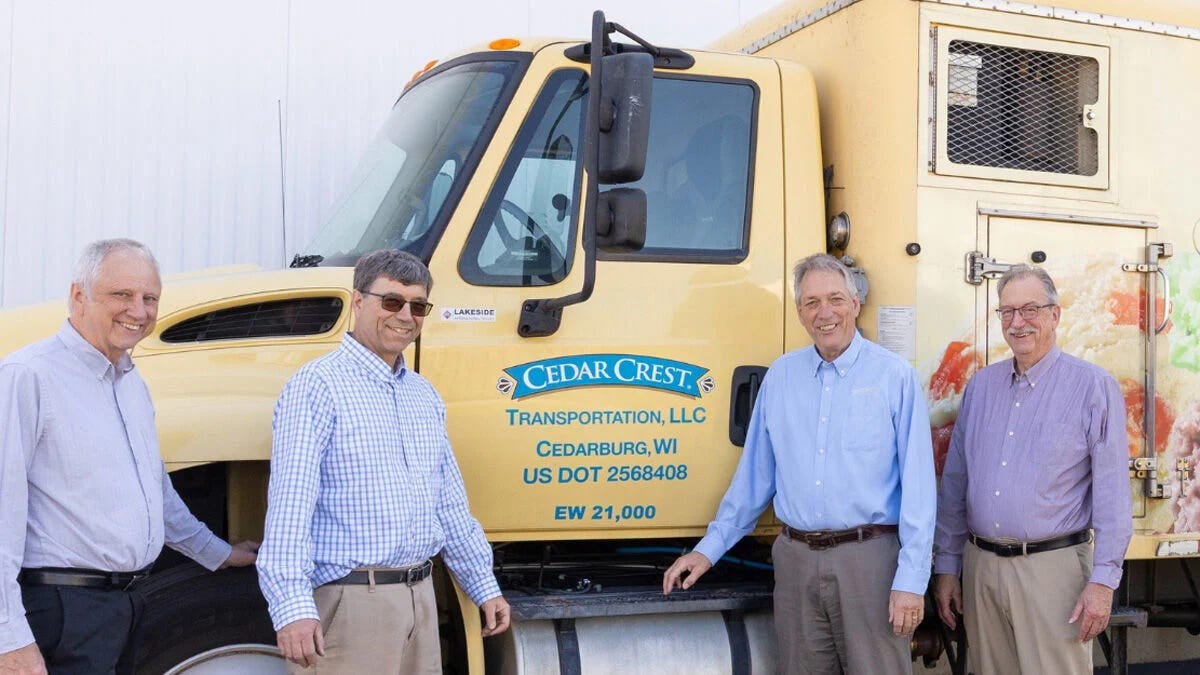
Wisconsin-based ice cream manufacturer Cedar Crest, founded in 1976 in Cedarburg, was acquired by the family-owned PE firm that also owns Oberweis Dairy. Cedar Crest produces ice cream, sherbets, sorbets, and custards.
The ice cream M&A cycle continues. Salt & Straw exploring $200M. Blackstone circling the Unilever spinoff at €8B+. David is selling protein ice cream for $90. And now Cedar Crest is going to a family-owned dairy PE firm. Hoffmann's addition of Cedar Crest to the Oberweis portfolio creates a Midwest dairy and frozen dessert platform with manufacturing infrastructure.
Dropout Companies Hires LesserEvil’s Andrew Strife as CEO
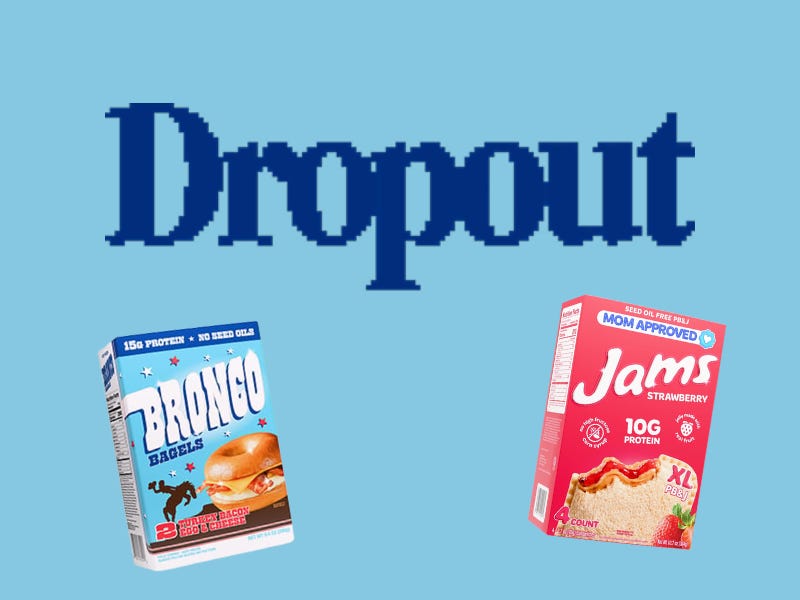
Dropout Companies, parent of Jams and Bronco, added Andrew Strife as CEO. Strife helped scale LesserEvil Snacks as COO and CFO until its $750M acquisition by Hershey last April. He’ll lead the next phase of growth as Jams and Bronco challenge Uncrustables and Jimmy Dean.
The operator upgrade cycle continues. Strife took LesserEvil from emerging brand to $750M Hershey acquisition. Now he’s applying that exact playbook to Jams — the brand that beat Uncrustables at Target, landed the NFLPA, and has JJ Watt and Caleb Williams on the cap table. Bringing a $750M exit operator into the CEO chair of the brand outselling Smucker’s icon is a statement of intent. Dropout isn’t building a snack brand. It’s building for a Hershey-level outcome.
Good Culture Opens Dedicated Production Facility
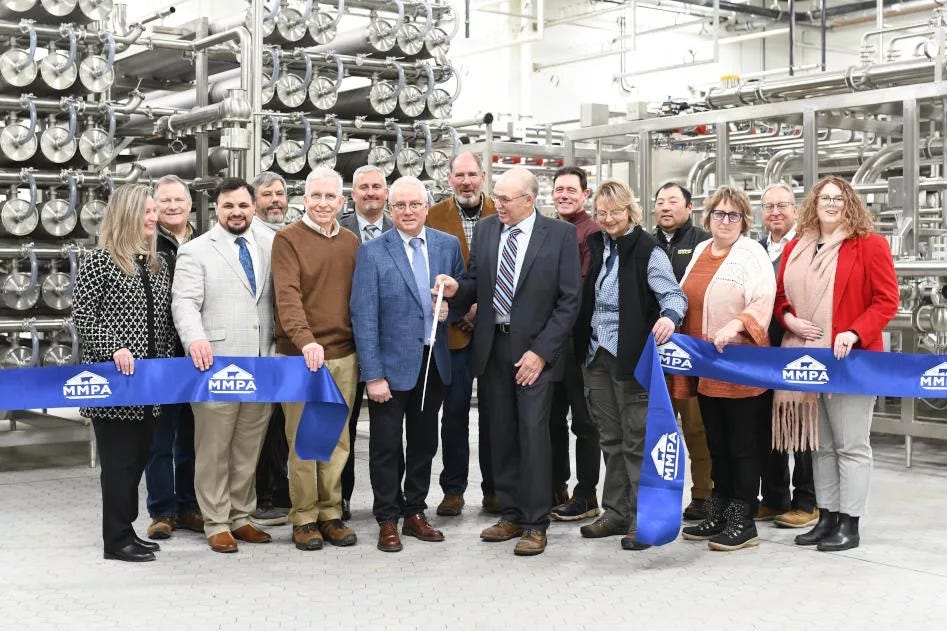
Good Culture partnered with Michigan Milk Producers Association (MMPA) to invest in a dedicated production facility in Remus, Michigan. MMPA is farmer-owned and the 9th largest dairy cooperative in the U.S. Good Culture nearly quadrupled sales over the past three years and helped drive almost 60% growth in the cottage cheese category. L Catterton acquired a majority stake at a valuation north of $500M in January.
The cottage cheese category winner is building manufacturing infrastructure to match demand. Nearly quadrupling sales while driving 60% category growth — Good Culture isn’t riding the cottage cheese trend, it IS the cottage cheese trend. L Catterton is paying $500M+ and the brand is now investing in dedicated production, signaling that growth isn’t slowing. When your demand outpaces your manufacturing capacity, building a dedicated facility with the 9th largest dairy cooperative in America is the move. The MMPA partnership gives Good Culture a farmer-direct supply chain, quality control, and the capacity to keep scaling without co-packer constraints.
💰 THE FUNDING FRENZY
Big checks being written
Anti Fund — $100M Debut Growth Fund
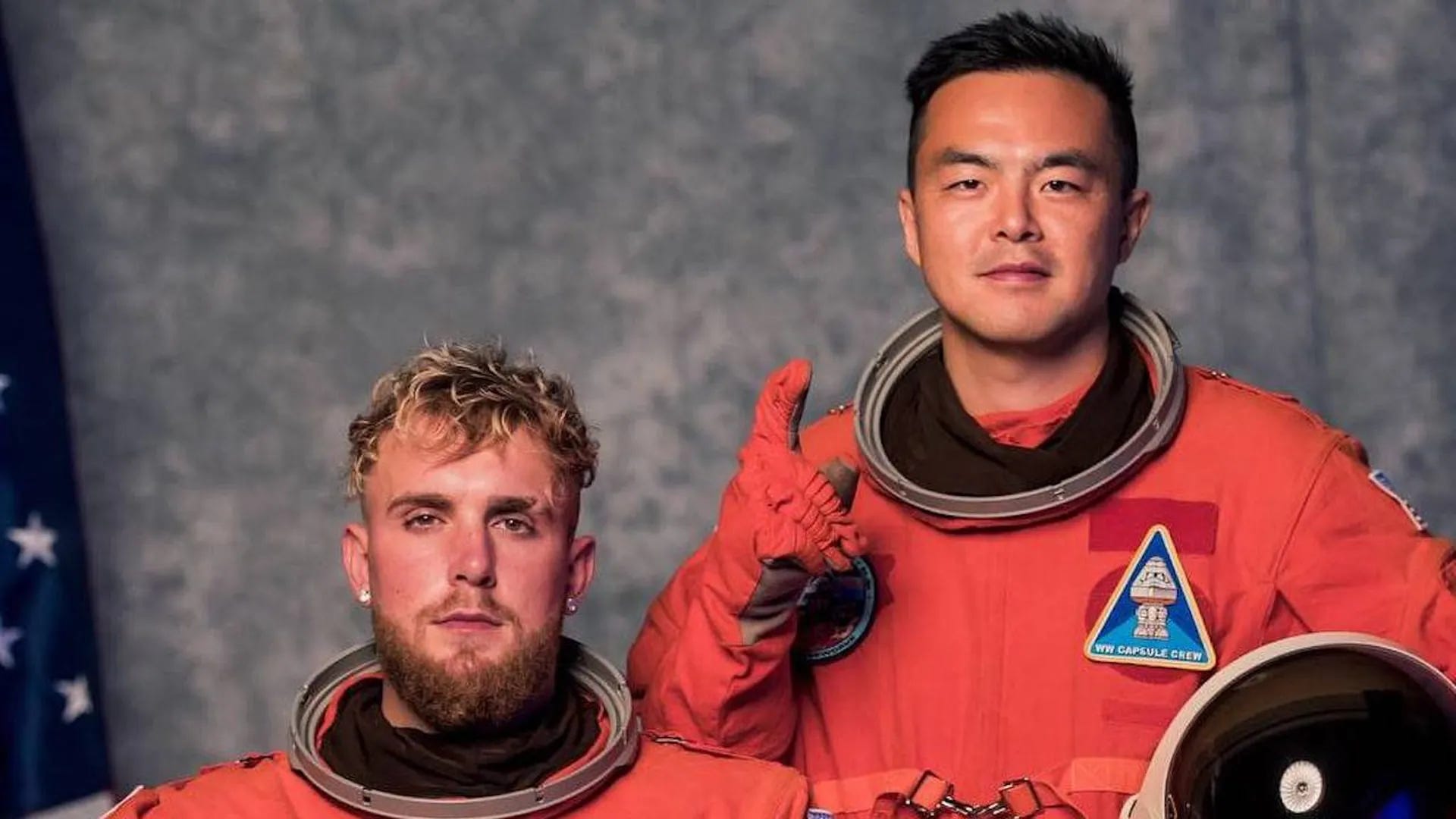
Anti Fund raised $100M for its debut growth fund, co-founded by Jake Paul and Geoffrey Woo. Primarily invests in tech but has backed consumer brands including OLIPOP, Happy Dad, Ketone-IQ, Khloud, SipMargs, Sesh, and others.
Jake Paul and Geoffrey Woo (former Hvmn CEO / Ketone-IQ founder) assembling $100M signals where creator capital is heading. The consumer portfolio reads like a curated CPG index fund: OLIPOP (walking away from Coca-Cola, raising $200M), Happy Dad (Nelk Boys’ hard seltzer), Ketone-IQ (now in 9,200 doors), Khloud (29,000 doors with the Poppi president). Anti Fund’s thesis — backing brands with built-in audiences and distribution velocity — bridges the gap between creator economy and institutional investing. $100M in a debut fund is significant. The consumer brands in the portfolio are performing.
Glossier — $45M Line of Credit from Tiger Finance
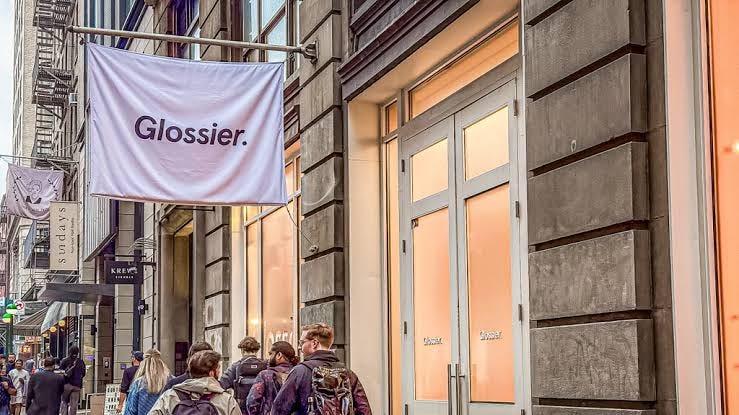
Glossier secured $45M in flexible debt from Tiger Finance. Colin Walsh, former OUAI CEO, took the helm as Glossier’s CEO in October 2025.
Debt, not equity. That’s the signal. Glossier isn’t raising a dilutive round — it’s accessing growth capital through debt, which means the business generates enough predictable revenue to service it. Colin Walsh running the company after building OUAI (sold to P&G) brings operator credibility to a brand that’s been through multiple leadership transitions. $45M in debt to fund growth under a CEO who already sold a beauty brand to P&G. The exit playbook is familiar.
Snackish — Tara Bosch Returns at Target
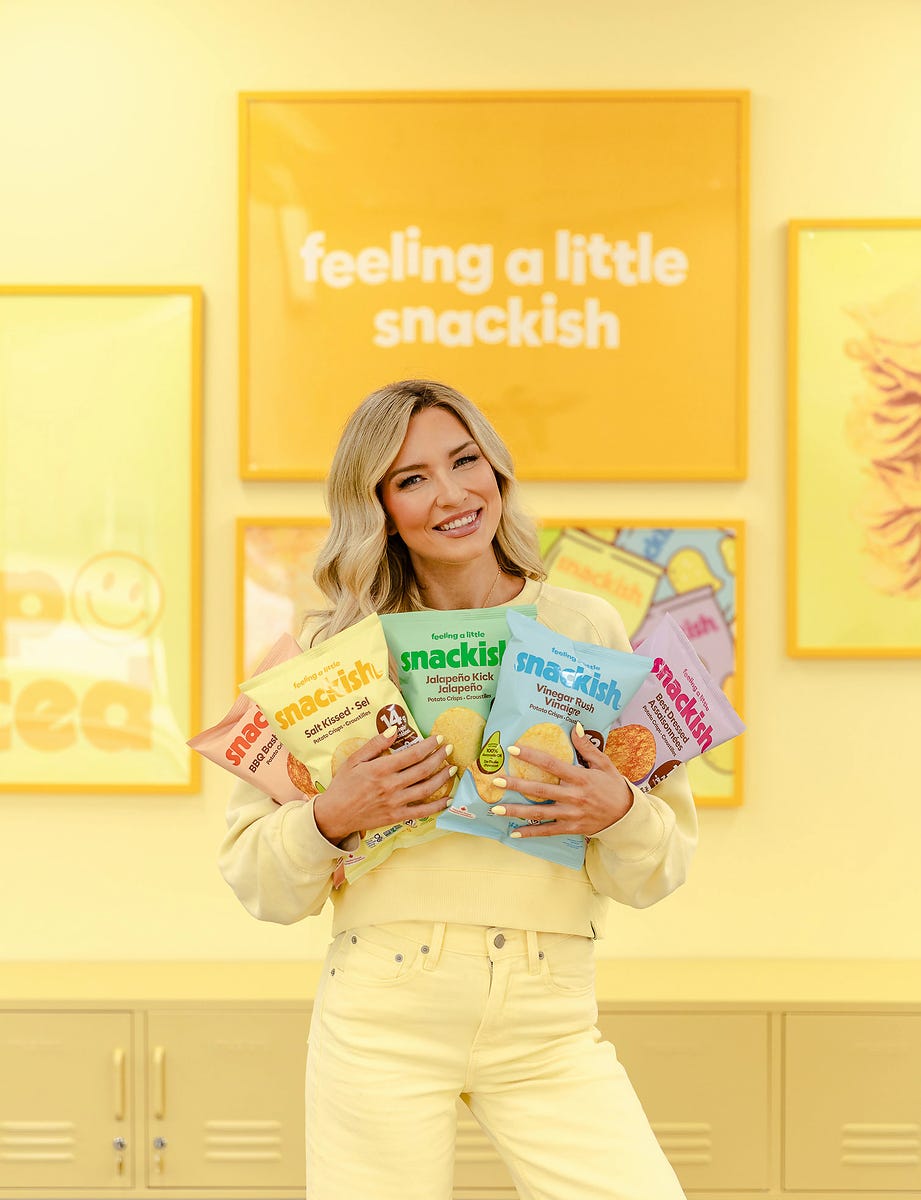
Tara Bosch, who sold SmartSweets for $360M, is
back with Snackish — protein-and-fiber chips launching at Target. The brand owns a 65,000-square-foot manufacturing facility.
A serial founder with a $360M exit returning with owned manufacturing from day one. Bosch learned from SmartSweets that co-packing at scale creates margin and quality constraints. Snackish owning its factory immediately gives it the vertical integration most brands spend years building toward. Target, as the launch retailer, signals the retail relationships from SmartSweets carried over. When a founder with a nine-figure exit returns with owned manufacturing and Target distribution on day one, the velocity curve starts from a different place entirely.
Gleezy — $2M Seed from Old Tom Capital
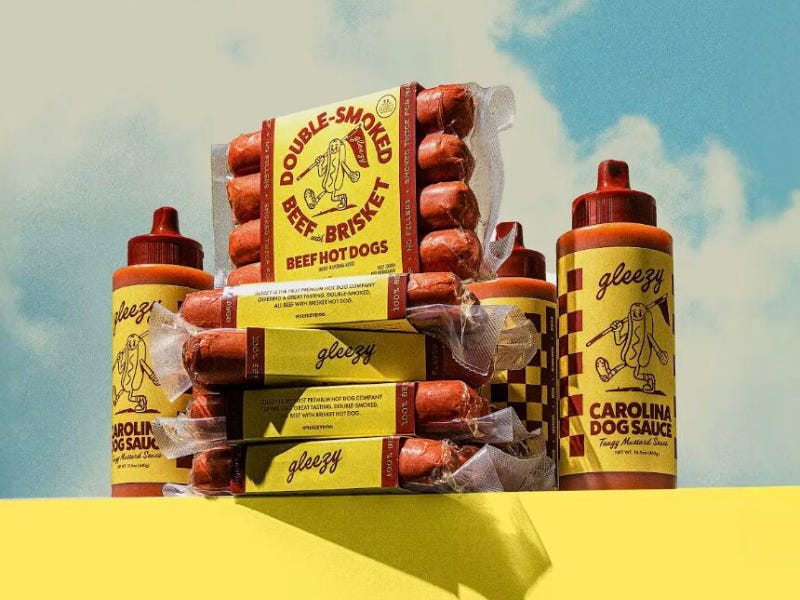
North Carolina-based premium hot dog brand closed $2M. Founded by Bryce Rech three years ago. Double-smoked beef brisket hot dogs at Target, Harris Teeter, Food City, and foodservice. Old Tom Capital led.
Premium hot dogs at Target. The premiumization thesis applied to one of the most commodity products in the grocery store. Gleezy’s double-smoked beef brisket positioning does for hot dogs what Chomps did for meat sticks, and Applegate did for deli meat — takes a product consumers buy by default and gives them a reason to trade up.
Mitsoh — 7-Figure Growth Equity from Raven Indigenous Capital PartnersA
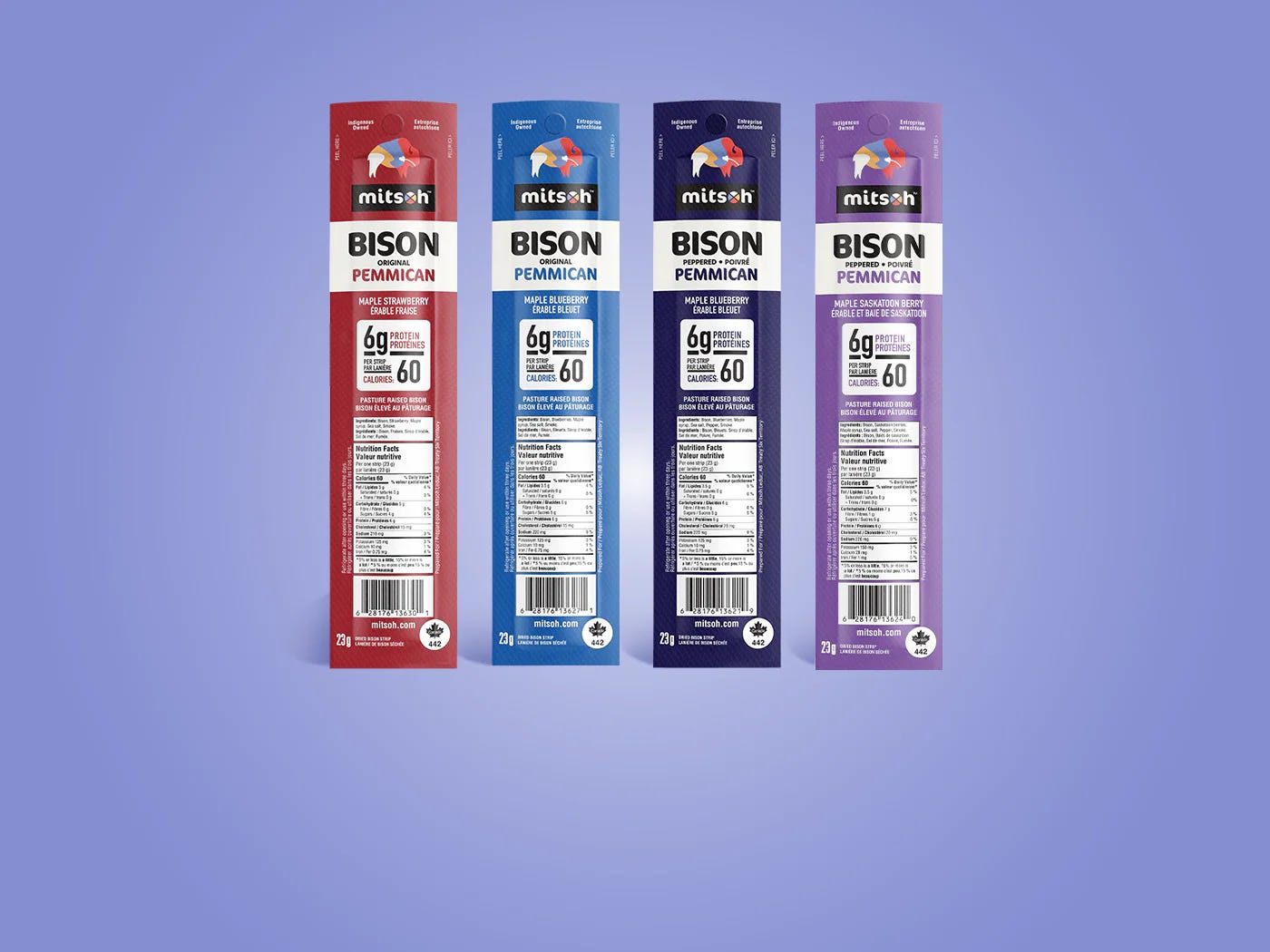
Canadian dried meat snack and traditional pemmican brand closed a 7-figure round led by Raven Indigenous Capital Partners. Founded by Cree entrepreneur Ian Gladue roughly a decade ago. Angels include Mike Fata, Dror Balshine, and Josh Morrissey.
Indigenous-founded, Indigenous-funded. Raven Indigenous Capital Partners' leadership is significant — purpose-aligned capital backing a founder who’s been building for a decade. Pemmican is one of the original high-protein, shelf-stable snack formats. Mitsoh is modernizing traditional Indigenous foods for the contemporary protein-snacking consumer.
Folc — £900K Crowdfunded on Republic
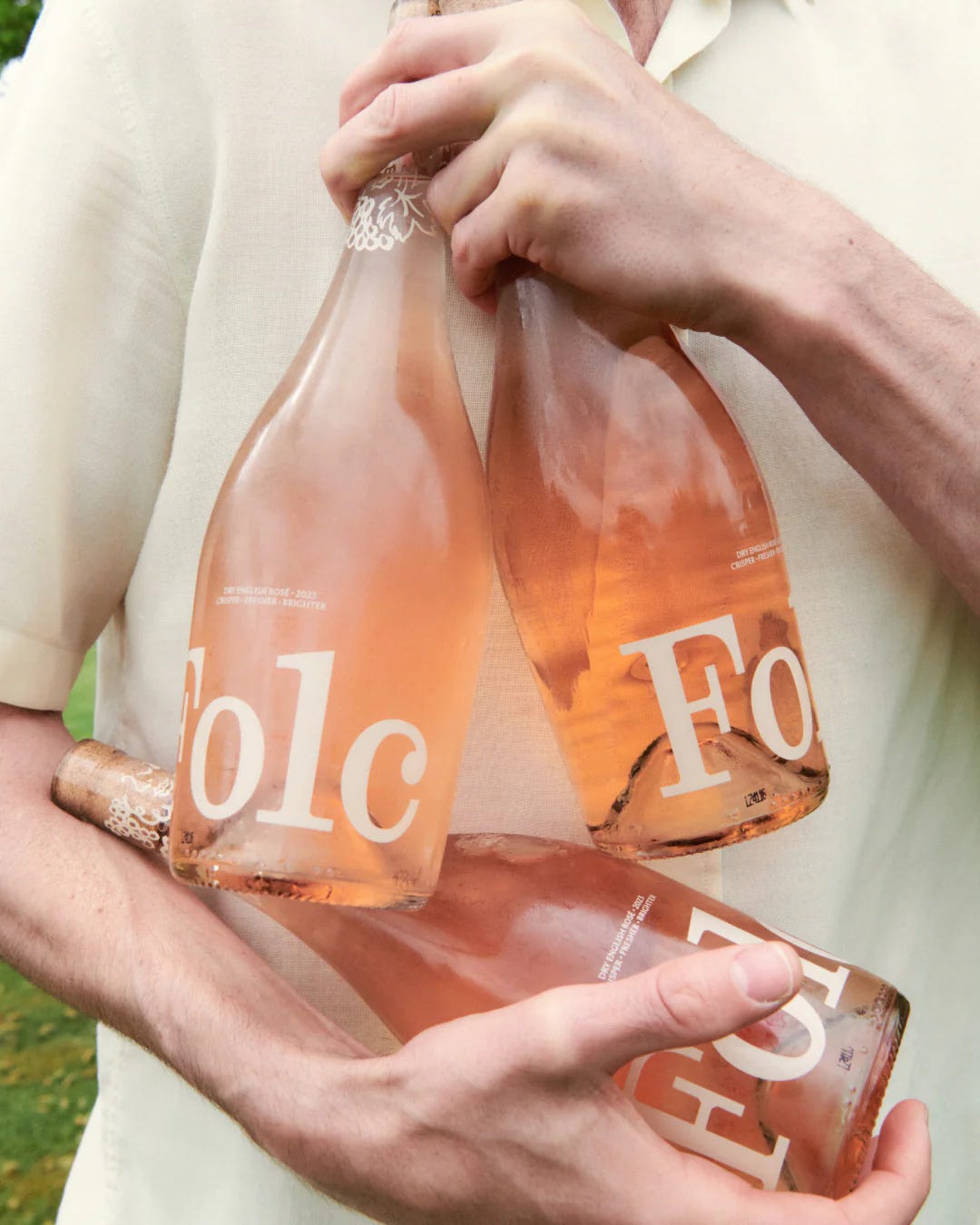
English rosé brand raised nearly £900K from 110 investors on Republic. Founded by Tom Cannon in 2019. Available at Fortnum & Mason, Michelin-starred restaurants, and hospitality groups.
Crowdfunding a rosé brand through Republic. 110 investors, with an average of roughly £8K per investor, suggest a consumer community willing to put money behind the brand they drink. Fortnum & Mason and Michelin-starred placements position Folc as an ultra-premium English wine.
Neutonic — Extends $6M Round with Second Sight Ventures
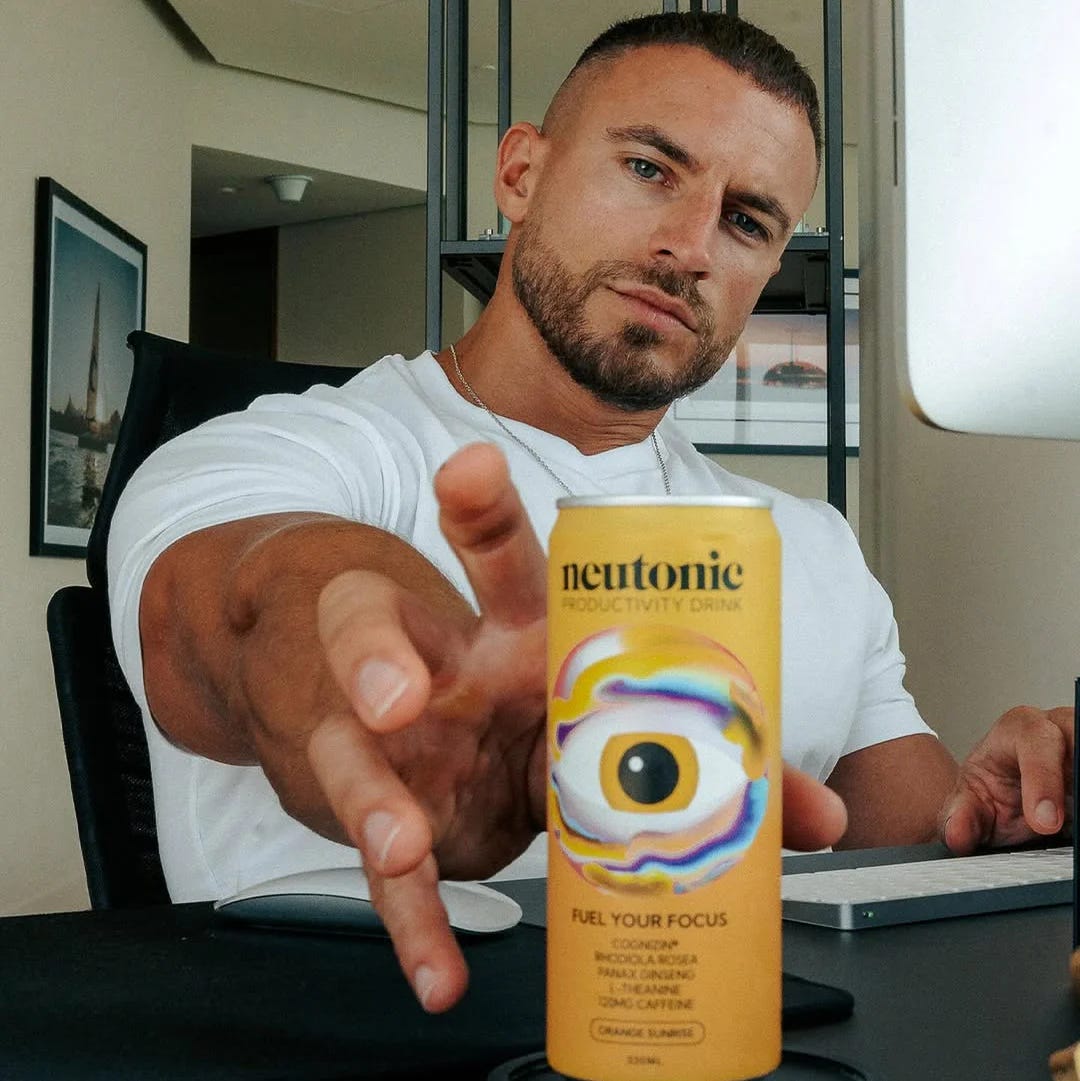
Neutonic extended its round and added Second Sight Ventures, which previously backed Poppi, Lemme, Willie’s Remedy+, and Tally Health.
Second Sight’s portfolio — Poppi ($2B exit), Lemme (Kardashian wellness scaling at Target), and now Neutonic — gives the productivity beverage brand access to a network that’s produced some of the most significant consumer exits of the decade. At a $60M valuation and a $25M revenue trajectory, Neutonic continues to add strategic investors.
🆕 PRODUCT LAUNCHES & INNOVATION
This week’s innovation circus
Snack Buddies from the Yasso Founders
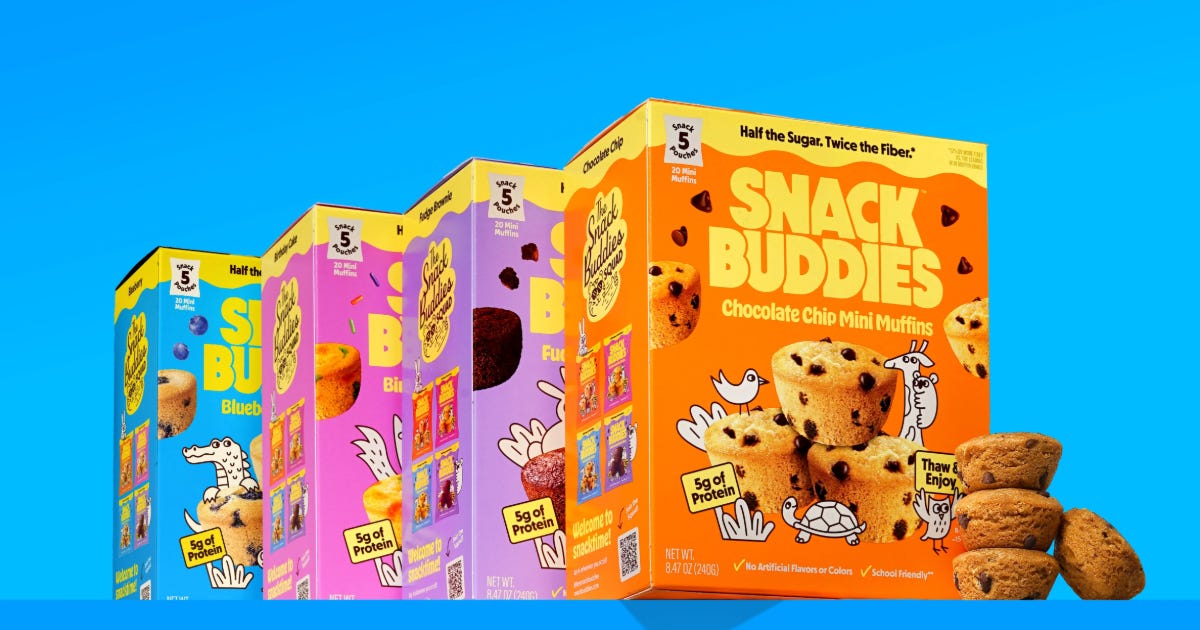
Amanda Klane and Drew Harrington, co-founders of Yasso (acquired by Unilever in 2023 at a $300M revenue pace), launched Snack Buddies. Mini muffins with 5g protein, sneaky veggies, half the sugar, and twice the fiber. Four flavors with excellent branding.
The Yasso founders are back. They built a frozen yogurt brand to $300M pace and sold to Unilever. Now they’re applying the same playbook to kids’ snacking: take a format kids already love (mini muffins), make it meaningfully better nutritionally (protein, veggies, fiber), and don’t sacrifice the taste. The “sneaky veggies” positioning solves the hardest problem in kids’ nutrition — getting kids to eat vegetables without them knowing. Serial founders with billion-dollar acquirer relationships returning to kids’ snacking is a strong signal about where the next big exits are.
e.l.f. Moves Into Haircare Under $10
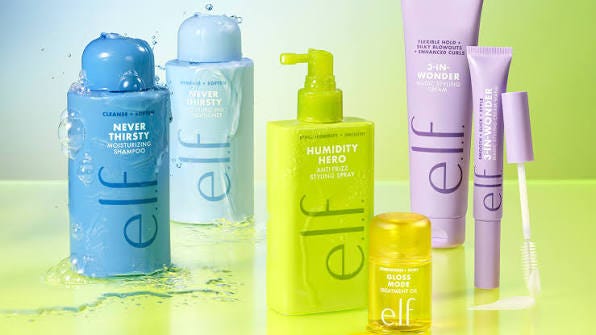
e.l.f. Beauty launched six haircare SKUs priced under $10. Shampoo, conditioner, treatment oil, styling spray, and two more. Available on TikTok Shop now, Target online next week.
e.l.f. applying its under-$10 mass beauty playbook to haircare. TikTok Shop first, Target next — the channel strategy prioritizes the digital-native consumer before mass retail. After acquiring Rhode (Hailey Bieber) and Naturium (Susan Yara’s $350M+ exit), e.l.f. now owns prestige skincare and mass beauty. Haircare under $10 extends the namesake brand into an adjacent category where the same value-conscious consumer shops.
Campbell’s x Banza Gluten-Free Soup
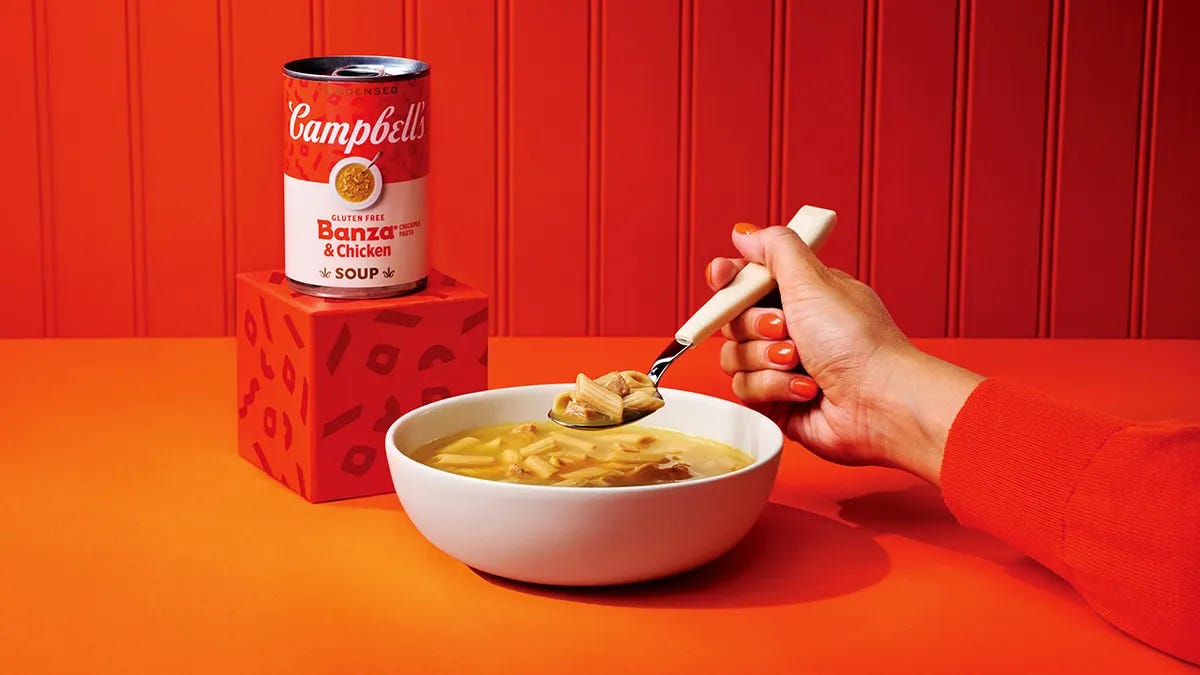
Campbell’s partnered with Banza on a co-branded gluten-free condensed soup — Chicken Noodle Soup with Banza’s chickpea penne. Available on Amazon, heading to retail.
A 155-year-old soup brand is collaborating with a gluten-free pasta startup. Campbell’s gets gluten-free credibility it can’t build organically. Banza gets Campbell’s distribution infrastructure and brand trust. The co-branded format is smart — neither brand could make this product as effectively on its own.
SPYLT Brand Refresh
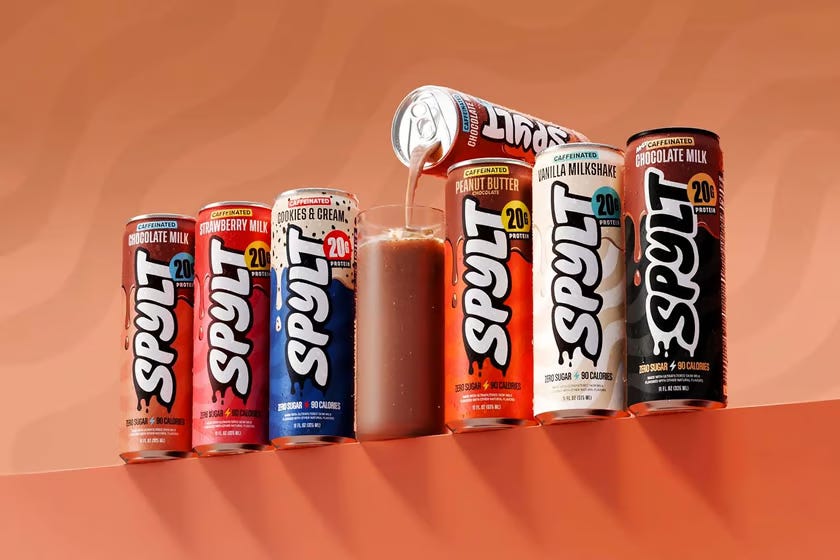
SPYLT, the caffeinated chocolate milk brand co-founded by Josh Mendenhall and BUILT Bar founder Nick Greer, unveiled a bold new look. Vertical logo, clearer callouts, flavor-forward color system. Available at Albertsons, H-E-B, Kroger, Target, Circle K, and others.
The refresh is designed for the retail cooler, not the pitch deck. Nostalgia-forward packaging that will pop on the shelf. When your brand is already in Albertsons, Kroger, Target, and convenience, the packaging refresh is about converting the shopper walking past the cooler — not the investor reading the deck.
More Launches Worth Watching
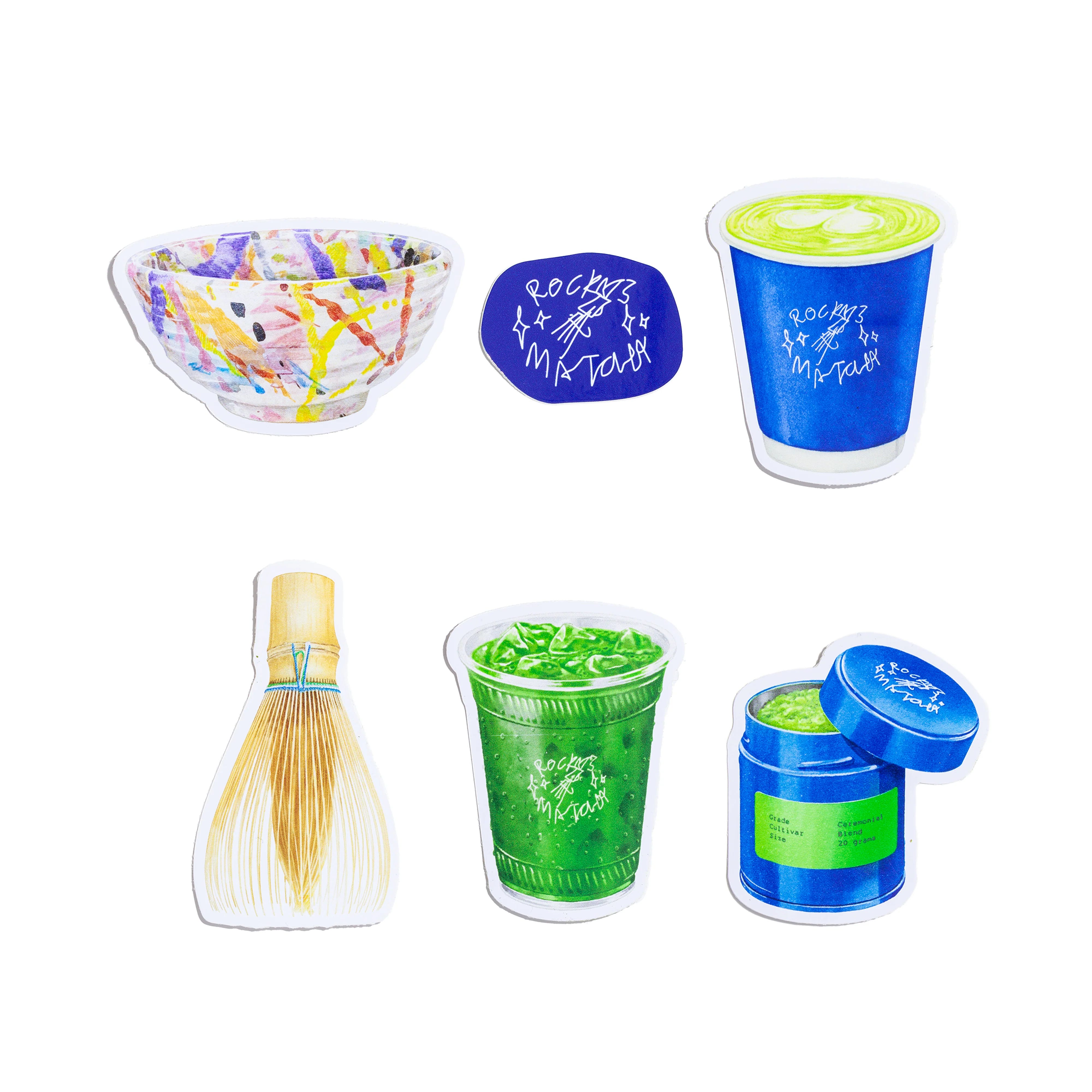
Rocky’s Matcha single-serve sachets are launching online and at select retailers. Beautifully packaged ceremonial-grade matcha for on-the-go.
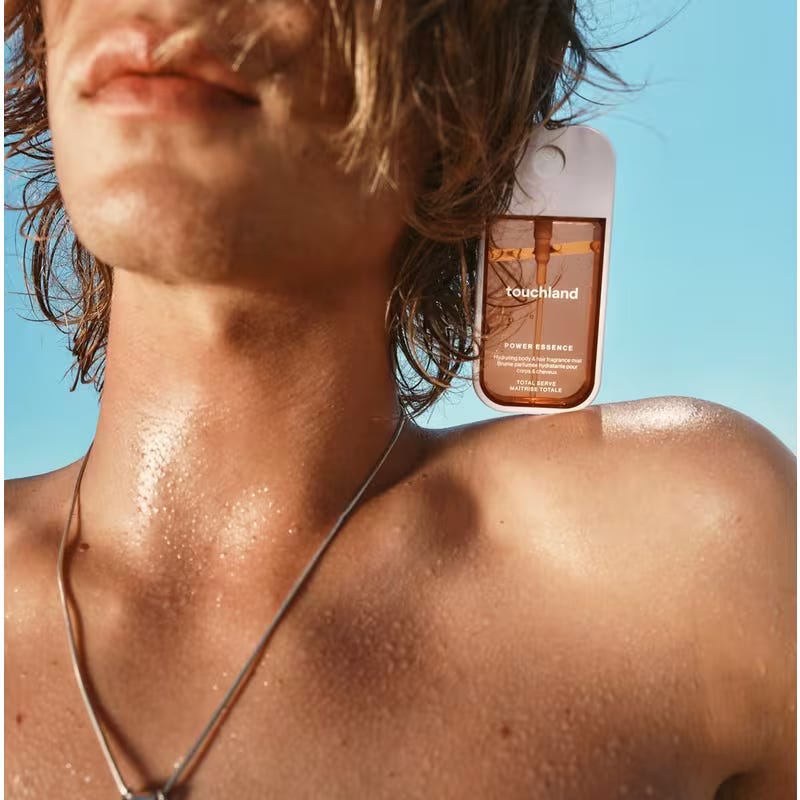
Touchland Performance Body Spray — hydrating hair and body mist, reformulated for longer-lasting odor elimination. The hand sanitizer brand that Church & Dwight acquired keeps expanding formats.
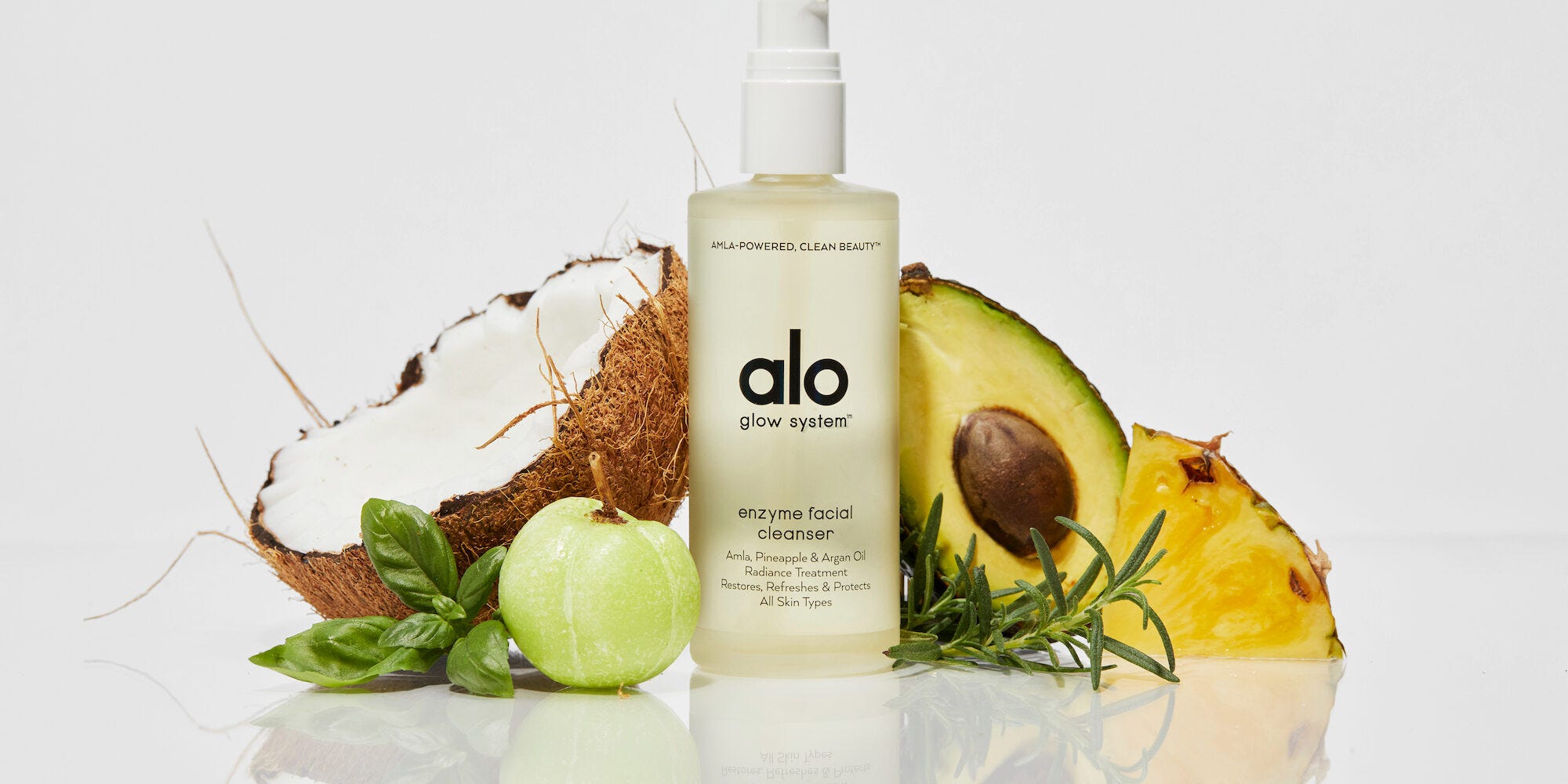
Alo is expanding into skincare — Hypochlorous Clarity Mist ($16) and BIO NAD+ Recovery Eye Masks ($55 launching July 9th). The yoga apparel brand going deeper into beauty.
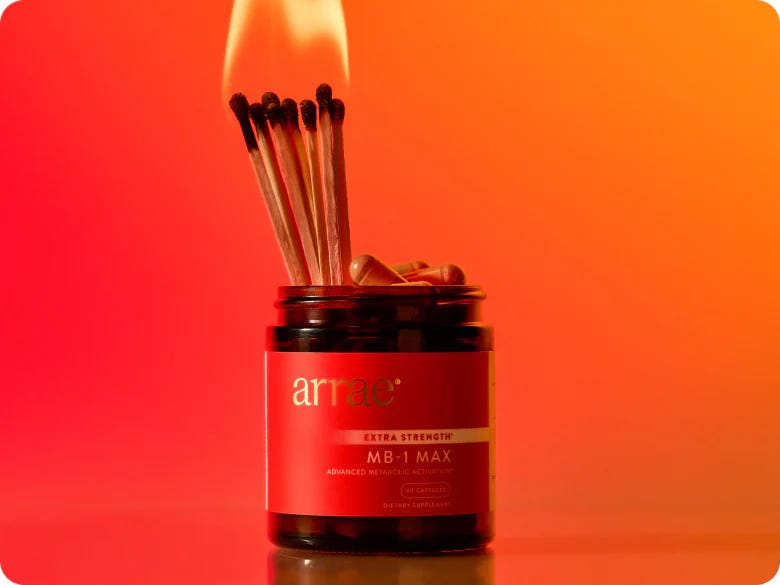
Arrae launched MB-1 Max — an advanced metabolic support supplement. The brand, backed by Vanterra Ventures and Selva Ventures, keeps expanding its supplement range.
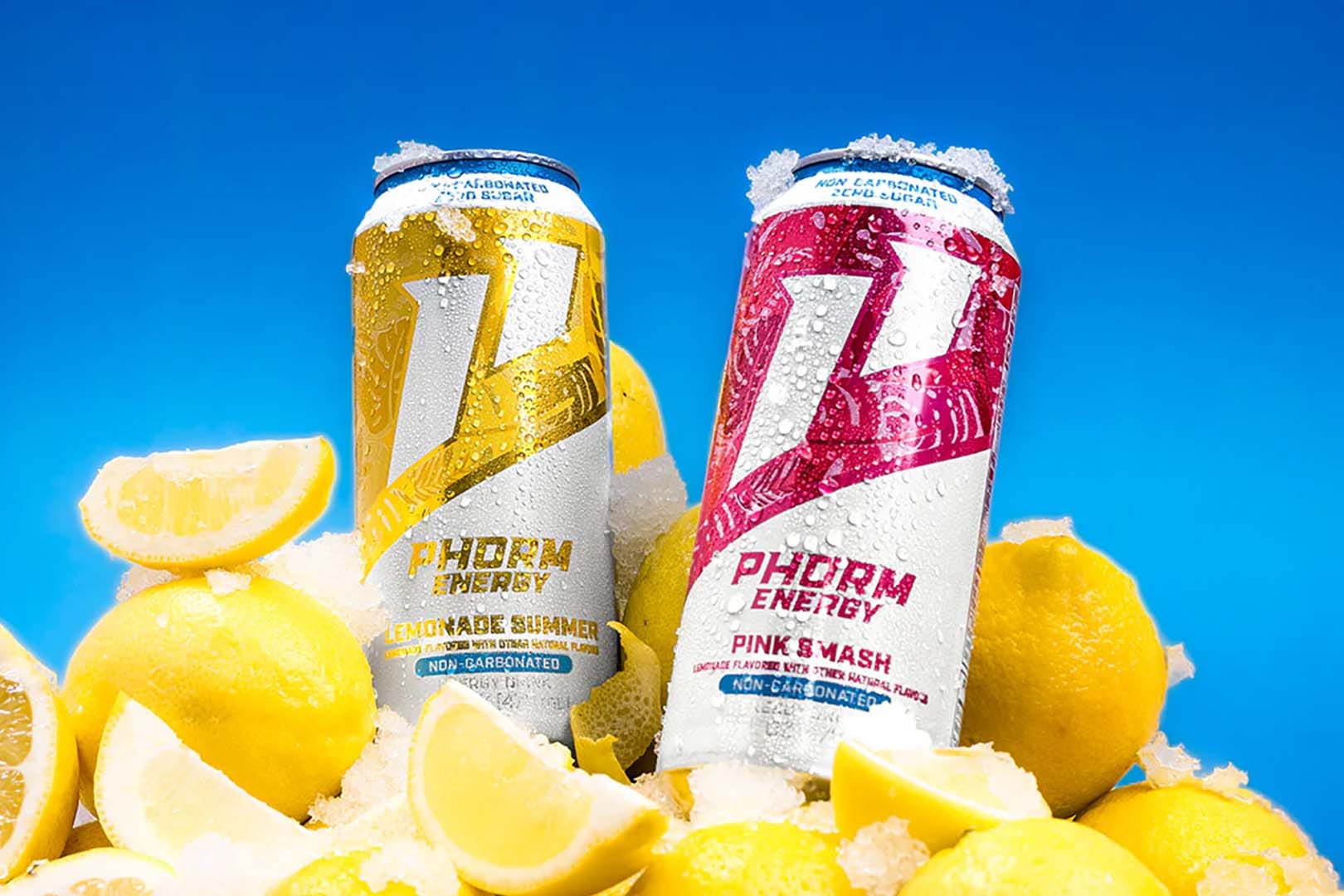
Phorm Energy two non-carbonated flavors — Lemonade Summer and Pink Smash. The non-carbonated energy drink trend we flagged last July continues to build.
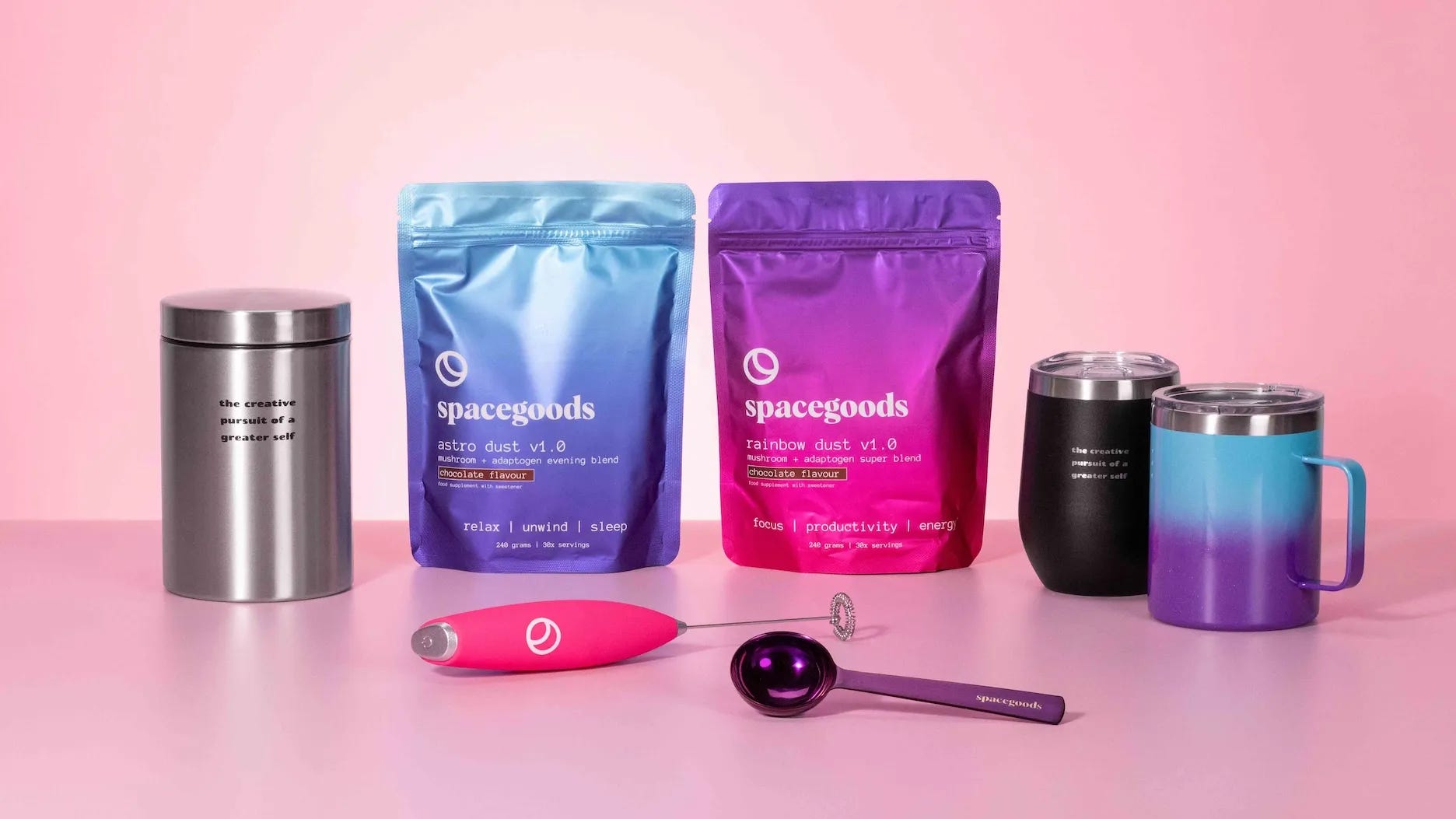
Spacegoods launched an RTD mushroom coffee — Oat Mushroom Latte with 1,500mg adaptogens. UK functional mushroom supplements entering the ready-to-drink format.
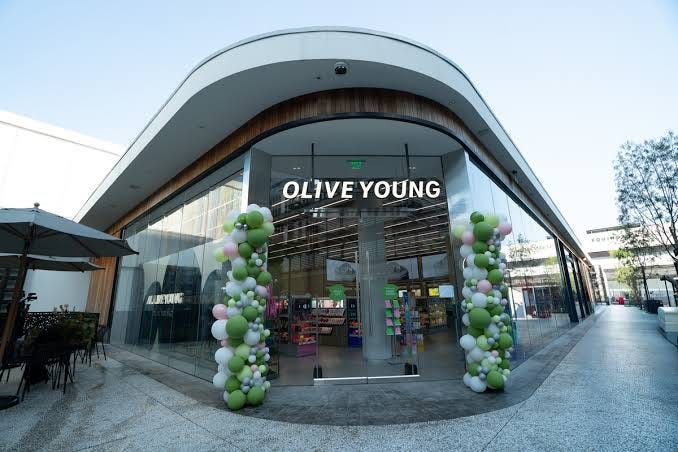
Olive Young opened its second U.S. store at Westfield Century City in LA. The Korean beauty retailer bringing 2,700 square feet of K-beauty discovery to the West Coast after its Pasadena debut last month.
Amouage is expanding its U.S. retail presence with an LA outpost.
📊 THE DATA DIGEST
Numbers that matter
Breathe Right: $200M Revenue, $95M EBITDA, $1B+ Exit
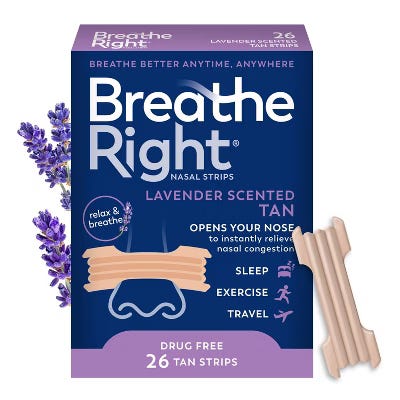
47.5% EBITDA margin. 60%+ growth year-over-year since 2022. Acquired for roughly 5x revenue and 10.5x EBITDA. The sleep wellness movement turned a 1990s nasal strip into the hottest OTC brand in America.
Garage Beer: #3 Growth Brand, Dollar Sales Up 61%
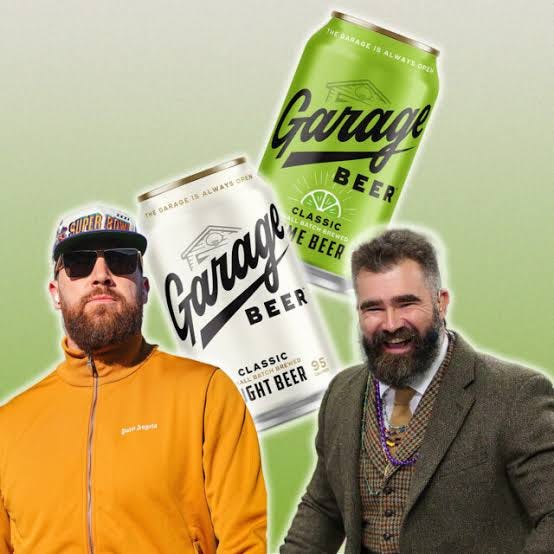
Travis Kelce-backed light beer is the #3 growth brand in NIQ scans over the past three weeks, trailing only Pacifico and Michelob Ultra. Dollar sales up over 61%. The celebrity beer brand that’s actually working — because it’s a light beer that competes on taste, not just the name on the can.
Garrison Brothers: Q1 Retail Sales Up 32%
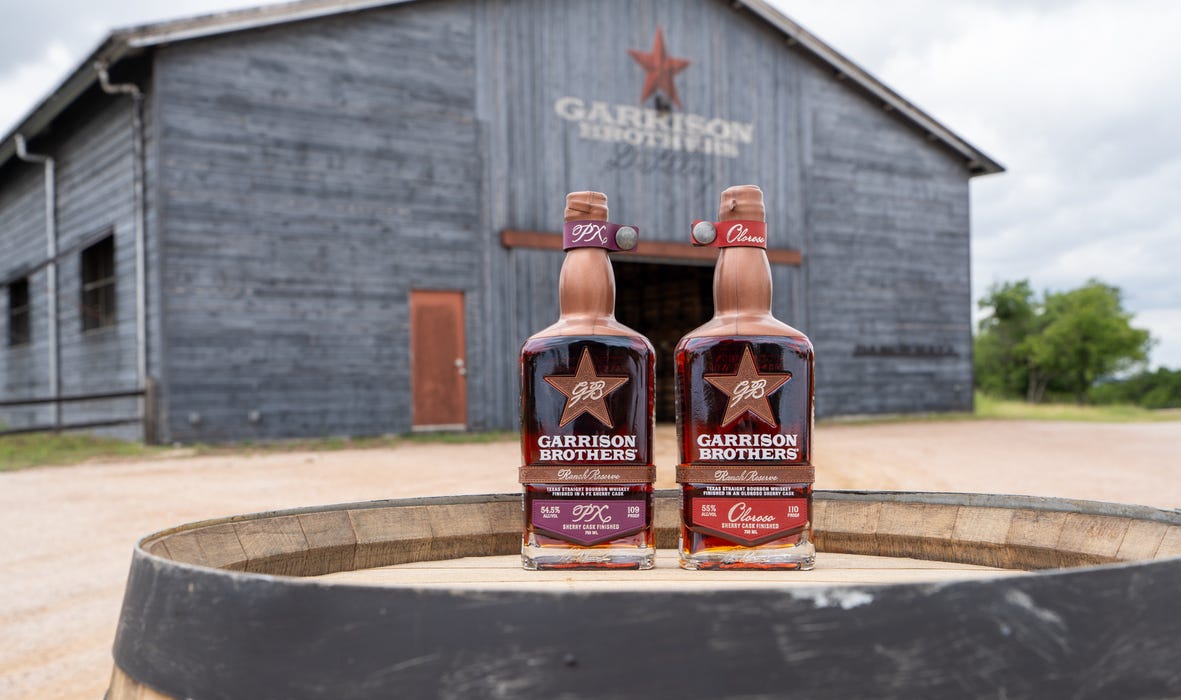
Texas craft whiskey delivered 32% increase in retail dollar sales and 21% volume growth in Q1. Texas retail dollar sales jumped 47%. Regional craft spirits growing faster than most national brands.
Ketone-IQ: 9,200 Doors, Up 53% Since January
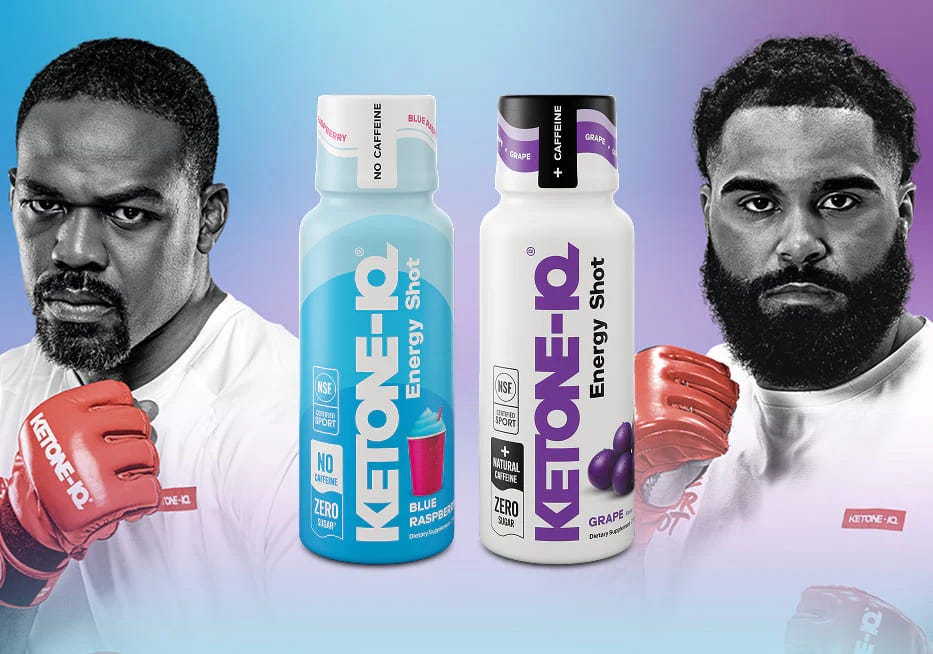
The functional energy brand is now in 9,200 doors across the U.S. — a 53% increase since the beginning of the year. Expanding across conventional, natural, club (Costco), and convenience (Casey’s). The distribution velocity keeps compounding.
ALOHA: On Pace for $200M
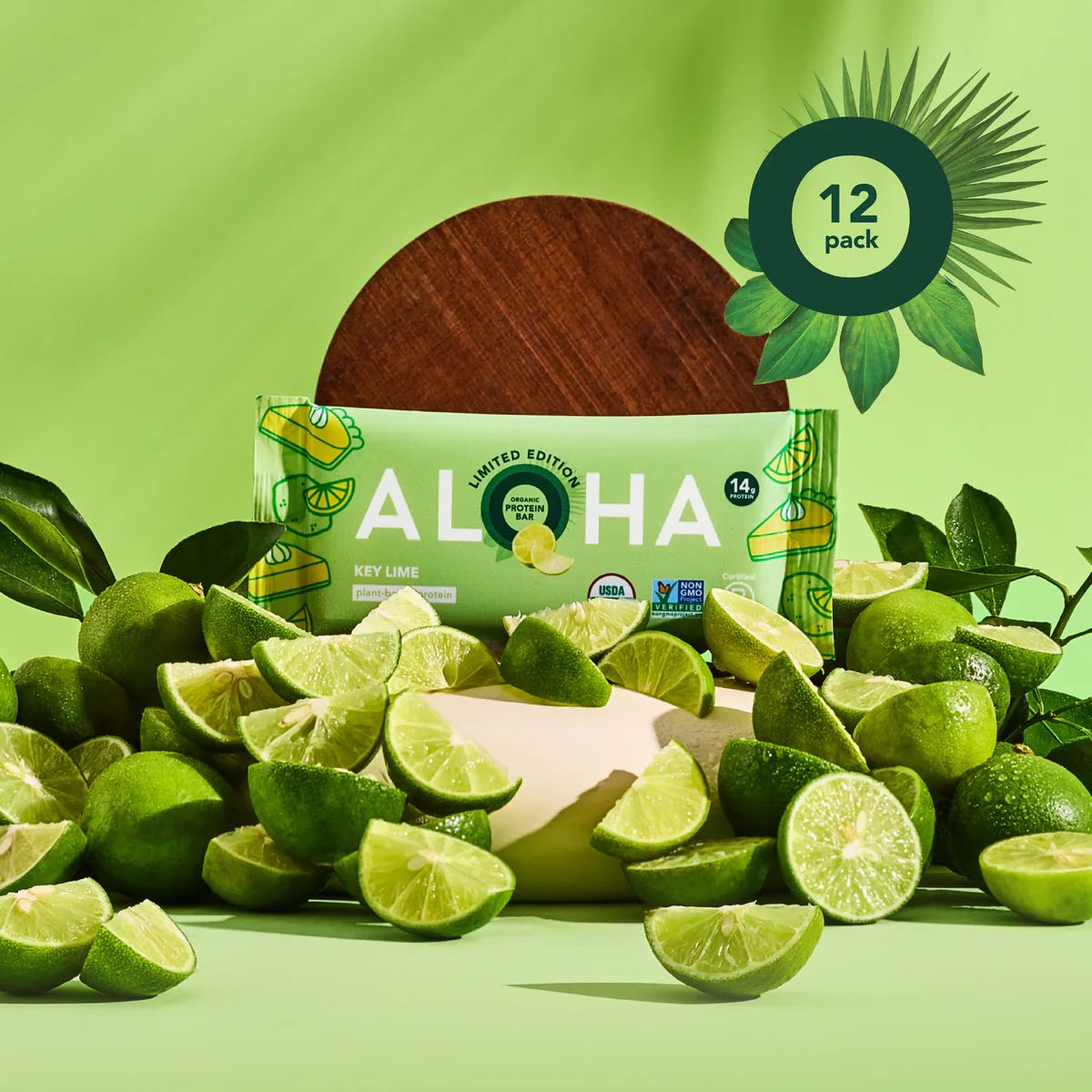
The plant-based protein bar brand is reportedly on track to reach $200M in revenue this year. Another quiet compounder building scale without headlines.
Good Culture: Nearly Quadrupled Sales, 60% Category Growth
L Catterton acquired at a $500M+ valuation. Now building dedicated production. The cottage cheese category winner is driving 60% of the category’s growth.
🏪 DISTRIBUTION DOMINATION
Everyone’s everywhere
Publix
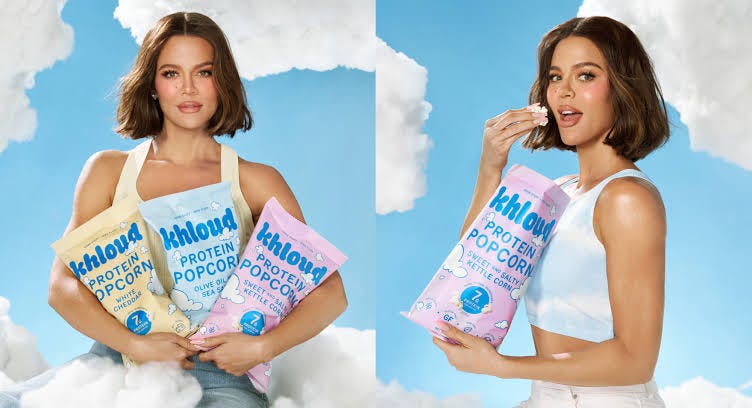
Khloud debuted. Khloe Kardashian’s functional snack brand adds the Southeast’s most important grocer to a roster that already includes Target, Walmart, Sprouts, and Starbucks. Approaching 30,000+ doors.
H-E-B
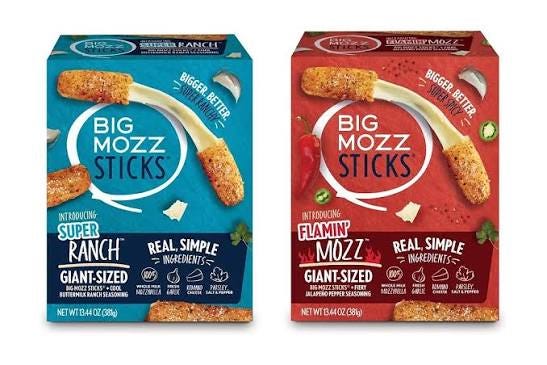
Big Mozz launched. Mozzarella sticks entering Texas through the most important regional grocer for emerging food brands.
Walmart
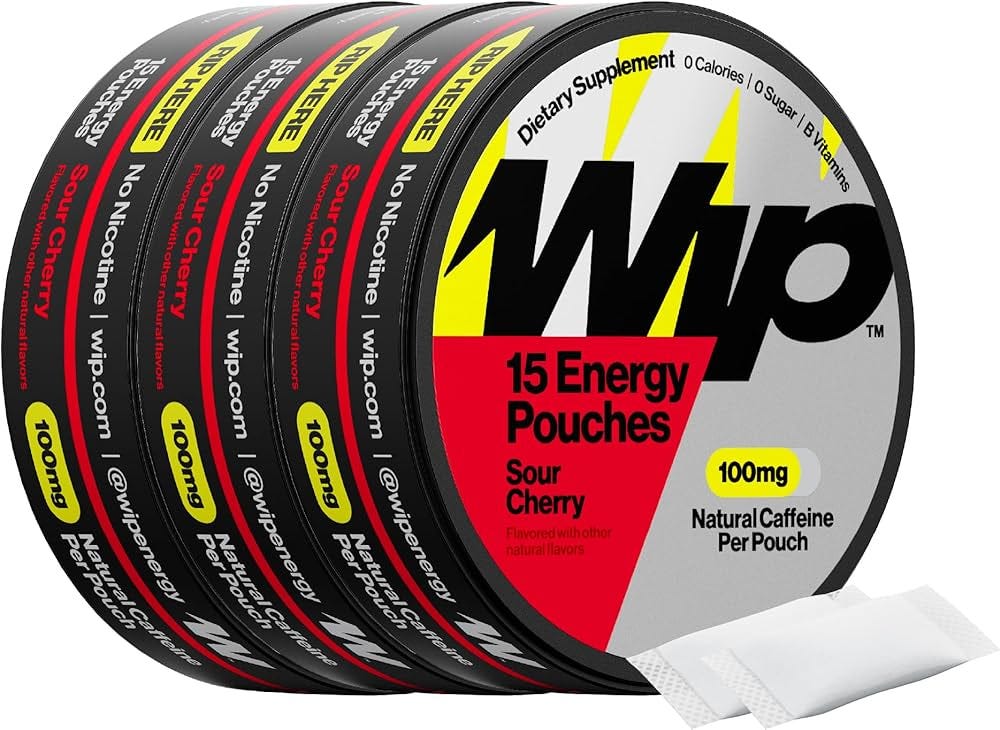
Wip launched at 330+ Fuel Centers. The convenience format within Walmart’s gas station network — a channel most emerging brands don’t think about but moves meaningful volume.
Fresh Market
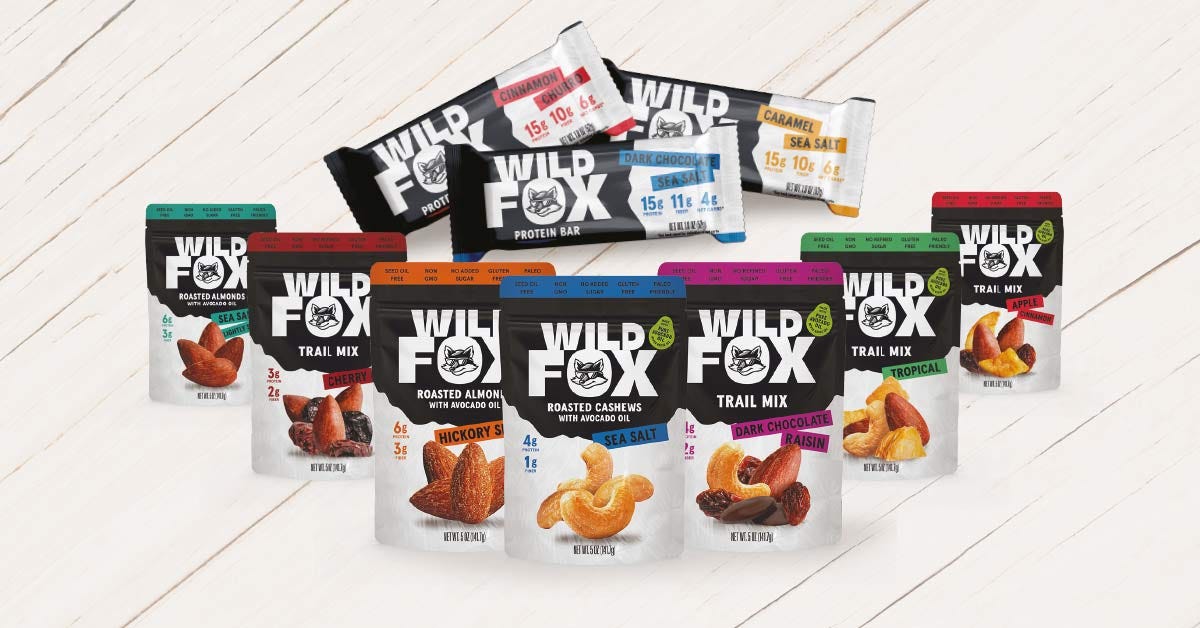
Wild Fox Foods launched. The East Coast specialty grocer keeps adding emerging brands.
Vitamin Shoppe
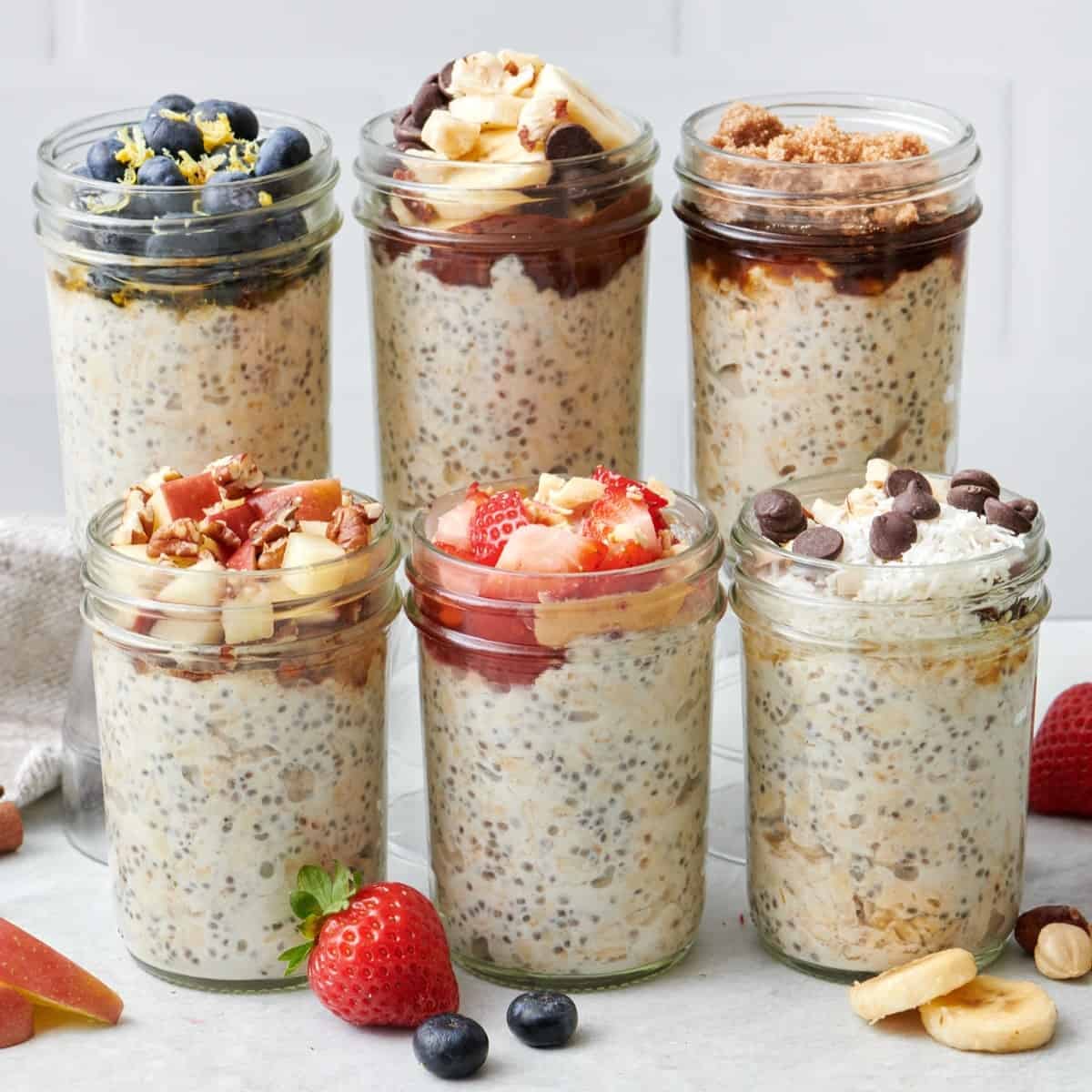
Oats Overnight debuted. The overnight oats brand entering the specialty supplement channel.
Erewhon
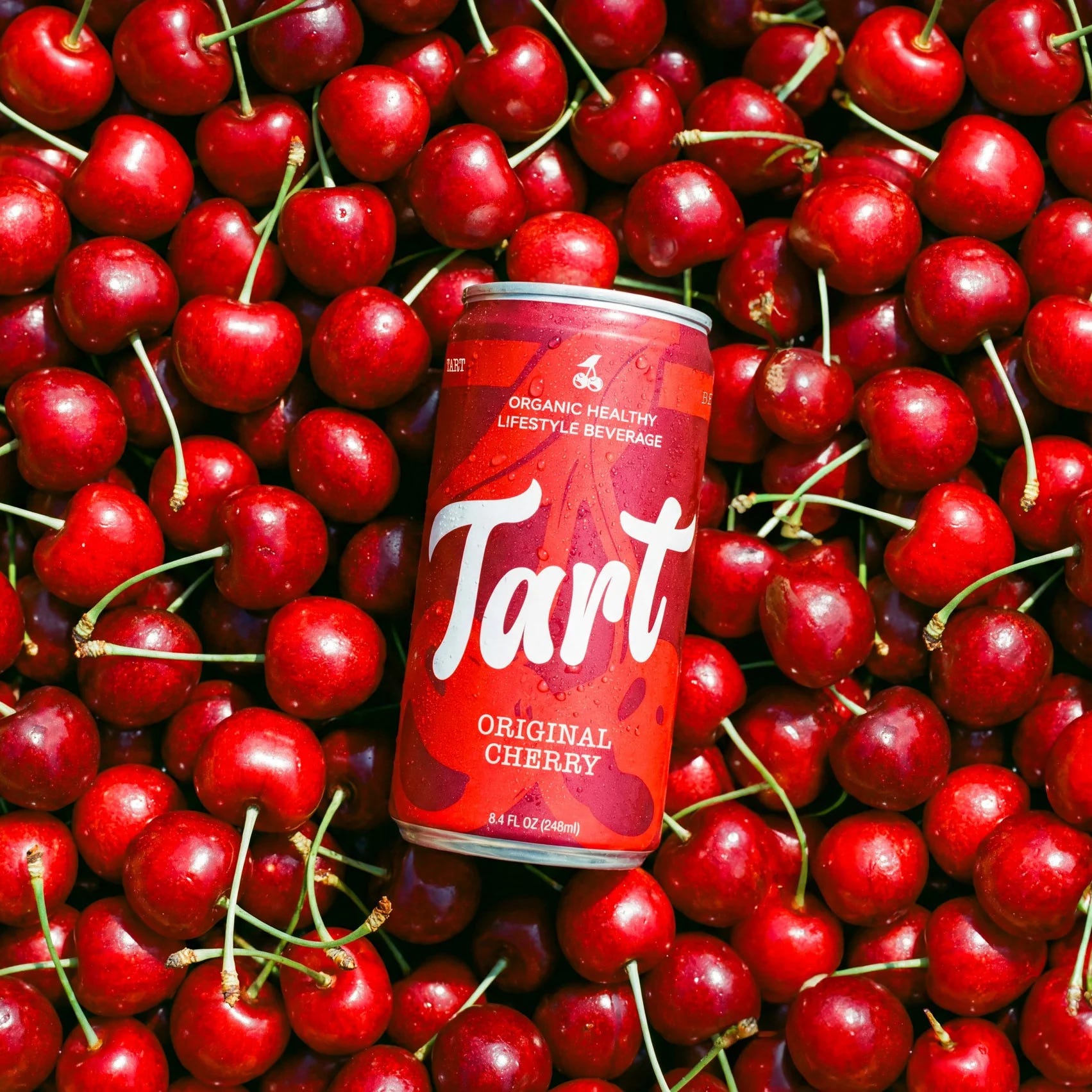
Tart launched. The LA credibility stamp for premium wellness brands.
Kroger
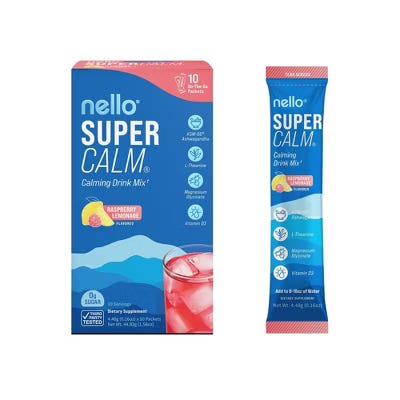
Nello launched. Kroger keeps giving emerging brands shelf space at scale.
CVS
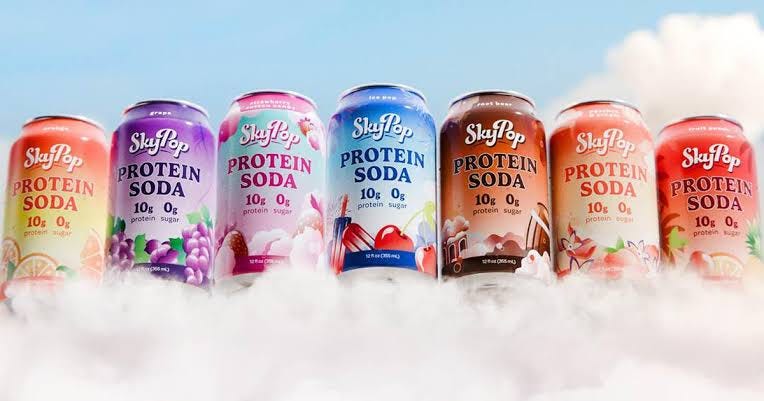
SkyPop rolled out. The convenience and pharmacy channel is adding functional snacking.
Albertsons
Blue Zones launched. The longevity-inspired brand is entering one of the largest conventional grocers.
Target
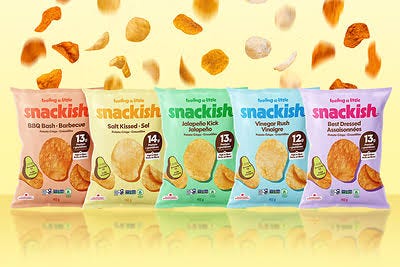
Snackish launching — Tara Bosch’s return. e.l.f. Haircare is launching online next week. Target continues to be the most important retail launchpad in CPG.
👋 PEOPLE MOVES
Andrew Strife, former LesserEvil COO and CFO (scaled to $750M Hershey acquisition), was named CEO of Dropout Companies (Jams, Bronco). A $750M exit operator now running the brand that beat Uncrustables and landed the NFLPA. The most significant operator hire in emerging CPG this month.
Alexandre Ruberti appointed CEO of Zevia, replacing Amy Taylor, who’s departing for Angel City Football Club. Ruberti has served on Zevia’s board since 2024 and spent 16 years at Red Bull. A Red Bull lifer running a zero-sugar soda company brings beverage distribution expertise from the most successful energy drink company in history.
Colin Walsh, former OUAI CEO (sold to P&G), continues building at Glossier after taking the helm in October 2025. The $45M credit facility gives him growth capital to execute.
Amanda Klane and Drew Harrington, Yasso co-founders (sold to Unilever), return with Snack Buddies. Serial founders with a $300M-pace exit coming back to kids’ snacking.
Tara Bosch, SmartSweets founder ($360M exit), returns to Target with Snackish, with owned manufacturing. The serial founder cycle in full effect.
🔥 THE HOT TAKE
My unfiltered opinion on this week’s madness
The serial founders are coming back. And they’re coming back armed.
Tara Bosch sold SmartSweets for $360M. She returned with Snackish — and this time she owns a 65,000-square-foot factory. She learned that co-packing at scale kills margins. She’s not making that mistake twice.
Amanda Klane and Drew Harrington sold Yasso to Unilever at a $300M revenue pace. They returned with Snack Buddies — mini muffins with protein, sneaky veggies, and half the sugar. They learned what Unilever needs in a kids’ snack brand. Now they’re building exactly that.
Andrew Strife helped sell LesserEvil to Hershey for $750M. He just became CEO of Dropout Companies — the parent of Jams and Bronco. He learned the Hershey acquisition playbook from the inside. Now he’s applying it to a brand that’s already beating Uncrustables at Target.
This is the serial founder advantage. The first company teaches you what to build. The exit teaches you what acquirers want. And the second company starts from a completely different position — with relationships, operational knowledge, manufacturing infrastructure, and the credibility that comes from a nine-figure outcome.
Every first-time founder is figuring it out as they go. Every serial founder with an exit is running a playbook they’ve already validated. Bosch knows Target buyers. Klane and Harrington are familiar with Unilever’s diligence process. Strife knows what a Hershey-ready P&L looks like. That knowledge is worth more than any seed check.
Meanwhile, Prestige Consumer Healthcare paid over a billion dollars for nasal strips. Breathe Right. 47.5% EBITDA margin. Growing 60%+ since 2022 because the sleep wellness movement turned a decades-old product into the hottest brand in OTC. Two weeks in a row: Miss Mouth’s at $325M for stain removal. Breathe Right at $1B+ for nasal strips. Over $1.3 billion for boring products that solve boring problems.
The boring problems produce the biggest checks. And the serial founders produce the best companies. Both truths were on full display this week.
Build accordingly. And if you’ve already built and exited — build again.
🎙️ COMING TUESDAY
Unpackaged Goods Episode
Breaking down Breathe Right’s billion-dollar exit and why the boring-problem thesis just doubled down. Serial founders returning: Tara Bosch with Snackish, Yasso founders with Snack Buddies, and Andrew Strife running Jams. L’Oréal is acquiring in India. Anti Fund’s $100M debut with OLIPOP and Khloud in the portfolio. Glossier’s $45M debt under the OUAI founder. Good Culture is building a factory after quadrupling sales. And why the second company is always better than the first.
🥫 ONE MORE THING...
Before you close this tab
Tara Bosch built SmartSweets. Sold it for $360M. Came back with Snackish. This time with a 65,000-square-foot factory.
Amanda Klane and Drew Harrington built Yasso. Sold it to Unilever. Came back with Snack Buddies. This time with the knowledge of exactly what Unilever wants.
Andrew Strife helped scale LesserEvil. Sold it to Hershey for $750M. Took the CEO chair at Dropout (Jams, Bronco). This time with a Hershey-ready playbook.
The first company teaches you how to build. The exit teaches you what to build for. The second company starts where the first one ended.
Until next Sunday,
Jonathan Deeter
Your CPG-Obsessed Friend
P.S. — Campbell’s collaborated with Banza on a gluten-free Chicken Noodle Soup. A 155-year-old soup company is working with a chickpea pasta startup. Meanwhile, Anti Fund — co-founded by Jake Paul — has raised $100M and includes OLIPOP in its portfolio. Jake Paul is now in the same investor roster as OLIPOP. The timeline we’re living in continues to be absolutely unhinged. The simulation is no longer even trying to be subtle.
TikTok | Instagram | Newsletter | Pickle Advisors | YouTube
This newsletter is finished with Trophy Wife Finishing Salts - elevating every bite since 2025