


🥄 FIRST BITE
The appetizer before we dive in
American supermarkets now carry an average of 38,708 products advertising protein content, according to NielsenIQ. Seventy percent of Americans say they want more protein, up from 59% four years ago.
And the ingredient underneath most of those products is running out.
Whey protein concentrate is trading at levels roughly six times where it sat a year ago. The USDA said in late August that supply remains limited and demand keeps outpacing it. Some suppliers are reportedly sold out through the end of 2026. BellRing, which owns Premier Protein, has called prices historic highs and is weighing whether to pass them along.
Now look at what actually launched this week. Thorne released a product whose entire job is helping you absorb more from the protein you already eat. Optimum Nutrition put pea and rice protein in a non-alcoholic beer. Marrō built a protein drink out of bone broth and collagen. SidePiece’s Dunkaroos tribute is vegan. Equip’s kids line last month was explicitly whey-free.
Nobody is announcing a whey shortage. They’re just quietly building around one. Let’s dig in.
🍊 THE MAIN COURSE
This week’s biggest CPG moves
The Protein Boom Hit a Wall, and It’s a Processing Plant
Let me lay out the constraint first, because most coverage of this treats it as a pricing story when it’s actually a capacity story.
Raw milk supply in the US has been broadly stable. What’s maxed out is the downstream processing capacity that turns whey, historically a cheese byproduct, into whey protein concentrate and isolate. That filtration and drying infrastructure was built for a world where whey was surplus material. It was not built for a world with 38,708 protein-labeled products on shelf.
The numbers vary by source and by grade, so treat any single figure carefully. Ever.Ag had WPC 80% above $13 a pound in June, up roughly 250% year over year. Vesper Tool put WPC 80% around $32,000 per metric tonne earlier this month, up nearly six times from the same period last year. NOW Sports says WPC costs are up 108% over two years and isolate up 139%. USDA data has prices up more than 50% since January alone.
Different methodologies, same direction. And the direction is steep.
Two demand shocks arrived at once. The protein-maxxing trend pulled protein into categories that never carried it, from cereal to soda to candy. Then GLP-1 users became a second, structurally hungry customer base, because preserving lean mass on those drugs requires protein intake that’s hard to hit when your appetite is suppressed. That’s not a fad cohort. That’s millions of people with a clinical reason to buy.
Analysts now describe whey as a constrained commodity rather than an abundant byproduct. And because the bottleneck is physical plant, it doesn’t resolve with a good quarter. It resolves when someone builds capacity, which takes years.
Here’s why I’m leading with it. Every week this newsletter covers brands adding protein to something new, and I’ve mostly written about it as a marketing question. It isn’t only that anymore. It’s a sourcing question, and the brands that locked in supply early are about to look a lot smarter than the ones that didn’t.
Thorne Sells Absorption Instead of Grams
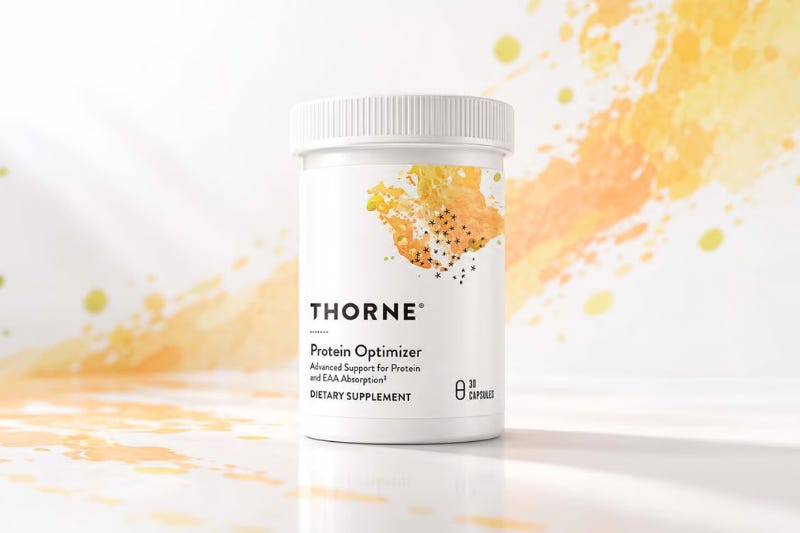
Thorne launched Protein Optimizer, a probiotic and enzymatic formula designed to improve protein digestion and amino acid absorption. The pitch is helping you get more out of the protein already in your diet. Thorne is aiming it at two groups: athletes on high-protein diets, and GLP-1 users whose protein intake has dropped.
Sit with the timing on this one.
P&G paid $3.8 billion for Thorne five weeks ago, partly because roughly a quarter of its revenue was creatine and its customers skew under 40. Thorne’s first notable launch since is not more protein. It’s a product that makes existing protein work harder.
In an abundant market, you sell more grams. In a constrained one, you sell efficiency. I’m not claiming Thorne built this in response to whey pricing, because a probiotic enzyme formula takes longer to develop than this shortage has been acute. But the product arrives at a moment when the value proposition has quietly inverted, and that’s worth noticing.
The GLP-1 angle is the commercially interesting half. That customer has a medical reason to care about protein and a physical reason they can’t just eat more of it. An absorption aid is a genuinely better answer for them than another shake, and it’s a category that barely existed two years ago.
Athletic Brewing Makes Two NFL Quarterbacks Owners
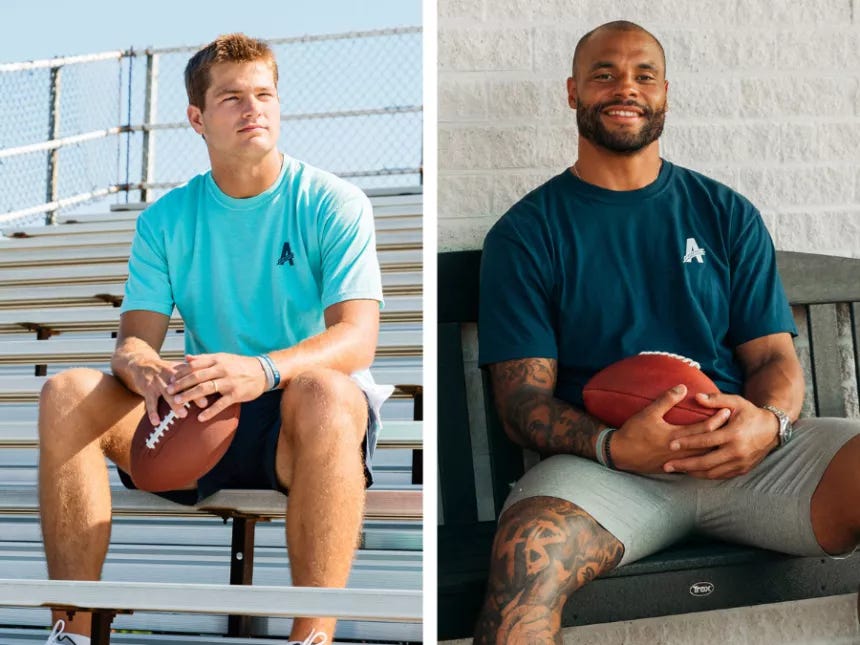
Athletic Brewing signed multi-year agreements with Patriots quarterback Drake Maye and Cowboys quarterback Dak Prescott, both taking equity as athlete-owners. The announcement landed September 9, as the NFL season kicked off. Their first campaign, called Athletic Fits, runs on social and uses misdirection: it looks like the crowd is watching the quarterbacks, then reveals everyone’s actually looking at the beer.
Athletic was valued at roughly $800 million in 2024 and is the largest dedicated non-alcoholic brewer in America. Its athlete and celebrity investor roster already included J.J. Watt, Justin Tuck, Naomi Osaka, David Chang, and Blake Mycoskie.
The structural detail worth pulling out: these are equity stakes, not endorsement fees. We’ve spent two months in this newsletter watching the difference between those two things decide outcomes. Alex Cooper’s Unwell had an enormous audience on a paid basis and shut down. Alix Earle used Cymbiotika for years and then bought in. James Watt gave 10% of Fool’s Fix to customers specifically because he thinks celebrity equity is the wrong trade.
Athletic is betting the middle path works: give athletes ownership so the advocacy is durable, but pick athletes whose actual lives fit the product. A starting NFL quarterback not drinking during the season is a credible spokesperson for non-alcoholic beer in a way a paid post never is.
And the sports land grab continues. Monster took the Big 12 in July. Celsius took College GameDay last week. The Farmer’s Dog became the NFL’s first official pet food partner. Now Athletic has two starting QBs. Football is getting expensive fast.
Sauer Sells Its Spices to Go Deeper on Condiments
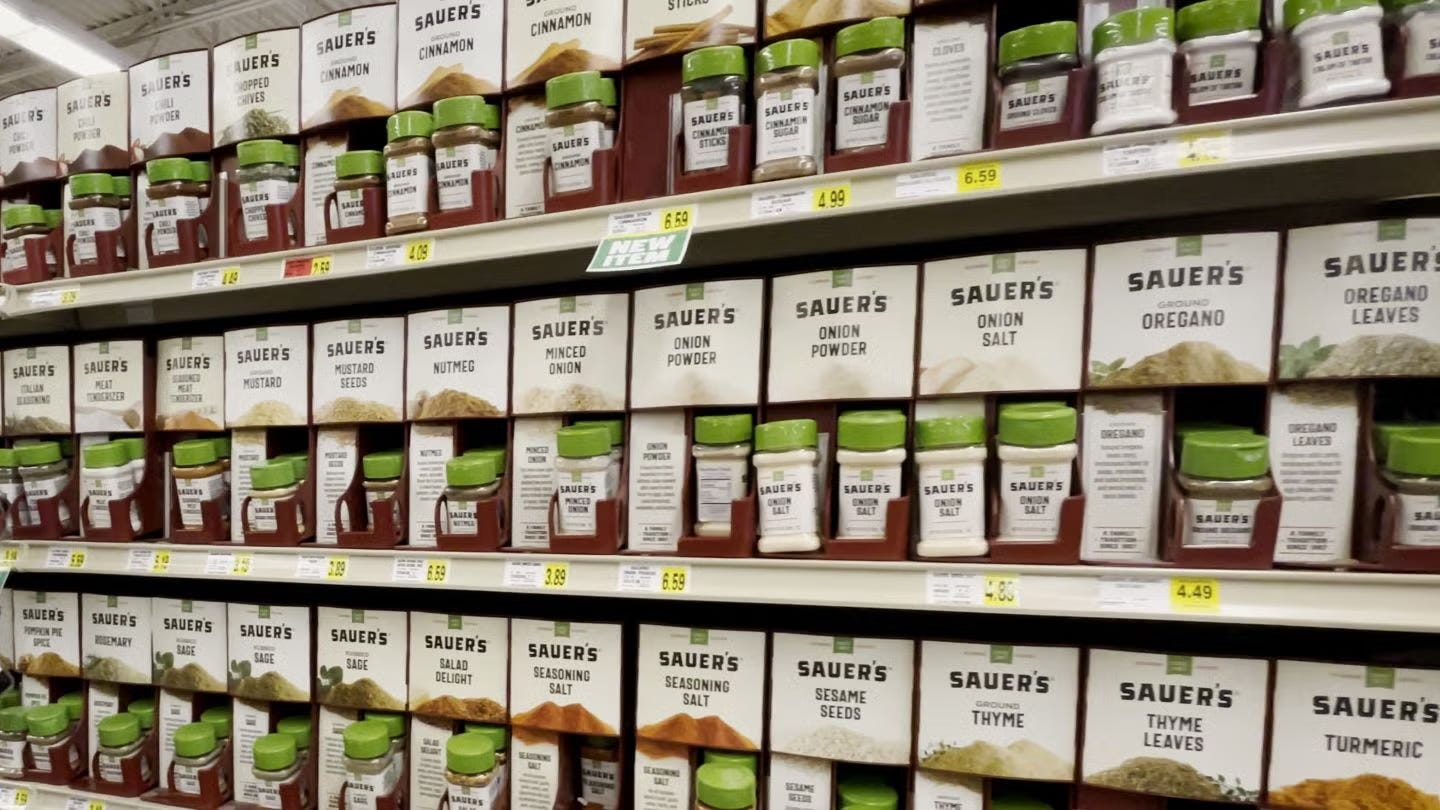
Sauer Brands is selling its spices and seasonings division, including Kernel Season’s and Spice Hunter, to The Watkins Company, a 150-year-old flavor business. Sauer, which owns Duke’s Mayonnaise and Mateo’s Gourmet Salsa, is divesting to concentrate on condiments. Advent International bought Sauer from Falfurrias Capital in January 2025.
This is the same instinct we watched at Nestlé last week, just at a fraction of the size. A PE-backed platform decides it can’t be excellent at two adjacent things, keeps the one with the stronger brand, and sells the other to a specialist who wants it more.
Duke’s is the asset here. It has genuine regional devotion of the kind almost no condiment brand has, and if you’re Advent, every dollar and every hour of management attention spent on popcorn seasoning is a dollar not spent extending Duke’s. Watkins gets brands that fit its core competency. Both sides get more focused.
The pattern is now unmistakable across every size of deal this quarter. Conglomerates and platforms are trading breadth for depth, and specialists are the buyers.
Belle Brands Adds Vegamour
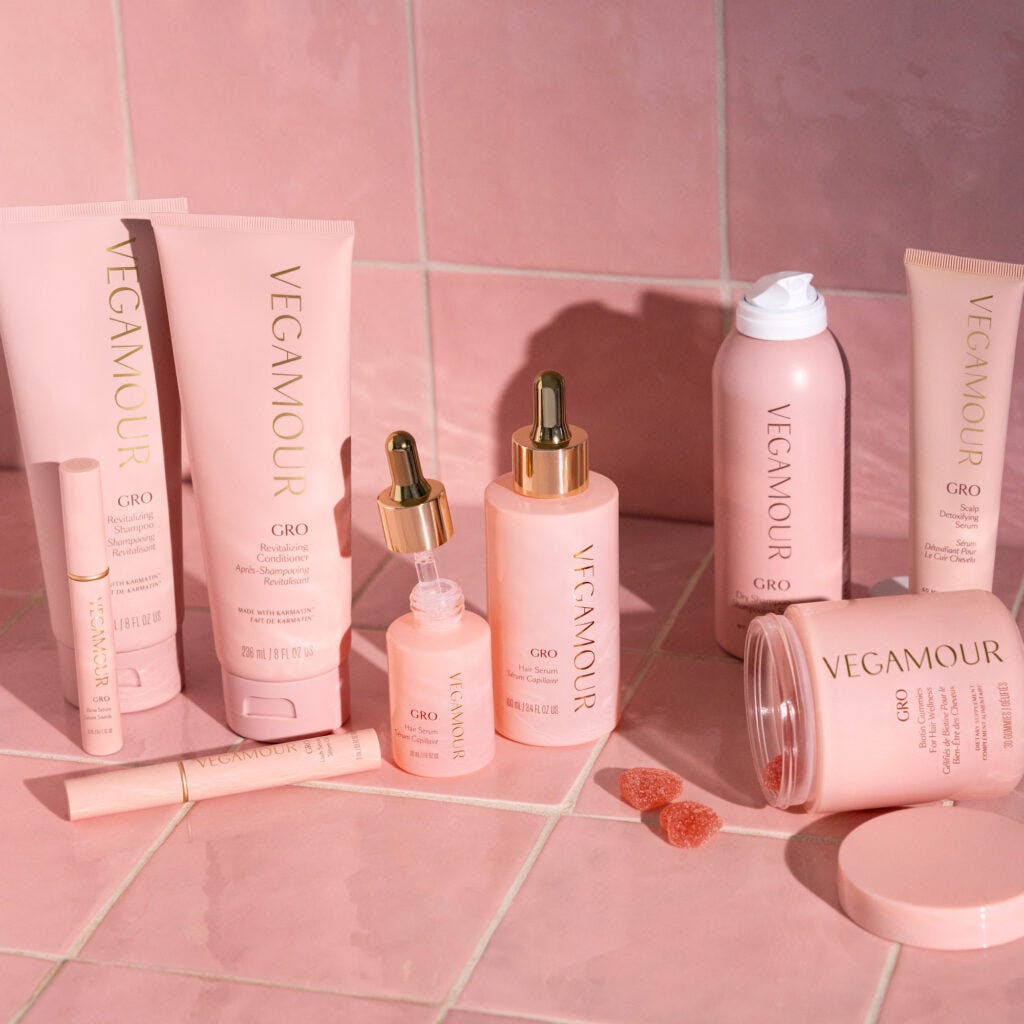
Belle Brands, the beauty platform Windsong Global built, acquired longevity haircare brand Vegamour for an undisclosed sum. Vegamour launched in 2016 around clean, plant-based haircare and raised an $80 million minority growth investment from General Atlantic in 2021. Belle also owns JVN Hair, Pipette, and KVD Beauty.
We covered Belle buying Versed back in July, so this is their second acquisition in about eight weeks. They’re assembling a multi-brand beauty platform quickly and quietly, and the through-line is brands with established shelf presence rather than concepts.
The Vegamour piece is interesting on its own terms, because hair longevity is genuinely having a moment. K18 launched a $120 longevity serum in August. Nancy Twine’s Soulstice arrived this month. There’s real money forming around the idea that hair, like skin, is something you maintain preventatively rather than fix reactively.
💰 THE FUNDING FRENZY
Big checks being written
System Raises $20M to Make Peptides Legitimate
System, a vertically integrated peptide platform connecting patients with licensed US clinicians and compounded treatments, raised $20 million. Patron Fund, Will Ventures, Vine, Courtside, Daybreak, SV Angel, and RiverPark Ventures participated. Adam Steinle founded and leads it. The stated goal is bringing trust and transparency to peptides.
Peptides keep showing up in this newsletter, and the trust problem keeps being the story. Feel Peptides raised $3 million in May, trying to make the category feel less gray-market. Hims is preparing a peptide launch while Wall Street stays skeptical. The ingredient is arriving considerably faster than the infrastructure around it.
What System is selling is the boring part: licensed clinicians, controlled sourcing, a paper trail. In a category where most of the volume currently runs through channels nobody wants to describe precisely, that’s the actual opportunity.
One caution on the framing. The $163 billion market figure that circulates in peptide coverage refers to the global peptide therapeutic market, which is dominated by established pharmaceuticals including GLP-1 drugs. It is not the size of the consumer wellness peptide opportunity, and the two get conflated constantly.
Protein2o Hires the Alani Nu Operator and Raises
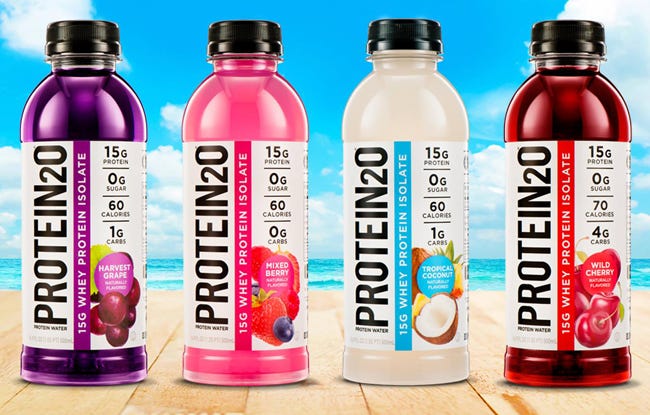
Protein2o, an early mover in clear protein, made two announcements. It named Mark Rappaport CEO and board director, and it secured a new growth investment for brand building, retail development, and innovation.
Rappaport was most recently Global Chief Commercial Officer at Congo Brands, where he helped scale Alani Nu to its $1.8 billion acquisition by Celsius. Before that he spent nearly eight years at Red Bull North America.
His line on the category: consumers are beginning to realize that getting more protein doesn’t have to mean something heavy, milky, or filling.
Read that against the whey situation. Clear protein formats typically use whey protein isolate, which is the grade that’s risen fastest, so this isn’t an escape from the constraint. But the positioning is the point. Protein2o is selling protein that doesn’t announce itself as protein, and hiring the operator who scaled a brand on exactly that kind of category repositioning.
Feisty Takes Its First Outside Money
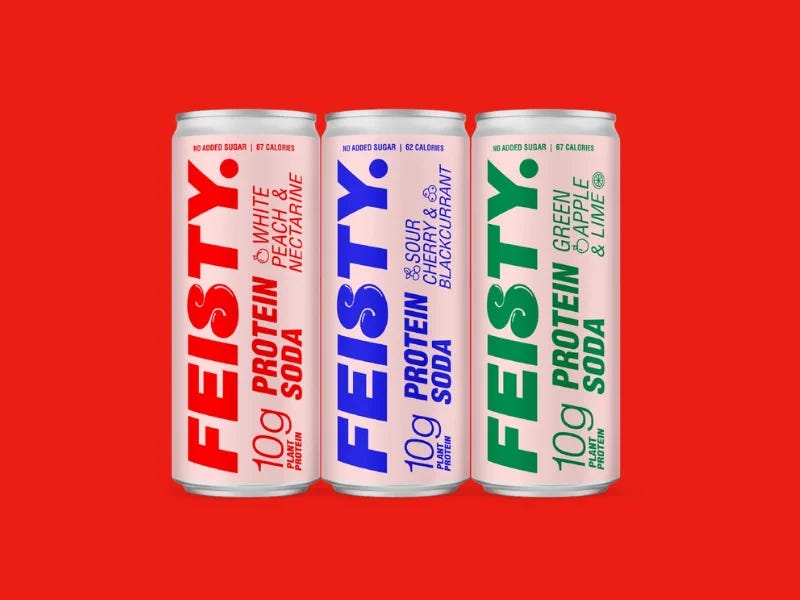
UK protein soda brand Feisty secured an investment from Btomorrow Ventures alongside strategic angels, its first outside round. Vy Cutting founded it in 2024 with her mother, Dr. Hong Huynh. The brand’s positioning is unapologetically “not for gym bros,” combining culture-led branding with food science. The funding coincides with a relaunch, reformulated recipes, and a new lineup: Wild Strawberry, White Peach, and Red Cherry.
Btomorrow’s portfolio includes HOPWTR, AWAKE Chocolate, Caliwater, and More Labs.
“Not for gym bros” is the most efficient positioning statement I’ve read this month. It tells you the customer, the competitive set, and the design language in four words.
Quick Hits
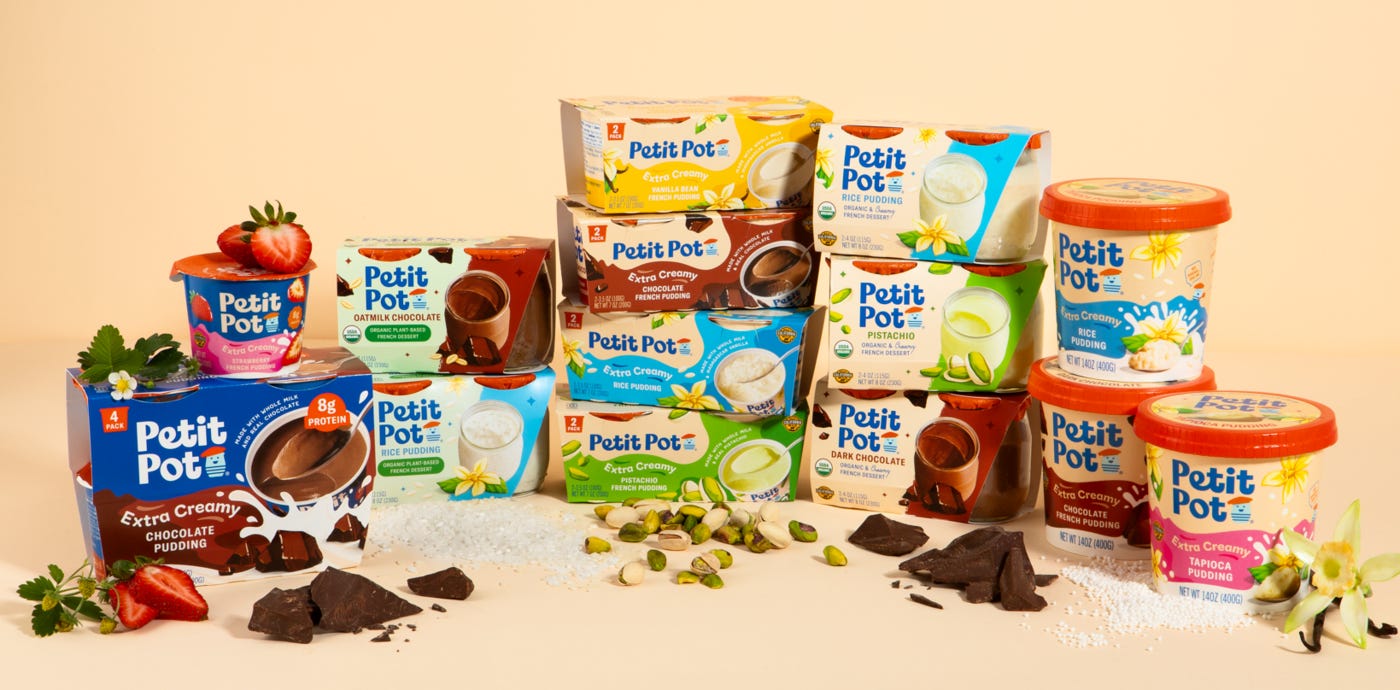
Petit Pot closed a seven-figure Series A co-led by Éclair Partners and Terri and John Penshorn. Michelin-starred pastry chef Maxime Pouvreau founded it in 2014, and it self-manufactures in Emeryville with distribution at Whole Foods, Costco, Sprouts, Wegmans, Publix, and Target. In a week full of protein callouts, someone raised money to make dessert taste good.
Dippi is raising £200K ahead of a January launch and running a Kickstarter. Miia Paavola’s high-protein dip mixes turn plain yogurt or cottage cheese into something with 10g of protein and 3g of fiber per serving, across Tomato & Chilli, Sour Cream & Dill, and Cheddar & Onion. Pre-seed backers include the founders of Absolute Collagen, Little Moons, and Mindful Chef.
The Equity Studio and Makers Mindset opened a second round of grants for female founders in beauty and wellness, awarding $50,000 in equity-free funding plus mentorship. Last year’s winners included Viv, Squigs, Gently Soap, Cranel, and Alodia.
🆕 PRODUCT LAUNCHES & INNOVATION
This week’s innovation circus
Protein Keeps Disguising Itself
Five launches this week, and not one of them looks like a protein product.
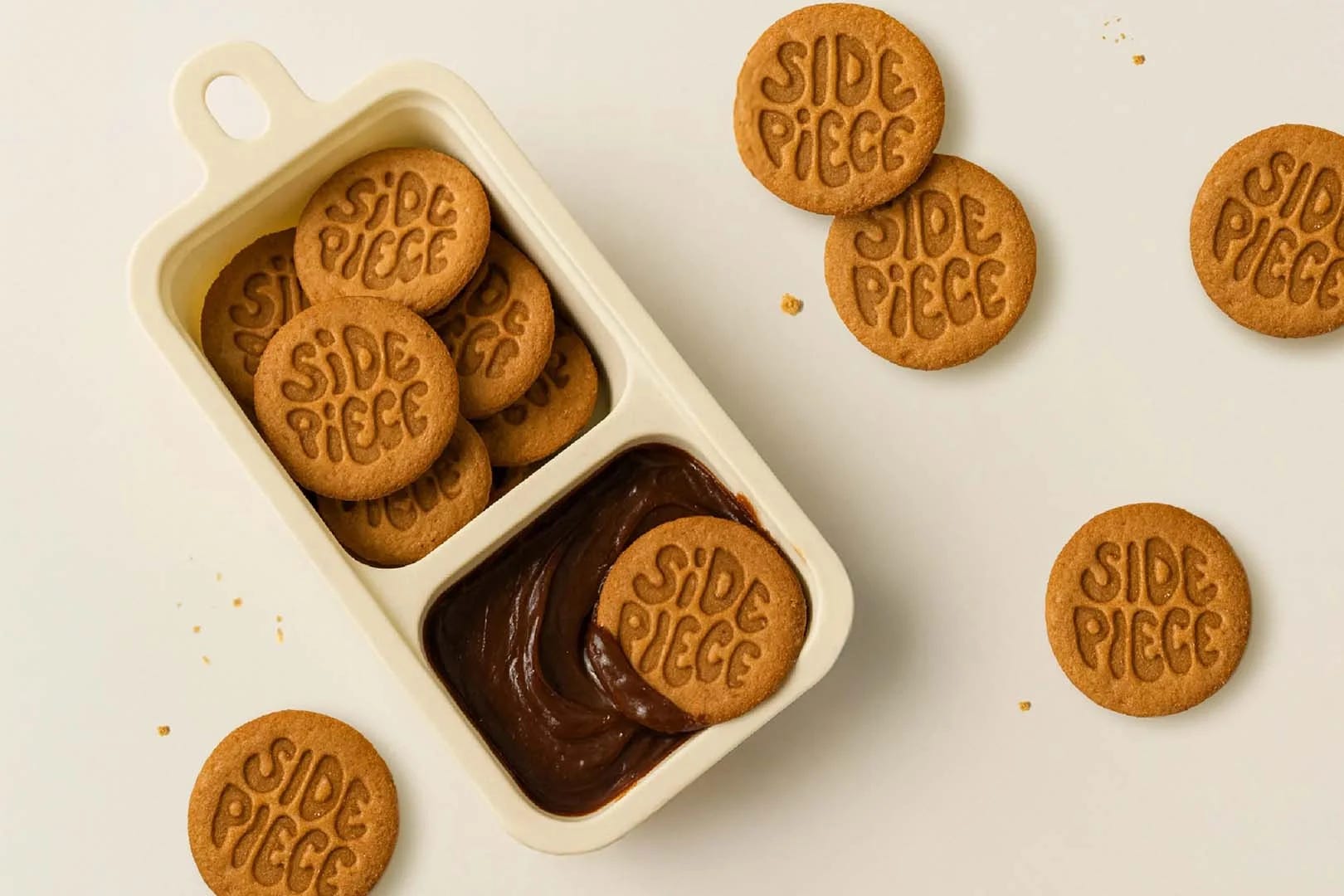
SidePiece is building a functional Dunkaroos. Gluten-free crackers and frosting with 10g of protein and 11g of fiber per serving, vegan, launching February 15 via DTC and Amazon before retail, in Chocolate Peanut Butter, Vanilla Birthday Cake, and Cinnamon Churro. Chris and Kelsie Annoual founded it, branding by Truffl.
Sweet Addison’s reformulated its Creatine Chocolate Chip Cookie using Promix creatine. Each cookie carries 15g of protein and 5g of creatine, gluten-free, dairy-free, grain-free, no seed oils or refined sugars.
Marrō launched a sparkling bone broth RTD with 12g of dairy-free protein plus collagen, amino acids, and electrolytes, in Blackberry Lime, Peach Mango, and Blueberry Lemonade. Nick and Heidi Foreste founded it.
Misfits rebranded, and the description in the trade coverage is the tell: bolder, brighter, and more akin to candy than protein bars, with more emphasis on flavor. Refresh by Interact Brands.
Dippi is protein in dip form.
Cookie, dip, Dunkaroos, bone broth, candy. The category has decided that looking like a protein product is a liability, which is a remarkable place to land three years into a boom. And note the protein sources: dairy-free, collagen, vegan, plant. Very little of this is whey.
Everything Else
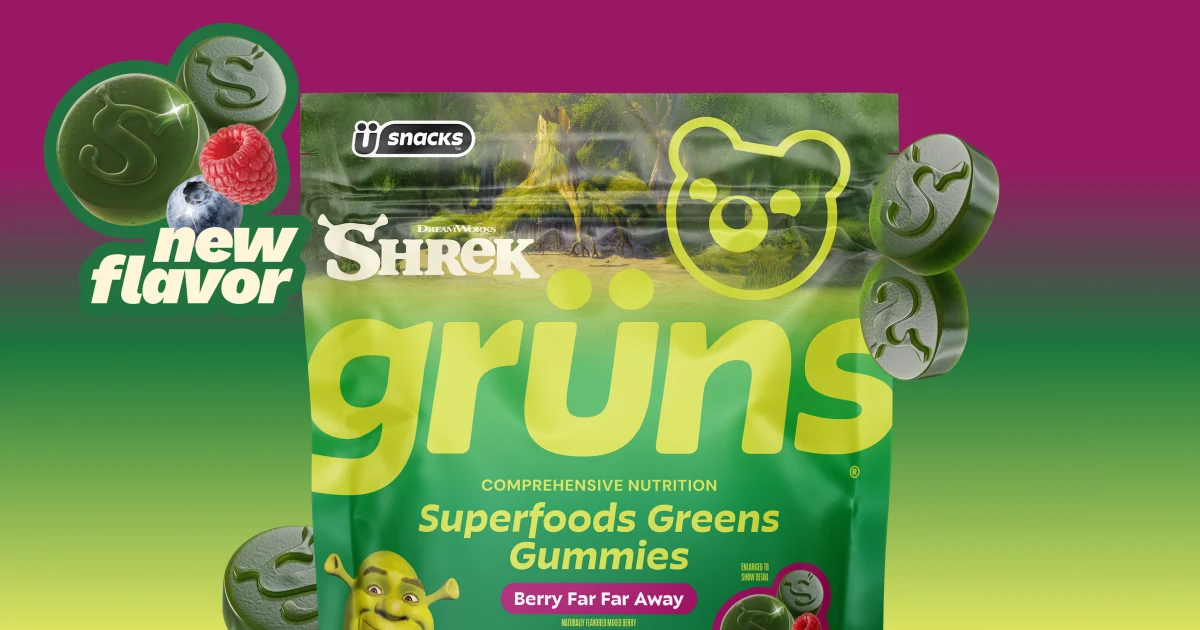
Grüns dropped two Shrek SKUs with a Berry Far Far Away flavor across its Adults and Kids lines. That’s the third licensed character partnership we’ve tracked from them after OLIPOP and Popsicle, plus TRUBAR’s Minions deal. Licensed IP in the kids’ supplement aisle is now a real strategy.
Tower 28 partnered with JELL-O on a limited-edition lip collection in classic dessert flavors, exclusive to Sephora. Food-to-beauty crossovers keep coming, after Brach’s candy corn fragrance last week.
Khloud is expanding into Canada at Costco, Walmart, Circle K, Loblaws, and Starbucks, after reaching more than 32,000 US doors in roughly a year. We first covered Khloud in May at $15 million raised and 29,000 doors, so that trajectory is holding.
Fathers Brewing expanded to Philadelphia, its first market outside California, partnering with Penn Beer Sales & Service plus Gopuff delivery. Eagles legend Lane Johnson is an investor and ambassador. The company says it’s pacing 672% year-over-year growth, which is a brand-reported figure worth treating as such.
Farm Girl, the top-selling cereal brand at Costco Canada, officially entered the US, with a portfolio expanding into granola and baking.
H2Tab launched a Pineapple flavor and says it’s approaching nine figures in revenue in under two years. Willie’s Remedy+ released a Lemonade and Iced Tea RTD collection, DTC only. And Rorra launched a stainless steel and glass Filtered Pitcher.
📊 THE DATA DIGEST
Numbers that matter
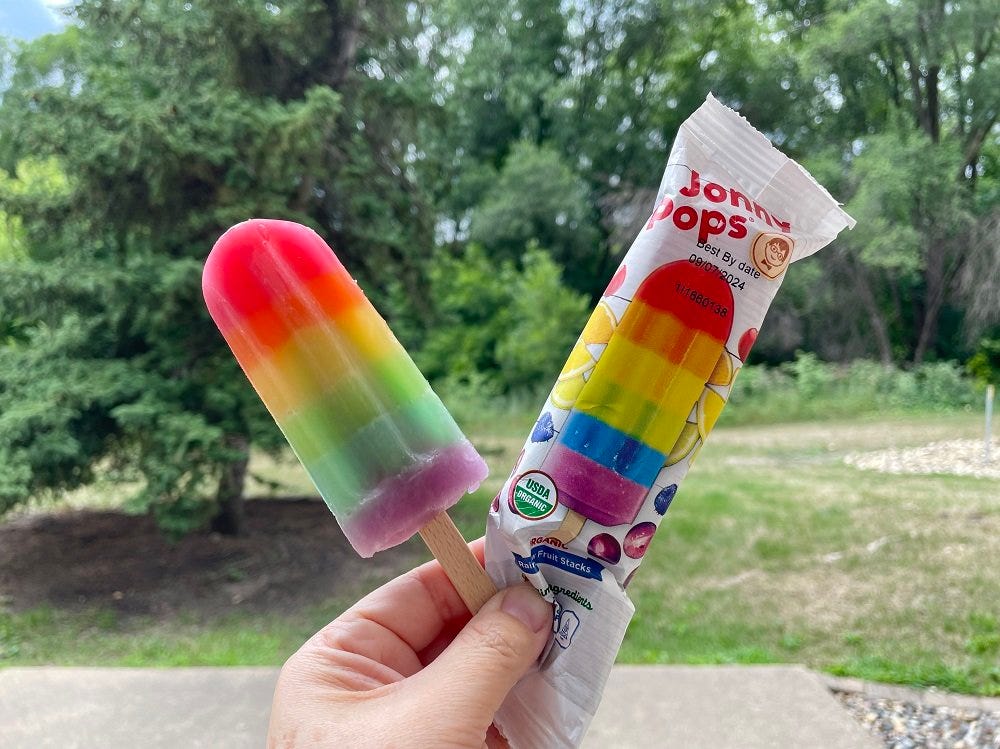
JonnyPops has generated more than $170 million in sales over the past twelve months per a WSJ report. Erik Brust and Connor Wray founded it in a dorm basement. It’s now in nearly 30,000 doors, self-manufactures in Elk River, Minnesota, and makes organic, vegan popsicles free from the top nine allergens. A dorm-basement popsicle company self-manufacturing its way to $170 million is one of the better stories in frozen right now.
Sweet Loren’s crossed $100 million in revenue, per founder and CEO Loren Brill Castle.
Fever-Tree grew H1 brand revenue 8% to £183 million with adjusted EBITDA up 9% to £20 million. It returned to growth in the UK at 3%, while Europe rose 13% and the US climbed 7%. Molson Coors took an 8.5% stake for $88 million in early 2025 alongside a long-term distribution agreement, and that US number suggests the partnership is doing what it was supposed to.
Final Boss Sour entered the candy aisle at 500 Walmart stores after a 2,000-store trial, with six flavors. We covered their $4 million round in July, which included Mondelēz’s SnackFutures. The trial-then-aisle sequence is the same pattern as Wandering Bear and Ancient Crunch.
🏪 DISTRIBUTION DOMINATION
Everyone’s everywhere
Fresh Thyme: Sourmilk launched storewide. Albertsons: Once Upon a Coconut went nationwide. Harris Teeter: Bio.me rolled out. Super Target: ‘ndulge landed 220+ locations. Sprouts: Day/Dream launched nationwide. Walmart: Final Boss Sour moved into the candy aisle at 500 stores. And Khloud went international across five Canadian banners at once.
👋 PEOPLE MOVES
Mark Rappaport takes over as CEO of Protein2o after scaling Alani Nu at Congo Brands to a $1.8 billion exit, with eight prior years at Red Bull North America.
Drake Maye and Dak Prescott became athlete-owners at Athletic Brewing.
Lane Johnson is an investor and ambassador for Fathers Brewing as it enters Philadelphia.
🔥 THE HOT TAKE
My unfiltered opinion on this week’s madness
For the last year I’ve written about protein as a marketing decision. Put it on the label, watch velocity improve, move on. That framing is now incomplete, and this week is where it broke.
Whey processing capacity in the United States is maxed out. Not milk supply, which is fine. The filtration and drying infrastructure that turns a cheese byproduct into a premium ingredient. That infrastructure was sized for a world where whey was surplus, and it’s now feeding a world with 38,708 protein-labeled products on American shelves. Prices are up somewhere between 50% and 250% depending on grade and source, some suppliers are sold out through year-end, and BellRing is openly discussing passing costs to consumers.
You cannot market your way out of that. It’s physics and capital expenditure.
So watch what brands actually did this week instead of what they said. Thorne launched absorption rather than addition. Optimum Nutrition used pea and rice in its non-alcoholic beer. Marrō built its protein from bone broth and collagen. SidePiece went vegan. Equip’s kids line last month was explicitly whey-free and used grass-fed beef. Protein2o hired an operator whose whole skill is repositioning a category rather than out-spending it.
None of these companies announced they were dodging a whey shortage. Some of them made these choices for entirely unrelated reasons, and I want to be honest that I’m reading a pattern across decisions that had their own individual logic. But the aggregate is hard to miss, and the timing is not coincidental.
Here’s what I think happens next, and I’d hold this loosely.
The protein claim stops being free. For three years, adding protein to a product was a cheap velocity lever. Now the ingredient has a real and volatile cost, which means the claim has to earn its margin. Brands with locked-in supply contracts and brands using non-whey sources are about to have a structurally better year than brands that assumed whey would stay abundant.
Second, the alternatives get their moment for unglamorous reasons. Pea, rice, beef, collagen, and egg have spent years being sold on ethics or novelty. They’re about to get adopted on availability and price, which is a much more durable reason to switch. Once a formulation moves, it usually doesn’t move back.
Third, and this is the one I’d watch closest, efficiency becomes a category. Thorne’s Protein Optimizer is early, but the logic is sound and the GLP-1 customer makes it commercially real. If protein stays expensive, “get more from what you eat” competes directly with “eat more,” and it does so at a much better margin.
The practical version for anyone building right now: go look at your supply contract. If you have protein on your label and you haven’t talked to your supplier about 2027 allocation, that conversation is more urgent than your next flavor.
The trend isn’t over. The cheap part is.
Build accordingly.
🎙️ COMING TUESDAY
Unpackaged Goods Episode
The whey shortage nobody’s connecting to the product news, and why processing capacity is the real constraint. Thorne selling absorption instead of grams five weeks after P&G bought it. Athletic Brewing making two starting NFL quarterbacks equity owners. Sauer selling its spices to protect Duke’s. And JonnyPops going from a dorm basement to $170 million.
🥫 ONE MORE THING...
Before you close this tab
Whey used to be garbage.
For most of the history of cheesemaking, it was the liquid left over after the curds formed, and producers paid to dispose of it or fed it to pigs. It had negative value. Then filtration technology got good enough to concentrate the protein out of it, and a waste stream became a premium ingredient.
This week it’s trading around six times last year’s price with suppliers sold out through December.
There’s something genuinely worth sitting with there. The most valuable ingredient in the American food economy right now is a byproduct that used to cost money to throw away. Somebody looked at the waste stream and saw the product.
Every category has one of those. Wasted is making pasta out of surplus bread. UNREAL just made a $425 handbag out of its wrapper interior. The thing you’re currently paying to dispose of might be the thing.
Until next Monday, Jonathan Deeter Your CPG-Obsessed Friend
P.S. Sweet Addison’s is now selling a cookie with 15 grams of protein and 5 grams of creatine in it. I closed the prediction ledger last month when Create merged creatine and electrolytes into one sachet, and I want to formally note that a creatine cookie is somehow further than I thought this would go. Outstanding call remains pickle protein powder by Q1 2027. Given where whey pricing is heading, whoever builds it should probably use pea.
TikTok | Instagram | Newsletter | Pickle Advisors
This newsletter is finished with Trophy Wife Finishing Salts, elevating every bite since 2025.