


🥄 FIRST BITE
The appetizer before we dive in
Graza raised less than $3 million in outside capital. It just hired Lazard to sell the company for as much as $600 million.
Sit with that ratio for a second. Olive oil is one of the oldest commodities on earth. The shelf was crowded, the category was sleepy, and the customer had no reason to care which bottle they grabbed. Graza put it in a squeeze bottle, named the two oils after what you do with them, and turned a commodity into a behavior. Now it throws off around $30 million in EBITDA.
The same week, Costco launched Kirkland Signature electrolyte packets at roughly 50 cents a stick. That’s what the opposite looks like. A functional ingredient that used to command a premium just became something a warehouse club sells under its own label.
And Hoplark, an early mover in sparkling hop water, reportedly filed for Chapter 7.
One brand turned a commodity into a brand. One category is being turned from a brand back into a commodity. That’s the week. Let’s dig in.
🍊 THE MAIN COURSE
This week’s biggest CPG moves
Graza Hires Lazard, Asks Up to $600 Million
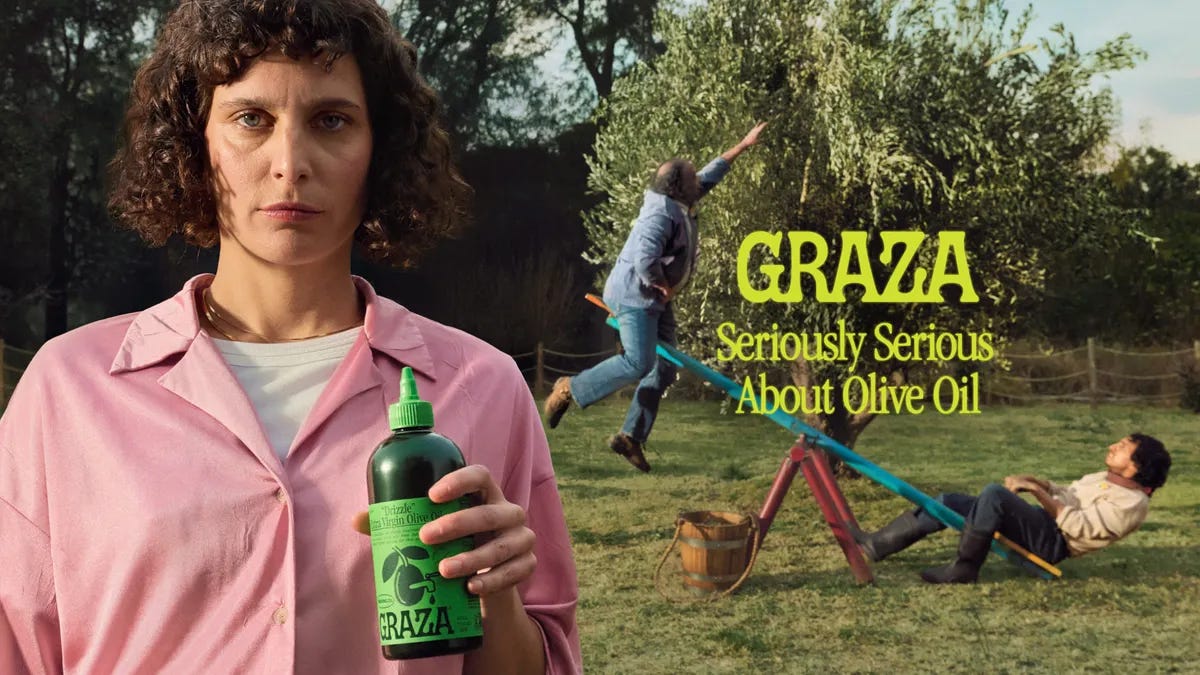
Graza has hired Lazard to explore a sale, per Axios Pro. The company reportedly generates about $30 million in EBITDA and is seeking a 15x to 20x multiple, which puts the valuation somewhere between $450 million and $600 million.
The numbers underneath that ask are the story. Andrew Benin and Allen Dushi founded Graza in late 2020 and launched the first two oils in January 2022. The brand raised roughly $2.85 million in total outside capital. It was valued at $240 million in early 2025, a mark that gave early backer The Cashmere Fund a 10x on paper. Gross sales hit about $48 million in 2024 and are reportedly on track to roughly triple. Investors include BFG Partners, Brand Foundry Ventures, Spacestation Investments and Watchfire Ventures.
So a company that raised less than a typical seed round is asking to be valued like a scaled platform. That almost never happens in food.
Here’s what I think Graza actually got right. It didn’t try to win on olive oil quality, which is invisible to most shoppers. It won on usage. Drizzle is for finishing. Sizzle is for cooking. The squeeze bottle makes olive oil something you grab ten times a week instead of something you ration. We spent all of last issue on frequency beating ticket size, and Graza is a clean example: it took a pantry staple people bought a few times a year and made it a daily tool.
The other thing it got right was not raising money. When you’re profitable, you get to sell on EBITDA instead of on a revenue multiple and a story. A 15x to 20x EBITDA ask is a serious number, and it’s only possible because there’s real earnings underneath it.
A caution worth stating plainly: this is an ask, not a price. Banks run processes to find out what the market will pay, and olive oil input costs have whipsawed this category before. Graza raised prices in 2023 because imports doubled. But even at the low end of the range, this is one of the most capital-efficient outcomes in consumer food in years.
And Graza is having a moment on shelf too. It collaborated with Athletic Brewing this week on Cold Off The Press, a limited non-alcoholic pils brewed with extra virgin olive oil. Brewed with it, not meant to taste like it. When your squeeze bottle is showing up in a beer the same week you hire bankers, the brand is doing its job.
Costco Turns Electrolytes Into a Kirkland Product
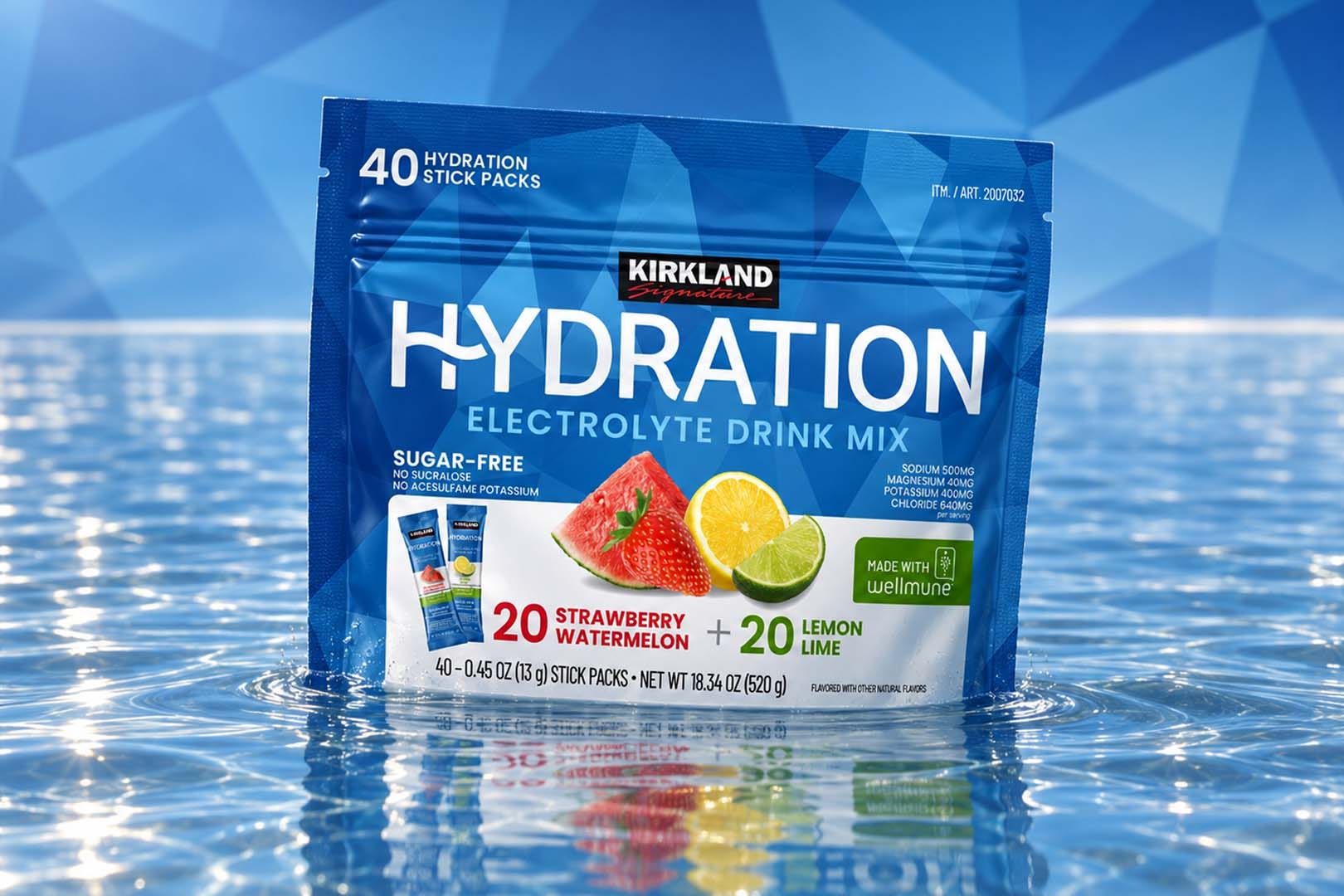
Costco launched Kirkland Signature Electrolyte Drink Mix. A 40-count variety pack runs $19.99, which works out to about 50 cents a stick, in Strawberry Watermelon and Lemon Lime. Each stick carries 500mg of sodium, 400mg of potassium, 640mg of chloride and 40mg of magnesium.
This matters more than a private-label line extension usually would. Hydration has been one of the most crowded branded categories in wellness for three years. Liquid I.V., LMNT, Cure, Nuun, Instant Hydration, Thorne, Momentous, Salud, Magna. We’ve covered brand after brand launching or extending in it this summer.
When the largest club retailer in America decides it can sell the same thing under its own label for half a dollar a serving, that’s the market saying the ingredient story is no longer enough on its own. Electrolytes stopped being a premium. They became a spec.
The brands that survive this aren’t the ones with the best sodium number. They’re the ones with a reason to exist beyond the formula: a flavor people love, a format nobody else has, a community, a price point Costco can’t match on convenience. That’s the same lesson Graza teaches from the other direction. Graza made a commodity into a brand. Kirkland is making a brand category into a commodity. The only defense is being the thing people ask for by name.
Hoplark Reportedly Files Chapter 7
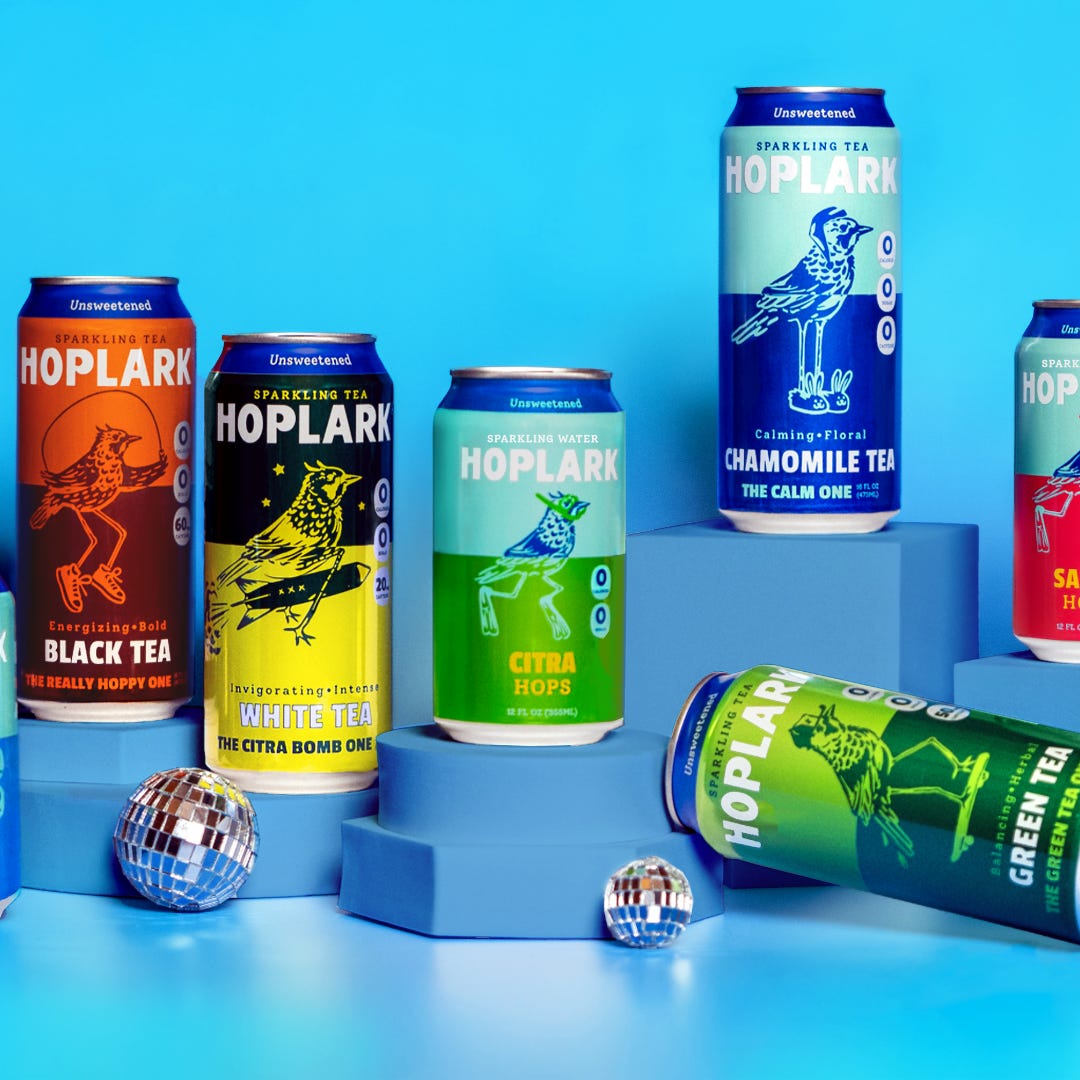
Non-alcoholic brand Hoplark reportedly filed for Chapter 7 and may sue its licensing partner, Brooklyn Brewery. Hoplark was an early mover in sparkling hop water, and revenue reached $9.3 million in 2024.
Chapter 7 is liquidation, not restructuring. And the detail about the licensing partner is the part founders should notice. We don’t know the specifics of the dispute yet, so I won’t guess at who’s right. But any brand that depends on a partner for something structural, whether that’s production, distribution or the right to use a name, is exposed in a way a brand that owns those things isn’t.
Hoplark was early to a category that’s now clearly real. Non-alc is the growth engine of beverage alcohol, Athletic Brewing is making NFL quarterbacks owners, and Diageo just launched half-strength Gordon’s. Being early didn’t save it. That’s worth sitting with.
Crosta Mollica Merges Into a €1 Billion Pizza Business
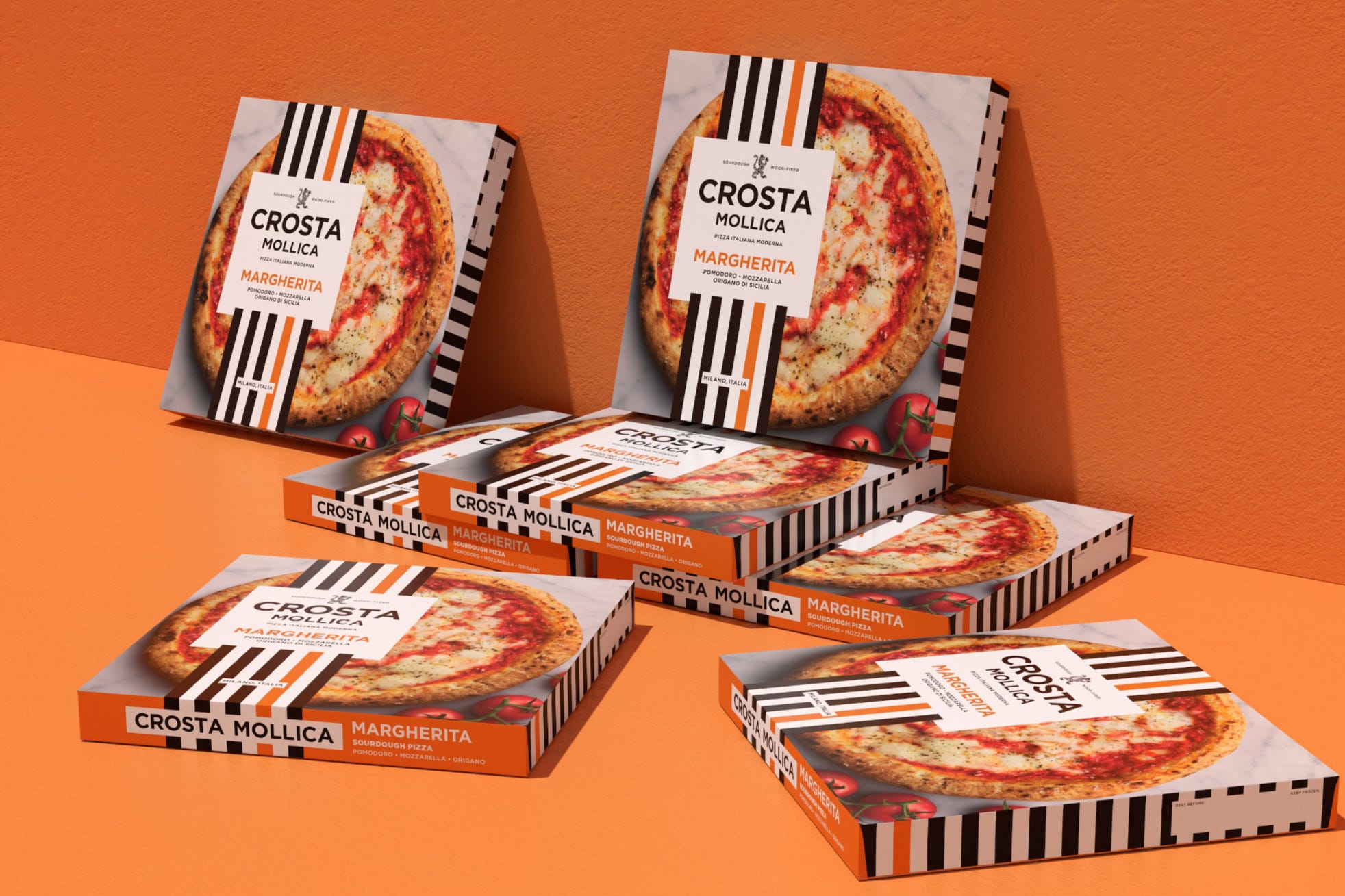
Crosta Mollica is merging with European Pizza Group, the Nestlé and PAI Partners joint venture that owns Buitoni and Wagner. The combined business will do more than €1 billion in retail sales across ten European markets, with manufacturing in Italy and Germany.
We covered Crosta Mollica exploring this deal back in Issue #45. The number that stands out now is its growth since Perwyn invested in 2024: sales tripled from €90 million to €270 million. James Orr founded it in 2009 around premium, clean-label frozen pizza.
Premium frozen keeps showing up as one of the few places legacy food companies are genuinely buying growth. A founder-built premium brand joining a portfolio with mass-market scale is the same pattern as Barilla buying GOODLES and Ferrero buying Purely Elizabeth.
Sazerac Moves on Berentzen
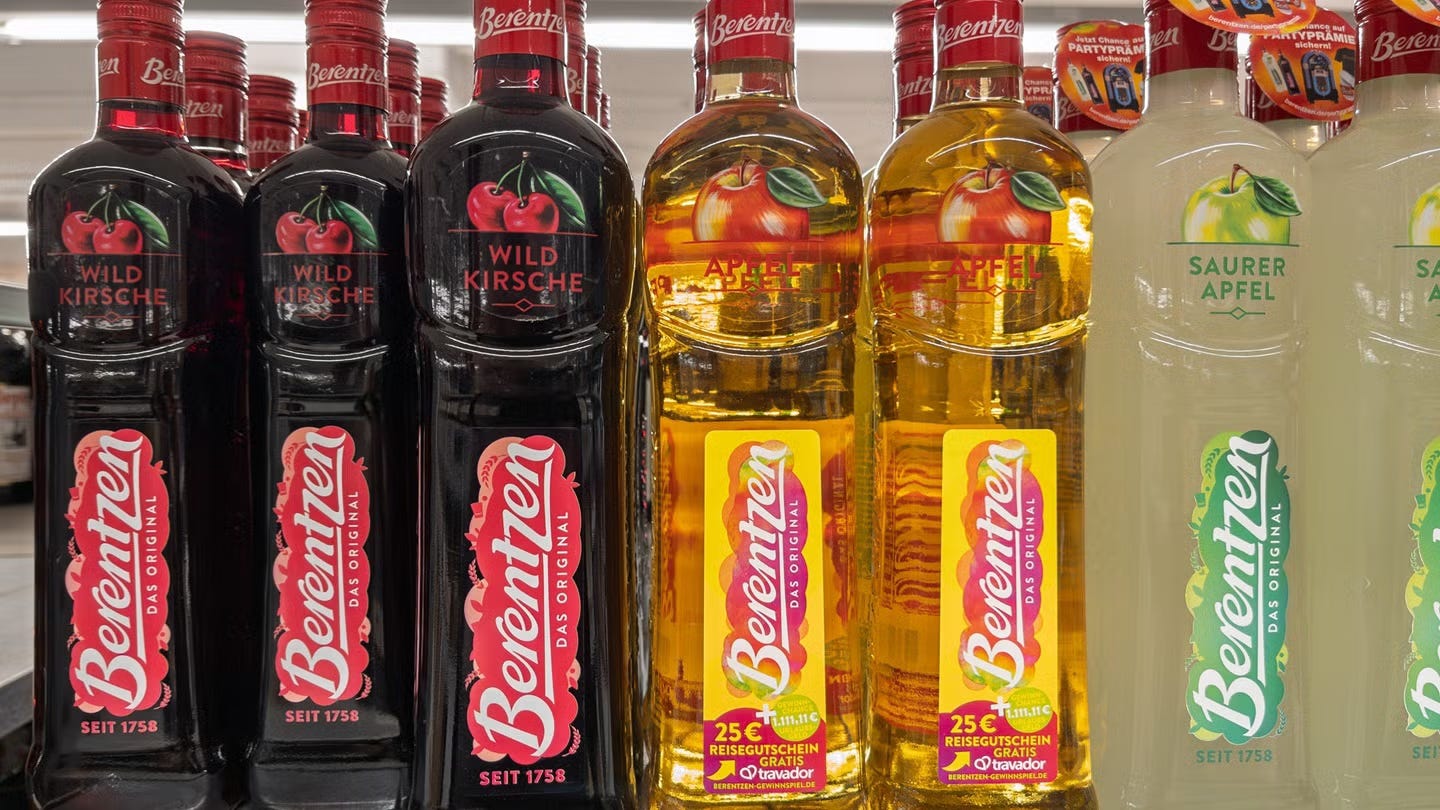
Sazerac is poised to acquire German schnapps maker Berentzen-Gruppe at €5.55 a share, a premium of nearly 70% to the unaffected price. The deal would give Sazerac manufacturing and distribution across Europe for its own brands. Sazerac is privately held and does more than $6 billion in annual revenue.
The pattern holds. Turned down twice by Brown-Forman, Sazerac has been buying ever since: Dirty Shirley, Au Vodka, Mr. Fancy with Mike Cessario, and now Berentzen.
More Deals Worth Watching
Extravaganza Beauty acquired British fragrance house Roja. Founder and master perfumer Roja Dove stays on as a consultant, and CEO Audrey Minard remains in place.
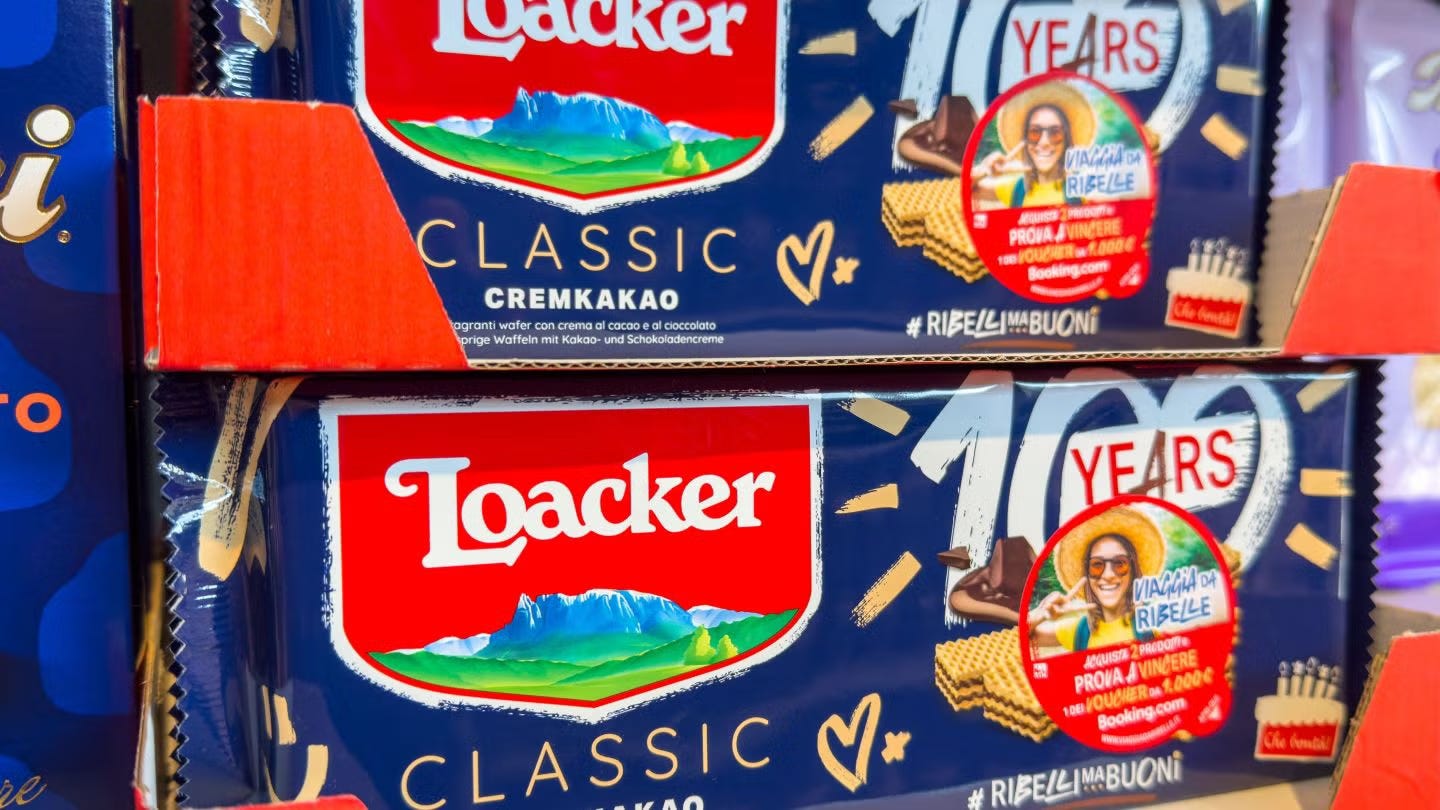
Loacker invested in Danish alt chocolate company Endless Food, which makes chocolate alternatives from upcycled ingredients like spent grain and cacao shells. With cocoa prices where they’ve been, every big confectioner is hedging.
💰 THE FUNDING FRENZY
Big checks being written
Bird&Be Raises $13 Million for Fertility, Built for Both Partners
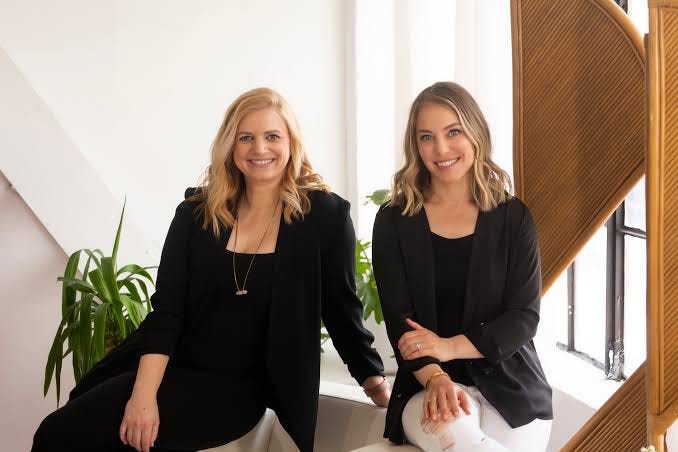
Bird&Be closed a $13 million Series A co-led by BFG Partners and BDC Thrive, with BAM Ventures, Founder Collective, Rejuvenation Ventures and HSR Ventures participating. Samantha Diamond and Breanna Hughes founded it in 2021. It’s now doing eight figures and growing nearly 100% year over year, selling fertility tests and supplements across retail and healthcare.
The detail that matters is who it’s built for. Fertility products have historically been marketed almost entirely to women. Bird&Be sells to both partners. That’s not a feature, it’s a market expansion, and at nearly 100% growth the market seems to agree.
Quick Hits
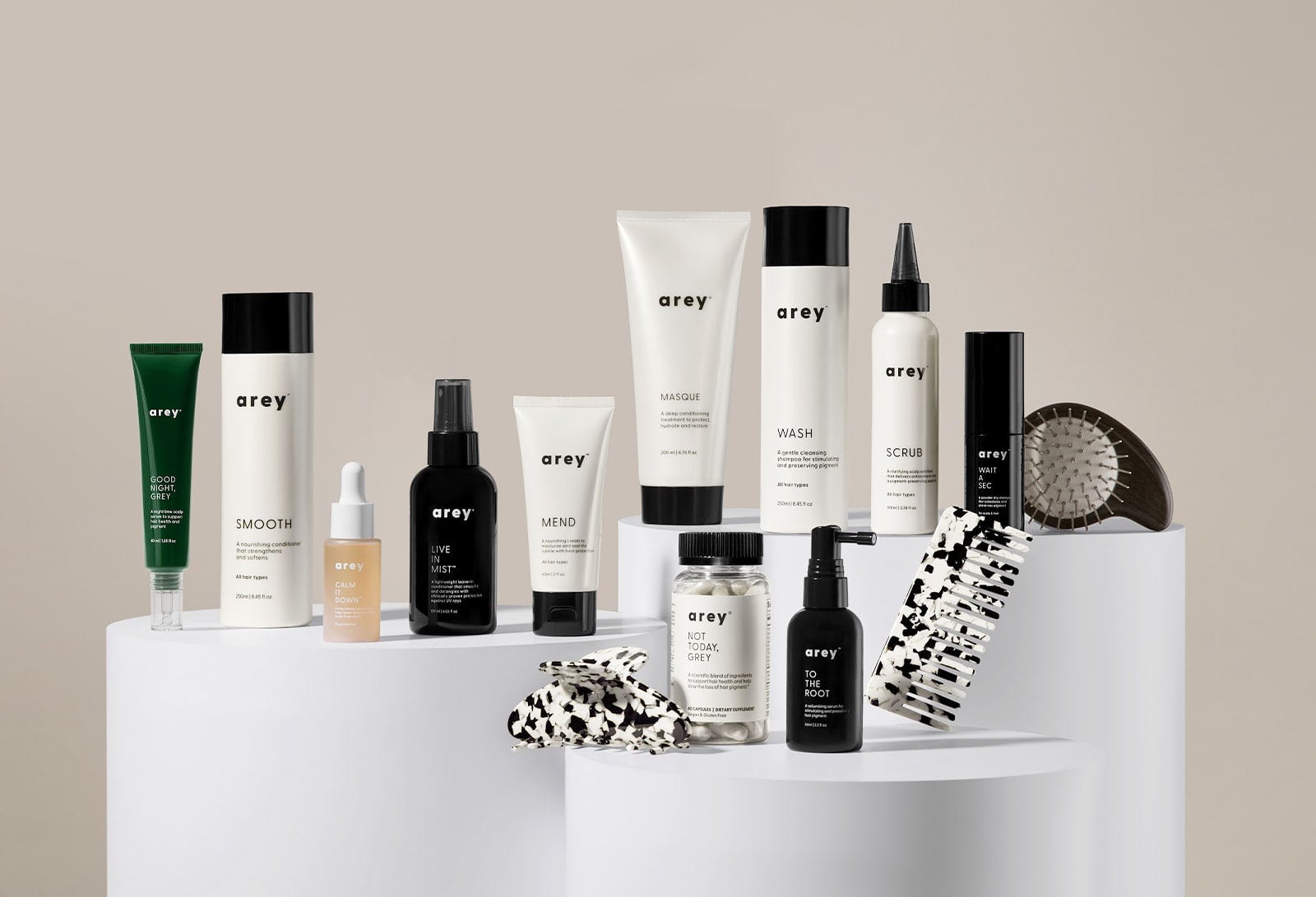
Arey, the longevity haircare brand from Allison Conrad and Jay Small, raised a Series A led by Unilever Ventures, with Greycroft and Female Founders Fund participating. Hair longevity keeps drawing money, after Belle Brands bought Vegamour and K18 launched a $120 longevity serum.
Jay Shetty joined BIOptimizers as an equity partner and its first global brand ambassador, after using its Magnesium Breakthrough for years. That’s his third consumer equity position we’ve covered this quarter, after IM8 and Sleep or Die. The use-then-invest structure keeps showing up in the celebrity deals that actually work.
DASH raised $1.5 million for fresh-frozen dog food, with a former ButcherBox operations leader running the supply side. Fresh pet food is capital intensive, so operators who’ve already run a cold chain are the right hire.
Sol Rise launched as a new consumer investment firm from Shaun Wilson, co-founder of Bondi Sands, which he sold to Kao for A$450 million in 2023. Another founder with a completed exit turning into a backer.
🆕 PRODUCT LAUNCHES & INNOVATION
This week’s innovation circus
Before Beat Tom’s, and Tom’s Responded
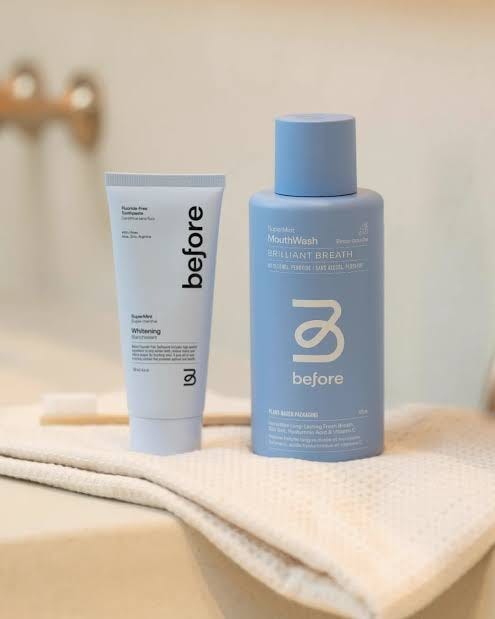
Before, the modern oral care brand, launched nationwide at Whole Foods in the US with two fluoride-free toothpastes and two mouthwashes in North America’s first plastic-free, fully home-compostable mouthwash bottle. It launched at Whole Foods Canada a year ago and overtook Tom’s of Maine for the top-shelf position there.
The same week, Tom’s of Maine launched a fluoride-free hydroxyapatite toothpaste at $11.99 a tube.
I can’t tell you one caused the other. But the bathroom counter has clearly entered its ingredient era, and the challenger took the incumbent’s shelf before the incumbent took the challenger’s ingredient.
Wellness Keeps Moving Into Things You Already Use
Lucy launched Revive, its first nicotine-free product: a mint gum with no caffeine, marketed for energy through nootropics and micronutrients. The positioning isn’t proof of an energy benefit, but the strategy is sharp. Lucy is using the gum habit it already owns to reach customers who’d never touch the core line.
CON-CRĒT is expanding into Target and CVS, with creatine gummies landing in 5,036 CVS stores. Creatine has now fully completed the trip from gym bag to drugstore.
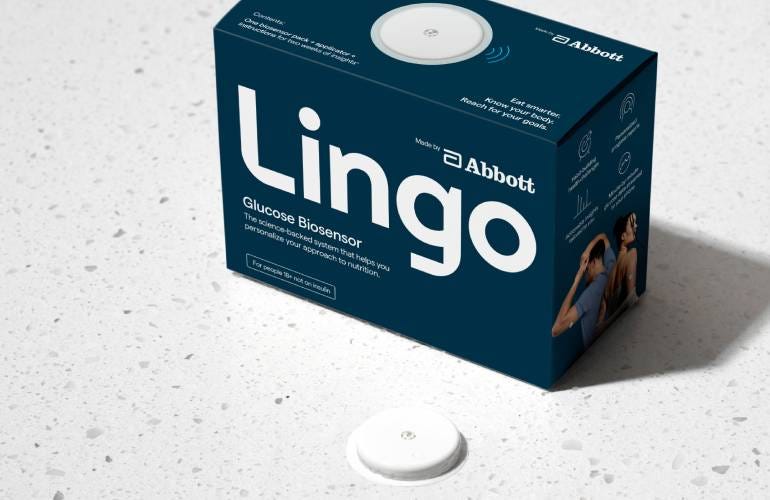
Abbott is pairing its Lingo glucose tracker with Berry Street dietitians. A graph is one thing. Someone qualified to help you interpret it is another, and that’s the missing piece in most consumer health tracking.
Arrae, which passed $100 million in revenue this year, launched Hair Protein, developed with celebrity hairstylist Chris Appleton and his daughter Kitty-Blu. Tmrw, from the team behind Simply Nootropics (which does $50 million a year), launched an 88-ingredient longevity drink mix at $119 a month or $89 on subscription. Zenwise launched Beauty, an 8g collagen stick built around the gut-skin connection. Little Spoon launched its first multivitamin for kids 2 and up, coming to Amazon in October.
Beauty
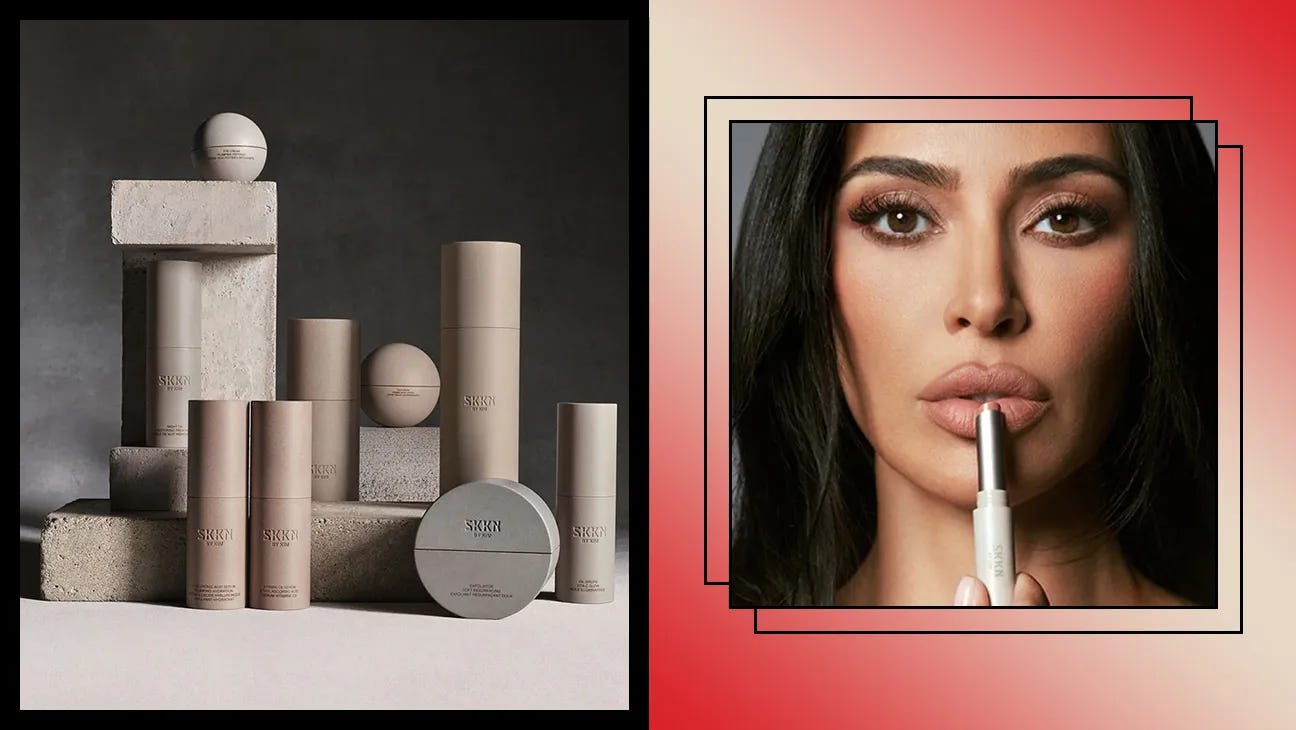
SKIMS Beauty launches next year, per Kim Kardashian. SKIMS was valued at $5 billion late last year. KAYALI enters China on October 15 across 300 Sephora locations. LeNOSE, from three former Bubble executives, launched $10 soap de parfum on its site and TikTok Shop, with Amazon coming in October. Sofie Pavitt Face launched single-use facial towels, a category Clean Skin Club pioneered to more than $100 million in 2024. Elm Biosciences launched a peptide lip serum.
Food and Beverage
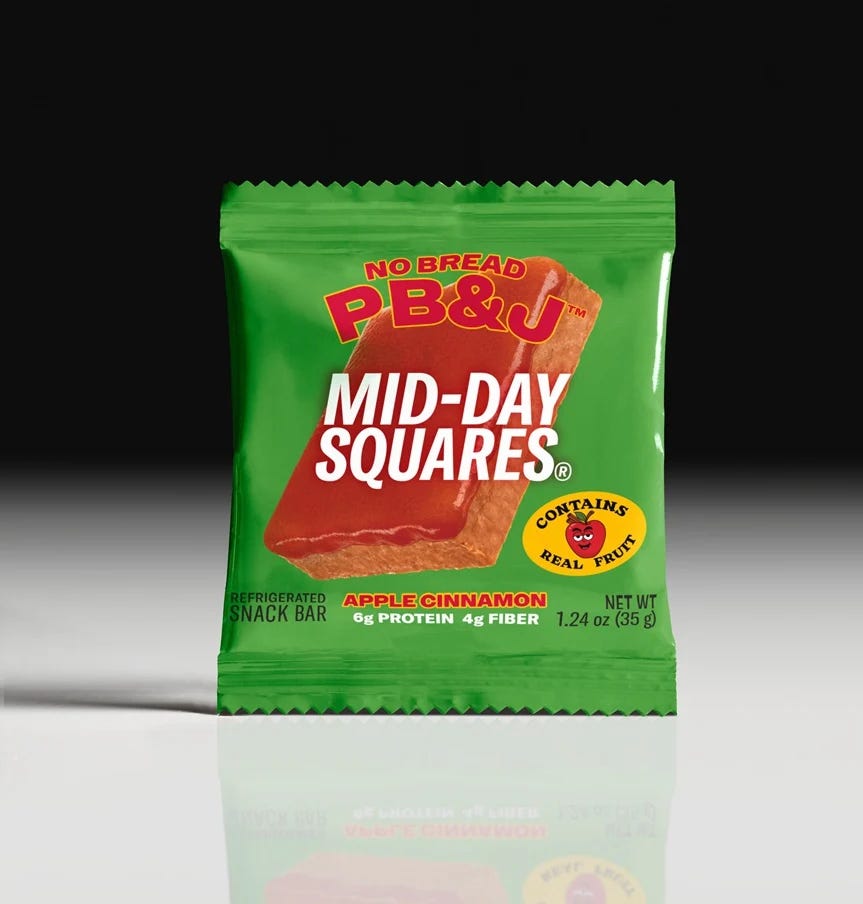
Mid-Day Squares added Apple Cinnamon to its No Bread PB&J line, which remains some of the best IP in snacks. BOLD BAR launched from Sean Jagermann with 20g protein, honey-sweetened, in caffeinated and caffeine-free versions, hitting Sprouts nationwide today. NEAP relaunched its 20g protein, 90-calorie gel with a smoother formula and new packaging. Brekki launched Protein Oats and Protein Pudding at 17g each.
Bloom is adding Lemon Freezie, Cotton Candy and Strawberry Shortie next year. Nello added four energy drink flavors. Stateside Brands is launching Purple Tiger, a 10% ABV vodka hard grape soda, in October. Dos Hombres opened a branded bar at SoFi Stadium with Bryan Cranston and Aaron Paul pouring. Willie’s Remedy+ launched 5mg THC Snap Packs.
Whole Foods named its 2026 LEAP cohort, including Cotto, HEYDOH, Joon Pistachios and üm, each eligible for a $25,000 investment. And 7-Eleven opened applications for its eighth Brands with Heart program, looking for functional beverages, protein, better-for-you snacks and fresh meals. Last year drew more than 700 applicants.
📊 THE DATA DIGEST
Numbers that matter
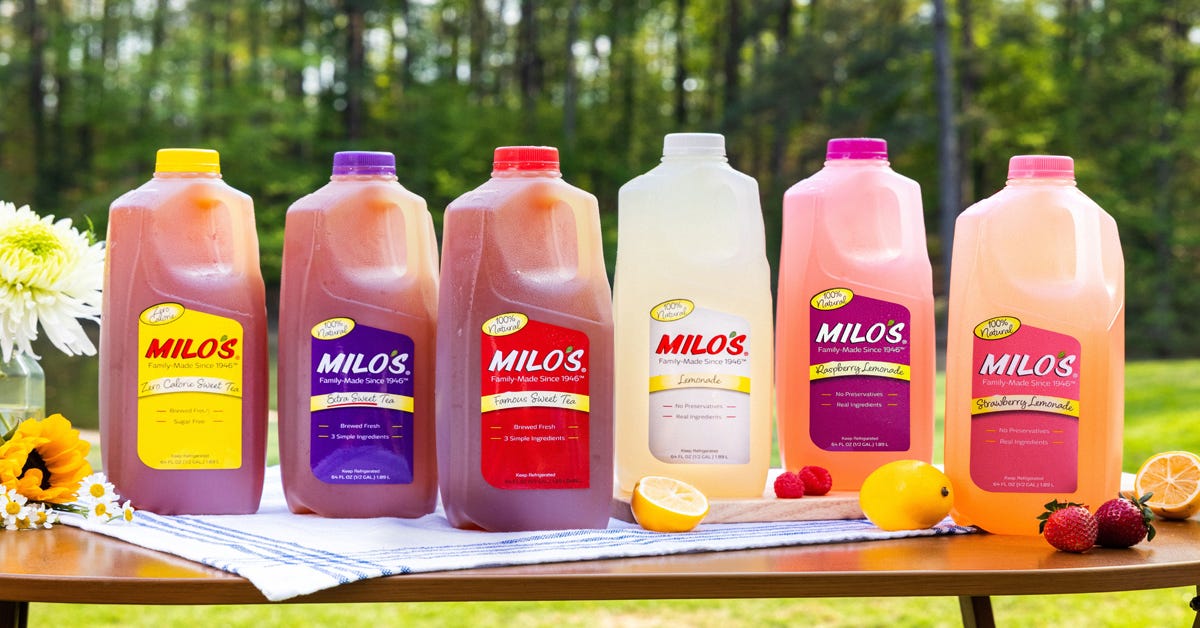
Milo’s passed $1 billion in annual retail sales. It started as a single Alabama restaurant in 1946, is now sold in more than 65,000 stores, and has more than doubled since 2022. It’s run by chair and CEO Tricia Wallwork, the founders’ granddaughter.
Lemme is the top-selling wellness brand at Ulta, accounting for about 40% of the category’s in-store sales in August. The rest of the top ten includes Nutrafol, Love Wellness, MaryRuth’s and, oddly, TheraBreath.
ALDI says its fall price cuts will save shoppers an estimated $86 million, with Honeycrisp apples and family packs of chicken breast both at $1.99 a pound. Put that next to Kirkland electrolytes and the private label pressure on branded CPG is building from every direction.
NO CAP! Soda Pop is reportedly the top-selling modern soda at a national convenience chain with more than 2,000 stores.
Men’s wellness is projected to reach $2.8 trillion by 2030, up from $1.4 trillion in 2024. Pinterest searches for “running club” are up 749% and “fragrance wardrobe” up 159%.
🏪 DISTRIBUTION DOMINATION
Everyone’s everywhere
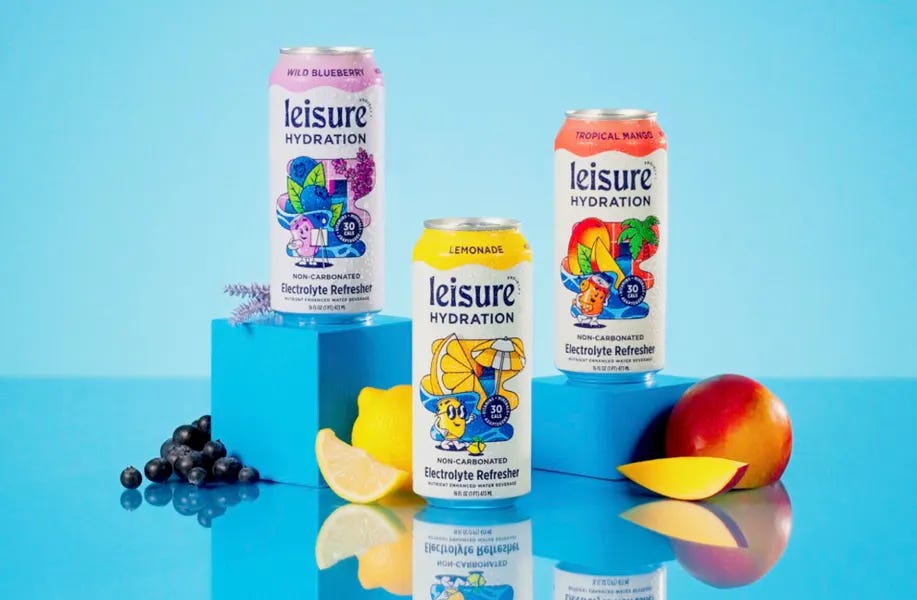
7-Eleven: Final Boss Sour launched at 8,000 stores, two weeks after entering the Walmart candy aisle at 500. That’s how fast a trial becomes a national footprint when the velocity is there. CVS and Target: CON-CRĒT creatine gummies. Whole Foods: Before and Loonen both went nationwide. Target: Leisure Hydration and oHy went nationwide, and Realsy landed select stores. Kroger: Bizzy Coffee went national. Walmart: Rotten expanded. Erewhon: Caliwater went storewide. Total Wine: Years launched in 30 markets. Costco: De La Calle launched in California and Arizona. And Bites by Sweden passed 10,000 doors including Walgreens and World Market.
👋 PEOPLE MOVES
Recess hired Matthew Sztab as Chief Commercial Officer after nearly a decade scaling Health-Ade through its acquisition, and Graham Goeppert to lead digital commerce and media after five years at Poppi. That’s a team built by people who’ve already sold a functional beverage brand.
Olaplex named Christoph Kaul CEO. He spent five years at L’Oréal before joining Henkel in 2013, and Henkel bought Olaplex for $1.4 billion earlier this year.
Kylian Mbappé signed with On as the running brand enters football, helping develop future footwear and apparel.
🔥 THE HOT TAKE
My unfiltered opinion on this week’s madness
Every category is somewhere on a line between commodity and brand, and this week showed things moving in both directions at once.
Graza started at the commodity end. Olive oil is about as undifferentiated as food gets. It built its way up the line with packaging, naming and usage: two oils defined by what you do with them, in a bottle that changes how often you reach for it. It raised almost no money doing it, because a brand that people ask for by name doesn’t need to buy its way onto the shelf. Now it’s asking to be valued at up to twenty times earnings.
Electrolytes went the other way. Three years ago a hydration packet was a premium wellness product. Then a dozen brands crowded in, the ingredient spec converged, and this week Costco put it in a Kirkland box at 50 cents a stick. When the club store can sell your category under its own label, the category has slid back toward commodity, and every brand in it now has to justify its premium with something other than the formula.
Most founders think about their brand as a fixed thing. I think it’s more useful to think of it as a position on that line, and to ask which direction you’re moving.
The forces pulling you toward commodity are real and they never stop. Competitors copy your formula. Retailers launch private label. Ingredient specs converge. Input costs rise and squeeze your premium. Your hero claim becomes table stakes.
The forces pulling you toward brand are the ones you have to build on purpose. A name people say out loud. A format that changes behavior. A reason to exist that a spec sheet can’t capture. Graza has one. Before has one, which is how it took Tom’s shelf at Whole Foods Canada. Milo’s has one, eighty years in, which is how a sweet tea from a single Alabama restaurant does a billion dollars.
And watch the capital lesson hiding in here. Graza raised under $3 million. Milo’s is family owned. Neither needed to raise their way to scale, because demand pulled them there. Hoplark was early to a category that’s clearly real now, had real revenue, and still ended up in Chapter 7. Being early is not the same as owning your position.
So here’s the question I’d actually ask about your brand this week. If Costco launched a Kirkland version of your product tomorrow at half your price, what would your customer still come back to you for?
If you can answer that in a sentence, you’re moving toward brand. If you can’t, you’re closer to commodity than you think, and the private label is coming either way.
Build accordingly.
🎙️ COMING TUESDAY
Unpackaged Goods Episode
Graza raising under $3 million and asking up to $600 million. Costco turning electrolytes into a Kirkland product. Hoplark’s Chapter 7 and what early movers get wrong. Milo’s passing a billion dollars eighty years after its first restaurant. And Before taking Tom’s shelf at Whole Foods Canada.
🥫 ONE MORE THING...
Before you close this tab
Milo’s started as a single restaurant in Alabama in 1946. The sweet tea was just what they served with the burgers.
Eighty years later it’s a billion-dollar brand in 65,000 stores, run by the founders’ granddaughter, and it has more than doubled since 2022.
Graza did its version of this in under four years. Milo’s did it across three generations. Different speeds, same underlying move: take a thing people already drink or cook with every day, make it the one they ask for by name, and let the demand do the scaling.
Not every great brand is a rocket. Some are just a very good sweet tea that nobody ever stopped buying.
Until next Monday, Jonathan Deeter Your CPG-Obsessed Friend
P.S. Prediction ledger check. Back in July I said electrolytes were the new protein. This week they became the new Kirkland. I’ll take partial credit for calling the trend and zero credit for predicting where it ended up. Pickle protein powder by Q1 2027 remains outstanding. At this rate Costco will launch it first.
Comment NEWSLETTER to get The Deeter Digest delivered straight to your inbox every Monday 🥣