


Issue #42 | August 17, 2026
🥄 FIRST BITE
The appetizer before we dive in
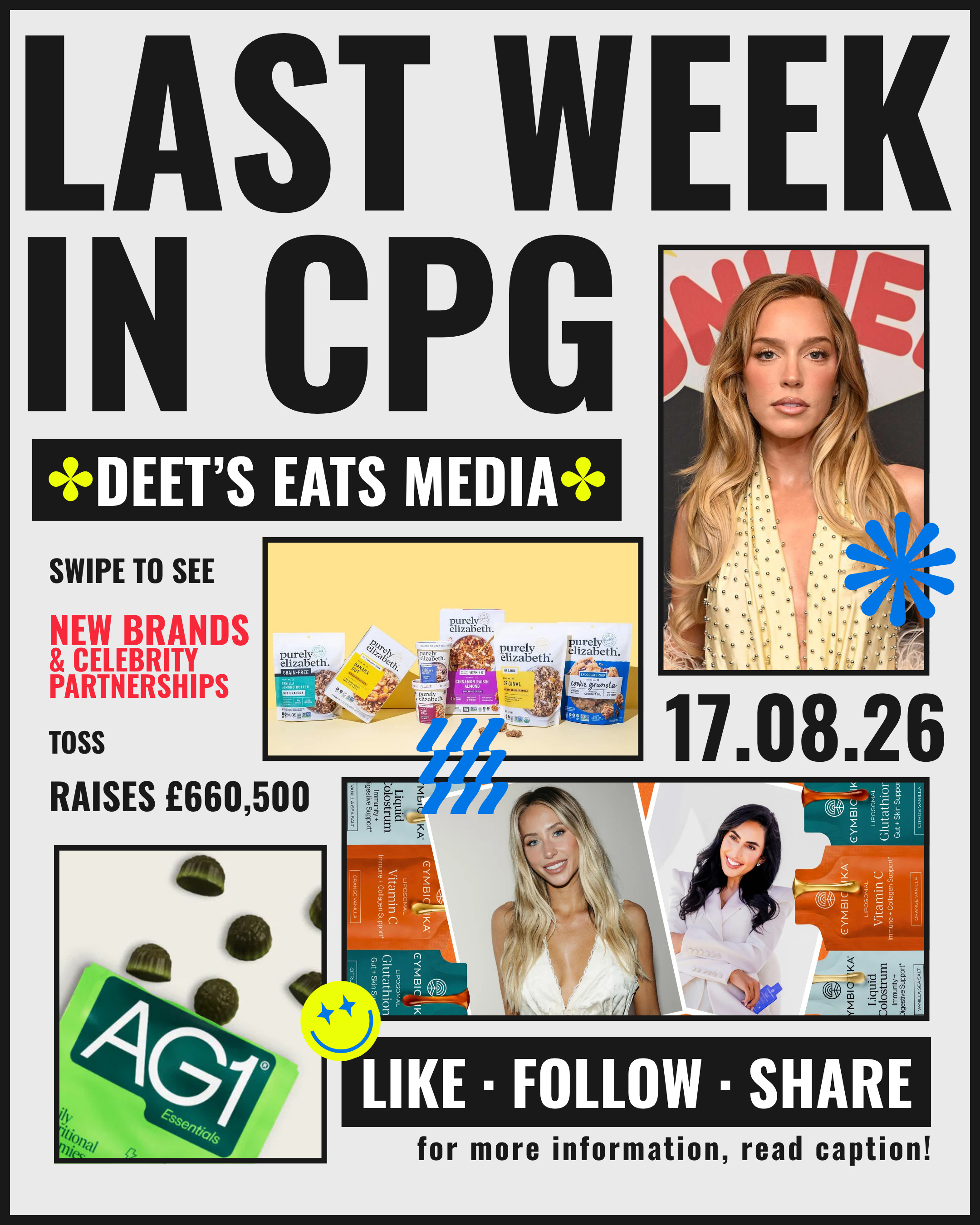
Welcome back. Four things happened this week that only make sense together.
Ferrero agreed to buy Purely Elizabeth, a brand Elizabeth Stein started in 2009. Alex Cooper’s Unwell beverage business is reportedly shutting down after Halloween, less than two years after launch. Primal Queen says it beat Target’s in-store expectations by more than 100%. And Lifeway posted its 27th consecutive growth quarter selling fermented milk.
Seventeen years of building. Two years of celebrity attention. Both ended this week, and only one of them ended well.
We talk constantly about reach in this industry. Followers, impressions, celebrity partners, door counts. All four are inputs. None of them is demand. Unwell had one of the largest media engines a new beverage could ask for, and that engine got the cans noticed but couldn't make anyone buy a second one. Meanwhile, Carbliss ran a limited variety pack, watched it hit fourth-highest SKU velocity in all of U.S. food at 22% distribution, and made it permanent. Wandering Bear tested one format in about 300 Target stores and earned a different format nationwide.
The difference is observable behavior. Reorders, velocity, repeat purchase, contribution margin. The boring numbers that tell a buyer the customer came back without being chased.
Reach opens the door. This week, proof decided who got invited back. Let’s dig in.
🍊 THE MAIN COURSE
This week’s biggest CPG moves
Ferrero Agrees to Acquire Purely Elizabeth
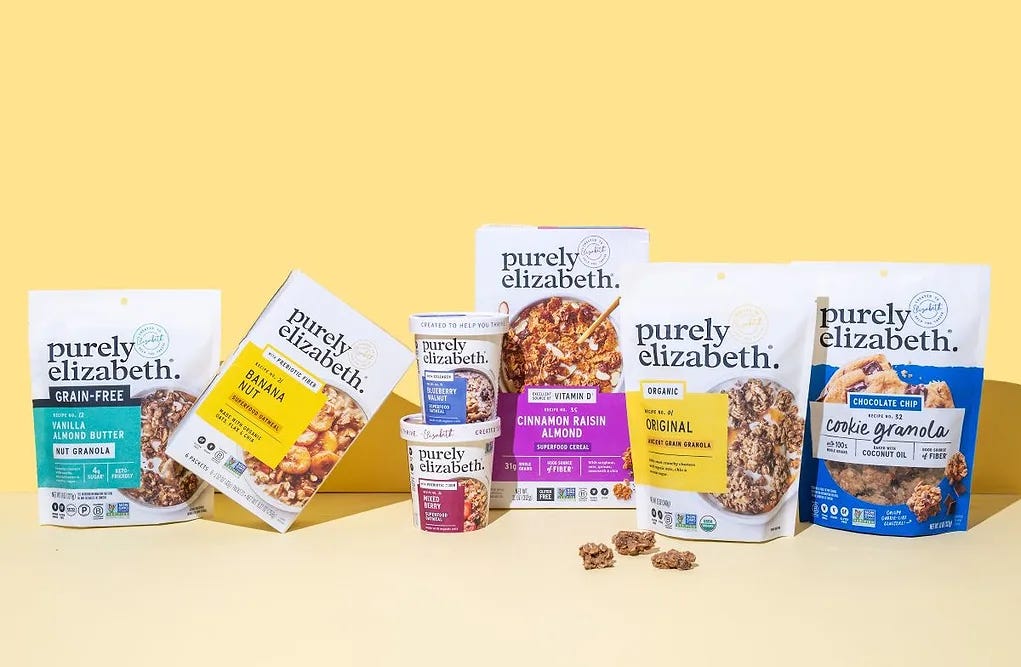
Ferrero signed an agreement to acquire Purely Elizabeth, the wellness breakfast brand Elizabeth Stein founded in 2009. Terms were not disclosed. Ferrero says it will support innovation, operations, and distribution after close while preserving the brand’s identity, with Stein staying on.
Read the structure, because it tells you what Ferrero thinks it bought. This is not a company acquiring a granola recipe and dropping it into a factory schedule. It is a Nutella conglomerate buying credibility at the modern American breakfast table, something Ferrero has spent years unable to manufacture internally.
Every large food company is shopping for relevance right now. We have watched it all summer. P&G paid $3.8 billion for Thorne. Bain took Vitabiotics. Kirin took Jamieson. The smartest of these buyers understand the asset isn't just the product. It is the brand’s taste, the customer’s trust, and the permission that brand has earned to keep launching new things. Integration creates scale. Too much integration erases the reason you wrote the check.
Purely Elizabeth spent seventeen years earning the right to be acquired without needing to disappear. That is the whole game, and almost nobody plays it that patiently.
Unwell Reportedly Shuts Down
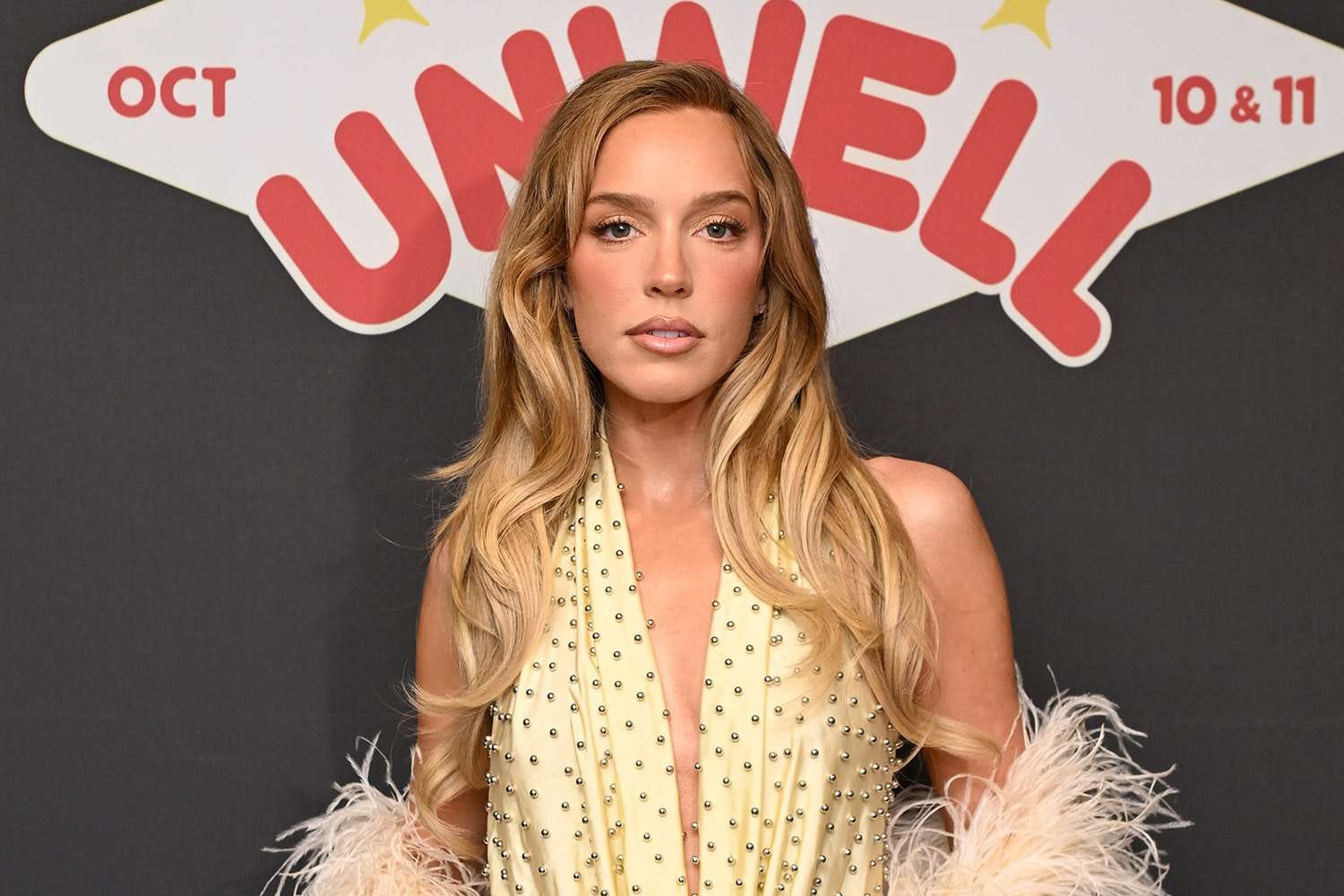
Alex Cooper’s Unwell beverage business is shutting down after Halloween, less than two years after launch. Unwell Media continues. The drinks do not.
This is the cleanest counterweight to every celebrity launch that crossed the feed this week, and there were a lot of them. Khloé Kardashian launched collagen protein chips. Kim Kardashian signed on with Broc Shot. Alix Earle invested in Cymbiotika. Oura signed Coco Gauff and Taylor Fritz. Any of those can work. But attention is the beginning of the test, not the result of it.
We have been building this case for a month now. LVMH offloaded its stake in Beyoncé’s whisky. Campari sold Sammy Hagar’s tequila. Axum had to bring in professional operators to run Wembanyama’s hydration brand. And now the biggest audience in podcasting could not keep a beverage line alive for two years.
A huge audience generates a first purchase. Beverage economics have to generate the second one. The liquid has to earn a spot in somebody’s routine, the distribution has to stay productive, and the margin has to survive the cost of getting cold cans into hands. Follower count is not purchase frequency, and Unwell found out fast.
The one to watch now is Alix Earle and Cymbiotika, because that deal is structured differently. She used the products for years, then bought equity in a brand already doing $150 million. Use, then scale, then ownership. That sequence has a much better track record than renting a famous face to hold a bottle once.
Nichols Buys VITHIT for £64 Million
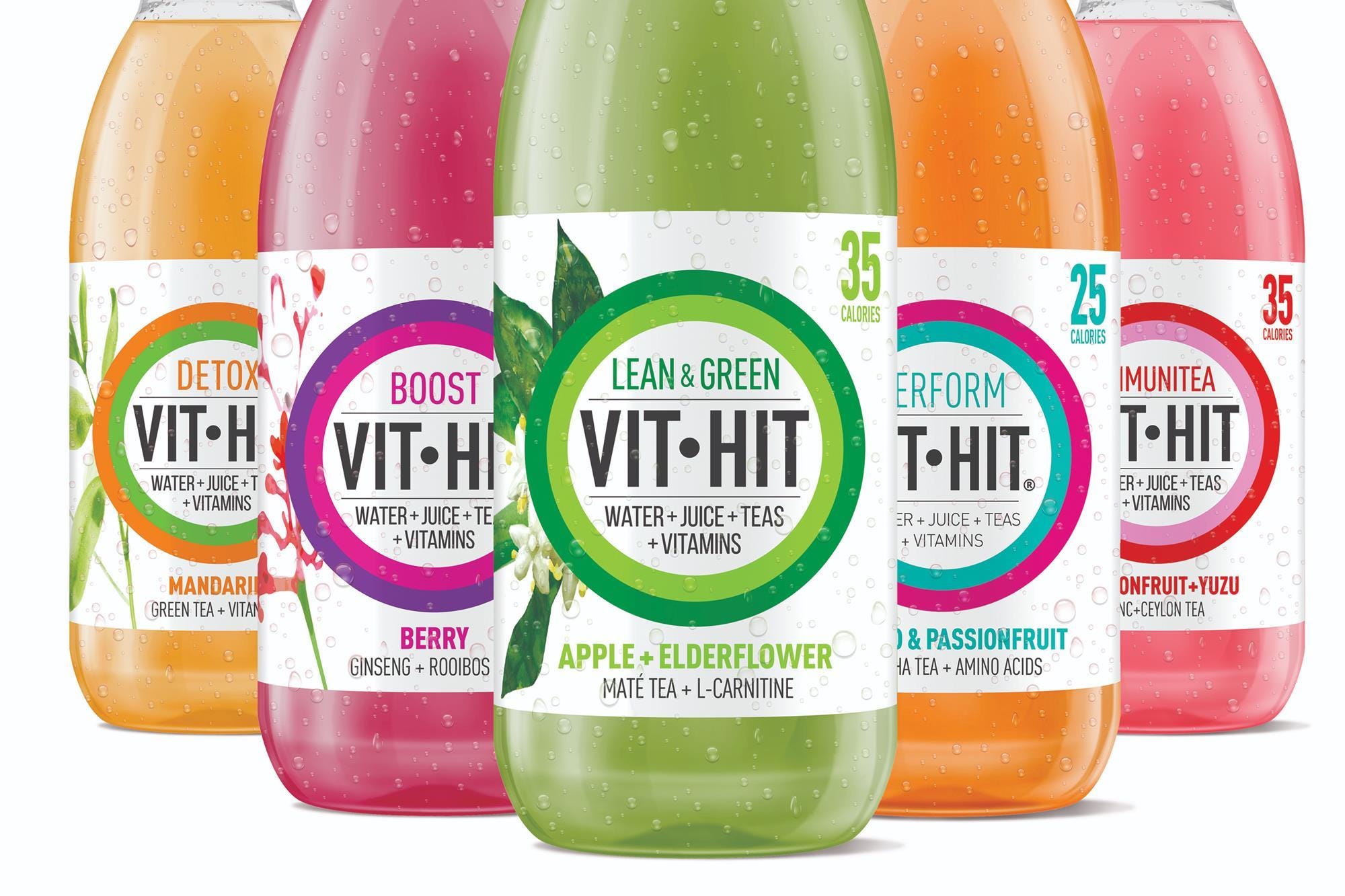
Nichols acquired VITHIT for £64 million after the functional drinks brand generated €26.5 million in 2025 revenue. The deal covers 100% of VITHIT and its subsidiaries, and the brand sells across the UK, Ireland, and 13 other international markets.
This is what a clean strategic acquisition actually looks like. VITHIT already proved consumers want the product. Nichols brings the part that gets brutally expensive to build one country at a time: Vimto’s route to market, retailer relationships, and international operating experience.
Founders spend years building demand and then discover that distribution is a second company hiding inside the first one. Different skills, different capital requirements, different people. VITHIT found a buyer that already owns the second company, which is a much better outcome than spending five years and a growth round trying to build it yourself.
Also worth noting where this happened. The UK keeps producing functional beverage brands that get bought or scale fast. Reformed hit $70 million profitably in two years. PerfectTed is approaching $100 million in matcha. MOTH raised £11 million as the number two RTD in UK grocery. Now VITHIT exits at £64 million. That country is quietly running a factory for exactly this kind of business.
C&S Wants Control of Winn-Dixie, Not Just Its Purchase Orders
C&S Wholesale Grocers plans to become Winn-Dixie’s majority owner in a deal expected to close in early 2027. C&S runs more than 200 corporate grocery stores and 60 distribution centers, and says Winn-Dixie will pursue new stores, refreshes, and supply chain efficiencies after closing.
Wholesalers usually make their money behind the shelf. This moves C&S in front of it.
Control gives the company a network to point to. Procurement, distribution, store operations, and capital planning stop being four separate conversations with a customer and become one operating system. For brands, that changes how decisions get made. A retailer backed by its own wholesaler can move faster on assortment and replenishment, which is good. It can also centralize much more leverage, which is less good if you are the one negotiating.
We covered Kroger buying Giant Eagle for $1.65 billion back in July and made the point that every consolidation removes an independent buyer from the board. This is the same story from a different direction. If it closes, the shelf and the supply chain answer to the same owner.
FDA Moves to Close the Self-Affirmed GRAS Door
The FDA proposed replacing the voluntary self-affirmed GRAS pathway, which has been in place since 1997, with mandatory agency notification. The proposal would cover new ingredients and substances already self-affirmed and on the market. FDA would make a pre-filing decision within 45 days and a safety determination within 180 days.
To be precise about what this is: mandatory notification, not a new premarket approval regime. That distinction matters. But so does the disclosure requirement, and this is not a label tweak. It changes the evidence burden sitting behind your formula.
If you have been treating GRAS status as a document your supplier hands you, that stops being enough. You need to know who made the determination, what evidence supports it, and whether the same ingredient has already been filed by someone else. That work is a lot harder to do after your product is on shelf and a retailer’s compliance team asks for the file.
Put it next to WK Kellogg pulling artificial colors and BHT a year ahead of schedule, which we covered last week. Reformulation and regulatory diligence are both moving up the calendar because everyone can see where the pressure is heading. Do this work in product development, not in the folder you frantically assemble when somebody asks a question.
More Deals Worth Watching
Lactalis agreed to buy Saputo’s UK dairy business for roughly £988 million, including five manufacturing plants and brands like Cathedral City, Wensleydale, Davidstow, Clover, and Country Life. The division did about $1.2 billion over the past four quarters. Lactalis has been on an absolute tear, and this follows Protein Works earlier this year.
Zevia’s board said it will review a 4% shareholder’s call to sell the company, with Kanen Wealth Management floating $2.75 to $3.75 per share. Zevia is in more than 41,000 retail locations, which is plenty of distribution and apparently not enough peace.
💰 THE FUNDING FRENZY
Big checks being written
inKind Secures $414 Million

Restaurant finance platform inKind closed a $414 million second tranche led by Citi and Cross River, pushing total capital raised past $1.2 billion. The platform connects more than five million diners with over 8,500 restaurants representing nearly $30 billion in annual restaurant sales.
This is financing infrastructure rather than a consumer brand equity round, but the size is worth paying attention to. Restaurants need capital, diners want value, and inKind sits in between funding operators against future customer spend. It is the same picks-and-shovels instinct we saw with Proxy Foods AI and Springdale backing Hetal and Martie. The money keeps finding the layer underneath the brands.
Toss Raises £660,500 for the Everyday Squeeze
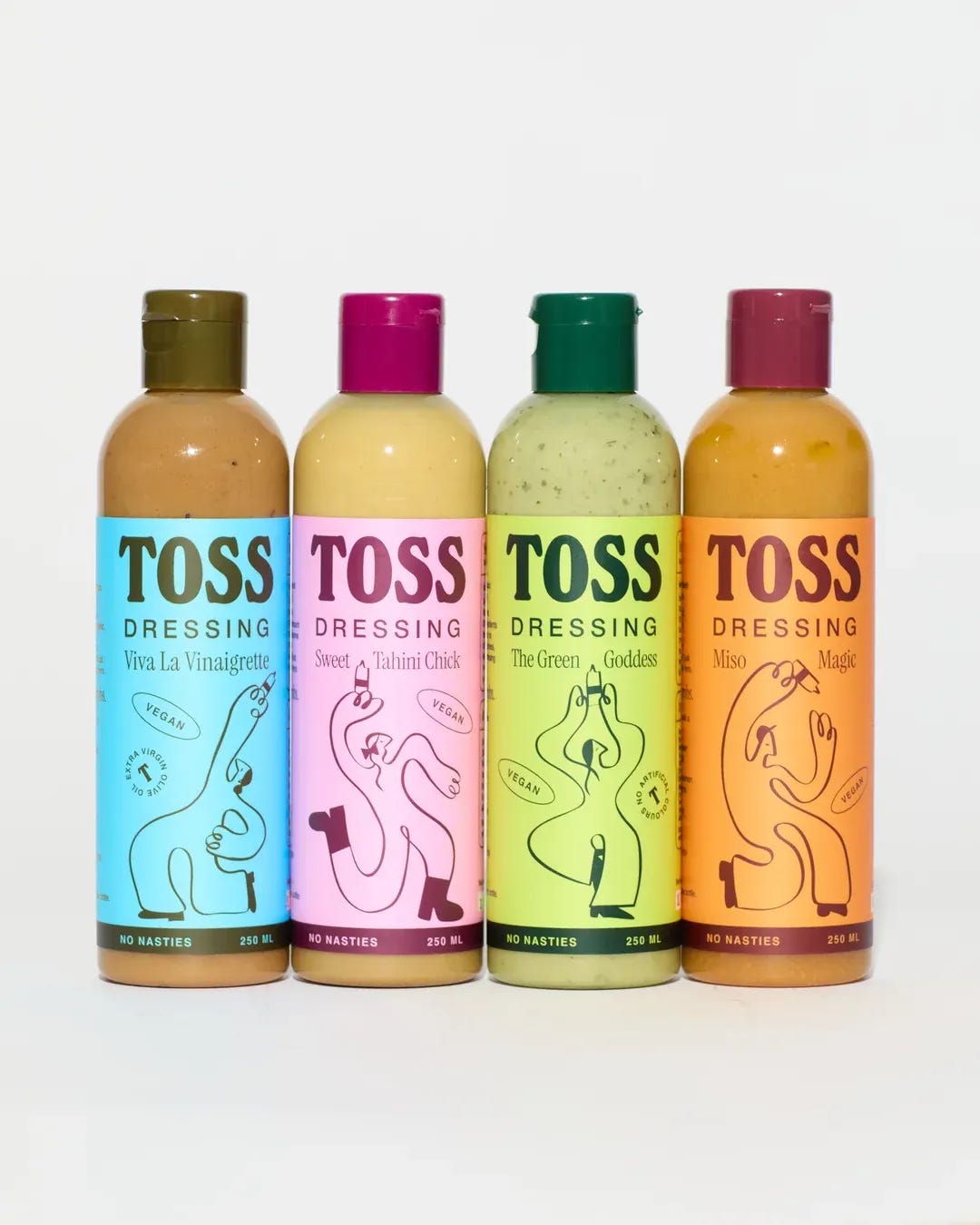
Sisters Grace and Sophie Devlin raised £660,500 for Toss to expand retail distribution, build awareness, and develop new formats. The UK dressing brand wants to move beyond salad into dipping, marinating, glazing, and spreading.
That sounds like product expansion. It is really occasion expansion, which is a different and better thing. A bottle gets more valuable the moment a customer can reach for it on a Tuesday without first having to buy lettuce. Every condiment brand that has broken out did some version of this.
A $300 Million Fund Targets Hospitality AI

EMERGING and Promethean launched a $300 million Experience Fund with a $500 million hard cap, targeting AI, automation, and data infrastructure for hospitality and experiential entertainment.
The interesting part is not the capital. It is the distribution attached to it. The fund says it has route-to-market visibility through Buyers Edge Platform across nearly one in three U.S. restaurants. Money is useful. Money that arrives with customers attached is a completely different offer, and that's why Cox Farms leading Hippo Harvest’s round mattered more than the $30 million itself.
Alix Earle Invests in Cymbiotika
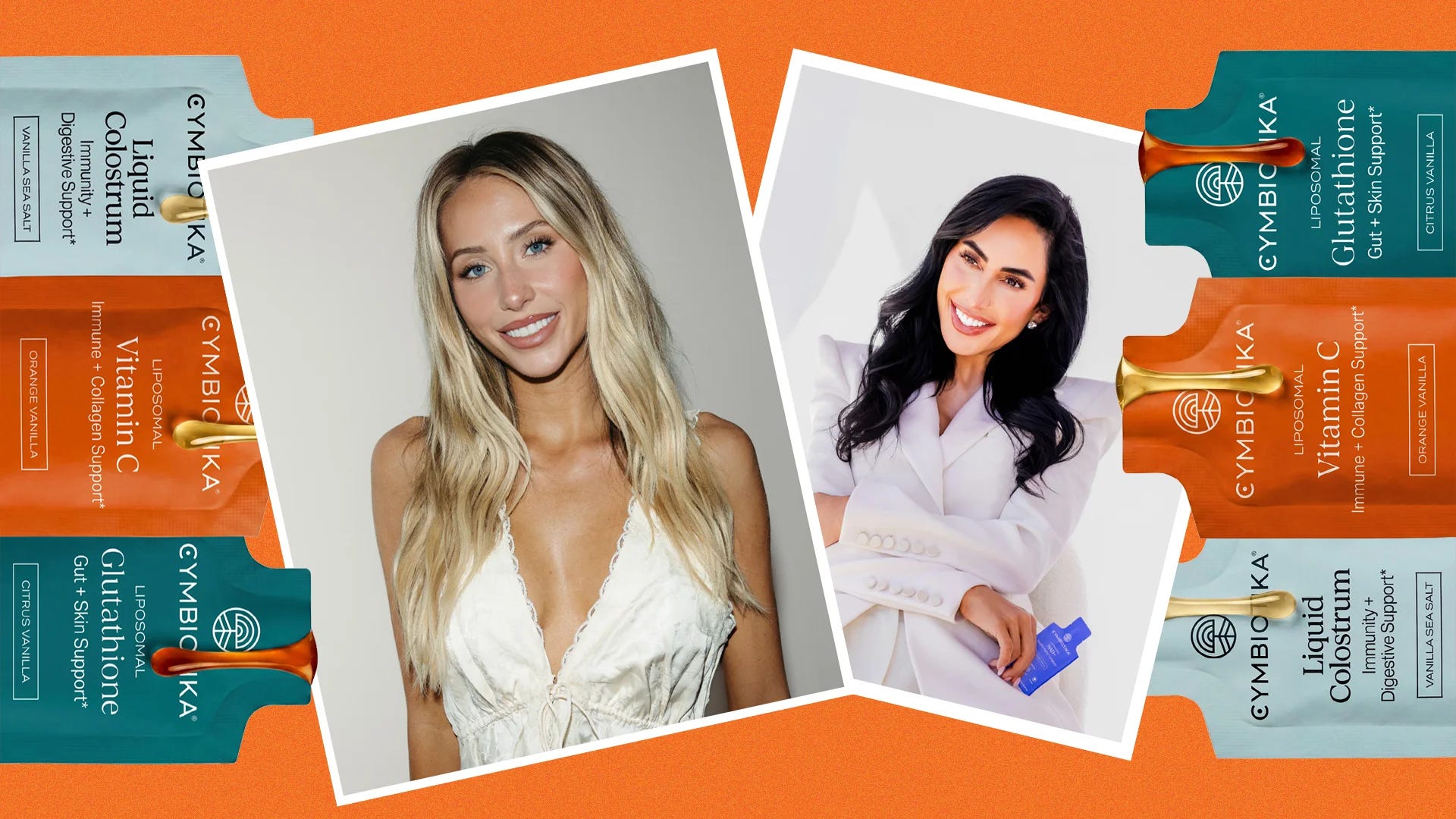
Alix Earle invested an undisclosed amount in Cymbiotika after the supplement brand hit $150 million in 2025 revenue. Cymbiotika entered Target, raised $25 million in January, and moved into Ulta in March. Covered above, but the sequence deserves repeating: she used the products, then the brand scaled, then she took equity.
🆕 PRODUCT LAUNCHES & INNOVATION
This week’s innovation circus
SlimFast Tries to Outgrow Weight Management
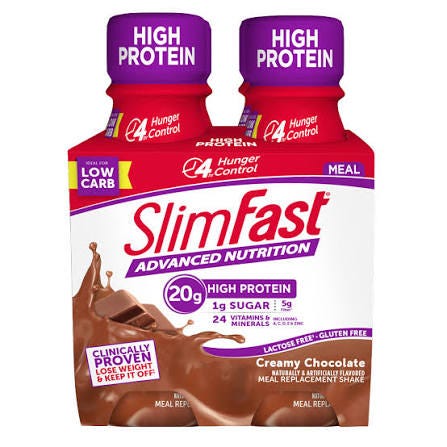
Supreme is investing £5 million in SlimFast as the brand launches seven functional nutrition products priced from £8.99 to £12.99, moving into hydration, energy, protein, and everyday wellness through major retailers and Amazon starting mid-August.
SlimFast has awareness that a new wellness brand would spend a decade and a fortune buying. The question is whether the name can mean something other than dieting. Legacy brands can stretch, and Gap just proved it by reissuing its 1990s fragrances at $52 a bottle. But Gap was reactivating a memory people liked. SlimFast is trying to outrun one. Harder problem.
Domino’s Makes the Whole Pizza Personal
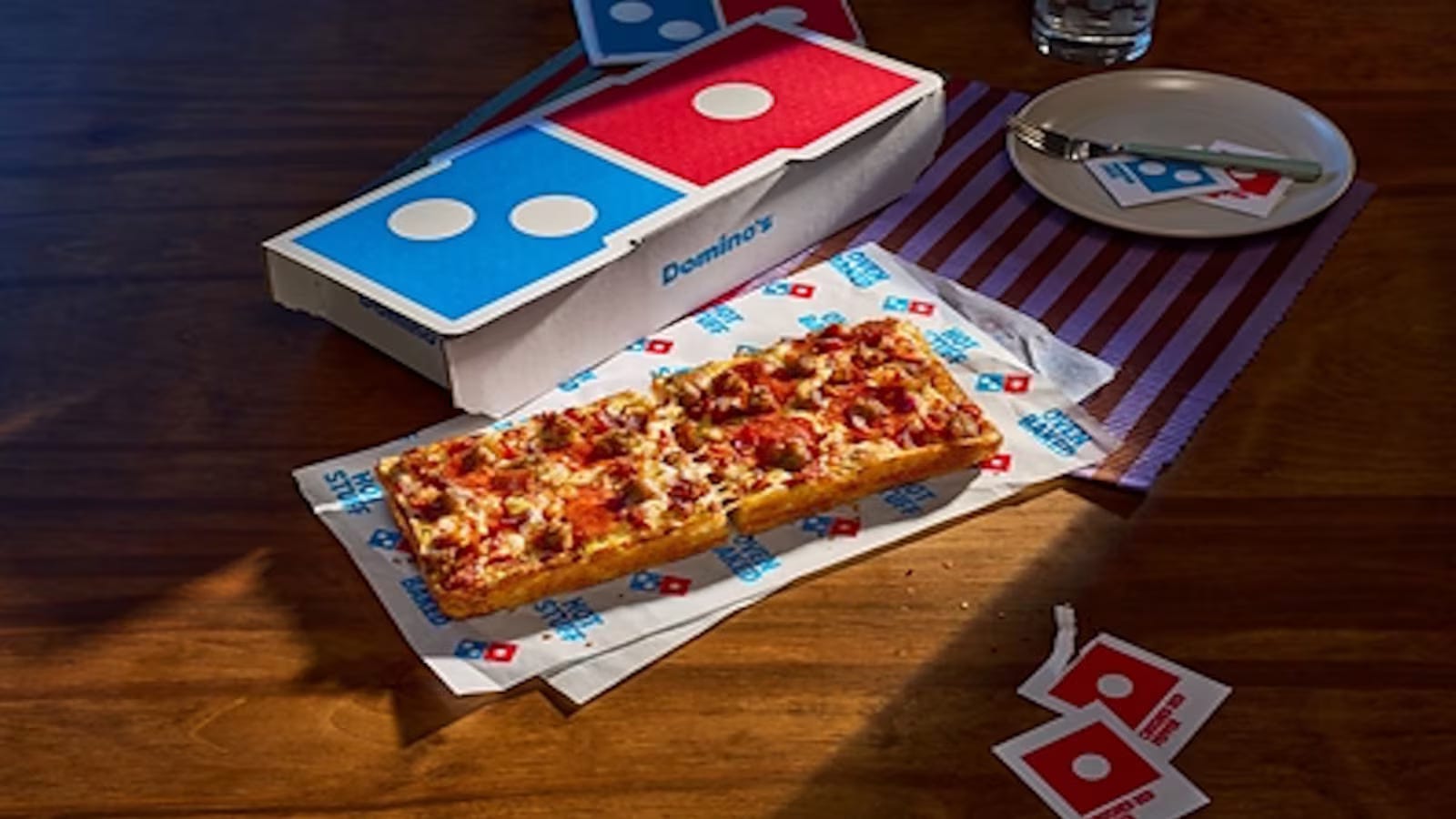
Domino’s will launch a Detroit-style personal pizza nationwide on August 31, the first pizza named after the 65-year-old chain. A two-topping Domino goes into the $6.99 Mix and Match deal when customers pick two or more eligible items.
The innovation is not the crust. It is giving one person an entire pizza built for them instead of a slice of something shared. Portioning became the product, which is the same move Little Spoon made with Pancake Spoonies and Lunchly made with Lil Sammies. Format is doing more work than flavor right now.
Protein Keeps Absorbing Other Categories
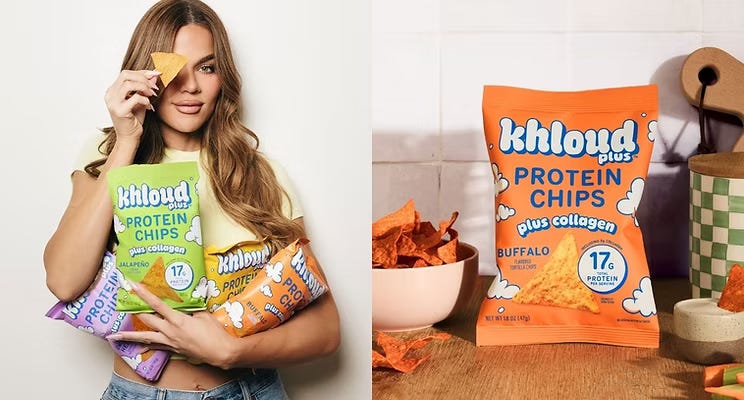
Khloud launched collagen protein chips exclusively at Walmart, 17g of protein and 2g of collagen per bag. Protein does the repeat-purchase job. Collagen gives you a reason to look twice. We first covered Khloud in May at $15 million raised and 29,000 doors, so the category jump from popcorn to functional chips is real movement.
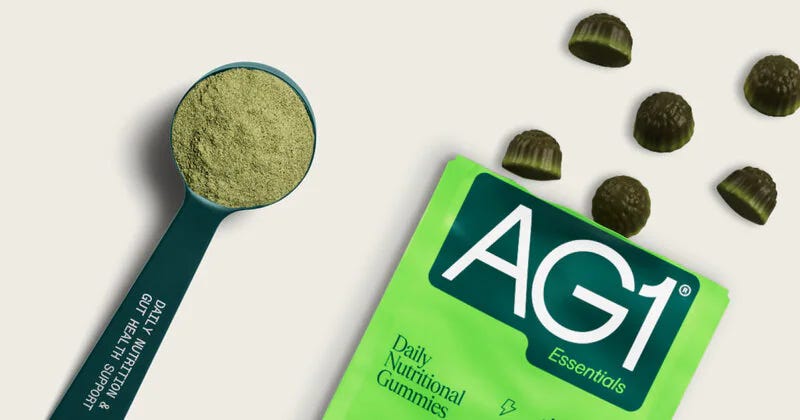
AG1 launched Essentials Gummies, 50 ingredients in an eight-gummy daily serving at $49 a month. The powder built the habit. The gummies remove the shaker bottle, which is the entire pitch.
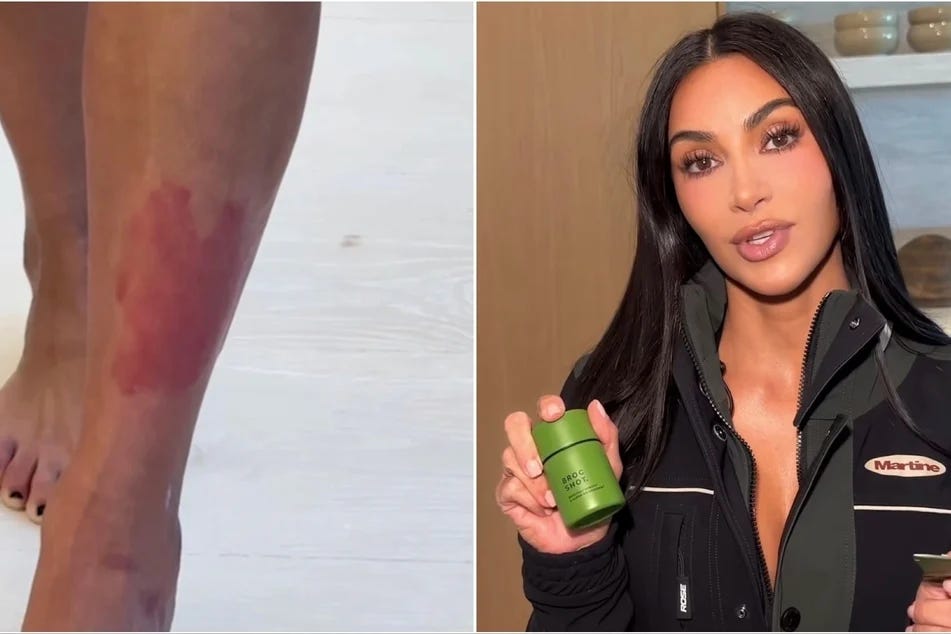
Broc Shot brought on Kim Kardashian as an advocate rather than an investor or collaborator. The broccoli seed supplement expects a six-month campaign to deliver at least a million new customers and a sales day roughly 20 times normal. That is a wonderfully specific number to publish in advance, and we will all get to see whether attention converts.
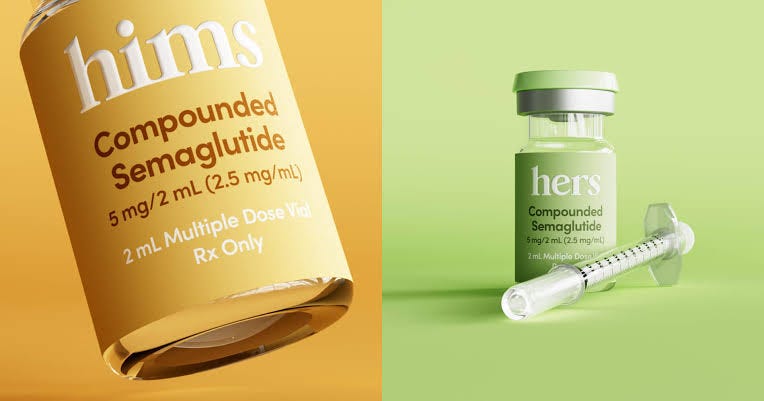
Hims is preparing to launch peptides while Wall Street stays cautious about what the category adds this year. Peptides keep showing up. Feel Peptides raised $3 million back in May trying to make them feel less gray-market and more premium wellness club. The ingredient is arriving faster than the trust in it.
Carbliss Turns a Limited Release Permanent
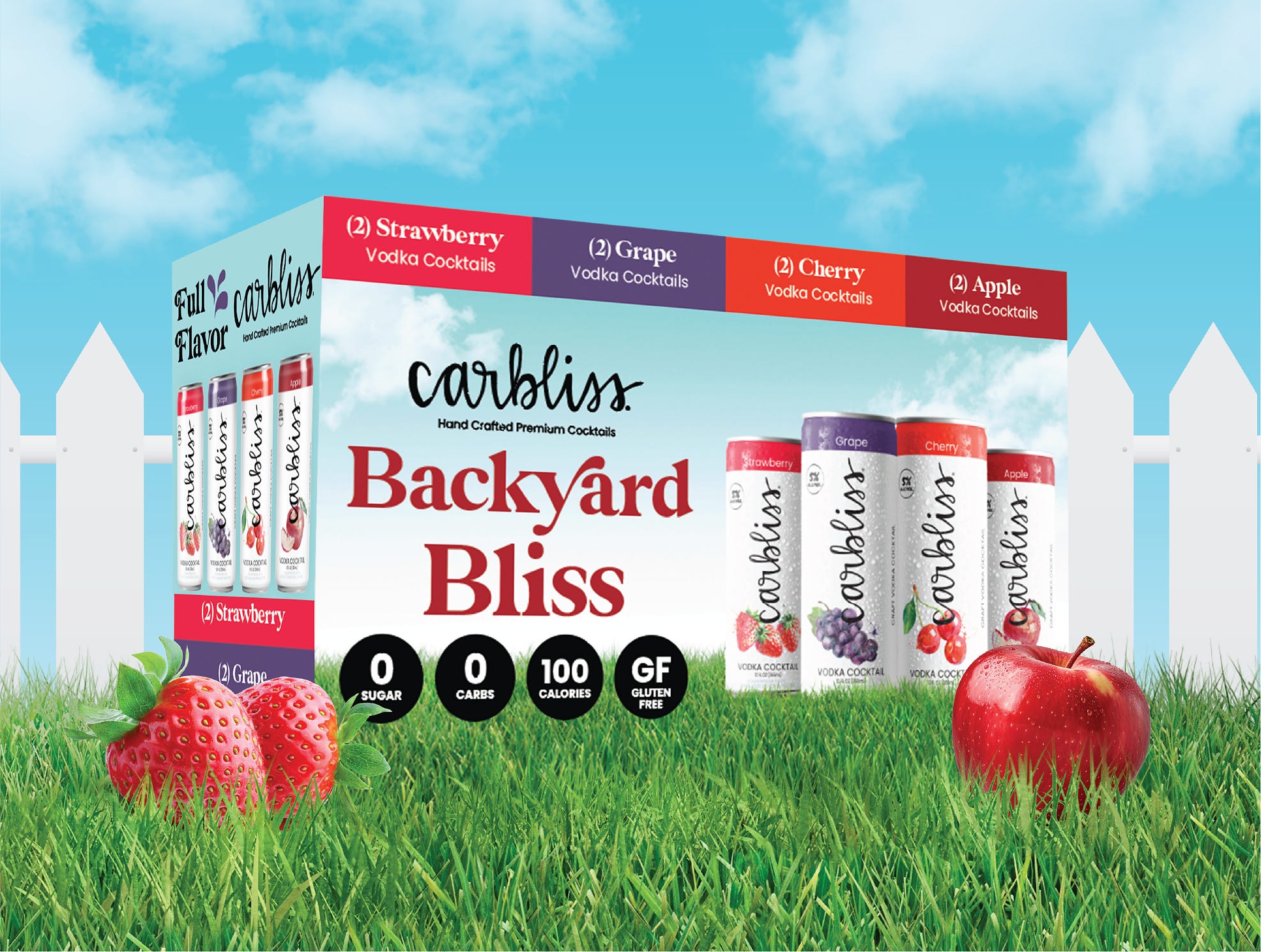
Carbliss is making Backyard Bliss permanent after the anniversary variety pack reached the fourth-highest SKU velocity in total U.S. food at only 22% distribution during the four weeks ended July 12.
That is how limited releases are supposed to work. The launch created a bounded test with a real end date. The customer response earned permanence. Scarcity was not the strategy; it was the measurement period. Most brands run LTOs as a marketing beat and never look at what the data was actually telling them.
📊 THE DATA DIGEST
Numbers that matter
Lifeway Foods posted record Q2 sales of $66.9 million, up 24.1%, for its 27th consecutive quarter of year-over-year growth. Nearly seven straight years is not a launch spike. It is distribution, volume, and repeat purchase stacking on top of each other until kefir stops looking niche. No celebrity, no viral moment, just fermented milk compounding quietly since 2019.
CAVA grew Q2 revenue 31.3% to $365.4 million with same-restaurant sales up 9%, including 5.3% guest traffic growth, ending the quarter at 476 locations. Price increases can flatter a comp. Traffic growth is much harder to fake.
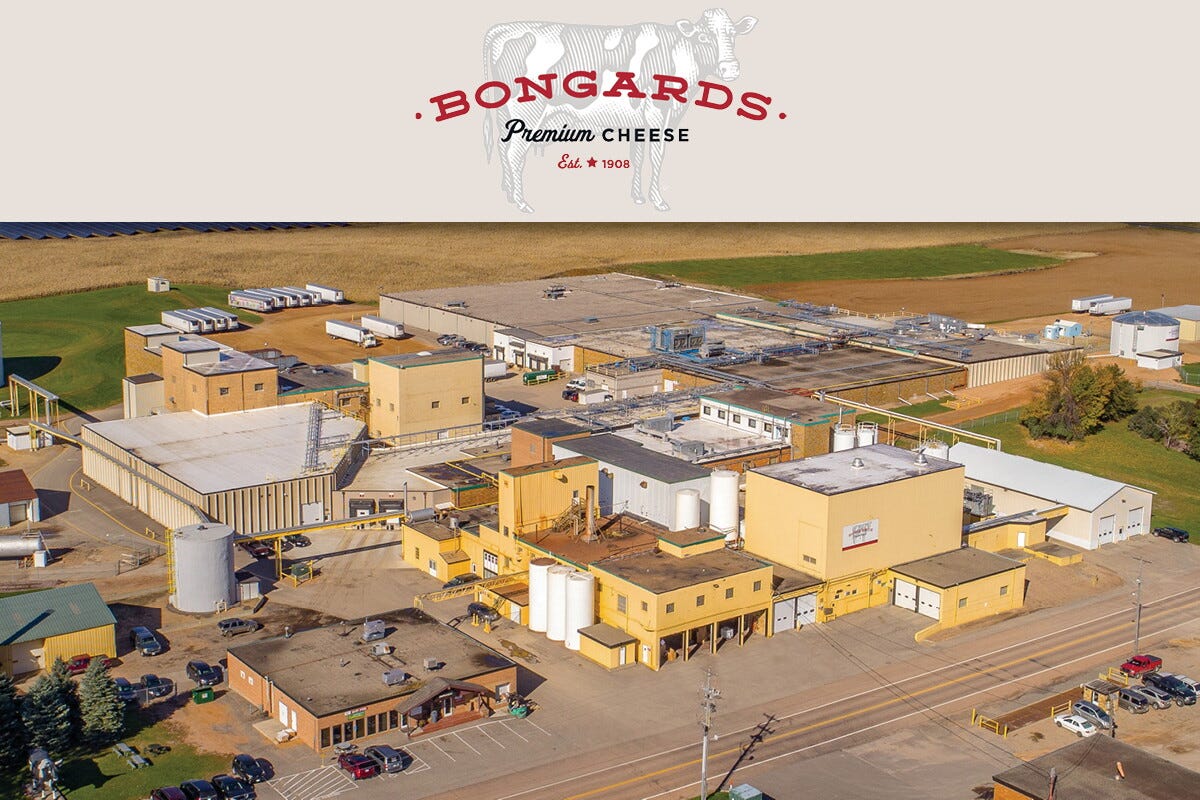
Bongards’ Creameries is investing $135 million to add roughly 120,000 square feet and 180 million pounds of annual process cheese capacity, with commercial operations scheduled for early 2028. That is the sixth capacity investment we have tracked in five weeks after Vitamin Well, Vita Coco, Orkla, Bertagni, and Lotus Bakeries. Nobody builds that much space because a trend report looked encouraging.
Red Robin grew comparable restaurant revenue 1.3% and signed three pending refranchising agreements covering 116 restaurants, expected to generate $96 million in gross proceeds. Fewer company-owned stores means more cash to cut debt and fix what stays.
Tyson Foods will close beef facilities in Joslin, Illinois, and Eagle Mountain, Utah, and will seek a buyer for its Pasco, Washington plant. The restructuring affects at least 2,500 workers and follows a $138 million quarterly operating loss in beef. A historic cattle shortage turned excess processing capacity into an operating problem, which is a useful reminder that capacity cuts both ways.
Food safety got expensive again. FDA elevated a recall of more than 19 million eggs sold under Kroger, Simple Truth, and other labels to Class I, its highest risk level. The related salmonella outbreak includes 98 illnesses and 26 hospitalizations across 17 states. That is the third supplier-driven outbreak we have covered in five weeks after Taylor Farms and the jalapeño recall. Your supply chain is your brand, and private label makes supplier risk into retailer risk the second it hits the carton.
🏪 DISTRIBUTION DOMINATION
Everyone’s everywhere
Target Rewards the Test
Primal Queen says it beat in-store expectations by more than 100% after launching two products in 900 Target stores, and claims it bootstrapped to $300 million in lifetime sales in under 30 months while staying profitable. Those are company claims and should be treated as such, but the retail expansion is what competitors should study.
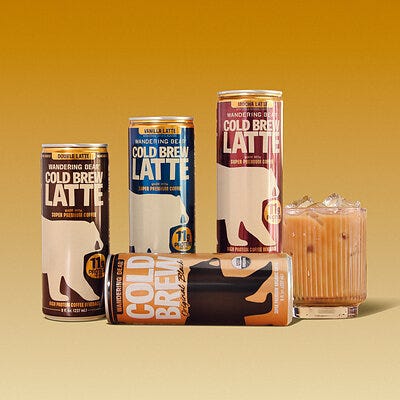
Wandering Bear rolled four cold brew cans into every Target nationwide after testing 32-ounce cartons in roughly 300 Midwest and Northeast stores. The pack format changed. The proof traveled with it.
Same pattern as Ancient Crunch, which tested 93 Whole Foods stores before going nationwide. Buyers are still taking bets. They just want the evidence before the bet instead of after.
Convenience Becomes a Real Meal Channel
Tres Picosos rolled its top-selling burritos into more than 1,200 QuikTrip stores across 23 states. Convenience is no longer an impulse channel for candy and drinks. For the right product it is a scaled all-day meal network, and the brands treating it that way are getting there early.
Asda is testing a wholesale convenience format with independent operator One-O-One across three Glasgow stores, each carrying about 3,500 products spanning own-label, fresh, chilled, and food-to-go.
More Shelf Wins
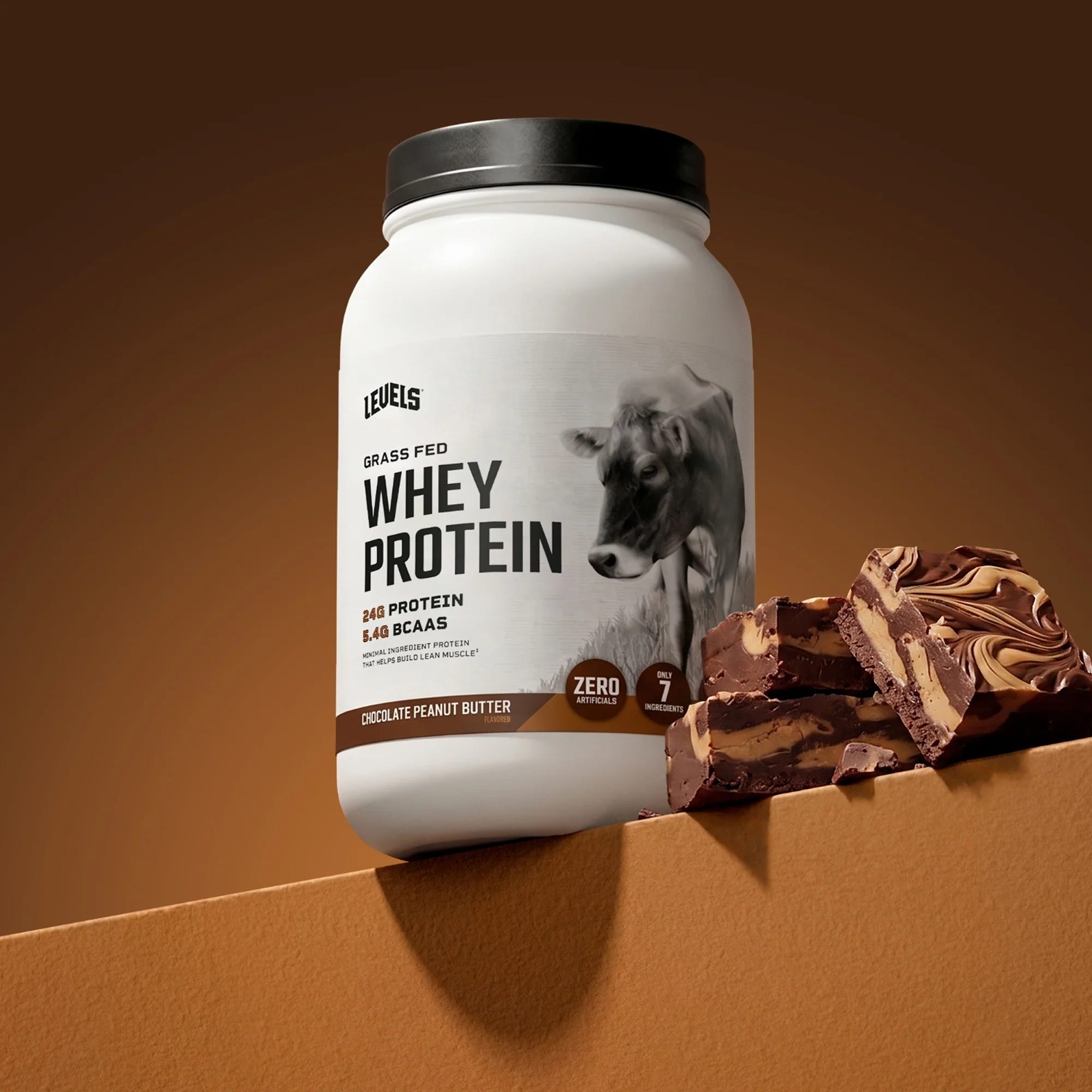
Levels expanded Walmart distribution nearly 120% with four new whey protein flavors and sizes, projecting 10,000 retail locations and 30,000 points of distribution this year.
Javvy is on pace for 40,000 retail doors by year-end per CPG Wire, with its Protein Coffee selling at three times the functional coffee category’s average dollar velocity. We covered Javvy going nationwide at Walmart in July, so that trajectory is holding.
Smash Kitchen has the top-selling ketchup and mustard SKUs at Sprouts and is pacing past $100 million in annual sales per CPG Wire citing SPINS. Winning the anchor products is what gives the rest of a pantry platform permission to exist.
👋 PEOPLE MOVES
OLIPOP named Electrolit chief Christian Patiño Webb CEO as co-founder Ben Goodwin moved to Executive Chairman and Head of Innovation. OLIPOP was valued at $1.85 billion in its 2025 round. Moving from founder CEO to scaled beverage operator suggests the next constraint is execution, not imagination. Keeping Goodwin on innovation suggests they know exactly which part of the business he should still be touching.
Oura signed long-term ambassador deals with Coco Gauff and Taylor Fritz ahead of the U.S. Open, with the campaign running through The Athletic, LinkNYC, and The New York Times. Smart way to move recovery data out of the quantified-self niche and into a mainstream performance story. Oura confidentially filed for an IPO earlier this year, with 2026 revenue reportedly expected around $1.5 billion, so the timing isn't accidental.
🔥 THE HOT TAKE
My unfiltered opinion on this week’s madness
Distribution is not demand. Neither is an audience, a celebrity partner, a funding announcement, or a national launch.
All of those create opportunity. None of them creates the customer behavior that makes an opportunity durable. This week gave us unusually clean examples on both sides of that line.
Unwell had Alex Cooper’s audience and a media company purpose-built to keep the brand visible. The beverage business will reportedly close after Halloween. Broc Shot expects Kim Kardashian to deliver a million new customers. Khloud has Khloé Kardashian and Walmart. Oura has two top tennis players and a campaign covering half of New York. Every one of those can generate trial. Not one of them can make somebody reorder.
Now look at who earned more infrastructure this week. Carbliss put a limited variety pack into market, watched it hit number four velocity in all of U.S. food at 22% distribution, and made it permanent. Wandering Bear tested cartons in 300 Target stores and earned a nationwide can launch. Primal Queen says it doubled Target’s expectations. Lifeway has grown for 27 straight quarters. Bongards is putting $135 million behind 180 million pounds of new capacity.
None of those companies got rewarded for the size of their announcement. They got rewarded for evidence.
The distinction gets lost because reach and demand rise together at the very beginning. A famous founder posts the product. Retailers take the meeting. Customers try it. Revenue jumps. Everyone screenshots the chart before a single cohort has had time to come back.
The actual business shows up later, and it shows up as questions. Did the second order happen without another paid impression? Did the retailer expand doors because the first doors sold through, or because your agency pitched them hard? Did the hero SKU stay productive after launch week? Did gross margin survive freight, promotions, spoilage, chargebacks, and the dozen other line items that never make the Instagram carousel?
This is exactly why Purely Elizabeth was such a good target. Ferrero agreed to buy a brand that spent seventeen years proving it belongs in the basket. Ferrero can add distribution and operating muscle without having to manufacture the underlying reason anyone buys it, because that part is already done. Nichols made the identical bet on VITHIT. The demand exists. The buyer supplies the machine.
So if you are building right now, stop treating each expansion as proof that the last one worked. More doors hide weak velocity for a couple of quarters. More followers hide low repeat rates. More funding hides bad unit economics until it suddenly doesn't. Scale does not fix small errors; it multiplies them, and Unwell just showed us how fast that math runs on a beverage.
Earn the layers in order. First the customer. Then the reorder. Then the shelf. Then the facility. Then the strategic buyer who wants you to stay exactly as you are.
Reach opens the door. Proof gets you invited back.
Build accordingly.
🎙️ COMING TUESDAY
Unpackaged Goods Episode
Why Ferrero wants Purely Elizabeth to stay Purely Elizabeth. What Unwell’s reported shutdown tells us about audience-led brands after a month of celebrity exits. How Carbliss turned a limited release into a permanent SKU using velocity data. The FDA coming for self-affirmed GRAS. And C&S buying control of Winn-Dixie.
🥫 ONE MORE THING...
Before you close this tab
Resy now lets diners find and book U.S. restaurant reservations directly inside ChatGPT.
That reads like a restaurant tech story. I think it is a distribution story, and a big one.
A restaurant used to compete for the map result, the ranking inside a reservation app, and the person walking past the front door. Now it can appear in a conversation the moment somebody types “where should I eat tonight.” The recommendation and the transaction happen in the same window, with no click-out to anywhere.
Consumer brands should be paying close attention. We spend every week in this newsletter talking about shelf space, retail media, and algorithmic reach, all of it rented from someone else. Search is turning into an answer, and the answer is turning into checkout.
The next shelf might not look like a shelf at all.
Until next Monday, Jonathan Deeter, Your CPG-Obsessed Friend
P.S. Domino’s waited 65 years to name a pizza after itself, which is a level of restraint I genuinely admire. Most founders name three products, a newsletter, and a holding company after themselves before the first production run. Meanwhile, my prediction ledger stands: sour is the new pickle, electrolytes are the new protein, and I am still waiting on pickle protein powder by Q1 2027. Celtic Sea Salt putting electrolytes in a salt company got me halfway there.
Comment NEWSLETTER to get The Deeter Digest delivered straight to your inbox every Monday 🥣
TikTok | Instagram | Newsletter | Pickle Advisors
This newsletter is finished with Trophy Wife Finishing Salts, elevating every bite since 2025.