


🥄 FIRST BITE
The appetizer before we dive in
Nature’s Bounty is in more than one in five American households. It’s the second-largest vitamin brand in the country and the leading women’s health brand. Last week Nestlé sold it, along with six sibling brands, for $1 billion.
Those brands did $1.2 billion in sales in 2025.
So a business with more household penetration than almost anything in the supplement aisle just traded for less than its revenue. And two days later, Medici Brands raised $250 million at a $2.25 billion valuation on roughly $300 million in sales, for a company that didn’t exist two years ago.
One is worth 0.8x. The other is worth 7.5x.
I’ve been writing some version of “distribution is not a moat” in this newsletter for two months, mostly as a warning. This week it stopped being a warning and started being a price. Let’s dig in.
🍊 THE MAIN COURSE
This week’s biggest CPG moves
Nestlé Sells $1.2 Billion of Vitamins for $1 Billion
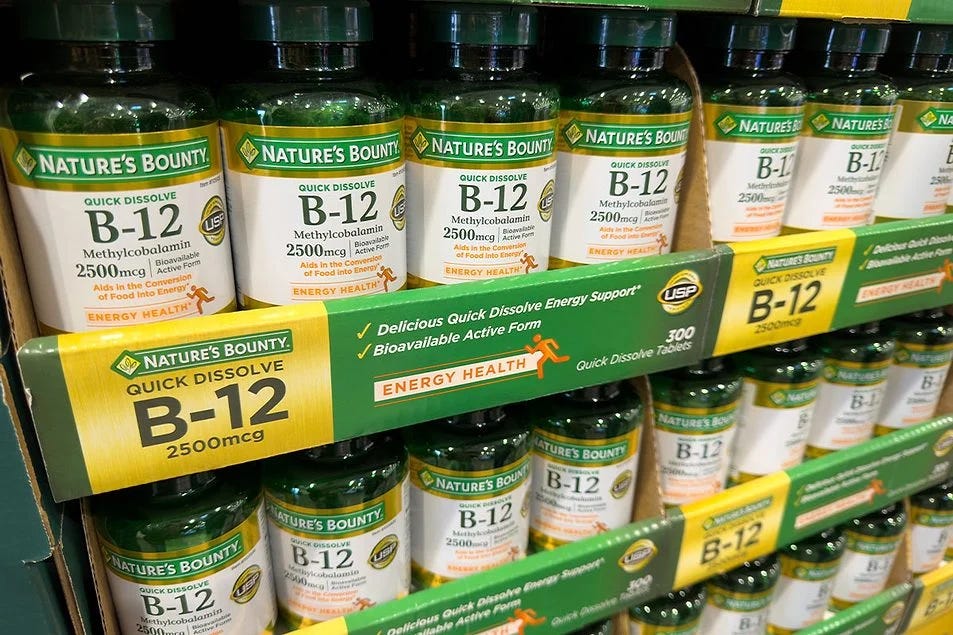
Nestlé agreed to sell its mainstream vitamins, minerals and supplements business to Yellow Wood Partners for $1 billion. Seven brands go with it: Nature’s Bounty, Osteo Bi-Flex, Ester-C, Gard, Nuun, Puritan’s Pride and Sisu, plus the US private-label supplement business and all the dedicated manufacturing, packaging, warehousing and distribution behind it. The unit did $1.2 billion in sales in 2025. Closing is expected in the first half of 2027, pending regulators.
Now the part that stings. Nestlé paid $5.75 billion for The Bountiful Company’s core brands in 2021. Five years later, it’s keeping the premium end, Solgar and Pure Encapsulations, and selling the mainstream half for a billion.
CEO Philipp Navratil, the same executive who handed half the water business to Platinum Equity in July, is running a straightforward playbook: keep what’s premium and growing, sell what’s big and flat, use the proceeds to cut leverage. He’s been explicit that reducing debt gives him room to buy later.
What I keep turning over is what actually got repriced here. Nature’s Bounty isn’t broken. It’s the number two VMS brand in America. It’s in a fifth of US households. Ten years ago that would have been the most valuable sentence in the pitch deck.
But mainstream VMS is a category where the shelf is crowded, the ingredient story is commoditized, and the growth has moved to brands that mean something specific to somebody. Thorne sold to P&G for $3.8 billion because a quarter of its revenue was creatine and its buyers were under 40. Nature’s Bounty sold for less than a year of sales because it’s for everybody, which increasingly means it’s for nobody in particular.
And then there’s Yellow Wood, who I think is the most interesting character in this deal. This is their sixth carve-out from a major consumer company. They’ve done ChapStick from Haleon for $430 million; Q-tips, Suave, and VO5 from Unilever; Dr. Scholl’s; and work with Bayer and Reckitt. Their entire thesis is that big companies neglect good brands and a focused owner can fix that.
We saw the same shape in spirits when Cobblestone bought Cabo Wabo from Campari. There’s now a whole class of buyers whose business is absorbing what conglomerates stopped loving. That’s not a sad story. Those brands generally get more attention, not less. But it does mean that if you’re inside a big portfolio and you’re not the growth story, you should assume somebody is running the numbers on you right now.
Medici Brands Raises $250M at $2.25 Billion
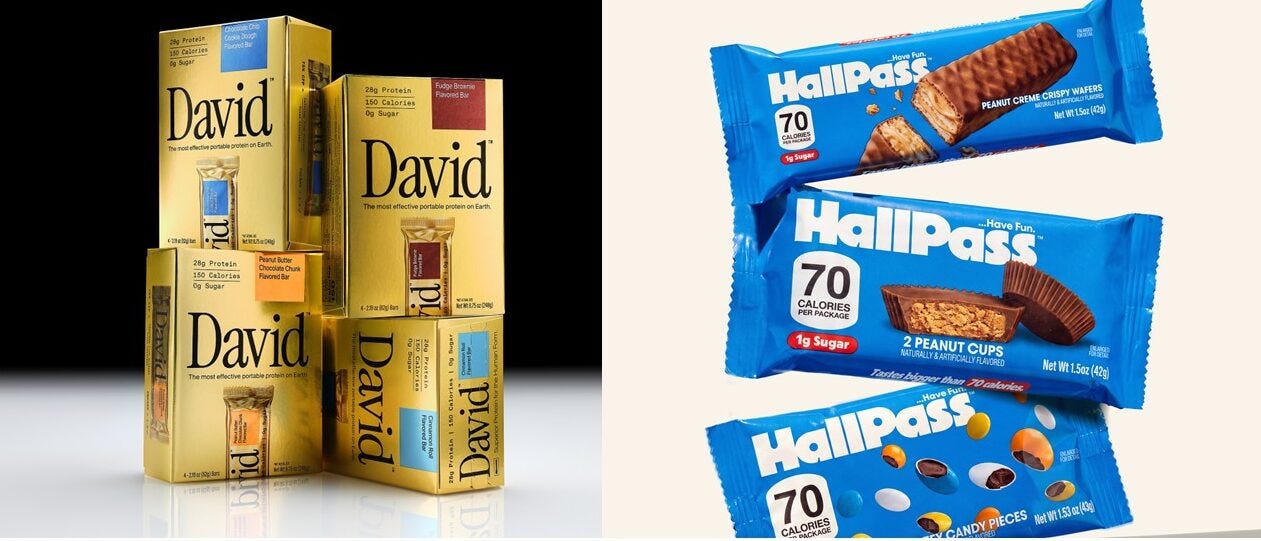
Two days after the Nestlé news, Medici Brands closed a $250 million Series B at a $2.25 billion post-money valuation. Greenoaks and Valor Equity co-led, both of whom backed David’s $75 million Series A in 2025. ICONIQ and Imaginary Ventures joined. Founder Peter Rahal put in $20 million of his own money.
That valuation is roughly three times last year’s $725 million. Total raised is now $335 million.
David launched direct-to-consumer in September 2024 with exactly one product: a bar with 28 grams of protein, 150 calories, zero sugar. It’s now in more than 35,000 stores and tracking past $300 million in revenue this year. Greenoaks partner Neil Shah called it one of the fastest-growing CPG brands in America, and I don’t think that’s investor puffery.
The money goes toward HallPass, the low-sugar candy brand that launched at Walmart last week and is being pitched as the Coke Zero of candy, plus a third brand called Rowdy that appears to be chips.
Here’s what actually makes this work, and it isn’t the marketing. It’s EPG, the fat-alternative ingredient that lets them keep calories low without wrecking taste. David acquired Epogee, the company that makes it, last May. That’s a supply-chain move dressed as a product decision, and it’s the same instinct behind Vita Coco buying its Thai coconut supplier and Vitamin Well merging with EMPWR.
Two caveats worth stating, because the coverage has been almost entirely glowing. Three companies have sued David, alleging that cutting off EPG supply after the Epogee acquisition created an artificial monopoly. And a separate California suit filed last month claims the packaging and labeling are deceptive. Neither has been decided. But a company valued at 7.5x revenue, built on an ingredient it controls, has a lot riding on how the first one goes.
KDP and Chobani Unwind
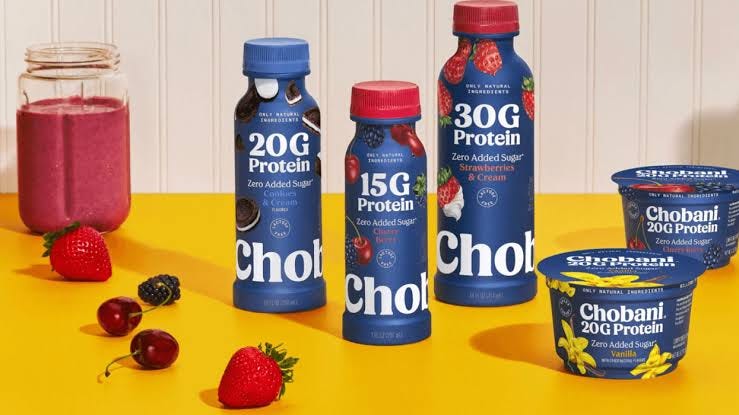
Keurig Dr Pepper is selling its equity stake in Chobani back to Chobani for $800 million. In a linked deal, Chobani is buying KDP’s Allentown manufacturing and warehouse facility for $125 million, and will keep making select KDP products there under a co-man agreement while everyone transitions.
The two companies are actually expanding their commercial relationship. KDP continues to distribute La Colombe’s RTD portfolio and Chobani beverages through its DSD network.
KDP ended up with the stake through a roundabout path: it put $300 million into La Colombe, then Chobani bought La Colombe for $900 million in 2023, and KDP’s investment converted. It’s using the proceeds to pay down debt, a phrase that's appeared in an awful lot of press releases this year.
For Chobani, the logic is clean. It raised $650 million last October at a $20 billion valuation, and it’s now buying back its own cap table and picking up a plant while it’s at it. Hamdi Ulukaya has spent fifteen years making sure nobody else owns a meaningful piece of his company, and this pattern is continuing.
Also worth noting: Chobani announced a $1.2 billion Allentown factory investment last week with ten production lines and 900 jobs. So the $125 million facility purchase isn’t a standalone. It’s part of a much larger bet on that footprint.
Barilla Buys GOODLES
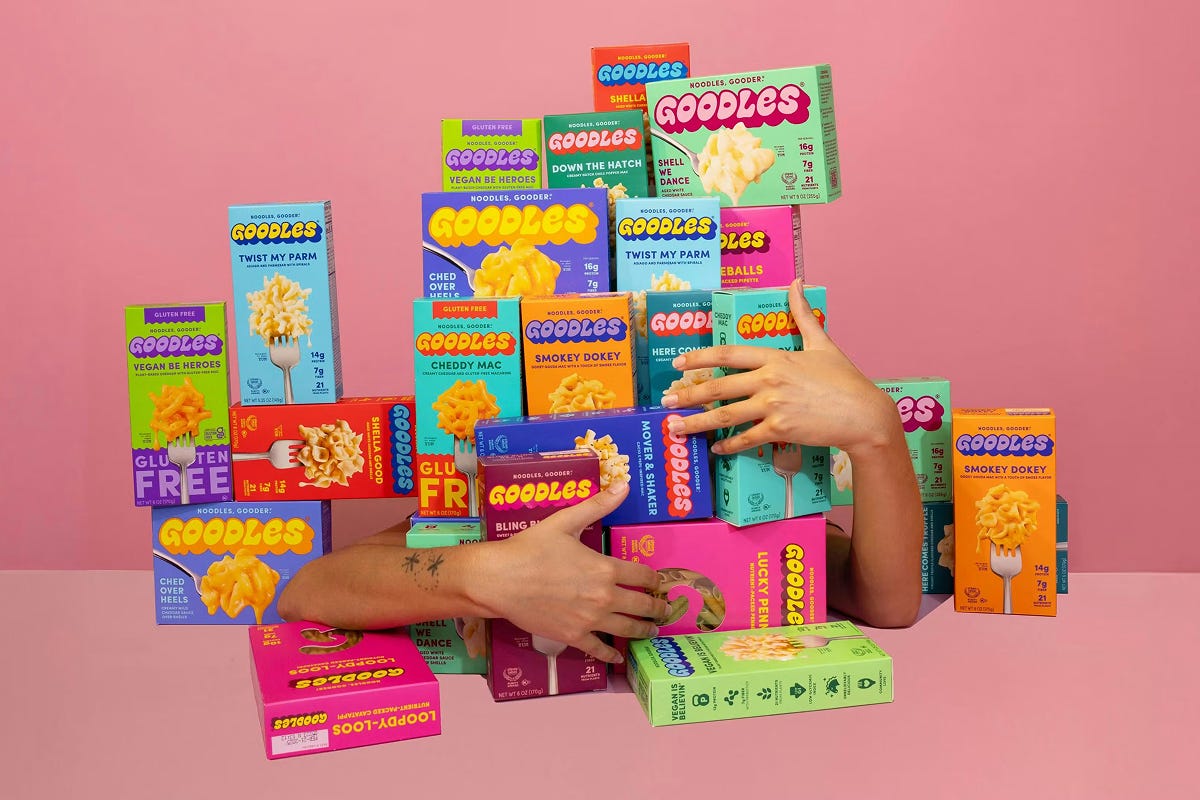
Barilla Group, the largest pasta manufacturer on earth, is acquiring GOODLES for an undisclosed sum. Jen Zeszut and Paul Earle founded it in 2020, and it’s taken between 6% and 7.8% of the US mac and cheese category, depending on whose numbers you use. Backers included L Catterton, Springdale Ventures, Willow Growth Partners, and Electric Feel Ventures.
GOODLES stays independent after closing. The 73-person team stays. Zeszut stays CEO.
That structure is now the pattern. Ferrero did the identical thing with Purely Elizabeth two weeks ago, keeping Elizabeth Stein and the brand identity intact. Two legacy European food giants in a month, both concluding that the thing they’re paying for is the part integration destroys.
Barilla has run this play before, buying Back to Nature from B&G Foods in late 2022 and turning it around. So this isn’t a first-timer promising independence and quietly absorbing the brand in eighteen months. There’s a track record, which makes the promise more credible than it usually is.
More Deals Worth Watching
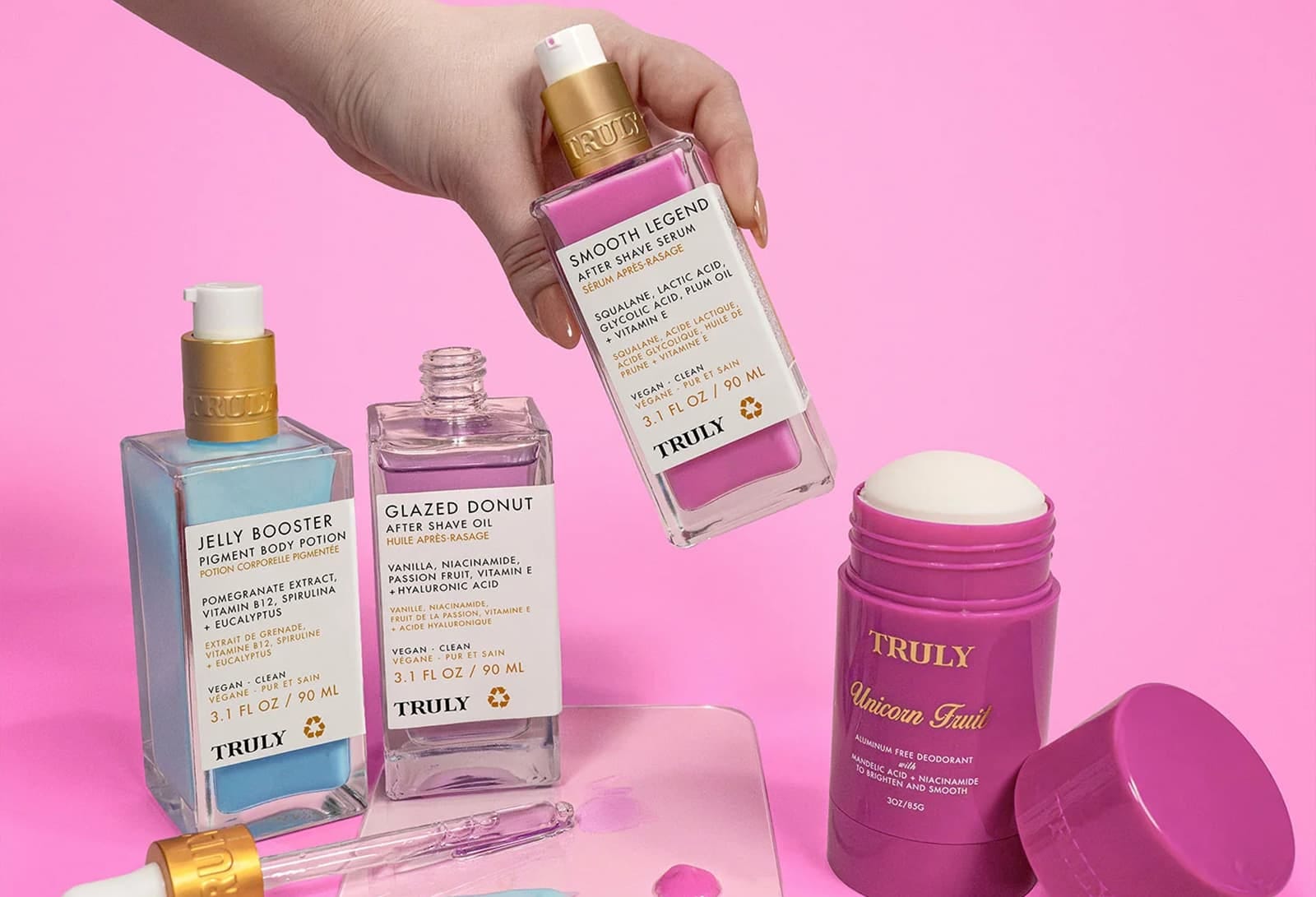
Dollar Shave Club acquired Truly Beauty, becoming a multi-brand platform in the process. Truly is a Gen Z beauty and personal care brand founded by Maxx Appelman in LA, vegan and cruelty-free and made in the US. Nexus Capital bought a majority of Dollar Shave Club from Unilever in 2023, so this is a PE-owned brand deciding it would rather buy the next category than build it.
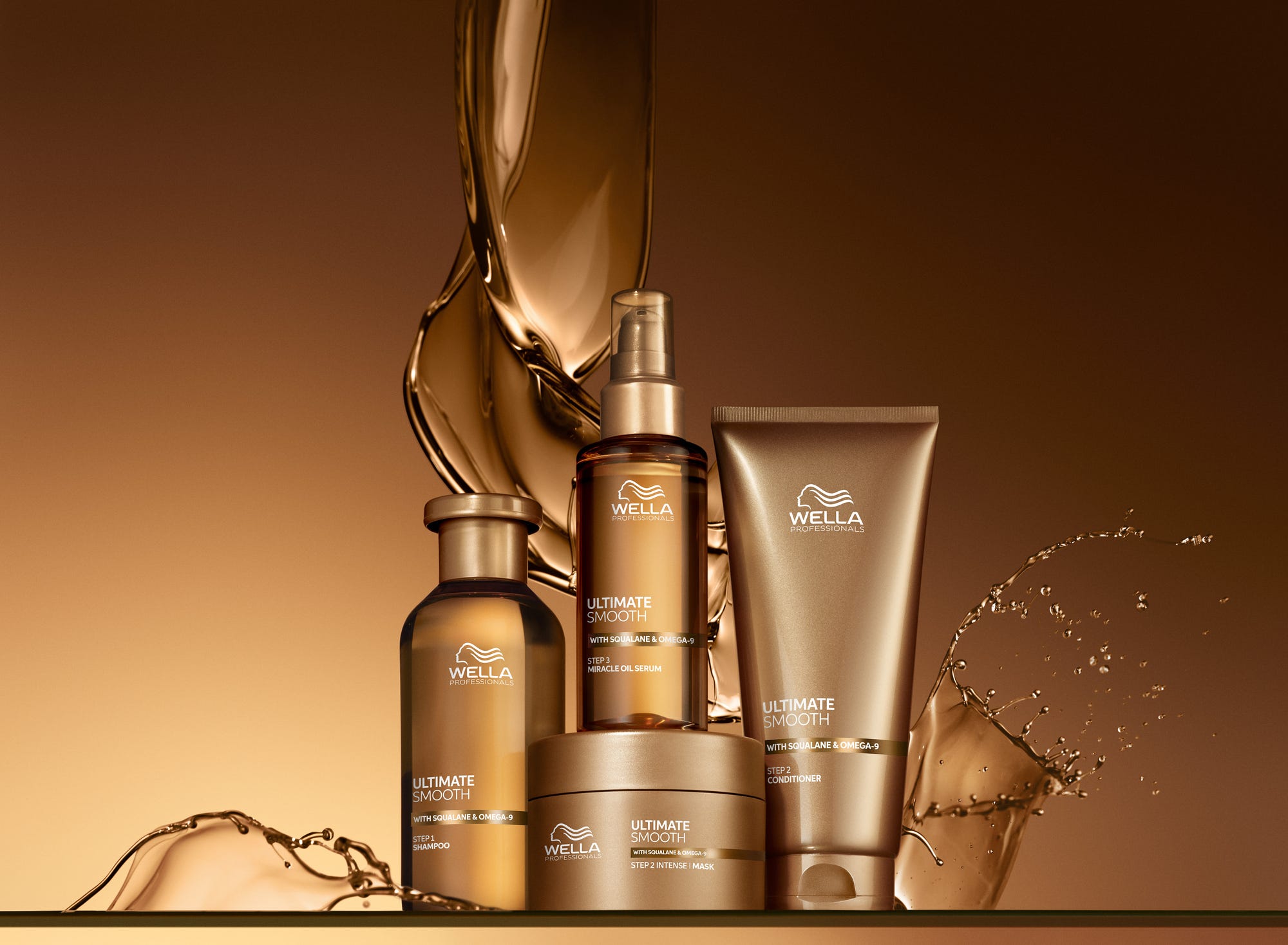
Wella Company filed for a $500 million US IPO. KKR-owned, FY 2026 net sales up 9.2% to nearly $3 billion, recently returned to profitability, and the proceeds go toward paying down debt. Another consumer name testing the window after Jersey Mike’s and Reformation went out in July.
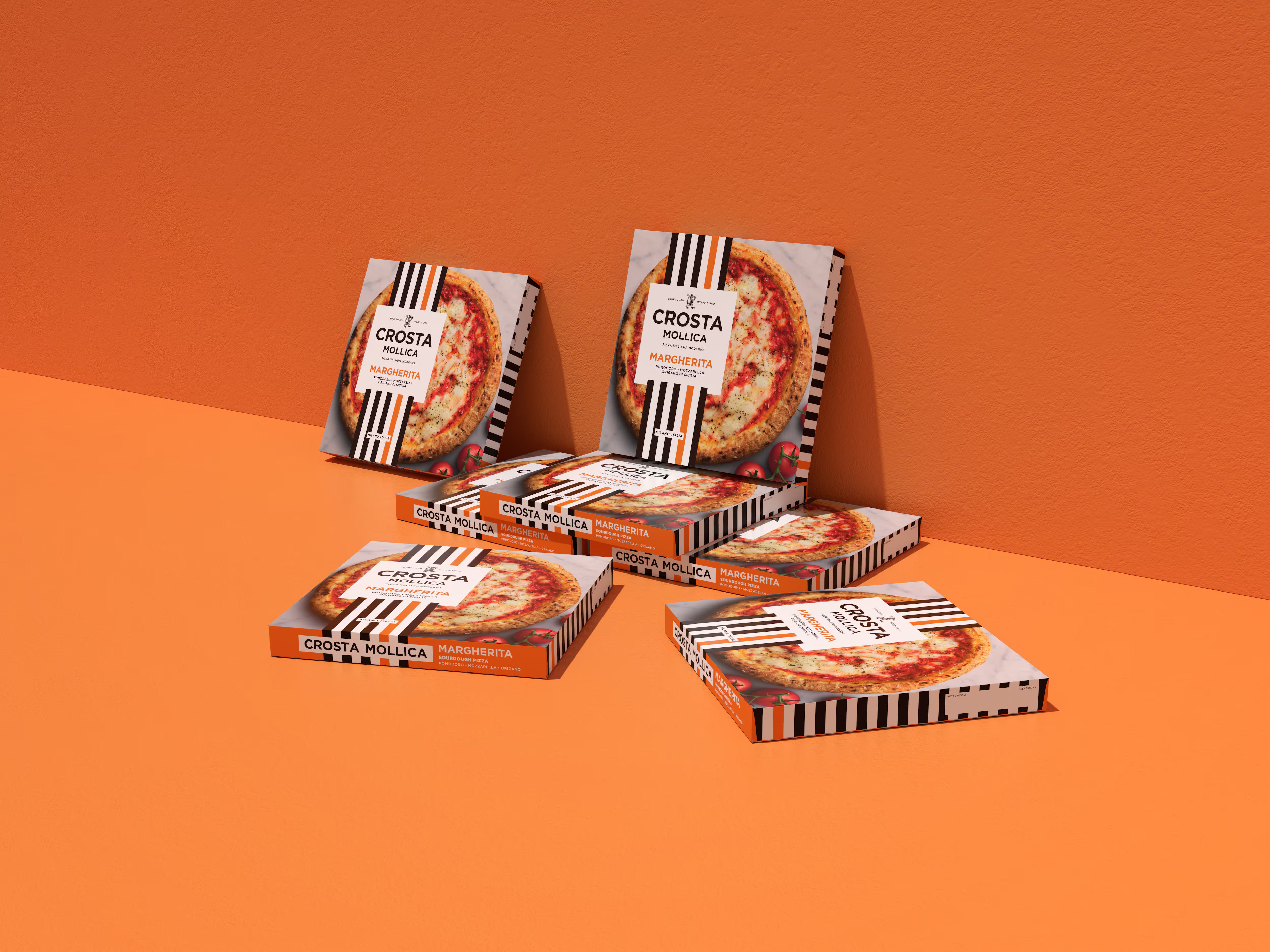
Crosta Mollica is exploring a sale to European Pizza Group, the Nestlé and PAI Partners joint venture, at a valuation possibly north of £300 million. James Orr founded the premium frozen pizza brand in 2009. It’s now the number two pizza brand in UK supermarkets, in more than 30,000 doors, with volume up 63% year over year as of May per NIQ. Perwyn took a significant stake in early 2024.
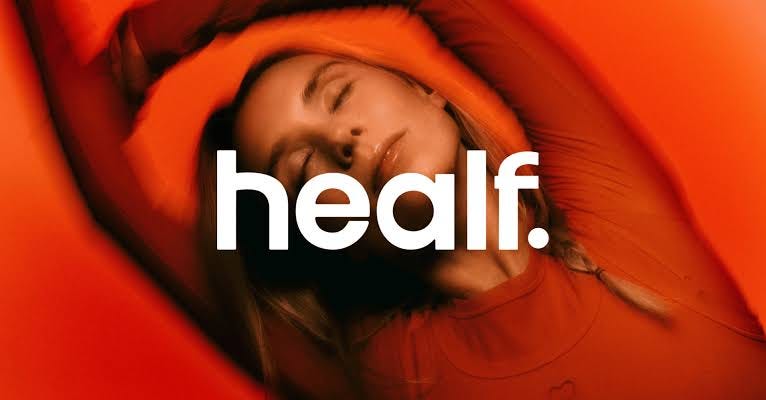
SEMCAP Beauty & Wellness invested in Healf, the UK wellness platform that just crossed £100 million in annualized revenue and was named the fastest-growing company in Europe in the FT1000. Max Clarke and Lestat McCree founded it in 2020. SEMCAP is having a year, having already exited Purely Elizabeth and Good Culture.
💰 THE FUNDING FRENZY
Big checks being written
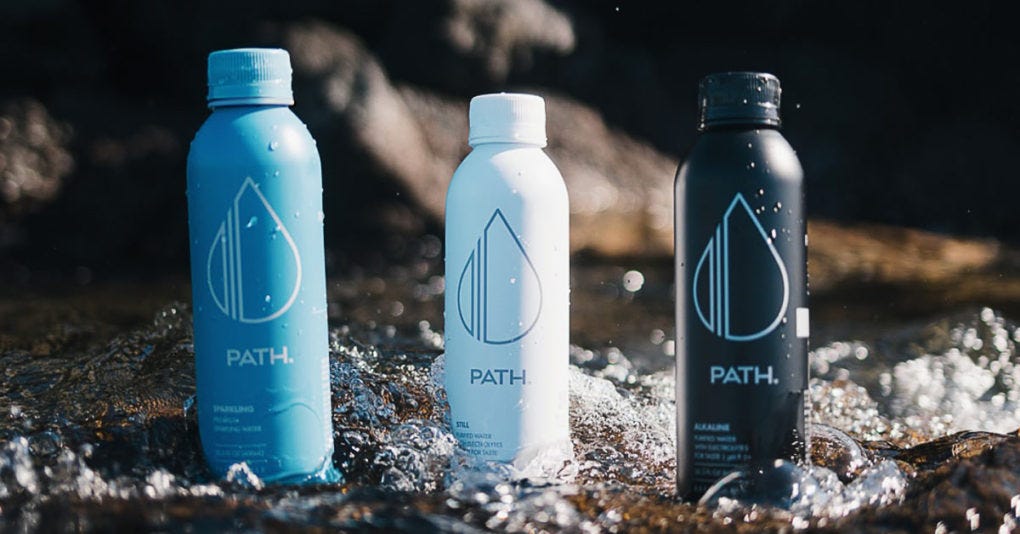
PATH Water raised an undisclosed round including Agility Ventures, to expand US and select international distribution. Previous backers include Altos Ventures and HartBeat Ventures.
HILLTOP launched as a new early-stage firm from Jason Fiedler, formerly a Managing Partner at Left Lane Capital, and Ellis Fried, formerly a Principal at Vanterra. They’re writing $5 million to $10 million checks into capital-efficient consumer products and services businesses. That check size is notable. It’s bigger than seed, smaller than growth, and aimed squarely at the gap where a lot of decent consumer companies get stranded.
Gracie Hunt took an equity stake in DAYLY, the AM/PM oral wellness brand, and joined its Growth Council as the first of six members, leading the Lifestyle vertical. Her fiancé Derek Green joined too on the finance and operations side. We covered DAYLY’s pre-seed in August, so this is a fast follow.
🆕 PRODUCT LAUNCHES & INNOVATION
This week’s innovation circus
Mr. Fancy: The Liquid Death Guy Makes Sparkling Wine
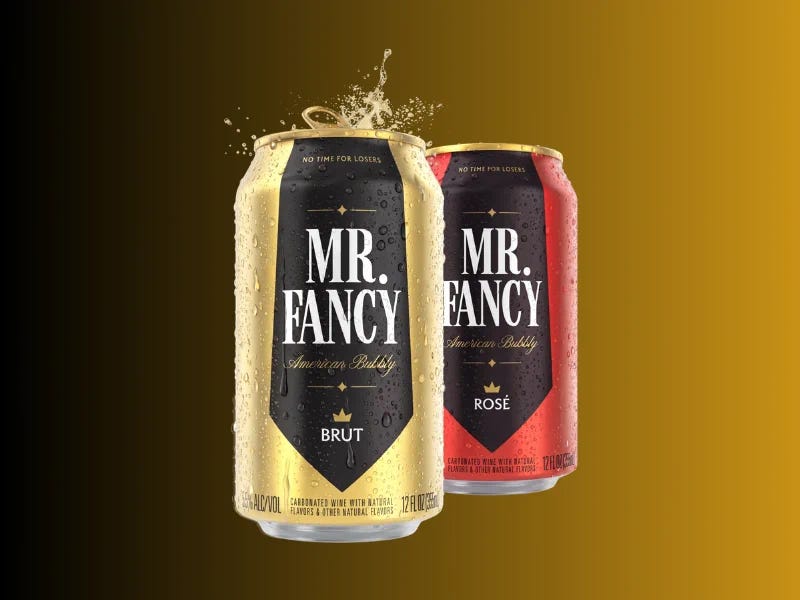
Sazerac teamed up with Mike Cessario, founder and CEO of Liquid Death, on a canned sparkling wine brand called Mr. Fancy. It’s 5.5% ABV, 140 calories per 12 oz can, available in Brut and Rosé, rolling out across Texas, Tennessee and Massachusetts on October 1.
Cessario’s framing is the whole product: bubbly is delicious and refreshing all the time, arguably more than a light beer, but somewhere along the way everyone decided it’s fancy and only appropriate at weddings, yacht parties, and championship celebrations. Mr. Fancy is American bubbly in a can you crack anywhere you’d normally grab a beer.
That’s a category-occasion argument rather than a product argument, which is exactly what he did with water. Liquid Death didn’t win on the water. It won by deciding water belonged at a show.
Also worth noting, this is Sazerac’s second appearance in this newsletter in three weeks, after the reported £500 million Au Vodka deal. That company has an enormous amount of capital and a clear mandate, and they got turned down by Brown-Forman twice. Watch what they do next.
FUNDAY Arrives in 1,300 Target Stores
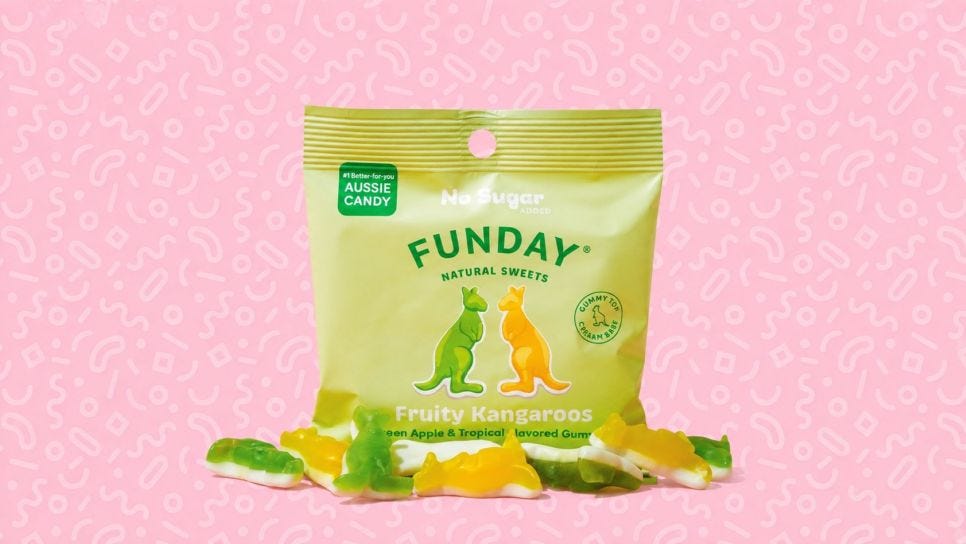
FUNDAY, the Australian better-for-you candy brand, is launching in the US after topping $100 million in sales across Australia and New Zealand in the past twelve months. Daniel Kitay founded it in 2020. No added sugar, no sugar alcohols, some fiber and protein, and it’s now the number one BFY candy brand in Australia. Five products, nearly 1,300 Target stores.
Coming into the US with $100 million already proven somewhere else is a fundamentally different conversation with a buyer than coming in with a deck. It’s the same advantage MOTH and VITHIT and Reformed brought over from the UK.
Magic Mind Rebrands for Mass
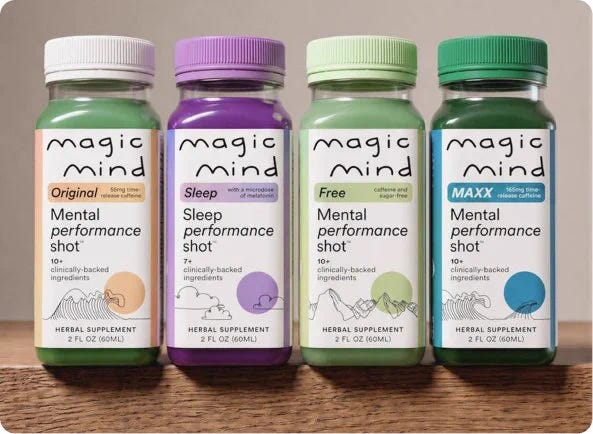
Magic Mind refreshed its packaging. The old look worked in DTC and natural, but the new one is built for mainstream mass retail: sleeker, tighter information hierarchy, clearer callouts.
File this next to Curie, whose Walmart sales are up 29% since unveiling its new identity in late July. That’s a real number attached to a design decision, and it’s the second time in six weeks we’ve had one. The other was Van Leeuwen’s $23.785 million trade dress judgment, which ran the other direction.
Packaging keeps producing measurable financial outcomes, and most companies still treat it as decoration. I’ve said that before and I’ll probably say it again.
More Launches
Equip launched Equip Kids: two bars and two protein powders with 10 grams of grass-fed beef protein, dairy-free and whey-free, with the powders carrying 11 organic fruits and no seed oils or gums. Beef protein for children is either genuinely smart or a very 2026 sentence, and I honestly can’t tell which yet.
Pure Genius Protein, co-founded by Mel Robbins, launched a Protein + Fiber shot with 20 grams of protein and 5 grams of fiber in a 3.38 oz format, developed with its scientific advisory board including Dr. Amy Shah and Dr. Lucia Aronica. Available at Target, Amazon and DTC.
Dialed launched as a creator-led performance cold brew from Ross Pomerantz, the man behind Corporate Bro. Cold brew plus nootropics, low sugar, three varieties. The branding is strong.
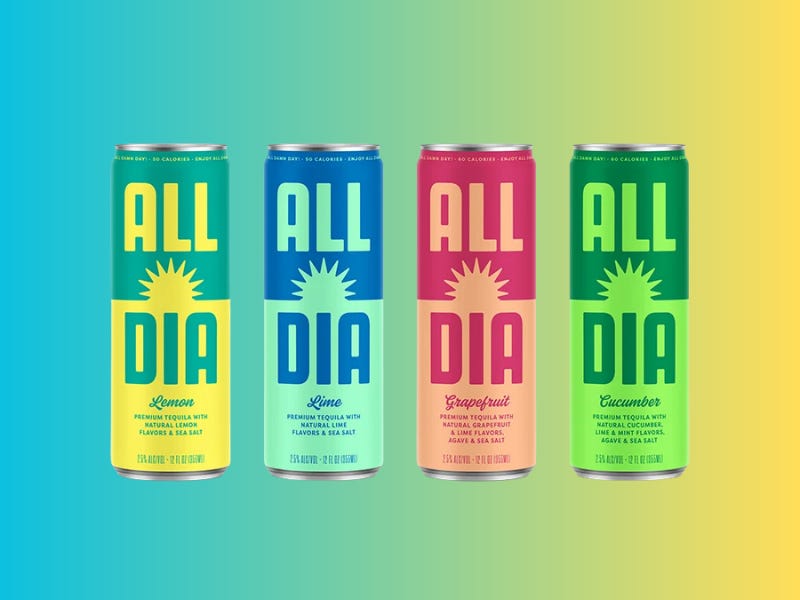
All Día debuted from Austin with 2.5% ABV tequila-based canned cocktails at 50 to 60 calories and 5 to 7 ingredients, branding by Helms Workshop. Low-ABV keeps getting more crowded, which tells you the moderation thesis is real.
Ultra Violette launched Unblock Screen SPF 50, the first US sunscreen formulated with BEMT, a newly FDA-approved chemical filter. Anecdotes by Artists debuts at Sephora on September 14 from Maesa, the incubator behind Being Frenshe, and it’s a real departure into premium. Needed launched a Prenatal Multivitamin Gummy developed over four years. Nancy Twine’s Soulstice officially launched with seven SKUs from $18 to $26.
Fruit Riot did a Kool-Aid collaboration on Tropical Punch Sour Grapes. Jack Link’s teamed with Meat Church on two limited jerky flavors. Dos Hombres introduced a reposado.
📊 THE DATA DIGEST
Numbers that matter
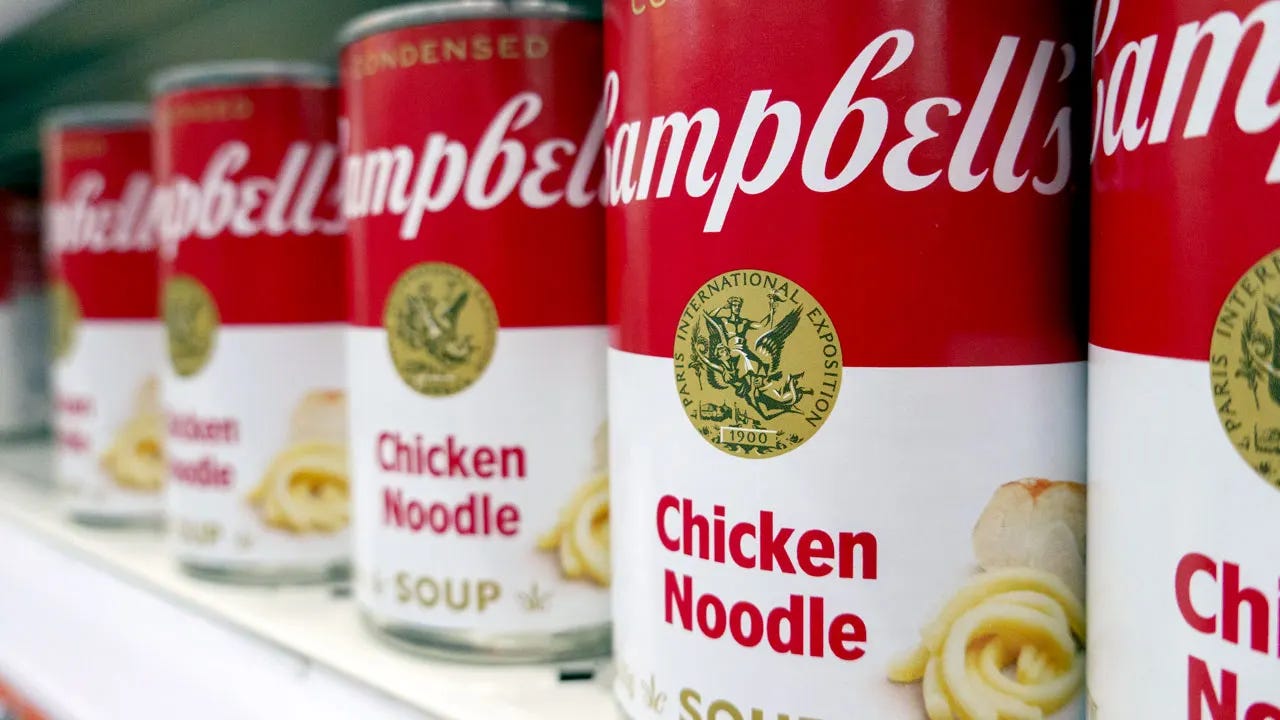
Campbell’s cut 13% of its workforce after swinging to a Q4 loss, with shares down 7.2% on the news. CEO Mick Beekhuizen: performance is not where it needs to be, and they’re taking decisive action. That’s four legacy food companies in two months making structural cuts, after Conagra’s dividend halving, Kraft Heinz’s $7.4 billion impairment, and Tyson’s plant closures.
J.M. Smucker went the other way, with Q1 net sales up 5% to $2.2 billion, driven by Uncrustables volume and price increases on Cafe Bustelo and Dunkin coffee. Uncrustables continuing to carry a $2 billion quarter is remarkable given how many brands have entered that category this year.
Curie is up 29% at Walmart since its July rebrand.
Good Culture is running velocities two to three times the category average across channels, is in nearly 13,000 doors, and is the number one branded cottage cheese at Whole Foods. It also added Kirk Jensen as COO, who spent six years as COO and Chief Supply Chain Officer at Sovos Brands, helping scale Rao’s past $1 billion before the Campbell’s acquisition. Samantha Famous joined as Chief People Officer and Sofia Salvadore as Chief of Staff.
🏪 DISTRIBUTION DOMINATION
Everyone’s everywhere
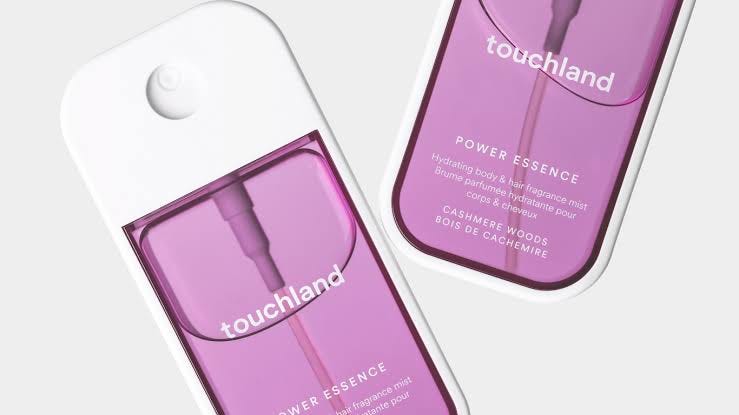
Target: Momentous landed 600+ stores, PRÉS went nationwide, and FUNDAY arrives in nearly 1,300. Albertsons: TRIP launched at 2,000+ locations. Starbucks: Circ went nationwide, making it the third brand we’ve tracked into that channel in three weeks after Chomps and Floura. Costco: Freestyle Snacks and CVT Soft Serve both landed select locations. Wegmans: Dad Strength launched at 40+ stores. Whole Foods: Little Lad’s launched in select stores. Kroger: Lady Bird Soda launched in select stores. Alfred: Cadence is now available. And Touchland launches in the UK on September 29 at Space NK with 18 SKUs, its first international move since Church & Dwight bought it for $700 million.
👋 PEOPLE MOVES
Olamide Olowe is stepping down as CEO of Topicals, handing off to Sukiana Chancy, most recently Global GM and VP of Fenty Skin, Hair and Fragrance, with prior stops at Cay Skin, DevaCurl and Estée Lauder. Olowe stays involved in day-to-day operations. Founder-to-operator transitions are the story of this quarter, after OLIPOP, Everyday Dose and Vacation all did versions of the same thing.
Athletic Brewing hired Dan Kleinman as CMO after nearly a decade at Deutsch Family Wine & Spirits and 14 years at Diageo running rum marketing.
Hormbles Chormbles appointed Lucy King as CMO, from RXBAR and most recently MUSH.
CELSIUS signed a multi-year deal to become ESPN College GameDay’s first-ever energy drink partner, on top of NIL deals with Dante Moore, Bryce Underwood and Chris Henry Jr. Monster bought the Big 12 in July. Celsius bought GameDay. College football is now the most contested media property in energy drinks, which would have been a strange sentence three years ago.
Ulta Beauty named eight brands to its fifth accelerator cohort, each getting $50,000, a ten-week curriculum and mentorship. Prereq Care, MIA Outdoor Hair, Dos Mundos and Prados Beauty are among them.
🔥 THE HOT TAKE
My unfiltered opinion on this week’s madness
For about thirty years, the most valuable thing a consumer brand could own was distribution. Get on enough shelves, get into enough households, and the moat took care of itself. Retailers had limited slots, media was expensive, and if you were already in the cart, you were very hard to dislodge.
Nature’s Bounty did all of that. Second-largest VMS brand in the country. Leading women’s health brand. In more than one in five American homes. And it sold for less than a year of its own revenue.
Meanwhile, David Protein, which sold its first bar in September 2024, is worth 7.5 times its revenue.
I want to be careful here, because there’s a glib version of this that says legacy brands are dead and it isn’t true. Uncrustables just carried a $2.2 billion quarter for Smucker. Barilla paid real money for GOODLES specifically to get into modern comfort food, which means the old company had the capital and the new one had the thing worth buying. Both facts are true at once.
But something did change, and I think it’s this. Distribution used to be scarce, so owning it was worth a premium. It isn’t scarce anymore. Retailers have gotten faster at taking bets, DTC gave everyone a launch path, and a brand with a real audience can go from zero to 35,000 doors in two years. When the thing that used to be hard becomes merely expensive, the premium moves somewhere else.
Where it moved is specificity. Thorne sold for $3.8 billion partly because a quarter of its revenue was creatine and its customers skewed under 40. That’s not a bigger business than Nature’s Bounty. It’s a narrower one, and narrow turned out to be worth more.
The uncomfortable corollary is that ubiquity now reads as a warning sign. If your brand is for everyone, a buyer looks at that and sees a business with no particular reason for anyone to choose it, competing on price against private label in a category where the shelf gets reset twice a year. That’s a below-1x business, and Nestlé just proved it.
So what do you actually do with this if you’re building?
Stop treating door count as the scoreboard. It’s an input, and this week it got publicly priced as one. The question a buyer will ask in three years isn’t how many stores you’re in. It’s whether anyone would notice if you disappeared from them.
And watch what Yellow Wood does with these seven brands, because that’s the real experiment. Their whole thesis is that these assets were neglected rather than obsolete, that a focused owner with no coffee business and no pet food business competing for attention can make Nature’s Bounty matter again. If they’re right, the story this week isn’t that legacy brands are worthless. It’s that conglomerates are bad at owning them.
I genuinely don’t know which it is. Ask me in 2029.
Build accordingly.
🎙️ COMING TUESDAY
Unpackaged Goods Episode
Nestlé selling $1.2 billion of vitamins for $1 billion, and what Yellow Wood thinks it’s actually buying. Medici Brands at $2.25 billion, plus the two lawsuits nobody is covering. KDP and Chobani unwinding a stake that came from a coffee deal. Barilla buying GOODLES and promising not to touch it. And the Liquid Death founder putting sparkling wine in a can.
🥫 ONE MORE THING...
Before you close this tab
Curie’s sales at Walmart are up 29% since it changed its packaging in July.
Not its formula. Not its price. Not its shelf placement. The label.
Twenty-nine percent is the kind of number brands spend millions in media trying to buy, and Sarah Moret got it by making the front panel easier to read from a few feet away.
Six weeks ago Rebel Creamery filed for Chapter 11 over a pint design. This week, a rebrand moved a quarter of a business at America's largest retailer. Same lever, opposite directions, both measurable in dollars.
Everyone in this industry says packaging matters. Almost nobody budgets like they believe it.
Until next Monday, Jonathan Deeter Your CPG-Obsessed Friend
P.S. Equip launched beef protein for children this week. Two bars, two powders, ten grams of grass-fed beef protein each, marketed to parents. I’ve been running a prediction ledger all summer and I want to be honest that I did not see this one coming. Sour is still the new pickle. Electrolytes and creatine merged into one sachet last month. And now toddlers are getting beef protein. My outstanding call remains pickle protein powder by Q1 2027, and at this rate somebody’s going to beat me to it with a pickle protein powder for kids.
Comment NEWSLETTER to get The Deeter Digest delivered straight to your inbox every Monday 🥣
TikTok | Instagram | Newsletter | Pickle Advisors
This newsletter is finished with Trophy Wife Finishing Salts, elevating every bite since 2025.