


Issue #21 | March 23, 2026
🥄 FIRST BITE
The appetizer before we dive in
Welcome back. This week, McCormick and Unilever confirmed they're in talks about a deal that would create one of the largest food companies on the planet. Danone dropped $1.15 billion on Huel because, apparently, meal replacement was a billion-dollar category all along. L Catterton is shopping Thorne for up to $4 billion after buying it for $680M three years ago. And Sazerac scooped up Dirty Shirley after the RTD cocktail brand posted a 934% sales surge.
Meanwhile, Glossier is closing nine of its twelve stores, Ferrero keeps buying protein brands like they’re collecting Infinity Stones, and DryWater is quietly adding 41,000 retail doors while approaching $100M in sales. Oh, and there are over 15,000 beverage brands in the U.S. doing less than $1M in sales. Fifteen thousand.
The theme this week is consolidation. The big are getting bigger. The strategic are getting smarter. And the brands with real velocity are getting acquired or funded at prices that would’ve been laughable three years ago. Let’s dig in.
🍊 THE MAIN COURSE
This week’s biggest CPG moves
McCormick and Unilever in Talks for a Mega Merger
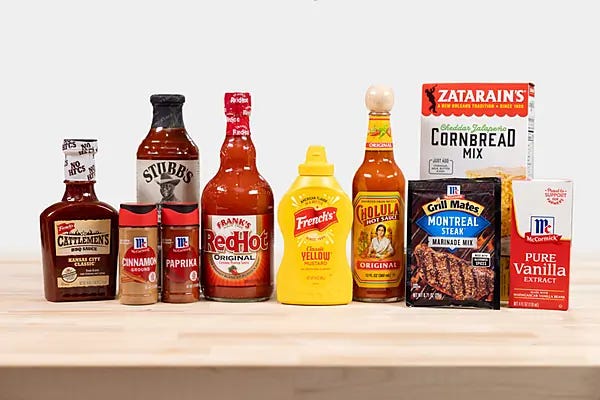
McCormick confirmed it’s engaged in discussions with Unilever regarding a potential strategic transaction. The deal would see Unilever carve out its entire food division and merge it with McCormick in an all-stock transaction. The combined company would be worth tens of billions and house Hellmann’s, Knorr, Cholula, Frank’s Red Hot, French’s, and McCormick’s core spice and seasoning portfolio under one roof. Unilever also held talks with Kraft Heinz on a possible deal.
This is the biggest potential deal in food CPG in years. Unilever has been signaling for a long time that it wants to focus on beauty, personal care, and wellness — the higher-margin, faster-growing categories that drive premium valuations. The food division has been the anchor weighing down the multiple. Carving it out and merging it with McCormick is the cleanest way to unlock value on both sides.
For McCormick, this would transform the company overnight from a spice and seasoning specialist into a diversified food powerhouse. Cholula, Frank’s Red Hot, and French’s already gave McCormick a condiment portfolio. Adding Hellmann’s and Knorr would make them a top-five food company globally. The strategic logic is clean — condiments, sauces, seasonings, and pantry staples all live in the same consumer occasion and the same retail aisle.
The bigger implication for the industry: if Unilever successfully exits food, it validates the thesis that conglomerates are better off focused than diversified. Expect every other diversified CPG company to study this deal closely. The era of doing everything adequately is giving way to the era of doing fewer things exceptionally.
Danone Acquires Huel for $1.15B — Meal Replacement Gets Its Validation Moment
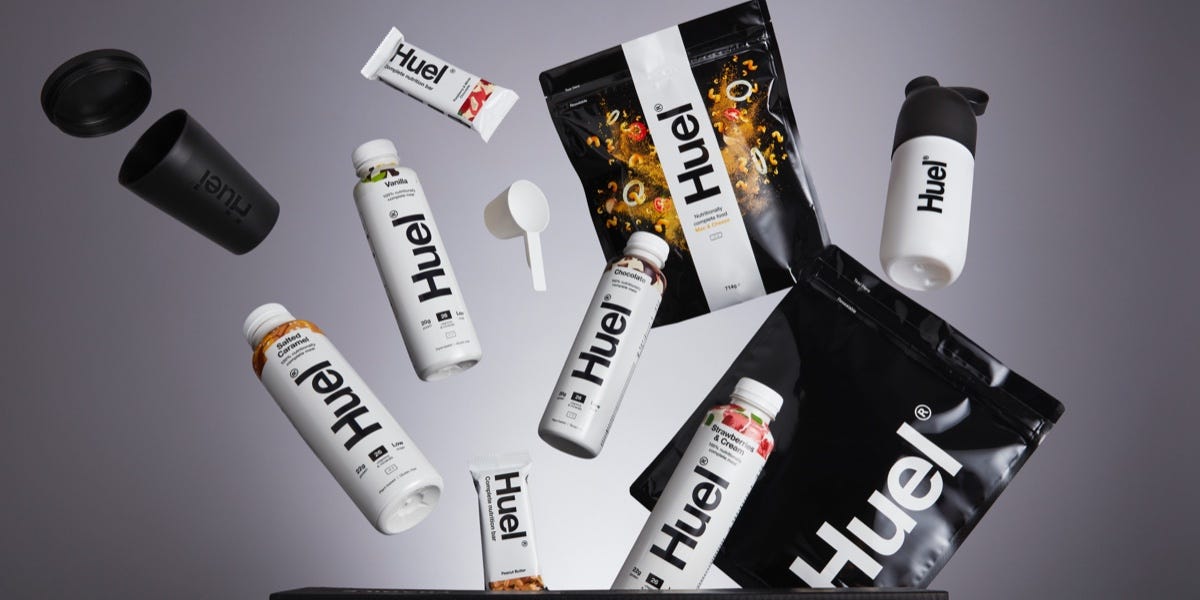
French dairy giant Danone is acquiring Huel for around $1.15 billion. Founded in 2014 by Julian Hearn, Huel offers meal replacement products including bars, shakes, powders, and on-the-go instant meals. James McMaster has served as CEO since 2017. Revenue reportedly exceeded £250M in 2025, up from £214M in 2024. Investors include Highland Europe, Steven Bartlett, Morgan Stanley, Idris Elba, and several others. Danone also acquired Kate Farms for an undisclosed sum in May 2025.
This is a massive signal for the entire meal replacement and functional nutrition category. Huel spent a decade building something most of the food industry dismissed as a niche product for tech bros who didn’t want to eat real food. Turns out it was a billion-dollar business. Revenue growth from £214M to £250M in a single year at that scale shows the brand hasn’t plateaued — it’s still accelerating.
Danone’s strategic thesis is becoming increasingly clear. Kate Farms in 2025 for medical nutrition. Now Huel for mainstream meal replacement. Danone is building a portfolio that owns the entire spectrum of functional and complete nutrition — from clinical to convenience. When the world’s largest dairy company decides meal replacement is worth $1.15B, the category is no longer fringe. It’s core.
The acquisition also validates the DTC-to-omnichannel playbook that Huel executed over a decade. The brand built its entire business through direct relationships before expanding into retail. That first-party data, subscription revenue, and customer loyalty is exactly what strategic acquirers pay a premium for. Danone isn’t just buying revenue — they’re buying a consumer relationship that most food companies can’t build organically.
For founders in functional nutrition, meal replacement, or complete nutrition: Huel just set the ceiling. A billion-dollar exit for a meal replacement brand that the food industry spent years ignoring. Build the thing nobody takes seriously. The exits find you anyway.
L Catterton Shopping Thorne for Up to $4B
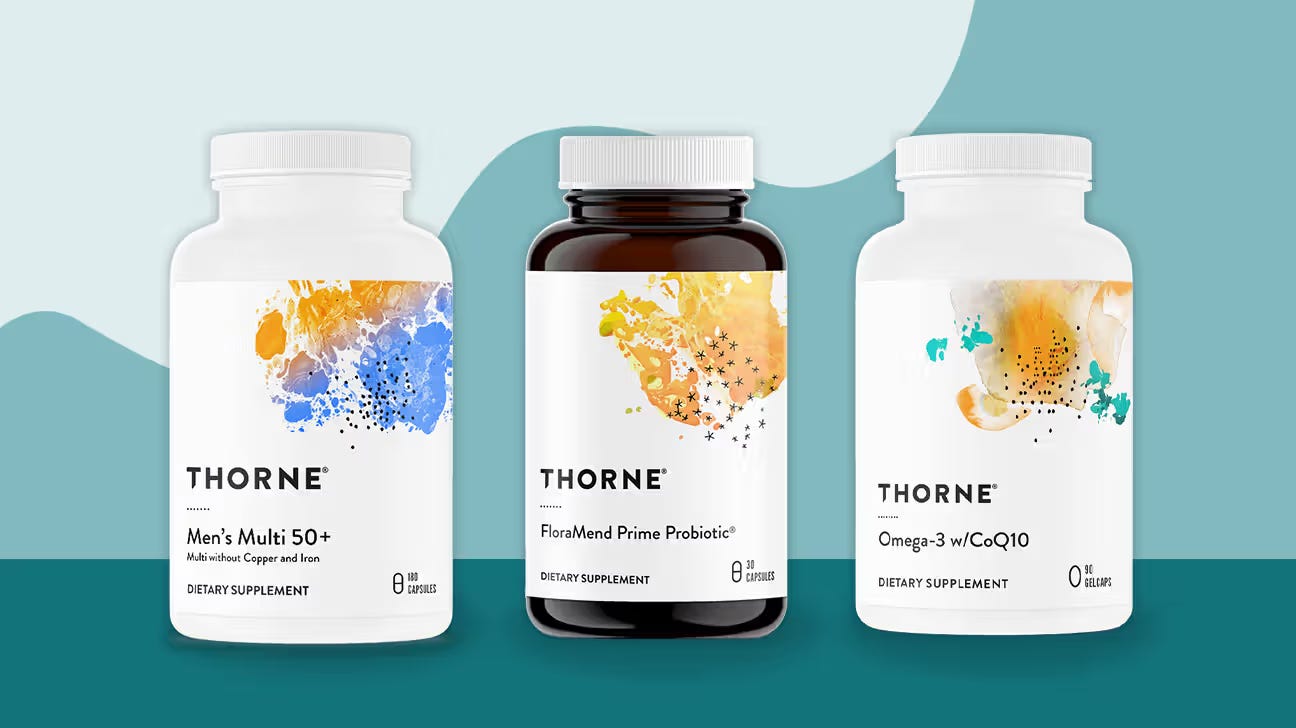
According to Axios, L Catterton is exploring a sale of vertically integrated supplement brand Thorne for up to $4 billion. L Catterton acquired Thorne in 2023 for $680M when the company was doing around $300M in annual revenue. Founded in 1984 by Al and Kelly Czap, Thorne leverages cutting-edge science to develop premium dietary supplements and personalized health solutions. The company is vertically integrated with manufacturing and distribution facilities in Summerville, South Carolina.
The math here is staggering. $680M to potentially $4B in three years. That’s nearly a 6x return if it hits the high end. Thorne’s vertical integration — owning the science, the manufacturing, and the distribution — is exactly the kind of operational moat that commands premium valuations. You can’t replicate a vertically integrated supplement company overnight. The manufacturing alone takes years to build.
This deal, if it happens, would be the most important valuation benchmark in the VMS category since Bayer acquired Care/of or Nestlé bought The Bountiful Company. A $4B exit for a supplement brand tells every founder in the space that science-backed, vertically integrated wellness companies are commanding multiples that rival tech. L Catterton’s playbook — acquire, professionalize operations, scale, exit at a massive premium — is working exactly as designed.
Sazerac Acquires Dirty Shirley — The 934% Growth Story
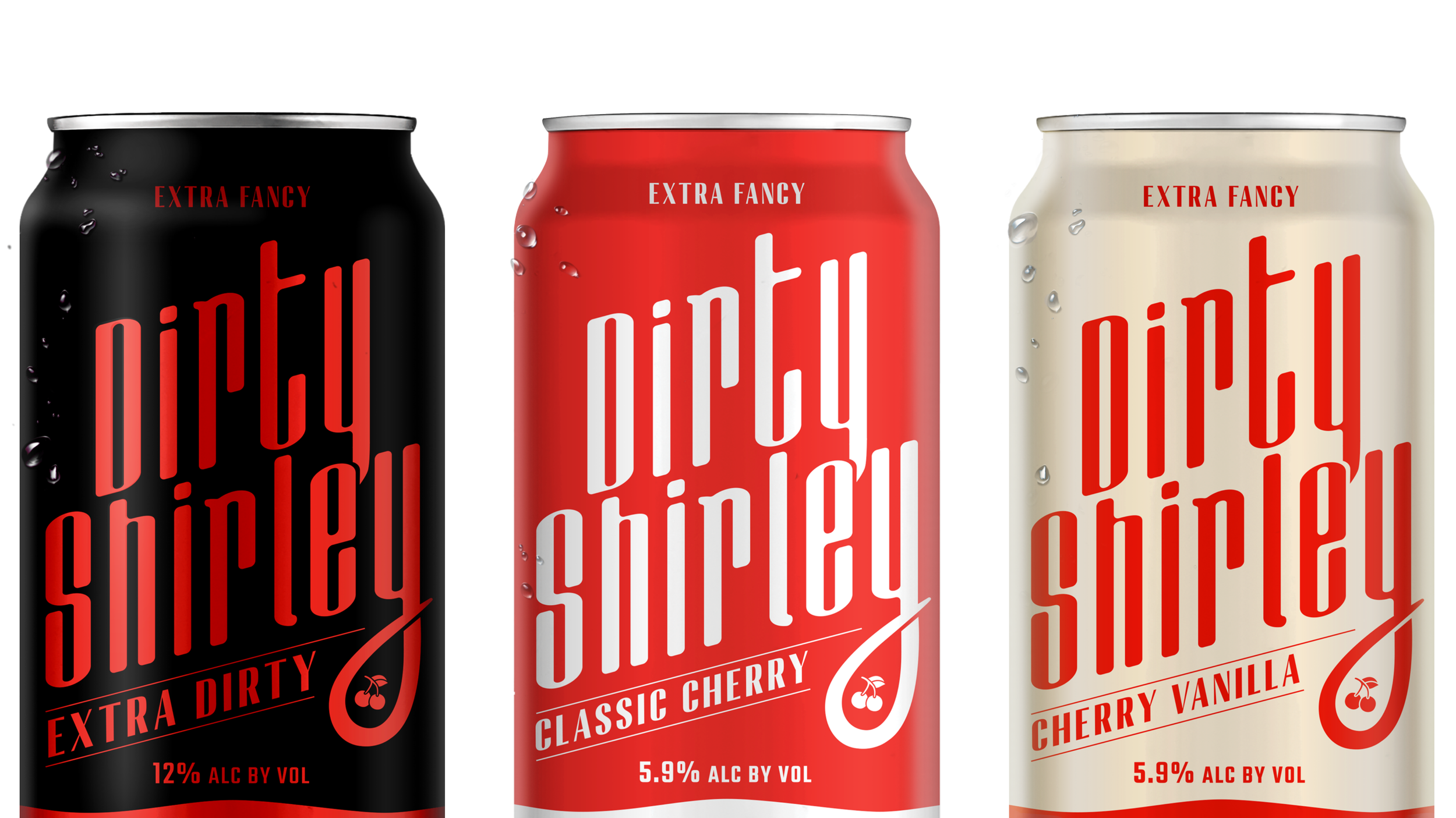
Sazerac Company is acquiring RTD cocktail brand Dirty Shirley for an undisclosed sum. Founded by Adam Kost and based in Austin, Dirty Shirley is best known for its spiked shirley temples and irreverent marketing. The brand hit an inflection point in 2024 when sales surged 934% year-over-year. Retail partners include Target, Circle K, Meijer, Safeway, Walmart, and Total Wine.
Sazerac has been on a quiet buying spree: SVEDKA for $400M in 2024, BuzzBallz in March 2024, and Western Son Vodka in 2025. While most spirits companies have been cautious on M&A, Sazerac keeps writing checks. The pattern is clear — they’re building a portfolio that covers every drinking occasion from vodka to RTD cocktails to convenience.
Nine hundred and thirty-four percent growth. That’s not a trend line — that’s a rocket ship. Dirty Shirley tapped into nostalgia in a way that most beverage brands never figure out. Everyone remembers ordering a Shirley Temple as a kid. The jump to a spiked version for adults is the kind of obvious-in-hindsight insight that builds massive brands. Add Sazerac’s distribution infrastructure and this brand scales nationwide fast.
Glossier Closes 9 of 12 Stores — The DTC Reckoning Continues
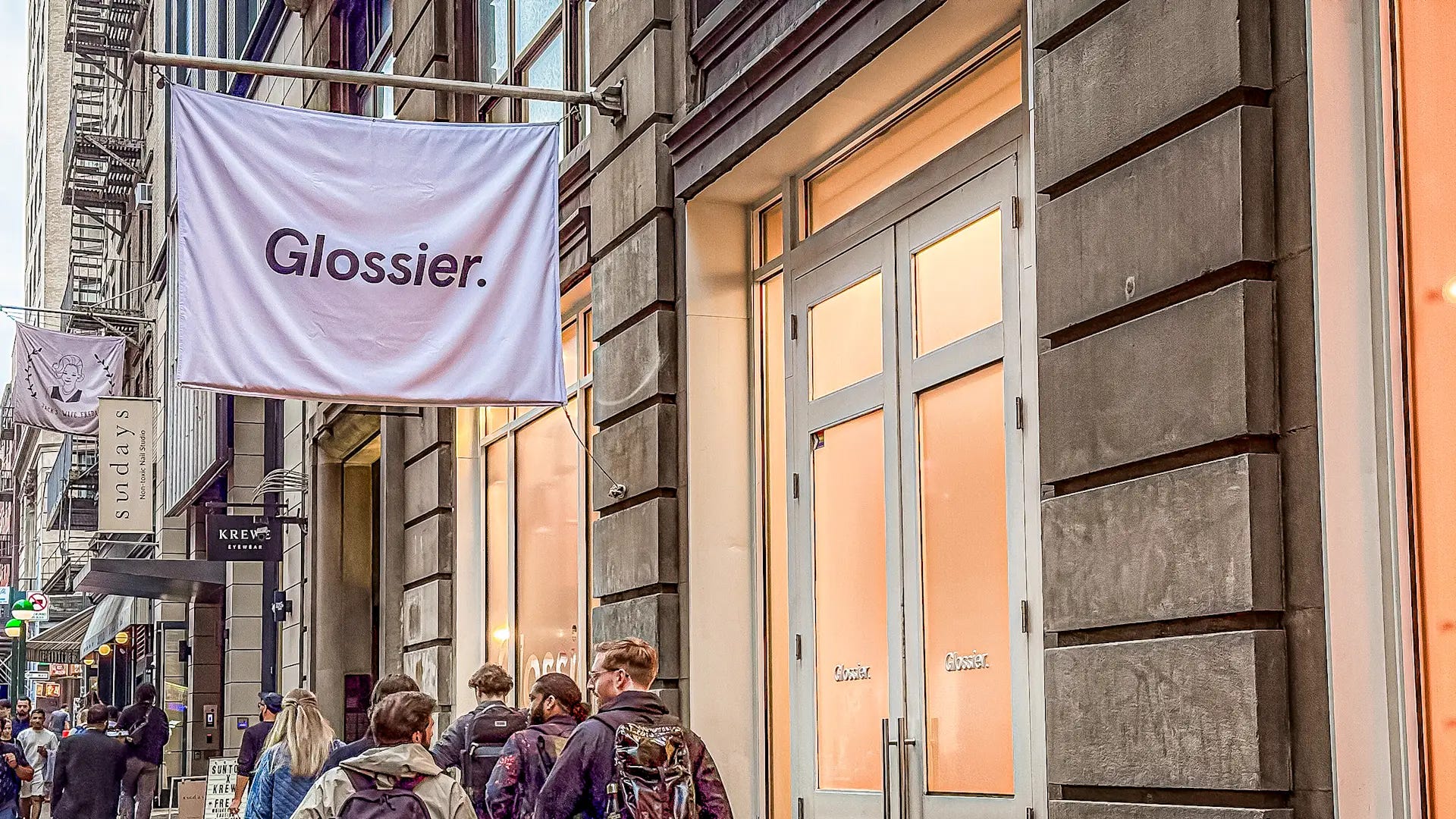
Under new CEO Colin Walsh, Glossier will close nine of its twelve retail stores. Flagship locations in London, New York, and Los Angeles will remain open. The beauty company also plans to slash its SKU count to focus on hero products.
This is the most significant strategic reset in DTC beauty since the entire category realized that Instagram followers don’t pay rent. Glossier was the poster child of the DTC era — community-driven, digitally native, experiential retail. Now it’s cutting two-thirds of its physical footprint and simplifying its product line.
The lesson is actually encouraging for the brand. Glossier isn’t dying — it’s getting focused. Twelve stores was trying to be Sephora. Three flagship stores plus a tighter product line is trying to be Aesop. The SKU rationalization matters more than the store closures. Hero products with strong repeat purchase rates and deep brand loyalty is a much more defensible business than a sprawling assortment competing for attention across a dozen locations. Colin Walsh is making the hard calls that should’ve been made two years ago.
Ferrero Acquires BOLD Snacks — The Protein Collection Continues
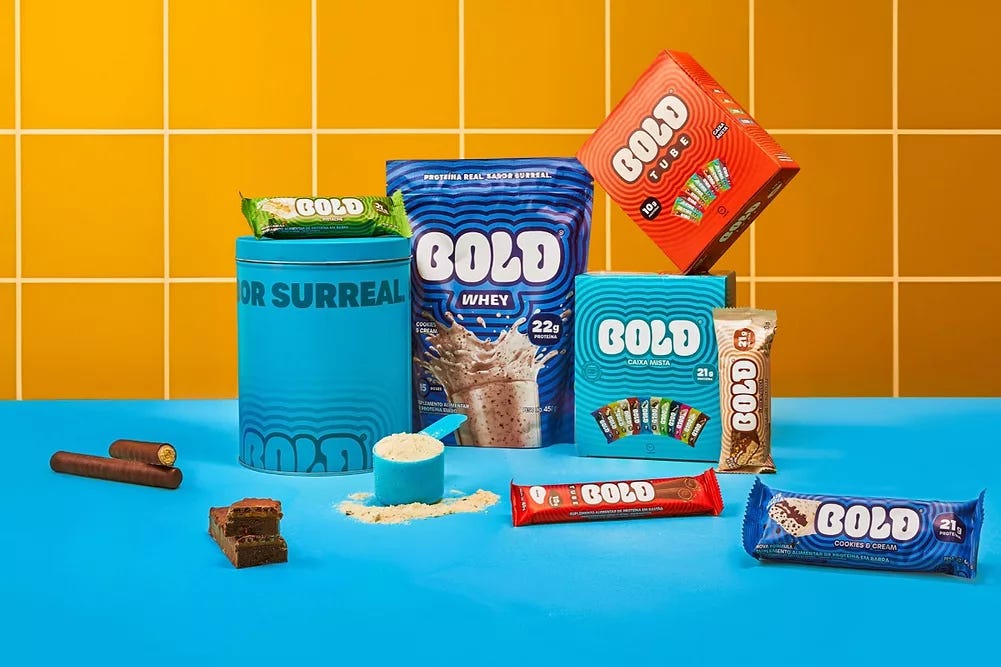
Italian confectionery giant Ferrero is acquiring BOLD Snacks, a Brazilian purveyor of protein bars and powders. Founded in 2018 by Gabriel Ferreira, BOLD gained traction through novel protein bars, eye-catching branding, and digital marketing. Though best known for iconic candy brands like Kinder and NERDS, Ferrero has been systematically building a better-for-you snack portfolio — Power Crunch, FULFIL Nutrition, Eat Natural, and now BOLD.
Ferrero in 2023 also acquired Dori Alimentos, a leading candy manufacturer in Brazil. The BOLD acquisition doubles down on Brazil as a strategic priority and signals that Ferrero sees the protein snacking trend as global, not just a U.S. phenomenon. When the company behind Nutella and Ferrero Rocher decides protein bars are the future, the category thesis is officially mainstream everywhere.
General Mills Sells Brazil Division for $350M in Revenue
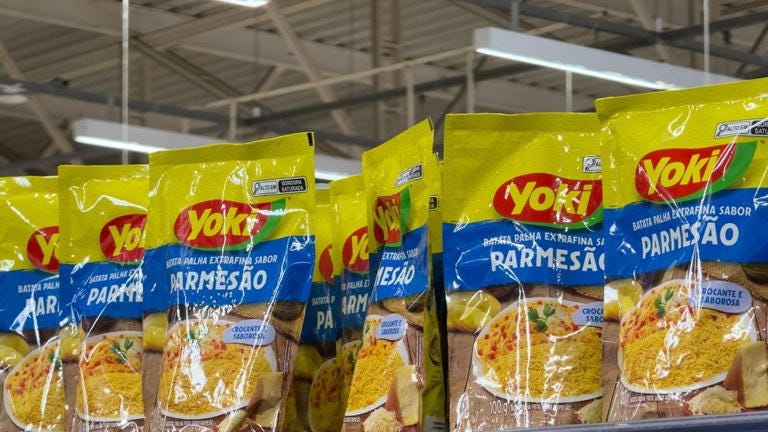
General Mills is selling its Brazil division to 3corações for an undisclosed sum. The division contributed $350M to General Mills’ 2025 net sales and includes leading local brands Yoki and Kitano. General Mills has been gobbling up pet care assets while divesting food businesses — including selling its North American yogurt business for $2.1B.
The strategic direction is unmistakable. General Mills is becoming a pet care company that also makes cereal. The yogurt exit, now the Brazil exit — they’re systematically shedding food businesses that don’t fit the portfolio they want to own. Pet care has higher margins, stronger growth, and more predictable demand. Every dollar divested from food gets redeployed into Blue Buffalo’s ecosystem. It’s a bold bet that pets are a better business than people food.
💰 THE FUNDING FRENZY
Big checks being written
Habiza — $2.5M Seed Round
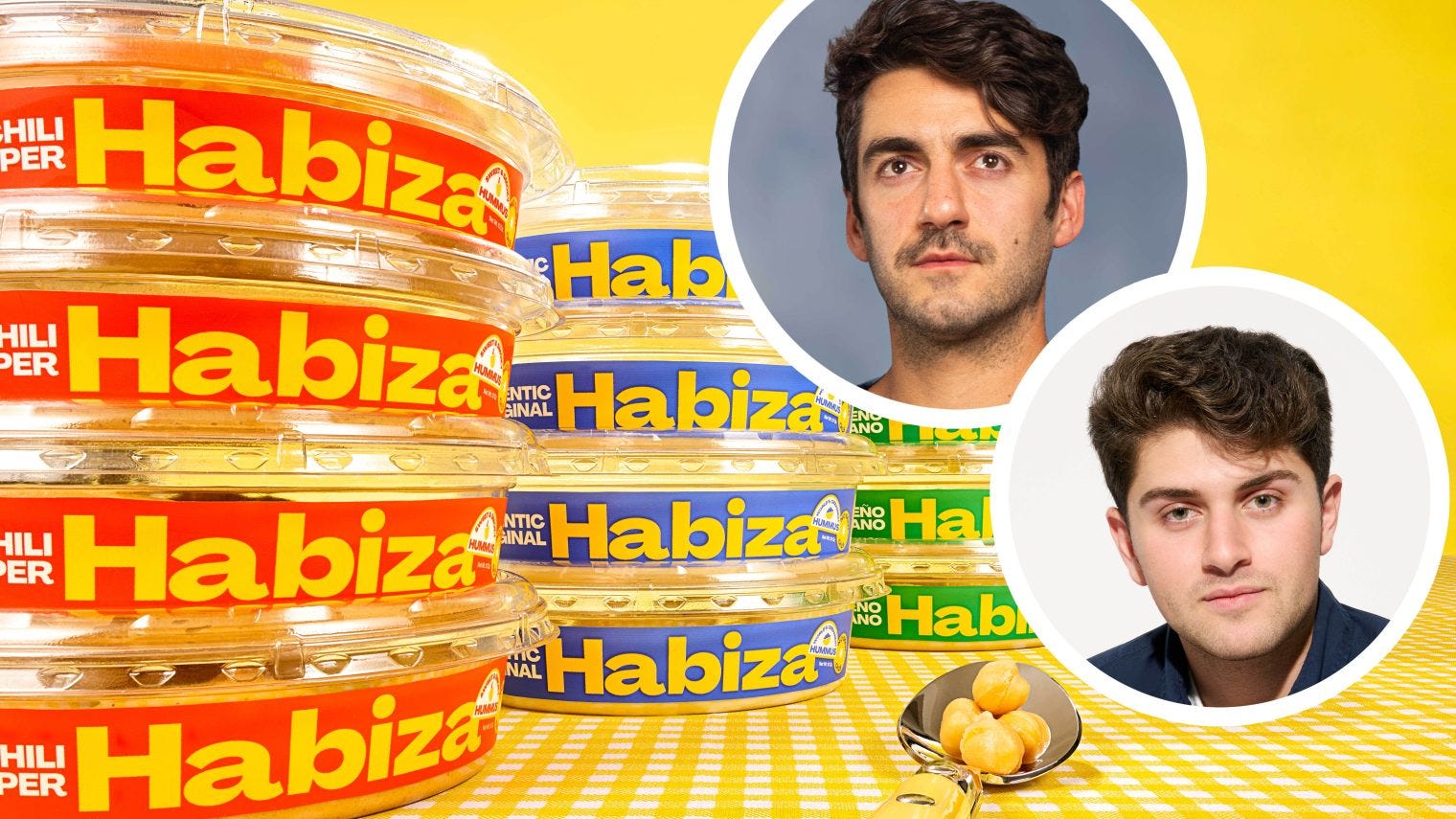
Fast-growing hummus brand Habiza closed a $2.5M seed round co-led by Supernatural Ventures and Vanquish Equity. Angel investors include Sean Rad, Elliot Tebele, Ben Kaplan, Mike McGuiness, and Jake Fleshner. Habiza is the number one hummus brand at Erewhon and also retails at Albertsons, Target, and Giant.
Number one at Erewhon with Albertsons and Target already on the roster at the seed stage. The distribution footprint validates the product before the raise. The dips and sauces category continues to be one of the hottest spaces in CPG — and Habiza’s positioning at the premium end with real cultural authenticity gives it a lane that’s difficult to replicate.
*We did not participate in this round. We mistakenly forgot to add ““ to a quote!
Good Girl Snacks — $3M Seed Round
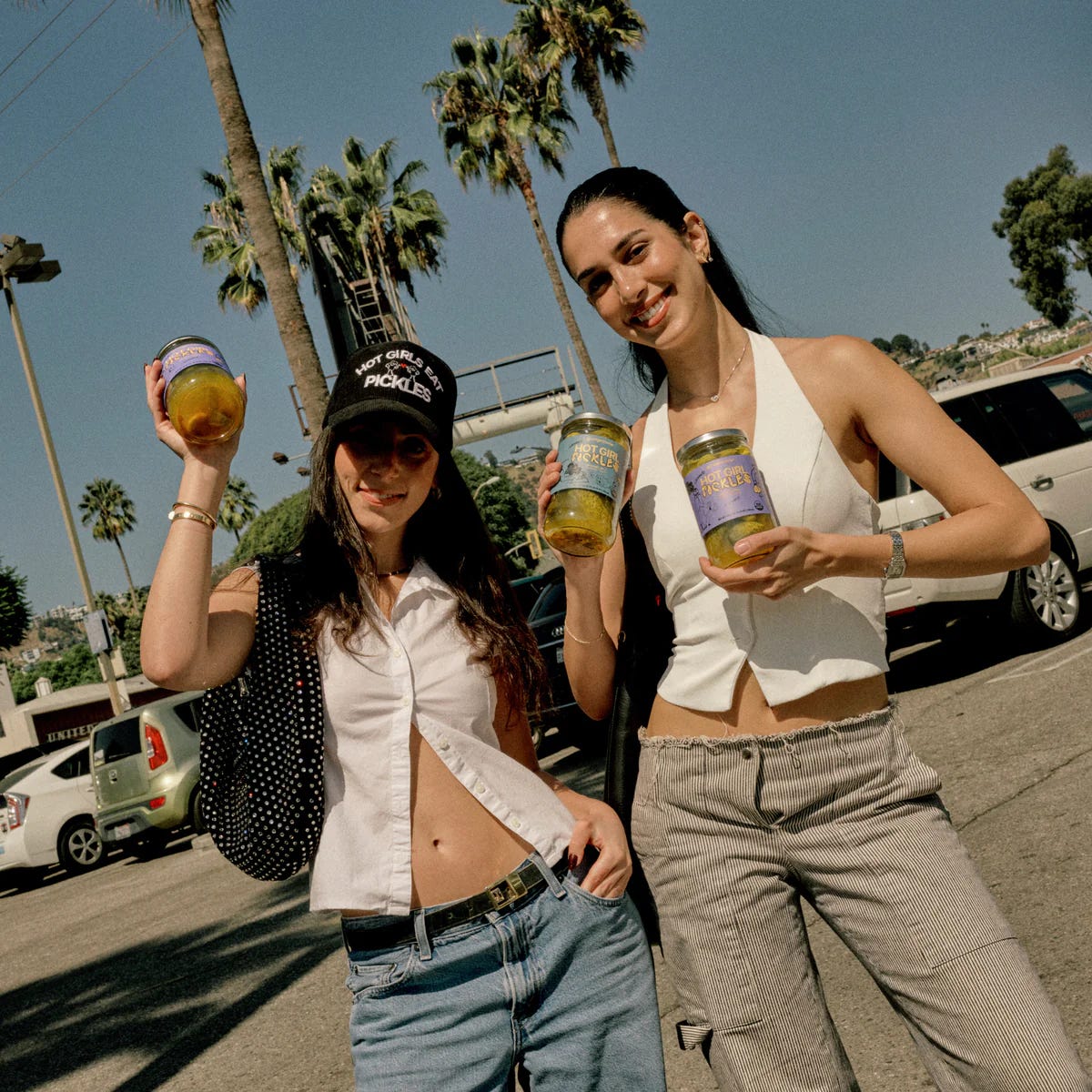
Good Girl Snacks, parent company of Hot Girl Pickles, closed a $3M seed round co-led by Strand Equity and RiverPark Ventures. Nucleus Ventures, Collaborative Fund, and a number of angels also participated. Hot Girl Pickles is reportedly number one in the category at Erewhon and also retails at H-E-B, Gopuff, and Whole Foods Market.
Three million in seed capital with H-E-B, Whole Foods, and Erewhon’s number one spot is a brand that doesn’t need to prove product-market fit — it needs fuel to scale what’s already working. The pickle and fermented snack category continues to have its moment, and Hot Girl Pickles has the brand energy and velocity data to own it.
Laoban — $7.2M Equity Funding
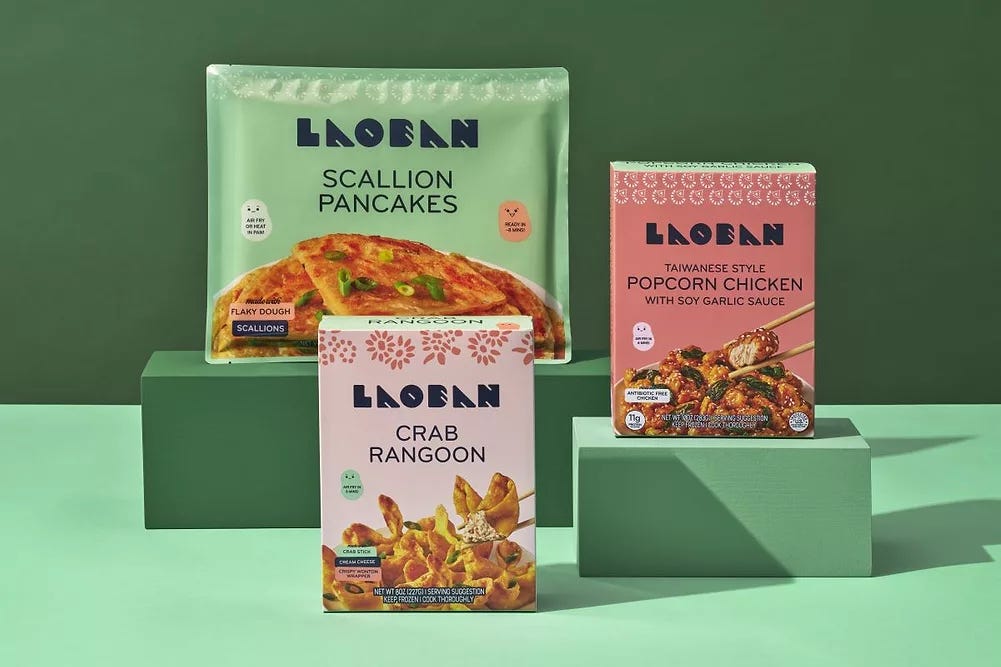
According to Nosh, Laoban secured $7.2M in fresh equity funding. Founded in 2017 by Tim Ma and Patrick Coyne, Laoban started as a restaurant in Washington D.C. before pivoting into packaged foods — similar to Little Sesame’s trajectory from the same city.
The restaurant-to-packaged-goods pipeline continues producing brands with built-in culinary credibility and recipe development that CPG-first companies can’t match. D.C. is quietly becoming a launchpad for Asian-inspired food brands with real founder stories.
Yough! — Founders Row Strategic Investment
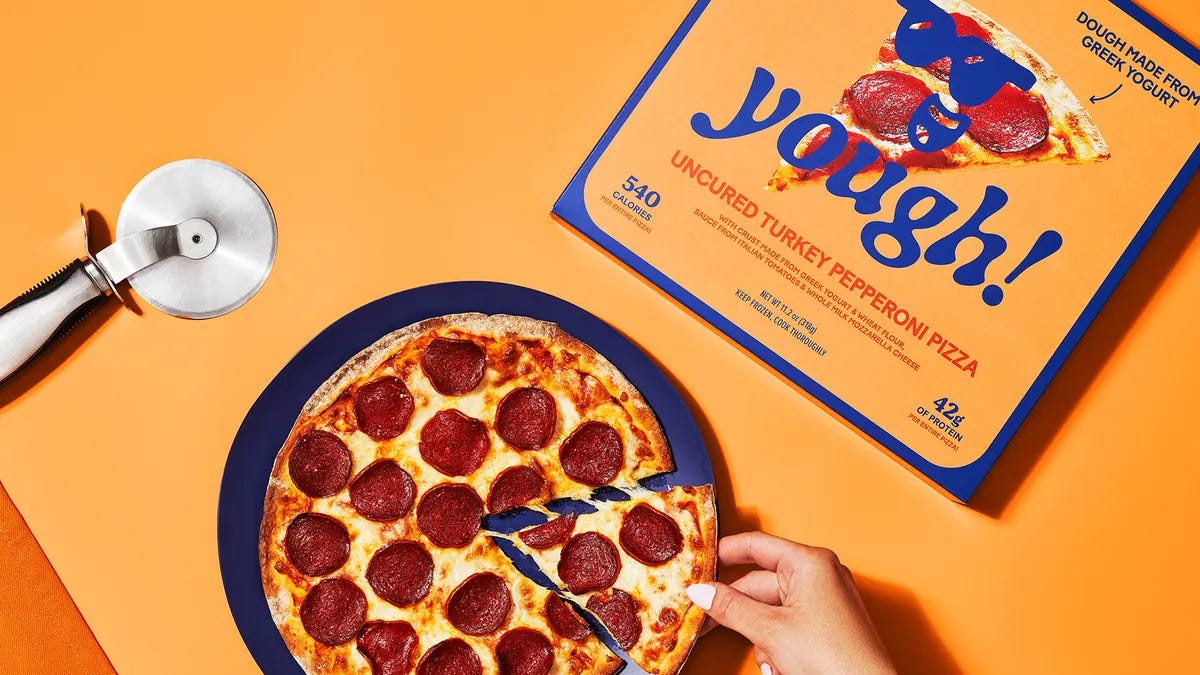
Founders Row made a strategic investment in Yough!, a startup reimagining frozen pizza with a protein-rich crust made from Greek yogurt. Each pie delivers 40-50g of protein with simple ingredients. The investment coincides with Yough’s nationwide debut in nearly 2,000 Target stores. Co-founded by Mike Rolland and Jason Miller in 2022.
Raising strategic capital simultaneous with a 2,000-door Target launch is how you time a fundraise. The protein-everything trend meets America’s most beloved convenience food. If the product delivers on taste — always the question with protein-fortified frozen pizza — the Target velocity data over the next 90 days will determine whether this becomes a real category or a novelty.
JiYu — $6.5M for Korean Skincare

Korean skincare brand JiYu secured $6.5M in growth funding from private investors and strategic industry partners. The three-year-old company forecasts $70M in revenue in 2026 with Amazon and TikTok Shop as key priorities.
A three-year-old skincare brand forecasting $70M in revenue is growing at a pace that would make most consumer brands jealous. Korean skincare continues to dominate the TikTok-first distribution playbook. JiYu’s focus on Amazon and TikTok Shop rather than traditional retail suggests they’re doubling down on the channels where K-beauty discovery actually happens.
Funny Water — $1.6M Equity Round
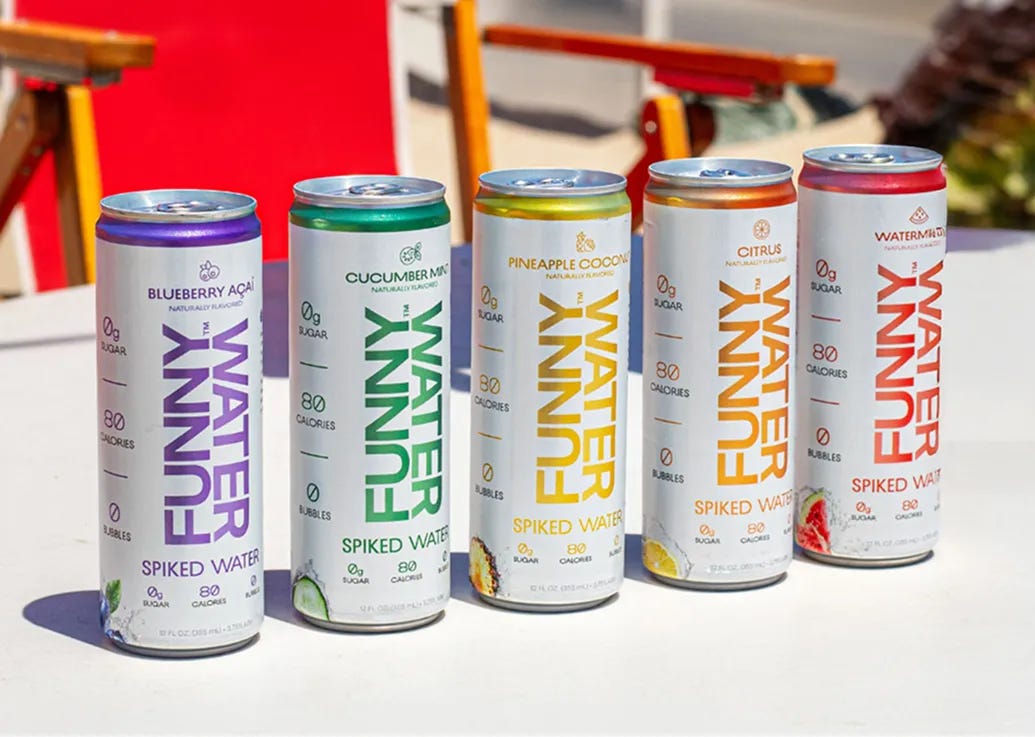
Chicago-based Funny Water secured $1.6M in equity funding. The company specializes in uncarbonated, naturally flavored spiked waters. Retail partners include BevMo, H-E-B, Whole Foods, Trader Joe’s, and several others.
Landing Trader Joe’s is notoriously difficult — they curate harder than almost any retailer in the country. Having Trader Joe’s and Whole Foods simultaneously gives Funny Water credibility with every other buyer they approach.
🆕 PRODUCT LAUNCHES & INNOVATION
This week’s innovation circus
Casamigos Goes RTD — Diageo Bets on Convenience
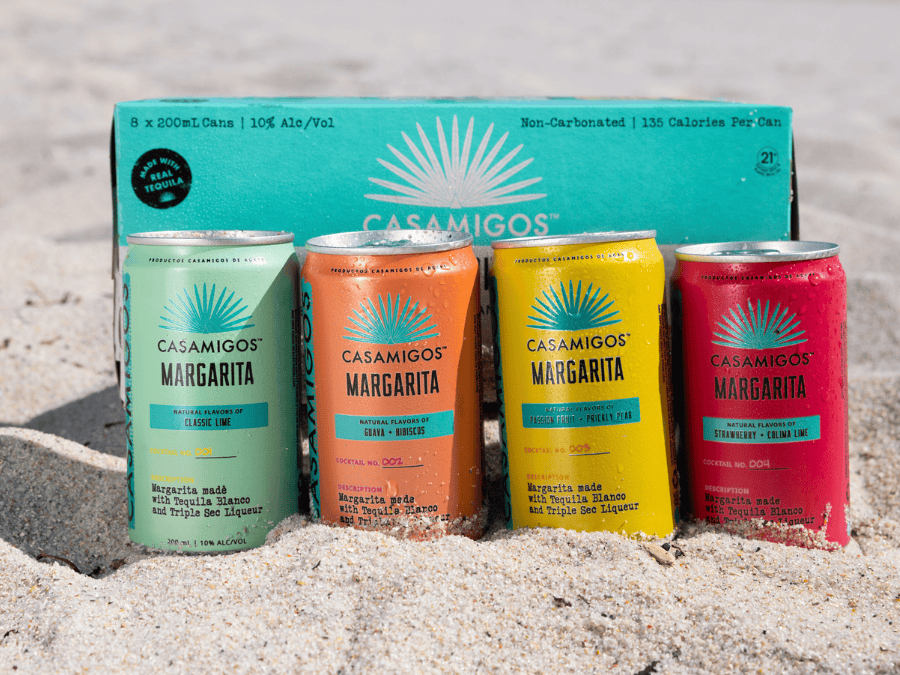
After launching a canned margarita line last summer, Casamigos just released a ready-to-serve cocktail line with Classic Lime and Spicy flavors. Diageo continues leveraging the billion-dollar brand across every format and occasion. The RTD cocktail market keeps expanding and Casamigos’ brand equity gives it an automatic advantage in trial.
Lineage Provisions Clean Protein Bars
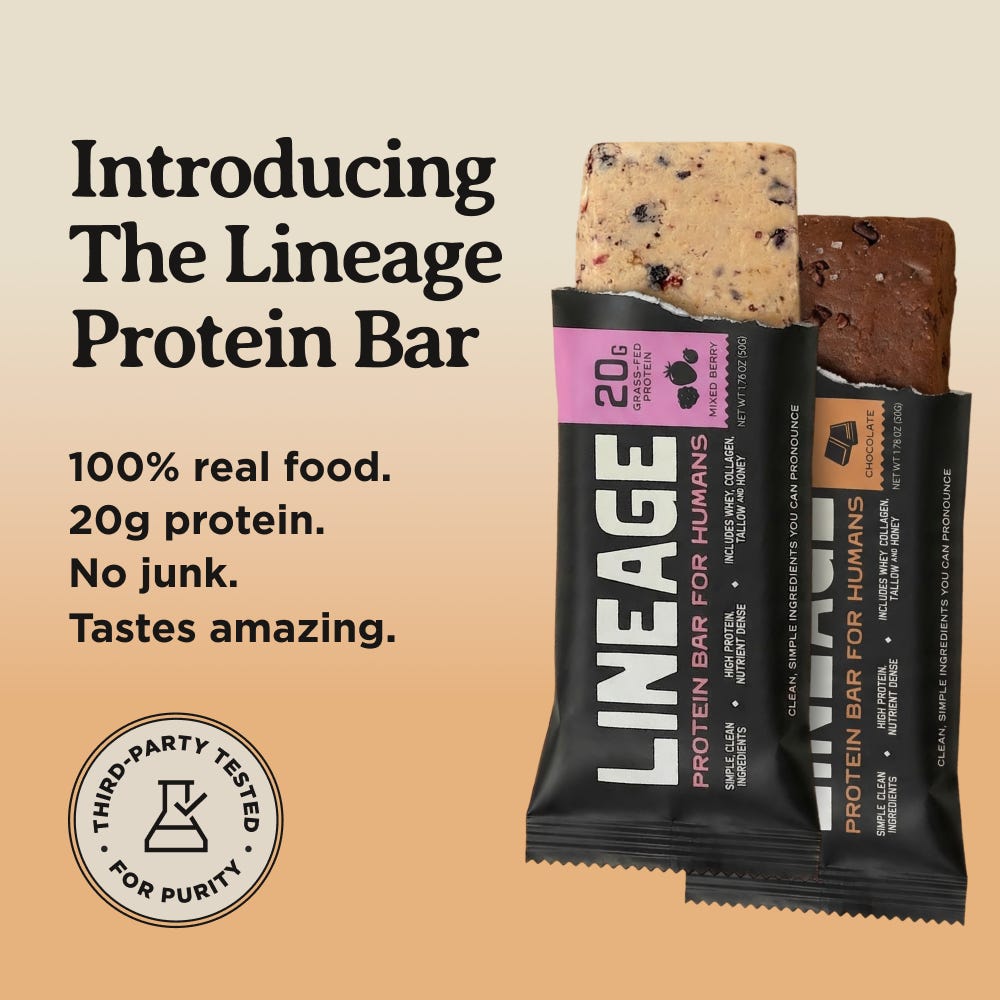
The animal-based supplement company co-founded by Paul Saladino and Anthony Gustin released a protein bar line built around real ingredients — grass-fed whey and collagen, raw honey, grass-fed beef tallow, organic freeze-dried fruit, and organic cocoa. Twenty grams of protein, under 200 calories, free from sugar alcohols, gums, and fiber syrups. Two flavors: Mixed Berry and Chocolate. Gustin previously co-founded Equip Foods which exited to HighPost Capital last summer. The clean-label protein bar space is getting more crowded, but Lineage’s ingredient list reads like a whole foods shopping list rather than a chemistry set.
Little Spoon Enters Infant Formula
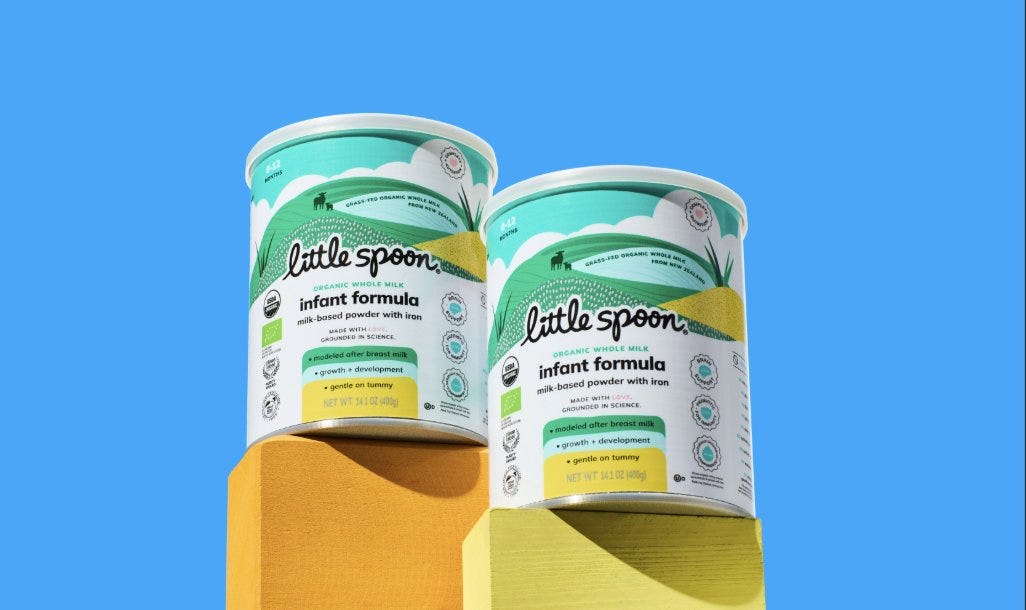
Little Spoon launched Organic Grass-Fed Whole Milk Infant Formula, making it an end-to-end nutrition platform for babies through age six. The American-made formula is dual-certified USDA Organic and EU Organic. Each batch is tested for more than 500 potential toxins. Founded in 2017, Little Spoon surpassed $150M in DTC net revenue in 2025 before launching nationwide at Target.
One hundred fifty million in DTC revenue before going to retail. That’s the kind of business that doesn’t need retail — retail needs them. Entering infant formula is the most regulated and most trust-dependent category in all of CPG. Little Spoon’s transparency-first approach and existing parent customer base gives them a natural on-ramp that most formula startups don’t have.
Fruit Riot x Sour Patch Kids — The Licensing Machine
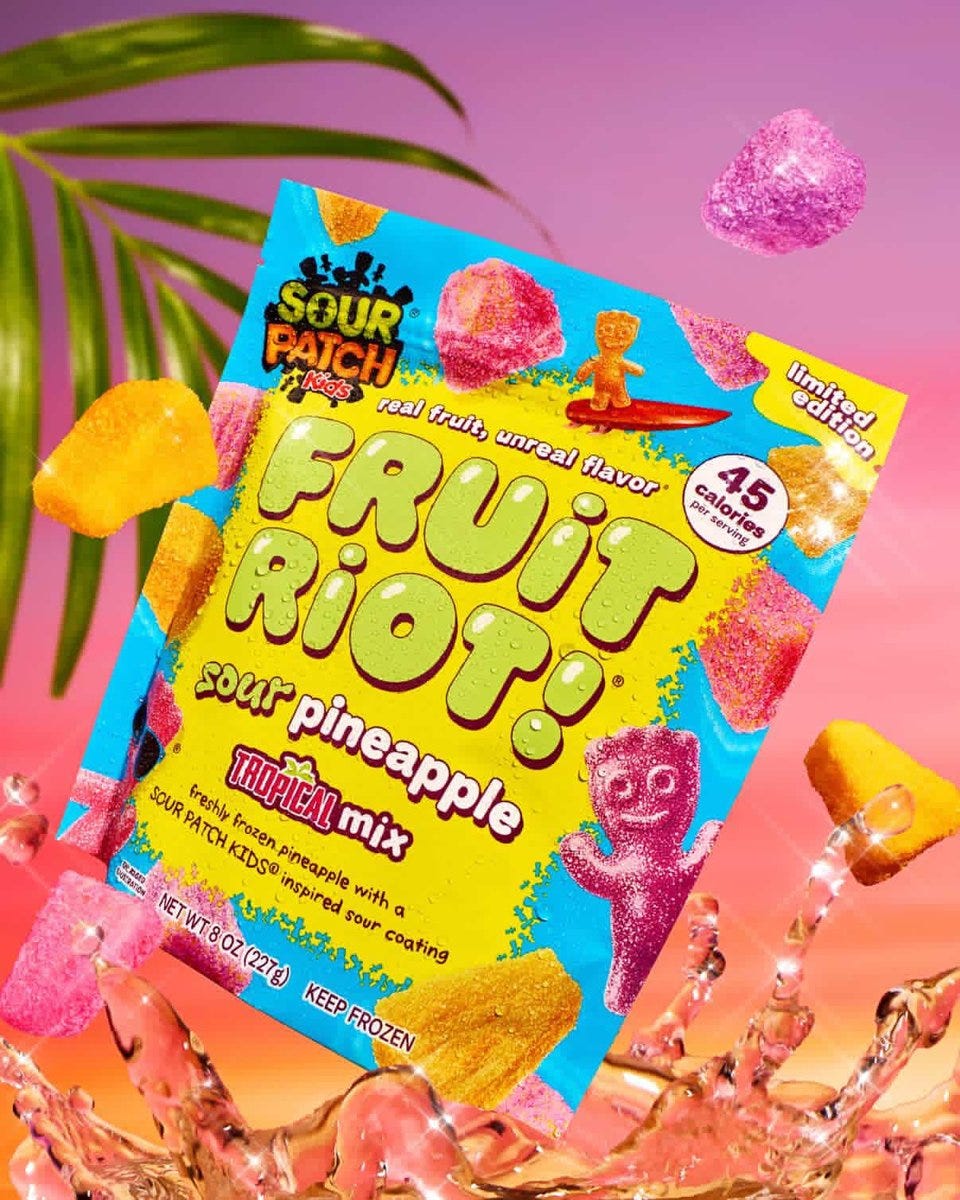
Fruit Riot dropped a limited-edition Sour Patch Kids SKU exclusively at Target. The brand has now partnered with OLIPOP, WARHEADS, SpongeBob SquarePants, and Sour Patch Kids. After making Bain’s Insurgent Brands list and launching at Tesco in the UK, Fruit Riot is playing the licensing game at a level most emerging brands never reach. Each collab drives trial from a completely different consumer audience.
More Launches Worth Watching
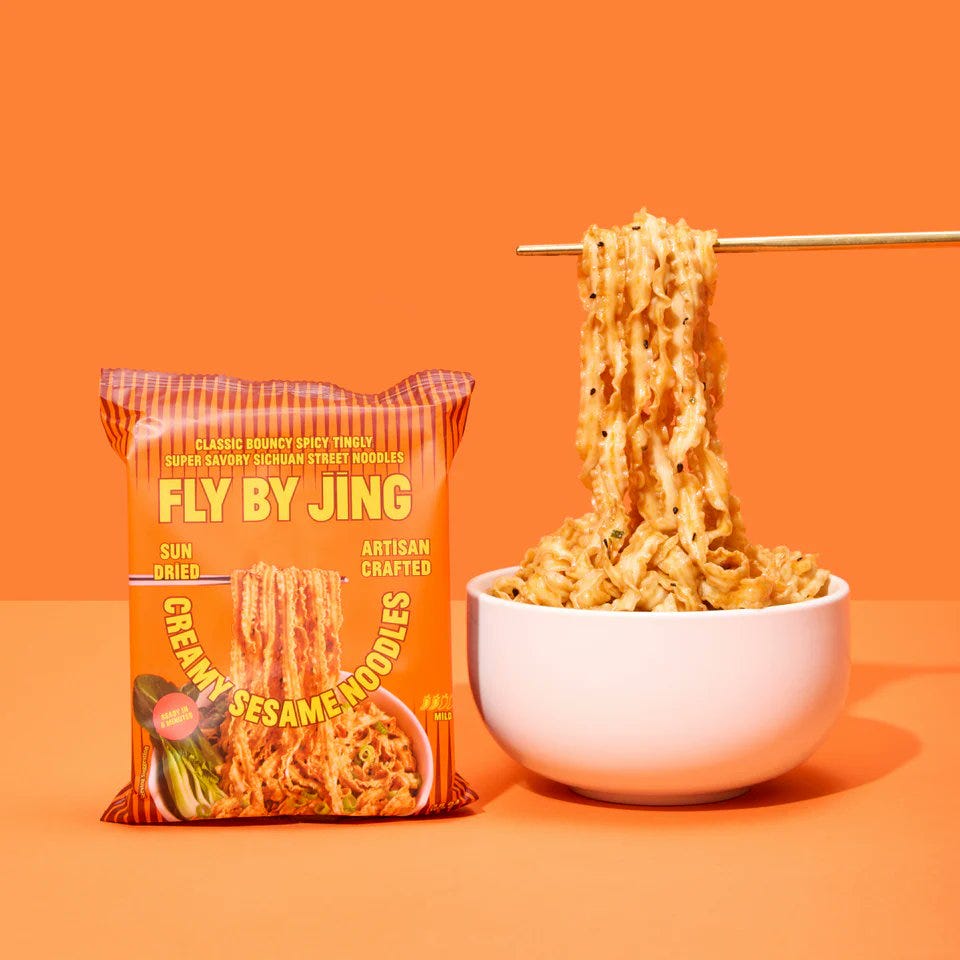
Fly By Jing expanded its noodle range with Roasted Garlic and Creamy Sesame flavors, rolling out nationwide at Whole Foods.
Little Sesame x Yellowbird collaborated on Habanero Hummus, heading to Sprouts soon. The D.C. hummus brand continues smart co-branding.
PRODA — new protein soda from actor Matthew Postlethwaite and former Suja Juice CEO Jeff Church. 10g protein, zero sugar, launching at Sprouts in April.
Dirty Pop — another protein soda entrant. 15g plant-based protein, 80 calories. The protein soda category is getting very crowded very fast.
TofuGo — shelf-stable tofu snack bars with 12g protein and zero sugar. A novel form factor in protein snacking.
GHOST x 7UP — limited-edition Lemon Lime energy drink collab hitting retail April 13th.
IQBAR PB&J Protein Bites — 5g protein, 5g fiber per bite, now at Sam’s Club nationwide.
Paco Jones — Mexican-inspired ketchup and BBQ sauce launching in June. The branding is excellent.
Stone & Skillet unveiled a vibrant brand refresh — bolder logo, confident colors, and a great skillet illustration.
Jocko Go reformulating with SalidroPure and MitoPrime for improved mental and cellular performance.
Daily Crunch added Mediterranean Medley to its sprouted nut range.
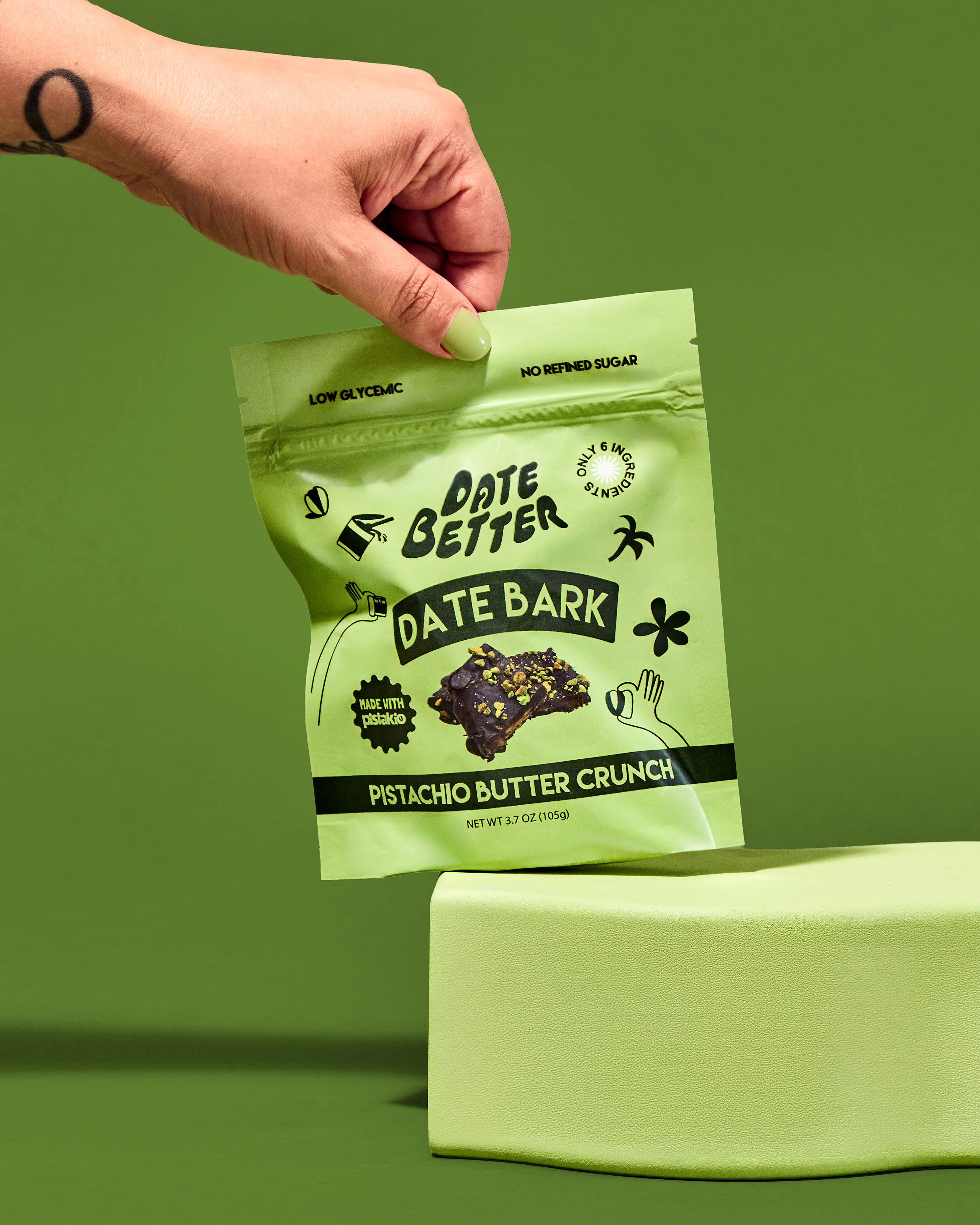
Date Better x Pistakio dropped Pistachio Butter Crunch Date Bark.
Faccia Brutto x Peter Luger — Brooklyn spirits meets Brooklyn steakhouse with Lugermeister herbal liqueur.
Athletic Brewing x Arsenal FC — limited-edition Clock End brew available across the UK and at Emirates Stadium.
Orebella from Bella Hadid released Jasmine Blues spring fragrance, heading to Ulta in April.
Glossier expanding fragrance with a new scent called Soie.
Rare Beauty launching True To Myself foundation in 48 shades for $38 in April.
Fable & Mane created a hair and body mist line launching at Sephora March 24th.
📊 THE DATA DIGEST
Numbers that matter
DryWater Approaching $100M — Adding 41,000 Doors
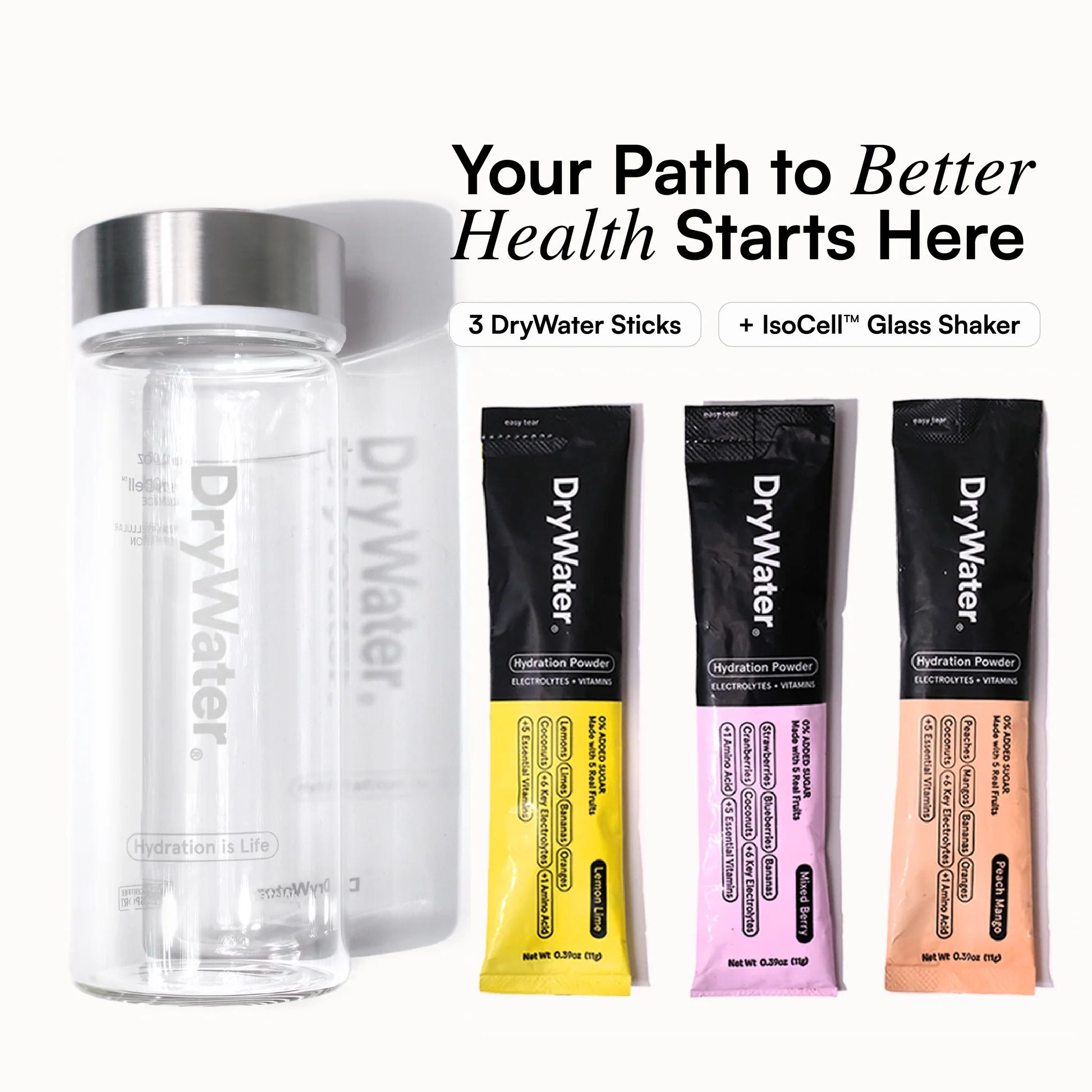
DryWater is on a roll. The clean hydration brand will add 41,000 new retail doors this year and expects to surpass $100M in sales. New partners include Target, Kroger, CVS, and The Vitamin Shoppe. Founded by Bryan Appio in 2024 in Irvine. For context, Unilever grew Liquid I.V. from $120M to $1B since acquiring it in 2020. DryWater is on a similar trajectory. When a hydration brand adds 41,000 doors in a single year, the velocity data is speaking louder than any pitch deck.
15,000 Beverage Brands Under $1M in Sales
According to SPINS, there are more than 15,000 beverage brands in the U.S. with less than $1M in sales. Fifteen thousand. Let that sink in. The beverage aisle is the most crowded category in CPG by an order of magnitude. For every Celsius or Poppi, there are thousands of brands fighting for shelf space they’ll never earn. This stat should be required reading for every founder thinking about launching a beverage brand.
Prima — Fastest-Growing Bar at Sprouts
According to SPINS, beef tallow protein bar brand Prima is the fastest-growing nutrition bar brand at Sprouts Farmers Market. Sprouts has ordered more than 1.2 million Prima bars over the past 10 months. The ancestral health and clean-label protein bar trend continues to accelerate. When a retailer orders 1.2 million units of an emerging bar brand, the category has spoken.
Mission Craft Cocktails — 2K to 80K Cases
Mission Craft Cocktails went from approximately 2,000 cases in 2024 to over 80,000 cases in 2025. A 40x increase in a single year for the mission-driven RTD cocktail brand. That kind of case growth catches distributor attention fast.
XXL Wines — $100M in Sales
High-ABV flavored wine brand XXL Wines surpassed $100M in sales and topped 2 million cases last year. Launched by Tri-Vin Wine & Spirits in 2022. The value-oriented alcohol consumer is a massive market that premium brands often ignore.
Lifeway Foods — 18% Q4 Growth
Lifeway delivered Q4 net sales up 18% to $55.4M with net income of $2.5M compared to a net loss last year. The kefir and fermented dairy category continues to benefit from the gut health trend.
🏪 DISTRIBUTION DOMINATION
Everyone’s everywhere
Target’s Protein Pizza Moment
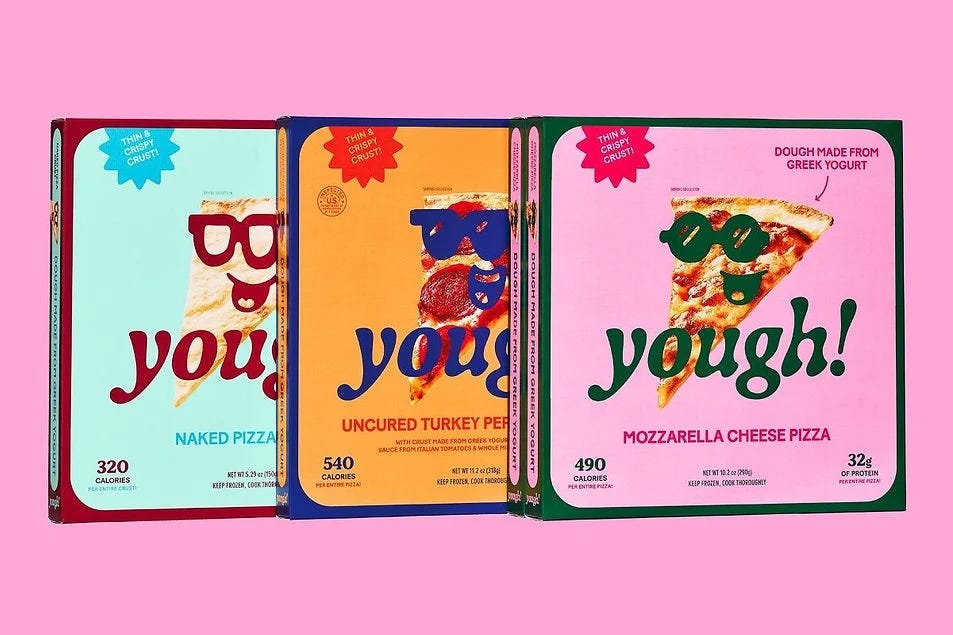
Yough! launched nationwide at nearly 2,000 Target stores — protein-rich Greek yogurt crust frozen pizza hitting the mass market. Fruit Riot’s Sour Patch Kids collab is a Target exclusive. Laundry Sauce launched at select Target stores, bringing the premium laundry category into Target’s emerging brand assortment.
Sprouts Stays Busy
Juno Energy launched nationwide at Sprouts Farmers Market. Legendairy Milk rolled out nationwide at Sprouts. FoodNerd is rolling out at Sprouts. Prima is the fastest-growing bar brand at Sprouts with 1.2 million units ordered. Sprouts continues to be the incubator retailer of choice for better-for-you brands.
H-E-B’s Texas Pipeline
Coaqua launched 5 SKUs at H-E-B. Hot Girl Pickles landed at H-E-B in Texas. Two emerging brands hitting H-E-B in the same week — the Texas grocer’s willingness to take early bets on brands with velocity and authentic positioning makes it one of the most important regional chains for emerging CPG.
Sam’s Club and Kroger
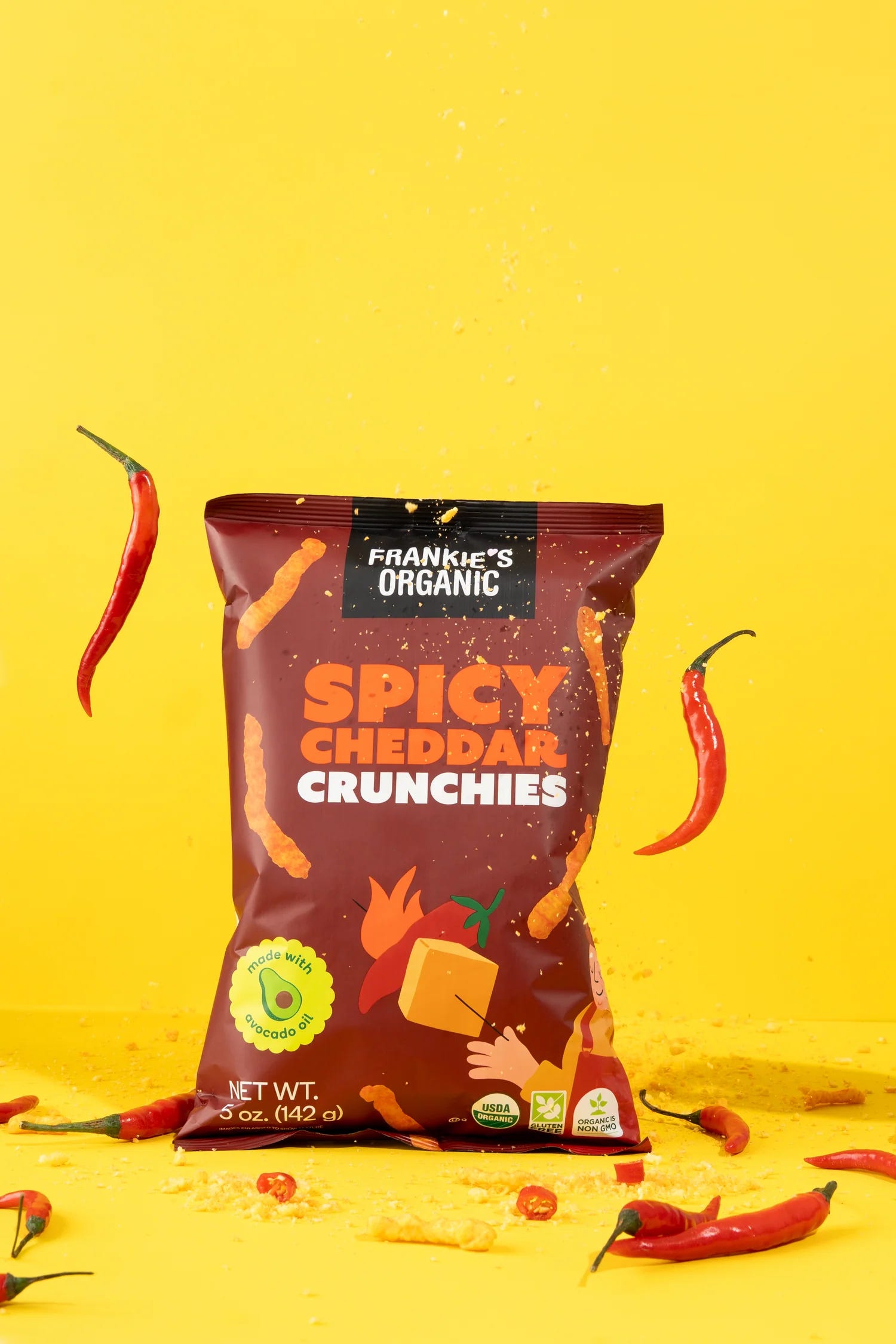
Frankie’s Organic launched at 600 Sam’s Club locations — a massive club store rollout that signals strong margin structure and pack size readiness. Cactus Crunch launched at 300+ Kroger doors.
Specialty and Erewhon
Gymkhana Fine Foods launched at Whole Foods Market. Klar is now available at Erewhon — landing LA’s most curated shelf. Pasta Sisters launched at Gelson’s. Easy Does It partnered with L.A. Distributing in SoCal.
Tilray Completes the BrewDog Hat-Trick
Tilray acquired BrewDog’s U.S. assets — a brewing facility in Columbus, Ohio, three pubs, and a hotel. This follows UK assets for £33M and Australian assets over the past few weeks. Tilray now owns BrewDog infrastructure across three continents. The distressed BrewDog breakup is complete.
👋 PEOPLE MOVES
Colin Walsh is making hard calls at Glossier — closing 9 of 12 stores and slashing SKUs to focus on hero products. The DTC beauty era’s poster child is getting the strategic reset it needed.
Jose Manuel Albesa succeeded Marc Puig as CEO of Puig, the Spanish beauty firm worth around €9B. Albesa has been with Puig since 1998. Marc Puig retains Executive Chairman and will collaborate on M&A.
Wade McKasson, former Diageo VP of Sales, joined Redwood Empire Whiskey as Chief Sales Officer. The Bay Area producer grew 30% to 55,000 cases in 2024.
Alix Earle is directing traffic to a new Instagram page @wtfisalixdoing. Unknown what she’s launching but she’s already backed Poppi, SipMARGS, and GORGIE. Skincare or personal care are the smart bets.
Sephora opening first stores in Scotland — Glasgow and Edinburgh this summer. The LVMH-owned retailer racing against Ulta Beauty, which acquired Space NK last year.
🔥 THE HOT TAKE
My unfiltered opinion on this week’s madness
This week is about consolidation at every level of CPG — and the signals are impossible to ignore.
McCormick and Unilever in talks to merge food divisions would create a condiment and pantry staple empire worth tens of billions. L Catterton shopping Thorne for $4B after paying $680M three years ago is the most impressive PE return story in wellness right now. Sazerac acquiring Dirty Shirley after 934% growth. Ferrero collecting protein brands across continents. General Mills selling $350M in Brazilian food revenue to go deeper into pet care.
Every one of these moves tells the same story: the biggest companies in CPG are deciding what they want to be when they grow up. Unilever wants to be a beauty company. General Mills wants to be a pet company. Ferrero wants to be a protein company. Sazerac wants to own every drinking occasion.
The era of the diversified conglomerate doing everything adequately is ending. The era of the focused portfolio doing fewer things exceptionally is beginning. And the brands caught in the middle — too big to be insurgent, too small to be strategic, too diversified to be focused — are the ones getting divested, restructured, or left behind.
Meanwhile, fifteen thousand beverage brands in the U.S. are doing less than $1M in sales. Fifteen thousand. The bottom of the market has never been more crowded. The top has never been more consolidated. The middle is getting squeezed from both directions.
Glossier closing nine stores and cutting SKUs is the micro version of the same macro trend. Focus beats sprawl. Hero products beat endless assortment. Three flagship stores with deep brand equity beat twelve locations spreading resources thin.
DryWater adding 41,000 doors while approaching $100M tells you that when you nail product-market fit in a massive daily habit category, the velocity takes care of everything else. Hydration is a $5B+ market and growing. Liquid I.V. went from $120M to $1B under Unilever. The next billion-dollar hydration brand is being built right now — and DryWater’s trajectory says it might be them.
The playbook hasn’t changed: own a position, build velocity, let the consolidators find you. But the window between “emerging brand with momentum” and “acquisition target” is getting shorter every week. The consolidators are moving faster, the PE firms are flipping faster, and the retail buyers are resetting shelves faster.
Build with intent. Build with velocity. Build now.
🎙️ COMING TUESDAY
Unpackaged Goods Episode
Breaking down the McCormick-Unilever mega merger talks and what it means for the future of diversified CPG, why L Catterton’s $4B Thorne flip is the most important valuation benchmark in wellness, and Glossier’s strategic reset under new leadership. Plus: the 15,000-brand beverage problem and why DryWater’s 41,000-door expansion is the scariest story for every other hydration brand.
🥫 ONE MORE THING...
Before you close this tab
Fifteen thousand beverage brands doing under a million in sales. I keep coming back to that number. Every founder thinks they’re the exception. Most aren’t. The brands breaking through — Celsius, Poppi, Athletic Brewing, DryWater — didn’t win because they had a better flavor or a cooler can. They won because they solved a real consumer problem, built distribution discipline, and had the patience to let velocity compound.
L Catterton buying Thorne for $680M and potentially flipping it for $4B in three years is the PE version of the same lesson. Thorne didn’t need to be flashy. It needed to be vertically integrated, science-backed, and operationally excellent. The boring stuff. The infrastructure stuff. The stuff that doesn’t make TikTok videos but makes billion-dollar exits.
Build the boring stuff. The exits take care of themselves.
Until next Sunday, Jonathan Deeter Your CPG-Obsessed Friend
P.S. — McCormick and Unilever merging food divisions means Hellmann’s mayo and Frank’s Red Hot would be in the same company. If that doesn’t result in a Buffalo Mayo SKU within 18 months, everyone involved should be fired. The collab writes itself.
TikTok | Instagram | Newsletter | Pickle Advisors | YouTube
This newsletter is finished with Trophy Wife Finishing Salts - elevating every bite since 2025