


Issue #14 | February 2, 2026
🥄 FIRST BITE
The appetizer before we dive in
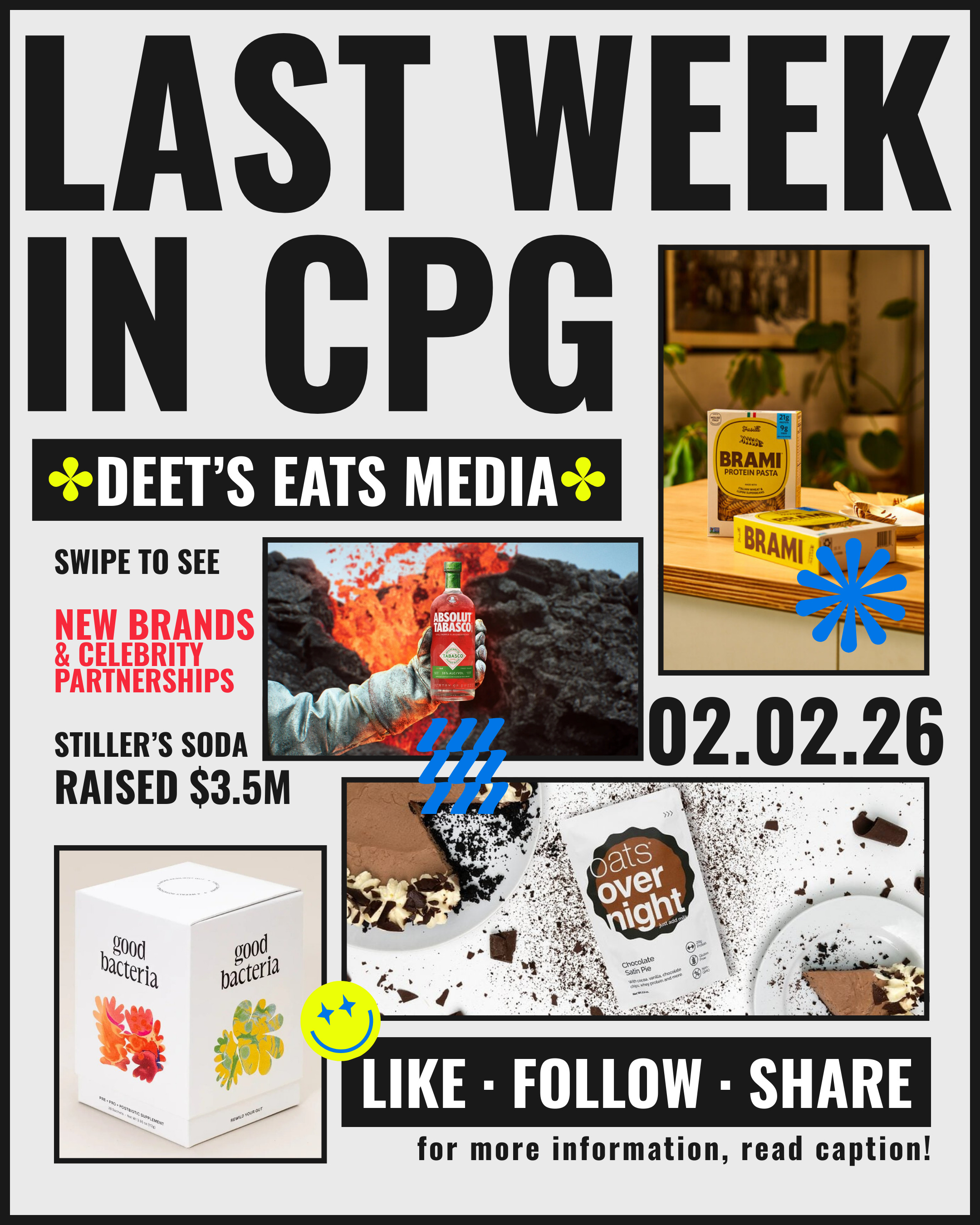
Welcome back to The Deeter Digest. This week, a former poker player’s overnight oats company raised $45M after hitting $200M in revenue. Once Upon a Farm kicked off its IPO roadshow, targeting $200M+, and Ben Stiller raised $3.5M for his soda brand, which secured Walmart, Whole Foods, and Target before most startups even get their first meeting.
Meanwhile, General Mills is selling Muir Glen, Amazon decided to shutter all non-Whole Foods grocery stores, and THC beverages are coming to the United Center because, apparently, Bulls fans need all the help they can get.
The message is clear: when overnight oats companies target $45M raises and children’s nutrition brands go public, there’s officially no such thing as a “niche” category anymore. Let’s feast on the IPO feeding frenzy.
🍊 THE MAIN COURSE
This week’s biggest CPG moves
Once Upon a Farm’s Public Market Debut
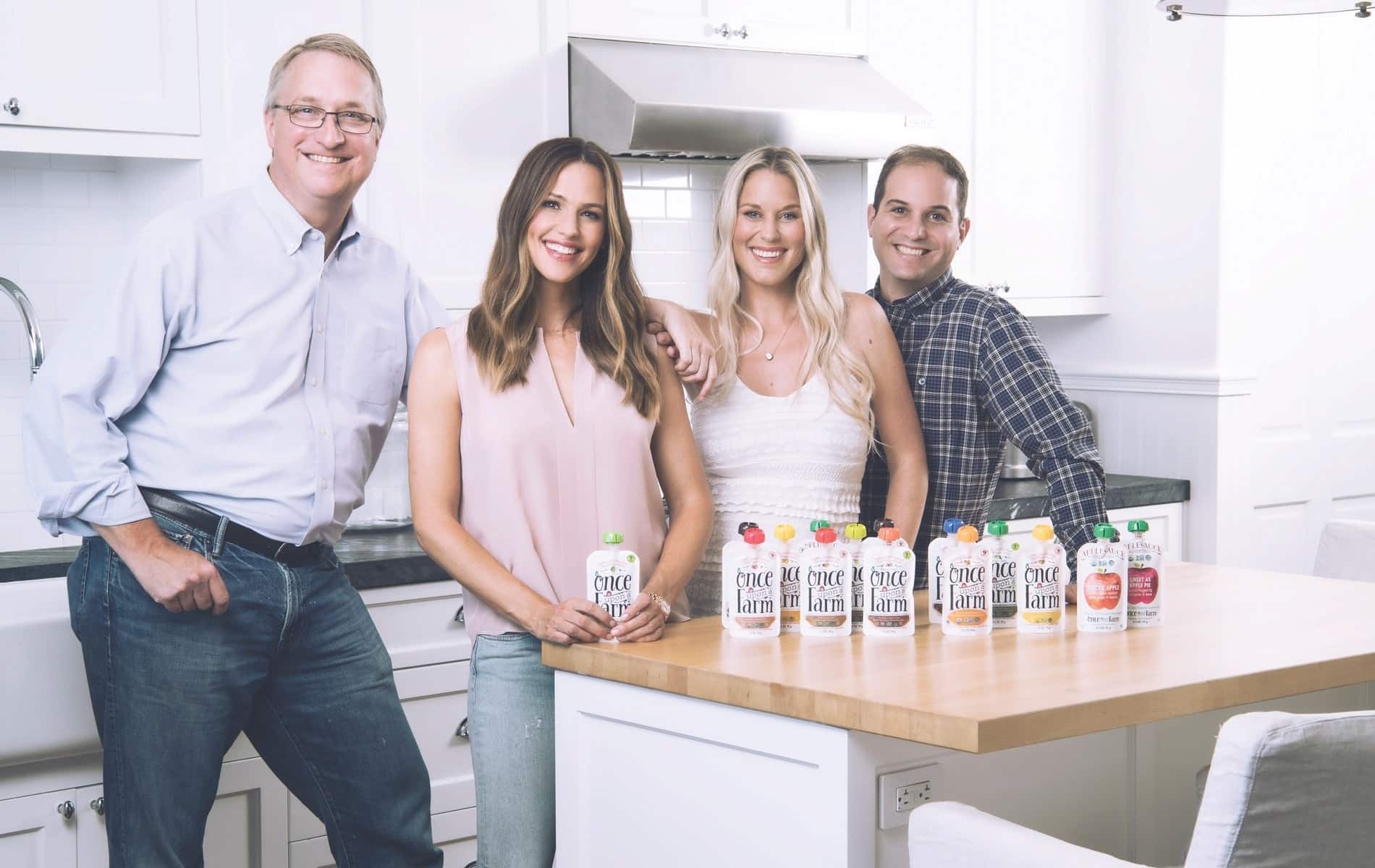
The children’s nutrition specialist kicked off their IPO roadshow and could raise north of $200M by offering 11 million shares priced between $17-19. CAVU Consumer Partners, Access Capital, S2G Investments, and Cambridge SPG stand to benefit from the listing.
This isn’t just another food brand going public - it’s validation that premium children’s nutrition has evolved from niche health food to mainstream necessity. When parents consistently prioritize clean ingredients for their kids, and investors value that behavior at $200M+ market caps, you know conscious parenting has become a legitimate investment category.
The timing is perfect. Distribution partnerships are proven; international expansion creates compelling growth narratives; and the premium kids’ food market continues to expand as millennial parents prioritize health over convenience.
Amazon’s Grocery Reality Check
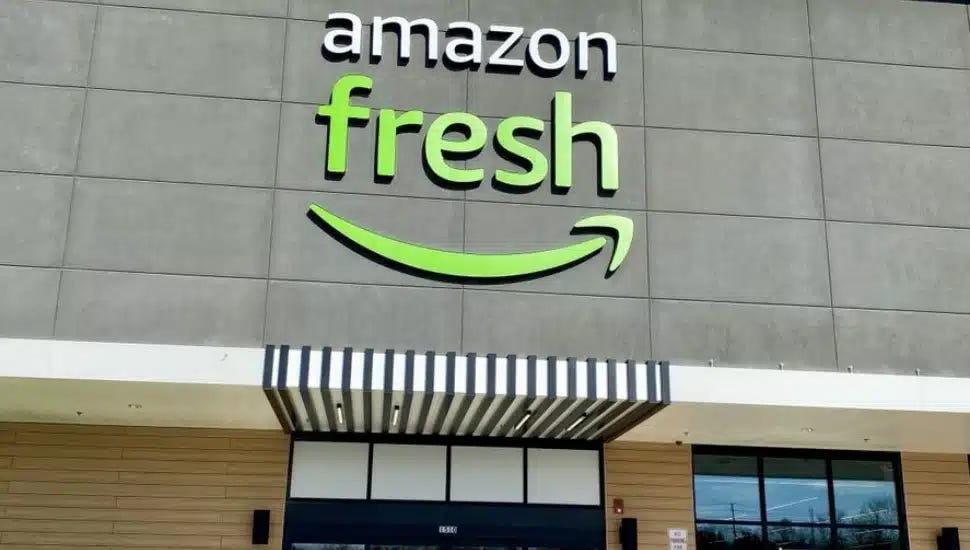
Amazon is shuttering all 57 Amazon Fresh stores and 15 Amazon Go locations, while Whole Foods Market plans to open 100+ new stores in the coming years. This represents a massive strategic retreat from tech-forward grocery innovation back to premium natural foods.
The lesson is brutal but clear: grocery retail requires deep category expertise, not just technological innovation. Amazon’s logistics mastery couldn’t overcome the complexity of perishable food merchandising and local consumer behavior. Meanwhile, Whole Foods’ premium positioning and curated selection continue driving profitable growth.
For CPG brands, this signals that premium natural retail remains the strongest channel for emerging brands, while tech-enabled grocery concepts continue struggling with unit economics and customer acquisition.
Oats Overnight’s $45M Subscription Masterclass
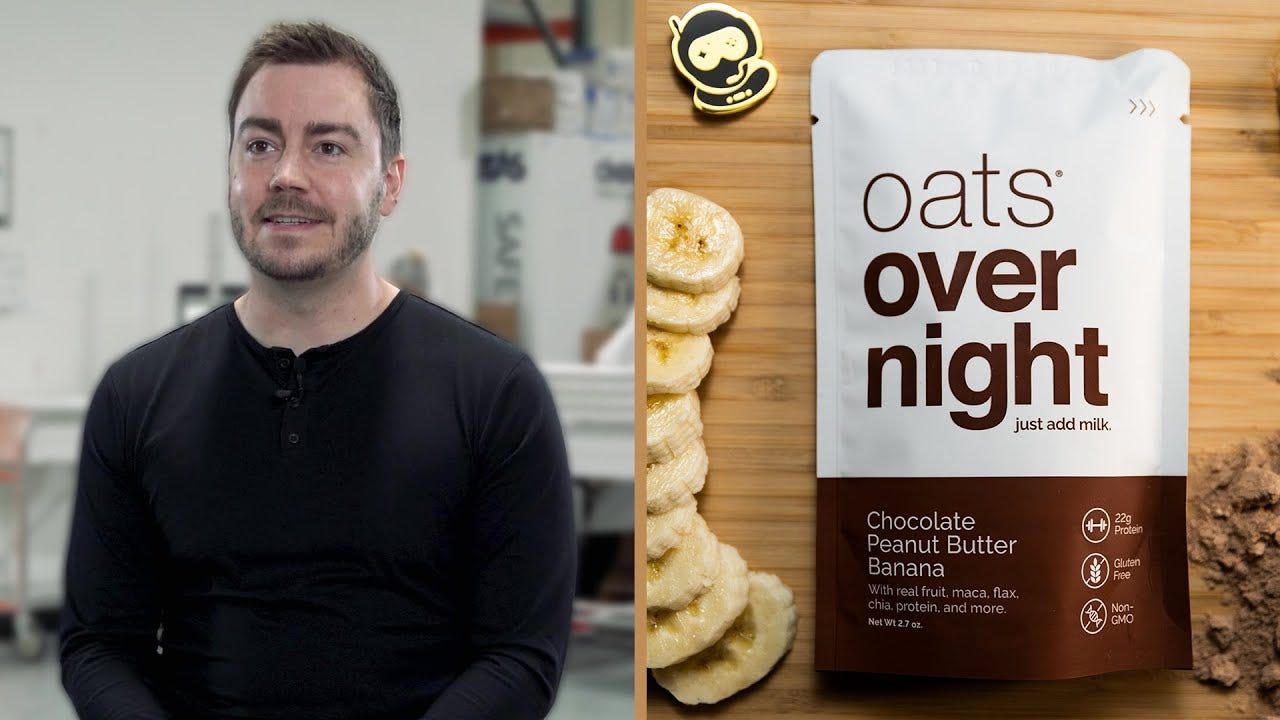
Former professional poker player Brian Tate raised $45M from Astō Consumer Partners after Oats Overnight surpassed $200M in revenue with 300K+ active monthly subscribers, 12,000 retail doors, and a 300,000-square-foot Ohio manufacturing facility.
This proves that subscription-first CPG models can scale to massive revenue while maintaining direct consumer relationships. The poker background makes perfect sense - Tate understood probability, customer behavior, and long-term value creation better than traditional food entrepreneurs.
The strategic insight: solving breakfast decision fatigue creates defensible recurring revenue. When you eliminate the “what should I eat tomorrow morning” decision for 300K+ people monthly, you’re selling convenience and peace of mind, not just oats. That’s worth $45M in growth capital.
💰 THE FUNDING FRENZY
Big checks being written
Ben Stiller’s $3.5M Distribution Validation
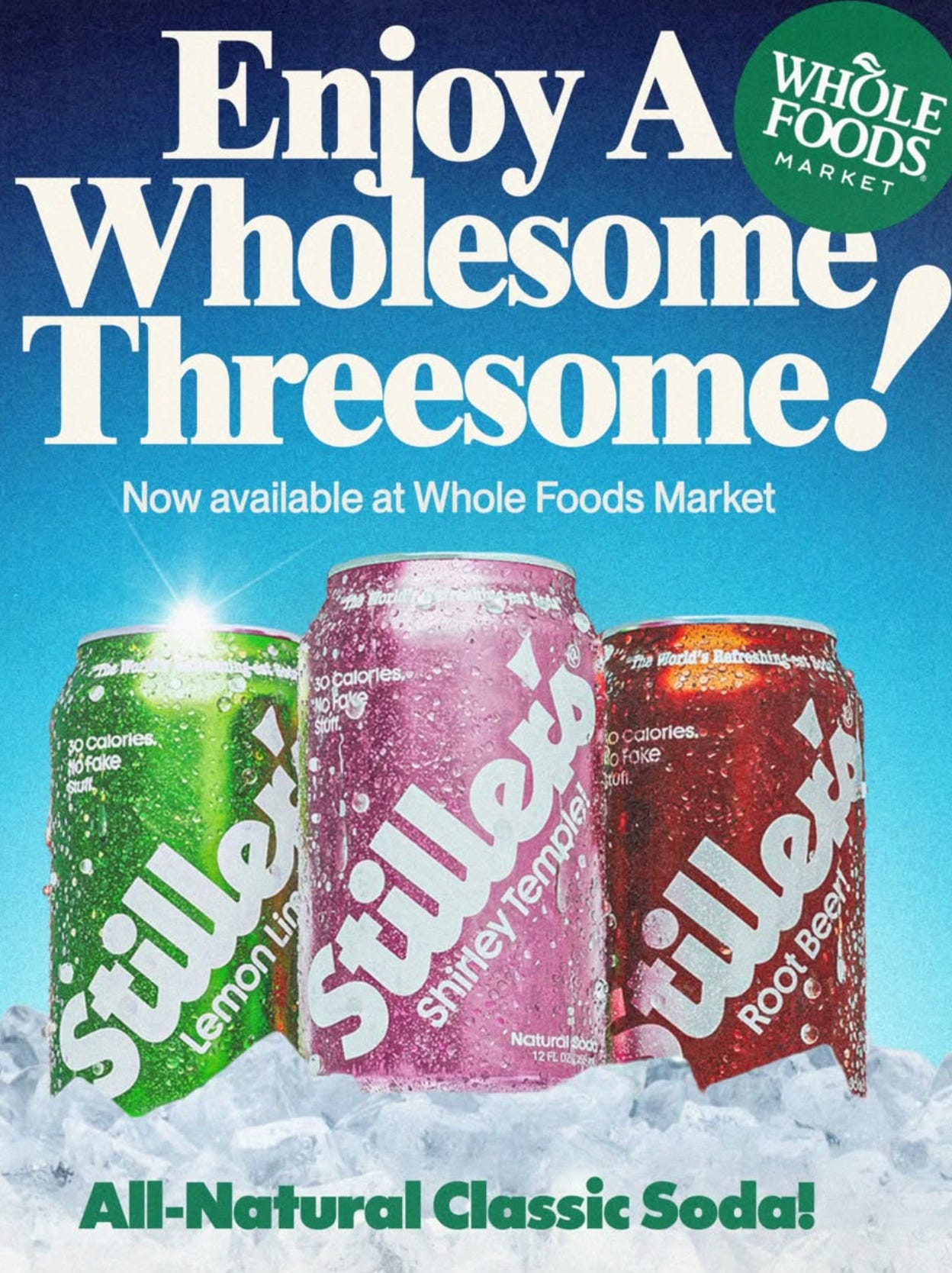
Stiller’s Soda raised $3.5M according to SEC filings, with retail presence already secured at Walmart, Whole Foods, and Target. Ben Stiller and Alexander Doman launched the better-for-you soda brand in September 2025, proving that celebrity food brands work when they prioritize distribution over publicity.
What makes this different from typical celebrity ventures? Stiller secured major retail placement before raising institutional capital, demonstrating product-market fit through velocity rather than just star power. When Walmart validates your soda and investors follow, you’ve built a business, not just a brand activation.
Good Bacteria’s $3.2M Microbiome Mission
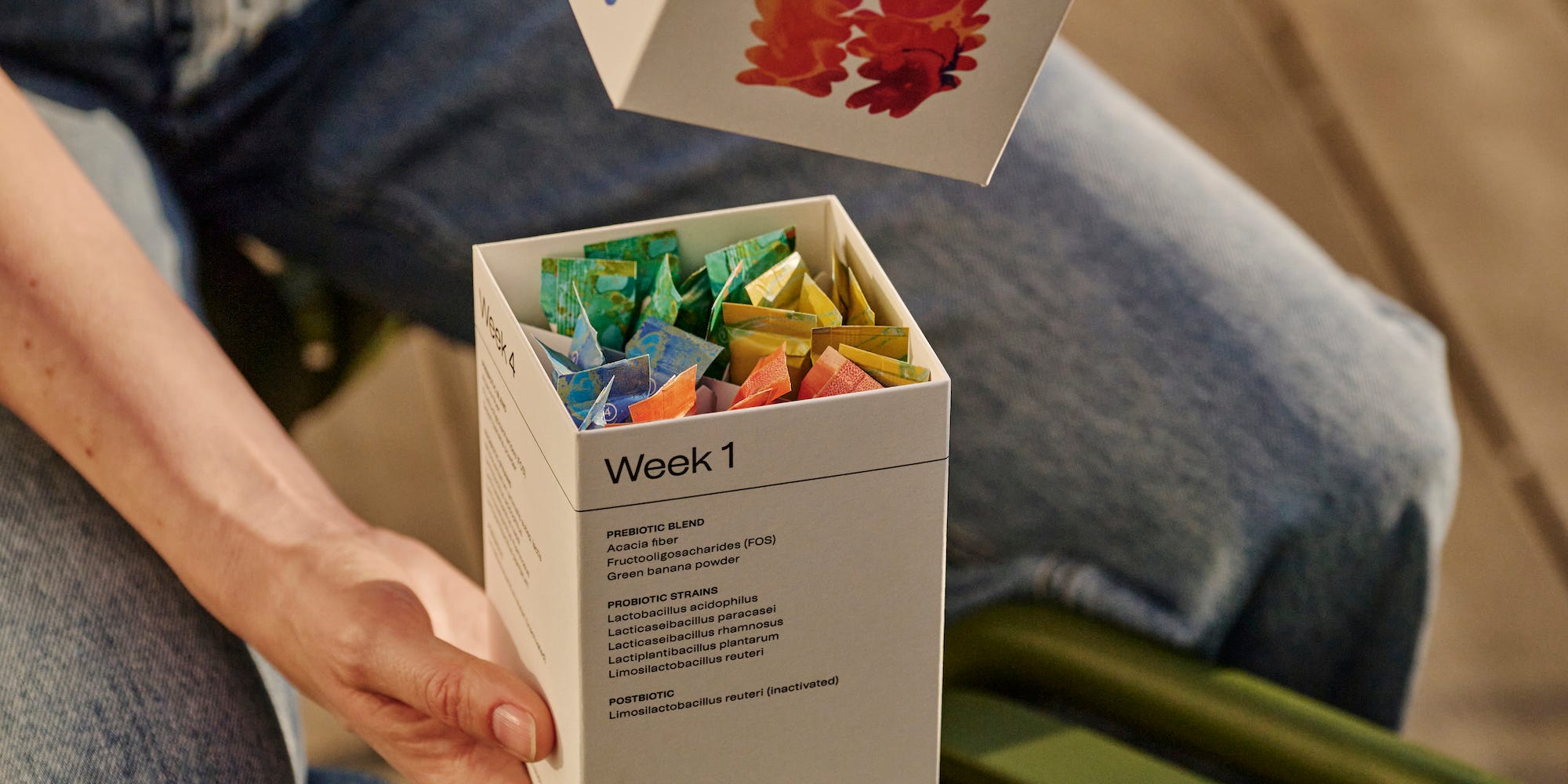
Portland-based Good Bacteria secured $3.2M in seed funding to “rewild” the microbiome through a 28-day rotating system. Founded by Anabel González, the brand is available at Pop Up Grocer and Happier Grocery in NYC, with backing from BrandProject, BAM Ventures, RiverPark Ventures, and Listen.
As consumers become increasingly sophisticated about gut health beyond basic probiotics, brands offering systematic microbiome restoration rather than one-size-fits-all solutions capture premium positioning. When multiple VCs back gut health innovation, it signals institutional belief in personalized wellness as a massive market opportunity.
Milliways’ $3M American Expansion
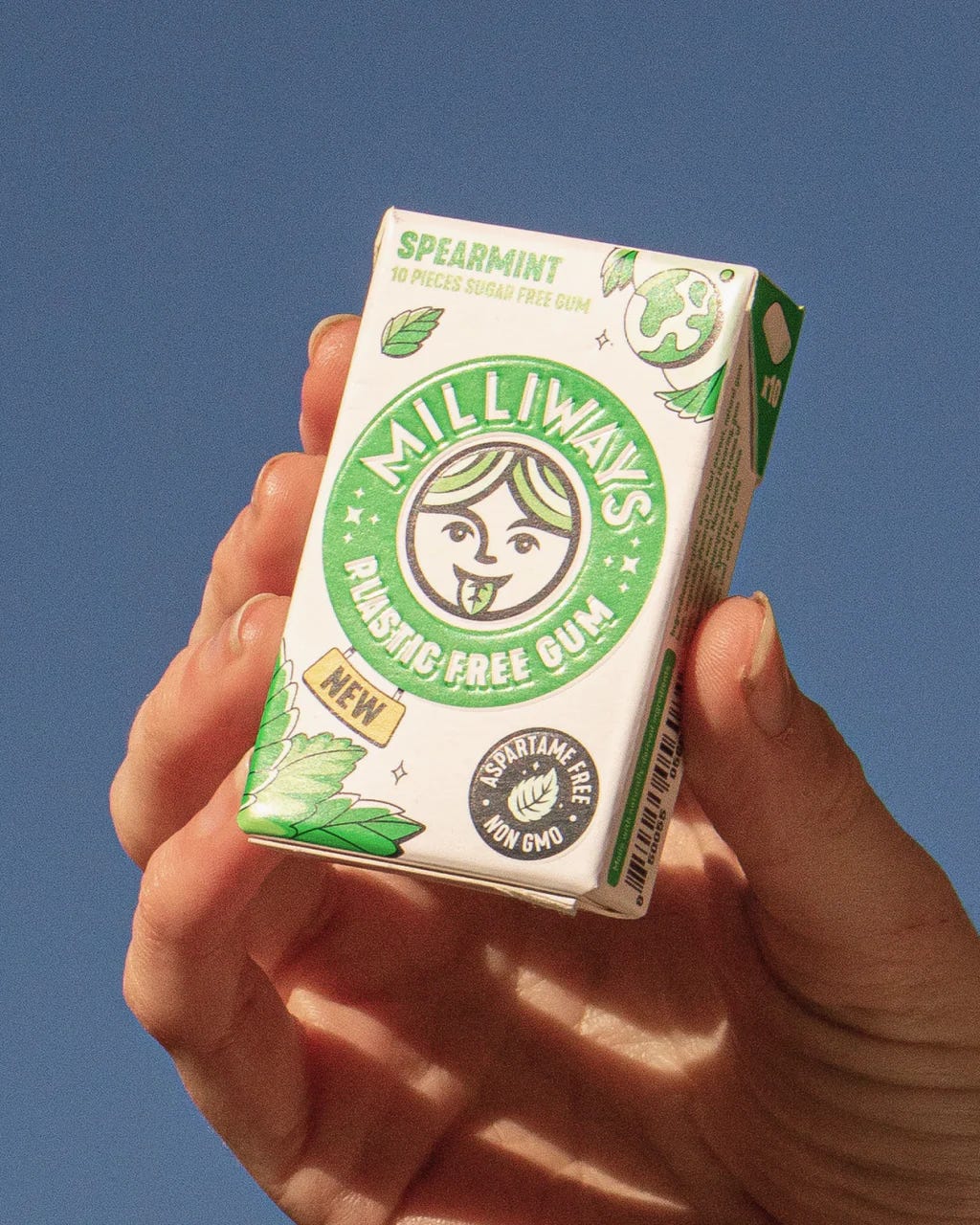
The UK-based plastic-free chewing gum brand raised $3M for U.S. expansion, backed by former Perfetti Van Melle CEO Mehmet Yüksek and former Intergum owner Leon Amram. U.S. retail partners include Sprouts, Meijer, Hy-Vee, and Fred Meyer.
When gum industry veterans invest in sustainable alternatives, it validates that environmental positioning can disrupt commodity categories when execution matches messaging. Milliways has raised $10M total since launching, proving sustainable CPG innovations attract serious institutional capital.
TrueStart Coffee’s UK Scaling
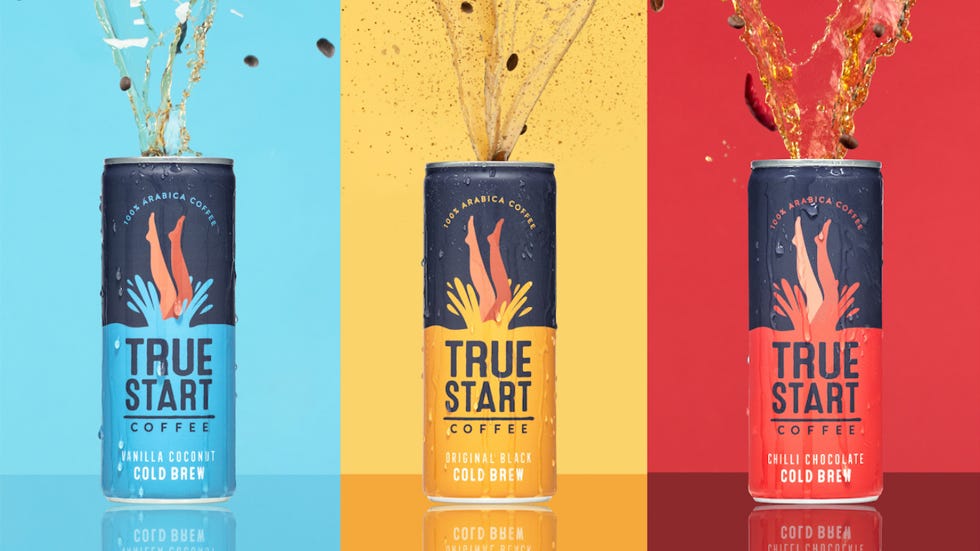
The husband-and-wife team behind TrueStart Coffee closed a Series A round led by JamJar Investments. Founded in 2015 by Simon and Helena Hills, TrueStart offers coffee in four strengths: Strong, Smooth, Low Caf, and Decaf.
When UK coffee brands attract institutional investment, specialty coffee has moved beyond artisanal positioning into scalable retail categories. TrueStart’s strength-based product line addresses real consumer needs rather than just premium positioning.
Encore’s $350M Consumer Appetite
Encore Consumer Capital closed Fund V with $350M in commitments, building on successes with Supergoop, Tarte Cosmetics, Love Wellness, and 4505 Meats. When consumer-focused PE firms raise this scale of capital, institutional appetite for premium lifestyle brands remains robust despite macro headwinds.
🤝 MERGER MANIA
Everyone’s buying everyone
General Mills’ Muir Glen Divestment
General Mills sold organic tomato sauce brand Muir Glen to Violet Foods, owned by Amphora Equity Partners. This continues GM’s portfolio rationalization after selling their North American yogurt business for $2.1B in late 2024.
When CPG giants divest organic brands to private equity, it signals that premium natural foods require specialized expertise and focused attention that large corporations can’t provide. Violet Foods’ tomato specialization likely creates more value than GM’s broad portfolio approach.
Western Smokehouse’s Meat Empire
Western Smokehouse Partners acquired Junior’s Smokehouse, enabling them to process over 160 million pounds of meat products annually by end of 2026. This represents serious platform building in the better-for-you meat snack category.
When specialty meat processors scale to 160M+ pounds annually, they’re building infrastructure to dominate distribution and private label opportunities while maintaining premium positioning.
Founder Buyback Acceleration
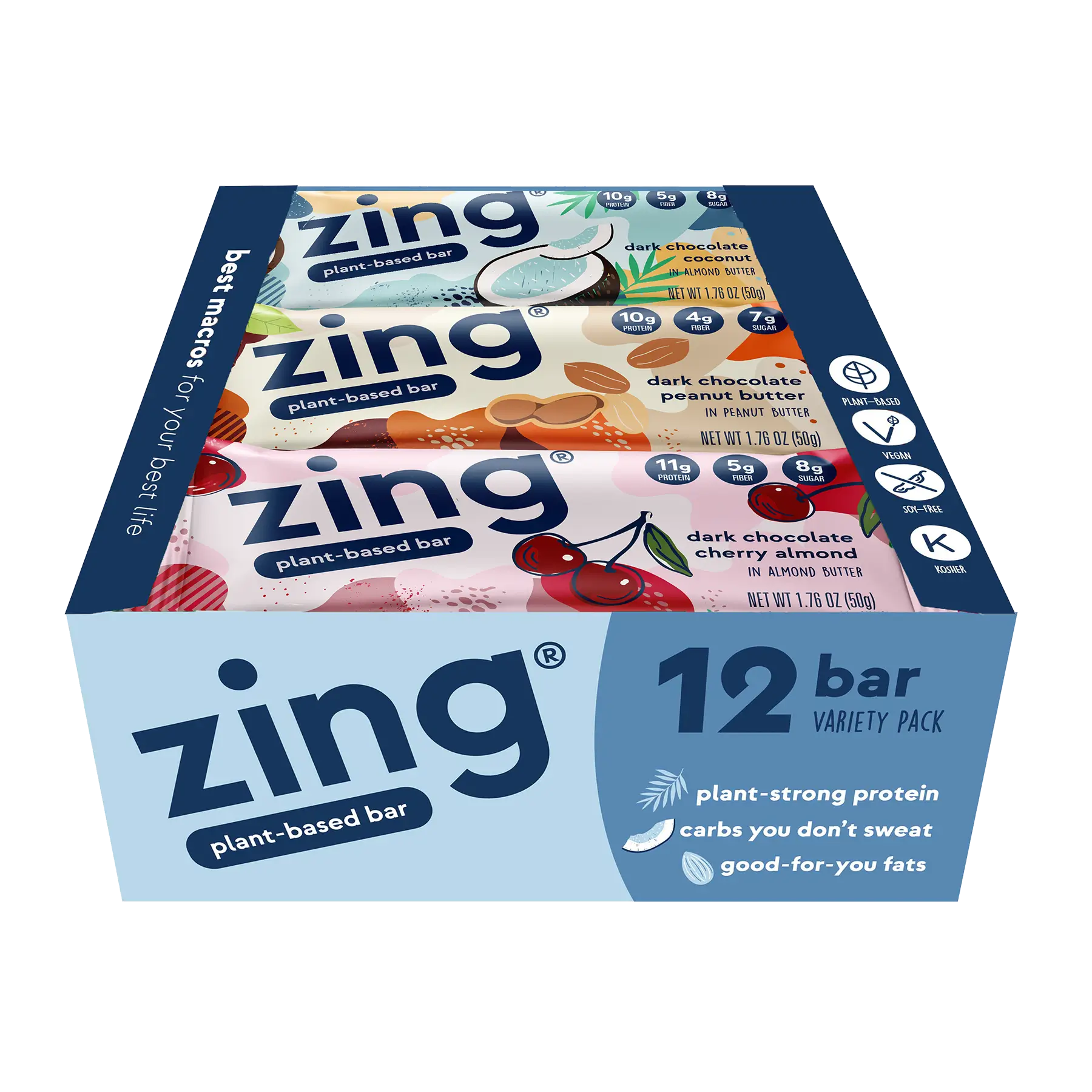
David Ingalls reacquired Zing Bars from American Licorice Company with Dunedain Ventures financing, prioritizing profitable growth and digital channels like Amazon and TikTok Shop. Separately, David Vitale bought out shareholders including Distill Ventures (Diageo) to regain full ownership of Starward Whisky.
These founder buybacks signal that entrepreneurial vision often creates more value than corporate integration. When founders raise external capital to reacquire their own companies, they’re betting on superior execution compared to corporate owners who couldn’t maximize potential.
Charcuterie Consolidation
Charcuterie Artisans (owner of Creminelli, Daniele, Del Duca) acquired Iowa-based La Quercia Cured Meats, bringing total production space to 660,000 square feet. Premium charcuterie consolidation creates economies of scale while maintaining artisanal positioning.
Rich Products’ Pizza Play
Brynwood Partners sold Great Kitchens Food Company, one of North America’s largest private label pizza manufacturers, to family-owned Rich Products Corporation. Great Kitchens operates three facilities and employs 1,000 associates.
When family-owned food companies acquire private label manufacturers from PE firms, it signals long-term investment in manufacturing capabilities rather than financial engineering.
Crofter’s Canadian Success
PE firm Power Sustainable Lios acquired Crofter’s Organic, one of the fastest-growing brands in shelf-stable fruit spreads, with co-investment from BMO Capital Partners and Farm Credit Canada.
📊 THE DATA DIGEST
Numbers that matter
Brami’s Protein Pasta Explosion
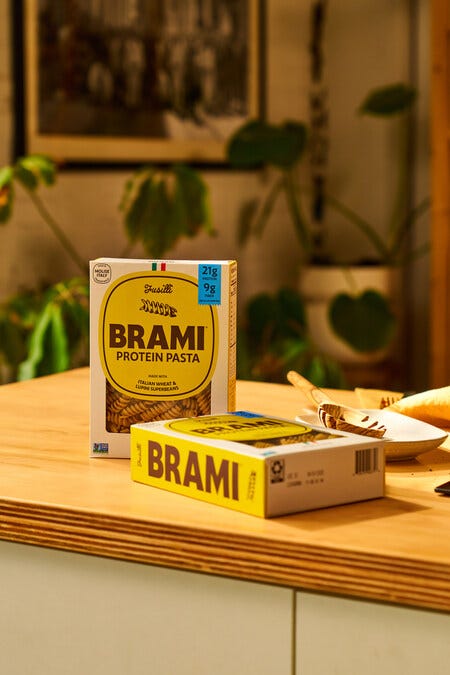
Despite endless protein pasta launches, Brami sales surged 440% to nearly $15M thanks to their protein pasta range. Their Target collaboration with Sauz on co-branded endcaps shows how smart partnerships amplify distribution wins.
When lupini bean brands achieve $15M revenue through protein pasta innovation, it proves that unique ingredient positioning can drive massive growth in crowded categories.
Church & Dwight’s Acquisition Excellence
TheraBreath (acquired 2021) now generates $258M revenue, up from $86M. Hero Cosmetics (acquired 2022) reached $345M revenue, up from $115M. Touchland continues strong performance.
This demonstrates how strategic acquirers can 3x revenue within 3-4 years through superior distribution and marketing execution without destroying brand equity.
LVMH Spirits Struggle
The Wine & Spirits division saw organic revenue drop 5% in FY 2025 with profits declining further. Hennessy Cognac was the primary culprit, showing how luxury spirits face headwinds in challenging economic environments.
Nowadays THC Leadership
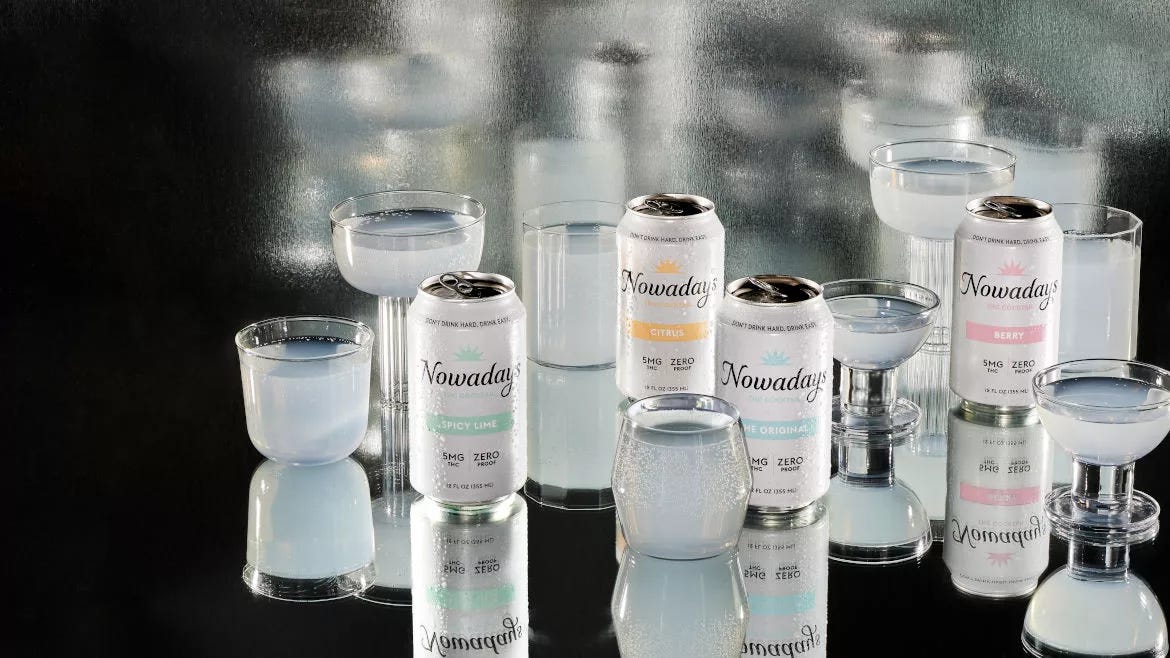
According to NielsenIQ, Nowadays ranks #1 among THC beverage brands by dollar sales across the top 20 retail chains. They launched at 120 Sprouts doors in Texas and Florida while expanding into Louisiana.
When cannabis beverage brands achieve market leadership while building retail distribution, they’re positioning for national dominance post-federal legalization.
🆕 PRODUCT LAUNCHES & PIVOTS
This week’s innovation circus
GLP-1 Nutrition Revolution
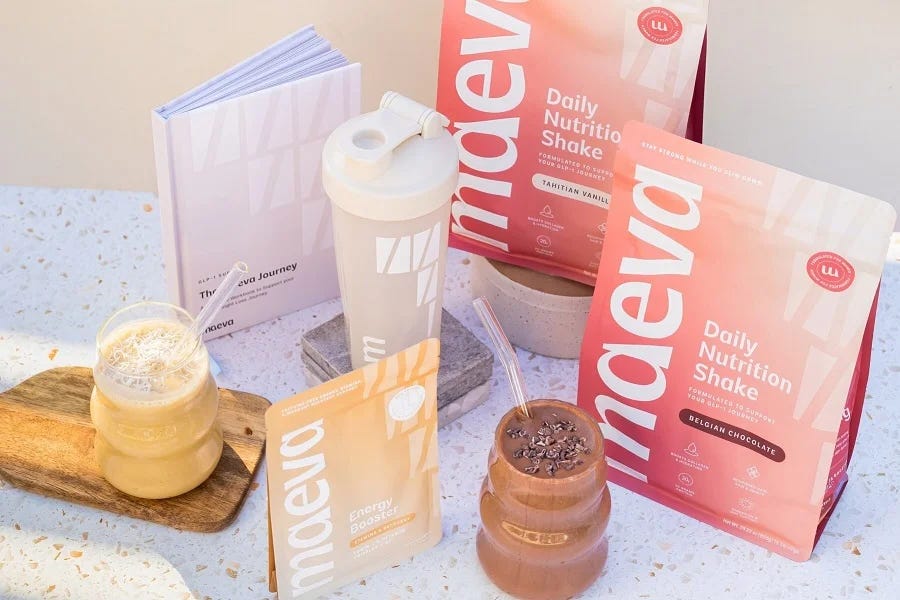
Maeva launched as a metabolic wellness brand designed specifically for GLP-1 users. With 30 million adults taking these medications, most aren’t prepared for appetite suppression side effects like muscle loss and nutrient imbalance.
Founded by Dean and Steven Neiger (Sky Organics co-founders), Maeva bridges the nutrition gap with protein shakes, functional boosters, and electrolytes. This represents massive category creation as GLP-1 usage accelerates.
Senior Nutrition Innovation
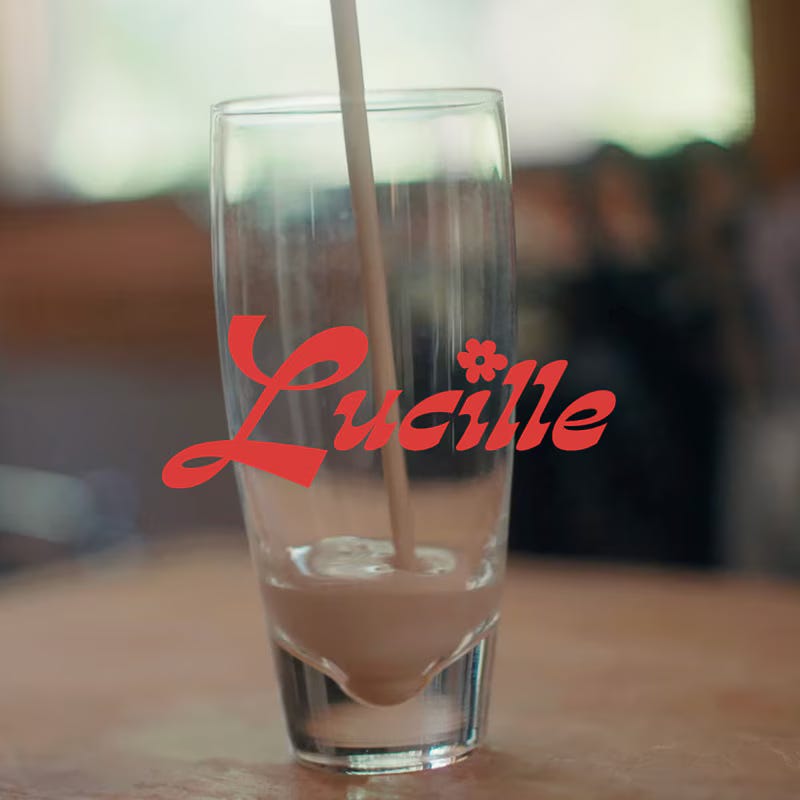
Lucille is launching clean-label, high-protein, high-fiber shakes designed specifically for seniors. Founded by recent HBS graduate Jess Haghani, this challenges Boost and Ensure’s commodity positioning with premium ingredients.
When Harvard MBAs target senior nutrition with clean formulations, it signals that every demographic deserves better-for-you alternatives to legacy products.
THC Venues Go Mainstream
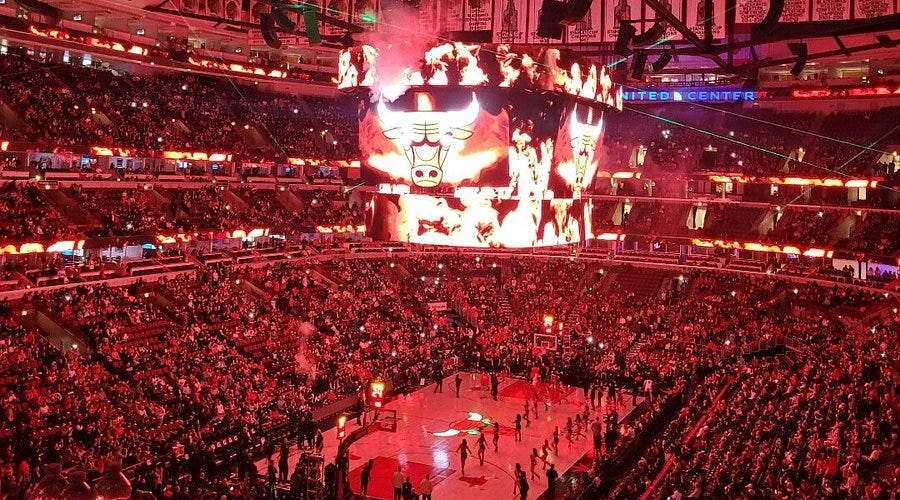
The United Center in Chicago will sell THC-infused beverages at select live events, featuring Rhythm and Senorita brands. This represents massive mainstream validation for cannabis beverages in premium entertainment venues.
When major sports venues embrace THC beverages, cannabis normalization has reached institutional acceptance levels. Perfect timing for Bulls fans who need all the help they can get.
Celebrity Brand Evolution
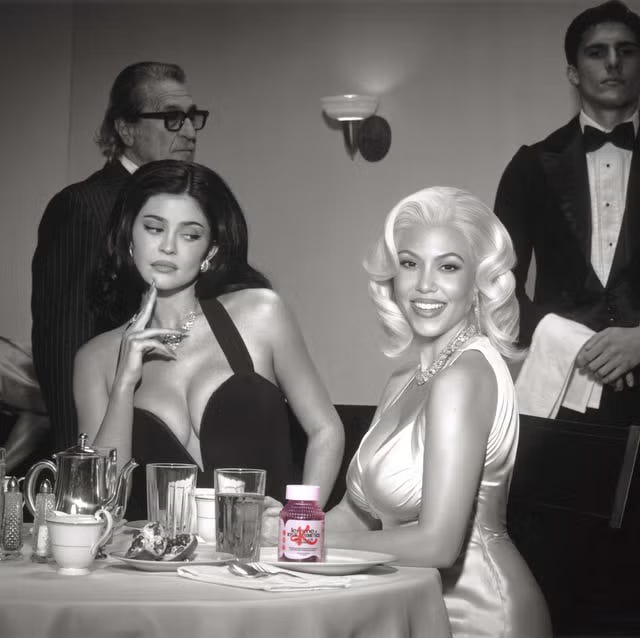
Lemme teased an upcoming collaboration with Kylie Cosmetics, bringing Kourtney Kardashian’s supplement brand together with her half-sister’s beauty empire. Hugh Jackman officially joined AG1 as global brand ambassador after investing since 2021.
These represent strategic family business integration and investor-to-ambassador evolution rather than transactional celebrity endorsements.
Licensed Flavor Explosion
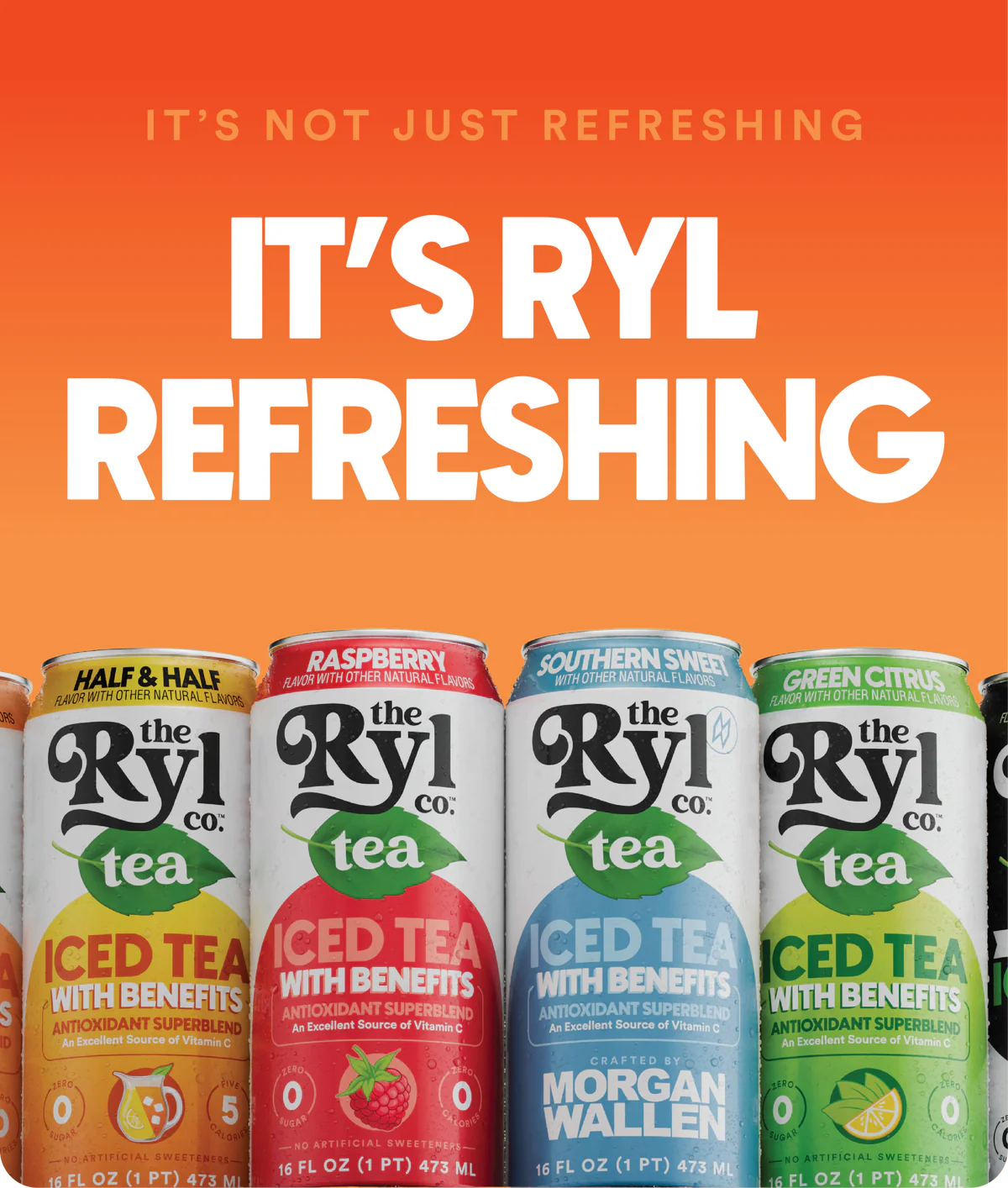
Ryl Tea released four Jolly Rancher flavors: Strawberry, Blue Raspberry, Green Apple, and Cherry. Absolut Vodka collaborated with Tabasco. When brands license nostalgic flavors, they’re betting that emotional connection plus premium execution outperforms novel innovation.
Wizard Wellness Allergy Revolution
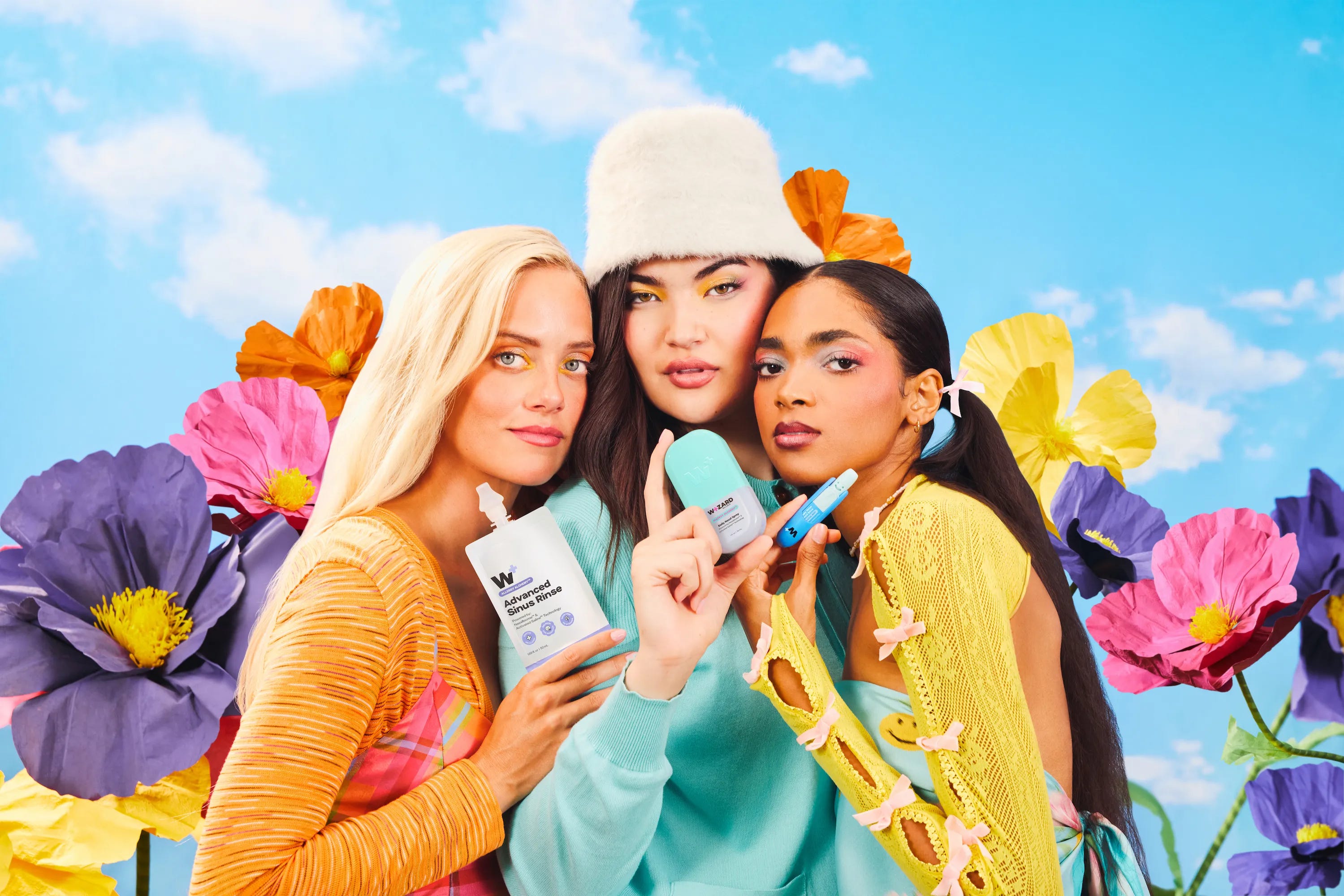
Longtime beauty executive Lorne Lucree launched Wizard Wellness, applying the Wonderbelly and OLLY treatment to allergy care through sleek branding and clean formulations. Products launch on Amazon and TikTok Shop before hitting Walmart in August.
When beauty executives apply premium positioning to mundane healthcare categories, they create massive disruption opportunities in overlooked TAMs.
🏪 DISTRIBUTION DOMINATION
Everyone’s everywhere
Target’s Premium Acceleration
Swoop launched 5 flavors nationwide at Target. So Good So You debuted exclusive sparkling energy drinks at Target. The retailer continues rewarding proven brands with national expansion opportunities.
Warehouse Club Validation
The Only Bean launched nationwide at Costco and Sam’s Club simultaneously. Mateina hit Costco Canada with variety packs. When brands secure dual warehouse club launches, it signals serious velocity proof and operational readiness.
Specialty to Mass Pipeline
Blind Tiger expanded to 400 Whole Foods Market doors. Wet Hydration launched at Vitamin Shoppe. The Nue Co. hit Ulta Beauty with fragrance lines. The premium-to-mass distribution pipeline continues accelerating.
Strategic Partnerships
Caliwater partnered with Gordon Ramsay Restaurants. BERO announced nationwide Thompson Hotels partnership. When premium brands secure celebrity chef and luxury hospitality partnerships, they’re building credibility for mass market expansion.
🔥 THE HOT TAKE
My unfiltered opinion on this week’s madness
This week crystallized something important: the biggest CPG opportunities aren’t in creating new categories - they’re in serving underserved demographics within existing massive markets.
Maeva isn’t creating supplements. They’re serving 30 million Americans taking GLP-1 medications who need specialized nutrition. Lucille isn’t inventing senior nutrition. They’re providing clean alternatives to Boost and Ensure’s artificial formulations.
Once Upon a Farm’s $200M IPO valuation proves that “premium kids’ food” has evolved from niche health trend to mainstream necessity. When parents consistently pay more for clean ingredients and investors value that behavior at nine-figure market caps, conscious consumption has officially won.
Meanwhile, Amazon’s grocery retreat shows that technological innovation can’t overcome category expertise and operational complexity. While tech giants struggle with perishable retail, Whole Foods plans 100+ new stores because premium positioning with curated selection drives profitable growth.
Ben Stiller’s soda strategy should be studied by every celebrity entrepreneur. He secured Walmart, Whole Foods, and Target before raising capital, proving velocity through distribution rather than just star power. That’s how you build businesses, not brand activations.
The lesson for every founder: don’t chase white space categories. Find massive existing markets with underserved segments that value premium solutions. Whether that’s GLP-1 users, seniors, conscious parents, or lupini bean protein seekers, money follows authentic problem-solving.
Brami’s 440% growth to $15M proves that unique ingredient positioning drives massive success even in crowded categories. Nowadays dominating THC beverages while expanding retail shows how category leaders build infrastructure for post-legalization dominance.
The future belongs to brands that solve real problems for specific people, not brands that create solutions looking for problems.
🎙️ COMING TUESDAY
Unpackaged Goods Episode 14
Breaking down Once Upon a Farm’s IPO strategy and what it means for premium kids’ nutrition valuations, Amazon’s grocery reality check, and why GLP-1 nutrition represents the next massive category opportunity. Plus: Ben Stiller’s distribution-first celebrity brand playbook.
In the meantime, check out our latest episode with Michael Zabar at Motif! Please also subscribe, rate us 5 stars, and leave a review! It helps us reach new listeners and viewers!
🥫 ONE MORE THING...
Before you close this tab
Spotted 7-Eleven’s Brands with Heart showcase featuring Focus Fuel, Hormbles Chormbles, BUM Energy, and dozens of other emerging brands. When convenience stores curate emerging CPG brands, it signals that innovation discovery has moved beyond just premium retail channels.
The revolution is well-funded, going public, and coming to a convenience store near you.
Until next Sunday, Jonathan Deeter Your CPG-Obsessed Friend
P.S. - Absolut Vodka with Tabasco feels like the most 2026 collaboration ever. When premium spirits brands embrace hot sauce partnerships, literally every flavor combination is on the table.
Links: TikTok | Instagram | Newsletter | Pickle Advisors | YouTube
This newsletter is finished with Trophy Wife Finishing Salts - elevating every bite since 2025
So much to unpack here…🍅👀 Muir glen