


🥄 FIRST BITE
The appetizer before we dive in
On September 15, L’Oréal became the most valuable listed company in France. It passed LVMH, which owns Louis Vuitton, Dior and Tiffany.
That’s the first time since 2017 that a non-luxury company has held the top spot on the Paris bourse. L’Oréal closed around €203 billion against LVMH’s €201 billion. L’Oréal shares are up roughly 5% this year. LVMH is down about 35% and has fallen out of Europe’s ten most valuable companies entirely. Bernard Arnault lost the title of Europe’s richest person to the founder of Zara.
The explanation analysts keep reaching for is the lipstick effect: when money gets tight, people don’t stop indulging, they just indulge smaller. A €40 serum gets bought every month. A €4,000 handbag gets postponed.
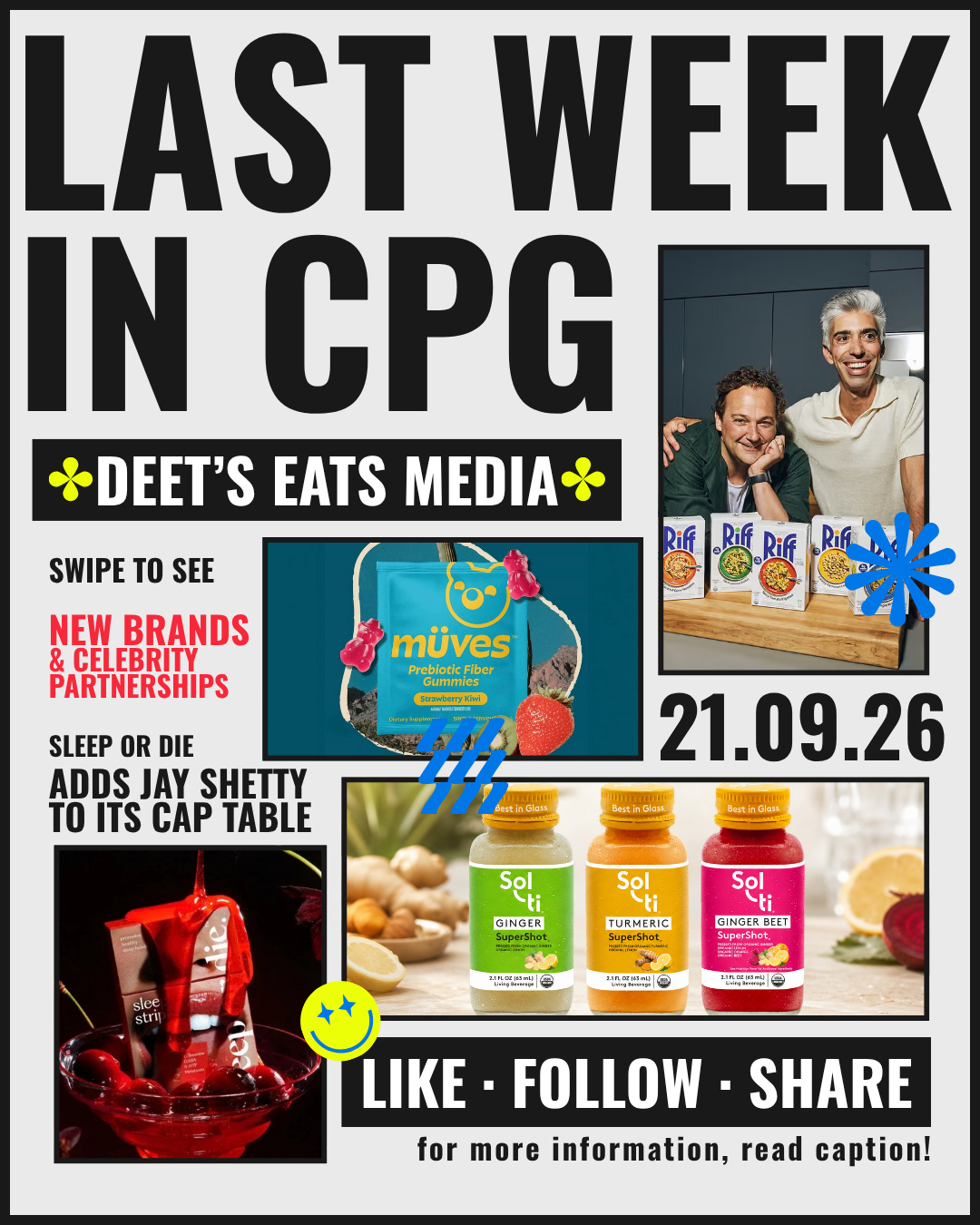
Now look at the rest of the week. Puig spent $1.4 billion buying the rest of ISDIN because skincare was only 11% of its sales. Diageo launched 20% ABV versions of Gordon’s, Captain Morgan and Smirnoff. Energy drink volume grew 5.7% while prices rose 3.7%.
Frequency is beating ticket size everywhere right now, and it’s the most useful lens I’ve got for this week. Let’s dig in.
🍊 THE MAIN COURSE
This week’s biggest CPG moves
Beauty Passed Luxury
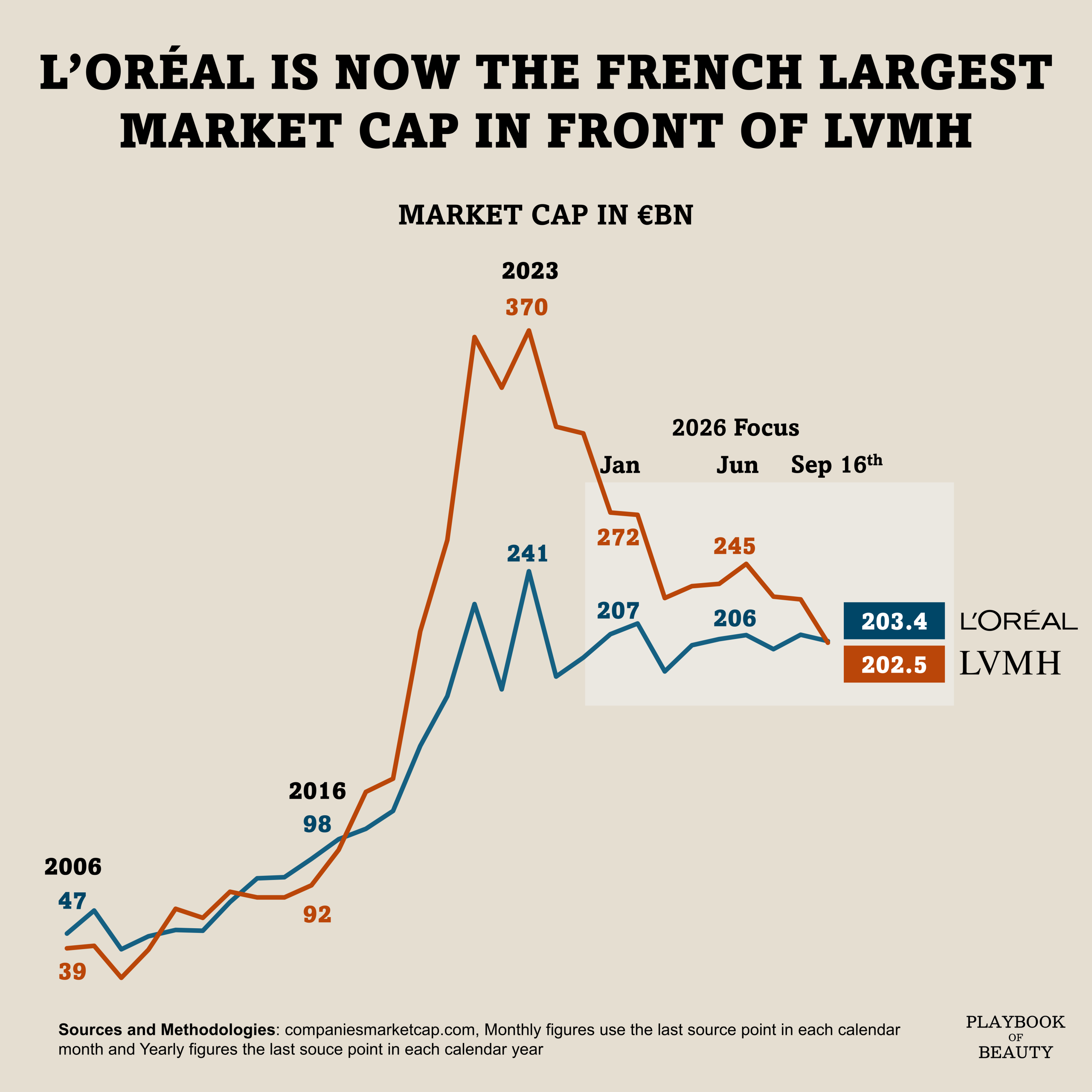
L’Oréal overtook LVMH at the close of trading in Paris on September 15, with a market cap around €203 billion ($234 billion) versus LVMH’s €201 billion. Per LSEG data, it’s the first time since 2017 that a non-luxury company has topped the French market at a day’s close.
The divergence is the story. L’Oréal is up about 5% year to date. LVMH is down roughly 35% to 37% depending on the source, has dropped out of Europe’s top ten by market cap, and its chairman has ceded Europe’s richest person to Amancio Ortega of Zara. ASML holds the European top spot now.
Two forces are doing the work. The first is China, where a prolonged slowdown hit LVMH directly because so much of its revenue came from Chinese consumers. Some analyses estimate repeated price increases have pushed 60 million people out of the global luxury market over three years.
The second is the one that matters more for anyone reading this newsletter. Beauty benefits from small price tags and repeat purchases. A handbag is a decision. A serum is a habit. When the economy gets uncertain, the habit survives, and the decision gets deferred.
I’d add a third thing the coverage mostly skips. L’Oréal is not really a beauty company in the way people mean it. It’s a distribution and formulation machine that happens to sell beauty, with brands spanning drugstore to luxury and the R&D infrastructure to keep feeding all of them. That’s a CPG business model, not a luxury one, and this week the market priced it accordingly.
Puig Pays $1.4 Billion for the Rest of ISDIN
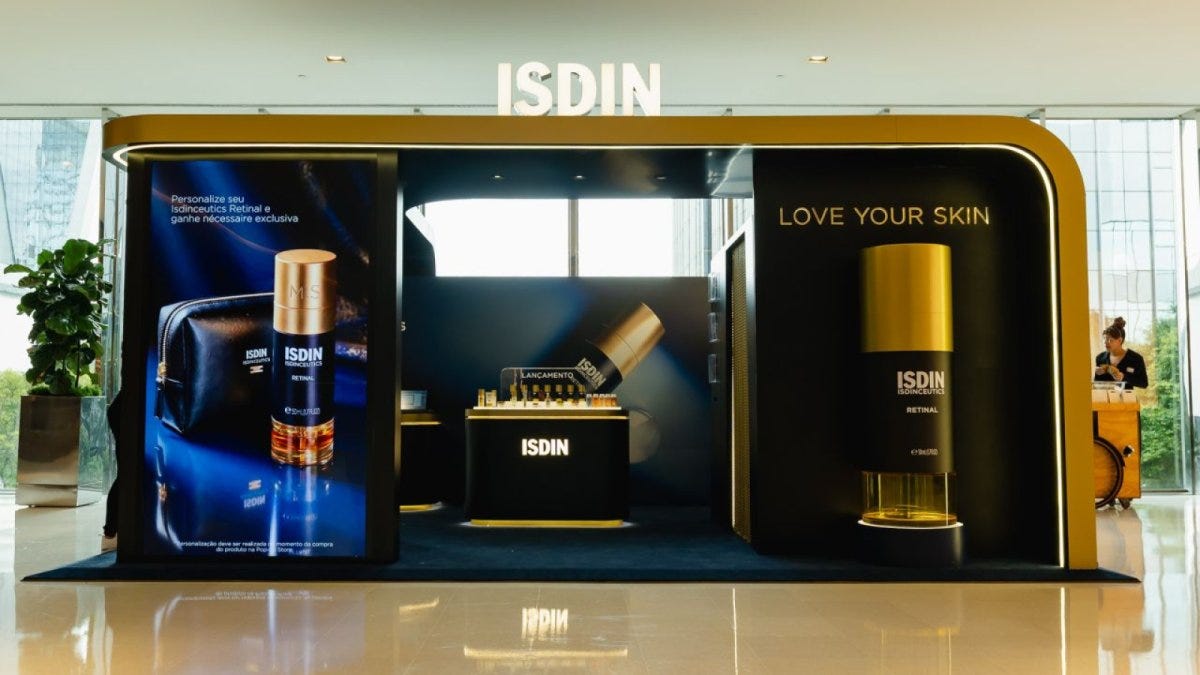
Puig acquired the remainder of ISDIN for $1.4 billion. The dermocosmetics company was founded in 1975 by the Esteve and Puig families, combining science and beauty expertise, and did just over €647 million in revenue in 2025.
The reason is right in Puig’s own numbers. Skincare accounted for just 11% of the company’s €5.2 billion in sales last year. Puig is heavily weighted toward fragrance, which is a good business, and it just spent $1.4 billion buying its way into the category that’s compounding faster.
Put it next to the L’Oréal news and the logic gets clearer. Fragrance is a considered purchase, often a gift, and frequently seasonal. Dermocosmetics is a routine. You finish the bottle, and you buy another one without deliberating.
Caudalie made the same bet at a much smaller scale this week, acquiring Talm in the first acquisition in the company's history. Kenza Keller, formerly Global Marketing Director at Byredo, founded it in 2020 for sensitive skin, and Caudalie had invested back in 2022.
Three beauty acquisitions in eight days if you count Belle Brands taking Vegamour last week. The category is consolidating at speed while luxury contracts.
Diageo Cuts Its Own Spirits in Half
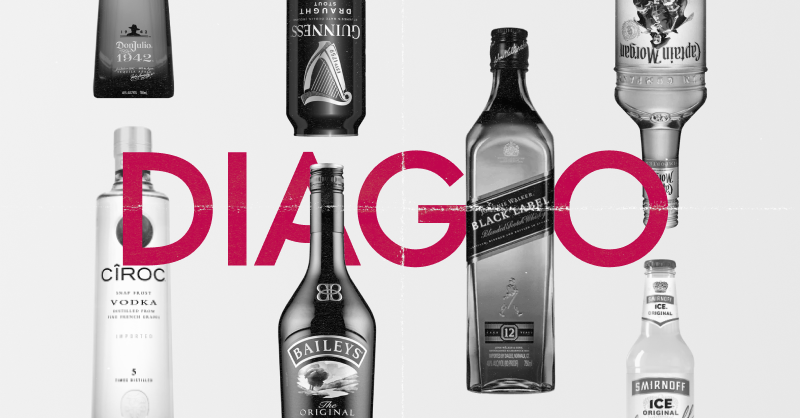
Diageo is releasing mid-strength versions of Gordon’s, Captain Morgan and Smirnoff at 20% ABV, rolling out across the UK in the coming days.
I’ve been tracking the moderation thesis in this newsletter for three months, and this is the clearest signal yet. The largest spirits company in the world just put half-strength versions of three flagship brands on the shelf. That’s not a test brand or an acquisition. That’s Gordon’s.
The commercial logic is the same frequency argument running through this whole issue. A 40% ABV gin is a Friday. A 20% ABV gin can be a Tuesday. Lowering the strength lowers the commitment, which raises the number of occasions the product can plausibly enter.
And the field is filling in fast. Demi, a mid-strength brand from the creators of Quarter Proof, launched last week. Recess added Apple ‘Tini and Espresso ‘Tini to its Zero Proof range at Target, H-E-B and Amazon. Athletic Brewing made two NFL quarterbacks equity owners. BERO put non-alc beer in glass bottles. Herb Light launched a 1mg THC beer. Fool’s Fix is selling the drink after the drink.
The occasion that used to be one product is now a spectrum, and the biggest incumbent in the category just validated the middle of it.
Hain Celestial Sells Its International Business
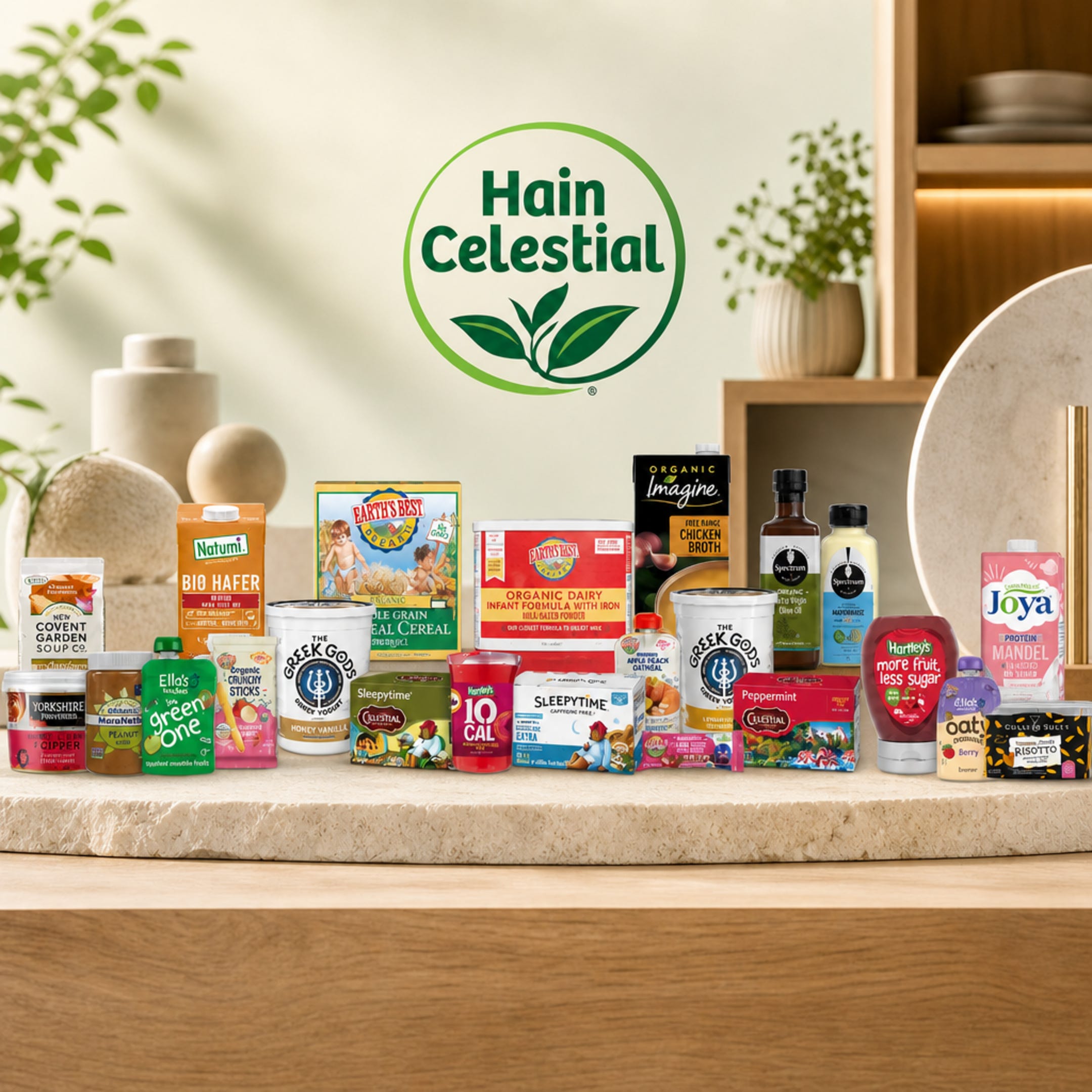
Hain Celestial divested its international business for approximately $323 million in cash to Aurelius, a global private equity firm. Brands in the transaction include Joya, Natumi, Hartley’s and Ella’s Kitchen. Proceeds go toward reducing debt.
Ella’s Kitchen is the notable one. It’s a genuinely strong baby food brand in the UK, and Hain is selling it to pay down leverage.
That’s the fourth carve-out we’ve covered in six weeks, after Nestlé’s $1 billion vitamin sale to Yellow Wood, Sauer selling spices to Watkins, and Nestlé’s water joint venture with Platinum Equity. The pattern is consistent enough now to state plainly: mid-size public consumer companies are shedding geography and category to fund focus, and private equity is absorbing everything they drop.
If you’re a founder wondering who your eventual buyer is, it may not be the strategic you’re picturing. It may be a PE firm that bought your category from that strategic two years earlier.
Riff: A Michelin Chef Builds a Shelf-Stable Meal Kit
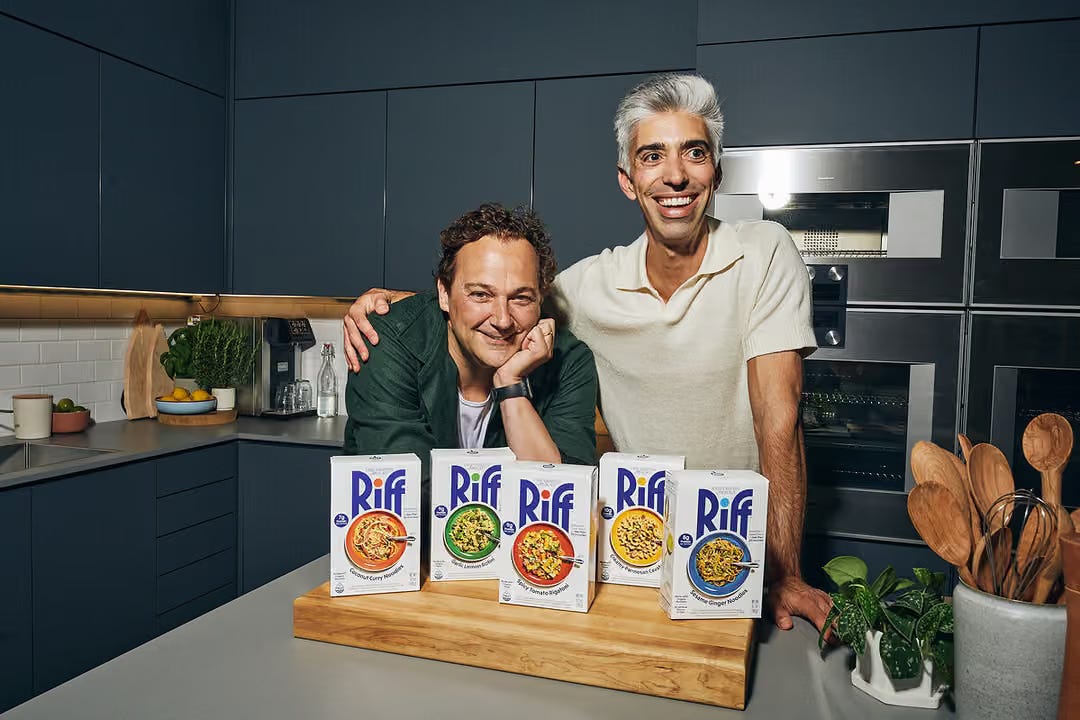
Daniel Humm, the chef behind Eleven Madison Park, teamed up with Mark Ramadan, co-founder of Sir Kensington’s, to launch Riff. It took 20 months to develop. The product is a premium 20-minute meal designed to bridge convenience and scratch cooking, and it’s live online and nationwide at Target with five varieties.
The framing Riff is using is the interesting part: a quality, shelf-stable meal kit that gives ingredient-conscious shoppers a reason to shop the center store again.
That’s a real white space. Meal kits mostly died as a subscription business because the economics of shipping refrigerated boxes weekly never worked. Shelf-stable removes the cold chain, removes the subscription, and puts the product where people already are. And center store has been losing share to perimeter for a decade, so a retailer has every reason to want this to work.
The pairing is also well constructed. Humm brings culinary credibility that can’t be bought. Ramadan has actually built and sold a CPG brand, which is the skill that usually goes missing when chefs launch products.
💰 THE FUNDING FRENZY
Big checks being written
Sol-ti Raises $30.3 Million
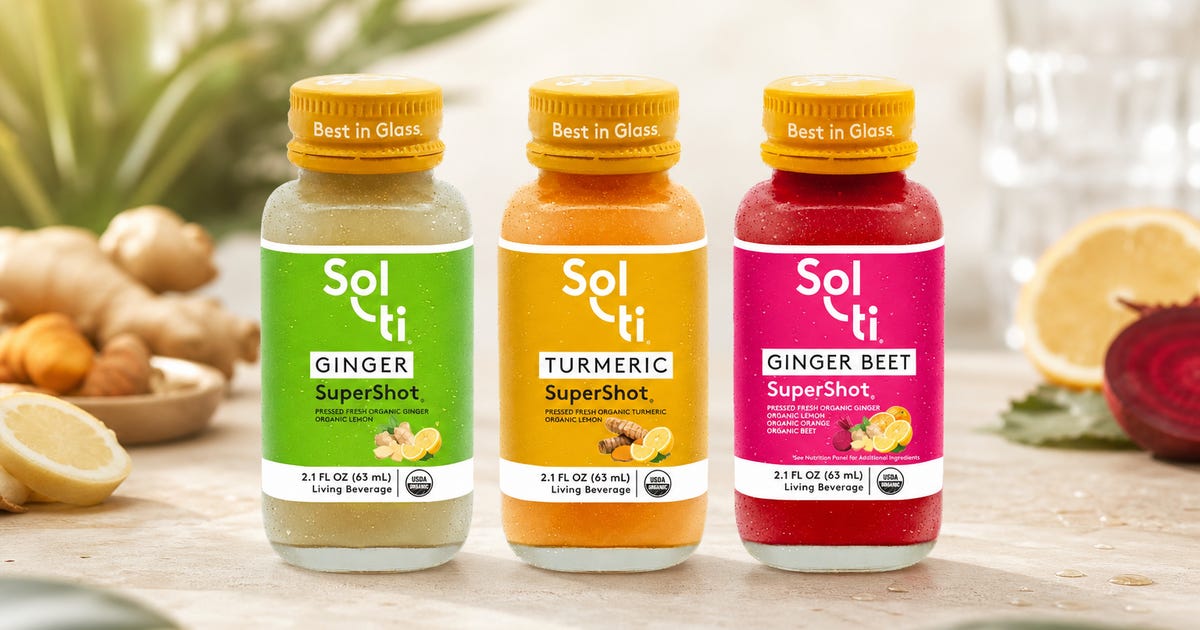
Sol-ti secured $30.3 million in equity funding per an SEC filing, from Cambridge SPG, Charlie Walk, Connect, Grays Peak Capital and Volchek Capital Partners. Ryne O’Donnell founded the California wellness shot brand in 2014, and it also sells functional juices and drink mixes. Pawan Kalra, formerly CEO of Pressed Juicery and CFO of Pinkberry, has been CEO since July 2023.
The wellness shot category is quietly having a year. Bansk Group acquired So Good So You. Suja Life went public. Nomio raised $4 million led by Collab Fund. And the format itself is a frequency play: two ounces, a few dollars, consumed daily rather than considered.
Lioness Gets a $5 Million Line of Credit
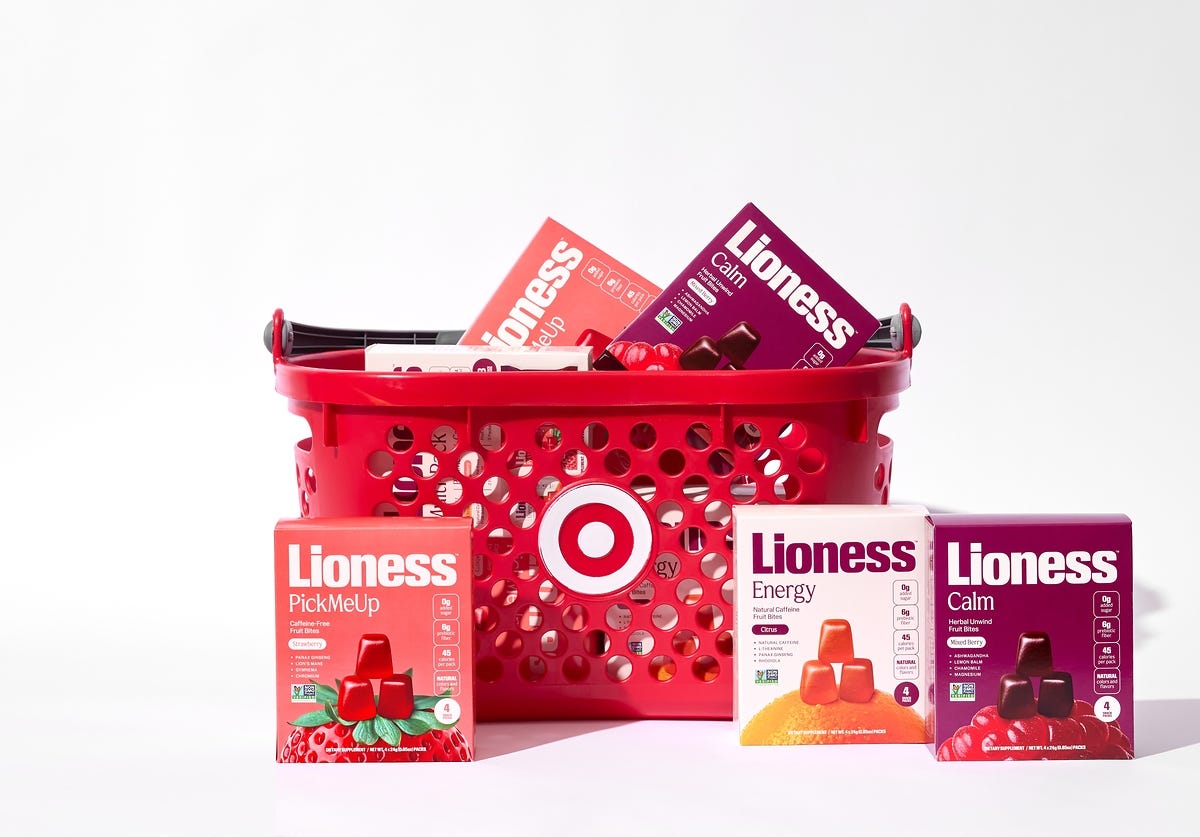
Lioness secured a line of credit worth up to $5 million from JPalmer Collective. The functional fruit snack brand is designed specifically for women, and founder Nicky Jackson previously co-founded RangeMe and was an executive at PepsiCo. Lioness launched in June and has already scaled to more than 2,000 doors, including Target and Sprouts.
Two thousand doors in three months is fast, and the structure here is worth noting. A line of credit is not a valuation event; it’s working capital, which is exactly what a brand needs when distribution outruns cash. Wizard Wellness raised $1 million against a similar problem this week. Scaling into retail consumes money long before it produces any.
Quick Hits
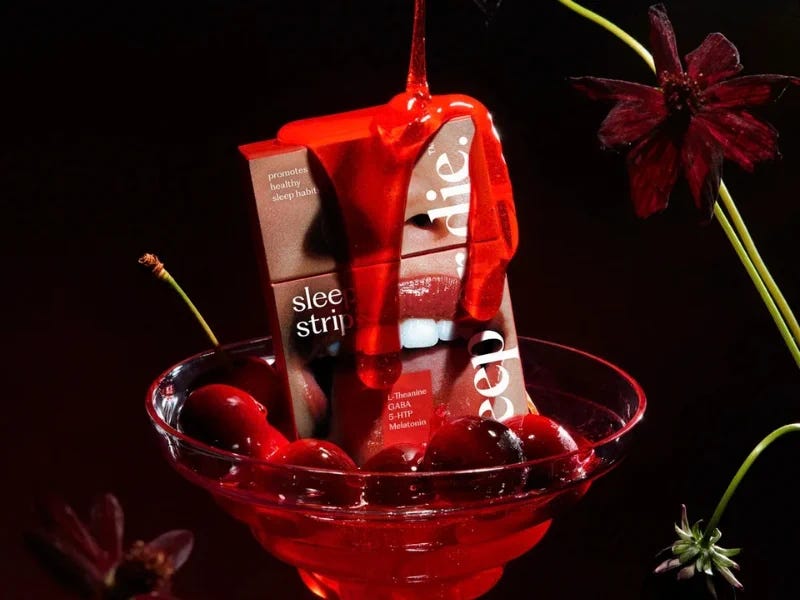
Sleep or Die added Jay Shetty to its cap table. Lauren Sudeyko founded it in 2025, starting with sleep tape before launching fast-dissolving Sleep Strips formulated with L-Theanine, GABA, 5-HTP and melatonin. True Beauty Ventures put in $1 million in May, and their portfolio includes K18, Crown Affair, Dieux and Jupiter.
Punchy took a strategic investment from Belvoir Farm, which has manufactured Punchy’s RTD line for the past three years. Paddy Cavanagh-Butler founded the certified B Corp in 2018, selling hydration mixes and RTDs through Sainsbury’s, Waitrose, Holland & Barrett, Boots and Ocado. Actor Ncuti Gatwa joined the cap table earlier this year. A co-manufacturer taking equity in a brand it already produces is an underrated structure, because the supply relationship is already proven.
Wizard Wellness secured $1 million from Pave Health Ventures, Vanquish Equity, True Beauty Ventures and Barrier Island Capital. Lorne Lucree founded the allergy care brand this year and it’s already past 4,000 doors at Target, Walmart and CVS. August was its largest DTC month and its repeat customer rate more than tripled over two months.
Sazerac is reportedly pursuing German schnapps maker Berentzen, which did over €162 million in revenue in 2025 and also produces Puschkin Vodka and Tres Países Rum. That’s Sazerac’s third appearance in this newsletter in six weeks after the reported £500 million Au Vodka deal and the Mr. Fancy launch with Mike Cessario. Brown-Forman turned them down twice, and they've been spending ever since.
Crédit Agricole took a minority stake in Miraval Provence, the wine label once linked to Brad Pitt and Angelina Jolie, via two private equity subsidiaries. And Juanita’s Foods, backed by Apex Capital, acquired a 120,000-square-foot manufacturing facility in Santa Fe Springs, California.
🆕 PRODUCT LAUNCHES & INNOVATION
This week’s innovation circus
Fiber Arrives
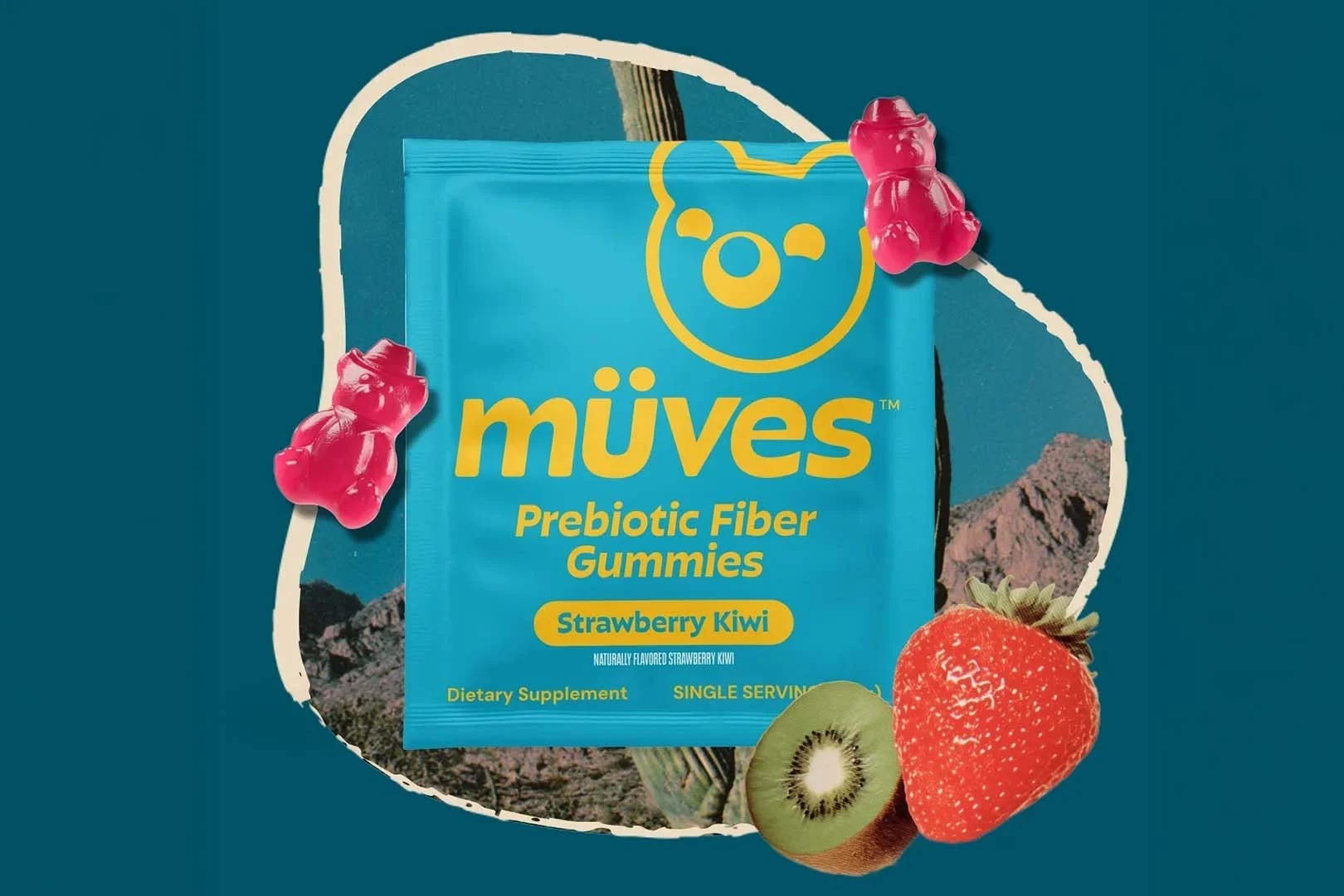
Grüns launched Müves, a separate fiber-focused gummy brand delivering 10 grams of fiber per pack in Strawberry Kiwi, with a no-sugar-added variety.
Note that Grüns didn’t add fiber to its existing line. It launched a new brand around it. That’s a bet that fiber is big enough to stand alone rather than function as a callout.
Ally Mamalider of Organic Traditions called this on the podcast two weeks ago: everyone counts protein and forgets fiber, and for GLP-1 users the gap causes real digestive problems. She predicted fiber gets added to everything and becomes protein 2.0.
This week alone: Flings launched Protein Crunch at 10g protein and 6 to 7g fiber. TRUBAR’s Cha Cha Matcha collaboration carries 12g fiber. B.T.R. Nation’s Kosterina bar has 7g. Müves is the first one treating it as the whole product.
Beverage
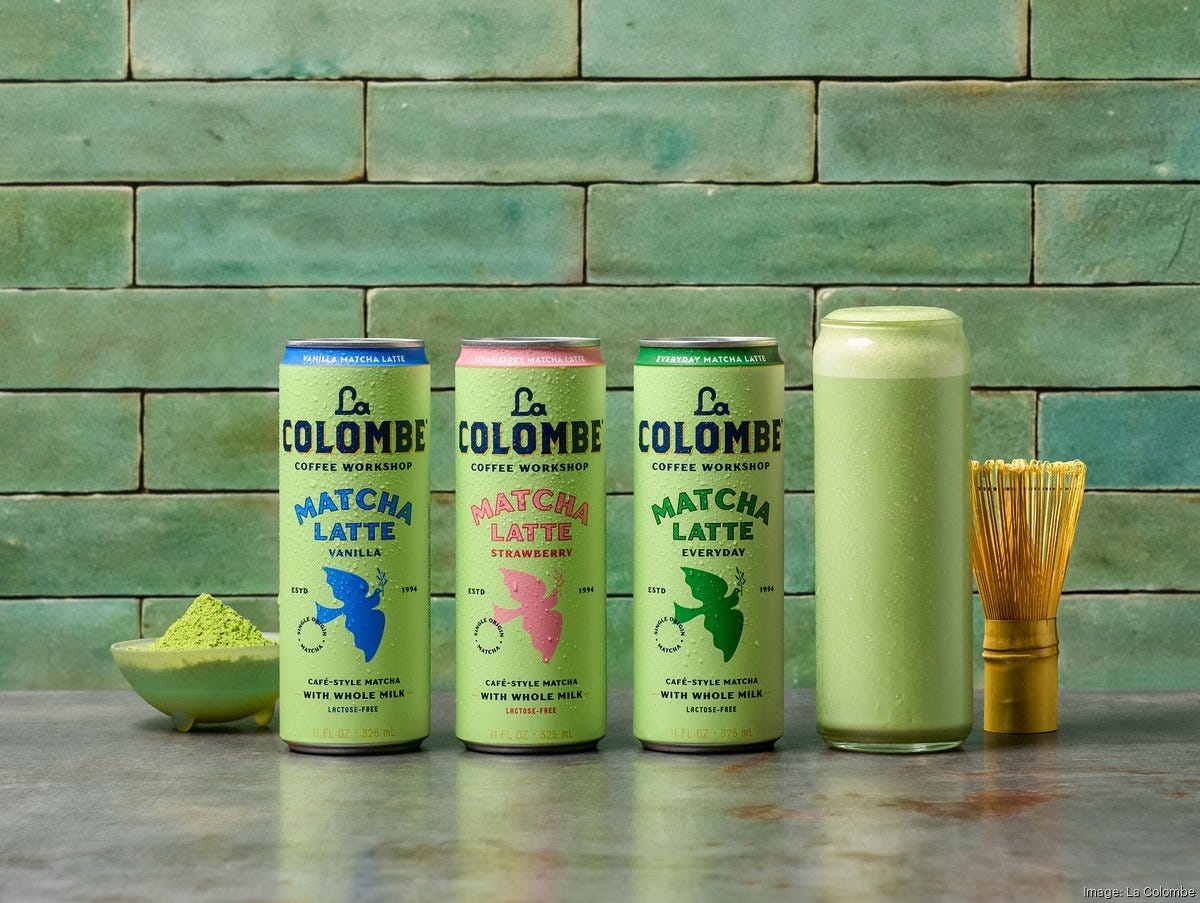
La Colombe is releasing an RTD matcha latte line later this month using lactose-free whole milk from Michigan and single-origin Japanese matcha, in Vanilla, Strawberry and Everyday. Matcha sales at La Colombe cafés are up 188% since 2023, which is the number that justified the launch. Chobani acquired La Colombe for $900 million in 2023, and KDP just sold its Chobani stake back for $800 million, a position that traced to its original La Colombe investment.
Happy Dad is entering the ade category with non-carbonated LemonADE, debuting February 2027 with a 12-count variety pack in Strawberry, Mango, Blueberry and Pink LemonADE at 1g sugar and 100 calories. That’s the second ade entry we’ve covered after Good Boy Vodka’s LYTE.
Cove Soda partnered with Good Humor on a limited-edition Strawberry Shortcake prebiotic soda, exclusive to Target. Renais, Emma Watson’s sustainable spirits brand, expands into vodka October 1 in the UK via its site and Majestic for three months exclusive.
Snacks and Pantry
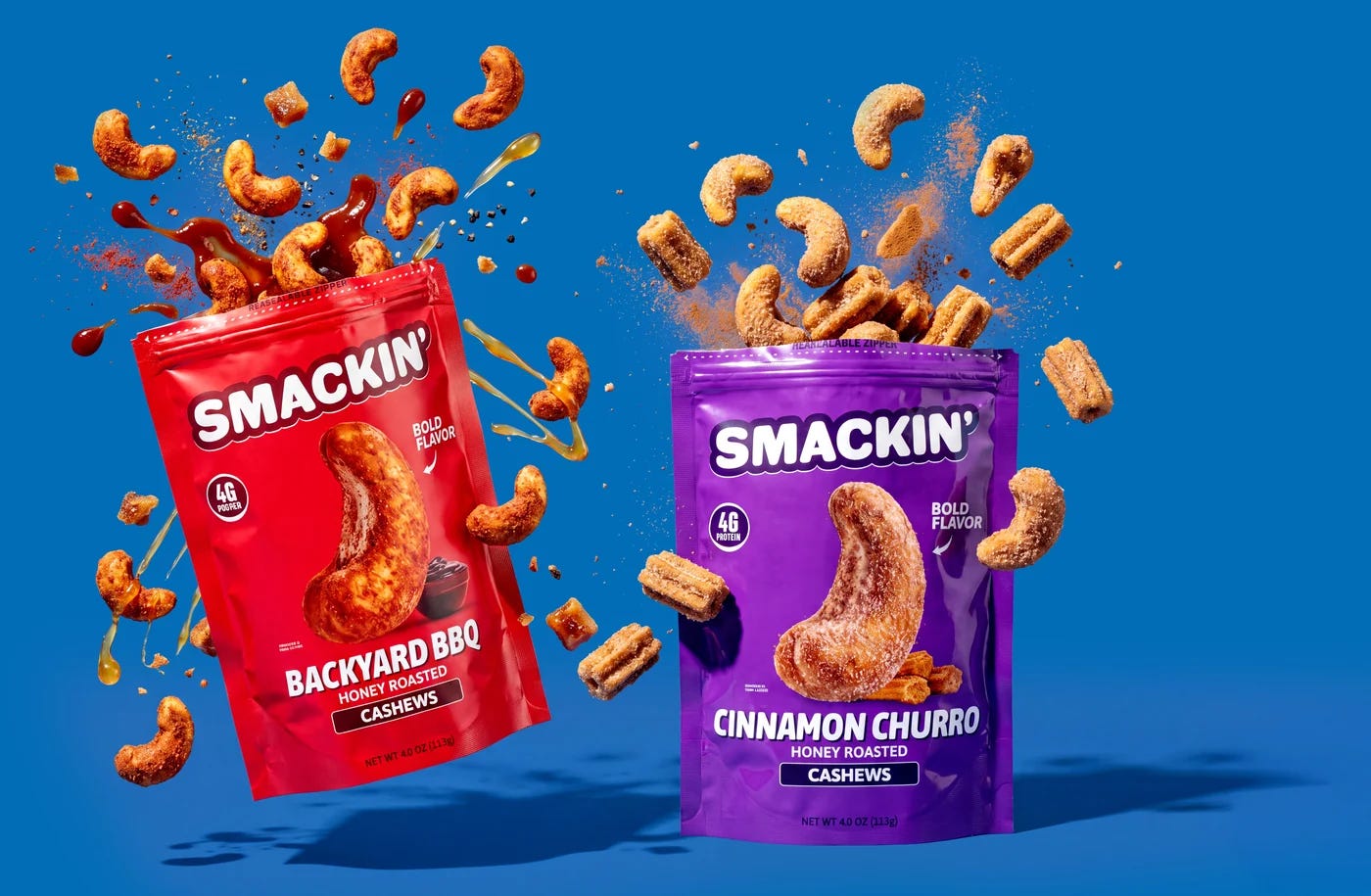
SMACKIN’ launches a cashew line September 22 in Backyard BBQ and Cinnamon Churro. Brian Waddick and Cole Schaefer started the sunflower seed brand in 2019 and it’s now an eight-figure business at Target, Albertsons, Kroger and 7-Eleven. We covered them in August at 25 million bags sold, almost entirely bootstrapped.
Momofuku Goods released five cooking sauces, including Chili Crunch Sauce, Momoyaki, Sweet & Spicy, Sweet & Sour, and Miso Ginger, rolling into Whole Foods, Sprouts, and Target in the coming months. Philadelphia teamed with Mike’s Hot Honey on a Hot Honey Whipped Cream Cheese, a Walmart exclusive, expanding in January 2027. Little Spoon added Homestyle Mini Pancakes and Chicken Maple Sausages at Target, expanding the brand to two full shelves in frozen.
TRUBAR partnered with Cha Cha Matcha on a Matcha Latte bar with white chocolate coating, 12g plant protein, 12g fiber, and 10mg caffeine.
Wellness and Beauty
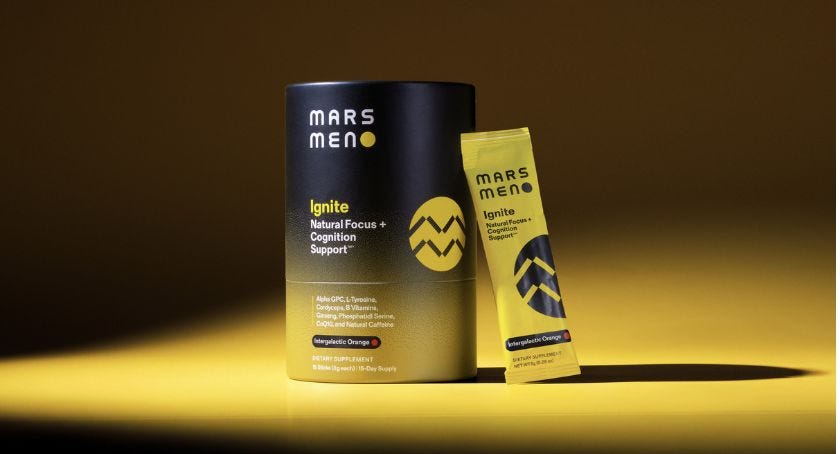
Mars Men launched Ignite, a daily drink mix for focus and memory with 80mg natural caffeine and 13 cognitive actives including Alpha-GPC, Lion’s Mane and L-Theanine, in Intergalactic Orange and Cosmic Berry. That’s their second product after hitting a $100M run rate and going nationwide at GNC.
Ju Rhyu, co-founder of Hero Cosmetics, is back with Vize, a K-beauty-inspired suncare brand co-founded with board-certified dermatologist Dr. Aimee Paik, debuting September 22 with Cloudwear Daily SPF 30. Another second-time founder with a completed exit, after Nancy Twine’s Soulstice this month.
Divi entered styling with Growth Care Hairspray in Soft Finish and Strong Hold. The Absorption Company launched Hair, promising reduced shedding in a month and visibly thicker hair by month three. Thorne added Blackberry, Grapefruit and Strawberry Lemonade to Daily Electrolytes. Momentous launched Daily Hydration, NSF certified with 2g functional carbs for absorption.
📊 THE DATA DIGEST
Numbers that matter
Energy drink volume grew 5.7% with a 3.7% average price gain for the four weeks ending August 22, per NielsenIQ. Volume growth alongside price increases is the strongest demand signal a category can produce. People absorbed the price and bought more anyway.
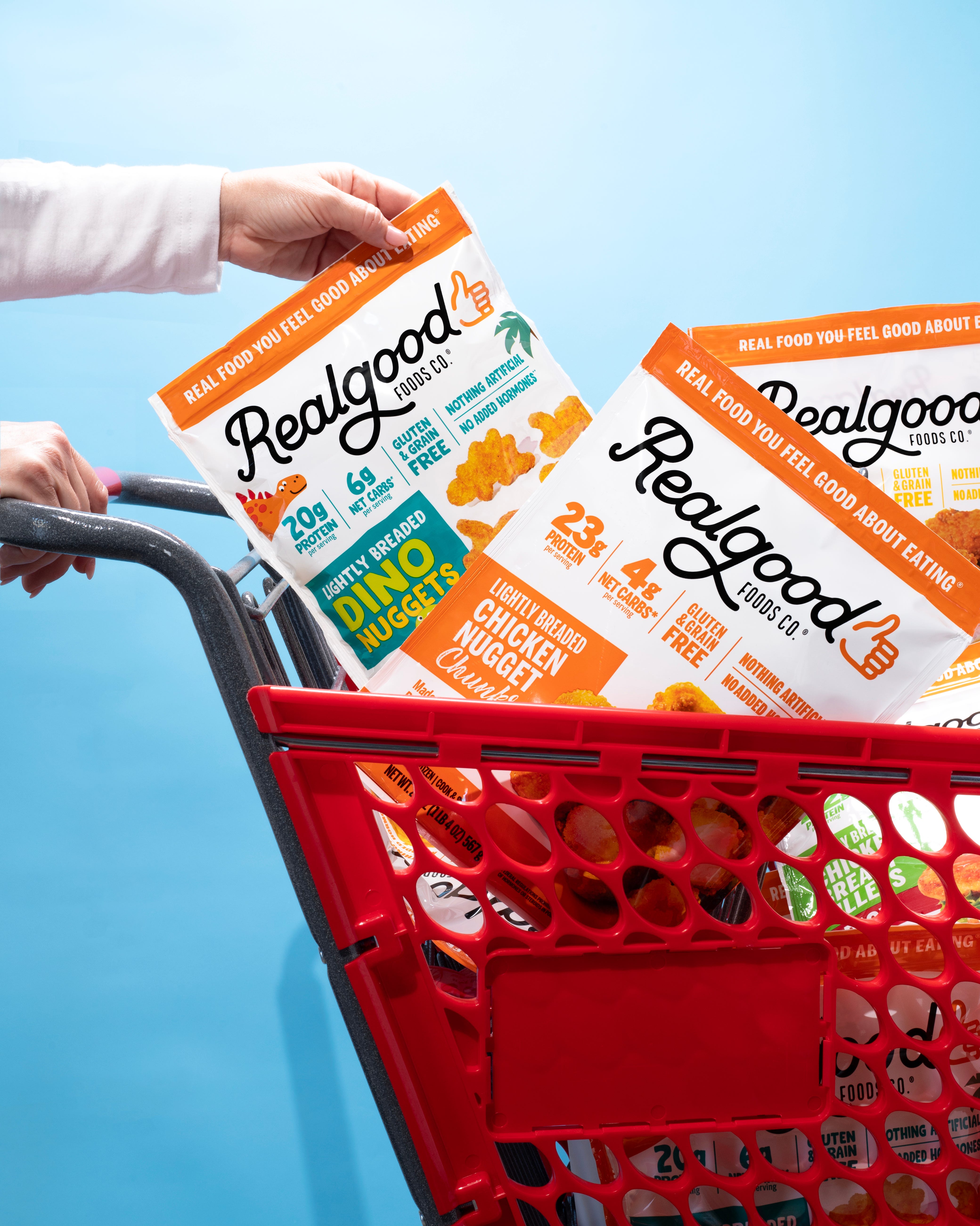
Real Good Foods has generated over $1.2 billion in lifetime retail sales since entering the channel in 2018, per Nielsen, across more than 16,000 stores. Worth noting, the protein source is meat, which insulates them from the whey constraint reshaping powders and bars right now.
Open Water is approaching 250 million cans sold, with 150 million of those in the past two years. Nicole Doucet and Jess Page founded it, and it just made Inc.’s fastest-growing private companies list for the sixth time. It’s also now the official still and sparkling water partner of the Tampa Bay Lightning.
Neuro secured nationwide Costco distribution after debuting in 235 locations three months ago, a fast-track out of what’s typically a six-month regional test. Ryan Chen and Kent Yoshimura founded the functional gum and mint brand in 2015. It passed $100 million in revenue last year and is in 60,000 doors.
🏪 DISTRIBUTION DOMINATION
Everyone’s everywhere
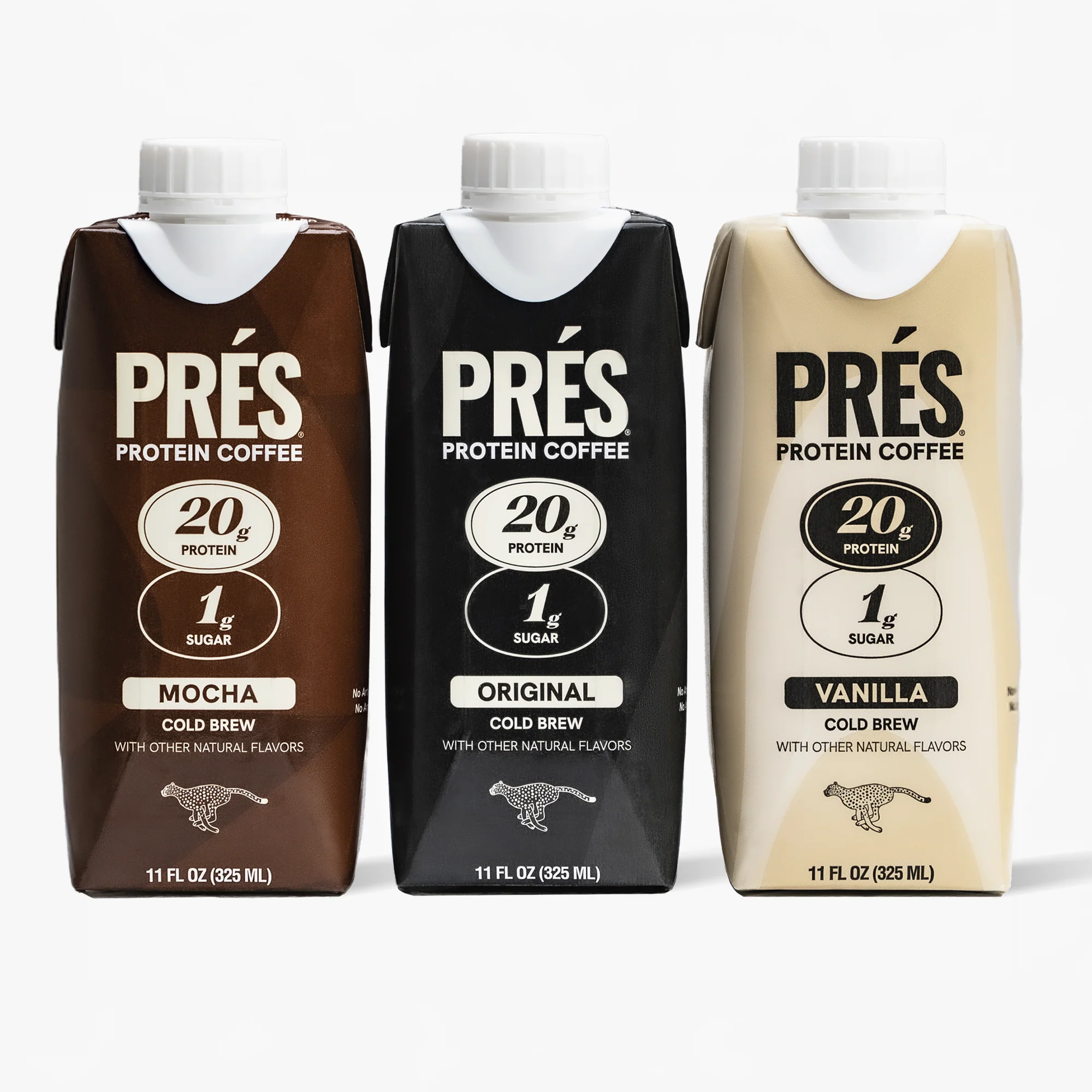
Target: PRÉS launched its protein coffee nationwide at 20g protein and 1g sugar, after debuting at Sprouts in late 2025. Wild Alaskan Company went nationwide. Costco: Neuro landed nationwide. Kroger: Lemme is now available nationwide. Sam’s Club: Smash Kitchen arrived. Publix: FitJoy launched in the deli section. Sprouts: Tuff Pops went nationwide and Flings launched Protein Crunch. Whole Foods: Habiza launched across SoCal, Arizona and Nevada. Ulta: Midi Health launched online and in store. Raley’s and Gelson’s: Sipwell Wine Co. launched.
👋 PEOPLE MOVES
Perelel hired Ashley Murphy as Chief Marketing Officer, previously CMO at Rare Beauty with prior roles at Moon Juice, Pressed Juicery and Hourglass. Perelel raised $27 million in November from Prelude Growth, Unilever Ventures, Willow Growth and Selva Ventures.
Ju Rhyu returns to skincare with Vize, three years after building Hero Cosmetics.
🔥 THE HOT TAKE
My unfiltered opinion on this week’s madness
A €40 serum beat a €4,000 handbag, and I think that’s the most useful thing that happened in consumer this week.
L’Oréal passing LVMH is being covered as a luxury story, which it partly is. China slowed down, luxury raised prices too aggressively, and some analyses figure 60 million people got pushed out of the market entirely over three years. Fine.
But the more portable lesson is about purchase architecture, and it shows up everywhere in this issue once you start looking.
Puig spent $1.4 billion buying ISDIN because skincare was 11% of its sales and fragrance was most of the rest. Fragrance is a gift, a season, a decision. Dermocosmetics is a bottle you finish. Diageo launched 20% ABV Gordon’s because a full-strength gin is a Friday and a half-strength one can be a Tuesday. Energy drinks grew volume 5.7% while raising prices 3.7%, which only happens when a product has become a habit rather than a treat. Wellness shots are having a year, and a wellness shot is two ounces and three dollars consumed daily.
The common thread isn’t price. Plenty of expensive things are doing fine. It’s frequency, and specifically whether the purchase is a decision the customer makes once or a routine they stop thinking about.
Routines survive downturns. Decisions get postponed.
So here’s the question I’d actually ask if you’re building something. Not what your margin is, not what your AOV is, but how many times a year does a real customer buy this without deliberating? If the answer is two or three, you’re in decision territory, and you’re exposed to every wobble in consumer confidence. If it’s twenty, you’re in routine territory, and you’re comparatively insulated.
And the interesting corollary is that you can often move between the two deliberately. Diageo just did it by cutting the ABV. Grüns did it by launching fiber as a daily gummy rather than a callout. La Colombe is doing it by taking a café ritual people already have 188% more often and putting it in a can they can buy at a grocery store.
None of those are new products, exactly. They’re existing propositions re-engineered for a higher-frequency occasion.
The thing I’d caution against is the lazy version of this, which is slapping a subscription on something people don’t want that often. TMPL8’s $190 monthly haircare and Cymbiotika’s $74 beauty sachets are both testing whether a category can carry that cadence, and the honest answer is we don’t know yet. Frequency has to be earned by the product, not imposed by the billing.
But when it works, it’s the most durable thing in consumer. Nobody postpones the thing they’ve stopped thinking about.
Build accordingly.
🎙️ COMING TUESDAY
Unpackaged Goods Episode
L’Oréal passing LVMH and what the lipstick effect means for anyone selling something. Puig spending $1.4 billion to get into skincare. Diageo putting 20% ABV Gordon’s on shelf and the moderation thesis becoming undeniable. Hain selling Ella’s Kitchen to pay down debt. And a Michelin chef building a shelf-stable meal kit for Target.
🥫 ONE MORE THING...
Before you close this tab
Open Water is about to hit 250 million cans sold. A hundred and fifty million of those came in the last two years.
The product is water in an aluminum can. That’s it. No adaptogens, no electrolytes, no functional claim, no celebrity. Nicole Doucet and Jess Page built it on a single observation, that plastic bottles are a problem and aluminum is infinitely recyclable, and then spent a decade putting it in front of institutions that buy water by the pallet.
Six appearances on Inc.’s fastest-growing list. This week they became the official water of an NHL arena.
We spend every issue covering brands that added something. It’s worth remembering that one of the fastest-growing beverage companies in America got there by changing the container.
Until next Monday, Jonathan Deeter Your CPG-Obsessed Friend
P.S. Habiza partnered with Good Girl Snacks on a pickle hummus, now at Whole Foods across Arizona, Nevada and California. I have been running a pickle prediction ledger since July, and while this is not technically pickle protein powder, it is pickle hummus, which I did not have on the board at all. Outstanding call remains pickle protein powder by Q1 2027. Three months left. The hummus people are clearly closer than I am.
TikTok | Instagram | Newsletter | Pickle Advisors
This newsletter is finished with Trophy Wife Finishing Salts, elevating every bite since 2025.