


🥄 FIRST BITE
The appetizer before we dive in
Oura’s IPO was reportedly oversubscribed about four times. The company pulled it anyway.
Nothing about Oura looks like a company in trouble. It’s profitable; it did $907.9 million in revenue last year; it expects roughly 90% growth this year; and it has 5.7 million paid members. Its CEO said the company has “the luxury of choosing our moment.”
That sentence is the whole argument for a healthy balance sheet. The luxury comes from not needing the money tomorrow.
Meanwhile, the private market kept moving. Dose is reportedly running a sale process near $1 billion. A Paris nail brand sold 49% to private equity. Stride closed a $550 million fund. The public door got harder to open this week, and the private door stayed open for brands that make money.
That’s the thread, plus California rewriting two rulebooks, a tariff thaw, and a $499 body scan opening in SoHo. Let’s dig in.
🍊 THE MAIN COURSE
This week’s biggest CPG moves
Oura Pulls Its IPO With Demand Still Strong
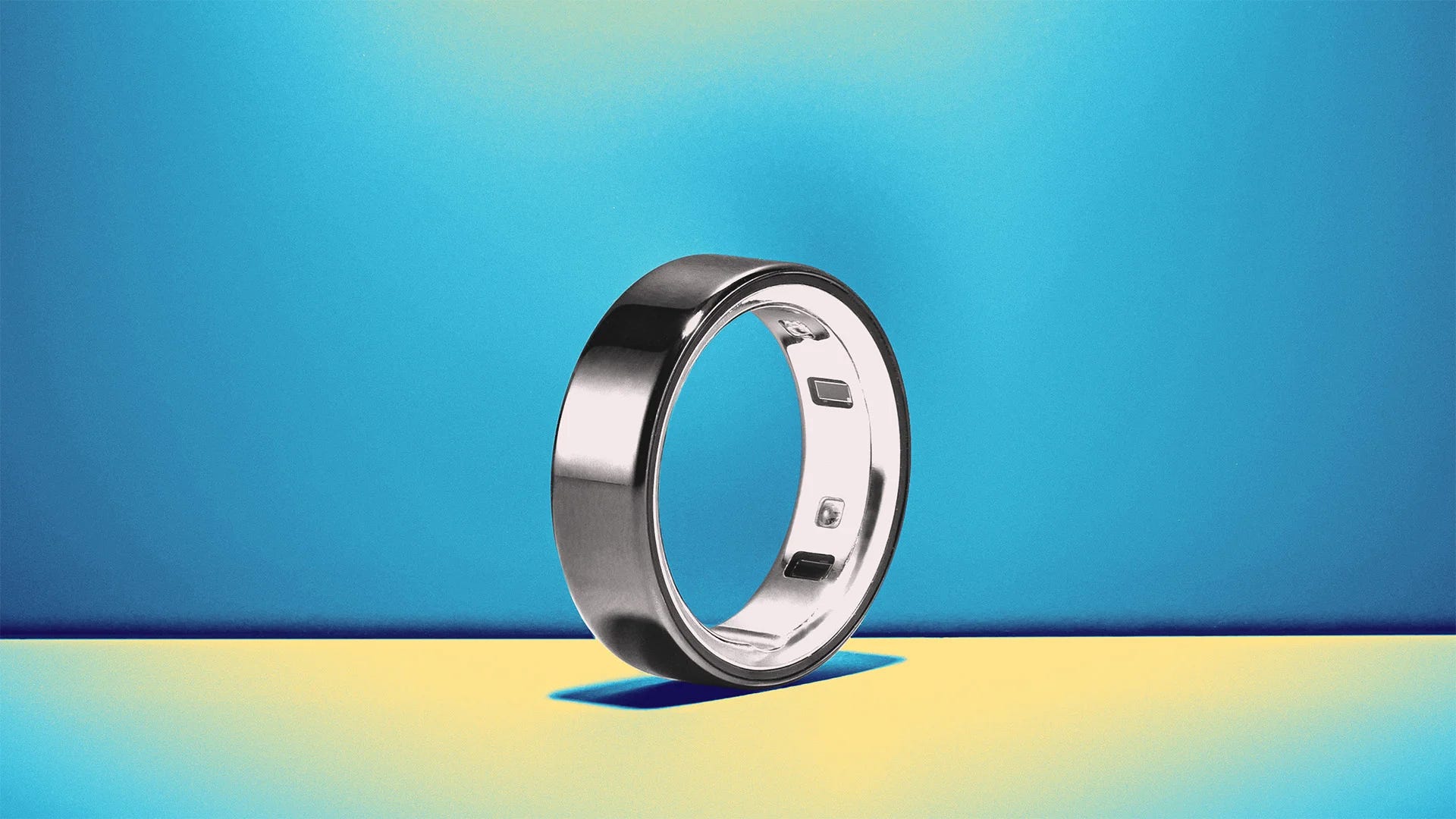
Oura postponed its Nasdaq IPO on Tuesday, September 29, the day it was expected to price, “despite strong demand.” It was selling 50 million shares at $40 to $44, a raise of up to $2.2 billion at roughly a $14 billion valuation. Its last private round was around $11 billion.
Bloomberg reported orders ran about four times the shares on offer. To me, that reads as demand at some price, just not necessarily the price Oura wanted. That’s my interpretation, not theirs. Reuters and AP pointed to AI-spending jitters, the Fed resuming rate hikes, rising bond yields, and Oura being at least the third IPO delayed in a row.
KKR’s Wella is the same bet from the other end of the spectrum. It amended its filing on September 23 and still hasn’t set a price range. It did $2.94 billion in revenue last fiscal year, earned $2.7 million, and carries about $2.29 billion of term-loan debt. A thin-margin, debt-heavy company needs the window far more than Oura does.
And the companies that did get out aren’t getting a warm welcome. Shein listed in Hong Kong on September 1 at about $26 billion, roughly a quarter of its 2022 peak. Its first public results showed first-half revenue up 1%, operating profit down about 53% and U.S. sales down more than 10% over the summer. It blamed tariffs, logistics costs and slowing demand, and the stock dropped double digits. Public investors are pricing what a business earns now.
A great business can’t force a market. It can only avoid needing one.
The Brands That Get to Choose
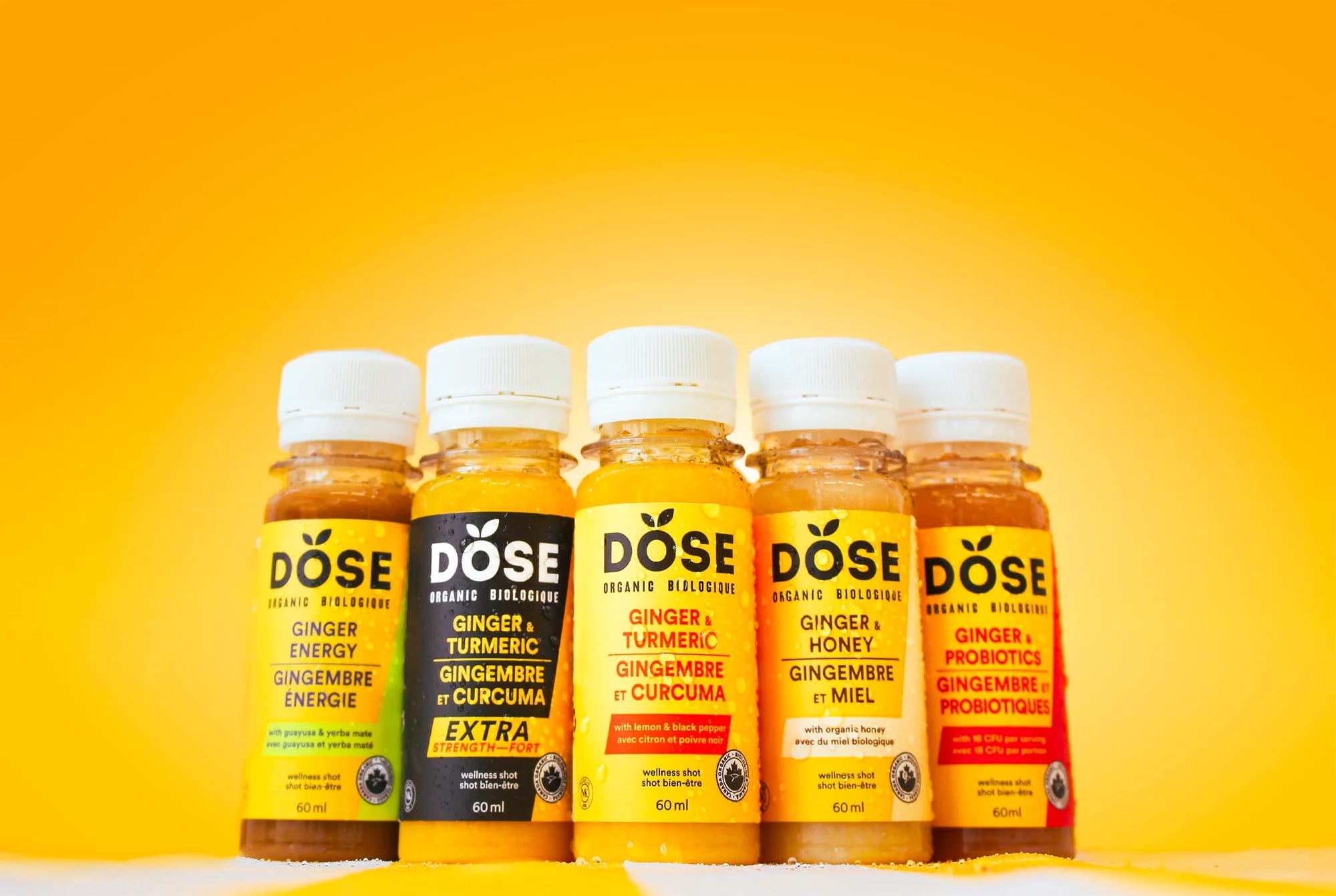
Dose. Reuters reported in August that the wellness shot company is exploring a sale near $1 billion, with Perella Weinberg advising. It’s profitable with more than $200 million in revenue. This week it launched Dose for Blood Pressure, its first new product since 2022, backed by what the company calls a double-blind, placebo-controlled study. My guess is the timing isn’t an accident, since a clinical second pillar is an easier story for a buyer than one hero product.
Manucurist. The Paris nail brand sold a 49% stake to British private equity firm Inflexion. It sells in 40 countries and expects $119 million in sales this year. A minority sale lets founders take some money off the table and keep the steering wheel, and for plenty of brands that’s a better middle door than all-or-nothing.
Stride. Stride Consumer Partners closed Fund II at its $550 million hard cap in about four months, up from $420 million for Fund I, bringing assets under management to about $1.3 billion. It backs Chomps, Crown Affair, Serenity Kids and Patrick Ta. Forward ($500 million), Encore ($350 million) and Collab ($250 million) have also closed new funds. Consumer private equity has money to spend.
Graza, last week’s lead, is asking 15 to 20 times EBITDA. What these have in common is that somebody is paying for the business as it exists today. Not the story, the earnings.
California Writes the Rules
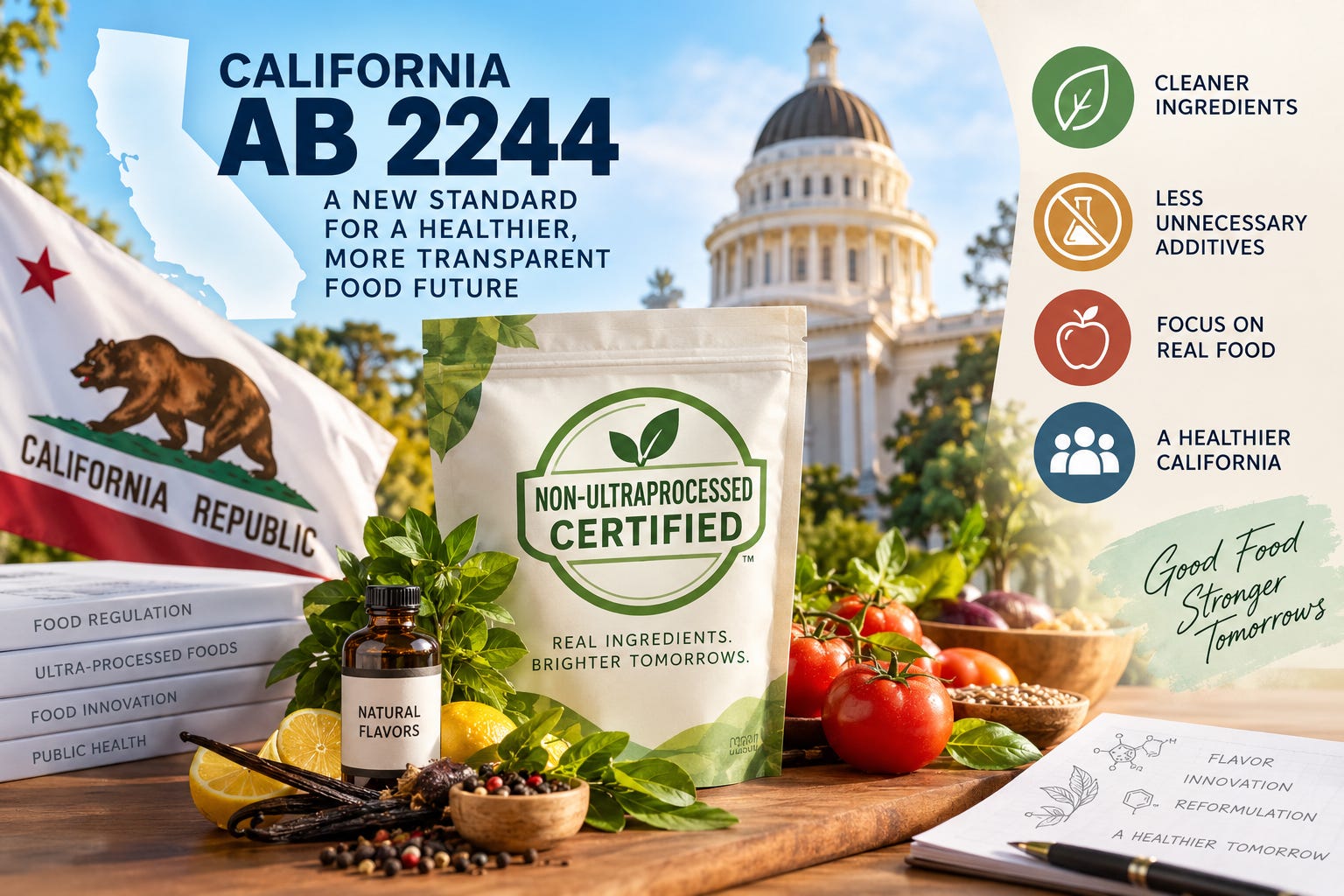
On September 28, Governor Newsom signed ten health bills. Two matter to founders.
AB 2244 creates the first state-backed “Non-Ultraprocessed Certified” front-of-pack seal. It’s voluntary, run through accredited third-party certifiers, with a public database and penalties for fraudulent use. The deadline is June 1, 2029. The catch is that the federal definition of ultra-processed food is still pending, and the Institute of Food Technologists warned that state-by-state standards could fragment before there’s a national one.
AB 2030 bans selling over-the-counter diet pills and supplements marketed for weight loss or muscle building to anyone under 18. Retailers and online sellers must verify age, with penalties up to $500 per violation. California is the second state to do this, after New York.
The trigger is what matters. Coverage turns on whether a product is “labeled, marketed, or otherwise represented” for weight loss or muscle building, and a court can look at claims, images, and even how a retailer tags or groups the product. The Council for Responsible Nutrition notes that unlike New York, California doesn’t expressly exempt fiber or protein, and the American Herbal Products Association argued protein and creatine could get pulled in. I haven’t seen a clear answer on where that line lands, so ask counsel instead of relying on me.
New York’s governor is sitting on her own package, with GRAS transparency and on-menu sodium warnings, the same direction as the FDA’s GRAS proposal from Issue #42. States are writing rules because the feds haven’t. The seal is voluntary. Age verification is not.
The Diagnostic Aisle Gets a Storefront
Galleri. An FDA advisory panel voted 7 to 2, with one abstention, that Galleri’s benefits outweigh its risks, but split 6 to 4 on effectiveness and balked at the phrase “early detection.” The NHS-Galleri trial missed its primary endpoint in February, GRAIL hasn’t shown data that screening reduces cancer deaths, and the FDA decision is due in the coming months. Today it’s a cash test at $700 or more, and WHOOP added it at $799 in August.
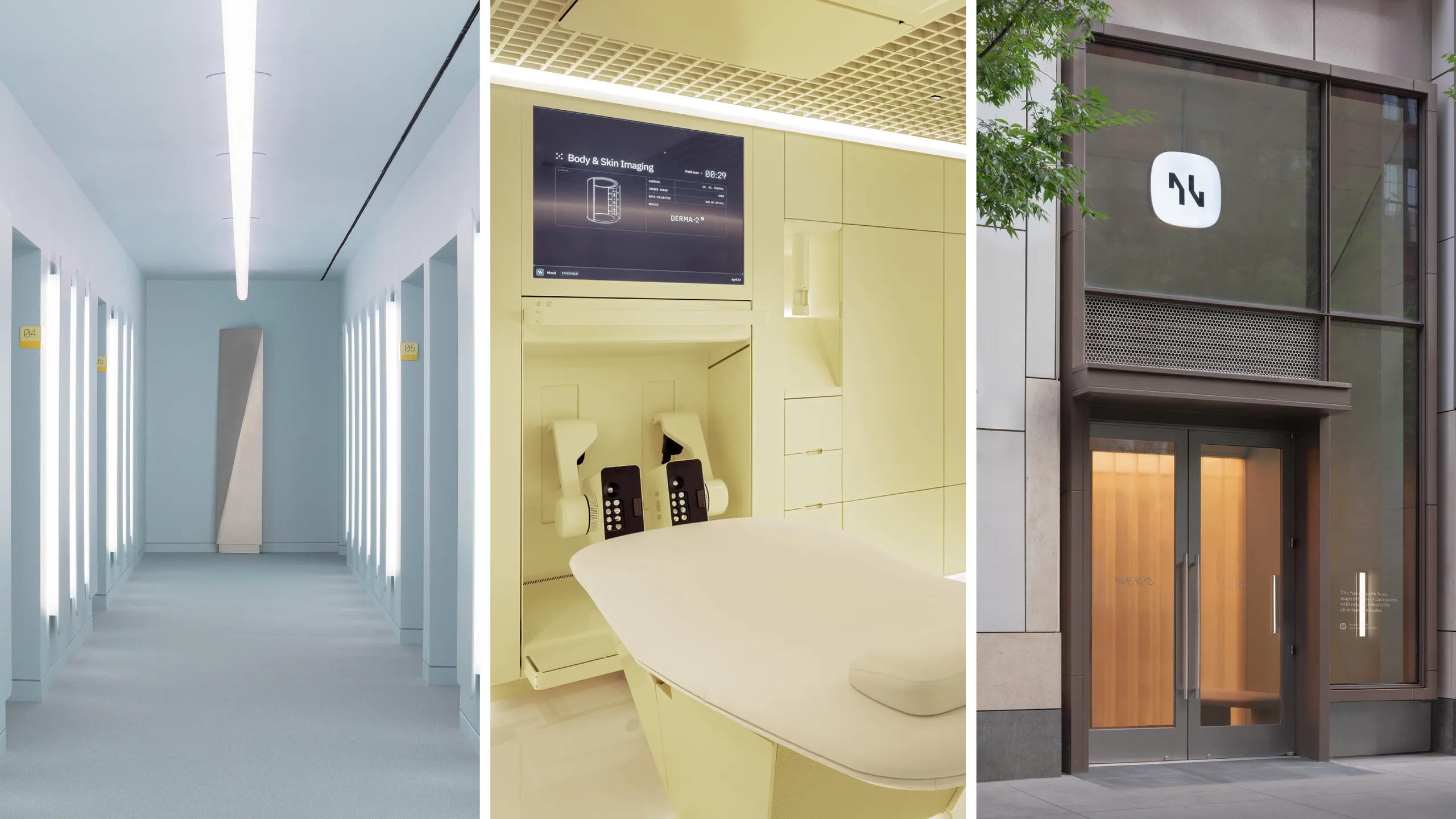
Neko Health. Daniel Ek’s body scan clinic opened at 300 Lafayette Street in SoHo on September 24. A one-hour scan costs $499, more than 25,000 New Yorkers joined the waitlist, and it’s self-pay with HSA and FSA accepted. Neko says it isn’t a full-service medical practice, so members who need care get referred out to places like Mount Sinai. Miami, Washington and San Francisco are next.
Both are testing whether people will pay out of pocket to learn about their body before they have symptoms. The detail I keep coming back to is the panel’s language. It backed the test and still wouldn’t endorse the phrase on the label. If you sell anything near this space, your word choices are your regulatory risk.
The Tariff Thaw, Sort Of

After Xi Jinping’s first official U.S. visit since 2015, the two countries agreed to cut tariffs on about $30 billion of goods each way, moving most of them to standard rates. U.S. farm goods and personal care items get relief going into China. Coming the other way, 77 categories including tableware, glassware, toys and Christmas ornaments.
For most food brands this doesn’t move the needle. But if you import packaging, glass or seasonal gift items from China, check your HTS codes against the list this week. Your fourth-quarter landed cost might have just improved.
More Deals Worth Watching
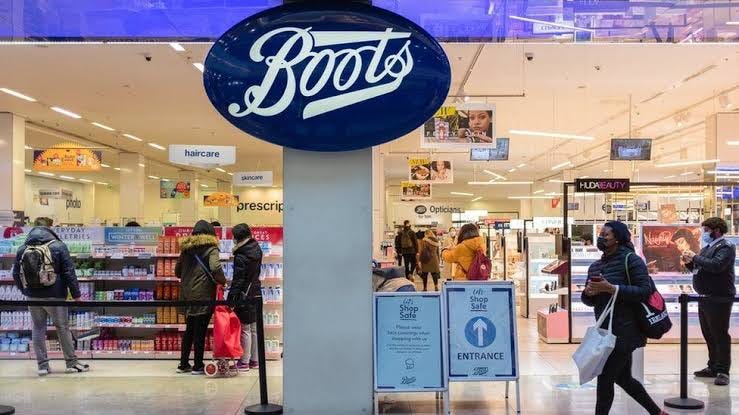
Boots. Sycamore Partners is nearing a roughly $9 billion sale of Boots to Canada’s Weston family, per the Wall Street Journal, less than a year after getting it in the Walgreens takeover. Armani is reportedly preparing minority-stake talks with L’Oréal, LVMH and EssilorLuxottica. Caudalie acquired sensitive-skin brand Talm. Next In Natural acquired plant milk brand Three Trees. Sephora is bringing counters to 100 Marks & Spencer stores in the UK starting spring 2027, more than five times its current UK footprint.
💰 THE FUNDING FRENZY
Big checks being written
Something & Nothing raised $6.4 million led by Venrex. The London-founded soda now earns 65% of its revenue in the U.S., and the efficiency is the headline: a team of three, almost no marketing spend, U.S. revenue up 70% across June and July, and Amazon sales more than doubled over the summer. It sells on flavor and design rather than wellness claims, and it’s careful to say no added sugar, not sugar-free. That kind of precision is going to matter more, not less.
Confido raised a $55 million Series B led by Insight Partners for AI software that handles CPG forecasts, trade promotion, deductions and accounting for more than 250 brands, including Unilever and Dude Wipes. I’ll admit some professional interest. Deductions are where emerging brands quietly lose margin.
Tiny Health closed a $33 million Series B led by B Capital, with revenue split roughly evenly between direct-to-consumer and B2B. Two routes to market means a bad quarter of ad costs doesn’t sink you.
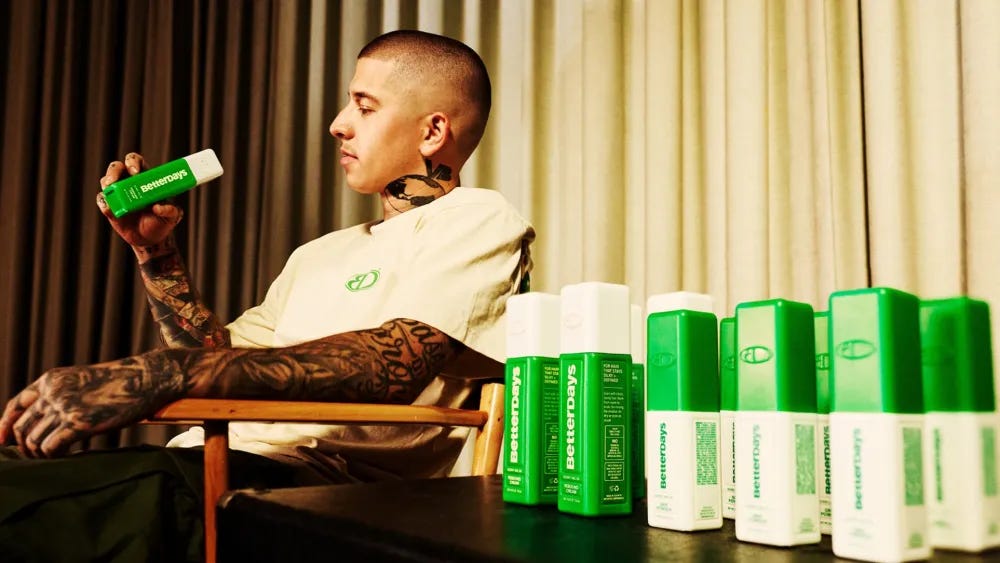
VicBlends launched men’s grooming brand BetterDays with $7 million. South 40 Snacks raised nearly $6 million. Amaani, parent of Aiza’s, raised $5 million to scale across the Gulf. Spirited Brands raised $3.1 million for Soula margaritas and Sokē sake soda. SuperMush closed a $3 million Series A led by NDude Labs for its gummies, sold at Target, Sprouts and Amazon.
🆕 PRODUCT LAUNCHES & INNOVATION
This week’s innovation circus
Mars Gives Cheez-It a Protein Claim
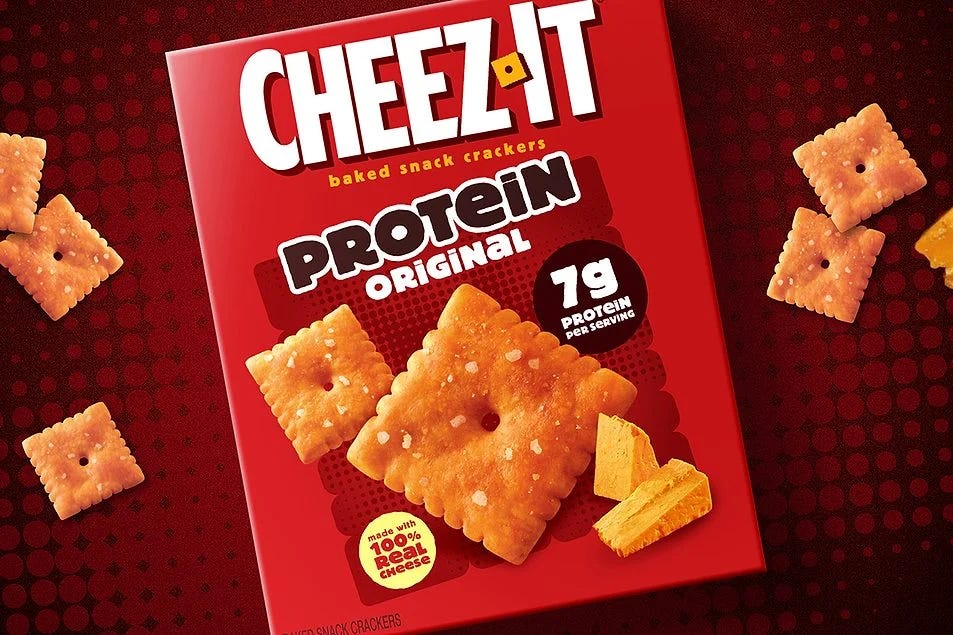
Cheez-It Protein Original has 7 grams of protein per serving and rolls out nationwide this month at $4.49 a box. CPG Wire’s take was that Mars received the protein memo, and I can’t improve on that. With whey costing what it does, I’d want to know the protein source.
Chefs and Creators Turn Into Pantry Brands
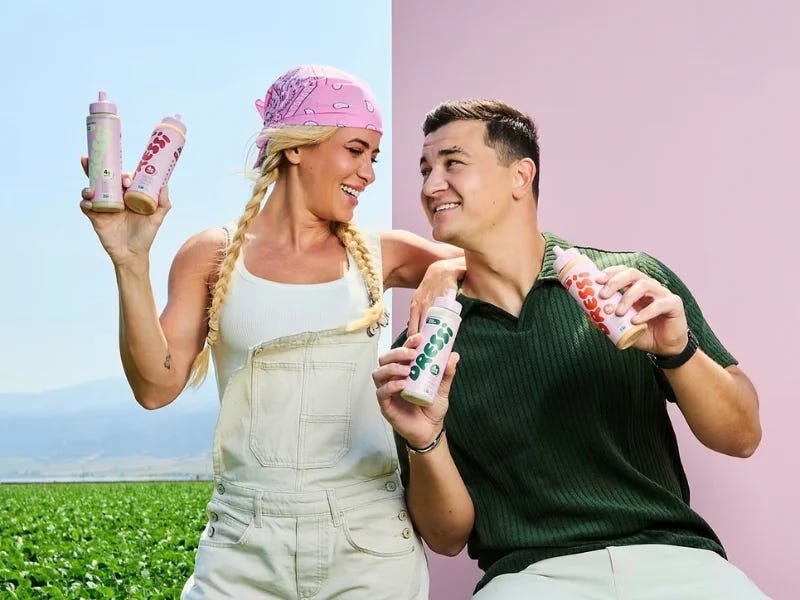
Lucali teamed up with Nonna’s on Hot EVOO, Sicilian olive oil with Italian chili peppers, the pizzeria’s first-ever CPG collaboration. If you’ve waited two hours for a table there, you know the brand equity is real. Molly Baz is Sweetgreen’s first Chef in Residence, with three items through November 9 built on Dill Pickle Mayo from her brand Ayoh. ALL THINGS, Thomas Straker’s butter brand, launched in 500-plus Whole Foods, picked up a seven-figure check from Spacestation (Graza, OLIPOP, LMNT), and is on pace to 5x revenue. Kendall Toole launched DRESSi, protein-forward dressings with 4 grams per serving and no seed oils, on its site and Amazon.
The through line: the audience came first, and the product followed.
Physician’s Choice Bets on the Jelly Stick
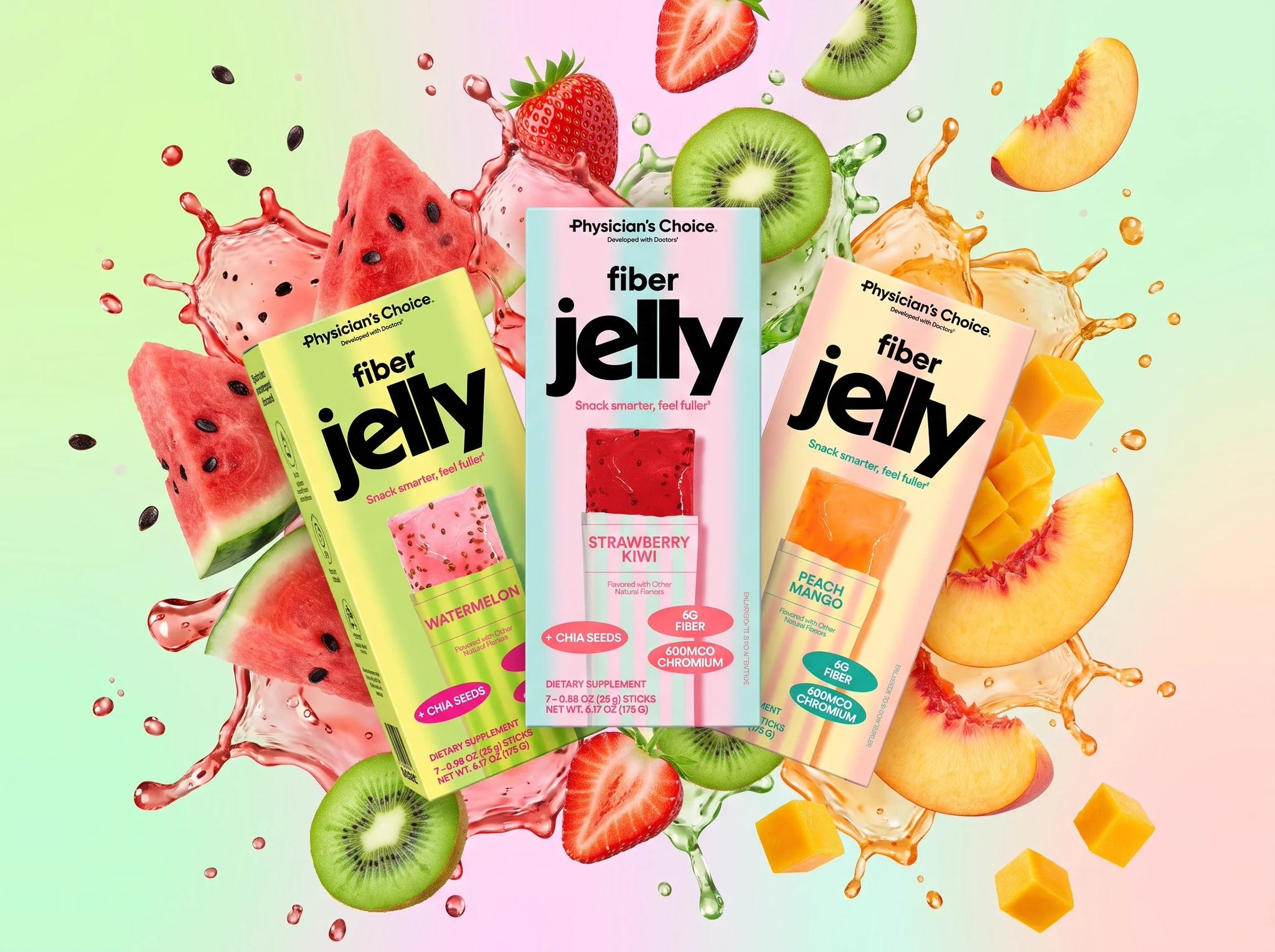
Physician’s Choice launched Fiber Jelly sticks with 6 grams of prebiotic fiber, chromium, 30 calories, and 1 gram of sugar. They’re on TikTok Shop now and hit Walmart on October 24. Jelly sticks have been big across Asia for years, and this is one of the larger U.S. brands to try the format. The brand says chromium supports metabolism, which is exactly the kind of phrasing California’s AB 2030 now makes worth reading twice.
Familiar Names, New Formats
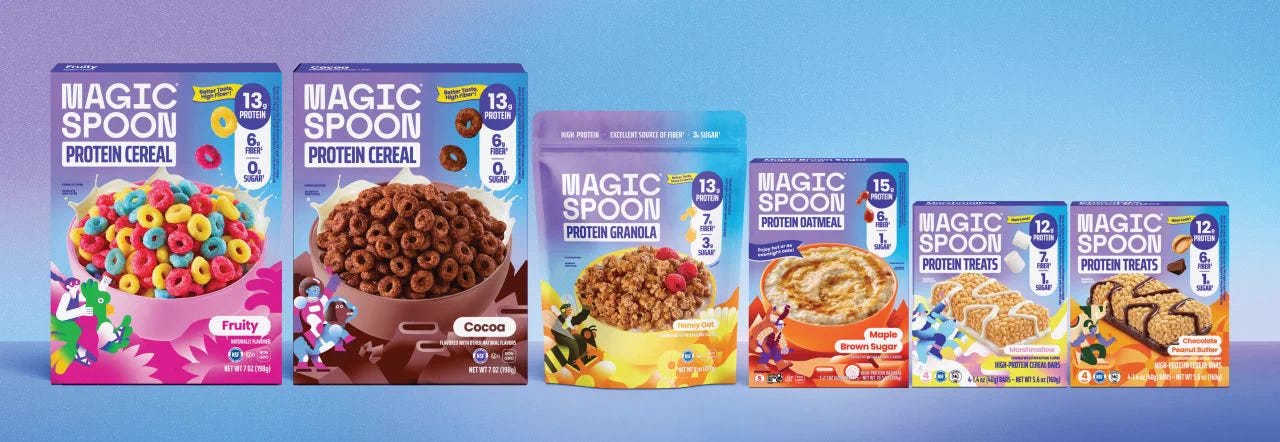
Magic Spoon refreshed its packaging to make a cereal-turned-platform (oatmeal, bars, granola, toaster pastries) look like one brand on shelf. P90X launched canned energy drinks with 200mg of caffeine. OLLY brought mochi-inspired supplements to Target. Dunkin’ went Halloween with Green Apple Dunkin’ Zero and a Terror-misu Cloud Latte. Away launched Series 3 luggage with brakes, fronted by Colman Domingo. Native Pet launched its first cat supplements, at Petco from October 19.
📊 THE DATA DIGEST
Numbers that matter
Conagra reported first-quarter net sales down 1.4% to $2.6 billion. Volume fell 2.1% while price and mix added 1%, it cited about 5% inflation including tariffs, and it reaffirmed guidance for organic sales down 1% to 3%. Falling volume and rising price is the legacy food pattern this year, and Conagra is the cleanest example.
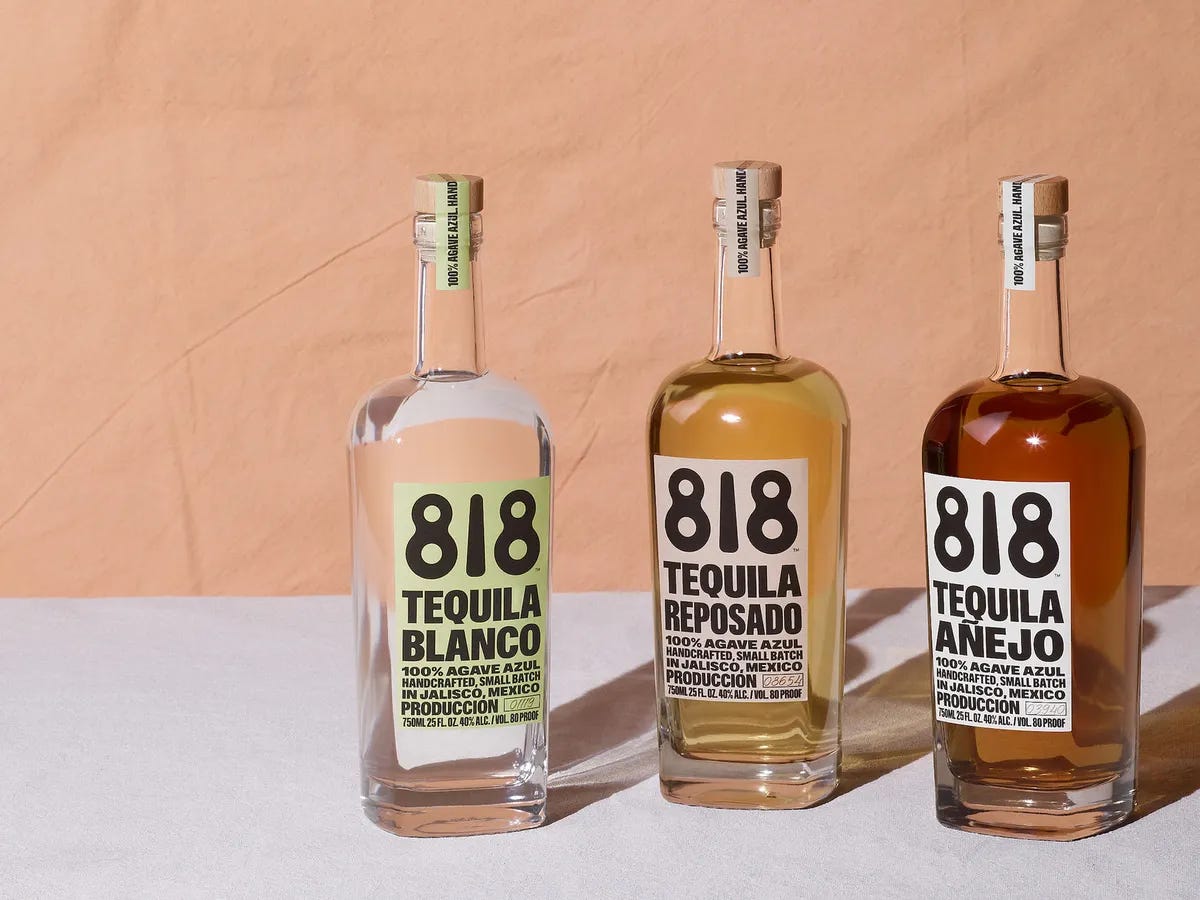
818 is the fastest-growing tequila over $25, with volume up 73% in the latest four weeks while the category slipped 0.4%. That’s what a strategic partner like Sazerac is supposed to deliver.
Bizzy is now the No. 4 refrigerated coffee brand in the U.S., behind Starbucks, STōK and International Delight, with 4.8% dollar share, up 81% in a year. It was founded 11 years ago. Most overnight successes aren’t.
Real Good Foods ranks first in frozen chicken by unit velocity, per brand-supplied Nielsen data. Velocity measures rate of sale, not total sales, so it’s a different claim from being the biggest.
On deck: Constellation Brands reports Tuesday, October 6.
🏪 DISTRIBUTION DOMINATION
Everyone’s everywhere
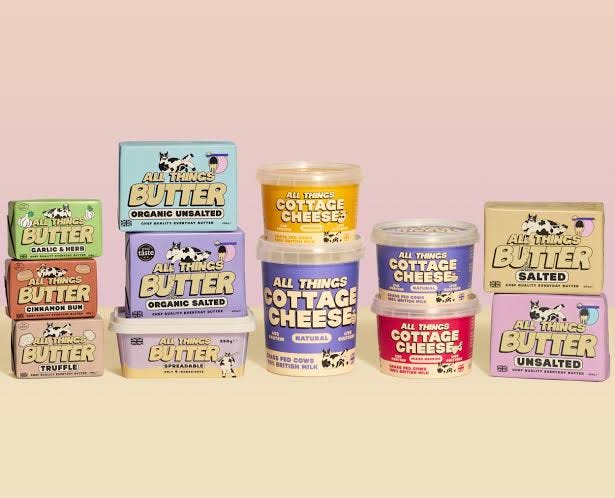
Walmart: Neutonic rolled into nearly 1,000 stores in the new Mood & Mind beverage set, and Unwind, from the Nowadays founders, debuted in about 1,000. Whole Foods: ALL THINGS Butter and BEZi. CVS: Bayer’s MiraSOFT in 7,000-plus stores and Hanhoo in 600-plus. Target: Melting Forest’s D-Stress calming drinks went nationwide. Sprouts: Wave Kids went nationwide. Sephora Europe: Rhode in 500-plus stores across 19 new markets. 7-Eleven: Strip Jerky in select Chicago stores, seven months after launch. DoorDash: added Macy’s and Anthropologie.
👋 PEOPLE MOVES & EXITS
Capri-Sun CEO Roland Weening was “released” after nearly a decade, with owner Dr. Hans-Peter Wild stepping in for now. Chef Gavin Kaysen joined PB&J brand Gallant Tiger as an investor and advisor.
The Outset, Scarlett Johansson’s skincare brand, is winding down after four years. It joins Gwen Stefani’s GXVE, Drew Barrymore’s Flower Beauty and Kate Moss’s Cosmoss. Fame gets the first purchase. It doesn’t get the fifth.
🔥 THE HOT TAKE
My unfiltered opinion on this week’s madness
Founders spend a lot of energy on two things they can’t control: when the market opens and what the rulebook says. This week both moved.
Oura had everything an IPO needs: profit, 90% growth, demand around four times the shares on offer. It stood down anyway. Wella is waiting. Shein got out and got punished. Nobody on the outside can tell you when the window reopens, and I won’t pretend to.
Then the rules. California signed a non-UPF seal and a law that defines a muscle-building supplement partly by how a retailer tags it. New York has another package waiting. The FDA is rewriting GRAS. None of it is coordinated, and the IFT is right that it could get messy before it gets uniform.
Both are out of your hands, and both reward the same two habits, which are in your hands.
The first is that profit buys you the right to wait. Oura had the luxury of choosing its moment. Dose and Graza are running sale processes from strength. Something & Nothing grew U.S. revenue 70% in two months with a team of three. A brand that needs its next raise to make payroll doesn’t get to choose a moment. It gets the one it gets. If you’re two quarters from needing capital, the work is pushing that date back, with margin or with a minority partner, before the market narrows your options for you.
The second is that your claims are a liability you control. The FDA panel backed Galleri and still balked at “early detection.” AB 2030 turns on how a product is labeled, marketed or otherwise represented. So print your label, your ads and your retailer product pages and read them the way a plaintiff’s lawyer would. If a claim only works when you squint, rewrite it now, while it’s free.
What I don’t know is whether the window reopens this fall or stays shut into next year. Nobody does. That’s the point.
Own the things you can: profit and precision.
Build accordingly.
🎙️ COMING TUESDAY
Unpackaged Goods Episode
Oura saying no to a four-times-oversubscribed IPO, Shein’s rough public debut, and the brands selling from a position of profit. Plus California’s new rules, the tariff thaw, and what an FDA panel will and won’t say out loud.
🥫 ONE MORE THING...
Before you close this tab
Red Bull’s advent calendar launched with 24 cans, and one of them is Arctic Berry, a flavor from its 2020 winter lineup. Gap brought back its 1990s fragrances. SidePiece built a functional Dunkaroos. Cove and Good Humor put an ice cream bar in a soda can. Red Bull is reissuing a flavor it already paid to develop.
Nostalgia may be the cheapest R&D budget in consumer. The flavor is built, the customer remembers it, and the only open question is whether the memory is better than the product. Sometimes it isn’t. I’d still keep a few old formulas in a drawer.
Until next Monday, Jonathan Deeter Your CPG-Obsessed Friend
P.S. Prediction ledger. Sweetgreen now has a pickle-mayo menu through November 9, built on Ayoh’s Dill Pickle Mayo. That’s pickle on a national salad menu, which I’m counting as a point for the pickle thesis. Cheez-It also has protein now. Pickle protein powder by Q1 2027 is still outstanding, and at this rate Mars will beat me to it with a Dill Pickle Cheez-It Protein.
Comment NEWSLETTER to get The Deeter Digest delivered straight to your inbox every Monday 🥣