


Issue #16 | February 16, 2026
🥄 FIRST BITE
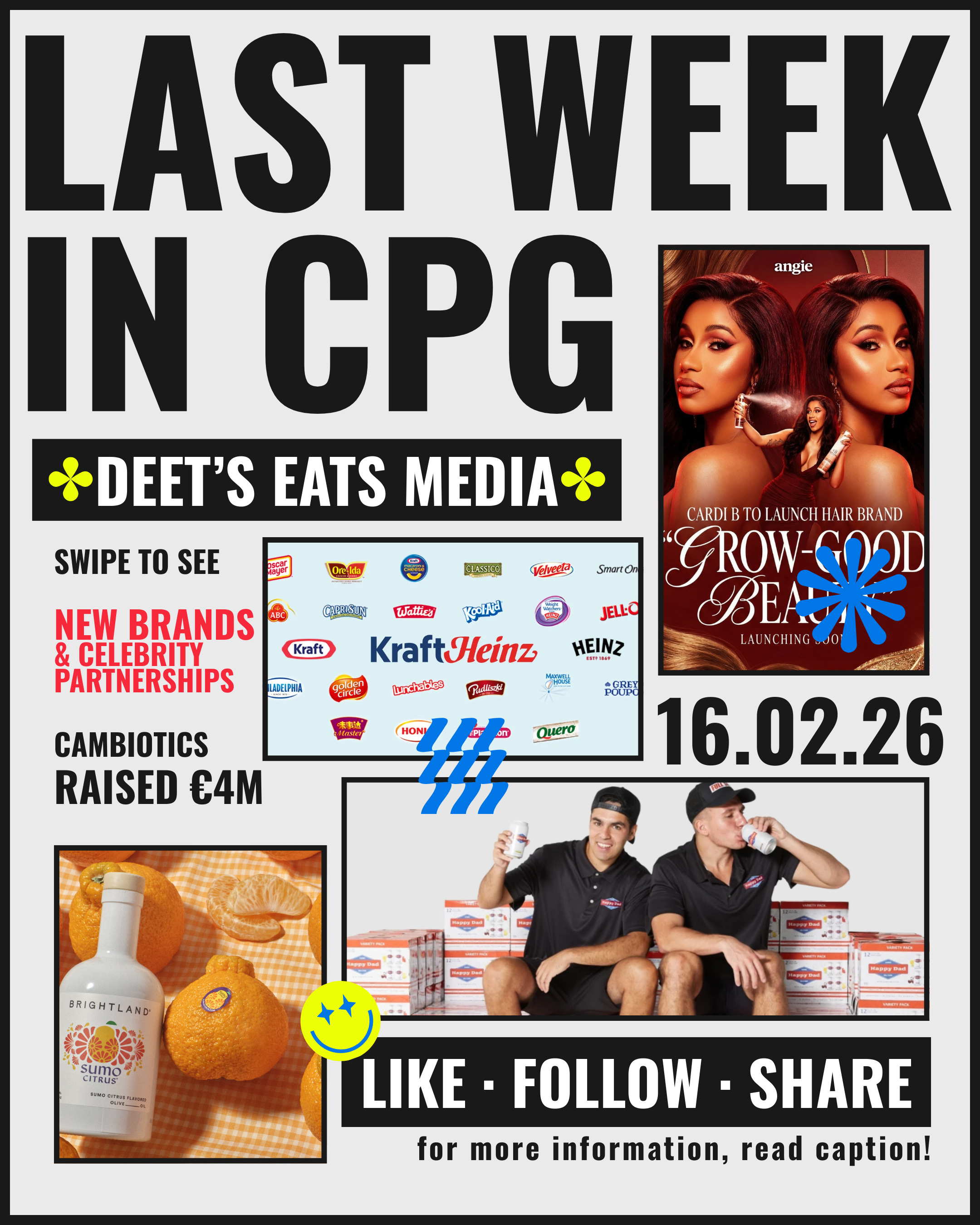
The appetizer before we dive in
Welcome back to The Deeter Digest. This week, Kraft Heinz shocked everyone by pausing their planned corporate split to instead invest $600M in growth, India’s Reliance acquired an Australian beverage portfolio, and someone created a probiotic supplement that claims to flush forever chemicals from your body because apparently 2026 is the year we solve environmental contamination through gut health.
Meanwhile, UFC is launching protein bars, Ashley Graham started a lambrusco wine brand, and Cardi B announced a haircare line because when octagon fighters need protein and rappers pivot to beauty, literally every celebrity-brand combination makes sense now.
The message is clear: when corporate giants reverse course on major restructuring plans and Danish startups target forever chemicals, there are no predictable moves left in business. Let’s feast on the strategic plot twists.
🍊 THE MAIN COURSE
This week’s biggest CPG moves
Kraft Heinz’s $600M Strategic Reversal
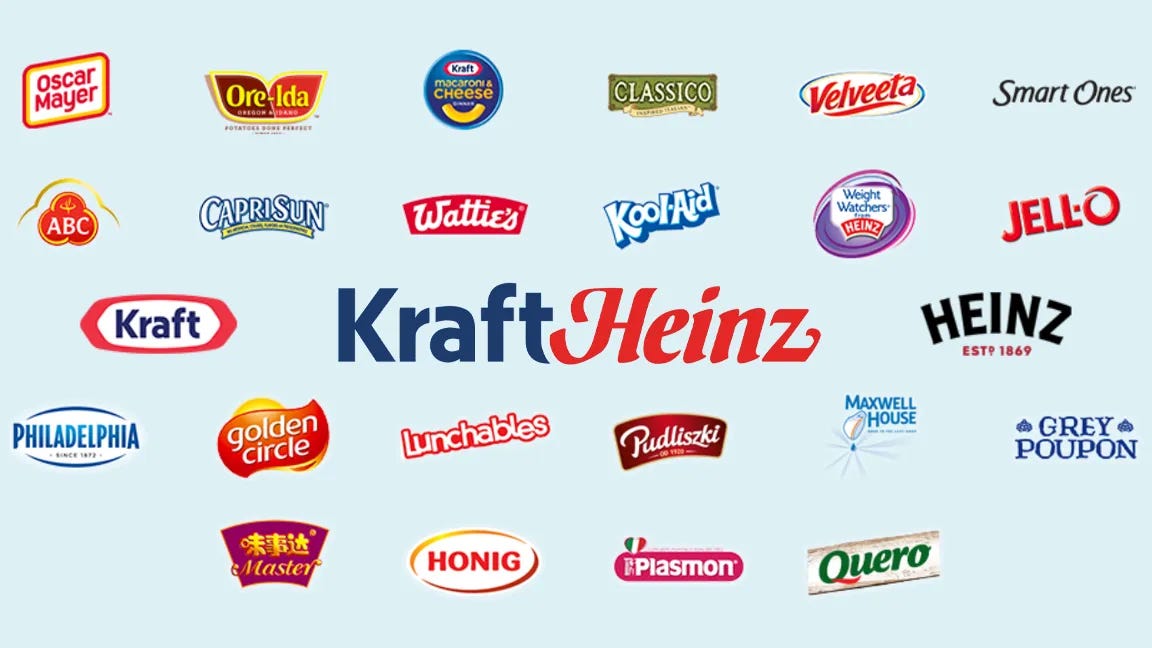
Steve Cahillane, Kraft Heinz’s recently appointed CEO, announced the company is pausing plans to split into two separate entities and will instead invest $600M in sales, marketing, and product development. This represents a massive strategic pivot, especially surprising since Cahillane successfully executed the Kellanova x WK Kellogg split.
This isn’t just a change in corporate structure - it’s a fundamental bet that focused growth investment outperforms financial engineering. When the executive who perfected corporate splits decides against splitting Kraft Heinz, it signals that operational excellence and brand building create more value than portfolio rationalization.
The $600M commitment to growth rather than cost-cutting or financial restructuring indicates that even legacy CPG giants recognize that authentic brand investment drives sustainable returns better than balance sheet optimization.
Reliance’s Australian CPG Expansion
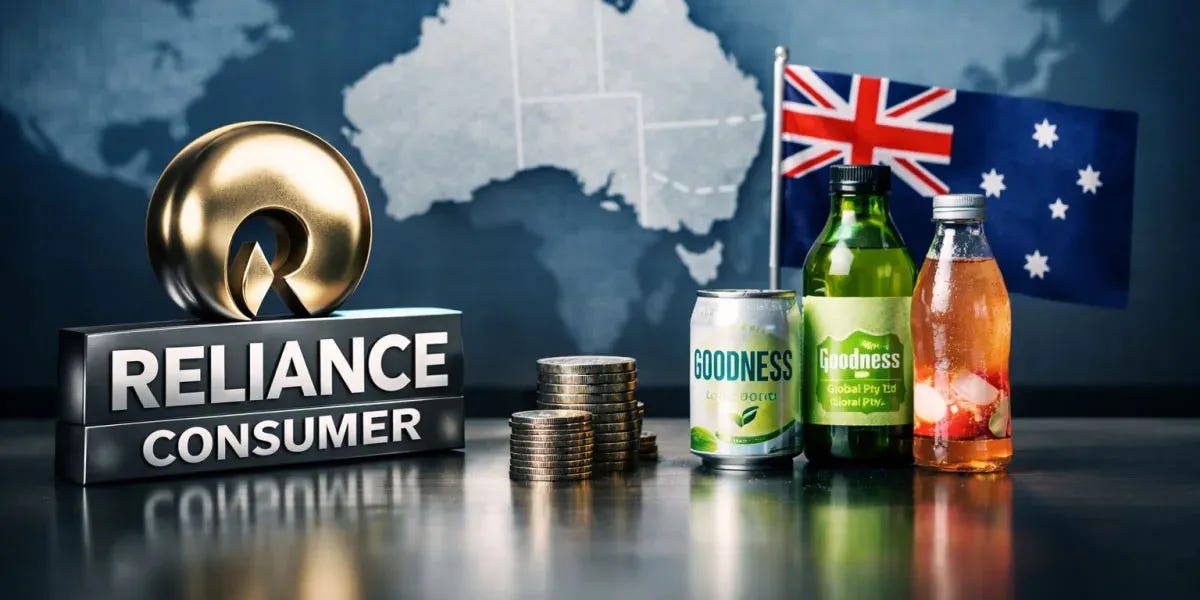
India’s Reliance Consumer Products acquired a majority stake in Goodness Group, gaining control of Australian better-for-you beverage brands including Nexba (kombucha & prebiotic soda), Pace (hydration), Bison (protein coconut water), and The Good Sorts (BFY food & beverage).
This acquisition signals that Indian conglomerates see Australian premium beverage brands as strategic assets for international expansion. When Reliance chooses Australia as their CPG beachhead, they’re betting that better-for-you positioning and established distribution networks justify international investment over building brands from scratch.
The portfolio approach - acquiring multiple complementary brands rather than single assets - suggests sophisticated platform building rather than opportunistic deal-making.
Cambiotics’ Forever Chemical Solution
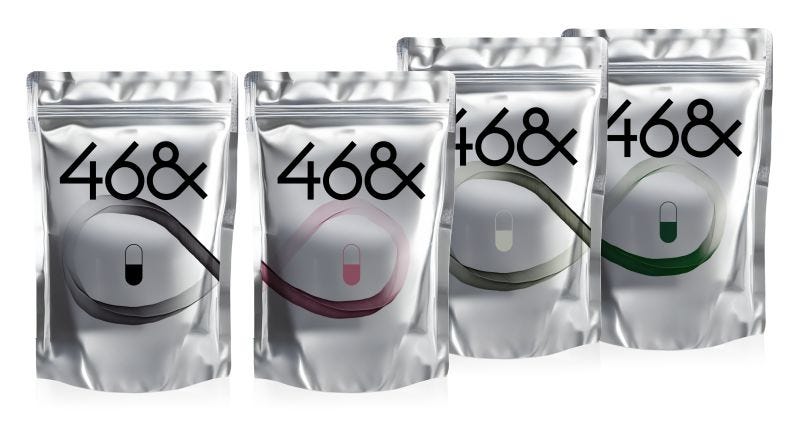
Danish startup Cambiotics raised €4M led by Collaborative Fund for a precision-formulated probiotic supplement designed to flush forever chemicals from the body. The Copenhagen-based company uses specific probiotic strains that support the body’s natural forever chemical removal processes.
This represents one of the most innovative supplement positioning strategies in years. When environmental contamination meets precision probiotics, entrepreneurs create entirely new health categories that address real but underserved consumer concerns. Forever chemicals (PFAS) contamination affects millions globally, but virtually no supplements target this specific problem.
The Collaborative Fund backing validates that environmental health solutions with scientific backing attract serious institutional investment when they solve authentic problems rather than manufactured wellness trends.
💰 THE FUNDING FRENZY
Big checks being written
Collaborative Fund’s Environmental Health Bet
Cambiotics’ €4M seed round led by Collaborative Fund, with participation from Denmark’s Export and Investment Fund and True, validates that environmental health supplements addressing forever chemical contamination represent legitimate investment opportunities.
When funds known for backing authentic innovation invest in probiotic solutions for environmental toxins, they’re betting that precision wellness targeting specific health challenges creates defensible market positions in crowded supplement categories.
🆕 PRODUCT LAUNCHES & COLLABORATIONS
This week’s innovation circus
Celebrity Brand Expansion Continues
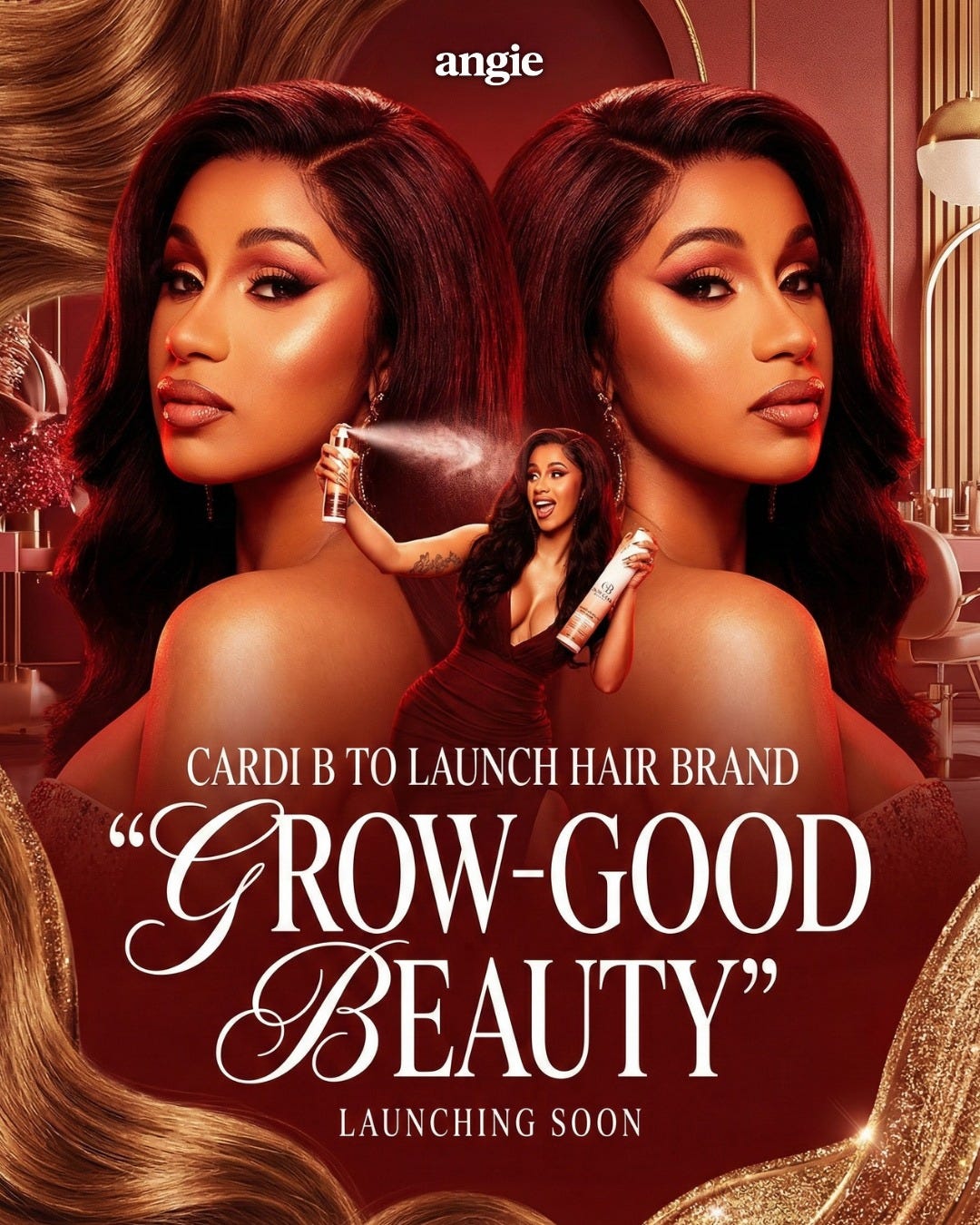
Cardi B announced Good-Grow Beauty, her first owned beauty brand launching spring 2026 as part of her joint venture with Revolve Group. Ashley Graham co-founded Lucci, a lambrusco sparkling red wine brand with Skylark’s Danny Epstein.
These launches represent the continued evolution of celebrity brands beyond endorsements toward authentic owned businesses. When rappers create haircare lines and models launch wine brands, celebrity entrepreneurs are diversifying beyond obvious category connections.
UFC’s Protein Bar Strategy
UFC partnered with FoodStory Brands to launch UFC-branded protein bars, leveraging FoodStory’s track record of scaling Fresh Cravings to $100M+ and generating over $100M with Yellowstone food products.
When combat sports organizations license protein products, they’re capitalizing on authentic audience alignment rather than opportunistic brand extensions. UFC’s core audience values performance nutrition, making protein bars a logical brand extension with genuine consumer relevance.
Premium Collaborations
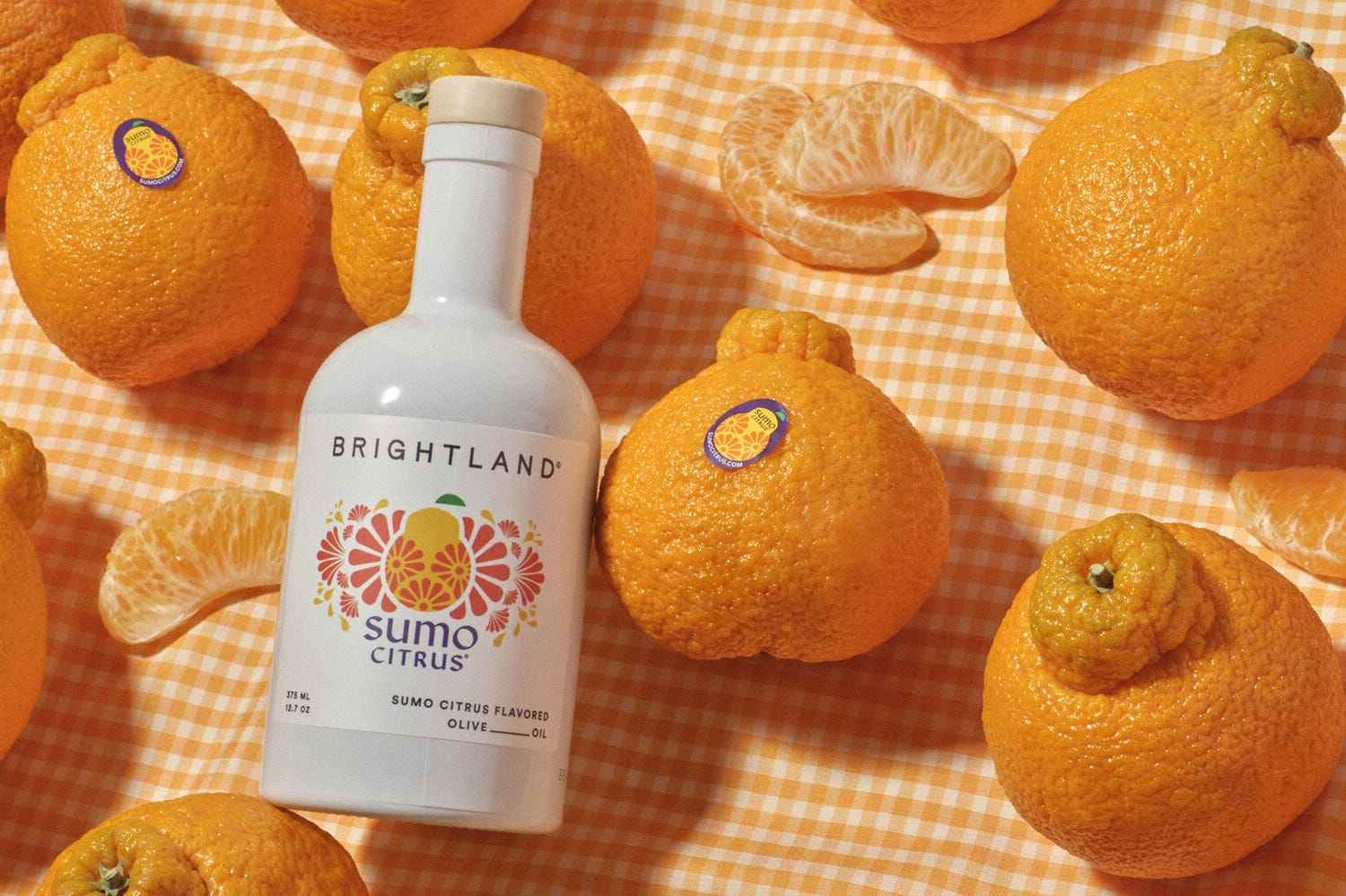
Brightland and Sumo Citrus created limited-edition citrus olive oil for $48 exclusively online. Cocokind collaborated with OLIPOP on beauty products. The Coconut Cult partnered with MALK for functional collaborations.
These partnerships show how premium brands create limited-edition products that command higher margins while generating buzz through unexpected category combinations.
Tony’s Chocolonely Innovation
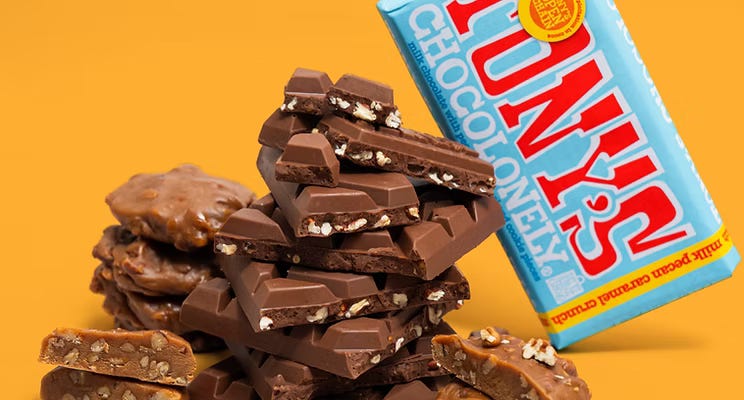
Tony’s Chocolonely launched filled chocolate bars in the Netherlands with three flavors: Milk Caramel Sea Salt Crunch, Milk Hazelnut Praline Crunch, and Milk Chocolate Ganache. This represents product line extension from their core mission-driven chocolate positioning.
When ethical chocolate brands expand into premium filled bars, they’re leveraging brand equity built through social mission to justify premium positioning in indulgent categories.
📊 THE DATA DIGEST
Numbers that actually matter
Happy Dad’s Dry January Dominance
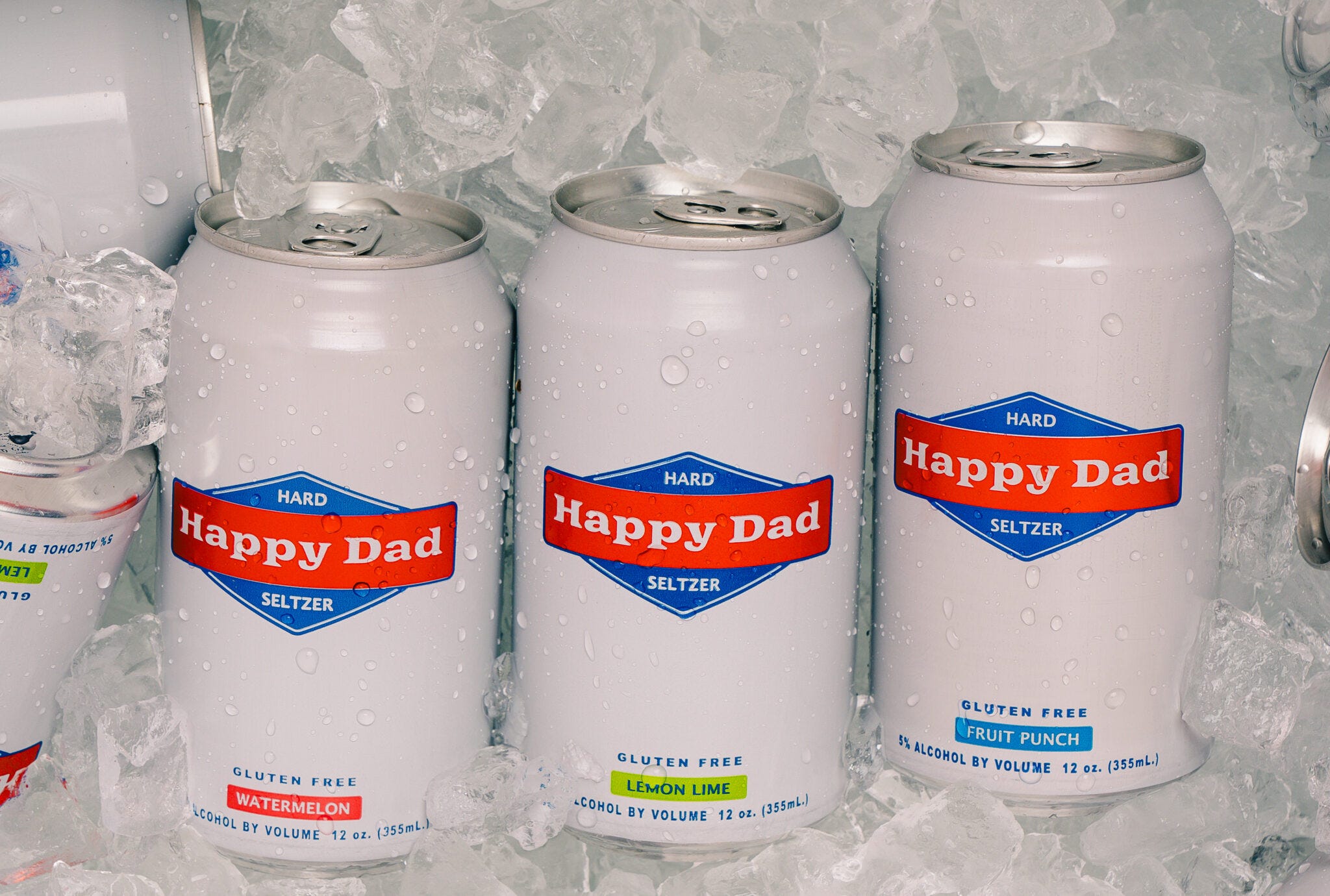
Happy Dad ranked #1 in hard seltzer growth during Dry January with 31% year-over-year sales increases, while White Claw grew 3.4% and Truly declined 10.8%. Happy Dad is approaching #3 position in convenience store hard seltzer.
This proves that authentic brand personality and consistent messaging drive category leadership even during challenging periods. When younger-skewing alcohol brands achieve 31% growth during the least favorable sales period, they’ve built genuine consumer loyalty beyond seasonal consumption patterns.
Cadence’s Retail Success
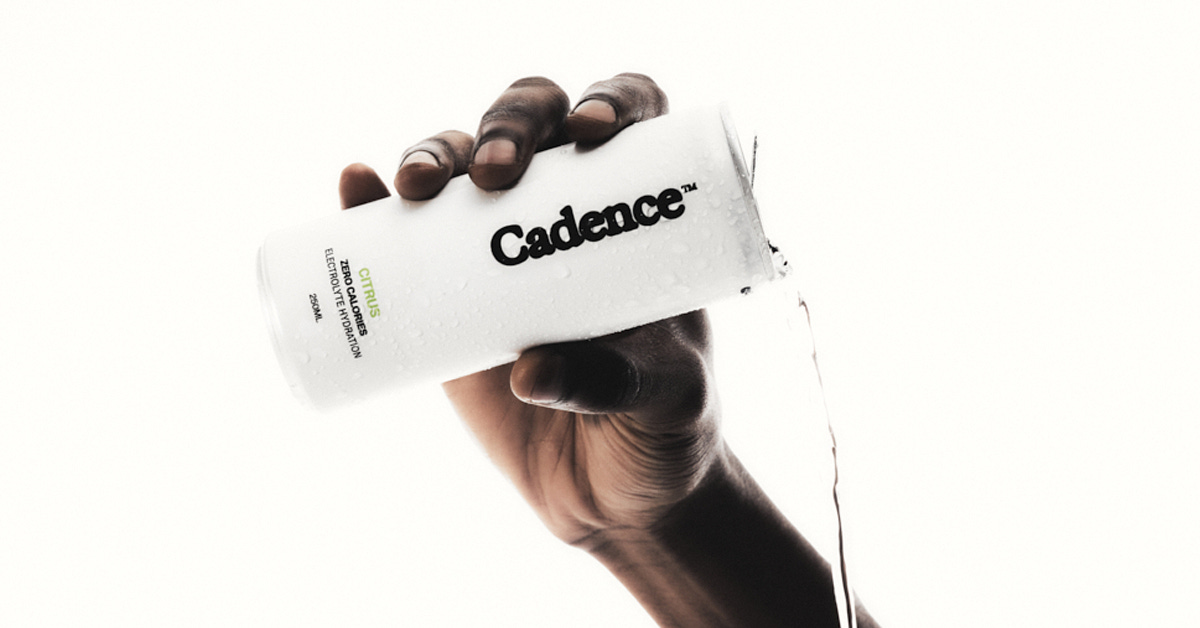
After refreshing their can design in December 2025, Cadence became the #1 RTD hydration brand at both GNC and The Vitamin Shoppe, with major retail launches planned for the near future.
When hydration brands achieve category leadership in specialty wellness retail through design optimization, it validates that packaging excellence directly impacts sales velocity in competitive categories.
David’s $100M+ Platform Building
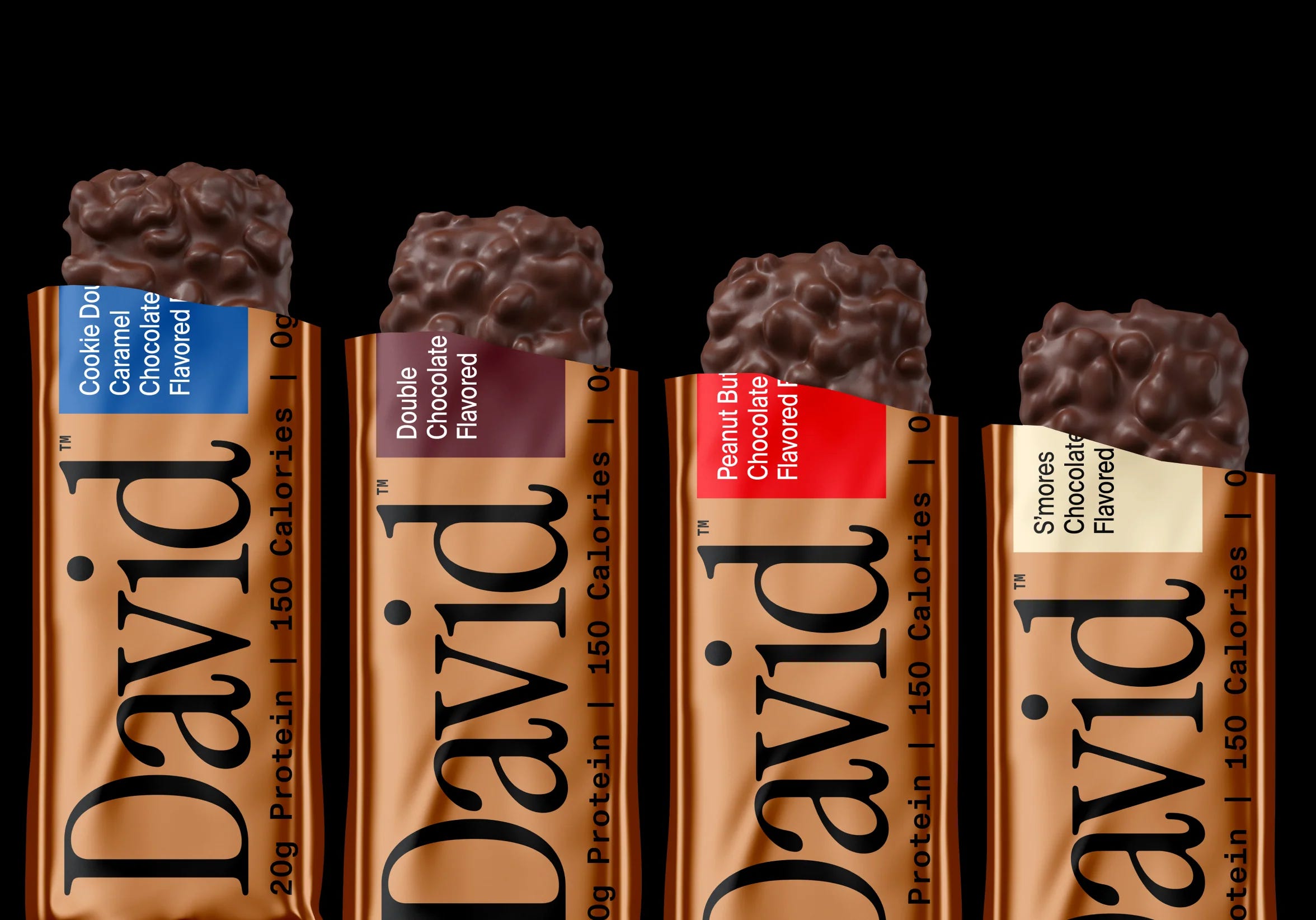
David surpassed $100M in sales in 2025, acquired EPG supplier Epogee, landed at Kroger/Target/Walmart/Wegmans, and launched Bronze line extensions. The brand plans expansion under Medici umbrella for new opportunities.
This demonstrates how successful brands scale through vertical integration, retail expansion, and platform building rather than just product line extensions.
🏪 DISTRIBUTION DOMINATION
Everyone’s everywhere
Target’s Premium Acceleration
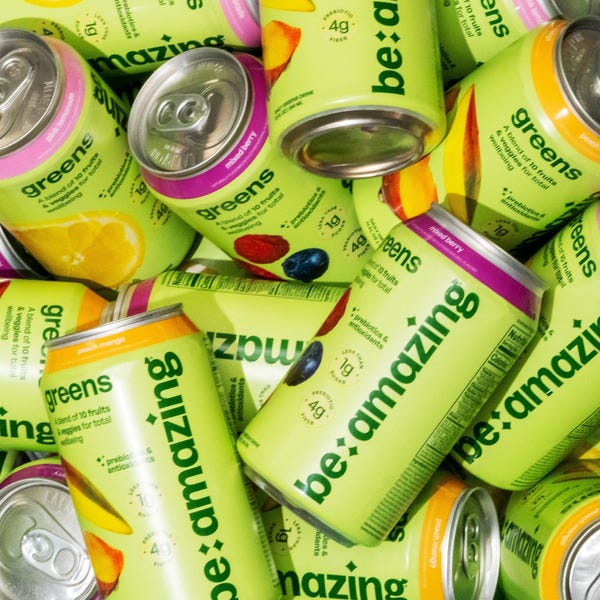
Be Amazing, Crave New World, and Scott’s Protein Balls all launched at Target, continuing the retailer’s strategy of rewarding proven brands with national distribution.
Sprouts’ Curated Expansion
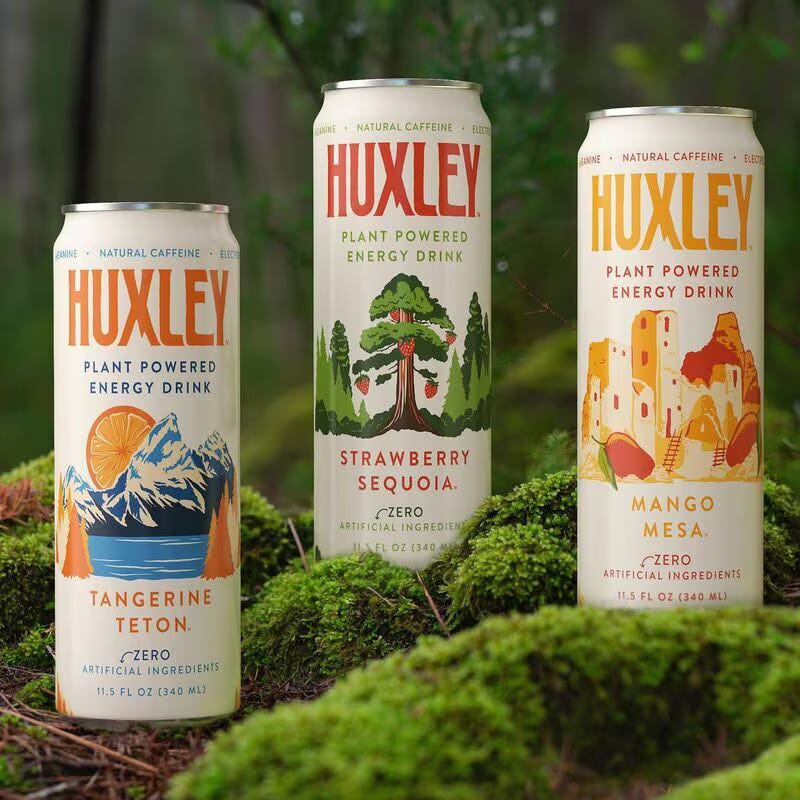
Mateina launched nationwide at Sprouts, joining Huxley and Wild Fox in the natural retailer’s expanding portfolio of functional and innovative brands.
Walmart’s Mainstream Validation
Lovebird launched at Walmart, bringing premium positioning to mass market accessibility through the retail giant’s growing better-for-you selection.
When specialty brands simultaneously secure Target, Sprouts, and Walmart distribution, they’re executing comprehensive channel strategies that build brand equity while driving volume.
🔥 THE HOT TAKE
My unfiltered opinion on this week’s madness
This week revealed something crucial about the current business landscape: the most successful strategies involve doubling down rather than diversifying.
Kraft Heinz’s decision to pause their corporate split and invest $600M in growth represents a fundamental recognition that operational excellence beats financial engineering. When the CEO who perfected corporate splits chooses growth investment over portfolio rationalization, it signals that brand building creates more sustainable value than balance sheet optimization.
Meanwhile, Cambiotics targeting forever chemicals through precision probiotics represents exactly the kind of authentic innovation that creates defensible market positions. When environmental contamination meets gut health science, entrepreneurs solve real problems rather than manufacturing wellness trends.
The celebrity brand evolution continues maturing beyond endorsements toward authentic owned businesses. Cardi B’s haircare line and Ashley Graham’s wine brand represent genuine entrepreneurship rather than licensing deals, suggesting that celebrity founders are building sustainable businesses rather than exploiting temporary fame.
But the most telling signal? Happy Dad’s 31% growth during Dry January while established brands struggled. When younger-focused alcohol brands achieve category leadership during the most challenging sales period, they’ve built genuine consumer loyalty that transcends seasonal consumption patterns.
UFC’s protein bar partnership validates that authentic audience alignment drives successful licensing better than opportunistic brand extensions. When combat sports meets performance nutrition, the connection feels genuine rather than manufactured.
The pattern is clear: the winners are deepening existing strengths rather than chasing new opportunities. Whether that’s Kraft Heinz investing in core brands, David building the Medici platform, or Tony’s expanding into filled chocolates, success comes from authentic expansion rather than strategic diversification.
Forever chemical probiotics might sound like science fiction, but solving real environmental health problems through precision supplementation represents exactly the kind of authentic innovation that builds lasting businesses.
🎙️ COMING TUESDAY
Unpackaged Goods Episode 17
Breaking down Kraft Heinz’s $600M strategic reversal and what it means for legacy CPG transformation, Reliance’s Australian beverage platform strategy, and why forever chemical probiotics represent the future of environmental health supplements. Plus: Happy Dad’s Dry January domination and what it reveals about authentic brand building.
🥫 ONE MORE THING...
Before you close this tab
Spotted De La Calle’s refreshed branding yesterday. Sometimes the most impactful changes are the subtle ones - clearer callouts, bolder flavor cues, improved imagery. When Mexican soda brands optimize for retail friendliness without losing authenticity, they master the balance between heritage and commercial success.
The strategic reversal revolution is here.
Until next Sunday, Jonathan Deeter Your CPG-Obsessed Friend
P.S. - A probiotic supplement that flushes forever chemicals from your body sounds like something from a dystopian novel, but when environmental contamination meets precision gut health science, the future of wellness gets wonderfully weird.
Links: TikTok | Instagram | Newsletter | Pickle Advisors | YouTube
This newsletter is finished with Trophy Wife Finishing Salts - elevating every bite since 2025