


Issue #40 | August 3, 2026
🥄 FIRST BITE
The appetizer before we dive in
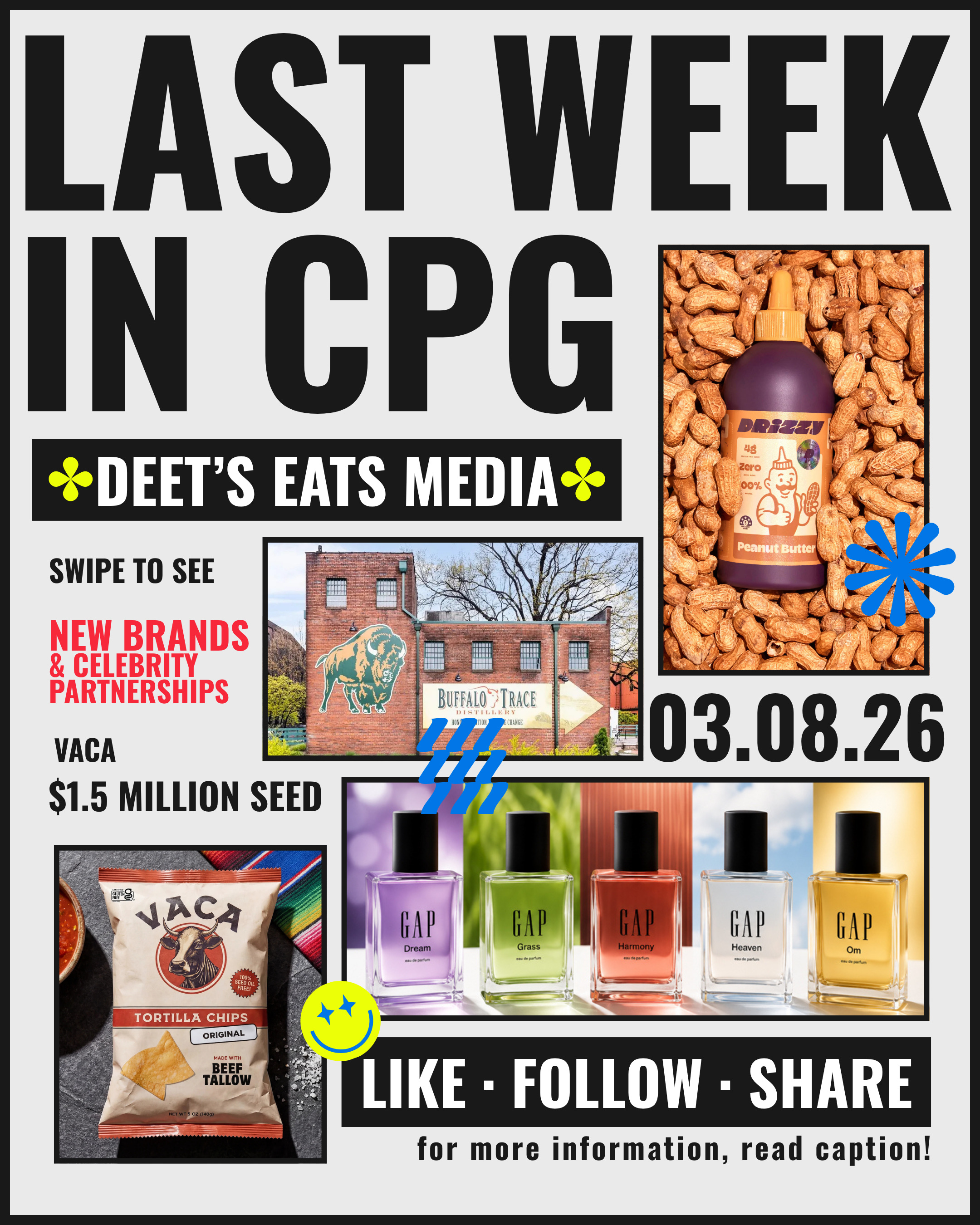
Something strange happened in beverage alcohol this week, and it took four deals to see it.
LVMH sold its stake in Beyoncé’s whisky back to Beyoncé. Campari sold Cabo Wabo and a cognac house to a buyer that specializes in neglected spirits brands. Brown-Forman’s family shareholders rejected a $15 billion offer for Jack Daniel’s for the second time in three months. And Spanish brewer Damm bought into a British soda company.
Meanwhile, AB InBev said Cutwater is on track to become a billion-dollar brand.
Read those together. Spirits companies are pruning. Beer companies are buying growth outside beer. One family that could cash out for $15 billion said no twice.
The growth in alcohol has moved outside alcohol. The companies that saw it early are writing checks. Everyone else is deciding what still belongs in the portfolio.
Let’s dig in.
🍊 THE MAIN COURSE
This week’s biggest CPG moves
Brown-Forman Rejects Sazerac’s $15 Billion Bid. Again.
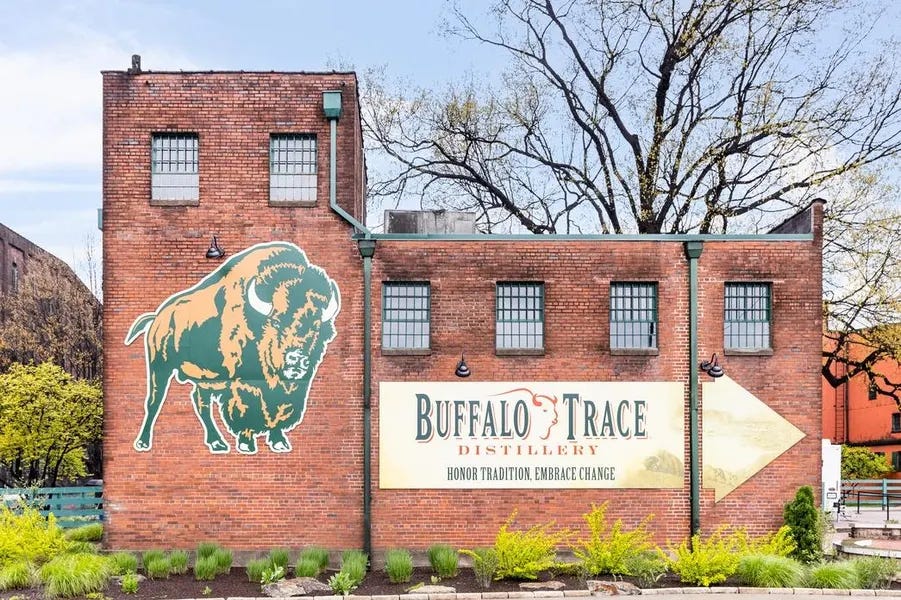
Brown-Forman’s board rejected Sazerac’s renewed all-cash offer of $32 per share, roughly $15 billion. Sazerac went directly to shareholders and directors after the board rejected the same proposal in May, and said it would improve the terms if Brown-Forman engaged.
The family did not blink. Wolf Pen Branch LP, which represents Brown family members holding the majority of Class A voting shares, called the proposal “not actionable” and said it did not fit their vision for the company.
The combination would have put Jack Daniel’s and Buffalo Trace under one roof and created the world’s second-largest drinks group behind Diageo. It also would have ended Brown-Forman’s 156 years of family control.
That is why the premium did not matter. Brown-Forman’s voting stock is controlled by fourth-, fifth-, and sixth-generation family members who are not optimizing for an exit. Ownership structure is strategy, not a cap-table footnote.
There is a cost to that choice. Brown-Forman ended merger talks with Pernod Ricard in April, cut 12% of its global workforce last year, and still needs to replace retiring CEO Lawson Whiting. Independence does not make those problems disappear. It means the family believes solving them is worth more than $15 billion.
Celebrity spirits lose their conglomerate protection
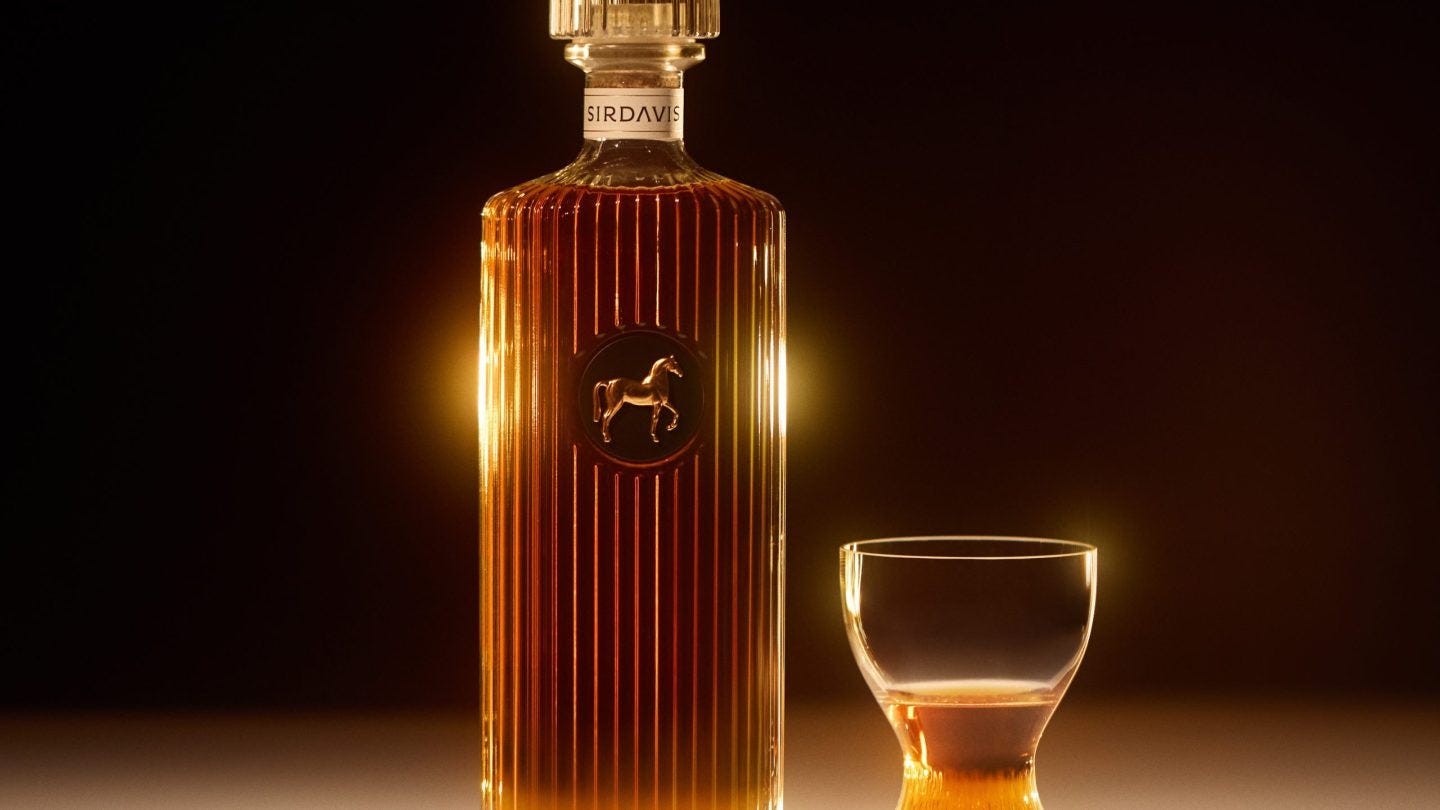
Moët Hennessy sold its stake in SirDavis American Whisky to Beyoncé Knowles-Carter, giving her full ownership of the brand they launched together in 2024. Terms were not disclosed. SirDavis is now woman-, family-, and Black-owned, and enters its next chapter without LVMH.
Most coverage framed this as Beyoncé gaining control. The direction of the transaction matters more: LVMH sold. La Lettre reported in January that Moët Hennessy wanted SirDavis off the books to focus on core brands. The division also cut roughly 13% of its workforce last year.
Campari made a similar call this week, selling Cabo Wabo Tequila and Bisquit & Dubouché Cognac to Cobblestone Brands. Cobblestone’s thesis is simple: buy brands that are too small to matter inside a conglomerate but large enough to work as standalone businesses.
In seven days, two global spirits groups exited celebrity-linked brands. Fame can buy trial, distribution meetings, and launch attention. It cannot manufacture repeat purchase. Beyoncé now owns all of SirDavis, but she also owns the work LVMH’s distribution machine used to do.
Full ownership is freedom when demand travels with you. Otherwise, it is exposure.
Brewers want growth that is not beer
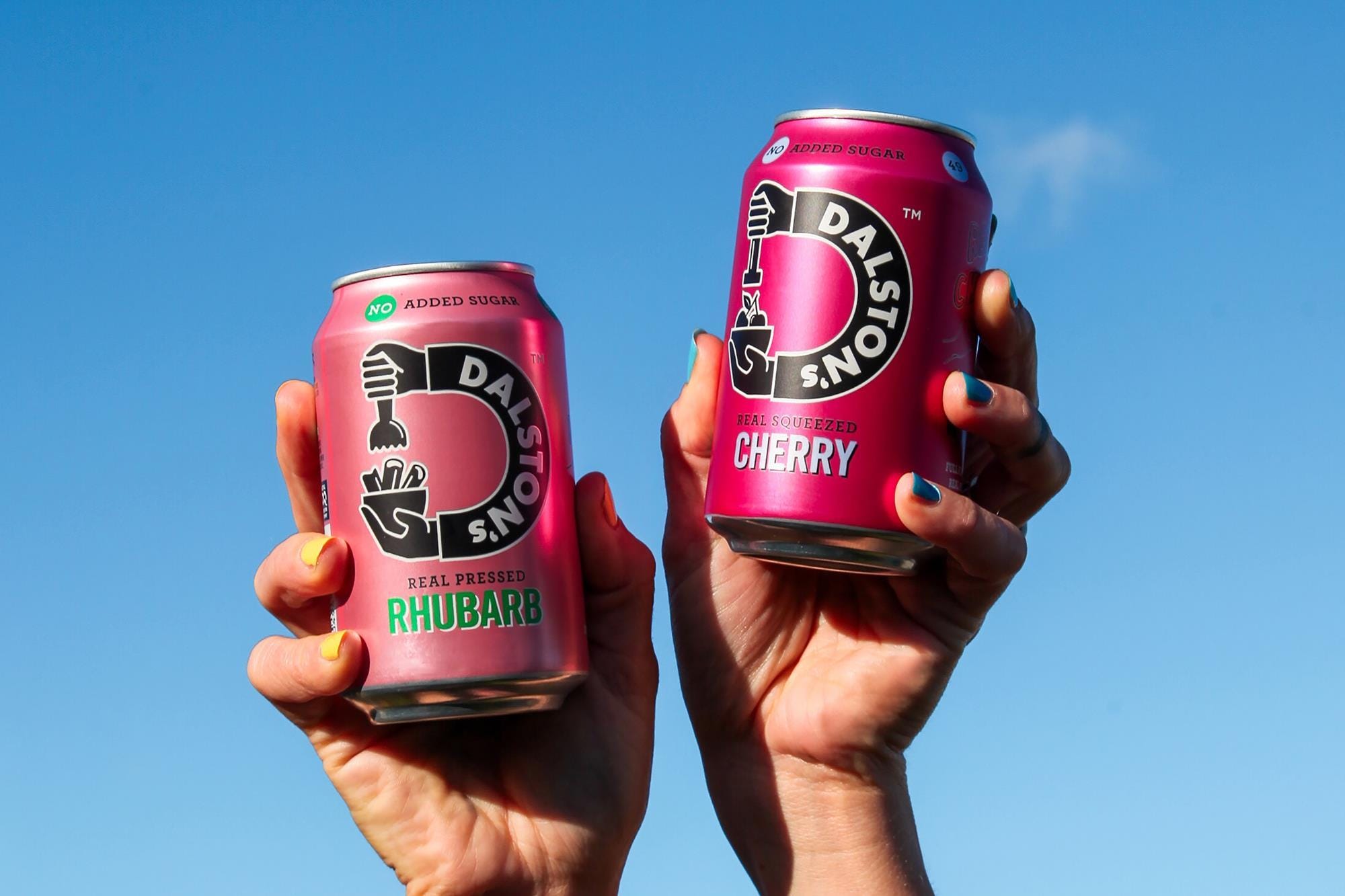
Spanish brewer Damm acquired a stake in Dalston’s, the UK better-for-you soda brand stocked at Asda, Waitrose, Ocado, and thousands of independent stores. Dalston’s gets Damm UK’s production and distribution infrastructure. Damm gets another route beyond beer.
Now look at AB InBev. The company reported $16.66 billion in Q2 revenue, with beer volumes up 1.1%. No-alcohol sales grew 27%. Cutwater delivered triple-digit revenue growth and is tracking toward a billion-dollar brand.
That gap explains the deal flow. Brewers have cold-chain distribution, retail relationships, and a core category growing around one percent. Non-alcoholic soda, canned cocktails, and functional drinks offer the growth their legacy portfolios cannot.
Orkla spends €207 million to feed BUBS
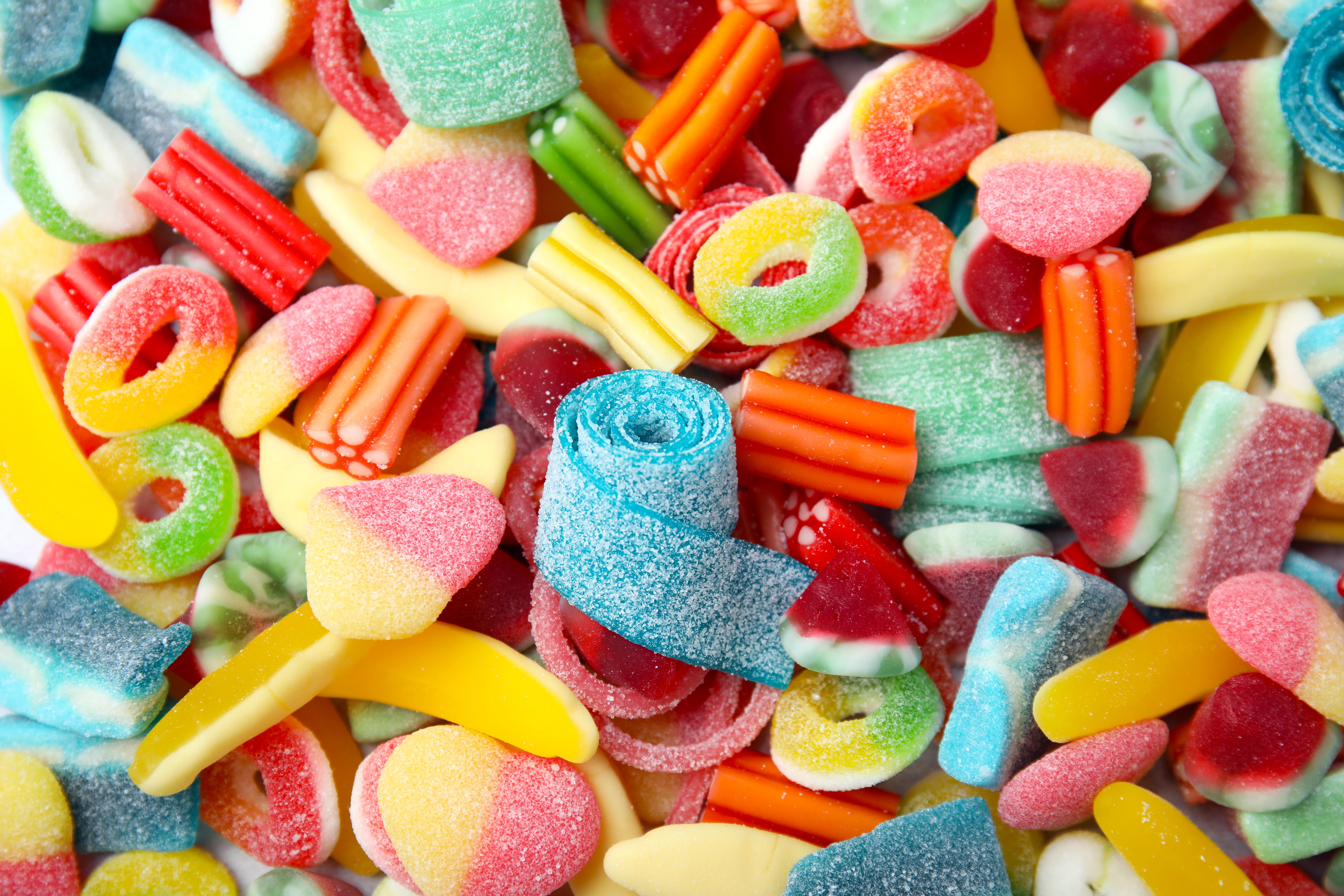
Orkla is acquiring The European Candy Group for €207 million. ECG operates four factories and expects €110 million in revenue and €21 million in adjusted EBITDA in 2026. Orkla’s stated reason is capacity: it needs more candy production to keep up with demand for BUBS.
This is the third straight week we have seen a company buy its own supply. Vitamin Well merged with EMPWR to own bar manufacturing. Vita Coco bought its Thai coconut supplier. Starco bought a baking-mix plant. Now Orkla is buying four candy factories.
Co-manufacturing becomes the constraint right when demand proves out. By then, the brand is negotiating from weakness. Orkla has the balance sheet to solve that problem with an acquisition. Most brands do not.
The operating lesson is not “buy a factory.” It is to model capacity earlier than feels necessary. Demand is only useful when you can fill the order.
💰 THE FUNDING FRENZY
Big checks being written
Align Ventures closes a concentrated $125 million fund
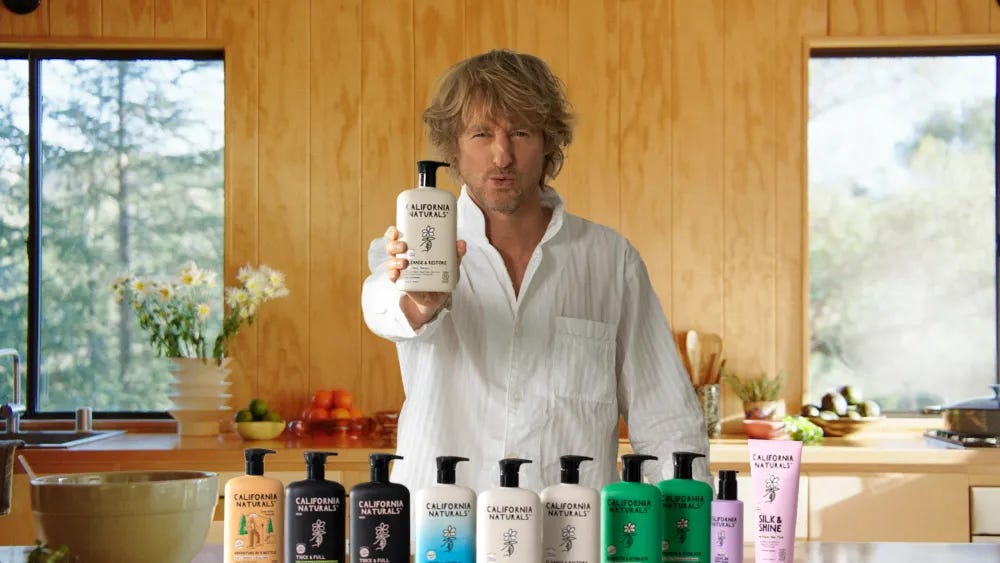
Align Ventures closed Fund II with $125 million in commitments. The firm plans to write $2 million to $10 million checks across 15 to 20 consumer brands. Its portfolio includes Starface, OLIPOP, California Naturals, The Farmer’s Dog, and Blue Zones Kitchen, with exits including Billie, Coterie, Hims, Touchland, and FIGS.
The math tells the strategy. This is not spray-and-pray seed investing. Align is concentrating capital behind fewer brands and keeping room for follow-on checks. The exit list is the pitch: it has returned money in a category where many funds have not.
Consumer capital is not disappearing. It is consolidating around fewer managers backing fewer companies with more conviction.
The Farmer Companies hires someone who has run the play
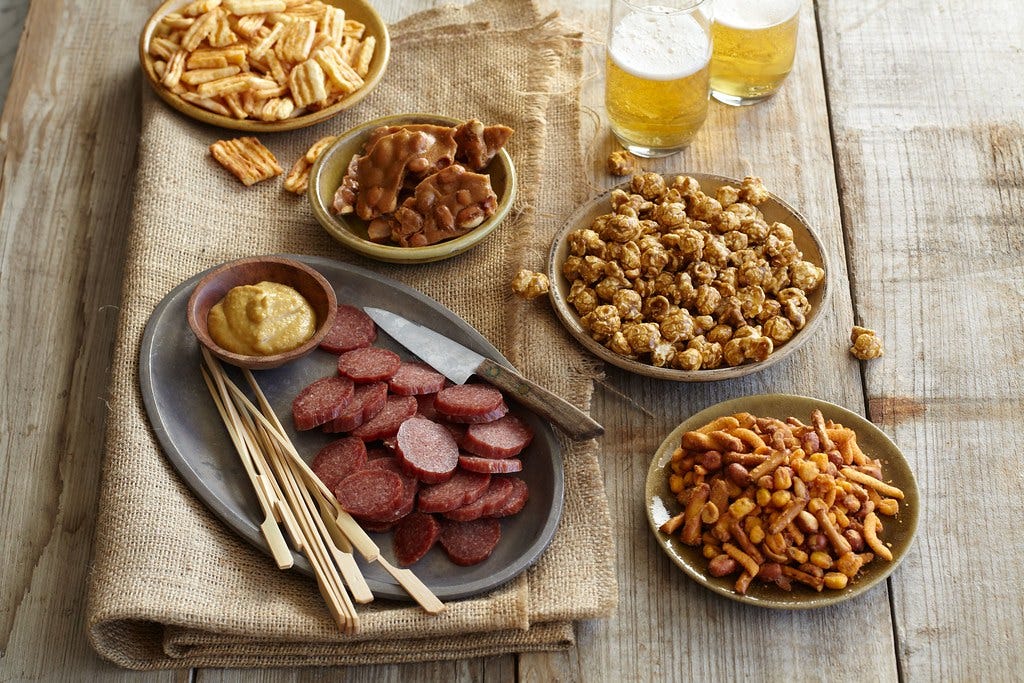
Whisps parent The Farmer Companies raised $17 million from Raff Ventures and AJAX Capital Partners and named former Dot’s Pretzels CEO Randy Johnson as chief executive. Johnson helped take Dot’s from $19 million to $250 million in annual sales before its $1.2 billion sale to Hershey.
The hire is the strategy. The company owns Whisps plus snack licenses for Guinness, Cabot Creamery, and Nathan’s Famous. It has brands, licensing relationships, and now fresh capital. Johnson has already run the exact national-scale play the board wants.
When a company announces the CEO and the round together, it is telling you the clock has started.
Epicutis proves there is life outside Sephora
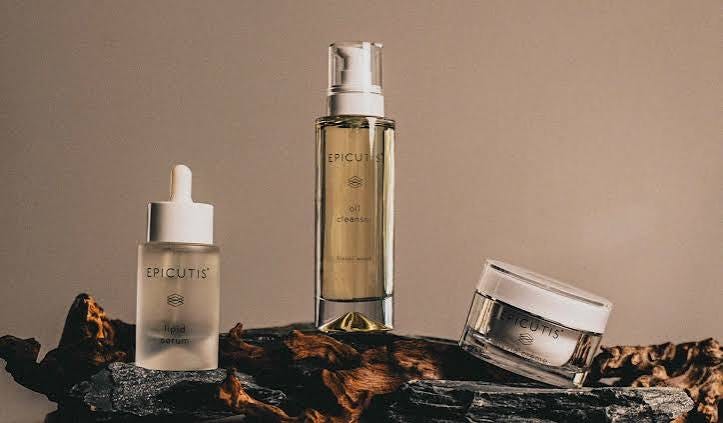
Professional skincare brand Epicutis raised $25 million from GroundForce Capital after reaching more than 4,000 professional accounts and reporting a 100% revenue CAGR over two years.
Everyone chases Sephora and Ulta. Epicutis built through med spas and dermatology offices, where the person recommending the product is already trusted. The channel is less glamorous, but customer acquisition can be cheaper and the expert endorsement is built into the sale.
Quick Hits
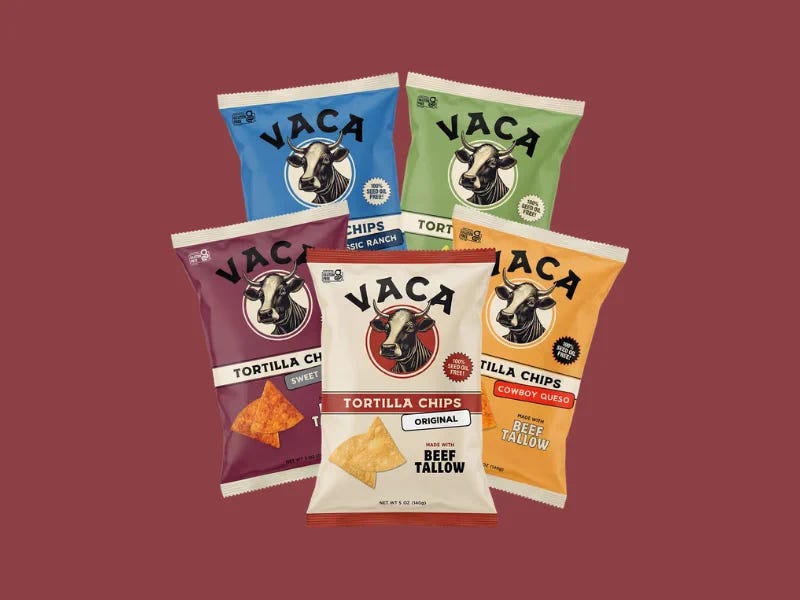
Vaca: $1.5 million seed led by BAM Ventures. The beef-tallow and organic-corn chip brand says it is tracking toward more than $1 million in August revenue, sixteen months after launch.
Plantopia: $ 9 million, co-led by Schreiber Foods and Siddhi Capital. A global dairy producer investing in dairy alternatives tells you exactly why the round matters.
DITTO: $6 million for menstrual-health nutrition, led by FoodLabs with Eka Ventures participating.
DAYLY: Strategic capital from Morrison Seger roughly a month after launching morning and nighttime toothpaste formulas built around circadian wellness.
ESW Beauty: Investment from TikTok creators Katie Fang and Aliya Rachinski. Revenue is expected to exceed $20 million this year, up from $11 million in 2025.
🆕 PRODUCT LAUNCHES & INNOVATION
This week’s innovation circus
Gap sells 1995 for $52
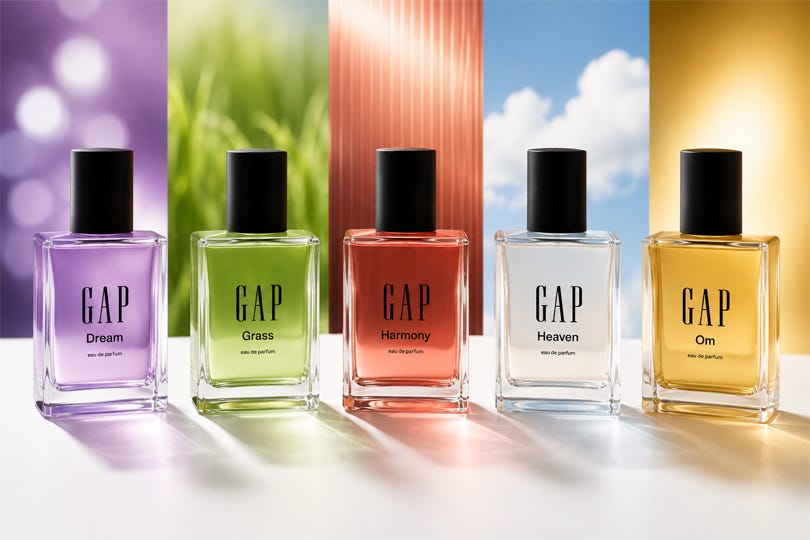
Gap returned to beauty with Dream, Grass, Heaven, Harmony, and Om. The revived fragrances retail for $52, with Victoria Pedretti leading the “Wear What You Feel” campaign.
This is not a traditional product launch. Gap reopened its archive and found recognition it did not have to buy. More on that before we close.
Beverage and Snack
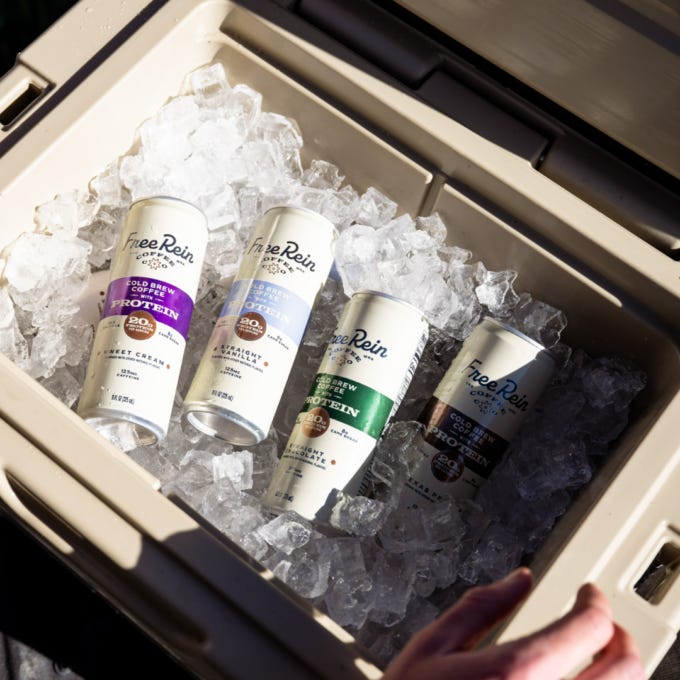
Free Rein Coffee: Protein cold brew with 20g of protein, plus protein K-Cups. Coffee is officially in the protein arms race.
Joel Gott Wines: Sauvy B, a canned Sauvignon Blanc spritz with electrolytes, now at Total Wine, Target, and Walmart. I genuinely cannot decide whether this is innovation or a cry for help.
Nello: Apple Rush energy drink with 150mg of green-tea caffeine, exclusive to Target.
Brio Nutrition: mushroom drinks enter natural, conventional, and liquor channels, beginning with a storewide ABC Fine Wine & Spirits launch.
VKTRY Protein: 3.3-ounce shots with 23g of protein, launching September 1 from TRUBAR and IQ Pouch founder Brad Pyatt.
Ni-Howdy: squeezable soy sauce. Finally, a format improvement nobody needed a white paper to understand.
Buff Beauty: 22 nail and beauty-tool SKUs from Birchbox co-founder Katia Beauchamp, including a “skincare for your nails” line.Beauty and Wellness
📊 THE DATA DIGEST
Numbers that matter
Vita Coco’s supply-chain bet gets an immediate proof point:
Vita Coco reported net sales of $216 million, up 28%. Net income more than doubled to $49 million, and adjusted EBITDA rose to $67 million from $29 million. Gross margin expanded from 36% to 49%, helped by roughly 700 basis points of tariff refunds. Full-year net-sales guidance increased to $790 million to $805 million.
Private label grew 83%, and the company closed its $175 million Copra acquisition on July 22. Vita Coco bought more control over its supply chain, then reported its strongest quarter of the week three days later.
IP enforcement is becoming a revenue line:
Timeline won $5.3 million in damages against 19 sellers of counterfeit Urolithin A supplements. That follows Van Leeuwen’s $23.785 million trade-dress judgment last week.
Two weeks, two consumer brands, nearly $30 million in IP awards. Keep the old packaging files. Register what is defensible. Enforcement is expensive until it pays.
🏪 DISTRIBUTION DOMINATION
Everyone’s everywhere
Walmart added Rogue Snacks in 2,800 stores. Walgreens brought Refresh Gum to more than 2,200 locations. Sprouts took Swishables’ portable mouthwash sticks nationwide, pushing the brand beyond 6,000 retail doors in twelve months.
Elsewhere: SkyPop Protein Soda reached Southern California Costco; Protein Candy entered Hy-Vee; SOLLOS Yerba Mate landed on Gopuff; Smood Sweets joined Misfits Market; Kirra Iced Tea reached Goop Kitchen; and Brio’s mushroom drinks went storewide at ABC Fine Wine & Spirits.
The standout is Swishables. Mouthwash sticks are easy to understand, easy to display, and built for the impulse zone. Six thousand doors in a year is what format-market fit looks like.
👋 PEOPLE MOVES
Stefano Curti joined Dossier as executive chairman after decades at Johnson & Johnson and a run as global chief brands officer at Coty. American Pacific Group acquired a significant stake in Dossier earlier this year. That combination usually means the company is preparing for a more disciplined scale phase.
Diana Rubin became Bubble’s first CMO after helping scale Sol de Janeiro at L’Occitane Group and spending more than a decade across Kiehl’s, YSL Beauty, and Lancôme.
Ben Bennett notched another exit. TSG Consumer is acquiring a majority stake in Saltair, the body-care brand co-founded by Bennett’s incubator The Center and Iskra Lawrence. Naturium, Phlur, and Saltair now give The Center three beauty exits in three years. Saltair is expected to exceed $150 million in sales this year, and Lawrence will remain chief community advocate.
Three exits in three years is not a lucky streak. It is a system.
🔥 THE HOT TAKE
My unfiltered opinion on this week’s madness
Beer companies learned adjacency because decline forced them to. Spirits companies learned portfolio pruning because premiumization stopped hiding weak volume.
That difference matters. A brewer can put soda, canned cocktails, non-alcoholic beer, functional drinks, and eventually THC beverages through much of the same route-to-market machine. A spirits house built around heritage, aging inventory, and high prices has less room to pivot. You cannot turn a 150-year-old cognac house into an electrolyte soda because the category moved.
So the brewers buy. The spirits groups sell. Damm buys Dalston’s. AB InBev points investors toward Cutwater and no-alcohol growth. LVMH exits SirDavis. Campari sells Cabo Wabo and Bisquit & Dubouché.
This does not mean alcohol disappears. It means the valuable asset is shifting from the liquid to the occasion. Consumers still want something cold at dinner, something social at a party, something to hold at a bar. They are less committed to that thing containing traditional alcohol.
Founders should understand the leverage this creates. If you are building a non-alcoholic, functional, or adjacent beverage, the big brewer may need your growth more than you need its capital. It already has the trucks, the retailer relationships, and the cold-box space. What it lacks is a portfolio growing faster than one percent.
Celebrity founders should study the other side. Fame opens the launch window. It does not guarantee a place in the strategic partner’s portfolio two years later. Full ownership sounds great until the distributor walks out with its infrastructure.
Build demand that survives the partner.
🎙️ COMING TUESDAY
Unpackaged Goods Episode
Why Brown-Forman’s family rejected $15 billion, why LVMH walked away from Beyoncé’s whisky, and why beer companies keep buying everything except beer. Plus Orkla’s €207 million candy-capacity bet and Gap selling 1995 in a bottle.
🥫 ONE MORE THING...
Before you close this tab
Gap’s new fragrance line includes a $52 bottle called Grass. The original came out in the nineties.
The company did not invent a new product. It went into its own archive, found something people still remembered, and put it back on the shelf. In a market where recognition is expensive, cultural memory is an asset that costs almost nothing to store.
Van Leeuwen won $23.8 million last week because it kept its old design files. Gap is selling nostalgia it created thirty years ago. Different outcomes, same lesson.
Your archive is an asset. Most founders treat it like storage.
Until next Monday, Jonathan Deeter Your CPG-Obsessed Friend
P.S. Joel Gott put electrolytes in canned Sauvignon Blanc. We have added electrolytes to water, coffee, candy, wine, and whatever Ascent is doing. Electrolytes are the new protein: a legitimate performance ingredient slowly becoming a marketing default. When someone puts them in a cracker, remember I called it here.
Comment NEWSLETTER to get The Deeter Digest delivered straight to your inbox every Monday 🥣
TikTok | Instagram | Newsletter | Pickle Advisors | YouTube
This newsletter is finished with Trophy Wife Finishing Salts - elevating every bite since 2025