


Issue #31 | June 1, 2026
🥄 FIRST BITE
The appetizer before we dive in
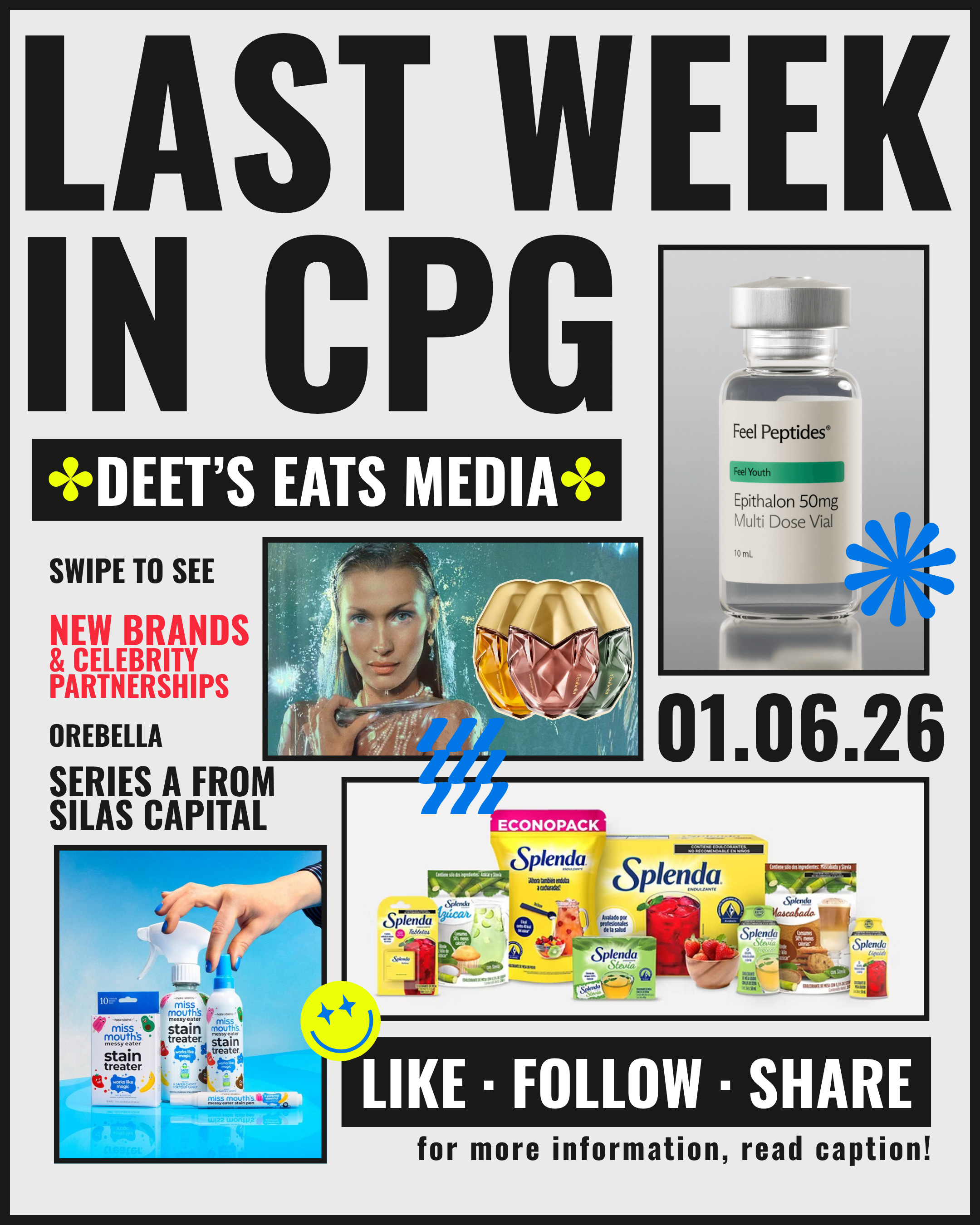
Welcome back. Church & Dwight just paid $325 million for a stain remover brand you’ve probably never heard of. Miss Mouth’s Messy Eater did $80M in sales and $28M in EBITDA — the number one stain remover on Amazon. A digitally native brand built on millennial and Gen Z parent trust, acquired by the company behind OxiClean, Arm & Hammer, and Hero Cosmetics. The playbook keeps repeating: build a niche brand with fanatical customers and dominant digital market share, and the strategics will come knocking with nine-figure checks.
Meanwhile, Imperial Brands paid $150M plus earnout for Black Buffalo because Big Tobacco knows the next habit might not look like a cigarette. Bloom is on pace for $500M in revenue. Khloud raised $15M with the former Poppi president running the show at 29,000+ doors. THC beverages hit $239M in tracked channels, up 135%. And Chomps landed at 7-Eleven — the meat stick brand approaching $900M is now in the most visited retail format in America.
The theme this week is boring problems, massive outcomes. A stain remover worth $325M. A tobacco alternative worth $150M. A sweetener portfolio consolidation play. The brands solving the most mundane daily problems at scale are producing the biggest exits. Nobody posts about stain remover on TikTok. Church & Dwight doesn’t care. The $28M in EBITDA speaks for itself. Let’s dig in.
🍊 THE MAIN COURSE
This week’s biggest CPG moves
Church & Dwight Acquires Miss Mouth’s for $325M — The Boring Problem Thesis
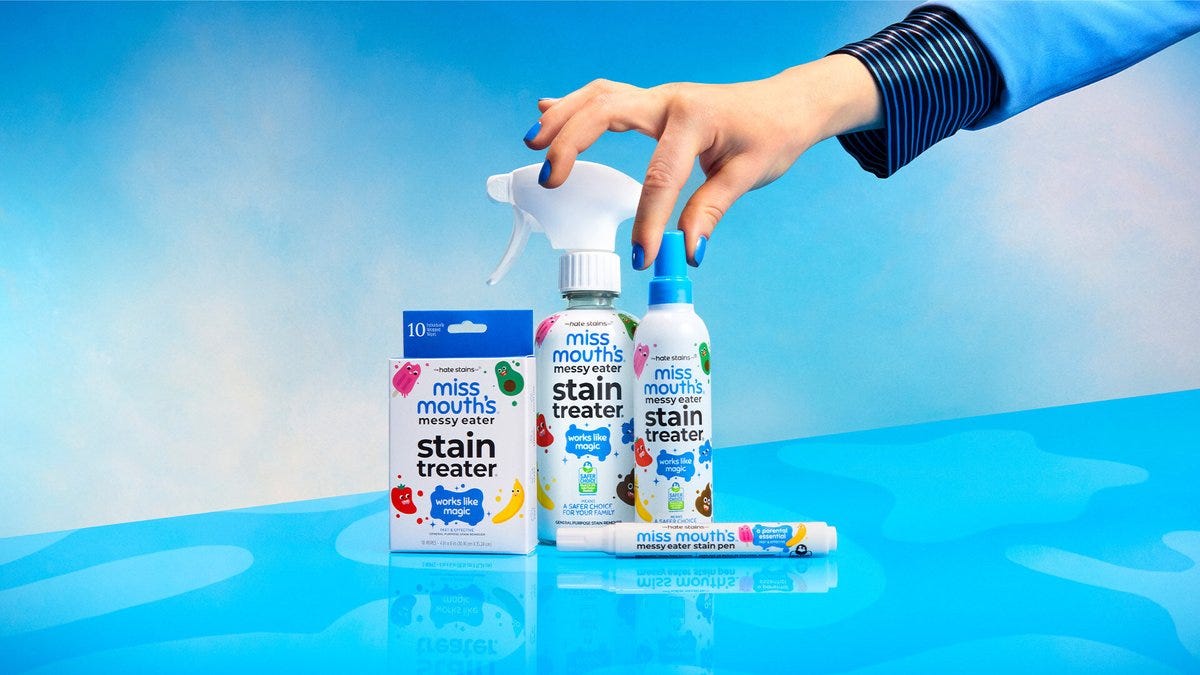
Church & Dwight acquired Miss Mouth’s Messy Eater for approximately $325 million. The brand generated $80M in net sales and $28M in EBITDA in 2025. Miss Mouth’s is the number one stain remover on Amazon and recently expanded to Walmart, Target, and other U.S. retailers. The brand targets millennial and Gen Z parents with non-toxic, eco-friendly stain removal.
A stain remover. Three hundred and twenty-five million dollars. For a brand that removes food stains from kids’ clothes.
Church & Dwight’s acquisition playbook is one of the most consistent in CPG. Hero Cosmetics (pimple patches). TheraBreath (oral care). Touchland (hand sanitizer). Now Miss Mouth’s (stain remover). Every acquisition follows the same pattern: find a digitally native brand that dominates a specific niche on Amazon, has fanatical customer loyalty, and operates with asset-light margins. Then acquire it and plug it into Church & Dwight’s retail distribution infrastructure.
Miss Mouth’s at $80M in sales and $28M in EBITDA represents a 35% EBITDA margin. That’s exceptional for a household products brand at this scale. The roughly 4x revenue and 11.6x EBITDA multiple Church & Dwight paid reflects the premium for high-margin, digitally native brands with proven retail expansion potential.
For every founder building a “boring” product: Miss Mouth’s is the proof that solving mundane daily problems at scale produces massive outcomes. Nobody goes viral for stain remover. The product just works. Parents tell other parents. Amazon reviews compound. And Church & Dwight writes a $325M check.
Imperial Brands Acquires Black Buffalo for $150M + Earnout
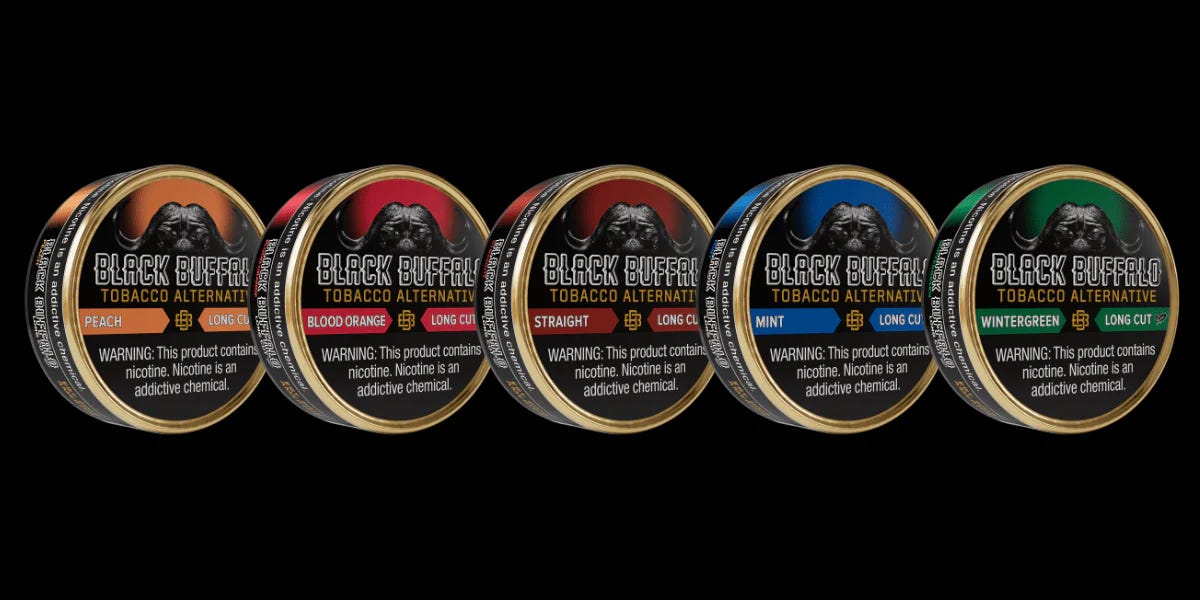
UK-based Imperial Brands acquired tobacco alternative brand Black Buffalo for $150M plus earnout. Founded in 2015, Black Buffalo grew topline revenue 10x from 2020 to 2022. Backed by Listen Ventures, Access Capital, Watchfire Ventures, Vice Ventures, and others.
Big Tobacco is buying tobacco alternatives. The category shift is structural: traditional tobacco consumption is in secular decline. Every major tobacco company needs exposure to the products replacing cigarettes and traditional smokeless. Black Buffalo’s 10x revenue growth from 2020 to 2022 proved the consumer demand for tobacco alternatives is real and accelerating.
Imperial Brands paying $150M plus an earnout for a brand that’s less than a decade old validates the entire tobacco-alternative investment thesis that Vice Ventures and Listen Ventures have been building. Vice Ventures specifically backs “vice” categories — alcohol, tobacco alternatives, cannabis — and Black Buffalo is now their most prominent exit. The earnout structure means Imperial believes there’s significant upside beyond $150M if Black Buffalo continues its growth trajectory under Imperial’s global distribution.
Heartland Acquires Whole Earth Brands Americas — Sweetener Empire Building
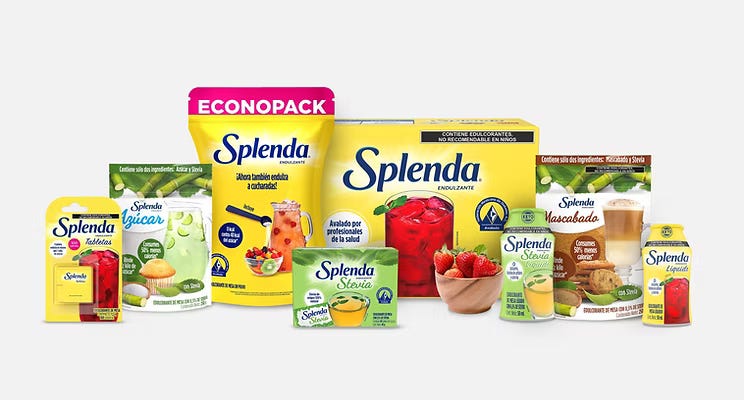
Heartland Food Products Group, owner of Splenda, acquired the Americas business of Whole Earth Brands and its portfolio of sweeteners. Heartland now owns Equal, Swerve, Whole Earth, Chuker, and Splenda — essentially consolidating the alternative sweetener category under one roof.
Sweetener consolidation. Not glamorous. Not trending. But enormously significant for the food industry. Heartland now controls the broadest portfolio of alternative sweeteners in the Americas — from mainstream (Splenda, Equal) to specialty (Swerve for keto baking, Whole Earth for natural positioning). When one company owns the entire sweetener shelf from keto to mainstream, they control pricing, shelf placement, and innovation across the category. Every food and beverage brand that uses alternative sweeteners — and that’s most of them in 2026 — is now dealing with a more consolidated supplier base.
Khloud Raises $15M — The Former Poppi President Is Running the Show
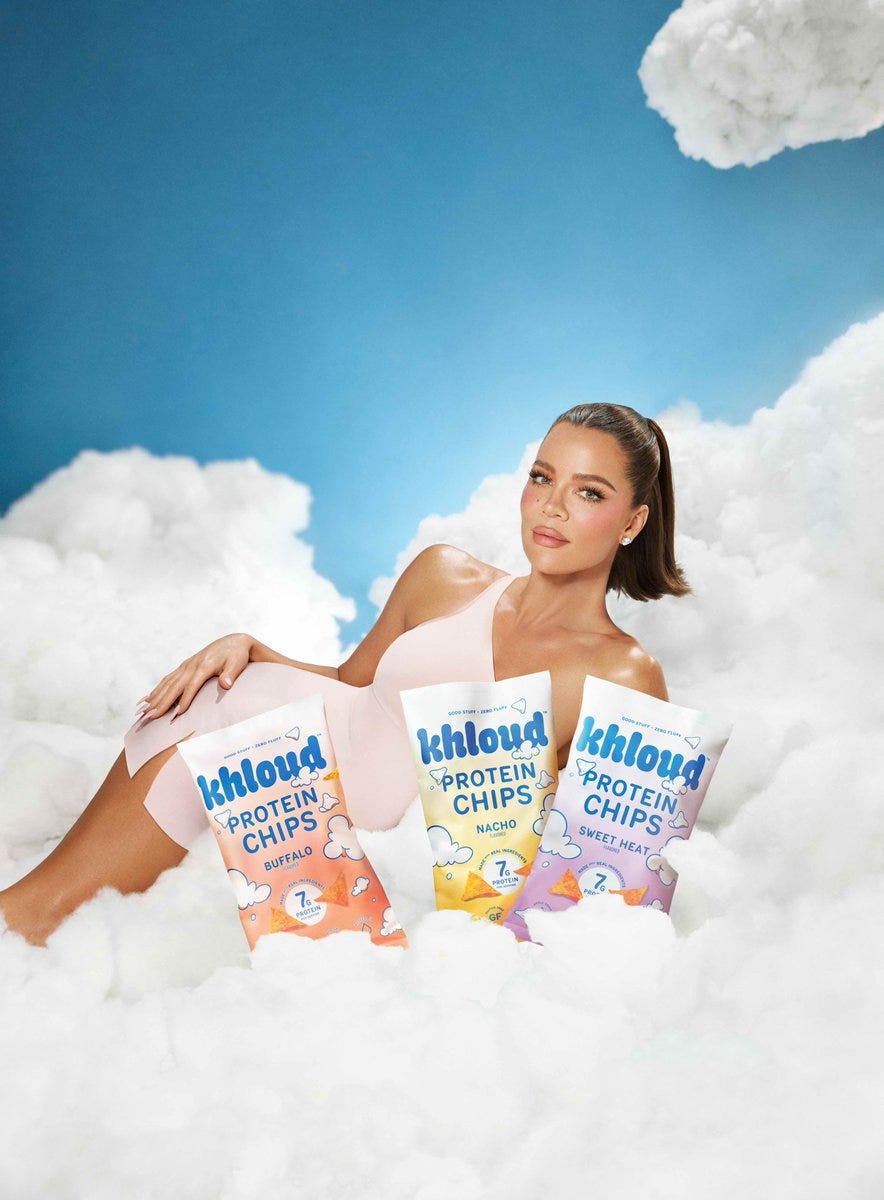
Khloud, the functional snack brand created by Khloe Kardashian, secured $15M in equity funding. Since launching early last year, Khloud has landed at more than 29,000 doors, including Target, Walmart, Sprouts, and Starbucks. Jeff Rubenstein, the former President and Chief Growth Officer at Poppi, took over as CEO in September.
Twenty-nine thousand doors in roughly a year. Target, Walmart, Sprouts, AND Starbucks. With the former Poppi president running operations. This is what happens when a celebrity brand gets serious operational leadership. Rubenstein helped scale Poppi to its $2B exit to PepsiCo. He knows what velocity looks like at scale and how to build for an exit.
The $15M raise from undisclosed investors and 29,000 doors creates a profile that increasingly looks like a brand being built for acquisition. Protein chips at Target, Walmart, and Starbucks with the operational playbook from a $2B exit founder at the helm. The Khloe Kardashian association drives the trial. Rubenstein’s execution drives everything else.
Bloom on Pace for $500M
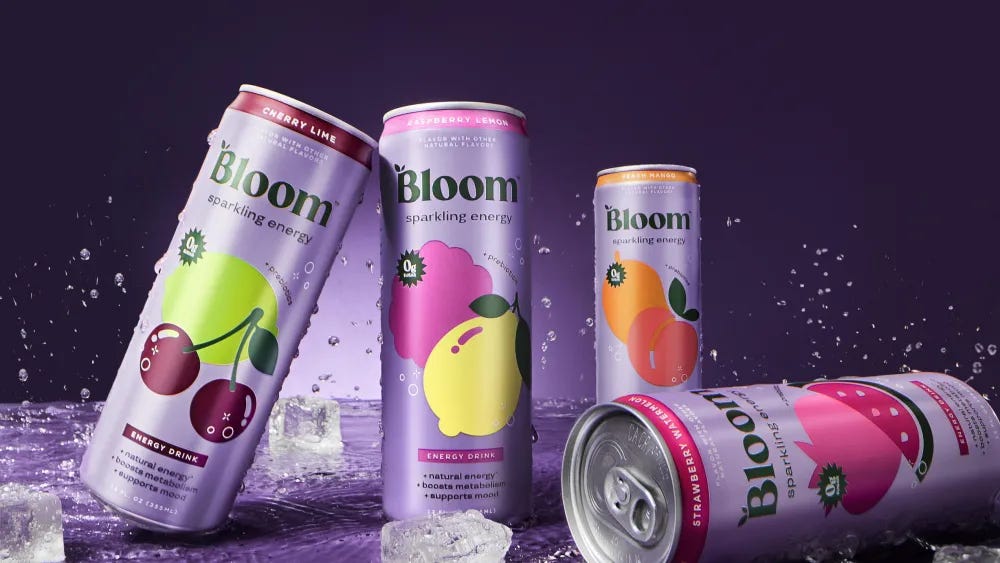
Bloom Nutrition is on pace to hit $500M in revenue this year. CEO Greg LaVecchia attributes the growth to community building and catering to digital consumers with omnichannel shopping behaviors.
Half a billion dollars. For a supplement and functional beverage brand that built its audience primarily through social media and digital community. Bloom’s trajectory — from TikTok-viral greens powder to $500M diversified nutrition platform under Nutrabolt — is one of the most impressive scaling stories in CPG right now. The appointment of Andrew Archambault (former Hershey President) as Nutrabolt’s President and COO signals that the platform is preparing for its next phase. Bloom plus C4 Energy under one roof, with Hershey-level operational discipline at $500M and growing, is a platform that strategics will be watching closely.
💰 THE FUNDING FRENZY
Big checks being written
Orebella — Series A from Silas Capital

Bella Hadid’s clean fragrance brand closed a Series A led by Silas Capital. Existing investor Celebrands also participated. Former Colgate-Palmolive CMO Anish Agarwal appointed CEO. Silas Capital’s portfolio includes Vacation, Makeup by Mario, and YSE Beauty.
Silas Capital, led by a Colgate-Palmolive CMO as CEO, transforms Orebella from a celebrity fragrance to an institutional consumer brand. Silas has built a track record in prestige beauty — Vacation became a cultural phenomenon, Makeup by Mario scaled rapidly at Sephora. Agarwal’s Colgate background brings mass-market operational discipline to a prestige-positioned brand. The combination of Hadid’s audience, Silas’s beauty playbook, and Agarwal’s CPG operations creates a structure that’s built for scale, not just vibes.
Fields Good — $1.8M Pre-Seed from Female Founders Fund

Functional cookie brand launched with $1.8M in funding from the Female Founders Fund. Co-founded by Kim Anderson and Ashley Fields, a second-generation baker and daughter of Debbi Fields, who created Mrs. Fields Cookies. Three products: Focus, Protein, and Sleep cookies.
The Mrs. Fields legacy meets functional food innovation. Ashley Fields grew up in the cookie business — the product development instinct is inherited, not learned. Functional cookies targeting Focus, Protein, and Sleep hit the three biggest consumer wellness themes simultaneously. Female Founders Fund leading signals they see the functional snacking thesis applied to a format — cookies — that hasn’t been meaningfully innovated in decades. Every other format has gone functional: bars, gummies, drinks, chips. Cookies were overdue.
Feel Peptides — $3M from Sugar Capital
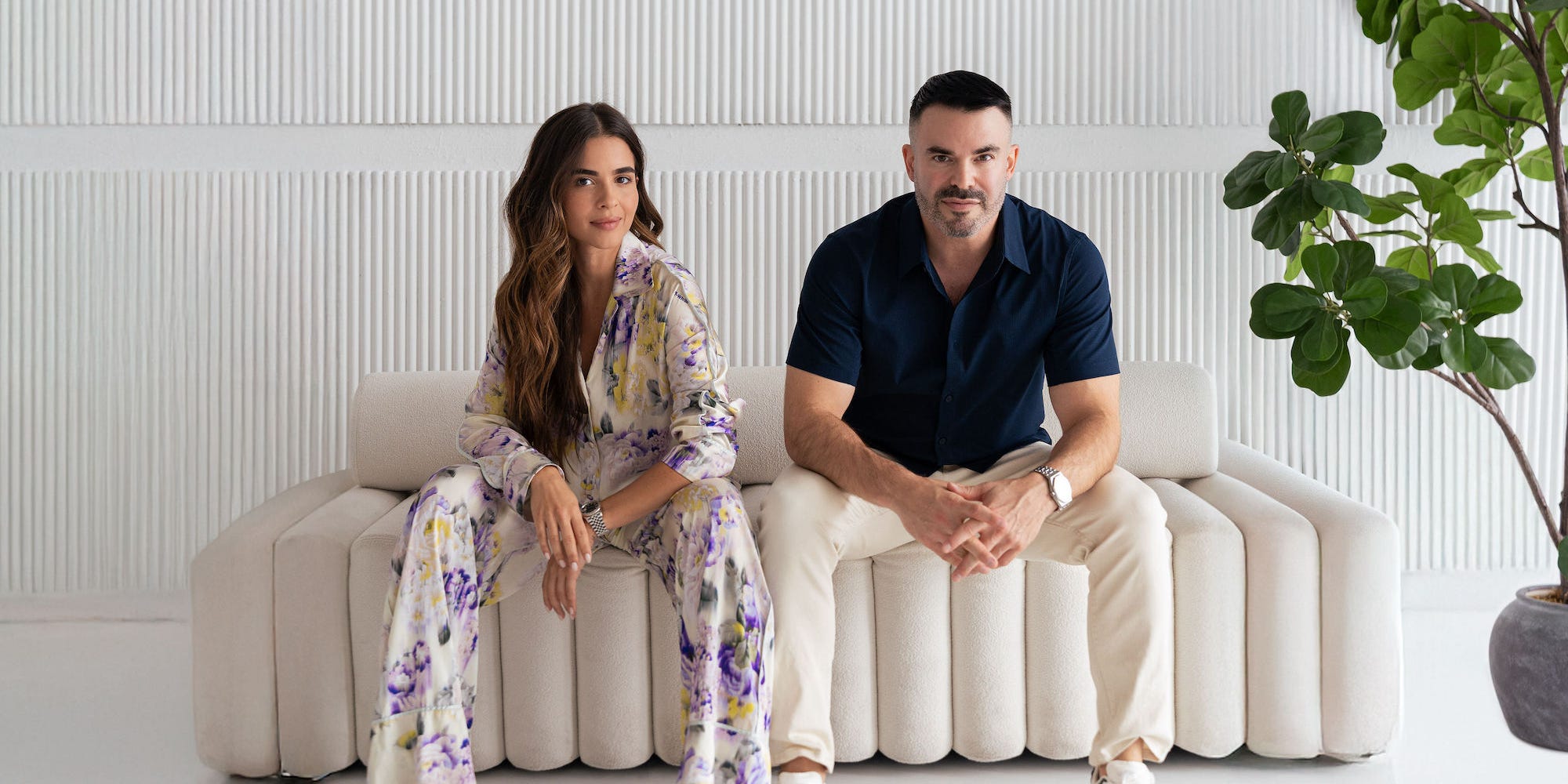
Peptide brand closed $3M led by Sugar Capital with Hyve Ventures and strategic angels, including makeup artist Patrick Ta. Founded by Stephen Brudzeweski and Pamela Borrero. Pharmaceutical-grade peptide formulations for strength, libido, energy, and mental clarity.
The peptide category is moving from gray-market biohacking to a premium wellness consumer brand. Feel’s positioning — pharmaceutical-grade with premium branding — is the same playbook that ARMRA used to mainstream colostrum, and Grüns used to mainstream greens. Take a functional ingredient that early adopters love but the mass market finds intimidating, wrap it in beautiful branding, and make it accessible. Sugar Capital's leading and Patrick Ta's investing add beauty-industry credibility to a wellness brand. The crossover between beauty investors and wellness brands continues to accelerate.
Violette_FR — $5M from Existing Investors

French makeup brand Violette_FR secured $5M from existing backers, including Silas Capital, Monogram Capital, and Felix Capital. Founded by makeup artist Violette Serrat in 2021. Launched at Sephora last year.
Existing investors doubling down after the Sephora launch signals the retail velocity is meeting or exceeding expectations. Silas Capital's backing of both Orebella and Violette_FR means the firm is building a portfolio across celebrity fragrance and artisan makeup — two distinct consumer segments within prestige beauty. Felix Capital, based in London, adds a European venture perspective. Violette Serrat’s credibility as a working makeup artist (not a celebrity endorser) gives the brand authenticity that’s harder to replicate.
Campo Grande — $4M from Valor Equity Partners
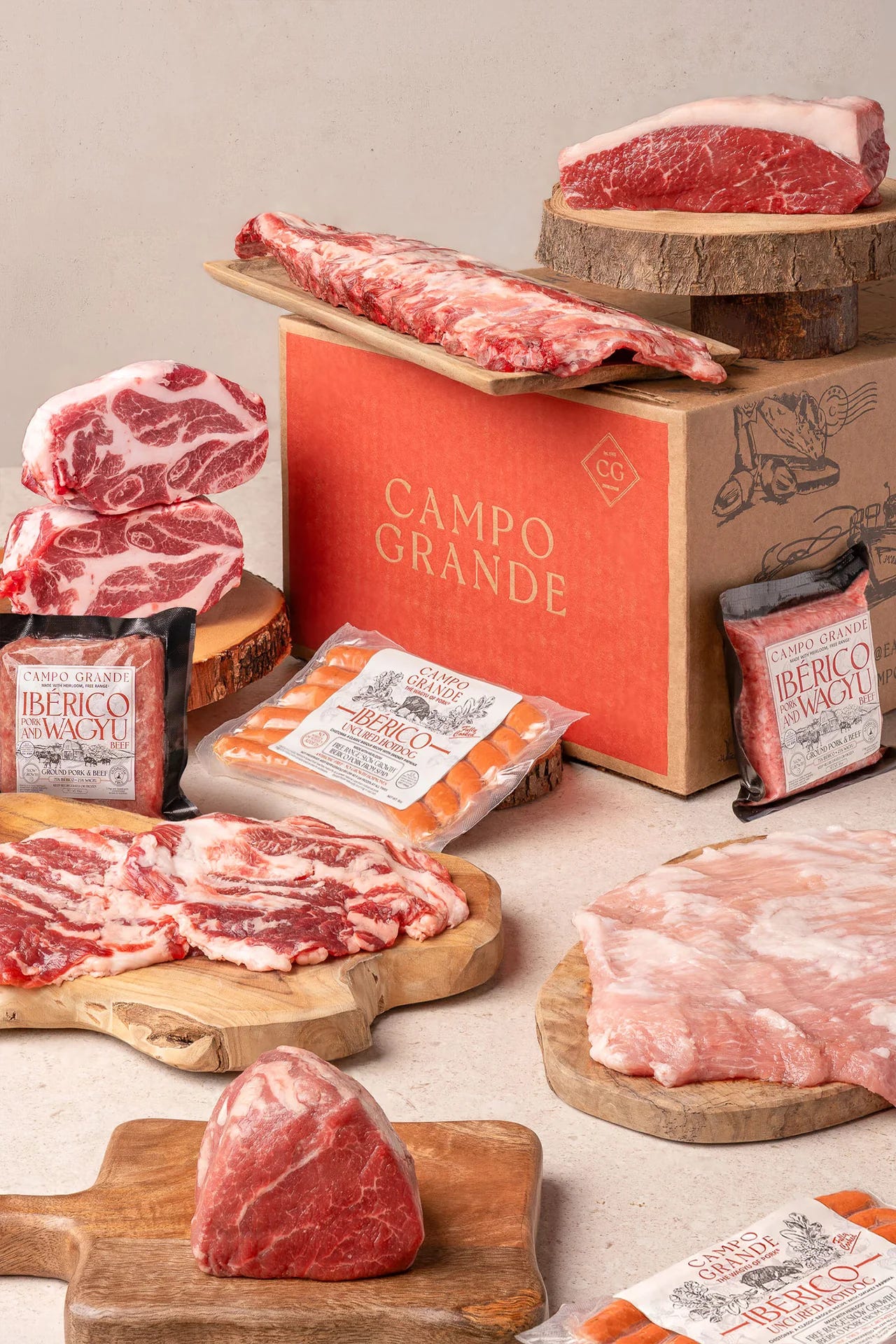
New York-based premium pork brand secured $4M from existing investor Valor Equity Partners, Spacestation Investments, Supernatural Ventures, and Pete Maldonado.
Giving pork the Wagyu treatment. Campo Grande is premiumizing a commodity protein category the same way brands like Crowd Cow premiumized beef and Vital Farms premiumized eggs. Valor Equity doubling down from an existing position signals the brand is performing. Supernatural Ventures’ co-investing continues the firm’s thesis of backing brands with real retail velocity at the growth stage. The premium meat aisle keeps getting more crowded and more premium at the same time.
Mommenpop — Acquired by Total Beverage Solution
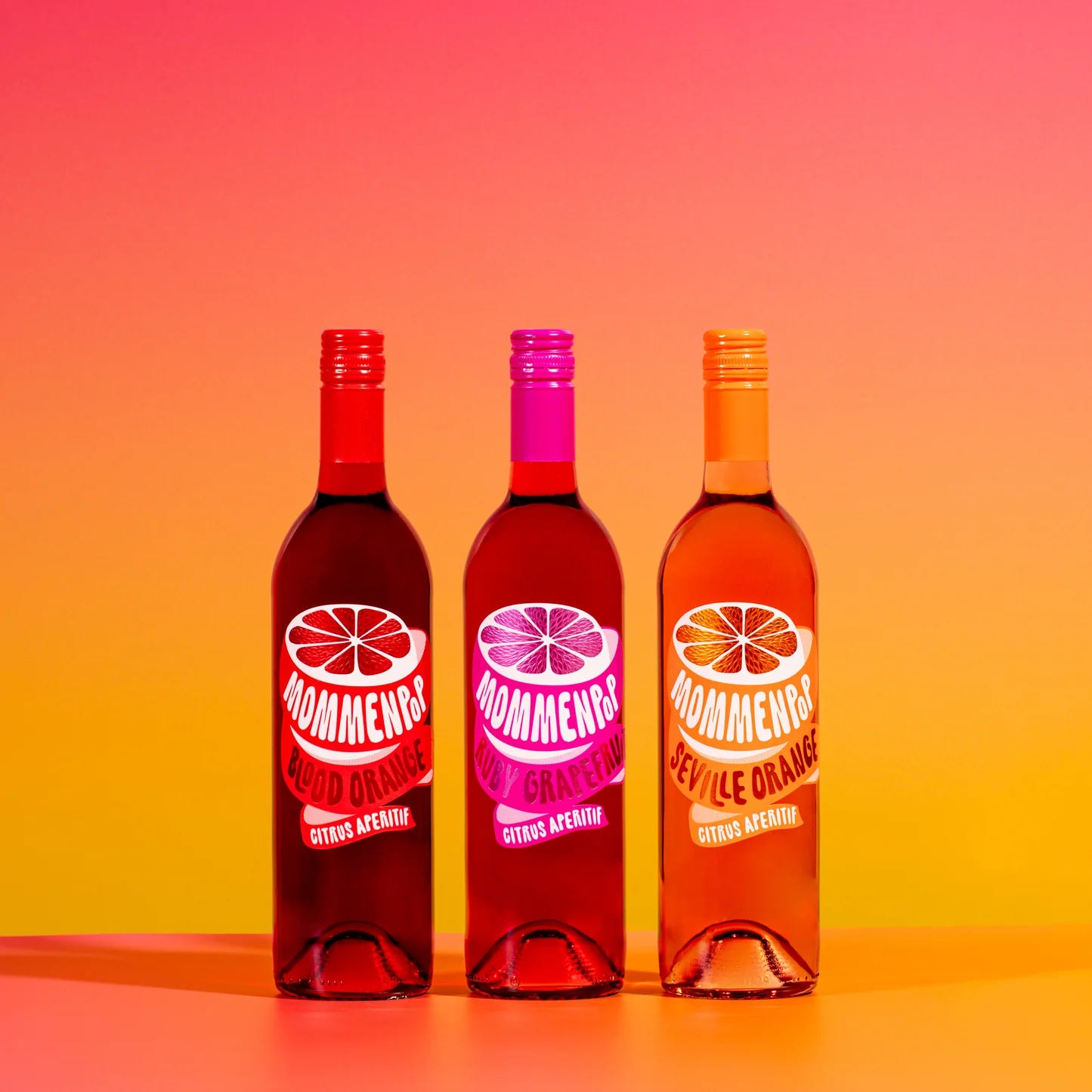
Napa Valley-based citrus aperitifs brand acquired by TBS, a national beer, wine, and spirits distributor. Founded by winemaker Samantha Sheehan in 2021. Sheehan remains involved as TBS takes Mommenpop national.
Another niche bev-alc acquisition in a wave that keeps building: TWG acquired St. Agrestis, High Basin Brands acquired Can-Tini, Innovatus purchased Sollasa, and now TBS acquires Mommenpop. The low-ABV and aperitif category is consolidating through distribution-focused acquirers who view the moderation movement as a permanent shift rather than a trend. TBS taking Mommenpop national means the brand gains institutional distribution it couldn’t build on its own. Winemaker-founded aperitifs going through a national spirits distributor is the kind of channel crossover that happens when category lines blur.
🆕 PRODUCT LAUNCHES & INNOVATION
This week’s innovation circus
WILDE Opens 130,000 Sq Ft Facility + Launches Protein Crackers
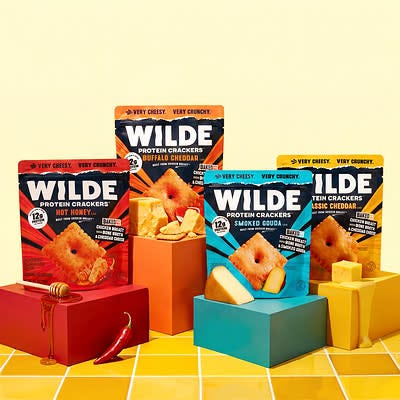
Protein snack maker WILDE opened a 130,000-square-foot manufacturing facility in Kentucky that will increase its capacity 6x. Also launched Protein Crackers, rolling out at Costco, Target, and Sprouts. WILDE is no longer a protein chip brand. It’s becoming a protein snacking platform. Owning manufacturing at this scale gives WILDE margin control and speed-to-market that co-packed competitors can’t match. The crackers at Costco, Target, and Sprouts, from day one, signal that the brand has earned buyer trust across every channel.
Jesse & Ben’s Launches at Costco
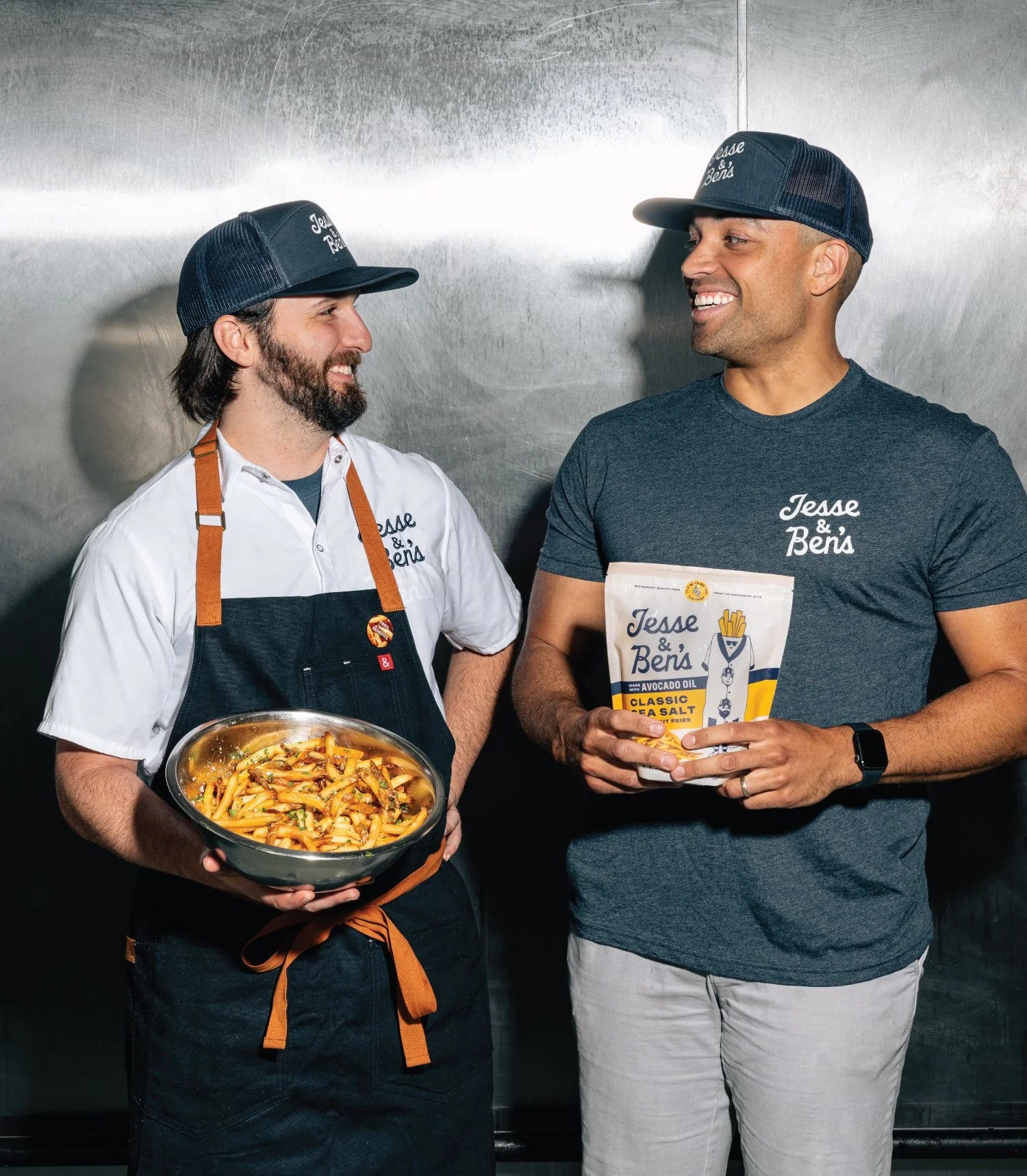
The seed-oil-free French fry brand that raised $10M from Greycroft and grew 1,100% is now at Costco. The Poppi founders are investors. The Method/OLLY co-founder is on the board. The former Primal Kitchen exec is president. And now Costco distribution. The velocity from DTC to conventional retail to the club channel continues to accelerate.
Chomps Lands at 7-Eleven
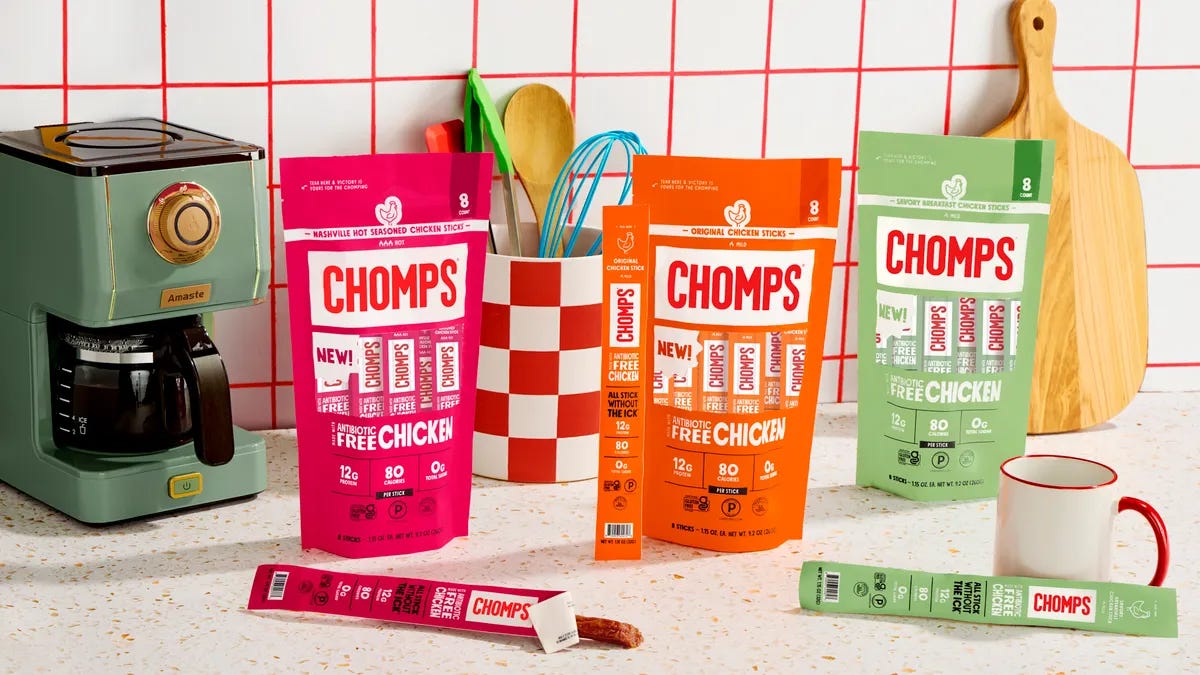
The meat stick brand, approaching $900M in revenue, is now at select 7-Eleven stores. Convenience channel distribution opens access to the most-visited retail format in America — 13,000+ U.S. locations. Every impulse-purchase moment at the 7-Eleven checkout is now a Chomps trial opportunity. When you’re approaching a billion dollars, and you add convenience, the growth vectors multiply.
Grüns Launches Nationwide at Whole Foods
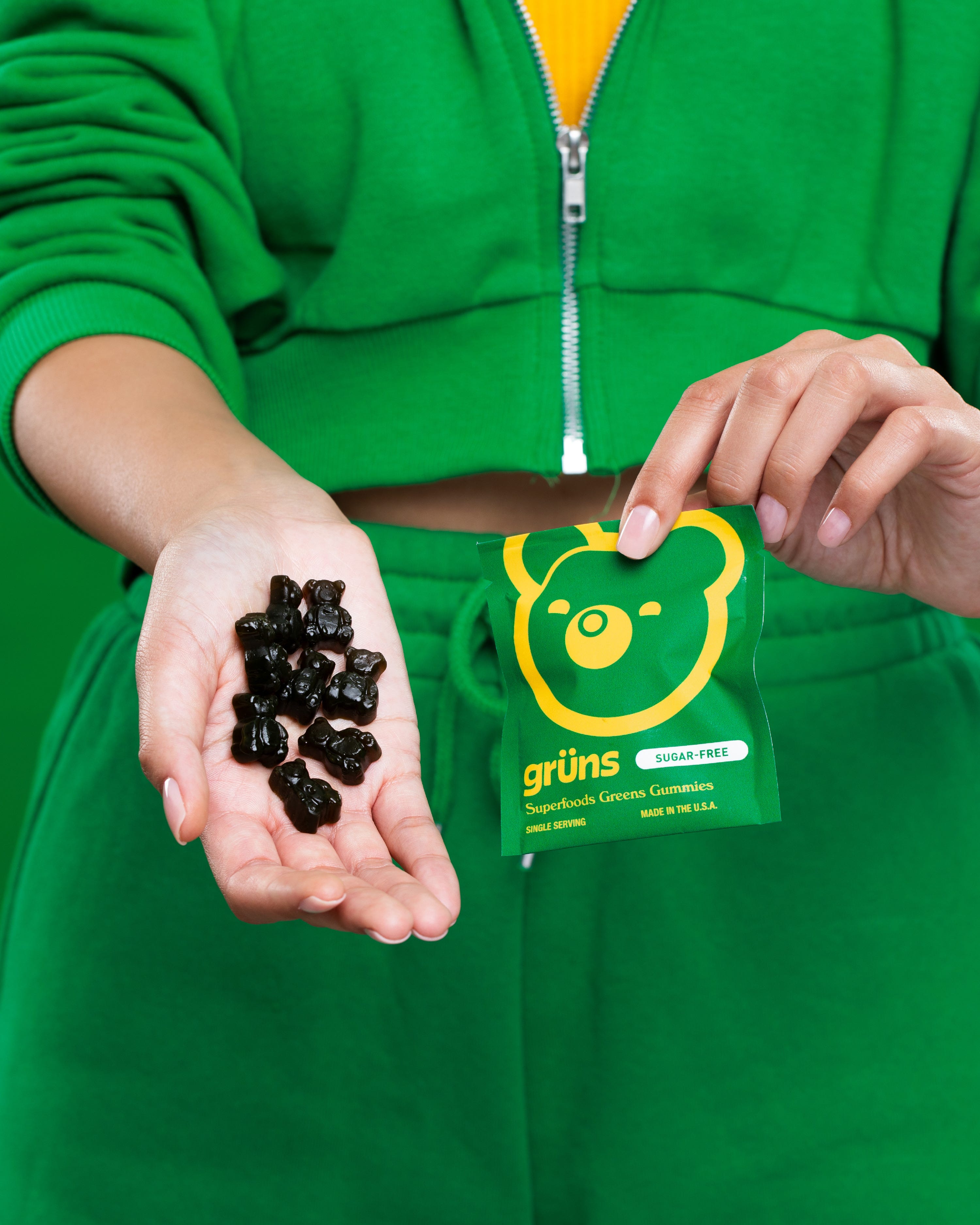
Unilever’s $1.2B acquisition continues its retail expansion. Kroger chainwide two weeks ago. Now Whole Foods nationwide. The brand that’s overtaking AG1 in DTC is systematically building the retail footprint to match. Unilever’s distribution machine keeps opening doors.
James Watt Launches Second Best Beer
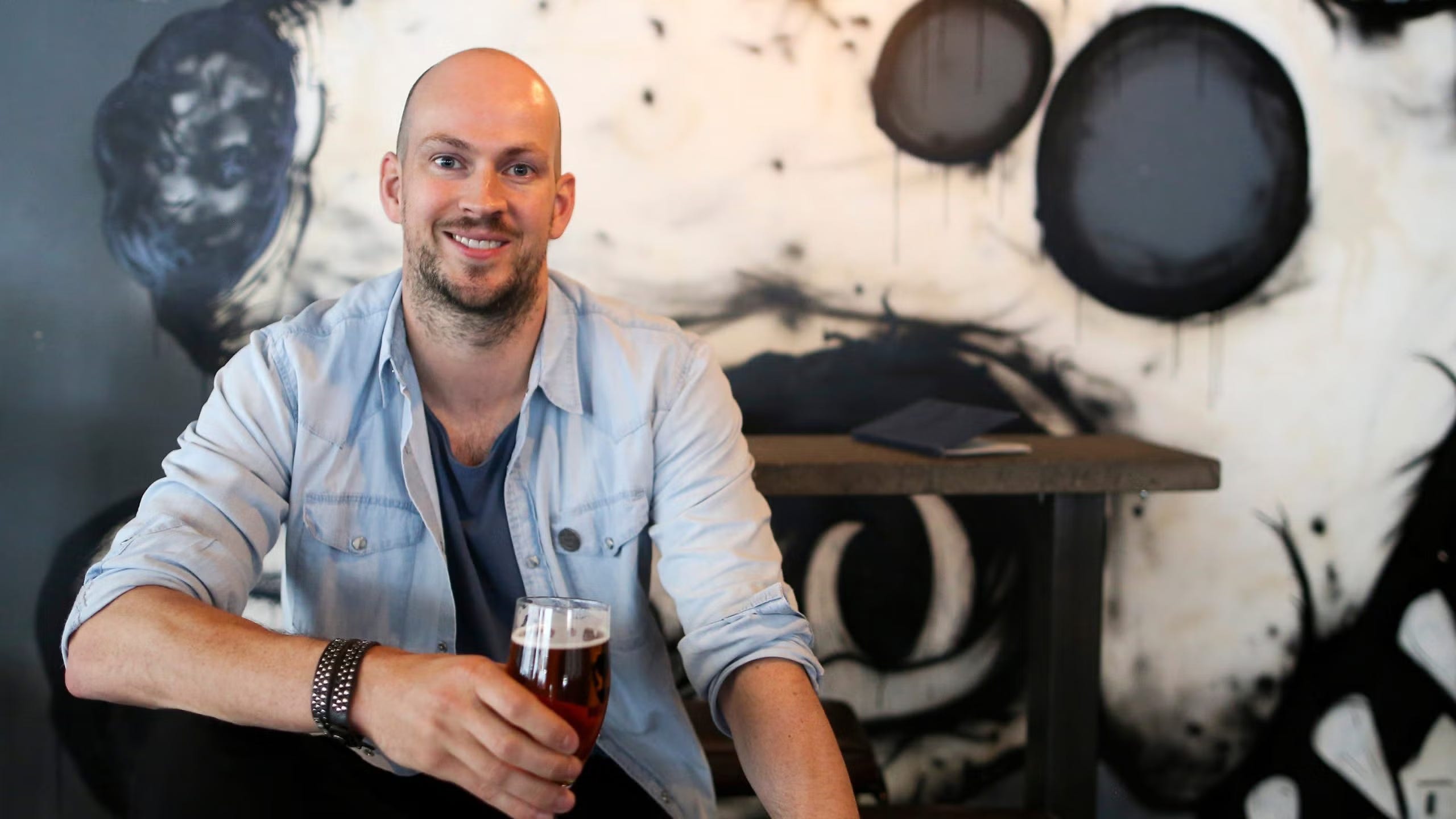
The BrewDog founder is back with Second Best Beer after BrewDog imploded from mounting debt. Focused on quality over volume. Crowdfunders burned by BrewDog’s collapse can claim equity in the new venture. Whether the market gives Watt a second chance depends on whether the product earns trust in the brand name lost. The equity-for-burned-crowdfunders angle is either genius redemption marketing or an admission of guilt dressed as generosity.
Magic Mind Sleep Performance Shot
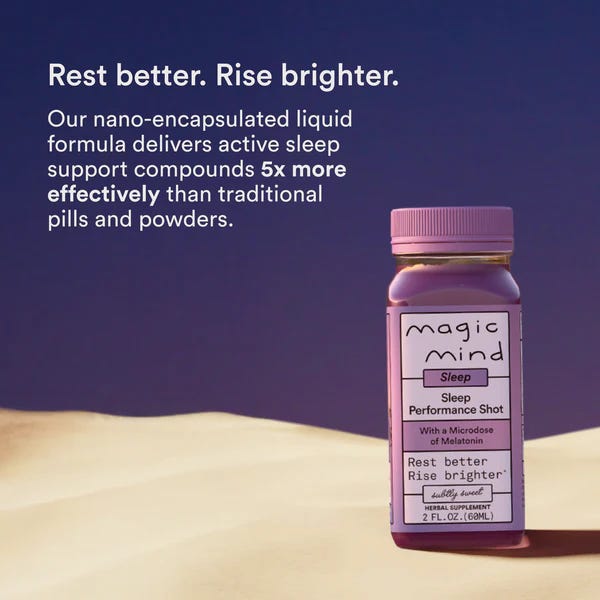
Magic Mind expanded with a Sleep Shot featuring plant-based melatonin, Lavender, Chamomile, Lemon Balm, Magnesium Glycinate, Ashwagandha, and L-Theanine. Comes with a sleep score guarantee — try it for 15 nights, get a refund if your sleep tracker doesn’t improve. Launching at Sprouts, H-E-B, New Seasons, and Central Market in June. The sleep score guarantee is the most interesting go-to-market innovation we’ve seen in supplements this year. Tying product efficacy to wearable data removes the “does it actually work?” barrier.
WaterOuai! from the Supergoop Founder
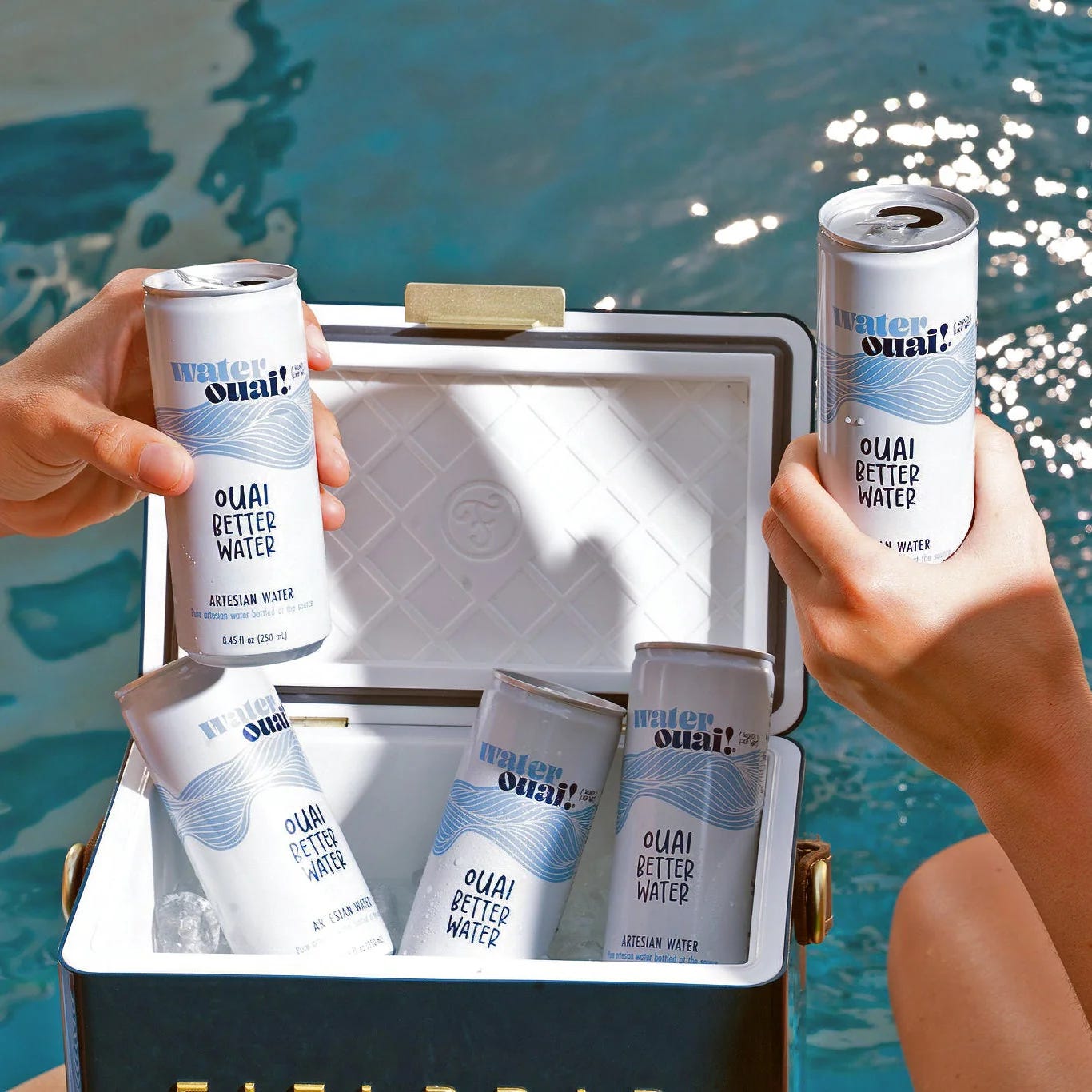
Holly Thaggard (Supergoop founder) launched WaterOuai! with her son Will. Mineral-rich water from the Edwards Aquifer is packaged in the SUPERCAN — a can with a durable lining designed to prevent chemical transfer. Free from BPA, PFAs, phthalates, and solvent-based coatings. Available on DTC, Amazon, and at hospitality venues. Taking clean-beauty anxiety and applying it to canned water. The SUPERCAN innovation addresses a real consumer concern about what leaches from can linings into beverages. Whether that concern is large enough to build a brand around is the experiment.
More Launches Worth Watching
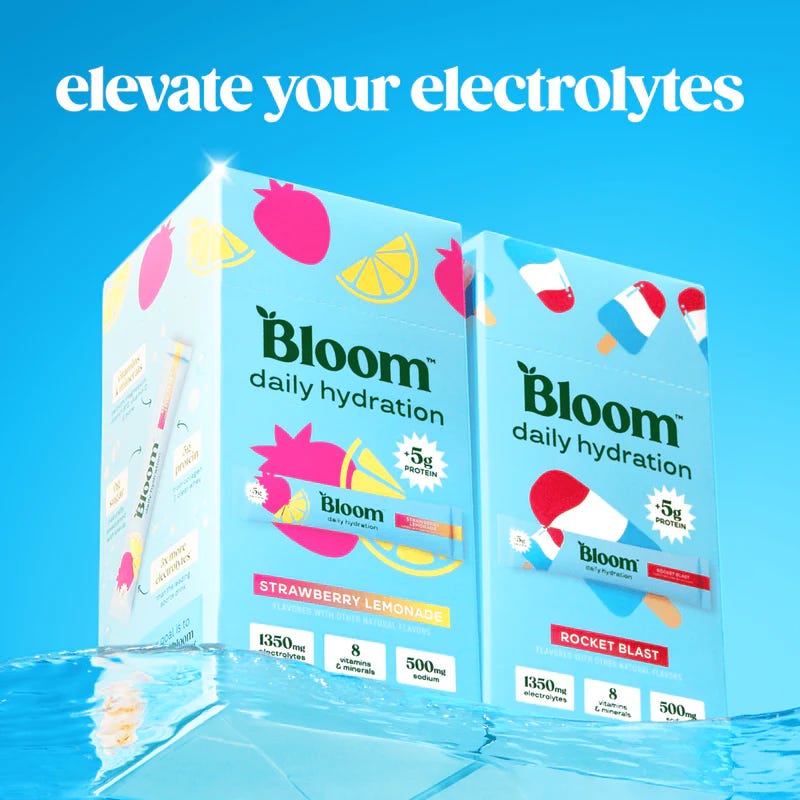
Bloom Daily Hydration launched — 1,350mg electrolytes, 5g protein and collagen, 8 vitamins and minerals. The $500M brand continues to expand its functional range.
Snackmode from BloxSnacks — protein fruit snacks with 6g protein, no artificial dyes. The creator-led snack brand is entering functional formats.
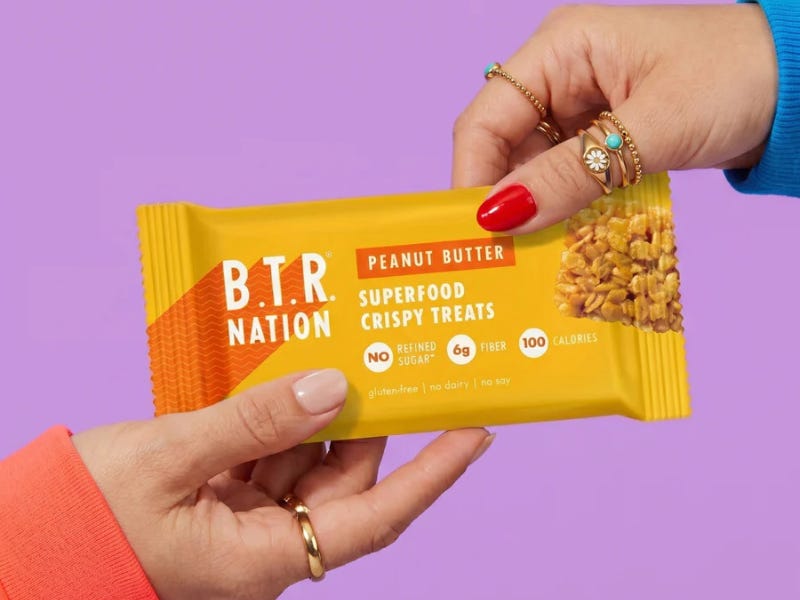
B.T.R. Nation Superfood Crispy Treats — organic brown rice, honey-sweetened, 6-7g fiber, 100 calories. Launching at Sprouts in July.
Bucked Up protein popcorn — 12g protein per bag in four flavors. The Utah supplement brand keeps expanding formats.
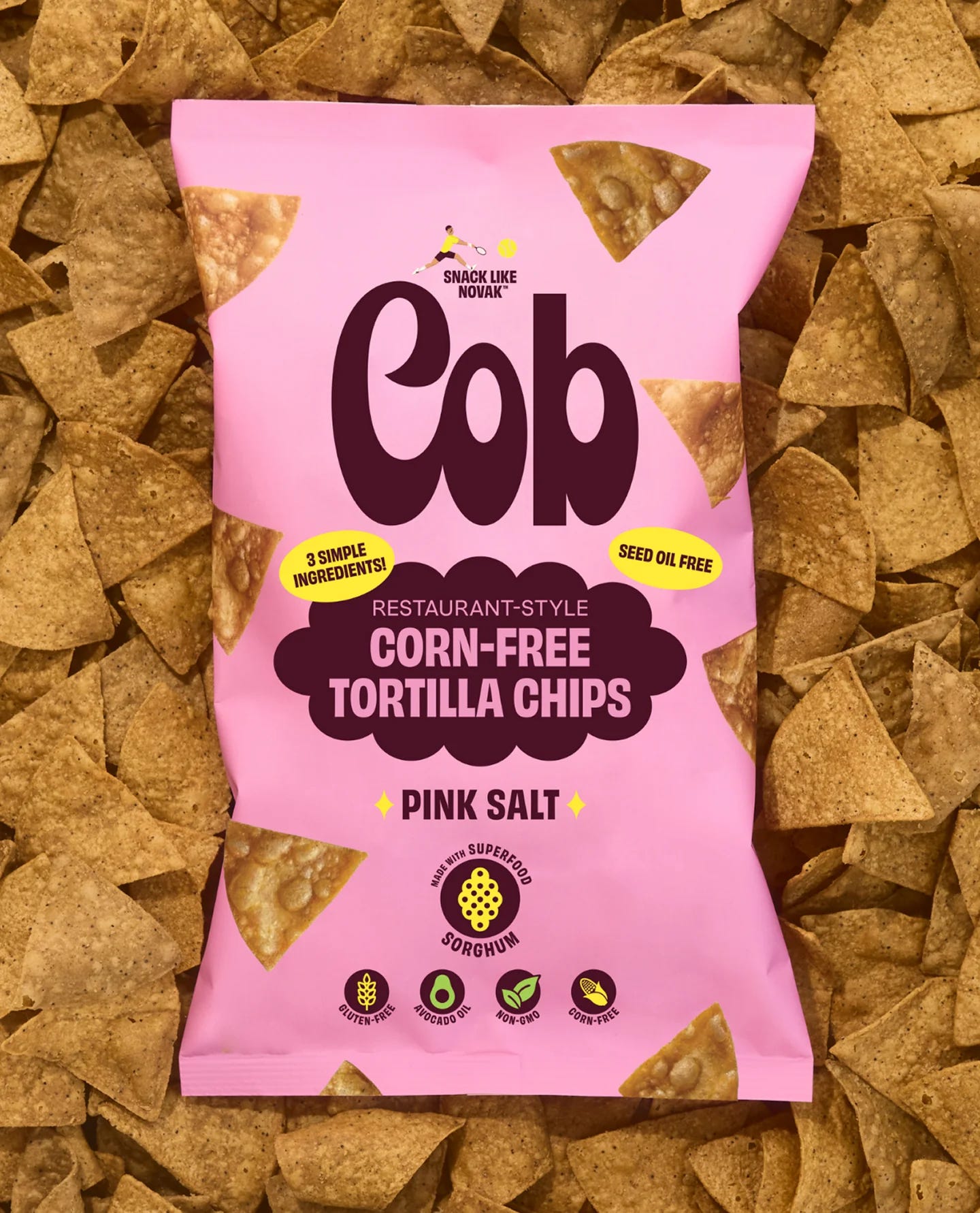
Cob corn-free tortilla chips from Novak Djokovic — sorghum, avocado oil, Himalayan salt.
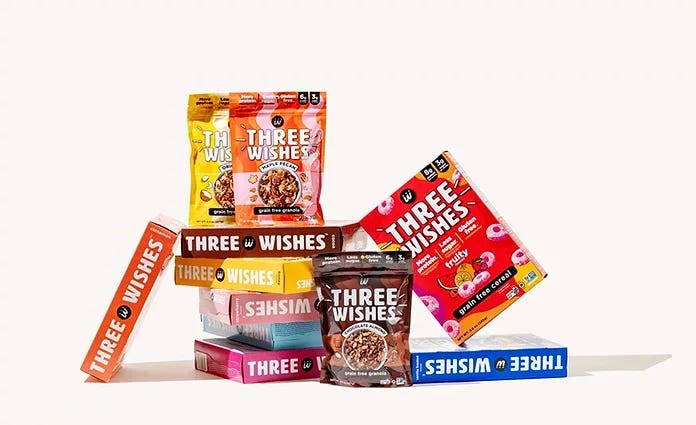
Three Wishes refreshed and reformulated its granola range with cleaner packaging emphasizing protein, fiber, and sugar callouts.
Lotza new functional soda from Wisconsin — 6g sugar, adaptogens, electrolytes, antioxidants.
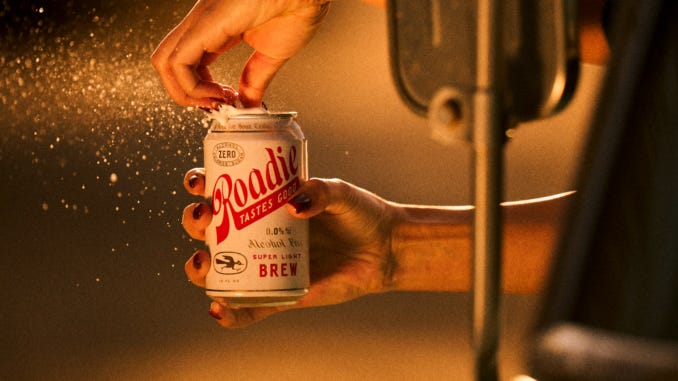
Roadie — 0.0% ABV, zero-calorie beer brewed in LA with malted barley and hops. Branding by LAND.
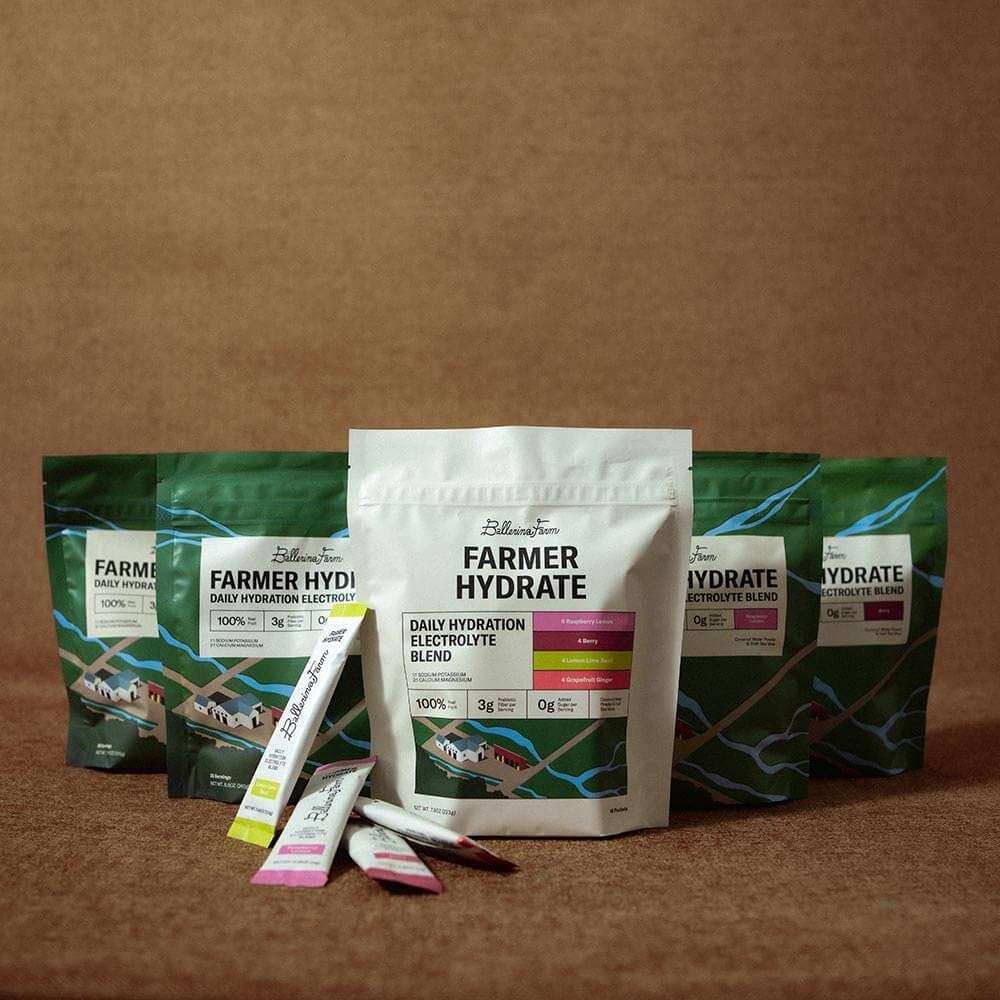
Ballerina Farm refreshed its electrolyte packaging with two new flavors.
Evolution Fresh refreshed its soda branding at Whole Foods and Sprouts.
Tati Westbrook launched the Unfair Advantage wellness brand — Go Go Juice with 75mg caffeine, phytonutrients, prebiotics, and B12.
Penelope Bourbon Blackberry Old Fashioned ready-to-serve cocktail at $29.99.
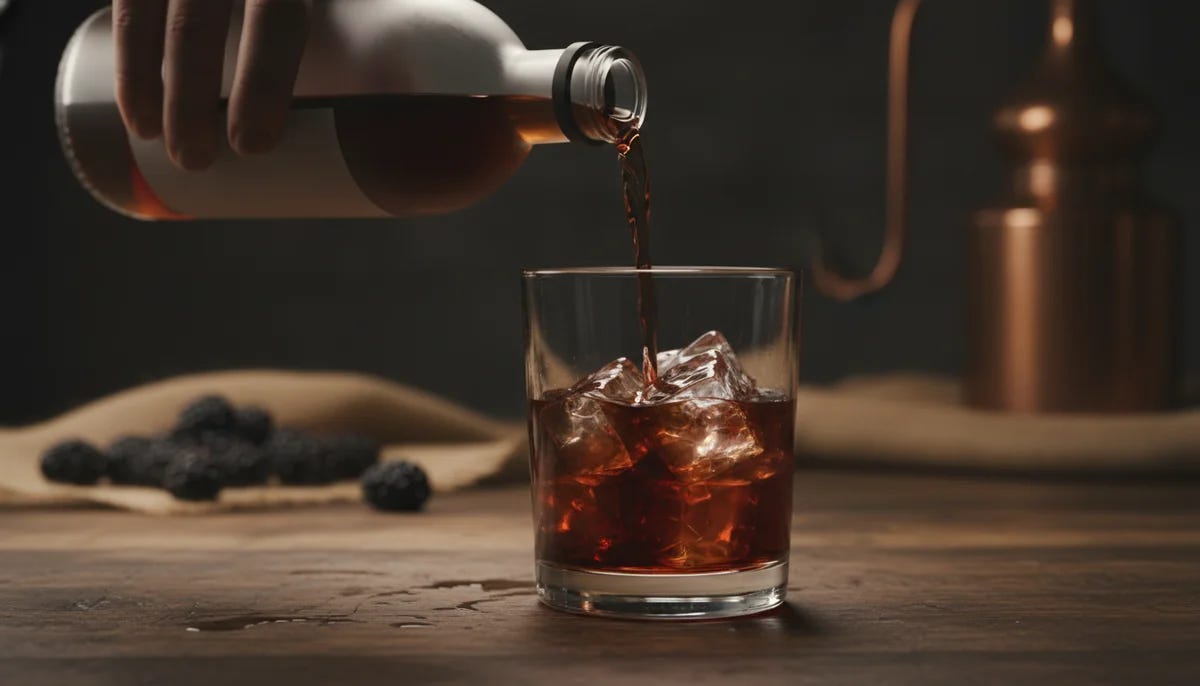
Whitebox x Bruichladdich — four RTD cocktails from the Scottish canned cocktail specialist that doubled sales to $5M in 2025.
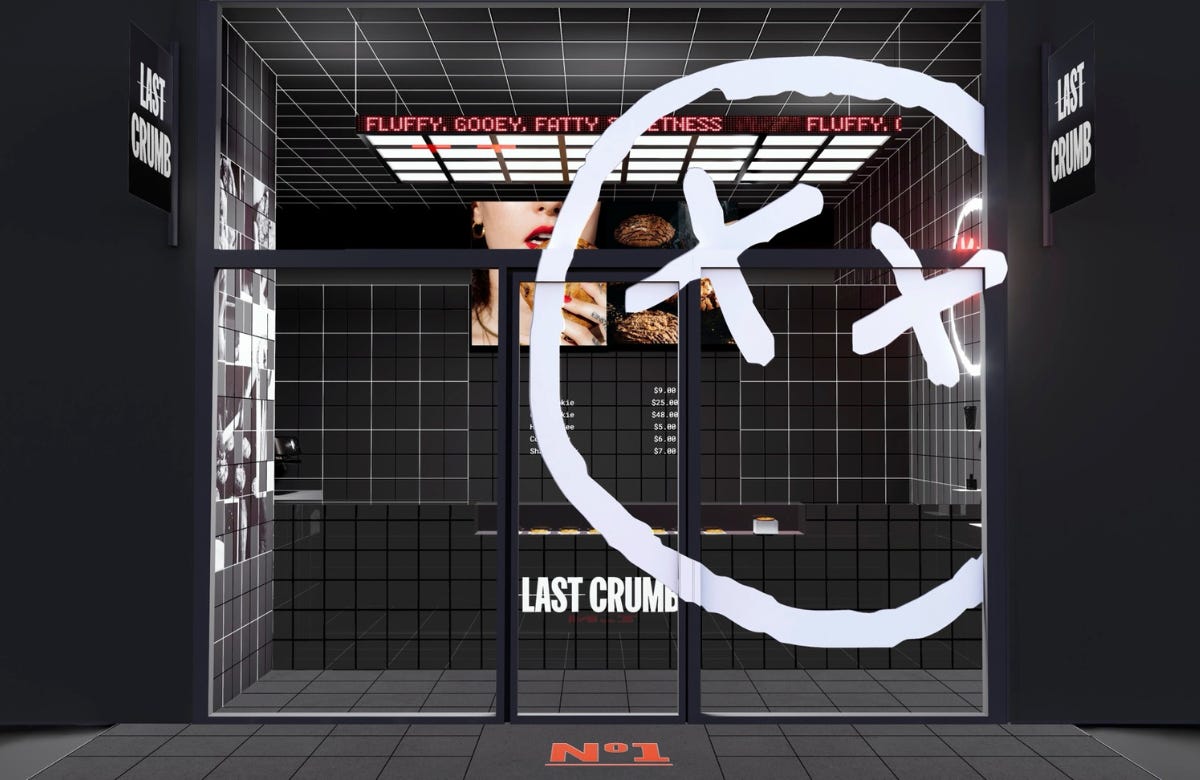
Last Crumb opened a Brooklyn storefront — the luxury cookie brand’s first physical retail location.
Kopari Paradiso Cloud Swirl Body Lotion — whipped lotion-gel in four scents.
Grillo’s x PopUp Bagels Hot Pickle Butter. The pickle industrial complex now spans lip balm, hydration packs, beer, shots, and butter.
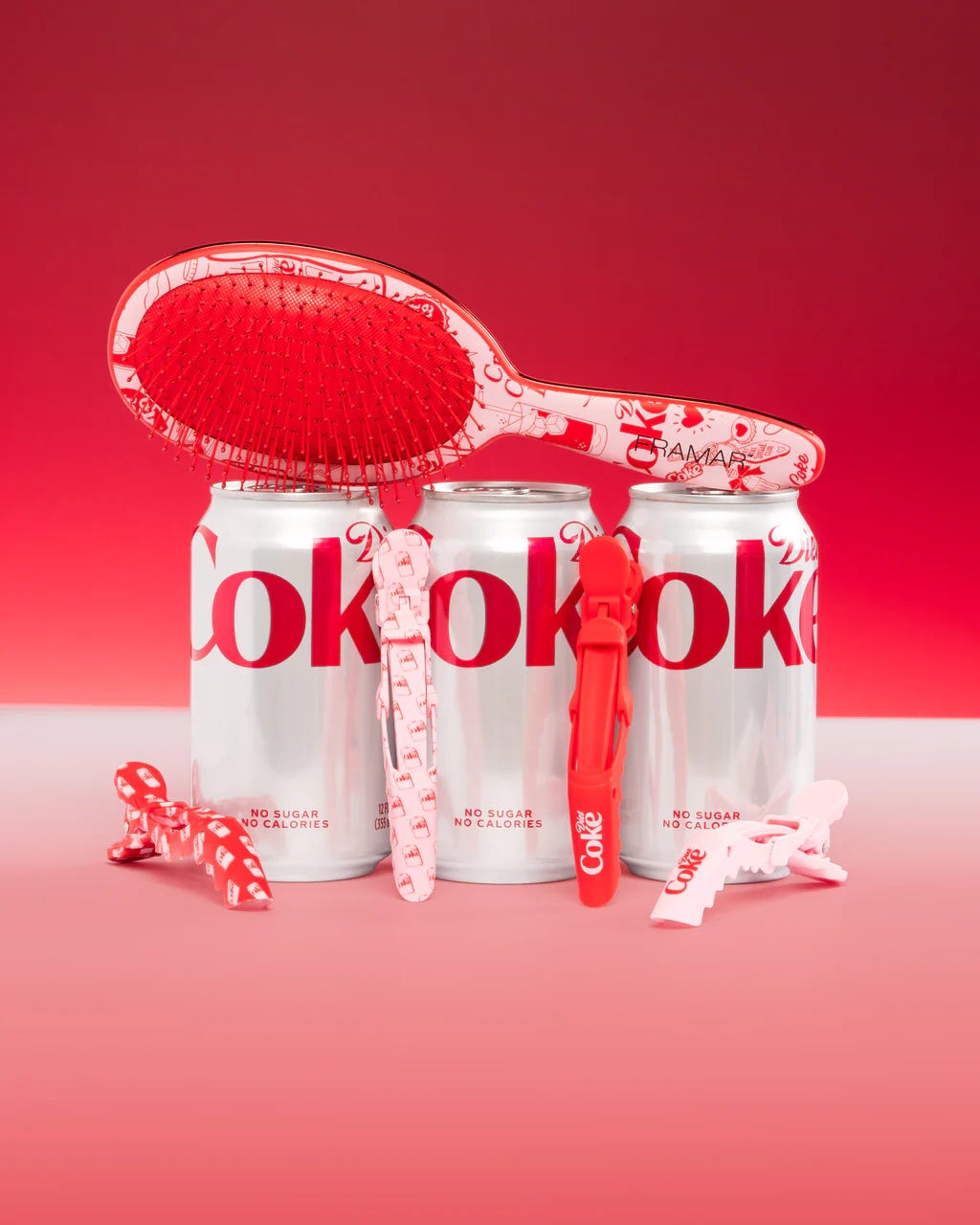
Framar x Diet Coke — hair tools collection for the professional stylist channel. Because the Diet Coke girlies need brushes, clips, and foils too.
📊 THE DATA DIGEST
Numbers that matter
Bloom: On Pace for $500M
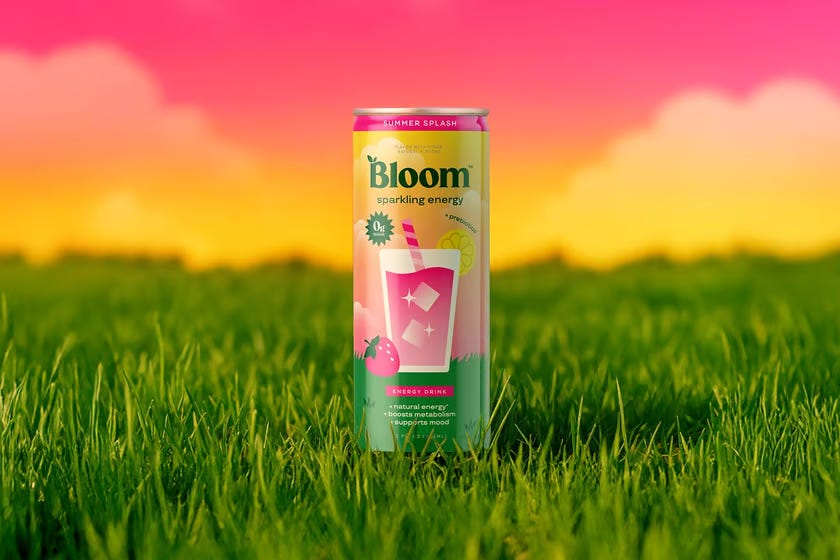
The Nutrabolt-owned brand is scaling from TikTok-viral greens powder to a half-billion-dollar nutrition platform. Community building and omnichannel execution are driving the trajectory. With the former Hershey president now running Nutrabolt operations, the platform is preparing for whatever comes next.
THC Beverages: $239M, Up 135%
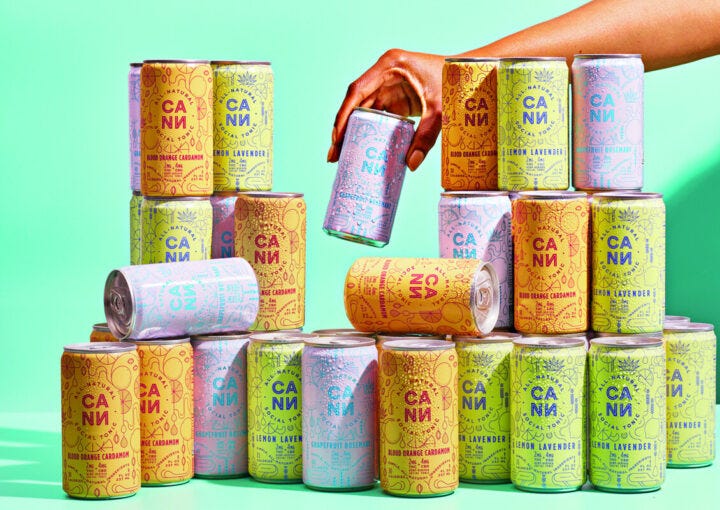
Per NIQ, THC beverage sales hit $239M in tracked channels for the 52-week period ending April 4th. Up 135% year-over-year. Target tripled its THC footprint to 70+ stores in Minnesota. The category is going mainstream at a pace that makes most functional beverage categories look slow.
Zevia Q1: $46M, Up 21%
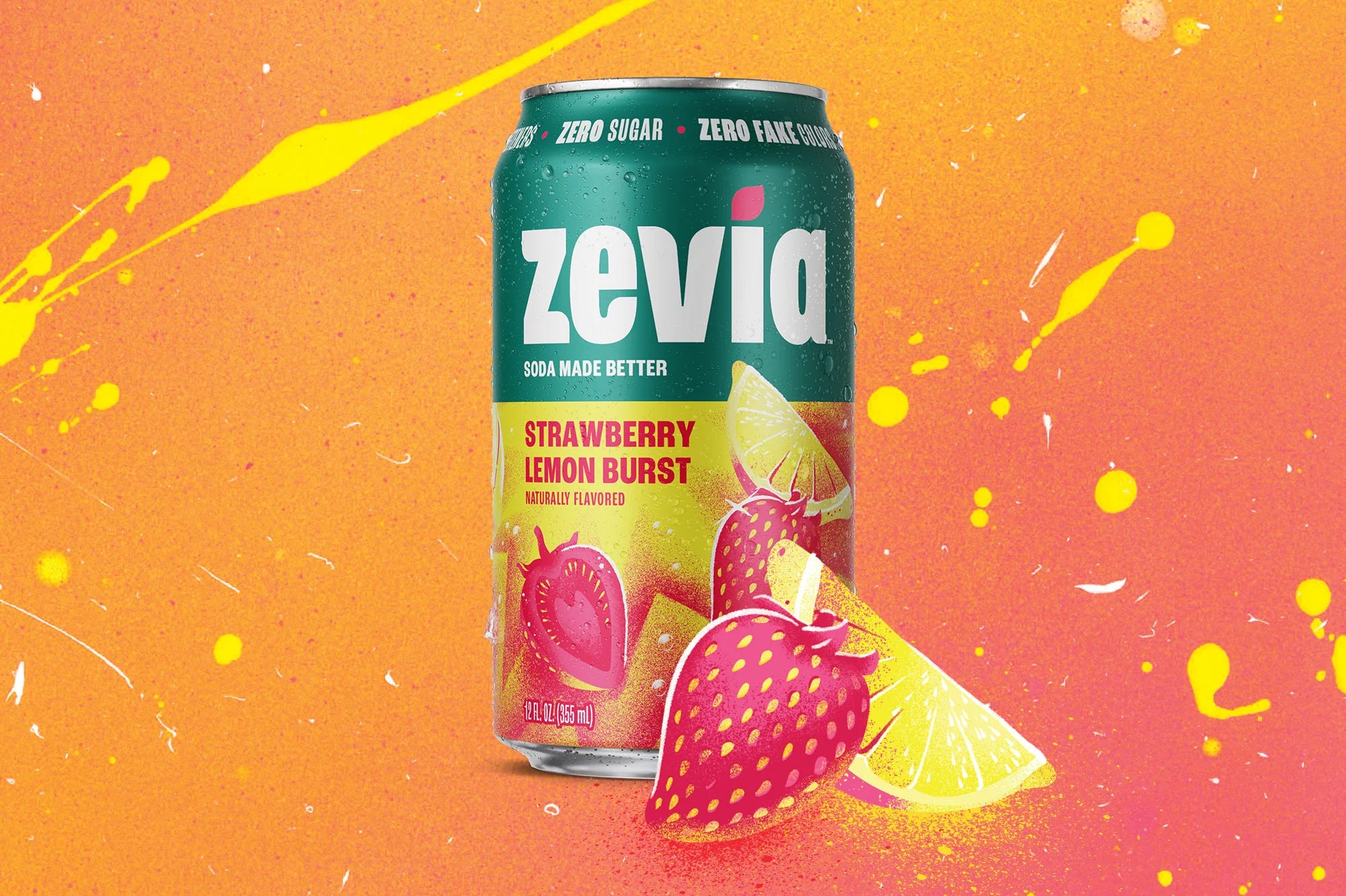
Zevia posted $46M in Q1, up 21%. Appointed Brian Bousley (ex-Yerba Madre CCO, ex-Pabst President) as Chief Commercial Officer. The zero-sugar, zero-calorie soda brand is finding new growth with experienced beverage leadership.
Go Brewing: 21,000 Barrels
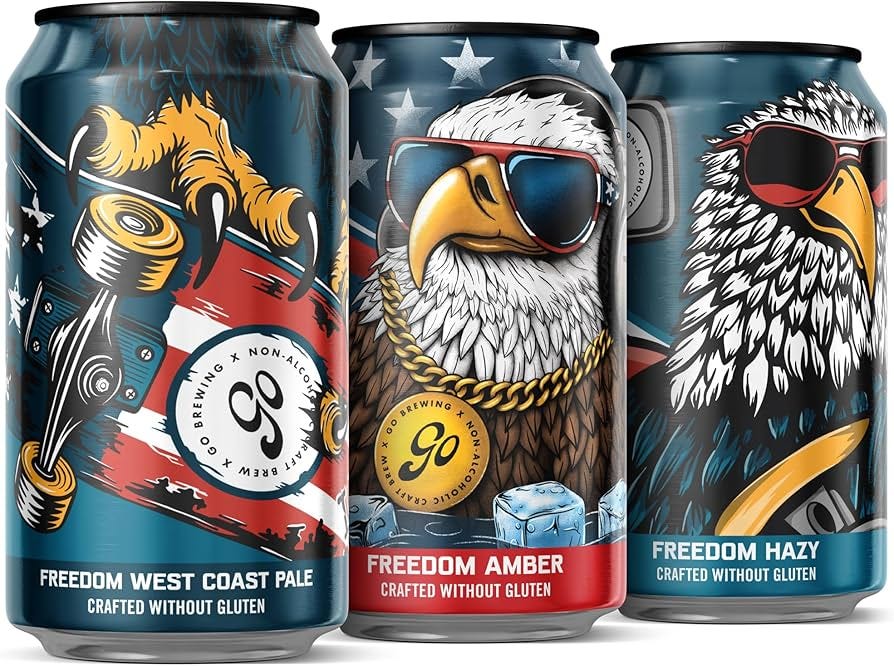
Go Brewing more than doubled production to 21,000 barrels in 2025. For context, Athletic Brewing added 80,000+ barrels in the same period. The non-alcoholic beer category has room for multiple winners. Go Brewing, Athletic, BERO, Crazy Mountain, and Easy Does It are all growing simultaneously.
Miss Mouth’s: $80M Sales, $28M EBITDA, $325M Exit
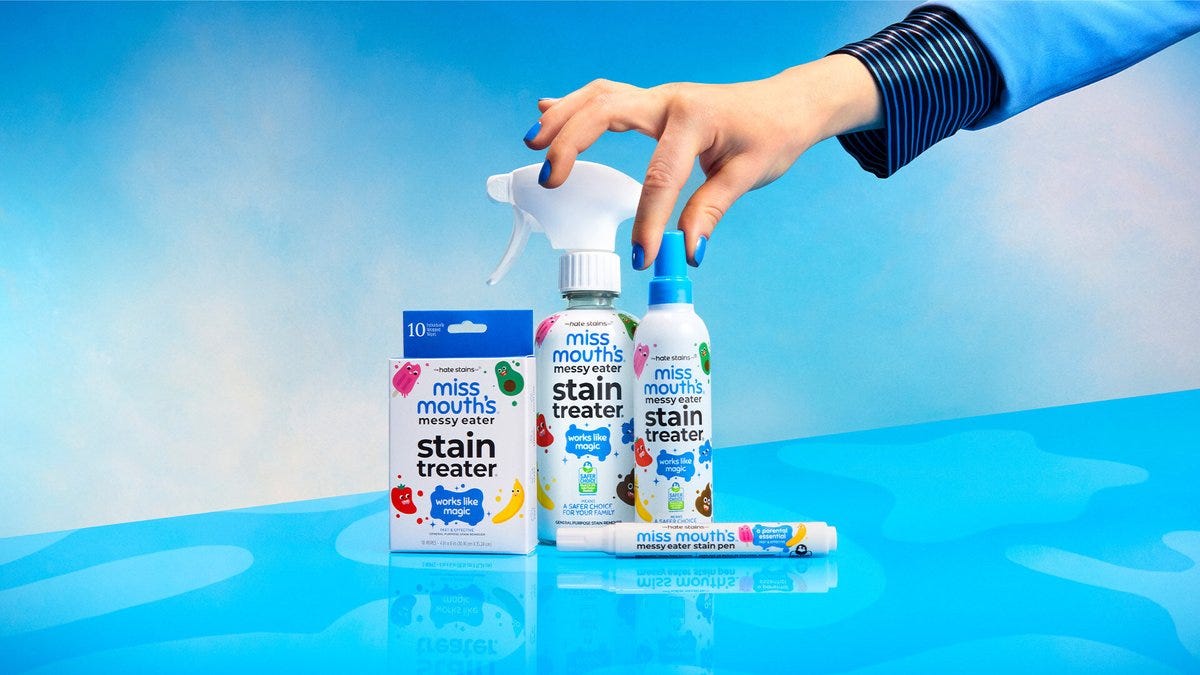
35% EBITDA margin. Number one stain remover on Amazon. Acquired for roughly 4x revenue and 11.6x EBITDA. The boring-problem exit multiple.
Whitebox: Doubled Sales to $5M
Scottish canned cocktail specialist doubled revenue in 2025. The premium RTD cocktail category continues to grow on both sides of the Atlantic.
🏪 DISTRIBUTION DOMINATION
Everyone’s everywhere
7-Eleven
Chomps landed at select stores. The brand is approaching $900M, adding the most visited retail format in America. 13,000+ potential doors. Every checkout impulse moment is now a trial opportunity.
Costco
Jesse & Ben’s launched. The seed-oil-free french fries that grew 1,100% and raised $10M from Greycroft, hitting the club channel. WILDE Protein Crackers is also rolling out at Costco alongside Target and Sprouts.
Whole Foods
Grüns launched nationwide. Unilever’s $1.2B acquisition is now at Whole Foods chainwide after Kroger. The distribution machine keeps opening doors. Elavi is now available nationwide. Two brands are going chainwide at Whole Foods in the same week.
Target
Katie’s has expanded its retail presence. DryWater launched. WILDE Protein Crackers arriving. Target continues stacking emerging brands across every aisle.
Walmart
Neuro at 3,000+ stores confirmed from last week. Walmart’s emerging brand absorption continues.
Sprouts
Loonen launched nationwide. Tallow & Stone launched nationwide. B.T.R. Nation Superfood Crispy Treats arriving in July. WILDE Protein Crackers rolling out. Four brands at Sprouts in one reporting period.
H-E-B
Tozi Foods expanded to 140+ stores. Small Beer launched. H-E-B keeps being the most important regional chain for emerging brands.
Kroger
Juni at 750+ stores confirmed from last week. Kroger continues giving emerging brands significant initial door counts.
Regional and Specialty
Cove Soda launched at Walmart Canada. Yesly Water at Raley’s in NorCal. Natty at Raley’s. Konsoom on Misfits Market. Drippy on Misfits Market.
👋 PEOPLE MOVES
Jeff Rubenstein, former President and Chief Growth Officer at Poppi, is serving as CEO of Khloud. The man who helped scale Poppi to a $2B exit is now building Khloe Kardashian’s snack brand at 29,000+ doors. When a $2B exit operator takes the CEO chair at a celebrity brand, the endgame is clear.
Anish Agarwal, former CMO at Colgate-Palmolive, was appointed CEO of Orebella. Institutional CPG operations meet celebrity fragrance.
Brian Bousley appointed CCO at Zevia. Former CCO at Yerba Madre and President at Pabst Brewing. Experienced beverage executive joining Zevia posts 21% Q1 growth.
Andrew Archambault is continuing to settle into the President and COO role at Nutrabolt as Bloom approaches $500M.
Olivier Creed, the sixth-generation perfumer behind House of Creed, passed away at 82. He transformed Creed from producing 1,000 bottles per year into a global luxury powerhouse. An era-defining figure in prestige fragrance.
Sam McBride (former RXBAR COO) is running Kettle & Fire as CEO.
🔥 THE HOT TAKE
My unfiltered opinion on this week’s madness
Church & Dwight paid $325 million for a stain remover. And it might be the smartest acquisition of the year.
I spend every week tracking the flashy deals — billion-dollar exits, celebrity brands, velocity rockets. And those stories matter. But Miss Mouth’s is the reminder that the biggest returns in CPG often come from the most boring products.
A stain remover. For kids’ clothes. Built on Amazon reviews and parent-to-parent trust. $80M in sales. $28M in EBITDA. A 35% margin. Number one on Amazon. Expanded to Walmart and Target. Acquired for $325M.
Nobody filmed a TikTok unboxing of Miss Mouth’s. Nobody wore a Miss Mouth’s hat to Coachella. No athlete invested. No CAVU seed round. No Imaginary Ventures incubation. The product just works. Parents buy it. Their kids stain their clothes. They buy it again. Repeat purchase is built on solving a boring daily problem at scale.
Compare that to every celebrity brand that launches with massive awareness and craters in month three because the product doesn’t earn repeat purchases. Mas+ by Messi: shuttered. MOSS: restructured. PRIME: $1.3B to $300M. Keys Soulcare: handed back. Miss Mouth’s: $325M exit. The stain remover won.
And that’s the tension at the heart of CPG in 2026. The market celebrates velocity, celebrity, and virality. The exits reward consistency, repeat purchase, and margins. Miss Mouth’s had all three of the things that actually matter and none of the things the market celebrates. Church & Dwight didn’t care about the TikTok following. They cared about the 35% EBITDA margin and the Amazon dominance.
Meanwhile, Bloom is on pace for $500M by doing the opposite — building on TikTok virality and community. Both paths work. Bloom has the velocity AND the repeat purchase. Miss Mouth’s has the repeat purchase AND the margins. The brands that fail are the ones that have velocity but not repeat, or celebrity but not product.
THC beverages at $239M and growing 135% proves new categories can emerge from regulatory change. Chomps at 7-Eleven proves billion-dollar brands still have distribution upside. Imperial Brands paying $150M for tobacco alternatives proves vice categories produce exits. And Khloud, at 29,000 doors with the Poppi president, proves that celebrity brands can scale when the operational leader has a $2B exit playbook.
The boring problems produce the biggest checks. Build accordingly.
🎙️ COMING TUESDAY
Unpackaged Goods Episode
Breaking down Church & Dwight’s $325M Miss Mouth’s acquisition and why boring problems produce massive exits. Imperial Brands paying $150M for Black Buffalo and what Big Tobacco's buying alternatives mean for the category. Bloom is approaching $500M. Khloud at 29,000 doors with the former Poppi president. THC beverages at $239M, up 135%. Chomps at 7-Eleven. And why the brands solving the most mundane daily problems are producing the biggest checks.
🥫 ONE MORE THING...
Before you close this tab
Church & Dwight paid $325 million for a brand that removes food stains from kids’ clothes. In the same week, Bella Hadid raised a Series A for a clean fragrance. One brand is glamorous. The other brand scrubs grape juice out of a toddler’s onesie.
The stain remover generated $28M in EBITDA. The fragrance brand generated a press cycle.
EBITDA doesn’t care about your aesthetic. It cares about repeat purchases. And parents who need stain remover will always need stain remover. Every day. Every spill. Every tantrum involves spaghetti sauce.
Miss Mouth’s solved a boring problem beautifully. That’s worth $325 million, apparently. And honestly? It’s probably worth more.
Until next Sunday, Jonathan Deeter Your CPG-Obsessed Friend
P.S. — Grillo’s partnered with PopUp Bagels on Hot Pickle Butter. The pickle industrial complex now includes: lip balm (e.l.f., Burt’s Bees), hydration packs (Liquid I.V.), beer (PBR), shots (Rally), hot sauce butter (PopUp Bagels), and protein bars (coming, I’m sure). At this point, Grillo’s isn’t a pickle company. It’s a licensing IP company that happens to make pickles. The pickle diversification index needs its own newsletter section.
TikTok | Instagram | Newsletter | Pickle Advisors | YouTube
This newsletter is finished with Trophy Wife Finishing Salts - elevating every bite since 2025
Wowzers. So much going on!