


Issue #52 | October 26, 2026
🥄 FIRST BITE
The appetizer before we dive in
KFC is pouring Coke. Poppi’s founders probably aren’t getting their $300 million bonus. And Abbott is splitting off the business behind Similac and Ensure.
Three very different stories, one question underneath all of them: who actually controls where your product ends up, and on what terms?
That’s the thread this week. A soda contract that outlived the corporate family that created it. An earnout that depends on a buyer’s distribution system. A brand suing a pharmacy for selling its real products. And a run of brands, from Real Good Foods to Crafty Ramen, choosing to move into mass retail on purpose.
Let’s dig in.
🍊 THE MAIN COURSE
This week’s biggest CPG moves
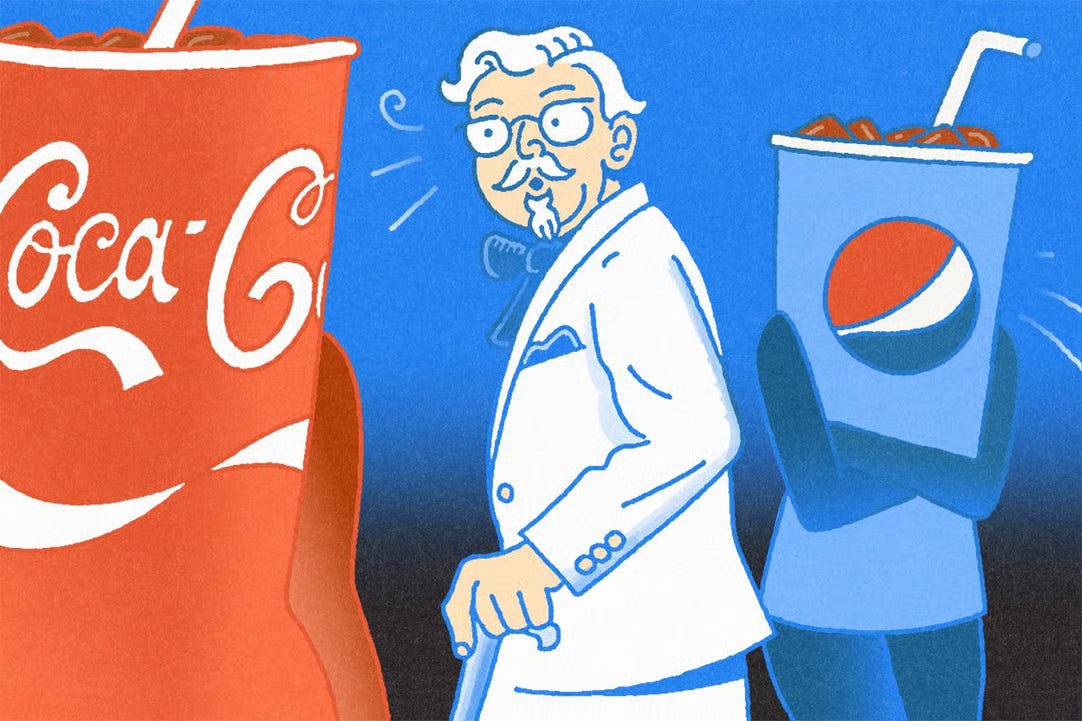
KFC Fired Pepsi
KFC is switching its roughly 3,700 U.S. restaurants from Pepsi to Coca-Cola. The transition starts in January, and Coke should be in every U.S. location by spring 2027.
Here’s why that’s a bigger deal than a fountain swap. PepsiCo bought KFC in 1986 and made Pepsi the exclusive drink. In 1997, PepsiCo spun off its restaurants into what’s now Yum! Brands, and KFC kept pouring Pepsi anyway. That’s about 40 years on one contract, most of it after the two companies stopped being family.
KFC President Catherine Tan-Gillespie called the brand “loved but latent.” The switch is part of a comeback plan that includes new value deals, the return of potato wedges and popcorn chicken, and a bigger drinks menu with lemonades, boba refreshers and shakes. Coke is the bigger brand to build a drinks menu around.
PepsiCo isn’t losing Yum! entirely. It keeps KFC outside the U.S., and Taco Bell just extended its PepsiCo partnership through 2036.
The takeaway: a relationship is only as long as the contract. Foodservice deals feel permanent until the renewal date. If one customer, one distributor or one retailer is a big share of your revenue, know exactly when that agreement ends and what you’d need to show to keep it.
Poppi’s $300 Million Bonus Is Now Worth $12 Million
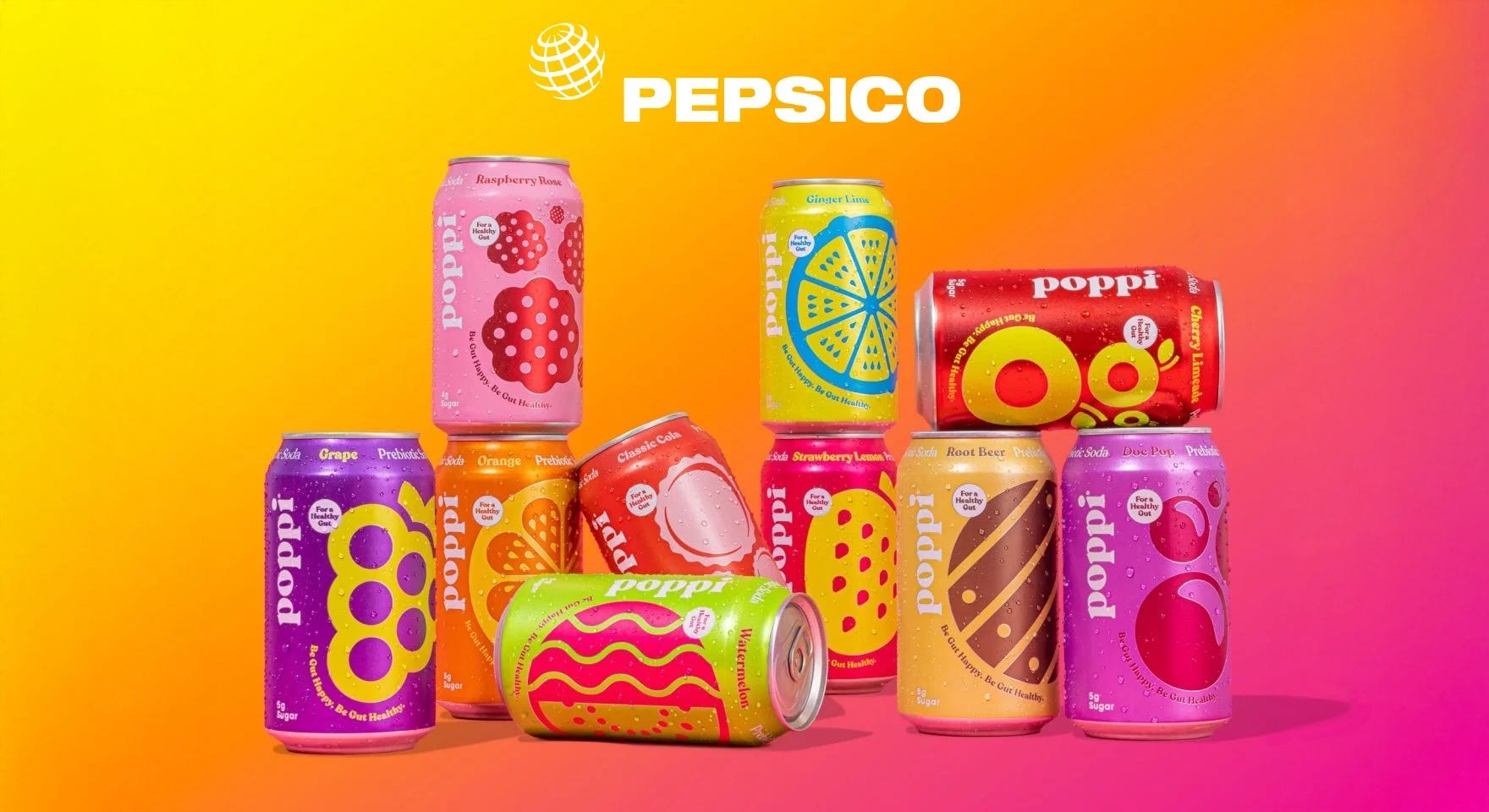
When PepsiCo bought Poppi last year for about $1.95 billion, the deal included up to $300 million more if Poppi hit growth targets by the third quarter of 2027. In a new filing, PepsiCo now values that earnout at about $12 million. In December, it was projecting $278 million. By June it was $117 million.
That doesn’t mean Poppi is failing. PepsiCo says Poppi grew sales volume by double digits in the third quarter and gained share in soda. CEO Ramon Laguarta said moving Poppi from its old distributor into PepsiCo’s system had “a bit of an impact” in the first half. But growing isn’t the same as growing fast enough to hit an earnout target.
The founder takeaway: price an earnout at zero when you decide whether to take the deal. The founders and investors already got paid on close, so this is a good exit either way. But the earnout depended on growth inside PepsiCo’s distribution system, on PepsiCo’s timeline, with PepsiCo’s priorities. Once you sell, you don’t control the levers that decide whether you get paid. If the guaranteed number isn’t one you’re happy with, the deal isn’t right.
Abbott Is Splitting Off Similac and Ensure
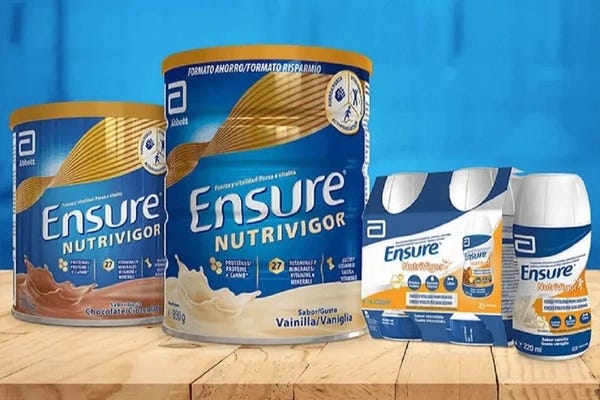
Abbott announced it will spin off its nutrition business into a separate public company. That’s about $8.5 billion in annual sales, including Similac, Ensure, PediaSure, Glucerna and Pedialyte, with about 16,000 employees and 14 manufacturing sites. Daniel Salvadori, who runs Abbott’s nutrition and established pharmaceuticals businesses, will be CEO. The separation is targeted for the end of 2027.
Abbott’s pitch is focus: medical devices and nutrition grow at different speeds and need different kinds of investment. Investors weren’t thrilled. Shares fell more than 4% before the market opened on the news, and Abbott also trimmed its 2026 sales growth outlook.
The open question is the infant formula lawsuits. Abbott is still facing claims tied to necrotizing enterocolitis (NEC) in premature babies, and it hasn’t said which company will carry that liability after the split. The answer will show up in the filings for the new company.
When a giant spins off a slower business, that business suddenly has to compete for shelf space and investor attention on its own. That usually means more pressure to grow, more innovation and more acquisitions. Nutrition founders should watch this one
Who Owns the Shelf
Welly gets a new owner. Forward Consumer Partners agreed to buy Welly, the colorful bandage brand, from Unilever. Terms weren’t disclosed, and the deal is expected to close by the end of the year. Founder Eric Ryan, who also started Method and Olly, comes back as a board member and adviser. It’s Forward’s first consumer health deal, after Justin’s, Bar Keepers Friend and Xochitl. Unilever is trimming its portfolio, and a smaller brand inside a big company often gets more attention from a buyer that’s only focused on a handful of brands.
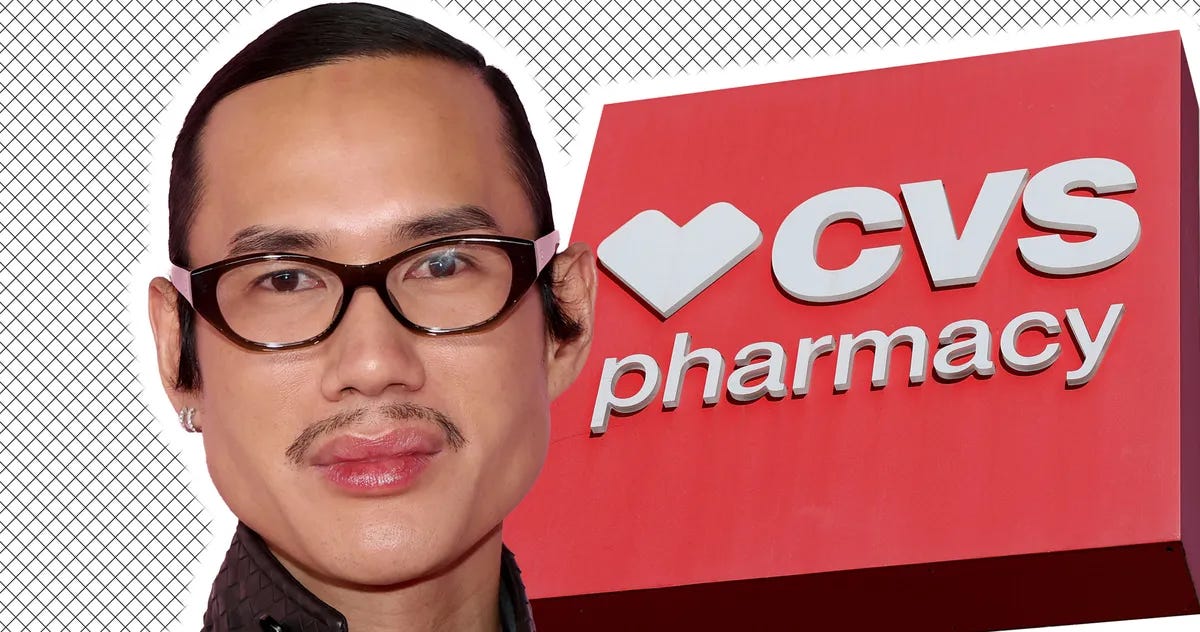
Patrick Ta sued CVS. Patrick Ta Beauty sells through Sephora, but its products showed up on CVS shelves this fall. The brand sued CVS and a distributor, Akstrom Imports, on October 14 for trademark infringement and unfair competition, according to Beauty Independent. The products are real, and reselling genuine products is usually legal. So the brand is arguing the CVS goods are “materially different” because they come without the brand’s warranty or customer service. The lesson for any brand: channel control is part of what you’re selling, and it needs to be written into your distributor agreements.
SUMM! changes hands. Swander Pace Capital sold Fine Choice Foods, the maker of SUMM! Asian-inspired appetizers, to Power Sustainable Lios. That’s Swander Pace’s second exit in recent weeks, after it sold Purely Elizabeth to Ferrero in September.
💰 THE FUNDING FRENZY
Big checks being written
WILDE: $40 million. S2G Investments backed the chicken-based chip brand, which says it has passed $100 million in sales and 35,000 doors. It recently opened a 130,000-square-foot plant in Kentucky that increases capacity sixfold, and it just moved into Protein Crackers. Founder Jason Wright spent years developing a way to turn chicken breast into a chip base. Owning that process is the moat.
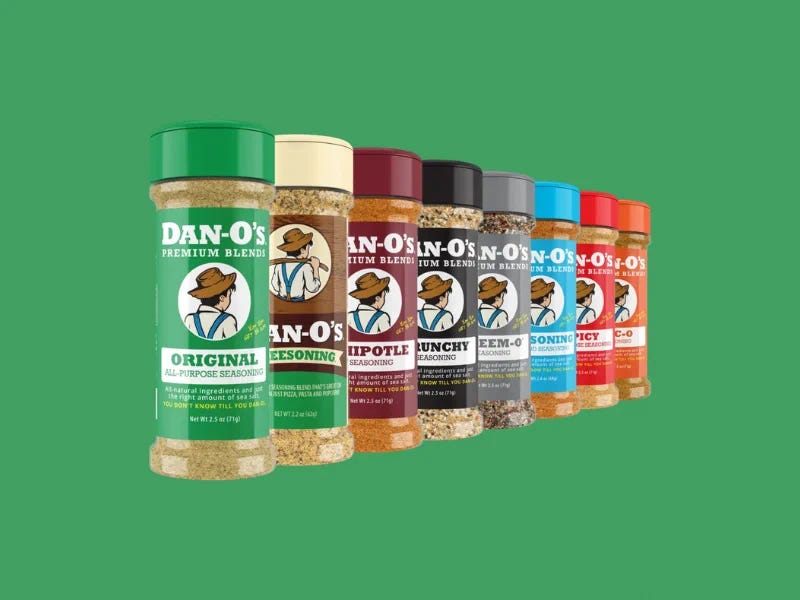
Dan-O’s Seasoning: $25 million. The Newcastle Network, founded by L Catterton alum Chris Casgar, made its first food investment. Dan Oliver started the Louisville brand in 2015 and built a following of more than 15 million home cooks on social. Dan-O’s is in more than 20,000 stores and just launched sweet seasonings, Cinn-O Crunch and Choc-O Crunch.
POV Beauty: $15 million Series A. Silas Capital led the round for the skin-prep brand from Mikayla Nogueira and Ani Hadjinian, with RÉDO Capital and Imaginary Ventures. CPG Wire reports POV did $20 million in its first year. The money goes to Sephora, TikTok Shop and skincare-makeup hybrids.
First Day: Paine Schwartz Partners made a strategic investment in Alice Li’s family vitamin brand, which has sold more than half a billion gummies since 2019. Paine Schwartz also owns Promix.
Miss A: VMG Partners took a minority stake in the discount beauty retailer, its first outside investment after building roughly 100 stores. The goal is 550 stores and $1 billion in sales by 2030.
Sunshine Buns: $7 million. The Utah cinnamon bun brand is reportedly closing the round after its Target launch.
HealthyCell: Kate Hudson invested in the gel supplement brand and joined as a brand partner.
🆕 PRODUCT LAUNCHES & INNOVATION
This week’s innovation circus
Protein Kept Going
Good Warrior: protein bars. PepsiCo’s meat stick brand launched bars with 15g of protein and 7g or less of sugar: Brownie Crisp, Marshmallow Bar, and a Cremewich coming in early 2027.
EPIC: meat sticks. General Mills’ brand launched four sticks, including Wagyu Beef and Hot Honey Chicken, at Sprouts and Amazon. National rollout in 2027.
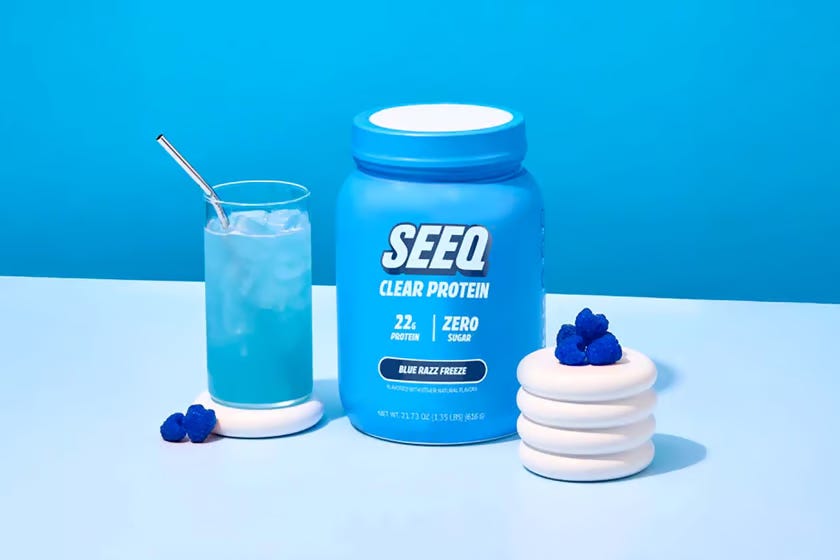
SEEQ: clear protein plus creatine. Each stick has 15g of clear protein and 5g of creatine, at Target.
IQBAR: dessert bites at Costco. Cinnamon Roll, Cookies ‘N’ Creme and Cookie Dough Chip, in a 30-count variety pack.
PRIMA: Peanut Butter. 21g of grass-fed protein, with honey and beef tallow.
Nymbl: protein ice cream. 15g of protein per serving, now in more than 200 New York City stores.
The Freezer Got Interesting
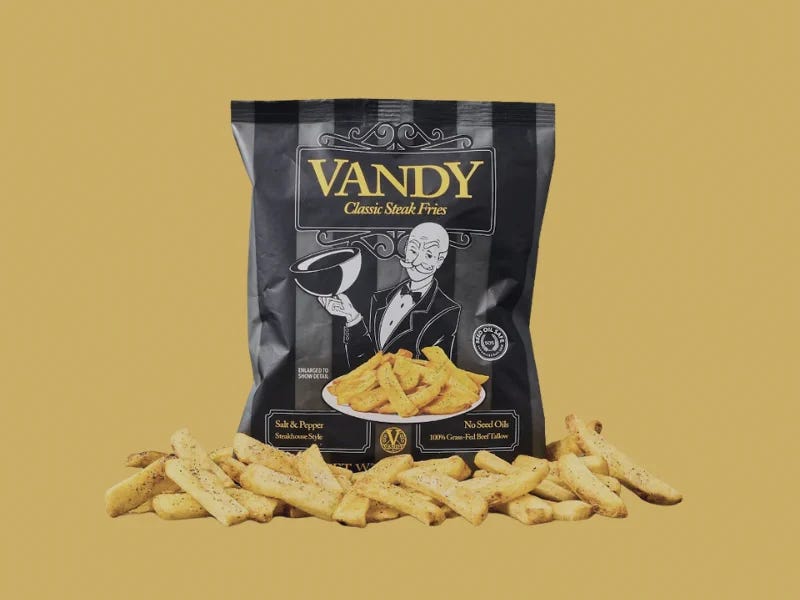
Vandy: steak fries. The chip brand’s parent, Ancient Crunch, used surplus potatoes to launch beef tallow fries, exclusively at Sprouts.
Daiya: Cheesecake Bites. Dairy-free, chocolate-coated, at Kroger, Sprouts and Meijer, with Cade Cunningham as the face.
Crafty Ramen: national. The frozen ramen brand is now at Target and Kroger, nearly 6,400 doors in North America.
Also New
Hormel: A bacon pack split into three sealed sections, so you don’t have to open the whole thing.
Big Dreams: Kimberly-Clark’s new diaper brand, built with Amazon and sold only there.
Haeze: Target’s new fragrance brand, from $10 candles to $49 perfume, launching November 1.
mes°: Jennifer Lawrence’s biotech haircare brand debuts October 27.
Gratsi: The boxed wine brand now sells olive oil in a box.
Clean Cult: Castile soap, at Sprouts and Amazon.
Rho Nutrition: A liquid omega-3 built for absorption.
af94: Halsey’s under-$10 makeup brand quietly shut down last year. Mass beauty is hard even with a famous founder.
📊 THE DATA DIGEST
Numbers that matter
$12 million. What PepsiCo now expects to pay on Poppi’s $300 million earnout.
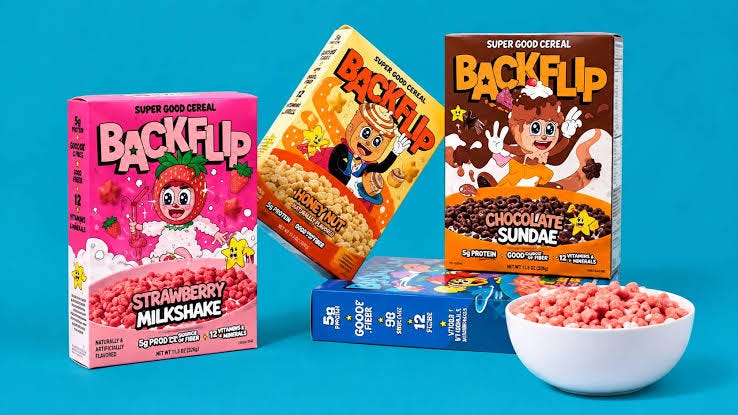
#2. Backflip’s rank among cereal brands at Target, behind only Honey Nut Cheerios, per CPG Wire. 75% of its shoppers are new to the cereal aisle.
$8.5 billion. Annual sales of the Abbott nutrition business being spun off.
$6.6B to $19B. The projected growth of the global functional shot category from 2026 to 2033, per CPG Wire.
2,500 to 55,000+. Crafty Ramen’s weekly production capacity, in bowls, before and after scaling for its Target and Kroger launch.
🏪 DISTRIBUTION DOMINATION
Everyone’s everywhere
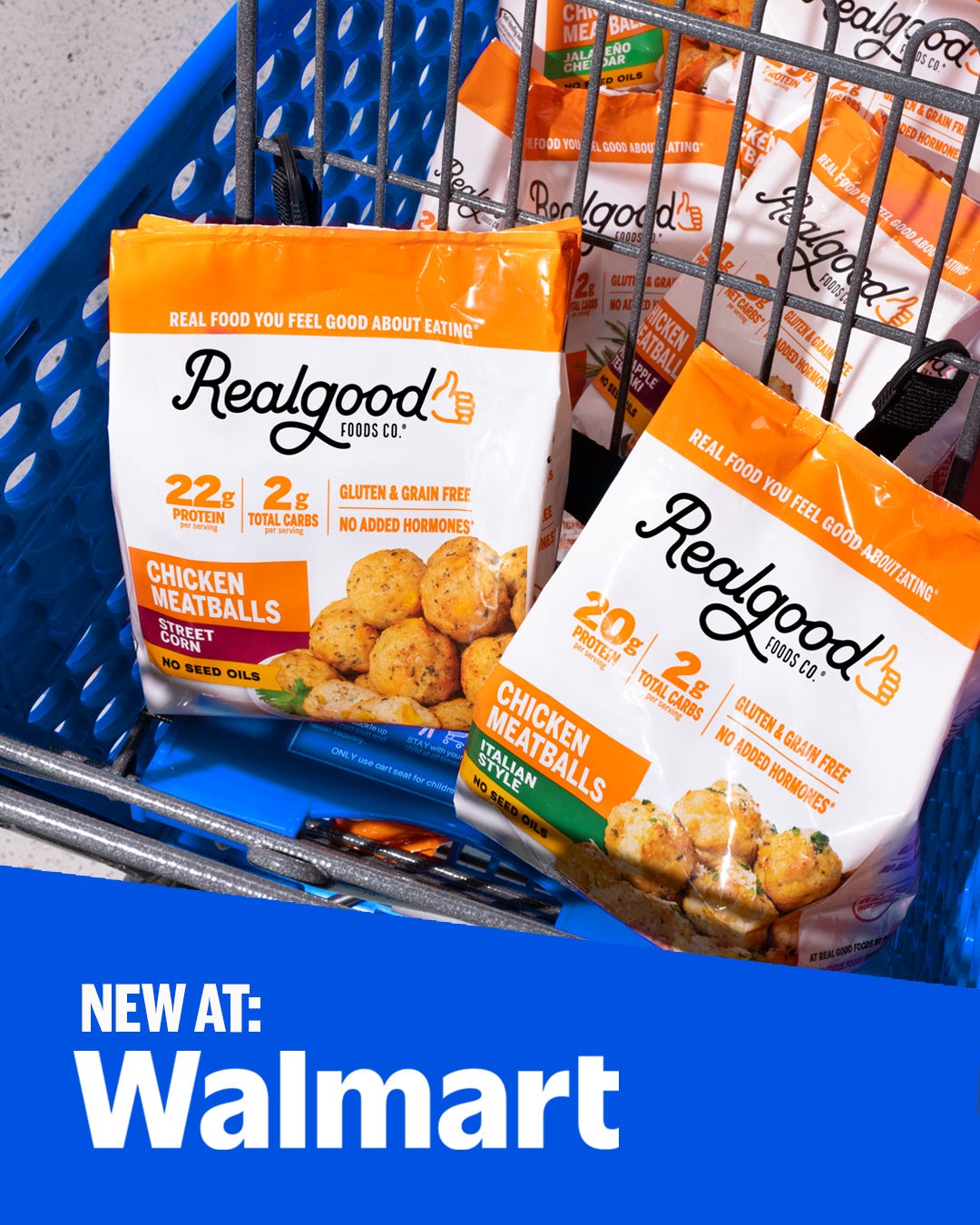
Walmart: Real Good Foods chicken meatballs, nationwide. The Street Corn version has 22g of protein and 2g of carbs per serving, and Italian Style has 20g of protein. It’s a high-protein version of a dinner people already make. Nomadica also launched in four states. Target: Bucked Up in about 1,848 stores, Crazy Mountain non-alcoholic beer in nearly 1,000, plus Snack Buddies nationwide. CVS: ARMRA in 3,500 stores. ALDI: Whoa Dough nationwide. Costco: IQBAR bites, and MASA Chips in the Pacific Northwest. Kroger and Target: Crafty Ramen. Whole Foods: Angry Angel energy drinks across 500-plus stores, and Tuff Pops in select stores.
Angry Angel is the one to watch. It started in a single North Carolina Whole Foods through the Local Supplier Program and is now expanding across 500-plus stores. That’s the local-to-national path working the way it’s supposed to.
💳 FROM MY TOOLKIT: DOUGH
If you run a café, a market stall, a pop-up or a brand with any in-person sales, you know payments are never as simple as they look. There’s hardware to buy, a setup that eats a weekend, fees that creep up and nobody to call when the reader dies at 8 a.m. on a Saturday. That comes up in almost every founder conversation I have.
That’s why I’ve gotten to know Darrin and the team at Dough. They’re the human layer on top of Square. Depending on your monthly card volume, they’ll place a Square Terminal, Handheld or Register for free with no monthly rental, and after 12 months it’s yours. Local setup and staff training are included, and you get a real person to call. Full disclosure, Dough is a partner of mine, and readers of The Deets get the free hardware offer at dough.cc/partner/pickle.
👋 PEOPLE MOVES
Lineage Provisions, the animal-based supplement and protein bar brand, hired Katie Cirulli as CEO. She was most recently President and Chief Emerging Brands Officer at Grüns. Martha Stewart joined Stars + Honey as Chief Taste Officer, working with the collagen protein bar brand’s culinary team. And Daniel Salvadori will lead Abbott’s nutrition spinoff (see above).
The Cirulli hire is the one to watch. Grüns is one of the fastest-growing supplement brands right now, and bringing in someone who helped scale it tells you Lineage plans to grow fast.
🔥 THE HOT TAKE
My unfiltered opinion on this week’s madness
Getting into a store is a decision, not a trophy.
Look at this week. KFC dropped a 40-year soda partner. Patrick Ta is suing to keep his products out of a pharmacy. Angry Angel went from one local Whole Foods to 500-plus. Real Good Foods put a dinner staple in Walmart. Every one of those is a choice about where a brand shows up and who it shows up next to.
Founders tend to celebrate every new door. But where you’re sold is part of what you’re selling.
Three things I’d keep in mind.
First, every channel tells the customer something. Sephora says prestige. Whole Foods says premium and clean. Walmart says available and fairly priced. None of those is better than the others, but you can’t be all three at once without confusing people. Pick the story first, then the stores.
Second, control your distribution in writing. Patrick Ta’s fight exists because product leaked into a channel he never agreed to. Who your distributors can sell to, what happens to excess inventory, and who handles returns all belong in the contract, not in a handshake.
Third, make sure the door can pay for itself. A big launch means slotting, promotions, more inventory and a lot more cash tied up. IQBAR’s 30-count variety pack is smart because it makes trial cheap. If shoppers don’t buy a second time, the new doors just cost you money.
More doors isn’t the goal. The right doors, on the right terms, are.
Know where you belong. Build accordingly.
🎙️ COMING TUESDAY
Unpackaged Goods Episode
KFC’s switch to Coke, what Poppi’s $12 million earnout teaches every founder, and Abbott splitting off Similac and Ensure. Plus how to pick the right stores, not just more of them.
🥫 ONE MORE THING...
Before you close this tab
Tillamook made grilled cheese skirts. The dairy co-op teamed up with designer Rachel Antonoff on four one-of-a-kind skirts inspired by Pepper Jack, Sharp Cheddar, Four Cheese and Swiss, auctioned on RallyUp for Feeding America. Tillamook is matching donations up to $10,000.
It’s a perfect brand stunt. It starts with something people already love about the product, that crispy ring of cheese around a grilled sandwich, and turns it into something you can wear. No new product, no discount, just a story people want to share.
Until next Monday, Jonathan Deeter Your CPG-Obsessed Friend
P.S. Prediction ledger. Protein is now in cereal-aisle challengers, ice cream, meatballs and dessert bites at Costco. Pickle protein powder by Q1 2027 is still outstanding. Dan-O’s already went sweet. Someone go sour.
Know a founder, operator or investor who’d get something out of this? Forward it their way. If someone forwarded it to you, subscribe free at deetseatsnyc.substack.com to get The Deets every Monday 🥣