


THE DEETS 🥣
Who’s winning the shelf, and why.
Issue #55 | November 16, 2026
JONATHAN’S TAKE
This week’s stories are a reminder that growth and a healthy business aren’t always the same thing.
Hims is paying for access to Andrew Huberman’s audience. Once Upon a Farm’s recall is changing its outlook. And Hain is trying to turn its business around while carrying hundreds of millions in debt.
Three different situations, but the same question keeps coming up for me: What does it actually cost to grow, and how durable is that growth?
Big partnerships, new distribution and acquisitions can all move the top line. The harder part is building a business that keeps customers coming back and has the cash to keep growing.
That’s what I’m watching this week.
🍊 THE MAIN COURSE
This week’s biggest CPG moves
Huberman Joins the Hims & Hers Board
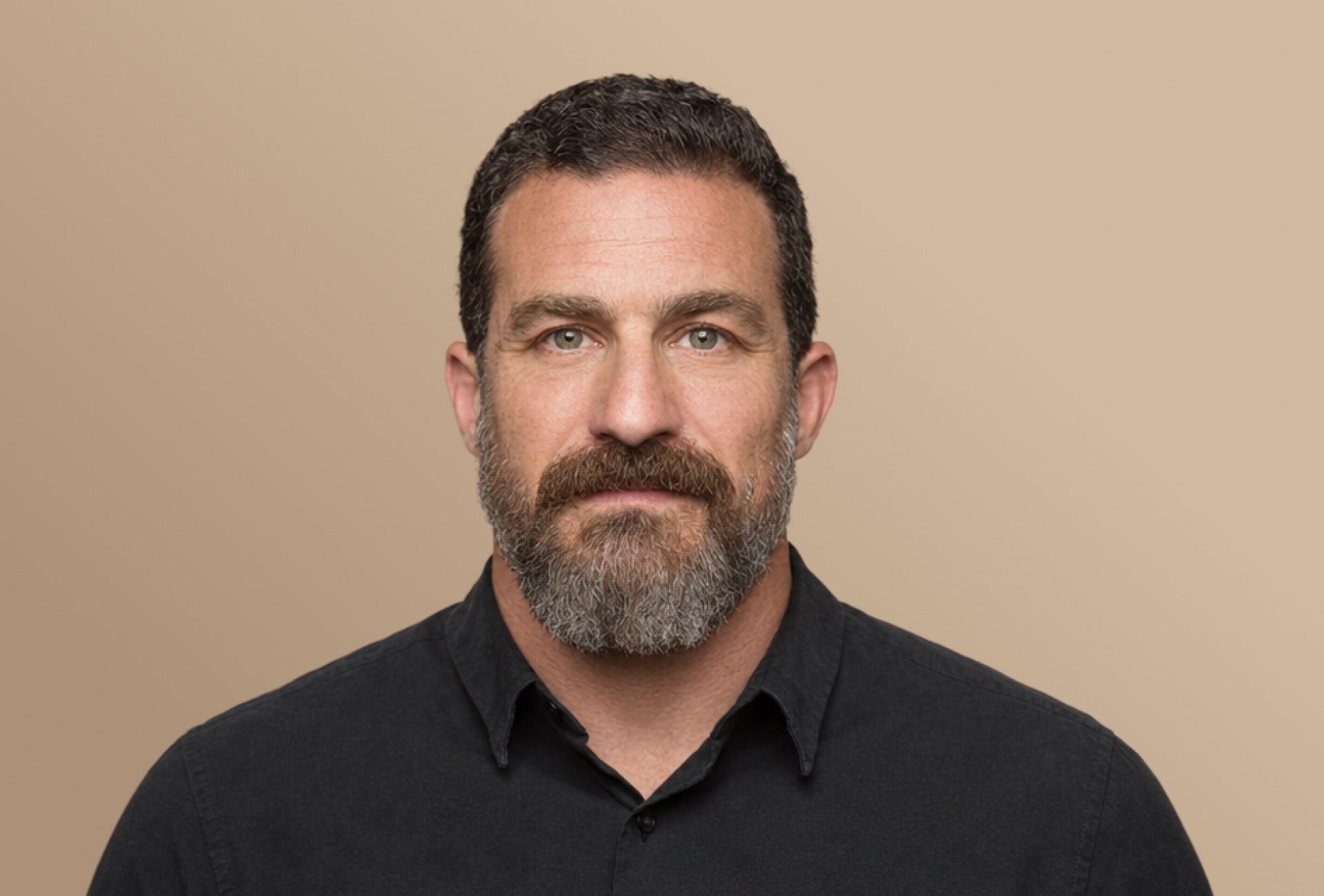
Andrew Huberman, the Stanford neuroscientist behind one of the world’s biggest health podcasts, joined the Hims & Hers board. His board compensation: a $50,000 annual cash retainer and a $250,000 annual equity award.
The much bigger numbers sit alongside the seat. According to the SEC filing, a two-year advisory agreement pays him $3.5 million annually, with up to another $1 million a year for short-form advertising videos. A separate podcast advertising agreement pays Scicomm Media, which he co-owns, $5 million annually for up to three years. His disclosed interest in that agreement is approximately $2.1 million a year.
The commercial agreements total up to $9.5 million annually, excluding board compensation, but that is not all Huberman’s personal pay. The board determined he is not independent; he sits on no committees.
Why it matters: Hims grew revenue 49% last quarter to $890 million, but lost $33 million and about 100,000 subscribers from the prior quarter. This is a major investment in credibility while the company is under pressure to keep customers. In consumer health, where multiple providers offer similar treatments, the person explaining why you should trust one of them can become a very expensive differentiator.
The takeaway: if growth depends on borrowed credibility, budget for it. And know what happens to the brand if the person attached to it becomes the story.
Once Upon a Farm Grew 35% and Cut Its Forecast
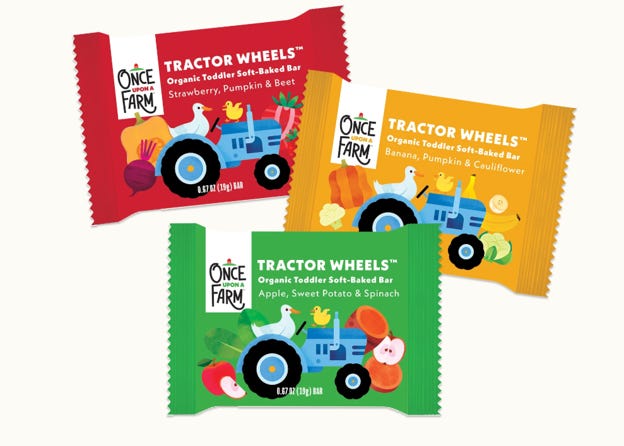
Two weeks after recalling its Tractor Wheels toddler bars, Once Upon a Farm reported third-quarter results.
Net sales rose 34.9% to $89.1 million, driven by 32% volume growth. The net loss narrowed to $3.8 million, and the company ended the quarter with $106.4 million in cash and no debt. Gross margin fell six percentage points to 36.1%, reflecting club-program investment, mix and cooler placement costs.
Then came the guidance. Full-year sales are now expected at $290 million to $300 million, versus $327 million to $335 million previously: a $36 million cut at the midpoint. Adjusted EBITDA guidance swung from a profit to a loss. The company attributes the revision to the recall’s fourth-quarter impact.
Why it matters: a strong quarter doesn’t insulate you from a disruption to a major product line. The recall now has to be managed across production, forecasts and retailer relationships at the same time.
The founder takeaway: build scenarios before you need them. What happens to cash, trade spending and customer commitments if a key product disappears for a quarter?
Hain Celestial’s Clock Is Ticking
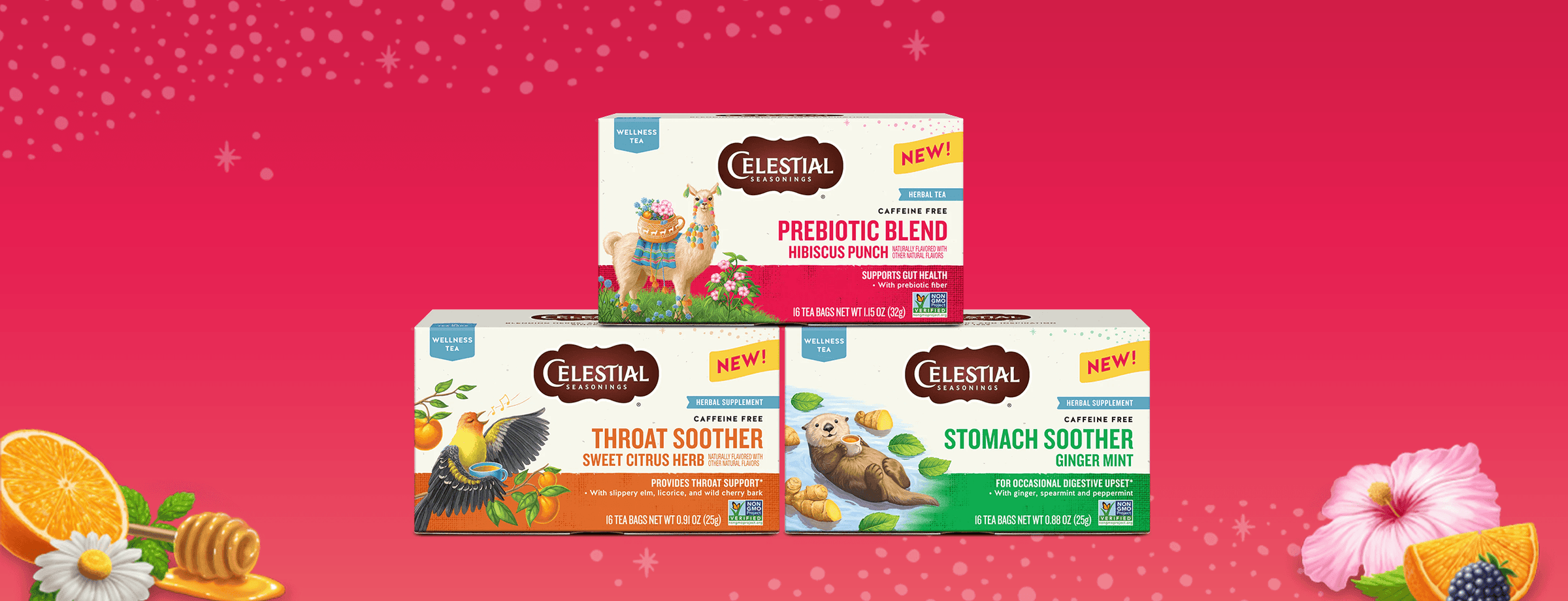
Hain Celestial, home to Earth’s Best and Celestial Seasonings, reported its fiscal first quarter about a month after reports that it was weighing Chapter 11. Its latest results show $586 million in total debt, with a December maturity looming.
Sales fell 29% to $260 million. About 22 percentage points came from divestitures and business exits, including Garden Veggie Snacks, Terra and Garden of Eatin’. Organic sales still fell 7%. Gross margin improved to 21.8%, and the net loss narrowed to $11 million.
The planned international-business sale has received regulatory approval, but a required credit-agreement amendment was not secured by its deadline. Hain remains in discussions with its lenders and the buyer.
Why it matters: improving the operating business and fixing the balance sheet are separate jobs. Hain is making progress on margins while its financing deadline limits how much time it has.
The takeaway: a recognizable portfolio helps. Enough cash and flexibility to keep operating it matter just as much.
Oura Is Buying a Doctor’s Office
Oura agreed to acquire its AI-powered virtual primary care partner, Counsel Health, for $625 million in cash.
Your ring already collects sleep, heart-rate and activity data. Connecting those signals to a clinician gives Oura a way to move beyond the dashboard. My read: the next competition in wearables will be about what happens after the device flags something, not just which device measures the most.
Who’s Buying What
Sambazon buys Pitaya Foods. Açaí meets dragon fruit in a combination the companies describe as the world’s No. 1 organic frozen fruit brand. They project 45% annualized revenue growth over the next 12 months.
SEMCAP backs Good Protein. The Canadian plant-based shake brand, now in 4,500 Canadian stores, landed a CA$128 million transaction. More on the financing below.
Amyris buys Oobli. The biomanufacturer acquired the sweet protein company, adding another tool for brands trying to reduce sugar without sacrificing taste.
Utz is going private. Germany’s Intersnack agreed to take Utz private for about $2.9 billion at $14.25 a share, with closing expected by the end of November. The founding families retain their stakes.
McCormick and Unilever hit a speed bump. The UK competition regulator flagged McCormick’s proposed deal for Unilever’s food business. Remedy offers are due November 18; what McCormick offers to give up comes next.
Bloomage backs Alaris. The hyaluronic acid manufacturer invested in the skincare brand, moving closer to the shelf and the customer relationship.
Also on the board: Core Home acquired Tochi Snacks; Patrick Starrr’s One/Size completed a $140 million dividend recap; and Haldiram’s is reportedly preparing for an IPO of about $1 billion.
📈 EARNINGS CHECK
Who showed the receipts
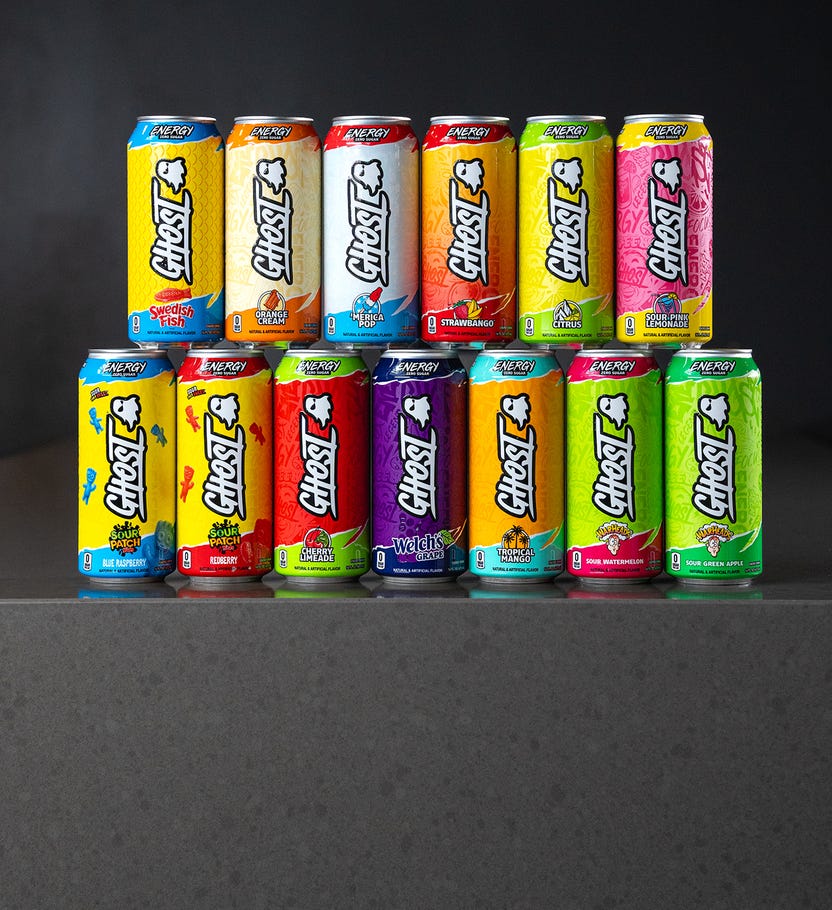
Ghost is a billion-dollar brand. KDP says Ghost reached $1 billion in retail sales, joining Dr Pepper, Canada Dry and Mott’s in its billion-dollar refreshment-beverage club. Separately, KDP’s combined energy portfolio surpassed 10% category share, up from roughly 6% when it acquired Ghost. Distribution gains and accelerating velocity both contributed. KDP earnings call
Electrolit keeps gaining. On the same call, KDP said retail sales rose more than 40% and sports-drink share reached 9%, more than double its share when the distribution partnership began.
Laird Superfood bought its way to growth. Revenue jumped 225% to $42 million, mostly from acquiring Navitas and Terrasoul. Ecommerce now accounts for 54% of sales, led by Amazon. Net income was $1.7 million.
Lifeway keeps compounding. The kefir maker posted record sales of $67.8 million and its 28th straight growth quarter. Year-to-date sales are up nearly 26%.
Beyond Meat is smaller, with better gross margins. Revenue fell 8% to $64.5 million on lower volume. Gross margin improved to 19.3% from 7.4%, but the company still posted an $82.8 million net loss.
Utz heads toward its sale with a loss. The snack maker reported a $32 million third-quarter net loss on $369 million in sales ahead of the expected transaction close.
💰 THE FUNDING FRENZY
Who got paid this week
Good Protein: CA$128 million transaction. SEMCAP led alongside Canadian investors. Calling it a transaction matters: don’t confuse the headline value with an equivalent amount of fresh operating cash.
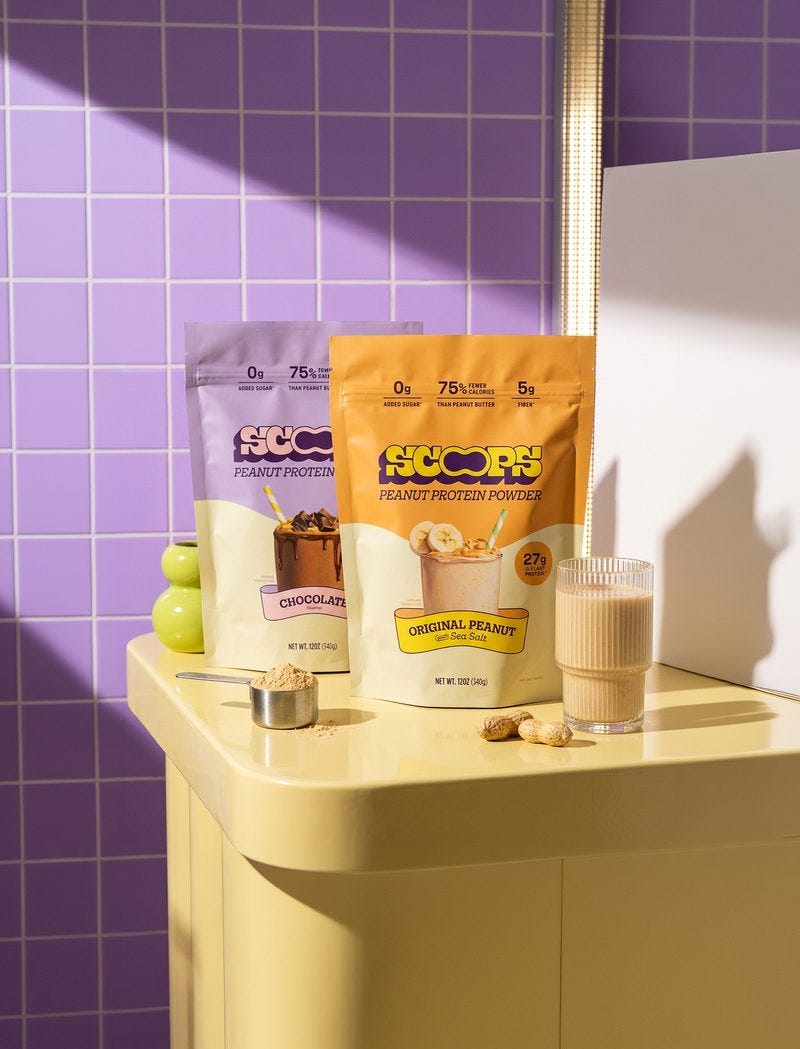
Scoops: $2 million seed. Elizabeth Lane, a former Magic Spoon and Huel operations executive, launched the high-protein peanut powder brand in April. James Weil led the round, with its manufacturer and ingredient supplier also investing. The brand has reached Target nationwide and is growing through Amazon and TikTok Shop.
Joy Supply: $700,000 seed. Sling Ventures led the round for the Brooklyn brand’s thin, crispy oat cookies made with ingredients from regenerative farms. Its founder previously developed products at Martha Stewart.
Wellness Monster: undisclosed seed. Grip Ventures backed the Canadian kids’ snack brand, led by former Mars executive and Love Child Organics operator Brittany Compton. Its Canadian retail footprint includes Whole Foods, Farm Boy, Healthy Planet and Costco.
PONO: undisclosed. NÜTRL founders Paul and Melissa Meehan led an investment in the nootropic drink mix. Founder Richard Pollock previously scaled Emergen-C and Ener-C in Canada. A U.S. and Canadian launch is planned for early next year.
Angus Way: six-figure pre-seed. The UK grass-fed beef stick brand offers 10 grams of protein in 80 calories.
🆕 PRODUCT LAUNCHES & INNOVATION
This week’s innovation circus
Food and Snacks
Pip’s x Cleveland Kitchen: Pickle Balls at Whole Foods nationwide; Kimchi Balls at Fresh Thyme.
Feel Good Foods: gluten-free crab rangoon with sweet chili sauce, heading to Whole Foods this month.
PEP: the Australian pepper brand, sourcing from Memot, Cambodia, is now selling direct in the U.S.
Dumb Protein: chicken jerky bites with 26 grams of protein and 180 calories per bag. Waitlist only.
SAUZ x Kettle & Fire: Chicken and Beef Bone Broth Marinara, with 16 grams of protein per jar, at Kroger nationwide and Costco in Texas.
Ocean Spray x PopUp Bagels: Cranberry Orange Butter at every PopUp Bagels location through November 26. Thanksgiving’s side dish got a breakfast slot.
Cîroc x Tipsy Scoop: vodka-infused Tipsy Linzer Cookie ice cream for the holidays. Adults 21+.
Queen Anne: raspberry cordials and refreshed holiday packaging.
Heinz: four microwaveable soup pouches at Tesco and Ocado in the UK.
Dole Whip: three zero-sugar instant pudding mixes from Jel Sert.
Algae Cooking Club: limited-edition Roasted Garlic Crisp with algae oil, lemon and miso.
SideDish: Alex Snodgrass’s dressing brand unveiled a new look built around flavor.
Drinks
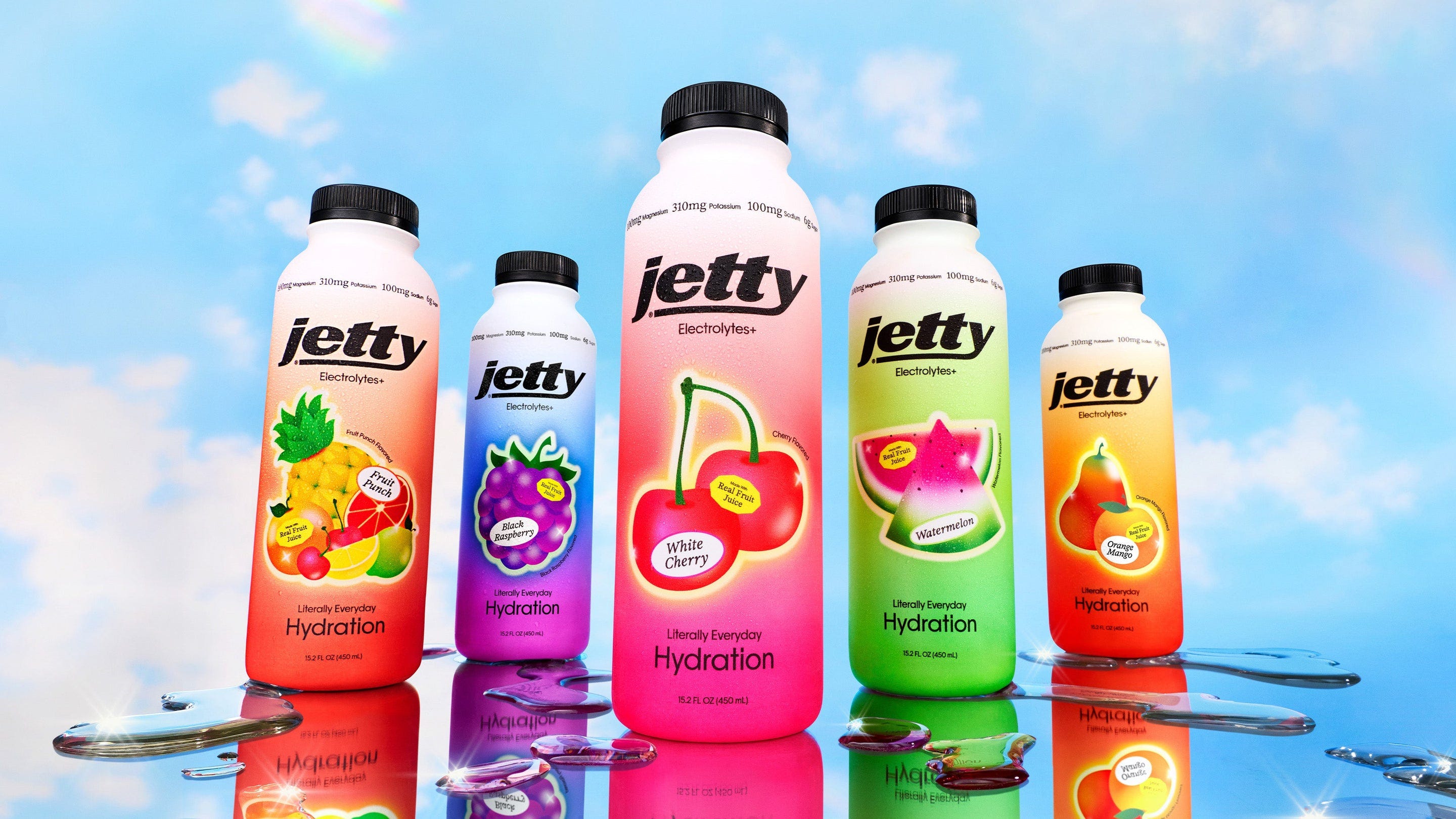
Jetty: the Poppi founders’ hydration brand launched bottles and powders at Amazon, Target and Whole Foods. The pitch: 45 calories, 6 grams of sugar and no artificial colors or sweeteners.
Oats Overnight: Oon Iced Protein Coffee at Target, with 10 grams of protein and 100 milligrams of caffeine in five flavors. Just add cold water.
Skinny Mixes: Protein Barista Mix delivers 20 grams of protein per serving. Coffee’s protein era continues.
Decca: a New York decaf brand launching Classic Latte, Tiramisu Latte and Cold Brew. Its ambition is to do for decaf what Athletic Brewing did for non-alcoholic beer.
The Ultimate Brew: Gary Brecka’s organic coffee is online after a Sprouts exclusive. The brand markets testing for mycotoxins, heavy metals and pesticides.
Almave: Lewis Hamilton’s non-alcoholic agave brand moved into canned Margaritas and Palomas at Target.
Jumex x AriZona: tequila-based Hard Nectar, 10% ABV, in Mango, Strawberry and Watermelon across seven states.
Zoup!: a functional bone broth line arriving early next year, with 10 grams of protein and 5 grams of collagen.
Big Sipz: 5% ABV Lyte Ade in resealable cartons, launching in February.
Beauty and Wellness
AG1: a standalone NSF Certified creatine line in canisters and single-serve sticks.
Goli: Korean wellness-inspired Jelly Stiks in Gut, Beauty and Sleep.
KilgourMD: new scalp-care formulas and refreshed branding.
Pemi: a $99 monthly bundle of Luna, Clara and Sera oral strips with a conditional 90-day money-back guarantee. A subscription offer, not three new products.
Jolie: preorders opened for its $189 Filtered Handheld showerhead.
Infuse: three yerba mate skincare products at Thirteen Lune’s Los Angeles flagship.
Blu Vitals: Mag 9+, its first collaboration with MD Logic Health.
Chris Hemsworth: KINSYN, his entry into supplements.
Glow Recipe: an Ulta Beauty debut on December 6 across 1,000 stores.
Seed: DS-01 at Costco nationwide in a 100-capsule format for $74.99.
Olive Young: five more stores planned across Los Angeles, Orange County and San Diego next year.
Last Call
Maybelline changed its familiar line to “Maybe. We’re born with it,” with Miley Cyrus fronting the campaign. When people can recite your slogan in their sleep, a small edit is a big decision.
Skims’ $148 advent calendar offered 12 days of accessories and no clothing. The internet was not kind, and the brand has reportedly offered refunds. A famous name sells the box. The contents determine whether people buy the next one.
📊 THE DATA DIGEST
Numbers that matter
23.7%. Store brands’ share of grocery units, a record. National-brand units fell 0.9% while store brands grew.
$1M in 13 weeks. Rogue Protein Snacks’ scanned sales at Walmart after launch. A useful number to put next to the store-count announcement.
25.7%. Reported growth in ready-to-drink decaf coffee sales this year. A category worth watching as more brands build around cutting caffeine rather than adding it.
$36M. Once Upon a Farm’s reduction in full-year sales guidance at the midpoint, despite a strong third quarter. Growth and resilience are different measures.
🏪 DISTRIBUTION DOMINATION
Everyone’s everywhere
Walmart: Rallee Energy Gummies in 1,900 stores and Hi Peach Layne’s $9.97 Hair Repair Oil in 1,073.
Kroger: Sunshine Buns nationwide. Trader Joe’s: Fathers Brewing. Costco: Protein Pints in Texas. H-E-B: Protein Candy in 160+ stores. Harris Teeter: Yaza and Kindling Snacks. Sprouts: Well People’s clean beauty line.
Also: Sap’s at Harmons in Utah; Kava Haven at Binny’s in Illinois; Lindsay’s brine-free olive pouches at Albertsons, ShopRite and Food Lion; and SOLZI espresso tonic in 15 Southern California stores. Breckenridge added a $199 two-bottle Whiskey Club release capped at 175 members, while Cuisinart rolled out its Color Collection across 11 countertop appliances.
Gym watch: Skyline is backing more than $10 million in planned YouFit upgrades, starting with 12 Florida locations. After last week’s Equinox expansion news, this is a different bet: make the gyms you already have worth returning to.
Capacity watch: Mars plans a record $1.4 billion in U.S. manufacturing investment in 2027. The Kellanova deal added 15 U.S. plants; Mars says it already makes 94% of what it sells here domestically.
📈 FROM MY TOOLKIT: DRIVEPOINT
Partnership
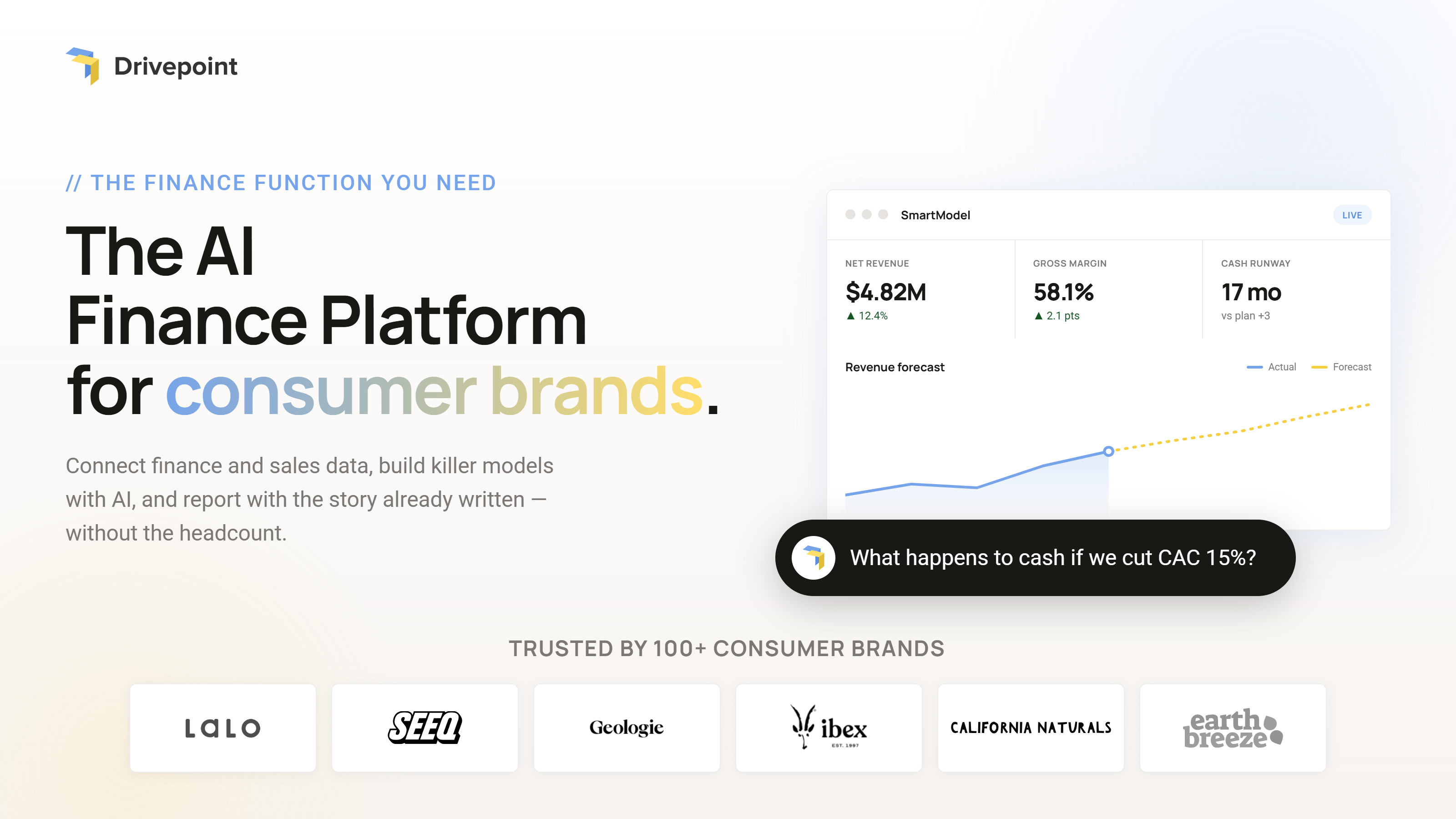
The cash-flow question behind this week’s headlines: what happens if a major SKU goes away for a quarter, or a financing deadline arrives before a deal closes?
Drivepoint brings consumer brands’ Shopify, Amazon, retail and accounting data into a live financial model in Excel, with scenarios, forecasts and reporting built around it. Drivepoint says customers improve EBITDA margins by an average of 6.7 percentage points in their first year.
Not ready for the full platform? I’d start with the 13-Week Cash Flow and Contribution Margin by Channel templates. One shows when cash gets tight; the other helps you understand which channels are earning their place.
Already using Claude? Drivepoint’s Claude 101: Use Cases + 13-Week Cash Flow webinar is the next resource I’d open. It puts a specific finance workflow behind the AI conversation, rather than leaving you with another list of things a chatbot might do.
Browse the Drivepoint template library.
💳 FROM MY TOOLKIT: DOUGH
Partner offer
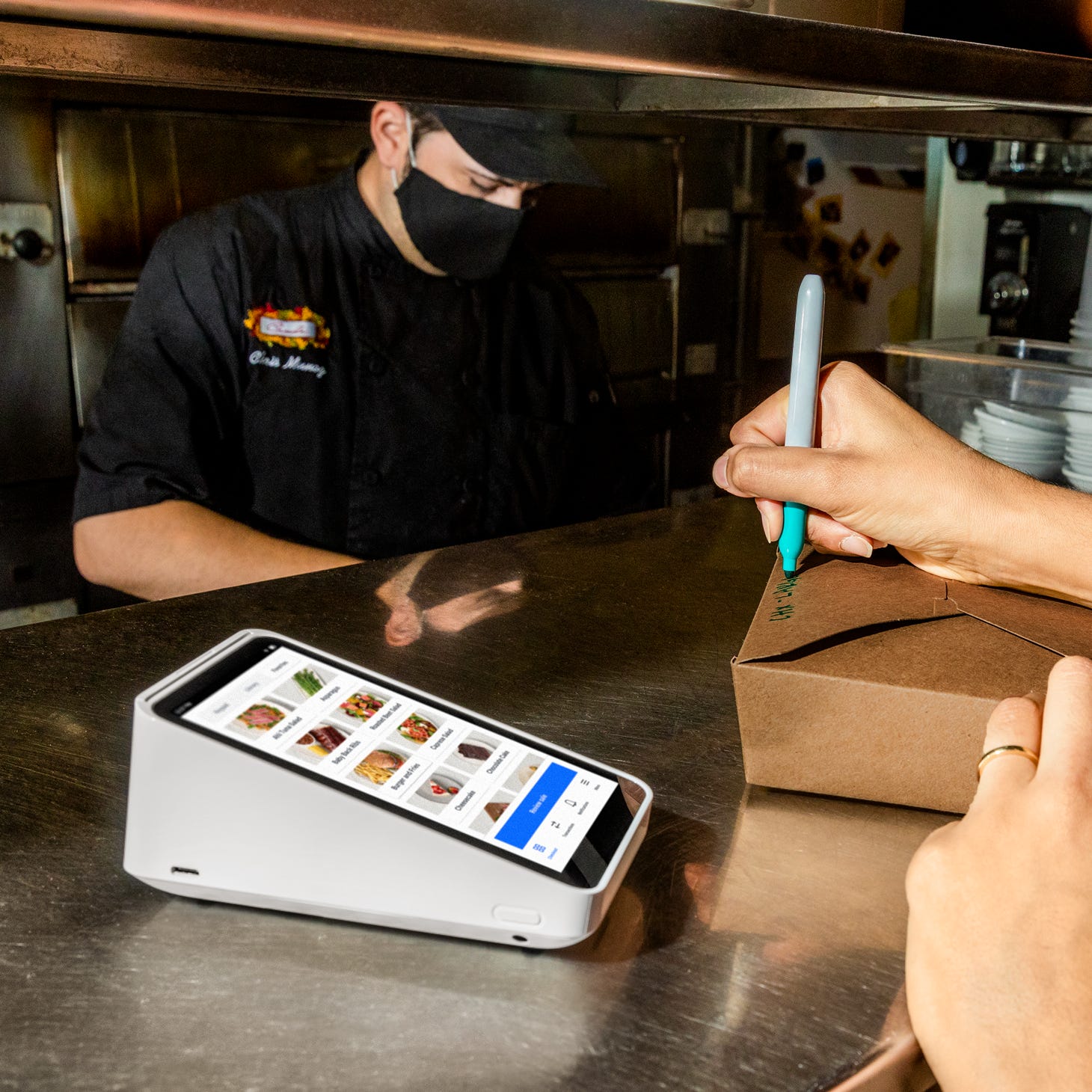
Picture a Saturday pop-up. You’ve hauled the product, set up the table and talked someone into trying it. The last thing you need is a payment reader that turns the sale into tech support.
That’s where Darrin and Dough, an authorized Square reseller, come in. They help you set up the system, train your team and keep a real person available when you need support. For a consumer brand, that can mean more than taking cards:
Pop-ups, farmers markets and trade shows: a way to turn sampling and conversations into purchases on the spot.
Wholesale: Square Invoices for billing buyers, rather than another payment request buried in an email thread.
Online and in-store: Square tools for a storefront alongside your in-person sales.
Product decisions: item-level sales and inventory reporting, so you can see what moved instead of judging the day by how busy the table looked.
Depending on your processing volume, Dough can place a Square Terminal, Handheld or Register at no hardware charge. The first unit becomes yours after 12 months of meeting the qualifying monthly processing volume. Eligibility and program terms apply; processing fees and any paid software plans are separate.
See Square in action, then explore the Dough offer through Pickle to find the setup that fits how you sell.
Dough is a partner of mine.
👋 PEOPLE MOVES
Andrew Huberman joined the Hims & Hers board. The commercial agreements are detailed above; the governance distinction is that he is a non-independent director with no committee appointment.
Jason Havey, formerly CEO of Onnit, is the new CEO of fiber brand Supergut. He also co-founded energy brand Korrect with Aubrey Marcus.
Toby Gordon-Smith, a Diageo, Bain and Glanbia veteran, is the new CEO of UK refillable cleaning brand Neat.
Howard Friedman will leave as Utz CEO when the Intersnack deal closes.
General Mills is reorganizing into three segments in January and placing marketing, sales and consumer insights under one chief commercial officer.
🔥 THE HOT TAKE
My unfiltered opinion on this week’s madness
Getting in is the announcement. Selling through is the business.
My inbox is full of new retailers, new doors and new partnerships. I cover them because they matter. But the follow-up question deserves more attention: what happened after launch?
Did shoppers come back? Did the new channel improve contribution margin? Can the company afford to keep the product on the shelf?
Three things I’d keep in view:
Track velocity alongside doors. A smaller footprint that turns can be more valuable than a big one that sits. Expansion needs evidence, not just ambition.
Treat forecasts as commitments to explain, not promises that nothing will change. When assumptions break, show what changed and how you’re responding. Surprises are hard enough without losing credibility over the explanation.
Keep the balance sheet in the brand conversation. Debt, concentration and runway don’t appear on packaging, but they affect pricing, inventory and whether the business can survive a setback.
Announcements get attention. Receipts get you the next order.
🎙️ COMING TUESDAY
Unpackaged Goods Episode
The price of trust in Huberman’s Hims deal, the recall’s impact on Once Upon a Farm’s outlook, Hain’s debt problem, and what Ghost and Rogue tell us about selling through.
Catch up on the latest published episode of Unpackaged Goods: DoorDash Is Buying Instacart, Hershey vs. Mondelēz, the For Sale Signs Go Up + Sababa Foods’ Amy Dell.
🥫 ONE MORE THING...
Before you close this tab
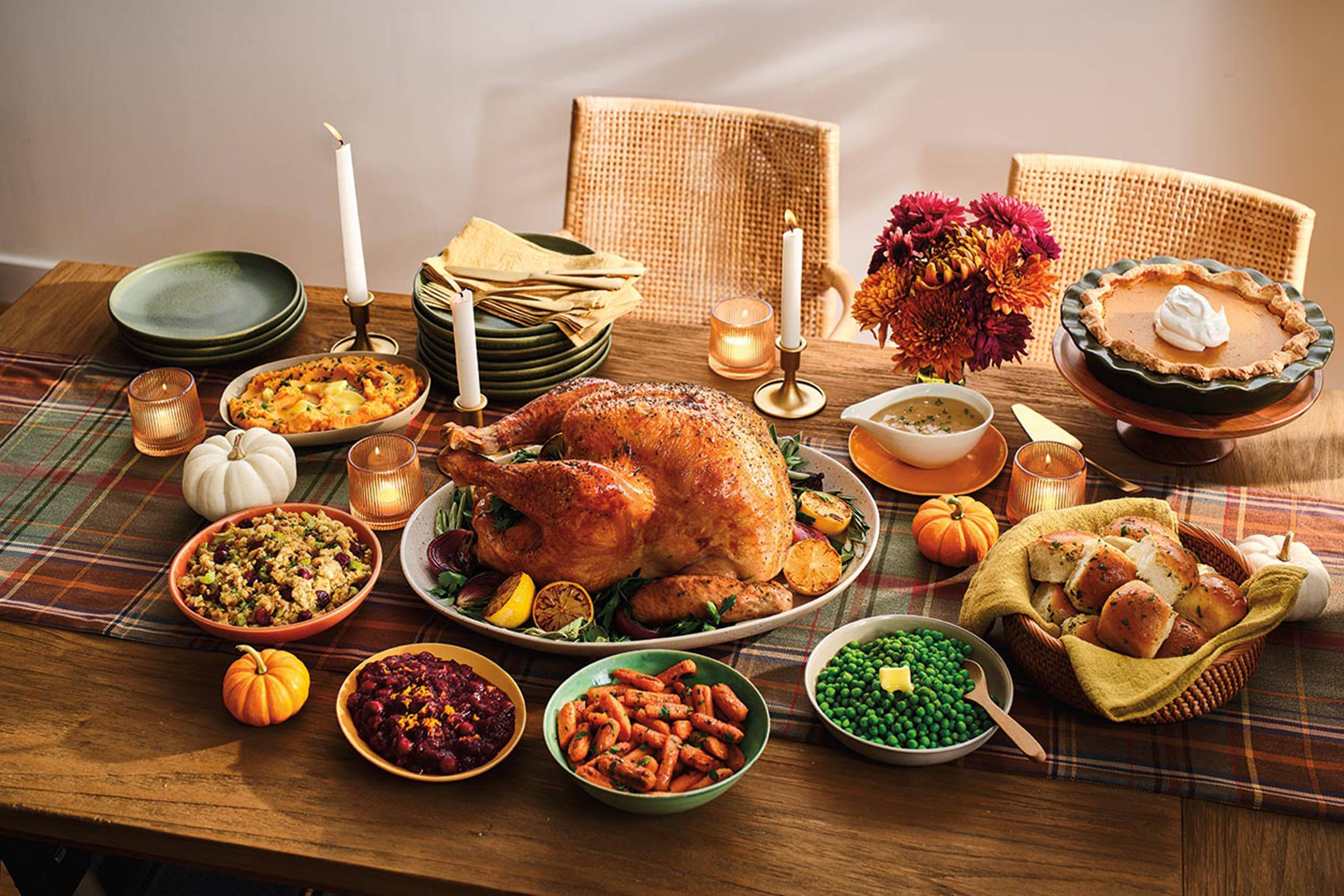
Aldi’s Thanksgiving bundle feeds 10 for under $39, with Kroger and Target offering their own holiday deals.
My read: retailers are competing for more than the turkey purchase. Win the holiday shopping trip and you have a chance to win the rest of the cart. The headline price gets people through the door; everything they pick up afterward is part of the strategy.
Until next Monday,
Jonathan Deeter
Your CPG-Obsessed Friend
P.S. Prediction ledger update: pickle protein powder by Q1 2027 is still outstanding. Meanwhile, peanut protein powder is raising money and someone named a chicken jerky Dumb Protein. The window is closing.
Know a founder, operator or investor who’d get something out of this? Forward it their way. If someone forwarded it to you, subscribe free to get The Deets every Monday 🥣