


COUNTER SERVICE | NOVEMBER 10, 2026
Counter Service is the daily 60-second news serving; here, we go one level deeper into the business behind the headlines.
GHOST is moving more cans. Deoleo’s buyers want the business behind the bottles. Uber Eats wants to handle the shopping trip. Today’s stories are about who gets a product into your hands, and who earns money along the way.
Can your cash flow keep up with your distribution?
Paid partnership with Drivepoint. Counter Service is brought to you by Drivepoint, the AI finance platform for consumer brands.
Getting into more stores creates work before it creates cash. You need inventory, a clear view of your costs, and a plan for what each channel actually contributes. Drivepoint’s free finance templates are a place to start.
Explore Drivepoint’s finance template library.
13-week cash flow
COGS template suite
Contribution margin by channel
LTV:CAC calculator
GHOST earns its place in the billion-dollar club
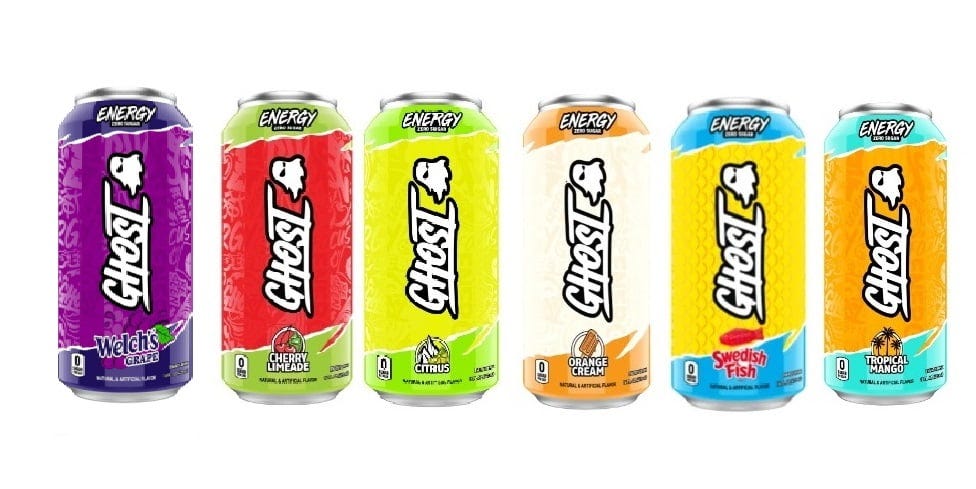
GHOST has reached $1 billion in retail sales, according to Keurig Dr Pepper’s third-quarter earnings call. KDP also said its energy portfolio, including GHOST, Bloom and C4, had surpassed 10% category share.
The useful detail is how GHOST got there. KDP pointed to both wider distribution and faster sales at existing locations. Those are different jobs: getting a retailer to give you space, then giving the retailer a reason to keep you there.
More doors can make the headline. What sells through those doors determines whether the growth lasts.
Two rivals want Deoleo’s place on the shelf
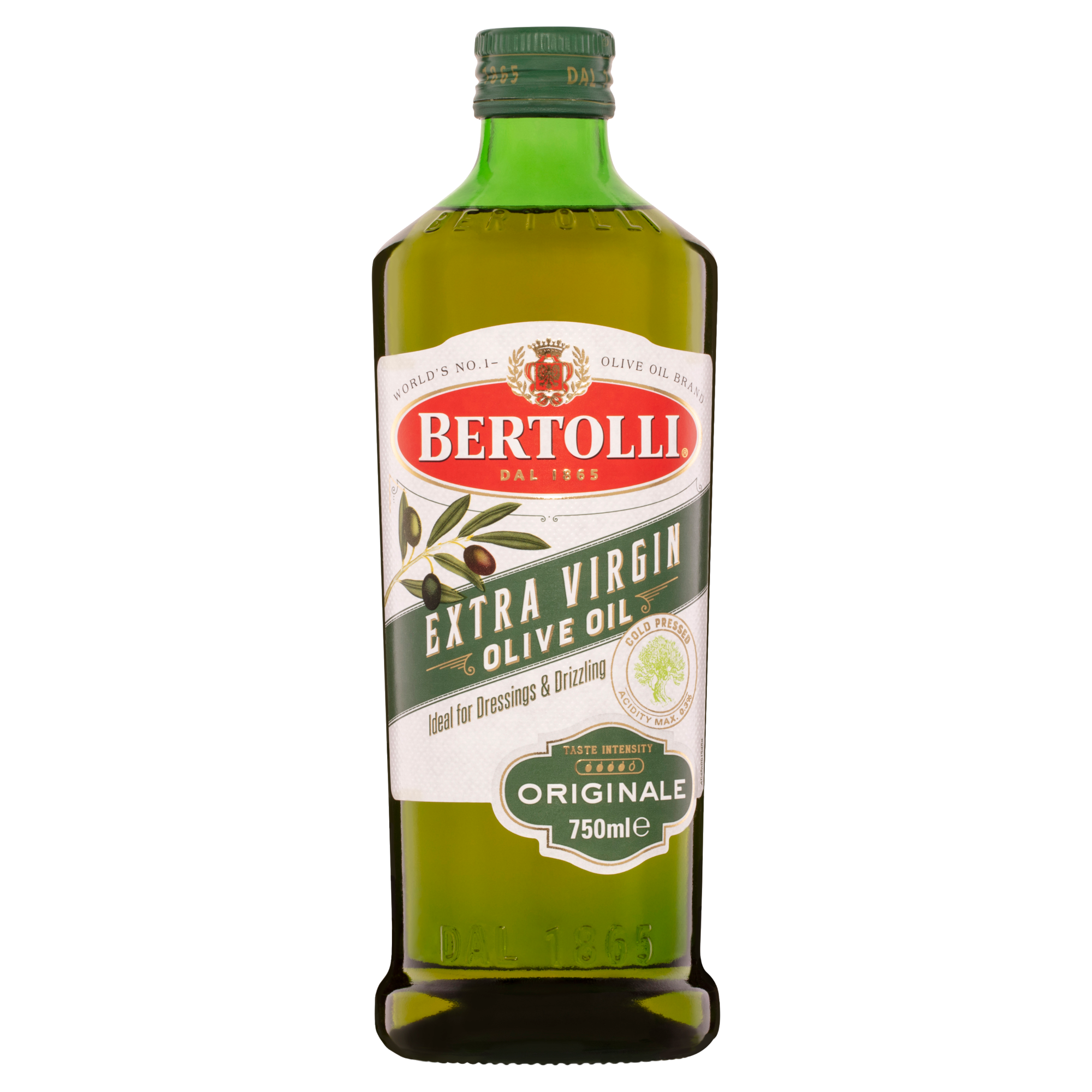
Deoleo has agreed to a sale to a consortium of Acesur and Dcoop at an enterprise value of €520 million. The transaction still needs the required approvals.
For the buyers, the appeal goes beyond another bottle of olive oil. Deoleo brings established brands and an international distribution network. Acesur and Dcoop bring production capabilities and ties to growers. The proposed deal puts more of that route from producer to shopper under the same roof.
The olive oil aisle can look crowded even as ownership gets more concentrated.
Uber Eats wants to run your neighborhood errand
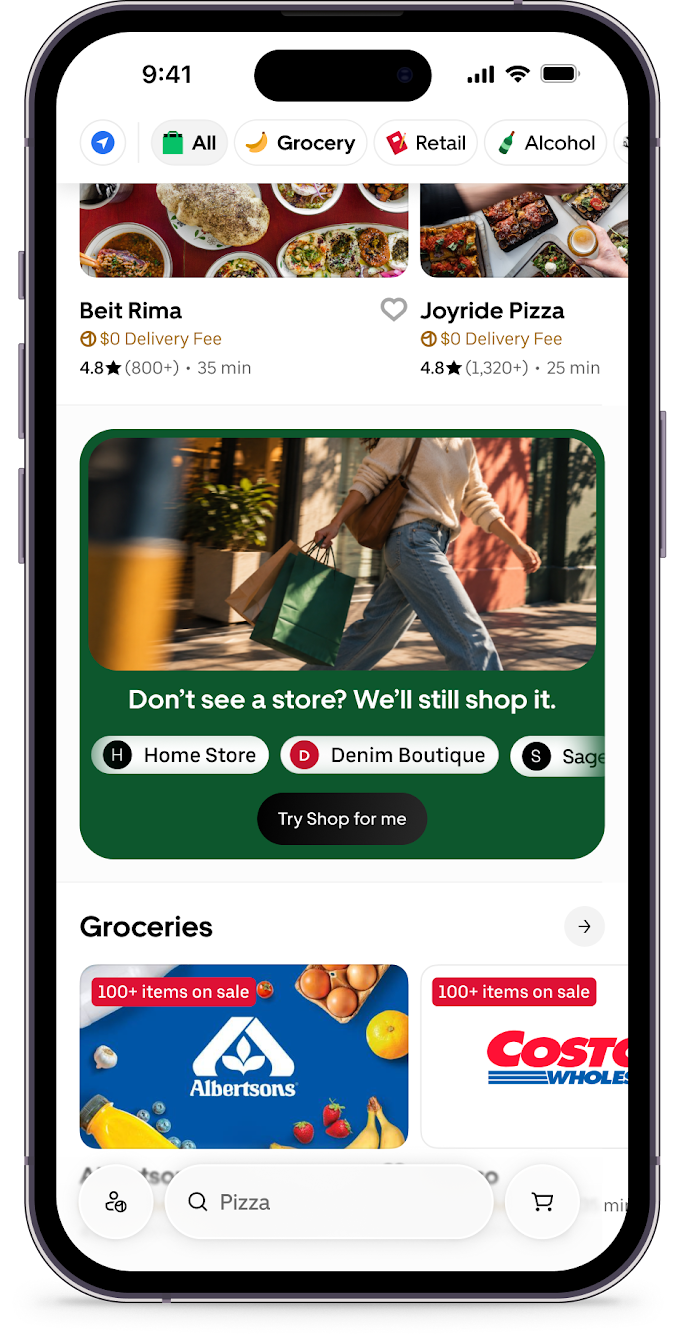
Uber Eats is rolling out Shop for me in New York City, San Francisco, Phoenix, Dallas and Tampa. It lets customers request shopping at local stores that aren’t already available in the app.
That broadens what a delivery app can do for a shopper. The destination can be the neighborhood boutique or the specialty food store, rather than a merchant already integrated into the platform.
There’s still a human step: customers need to approve items as the shopper finds them. Uber says the order can be canceled if you don’t respond within five minutes.
Your local shopping trip just got closer to the couch. Keep your phone nearby.
THE CHECK
Making the product is one job. Controlling how it reaches shoppers is another. GHOST is showing what happens when distribution and demand grow together. Deoleo’s proposed sale joins production with established brands and routes to market. Uber Eats is making more of those local routes available through a phone.
For a growing brand, the question is simple: when the product reaches more people, who keeps the margin?
For the bigger weekly picture, subscribe to The Deets.